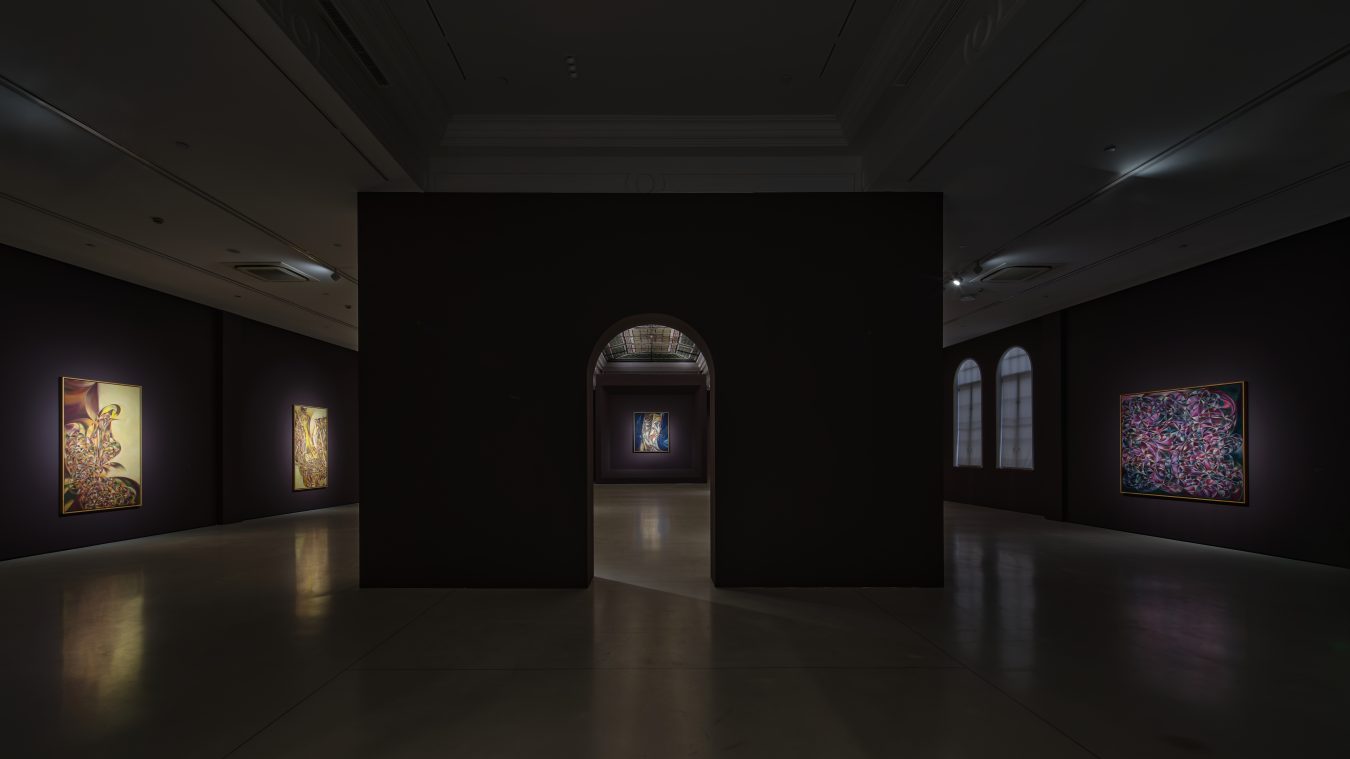
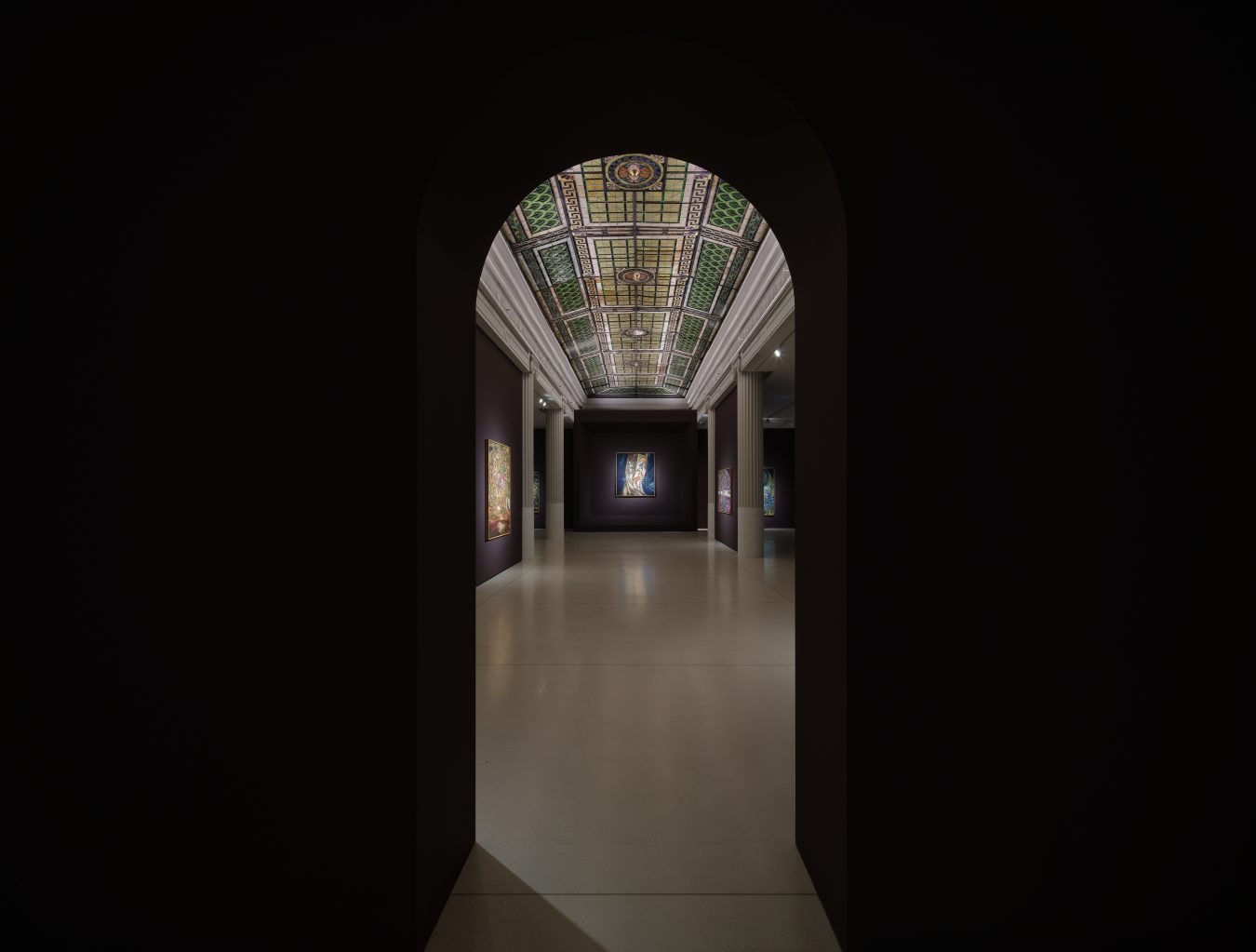
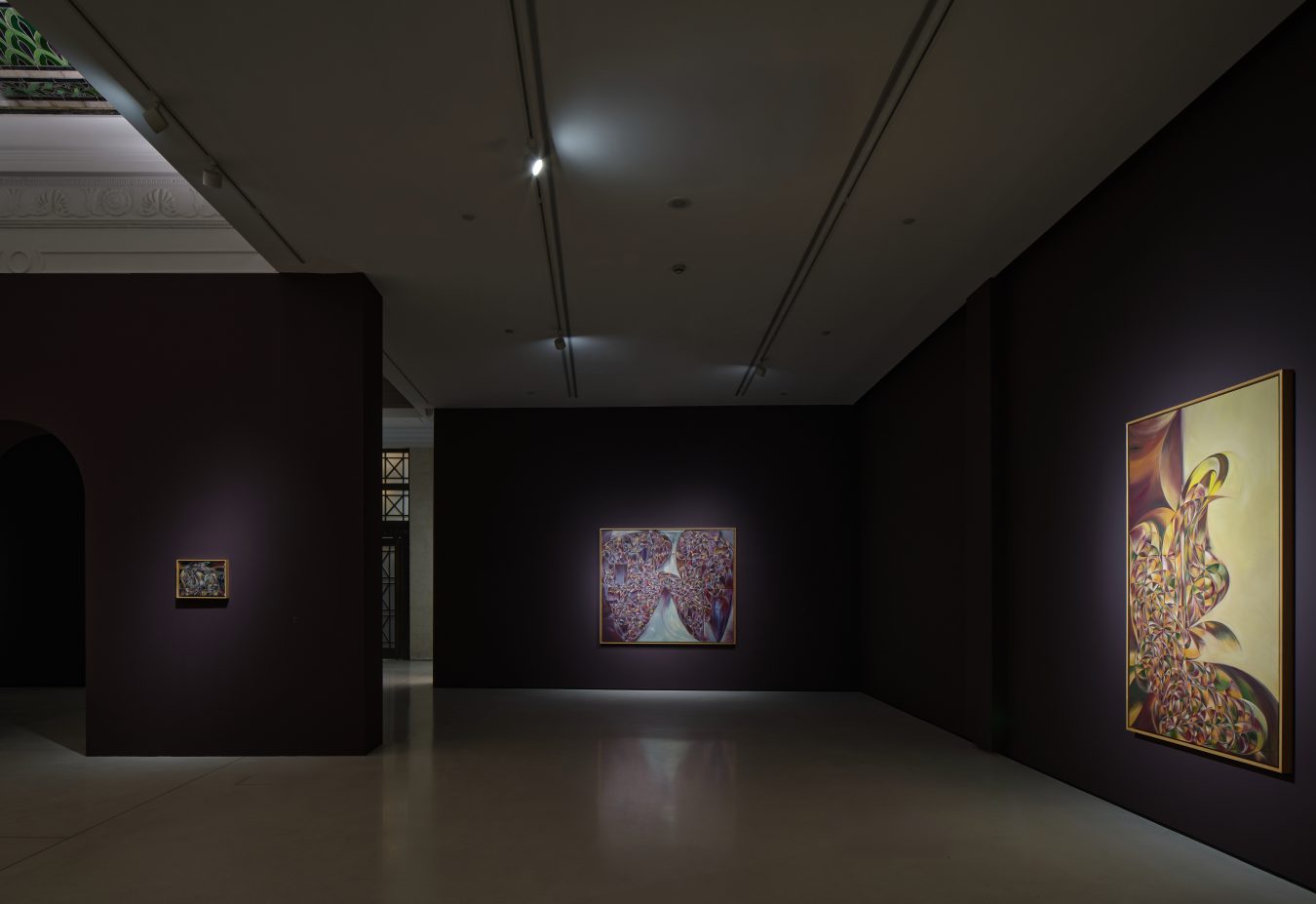
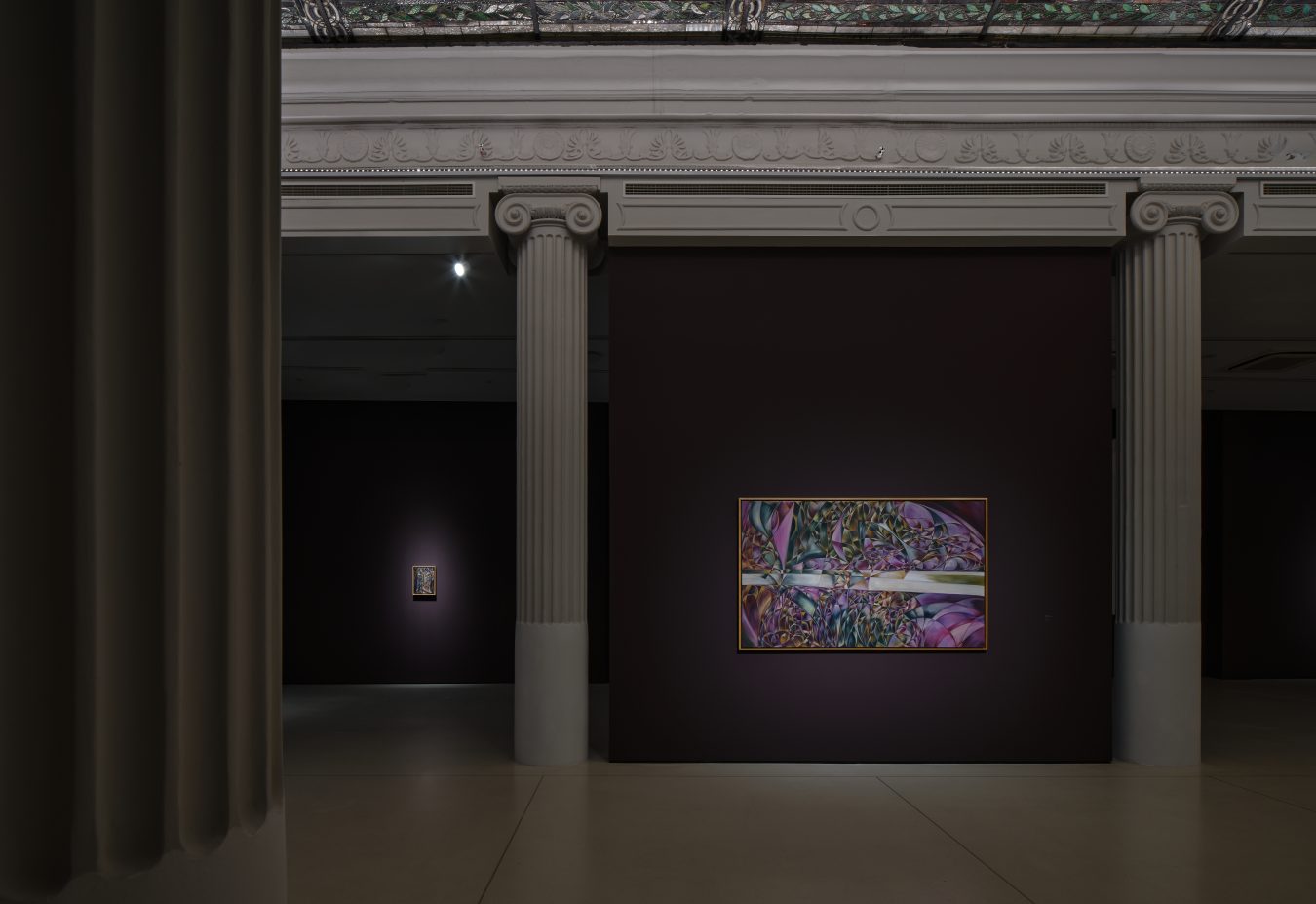
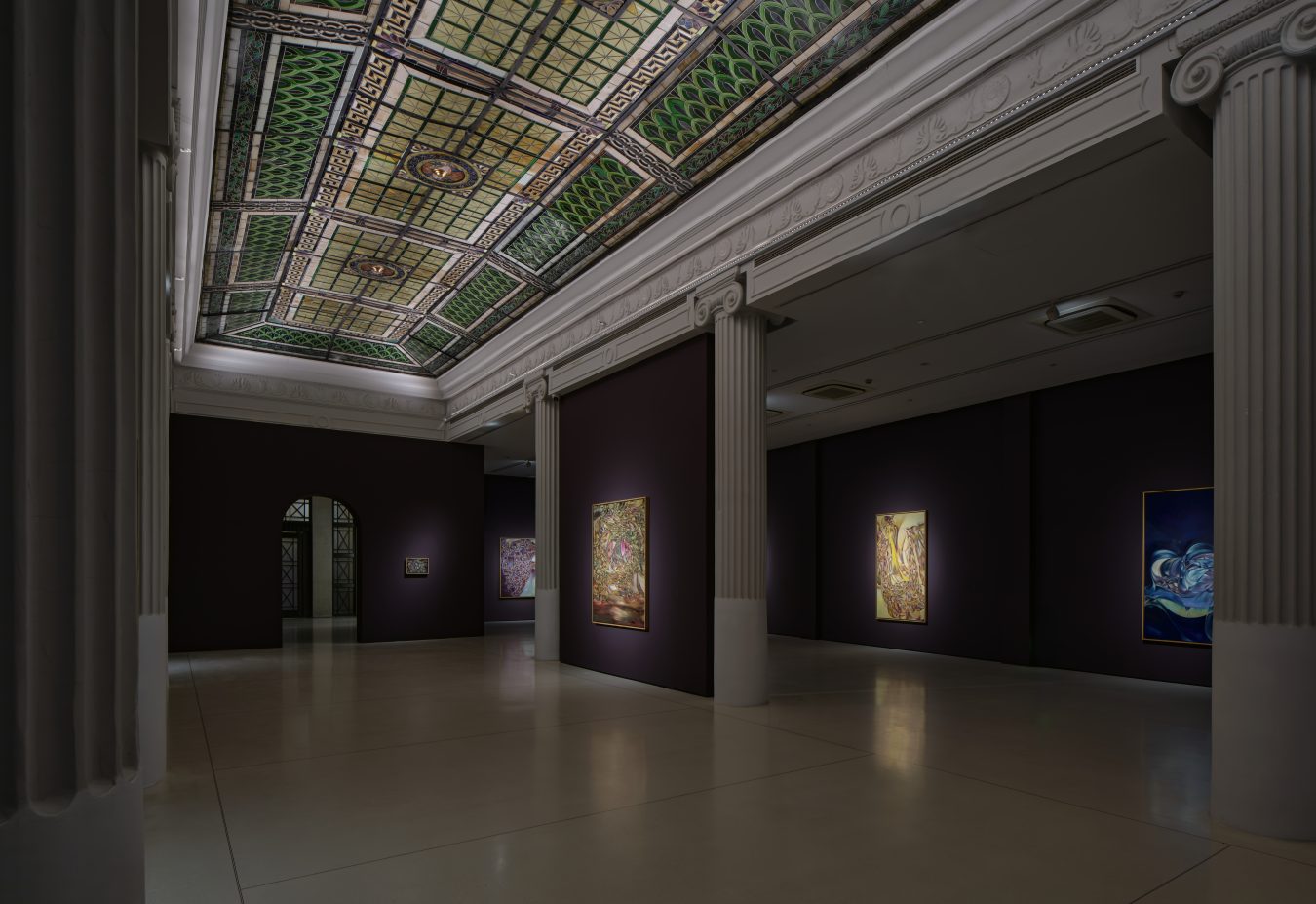
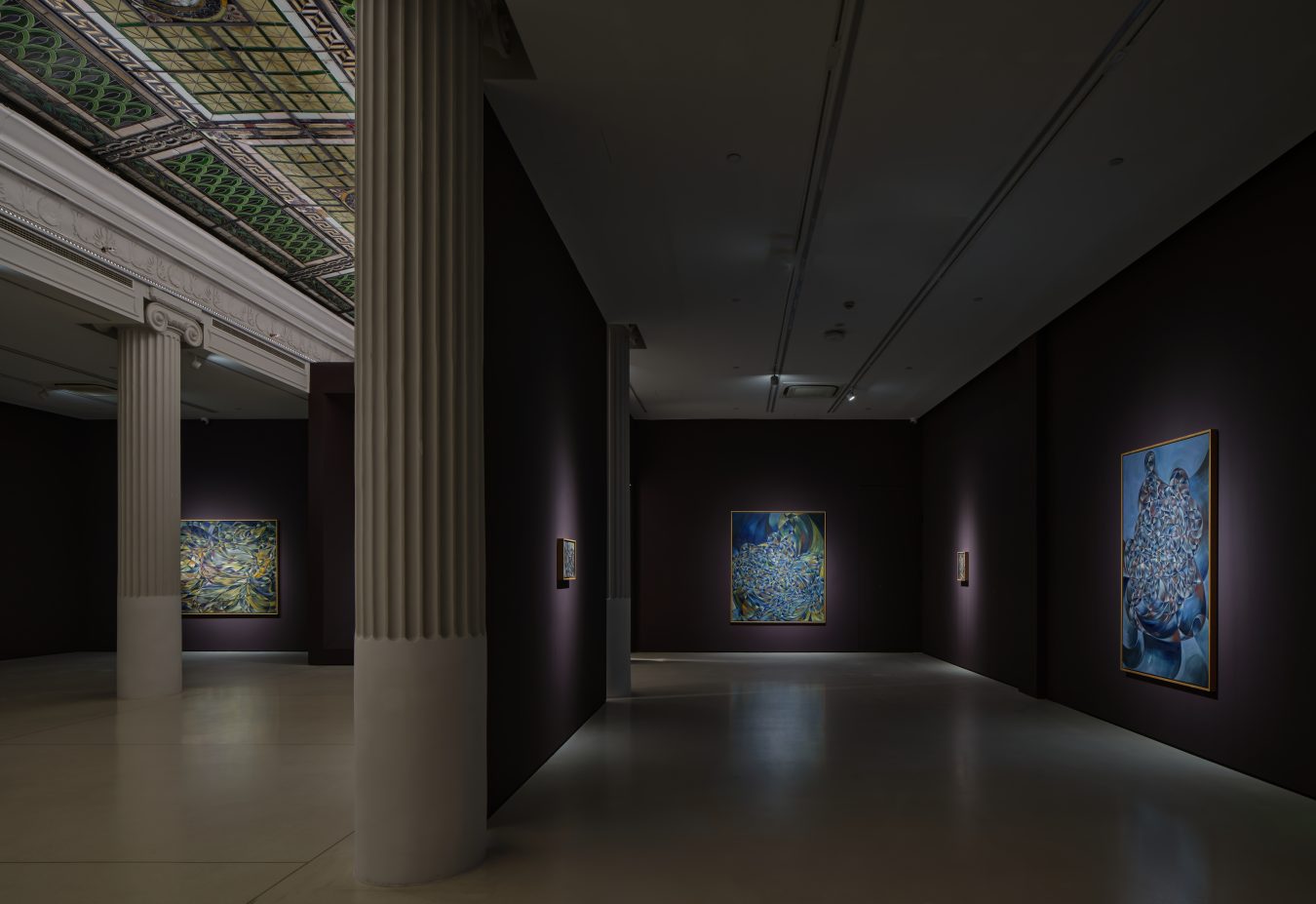
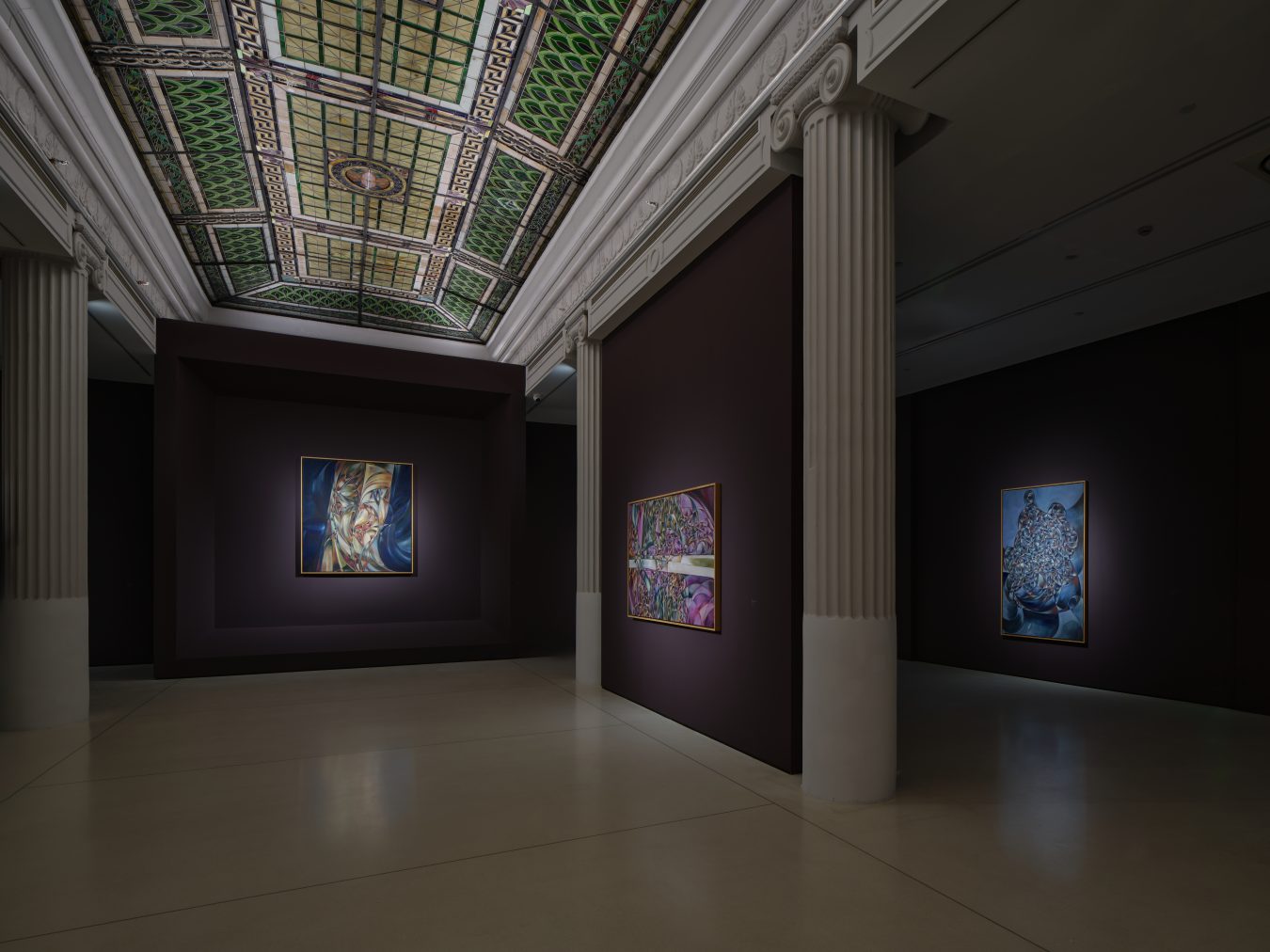
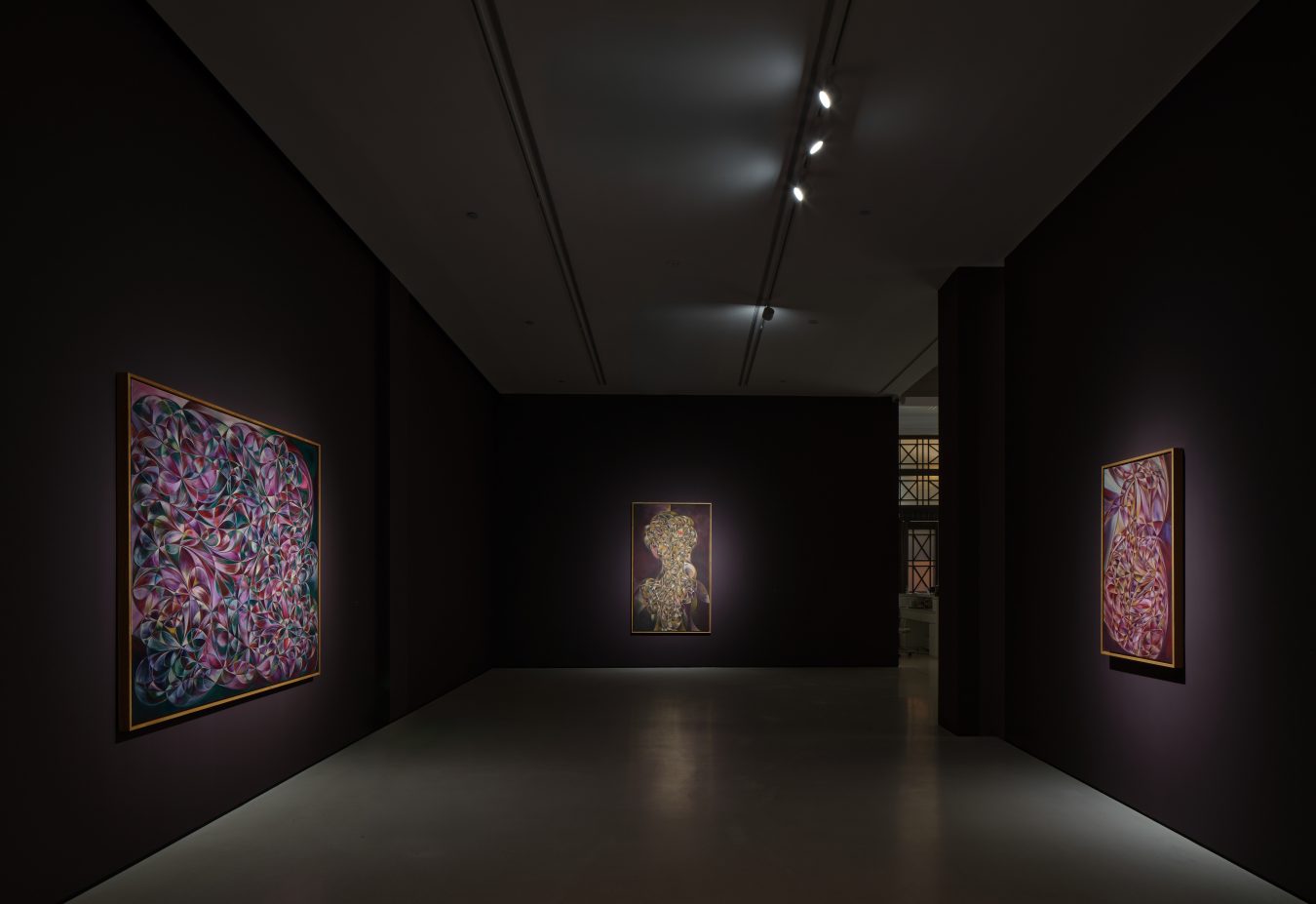
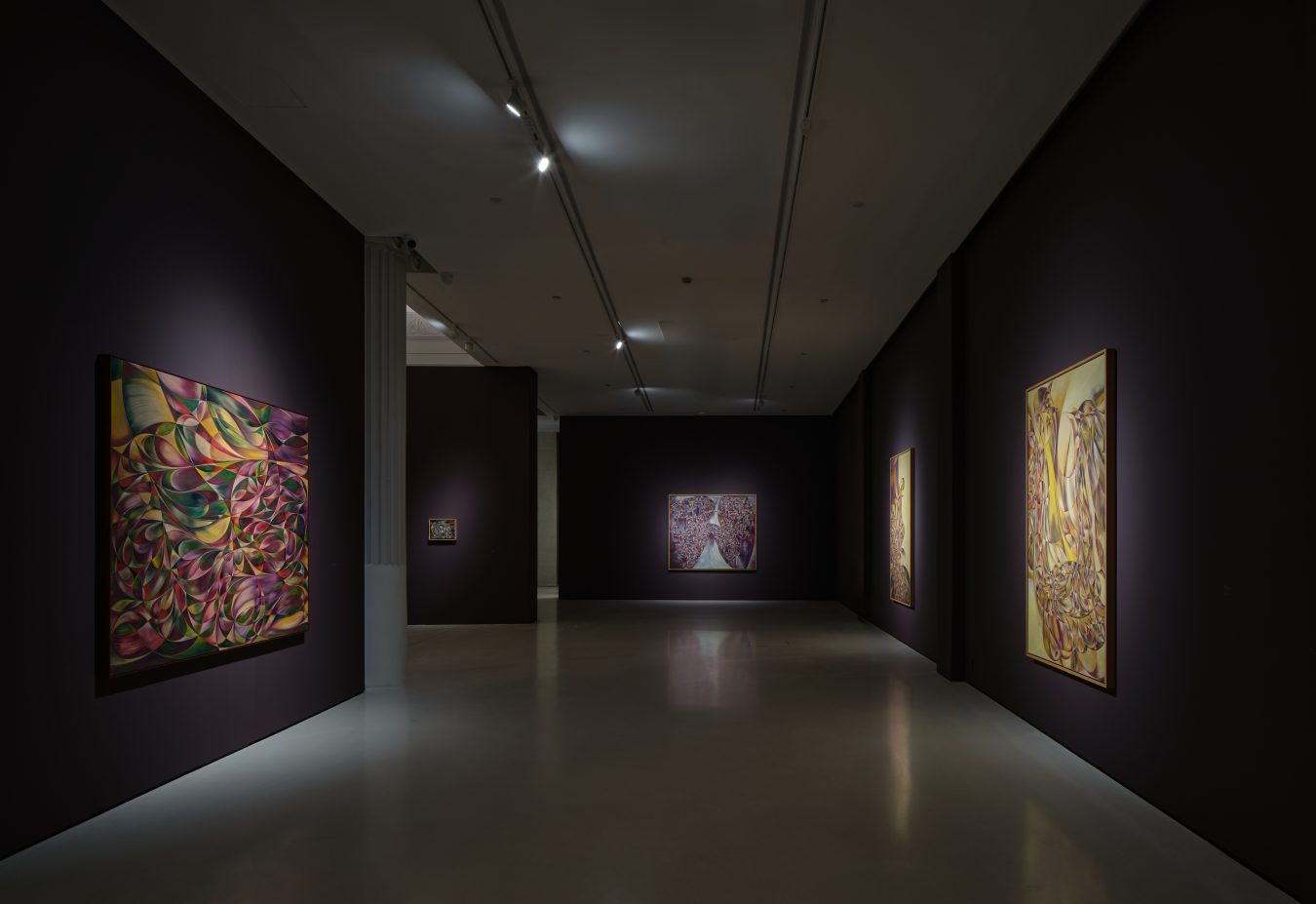
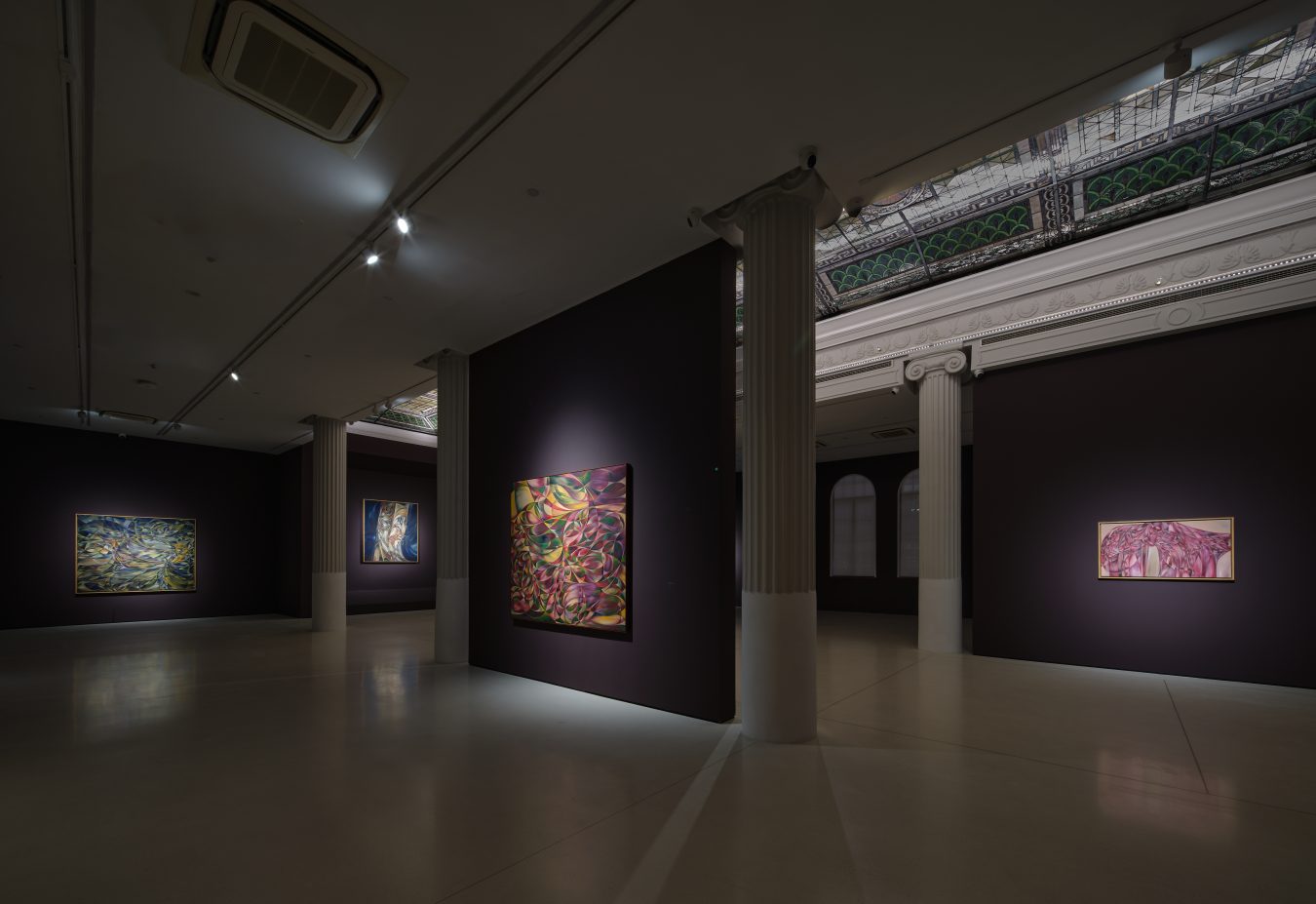
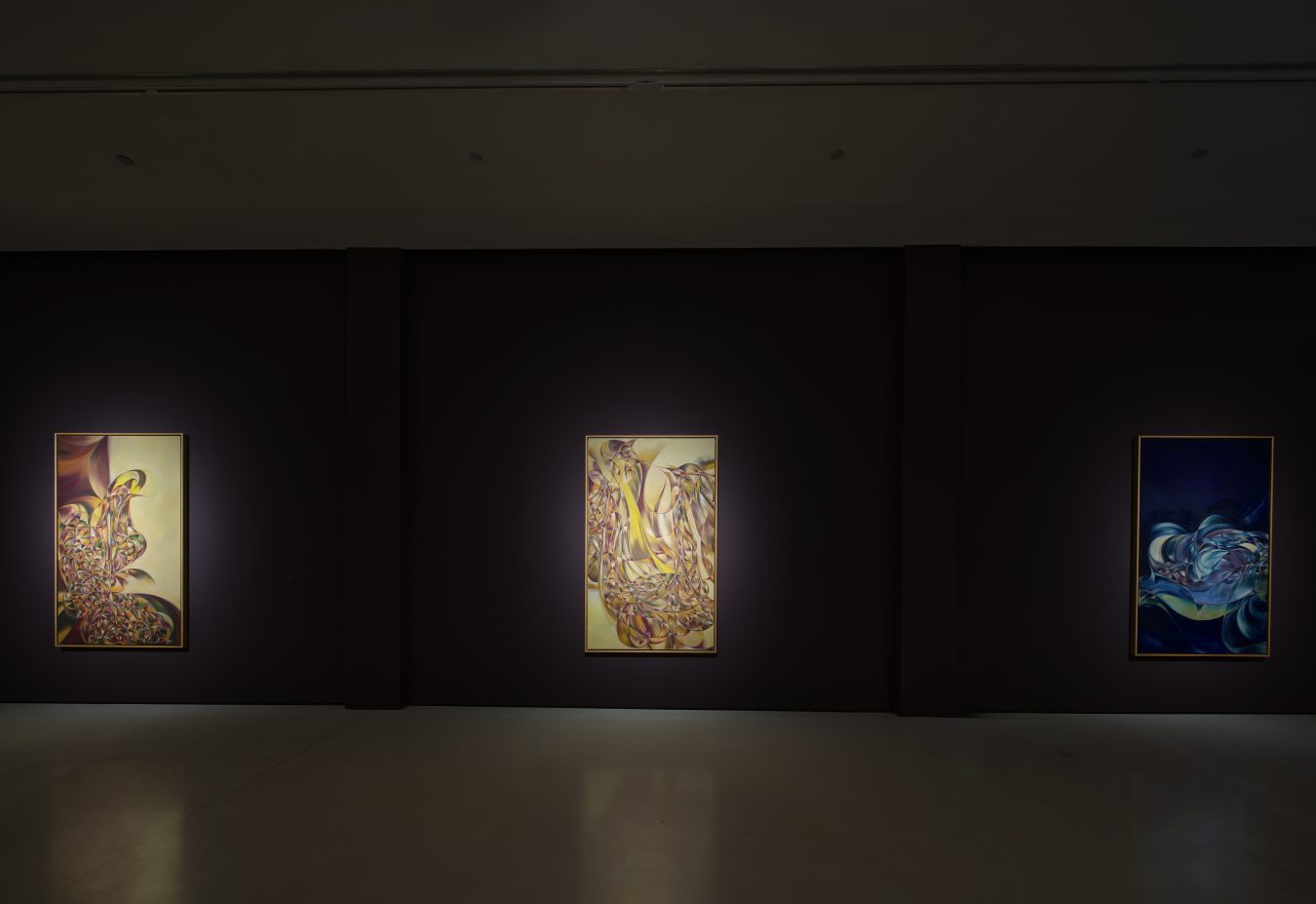
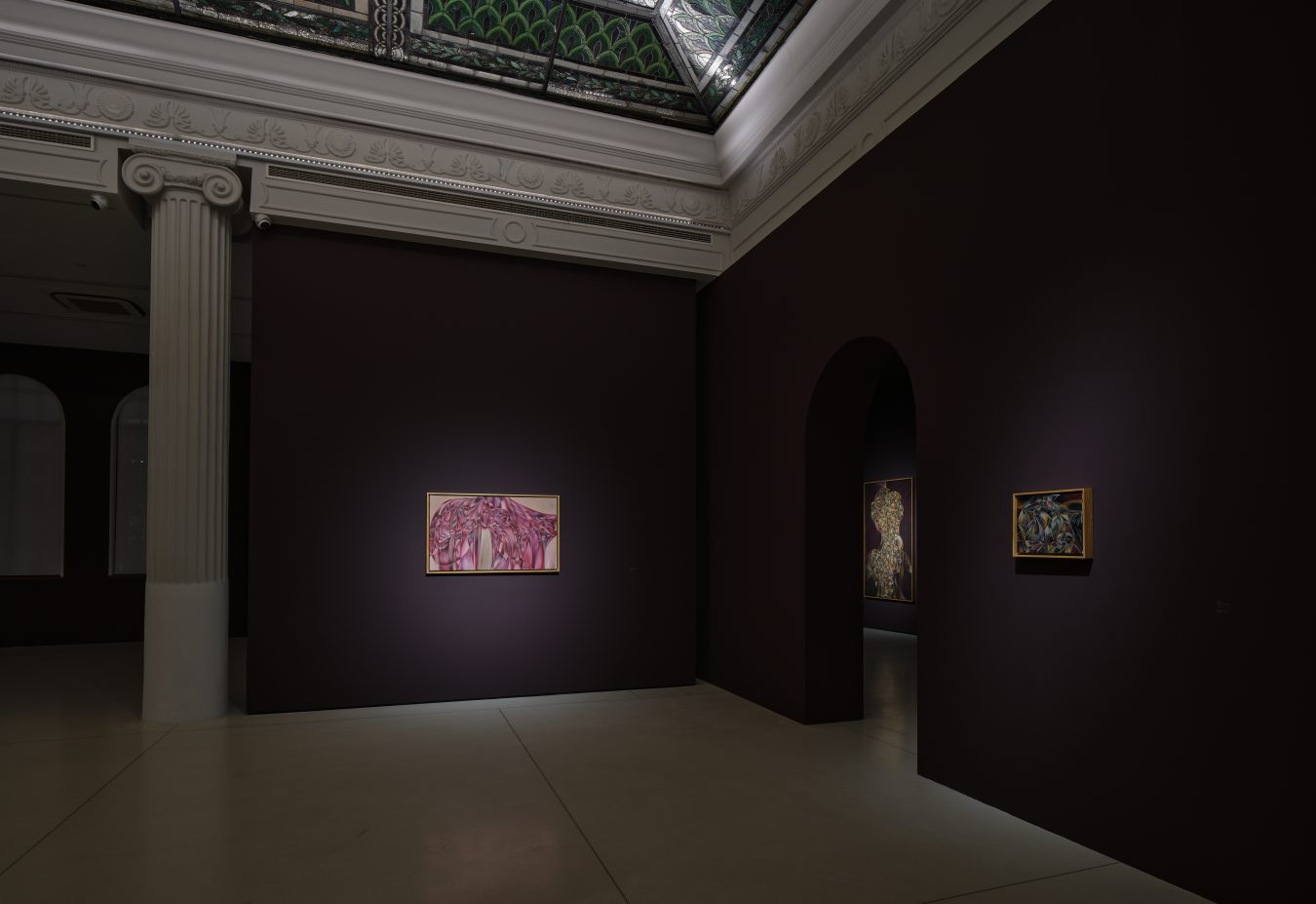
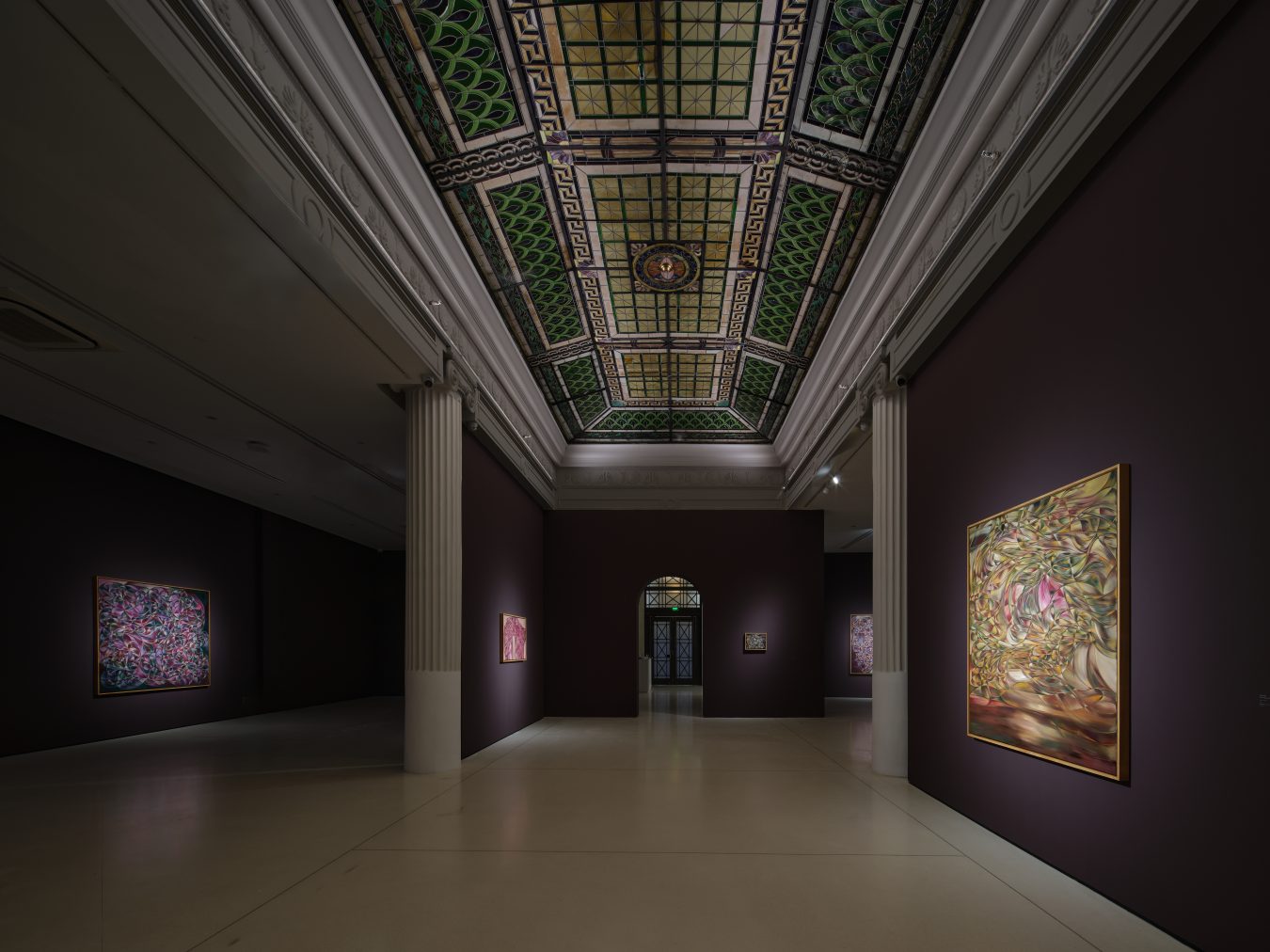
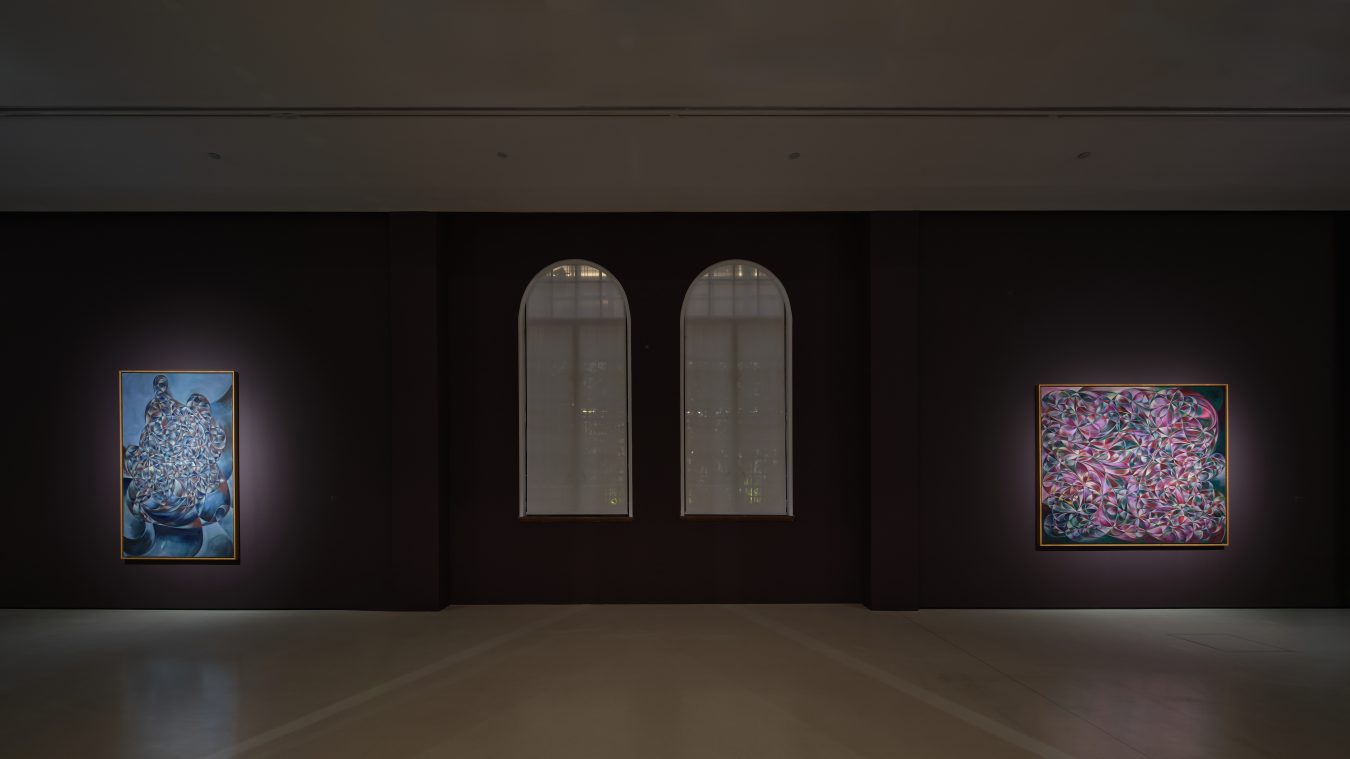
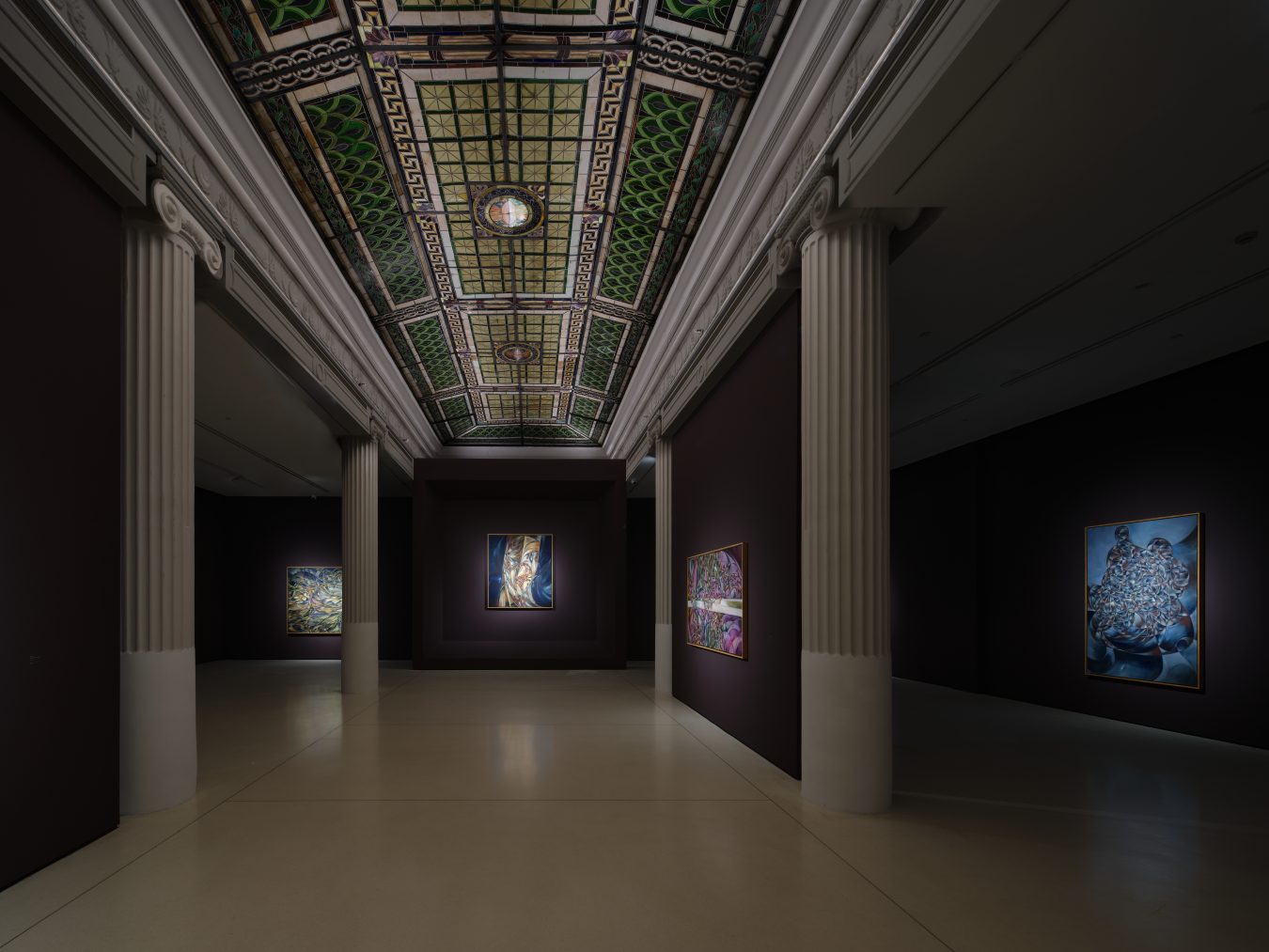
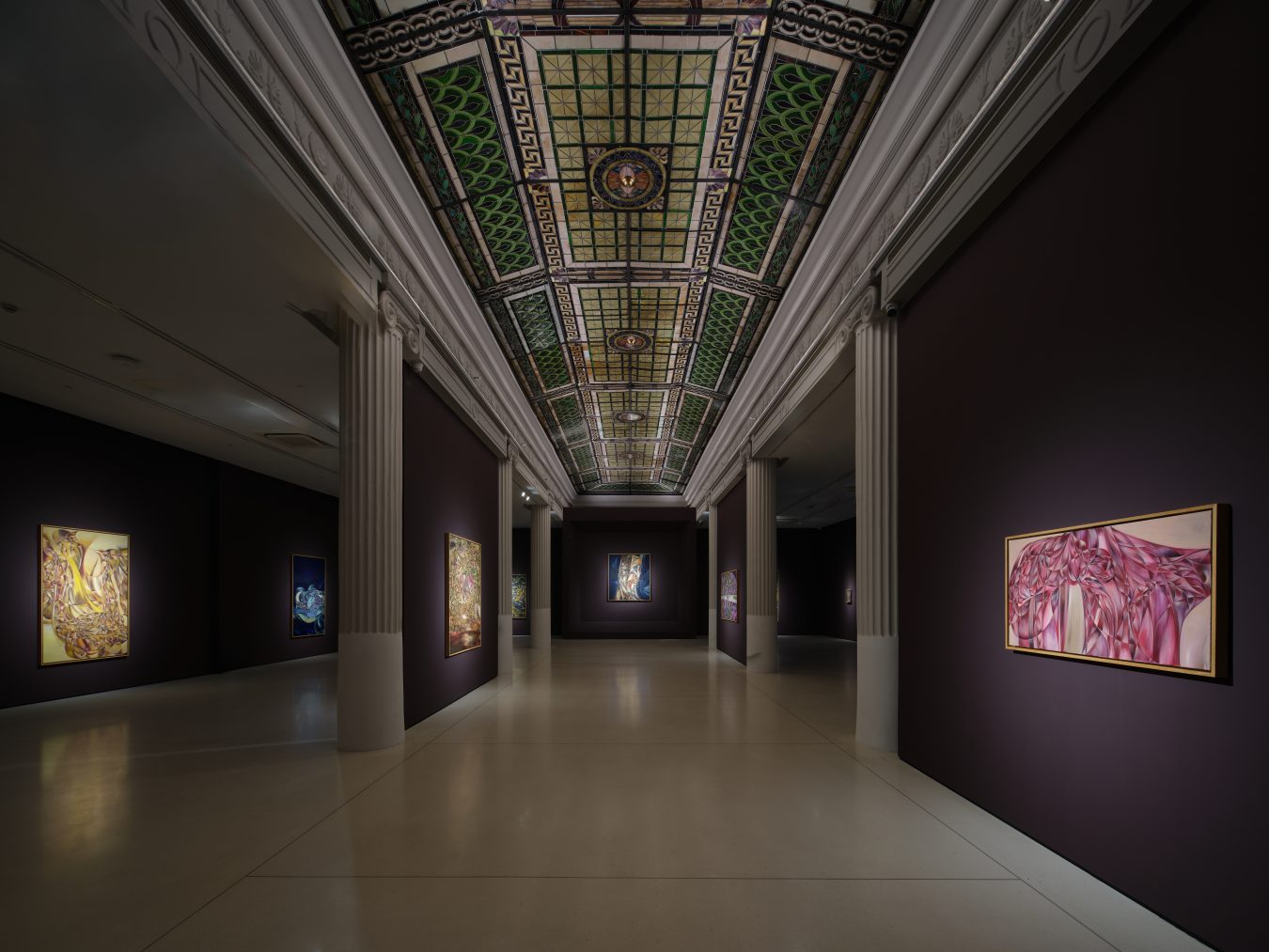
Hive Center for Contemporary Art is pleased to announce Yuan Fang: Riftborn, opening on November 10, 2026, at the main space of Hive Center for Contemporary Art in Shanghai. This marks Yuan Fang’s third solo exhibition in collaboration with Hive and her second solo presentation in Shanghai, following her 2024 exhibition at the Long Museum. As one of the most closely watched female artists of her generation on the international stage, Yuan Fang has attracted considerable attention from the art world in both China and the West. The exhibition will present nearly twenty newly created oil paintings on canvas. Moving beyond the intuitive modes of expression that characterized her previous solo exhibitions, these new works incorporate specific narrative motifs and cultural references that serve as allegorical reflections of the artist’s lived experiences and personal reflections in recent years. While offering viewers a tangible point of entry into the paintings, this shift also represents a more candid act of entrusting herself to her artistic practice and to the gaze of her audience. Her work thus acquires an additional layer of lived experience, deepening the foundations of her existing practice. Curated by Yang Jian, the exhibition will remain on view through December 31, 2026.
Rift — The Invisible Fracture
An intriguing observation emerges from conversations about Yuan Fang’s work: whether in the United States or in China, people often discuss the differences between how her paintings are perceived within the cultural context of the other and how they are understood within their own. These differences are often described as a subtle shift in atmosphere, one that the artist herself does not necessarily perceive. Yet audiences on both sides are inclined to seek out differences, whether real or imagined, through the lens of their own knowledge and assumptions about the world. This almost Schrödinger-like ambiguity may itself reflect a fracture that has quietly taken shape in the collective consciousness of our time. It resembles a cultural fissure that resists easy categorization or embodiment, while also evoking the kind of unspoken meaning Ernest Hemingway leaves suspended between two lines of prose. Yuan Fang’s movement within this in-between condition is particularly compelling, opening up new perspectives on the ways in which contemporary Eastern and Western cultures observe and interpret one another.
Traditionally, the state of being “in-between” is understood as belonging neither here nor there. It hovers between established categories, existing within the intervals of a given structure. What we encounter in Yuan Fang, however, is a markedly different kind of in-betweenness. From a Western perspective, the appeal of her work is often attributed to its mysterious and distinctive painterly sensibility, within which an internalized sense of Eastern aesthetics seems to emerge through a dialectic of opposing forces: softness and strength, yielding and overcoming. In China, by contrast, the anticipation surrounding her work often centers on the abstract painting that has developed out of her formal American art education, and its connections to American Modernism and the history of abstraction. Her work also invites comparisons with the influential women abstract painters associated with New York’s Ninth Street in the mid-twentieth century.
On the surface, each cultural context appears to draw upon the other for points of reference that fulfill its own interpretive needs. Yet the foundations that lend coherence to each perspective lie precisely in the other’s point of view. As a result, the mutual perceptions of Yuan Fang’s work do not produce the conventional sense of suspension associated with in-betweenness. Instead, they give rise to a profound form of reciprocal recognition, or perhaps a rare point of shared understanding. It may be within this new condition of mutual inhabitation that Yuan Fang’s paintings find the potential to generate cultural and visual outcomes that neither side could have anticipated.
Born — A Life Unfolding, A Life Reborn
Yuan Fang’s 2024 solo exhibition Flux at the Long Museum in Shanghai left viewers with a striking visual impression of austerity and force. The monumental scale of the paintings, their expansive presence, and their powerful sense of movement evoked a rhythm shaped by the artist’s physical engagement with the canvas and her precise modulation of painting speed. The roughness retained in her brushwork functioned almost like an array of sensory feelers, responding to the surging momentum of each composition. The paintings seemed poised to pierce through their own surfaces and draw viewers into their currents.
In her subsequent New York solo exhibition Spaying, held at Skarstedt in 2025, Yuan Fang confronted the adversity of illness and the profound disruption it brought to her life, embarking on a process of rewriting the book of her existence. By bringing lived experience directly into her work, she not only gave expression to reality but also sought to internalize and work through its cruelty. The most inescapable realities of life became an anchor for a practice that had previously seemed to hover in abstraction. As she continued to pursue new heights in her artistic exploration, she also began to intertwine that pursuit more intimately with her lived experience. Painting became a way for her to be with herself and to make contact with the world.
A perceptible transformation emerged in these works. Compared with her earlier paintings, they exhibited greater softness, warmth, and delicacy, along with profound interior spaces that seemed to extend infinitely inward. She also shifted from acrylic to oil, a medium better suited to the subtle textures she sought to explore. Stark chromatic contrasts gave way to gentler gradients and more nuanced transitions, while her brushwork, once closer to the immediacy of writing, acquired an additional quality of glazing and tonal diffusion. We remain drawn to the sharpness and exuberance of Flux, just as we are moved by the way Spaying revealed an artist confronting life’s unpredictability through the most candid expression of her art. These bodies of work resemble distinct sedimentary layers, gradually accumulating over time to form the foundations of an evolving practice.
In the new works presented in this exhibition, we encounter an intensified sense of entanglement and reciprocal dependence between Yuan Fang and her paintings, as though the two were caught in an ongoing process of mutual transformation. Compared with the more organically unfolding compositions of her earlier work, the new paintings introduce a form of randomness that feels almost meticulously orchestrated. Traces of lived reality are increasingly carried into the pictorial field, where the marks of painting, the interplay of colors, and the arrangement of forms emerge in unpredictable succession.
For instance, Flying Golden Ash, Fading Blue Smoke draws inspiration from a novel about the Golden Pavilion, recalling the moment when the temple is consumed by fire. In the Mulan series, motifs such as “Frontal Chest” and “Blade Rises, Hair Falls” stem from the artist’s empathetic engagement with characters whose destinies are abruptly transformed, as well as their courage in confronting and resisting fate. These references speak to the artist’s own lived experience, bringing her toward a form of truth that precedes conscious perception and exceeds the limits of language.
The act and process of painting have become more precious to the artist than ever before. In contrast to the abundant energy and physical well-being that once sustained her practice, the demands placed on her body and the allocation of her energy have now become integral to how she plans and approaches each painting. Beneath the delicacy and depth of the surfaces lies an inward struggle, a dialogue with the self, as well as a continual passage between the known and the unknown. Yuan Fang’s paintings have always created spaces that unfold through seemingly infinite layers of recursion. Yet in this exhibition, they seem to lead toward depths within the artist herself that she has not fully explored. Her works also invite viewers to suspend the impulse to interpret, lingering instead within a psychological and emotional space that feels at once familiar and estranged.
Whether in the revealing contrast between Eastern and Western perspectives or in the transformation that unfolds across these exhibitions, Yuan Fang has never confined the world within the constraints of binary oppositions: wholeness and damage, perfection and imperfection, rebirth and annihilation, fulfillment and desolation. Yet at the level of everyday social values, there remains a persistent pursuit of absolute intactness. Fractures are feared, brokenness is avoided, and imperfection is too often defined as an endpoint—a sign of failure or decline.
Yuan Fang invokes the concept of kintsugi, the traditional Japanese art of repairing broken objects with lacquer and gold, to describe her current practice. Whether confronting fractures in the world or injuries to the body and mind, she seeks a fitting state of mediation and reconciliation, refusing to participate in a singular narrative in which something must be either wholly intact or irretrievably destroyed. Rather than obsessively erasing fractures or pretending that breakage never occurred, she does not seek to force a return to an original state or restore an idealized form. Nor does she allow what has broken to decay into ruin and nothingness.
Instead, through painting, she uses the extensions of her body and perception as a means of embracing the irreversible fractures, dislocations, and scars that shape existence. Much like the warm, lustrous gold lacquer that binds the broken pieces of an object, her practice moves between fracture and wholeness, extinction and renewal, the former self and the self yet to emerge. Through this process, she undertakes a gentle yet resolute reconstruction of the spirit—a painterly adventure through which brokenness itself becomes a condition for new forms of life.