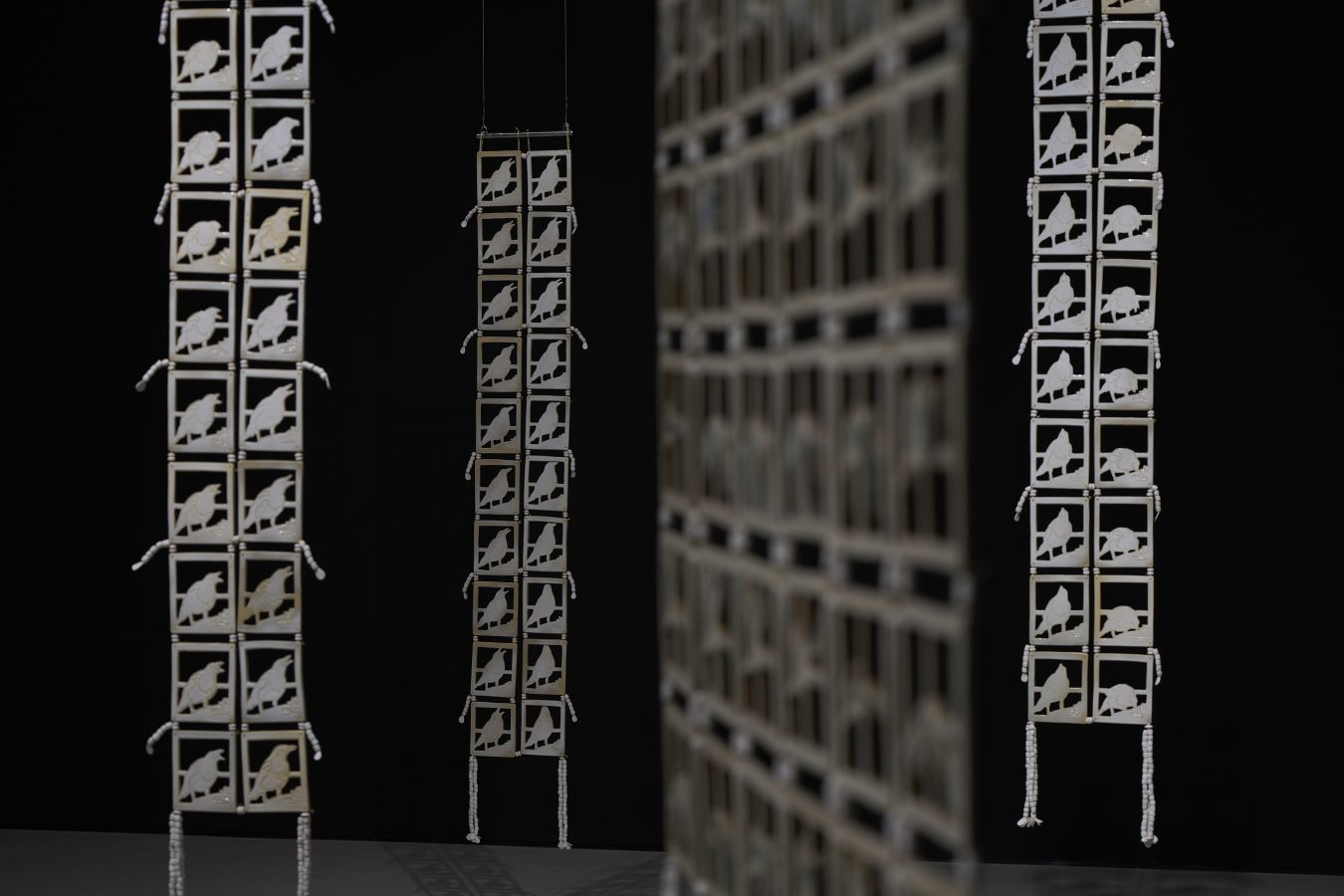
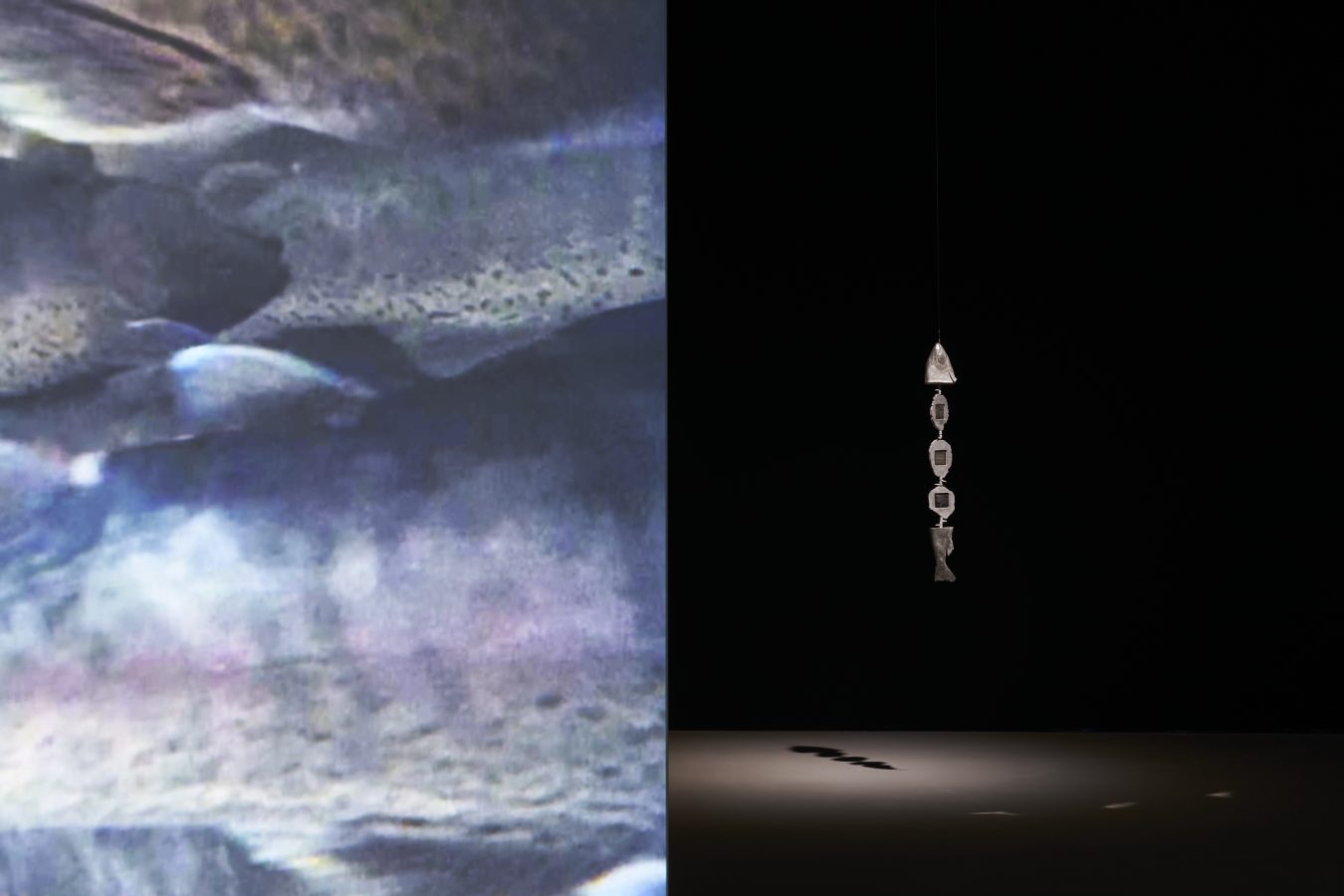

Fei Yining
2026
Glazed stoneware, thread, stainless steel
196x27x1cmx3

Fei Yining
2026
Glazed stoneware, stainless steel, pump
90x245x96cm

Fei Yining
2026
Glazed stoneware, thread, stainless steel
115x95x1cm

Fei Yining
2026
Glazed stoneware, stainless steel, pump
90x245x96cm

Fei Yining
2026
Glazed stoneware, stainless steel, pump
58x170x96cm
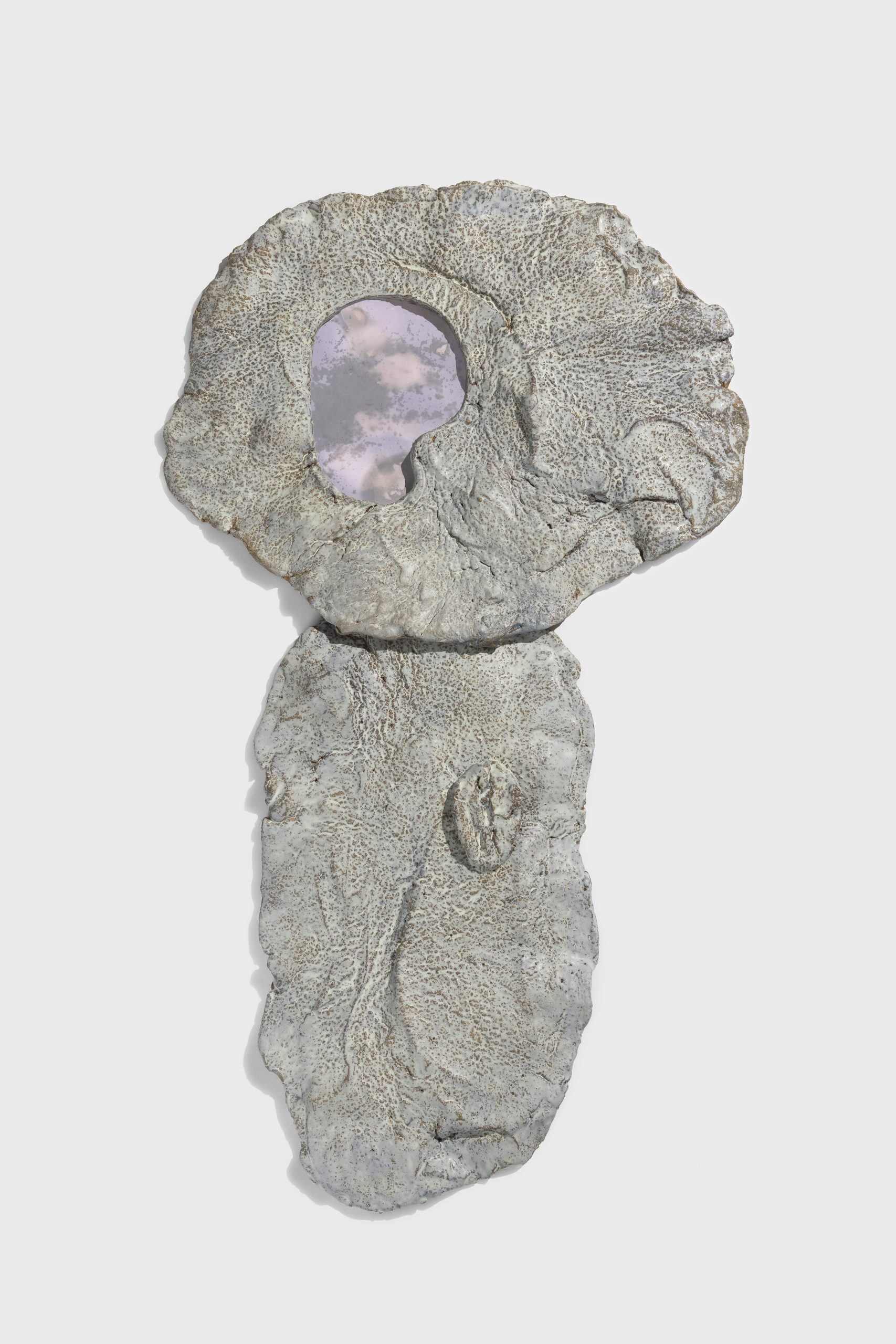
Fei Yining
2026
Photosensitive paper, glazed stoneware
42x73x4cm
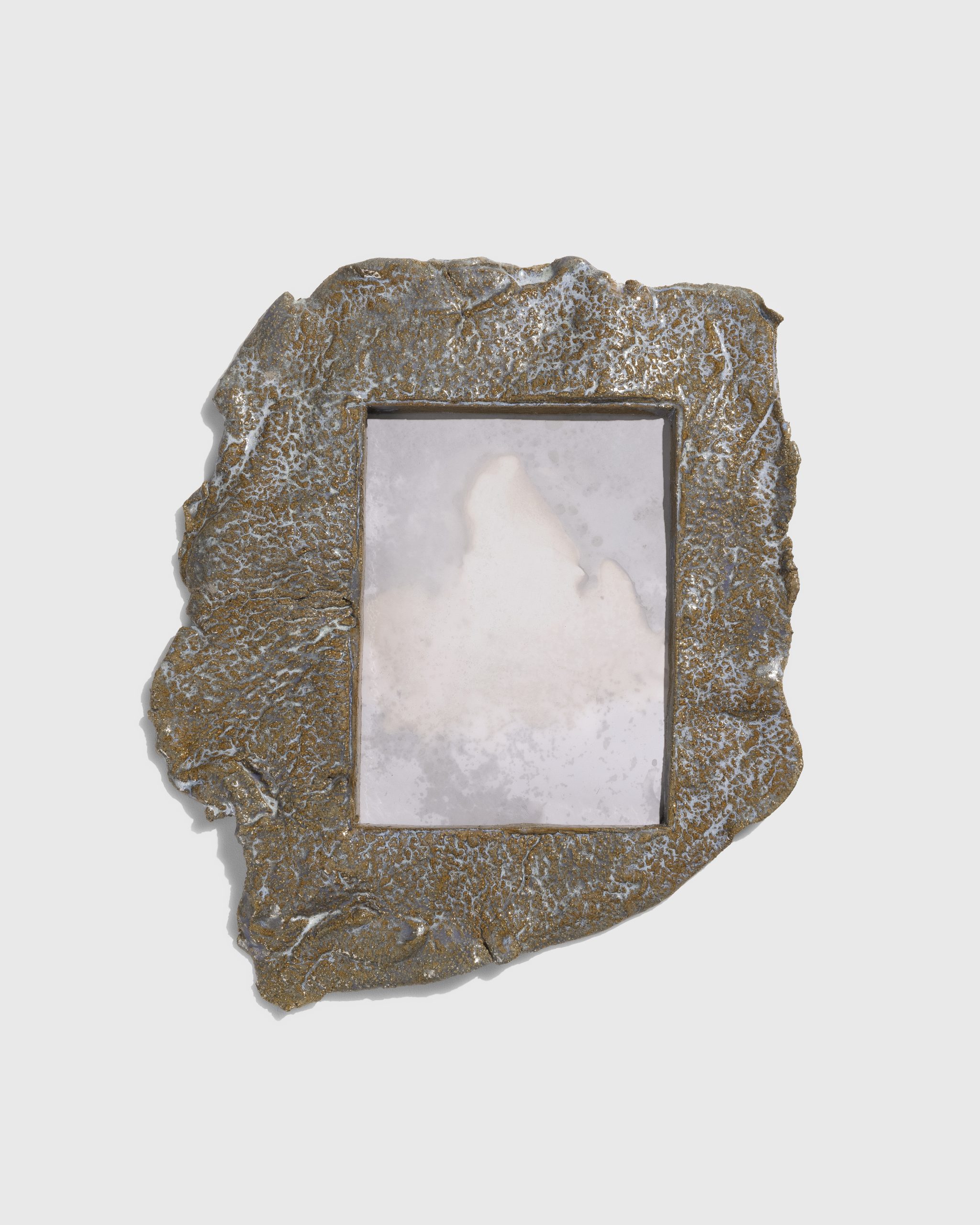
Fei Yining
2026
Photosensitive paper, glazed stoneware
29x34x3cm
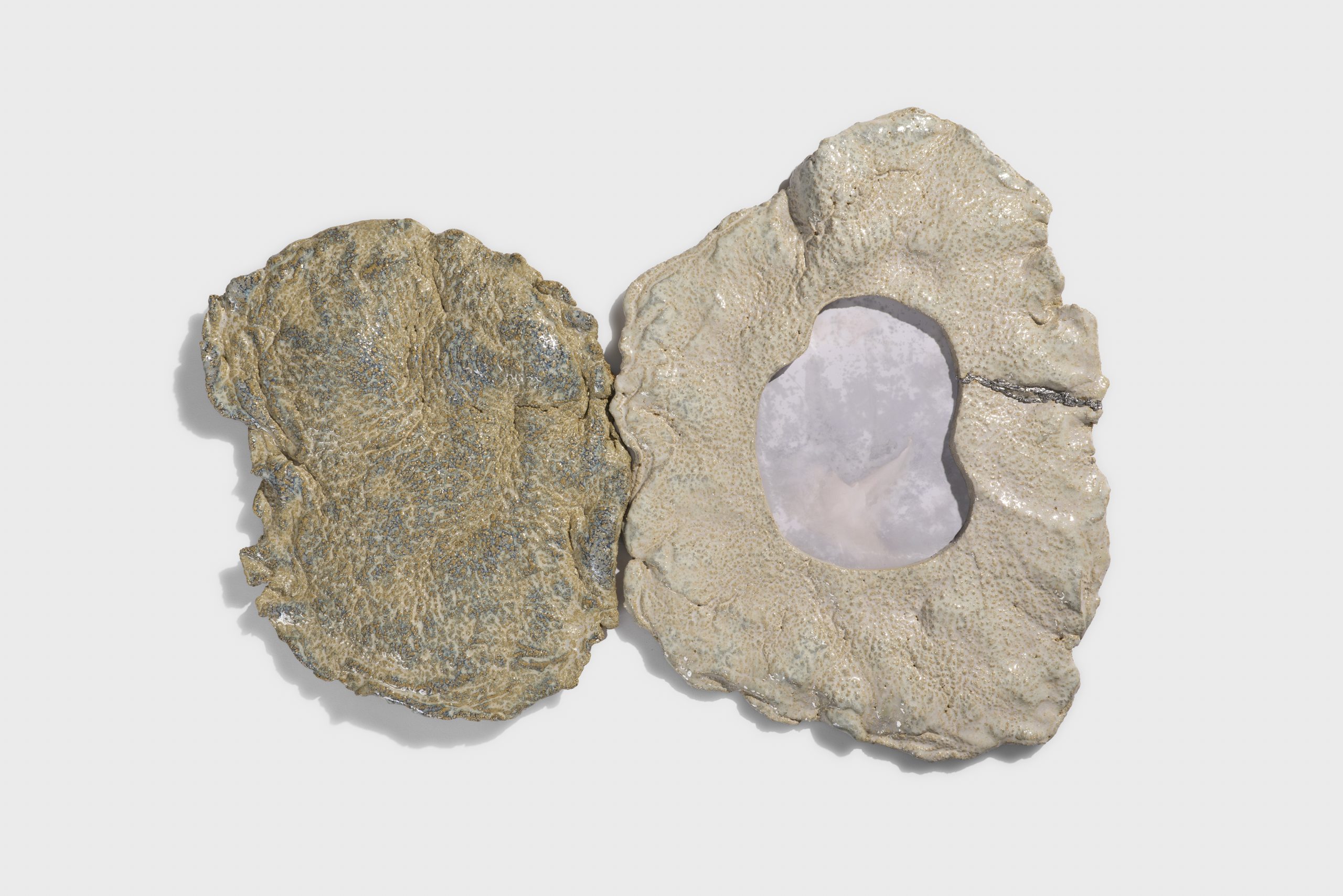
Fei Yining
2026
Photosensitive paper, glazed stoneware
57x39x3cm
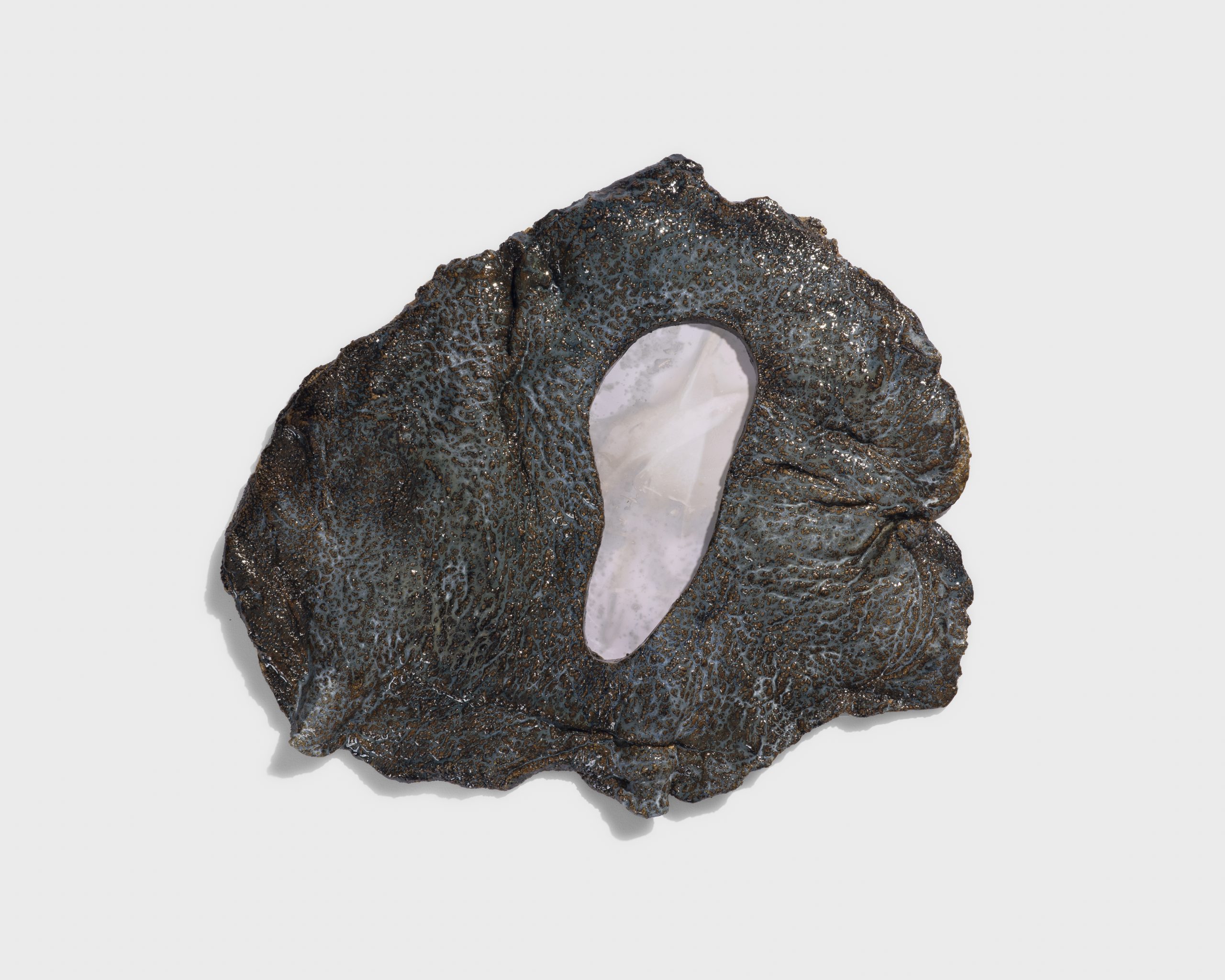
Fei Yining
2026
Photosensitive paper, glazed stoneware
32x36x3cm
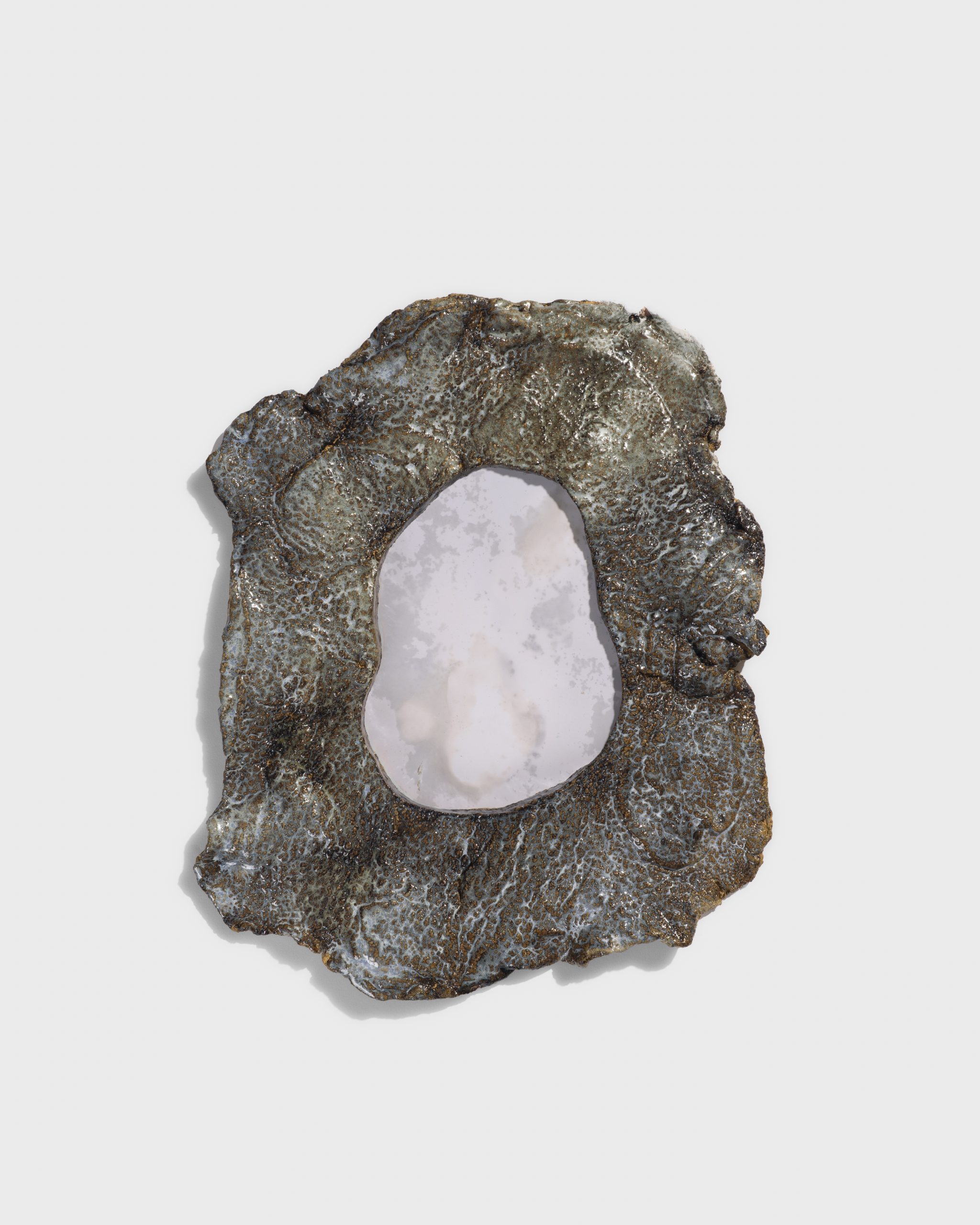
Fei Yining
2026
Photosensitive paper, glazed stoneware
27x36x3cm
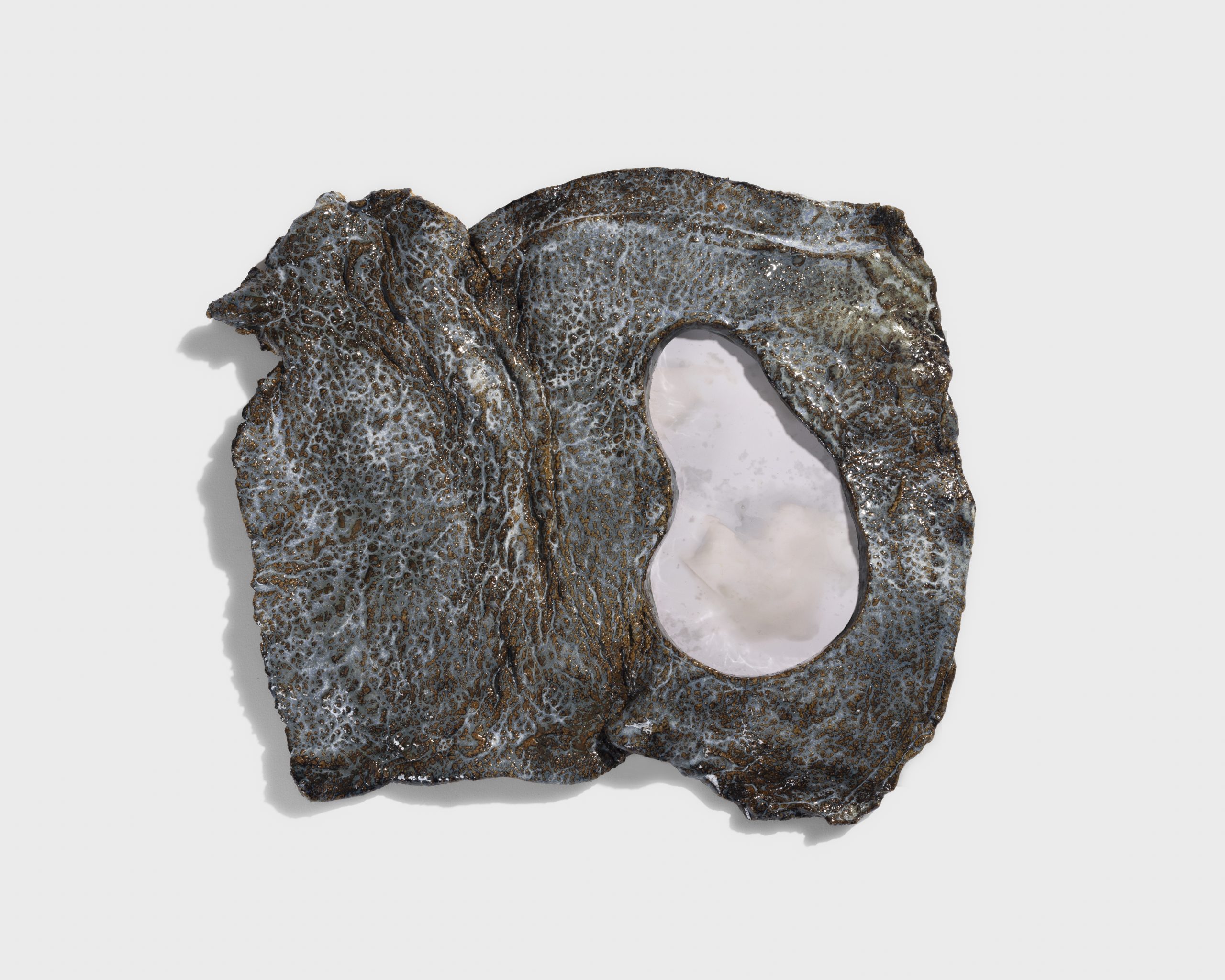
Fei Yining
2026
Photosensitive paper, glazed stoneware
32x29x3cm

Fei Yining
2026
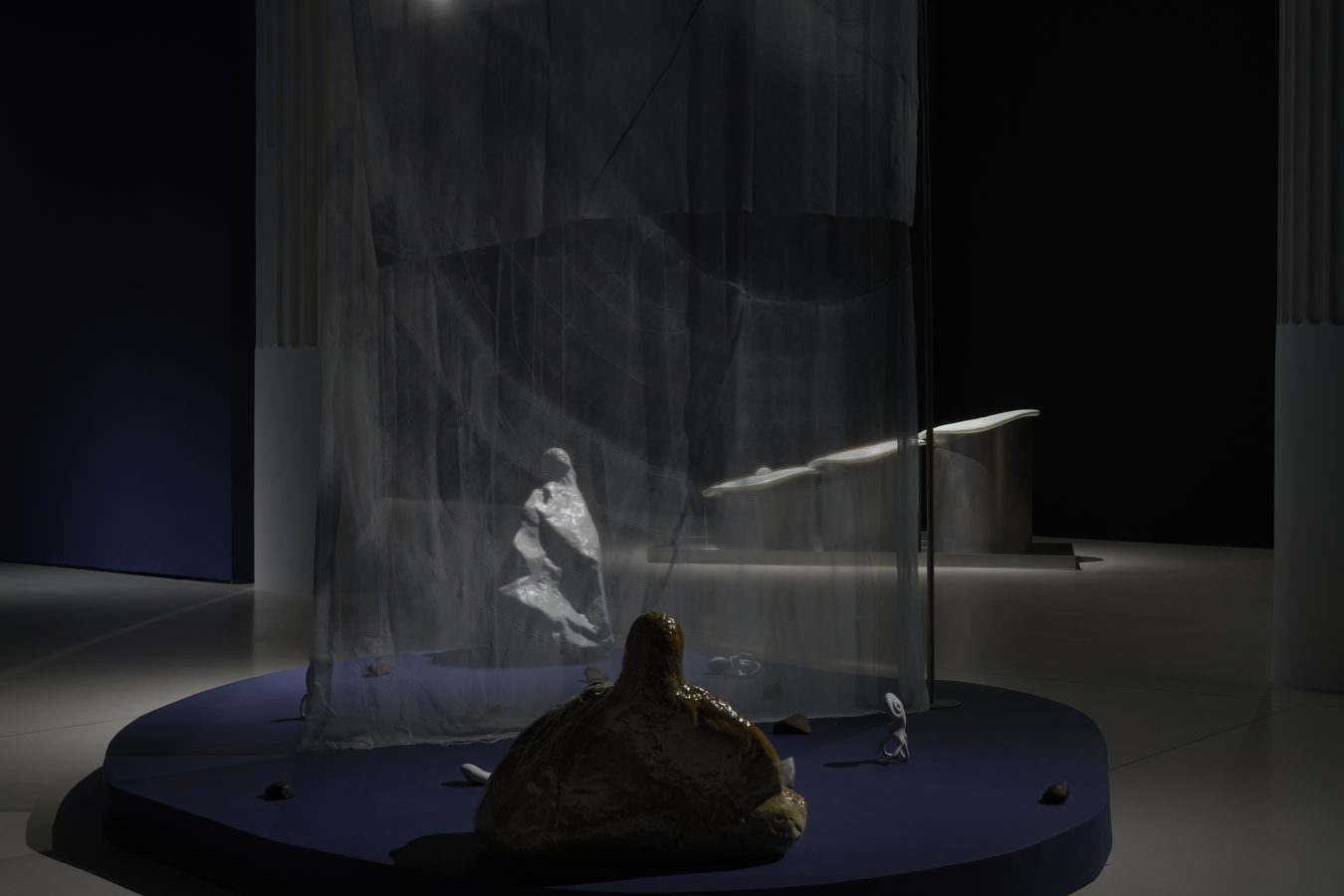
Glazed stoneware, calcium carbonate-sintered porcelain, air blower, silk, thread, stainless steel
Variable dimensions, 48x45x66cm, 16x8x11.5cm

Fei Yining
2026
Glazed stoneware, calcium carbonate-sintered porcelain, air blower, silk, thread, stainless steel
Variable dimensions,39x56x45cm, 16.5x8x11.5cm

Fei Yining
2026
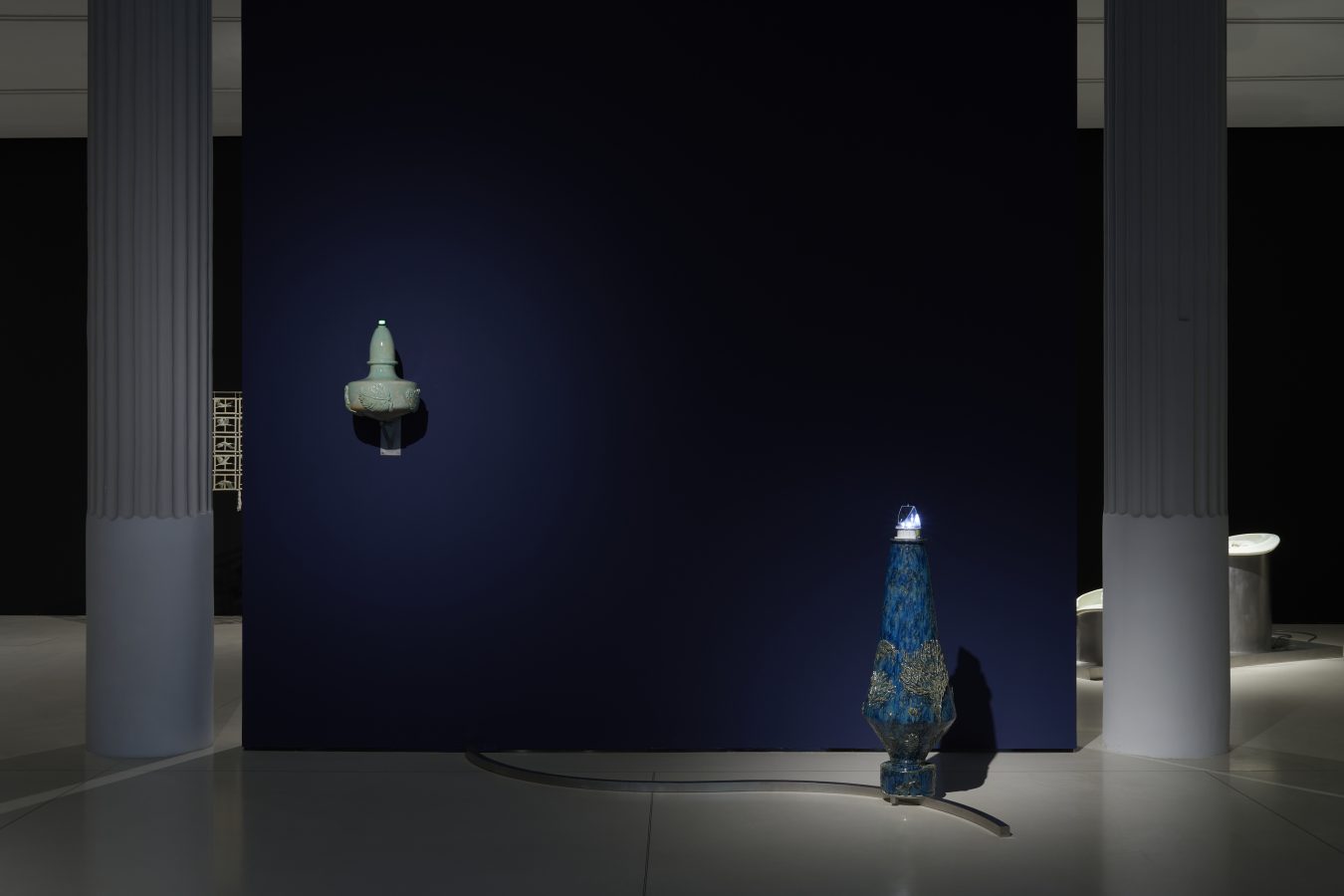
Glazed stoneware, beacon light
44x44x123cm

Fei Yining
2026
Glazed stoneware, light
35x35x50cm

Fei Yining
2026
Glazed stoneware, beacon light
52x52x110cm

Fei Yining
2026
Glazed stoneware, fishing light
42x42x47cm

Fei Yining
2026
Glazed stoneware, light
25x25x27cm

Fei Yining
2026
Wood-fired stoneware
19x16x16cm*4
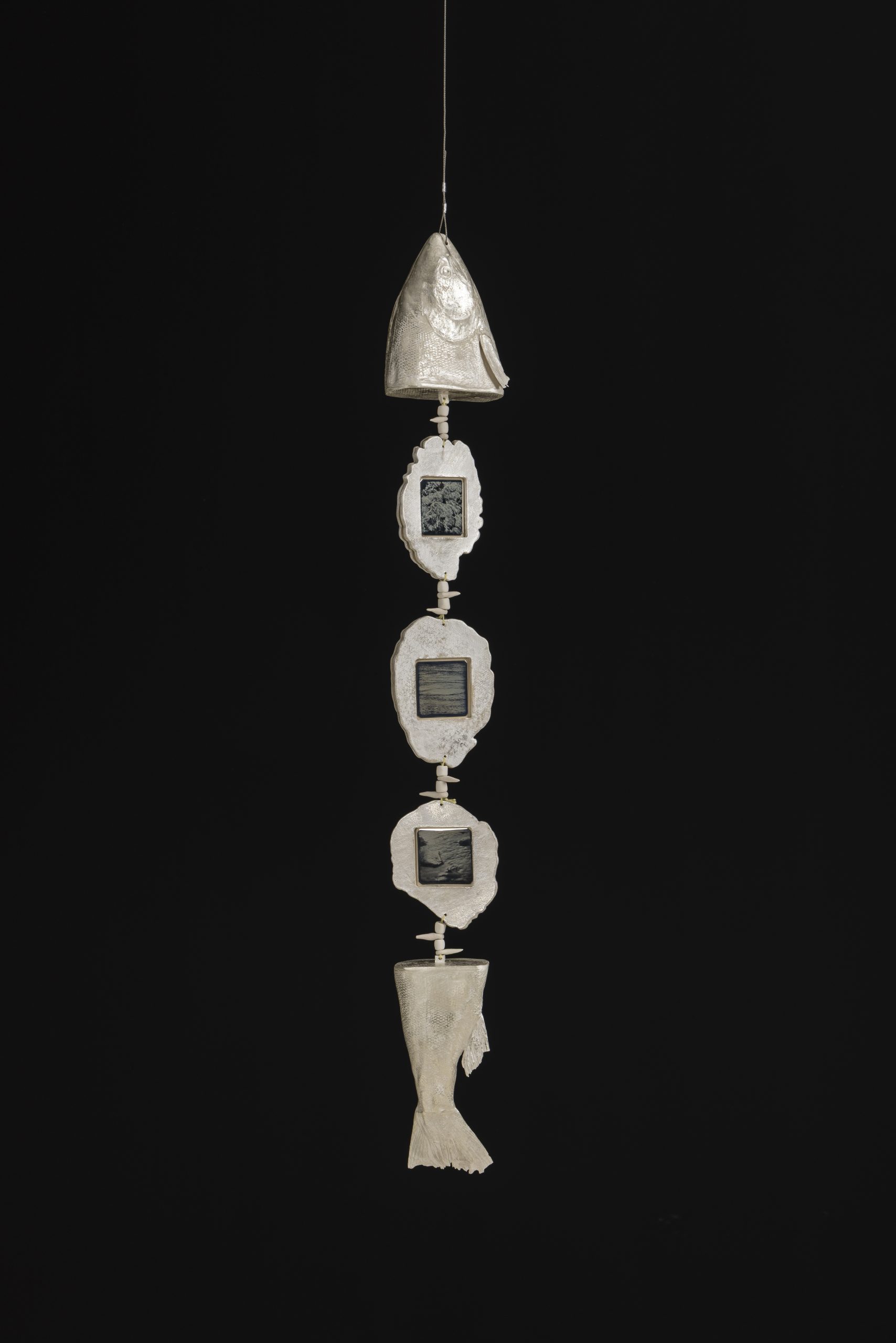
Fei Yining
2026
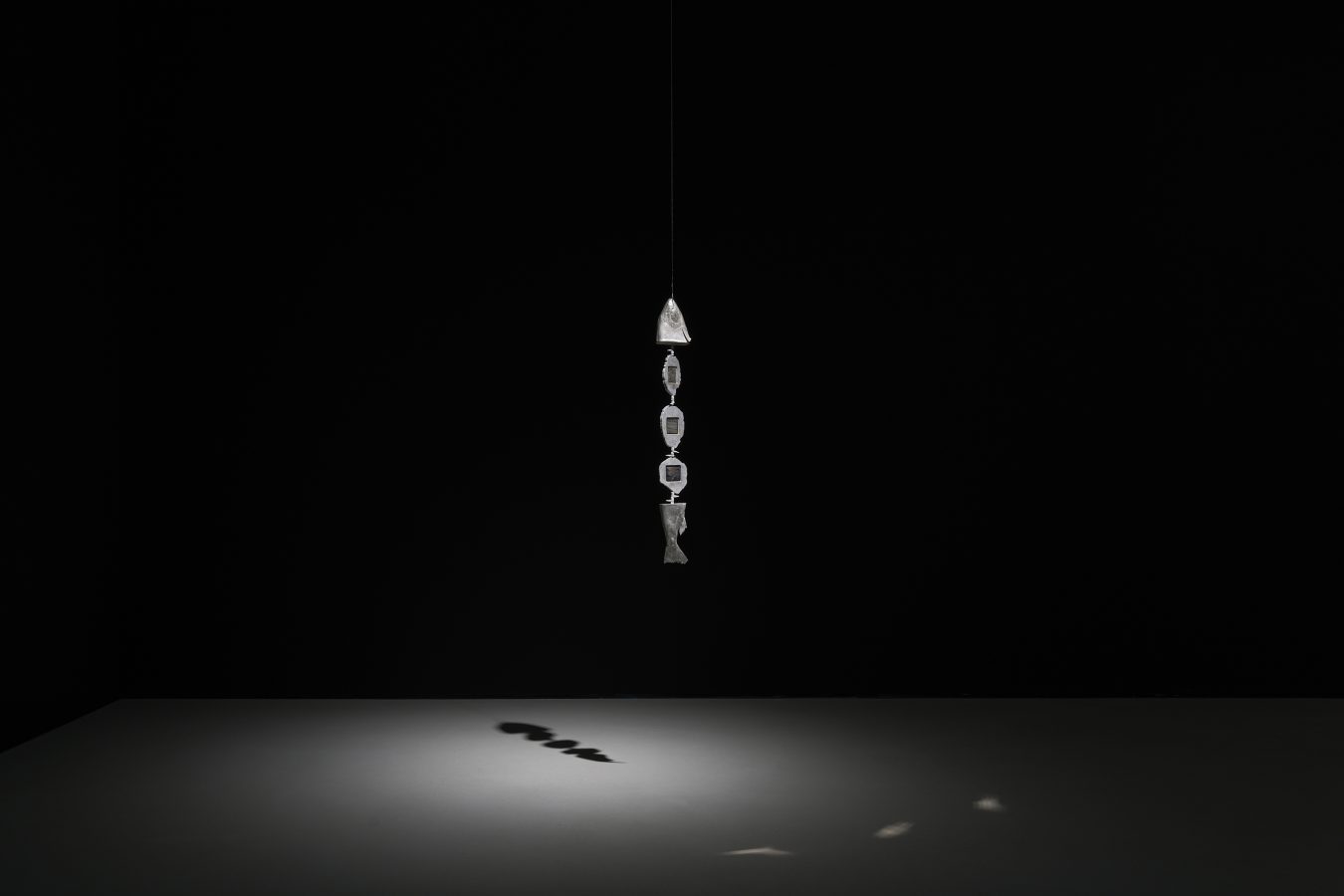
Silver-luster glazed porcelain, daguerreotype plate, thread, stoneware
14x5s90cm

Fei Yining
2025(ongoing)
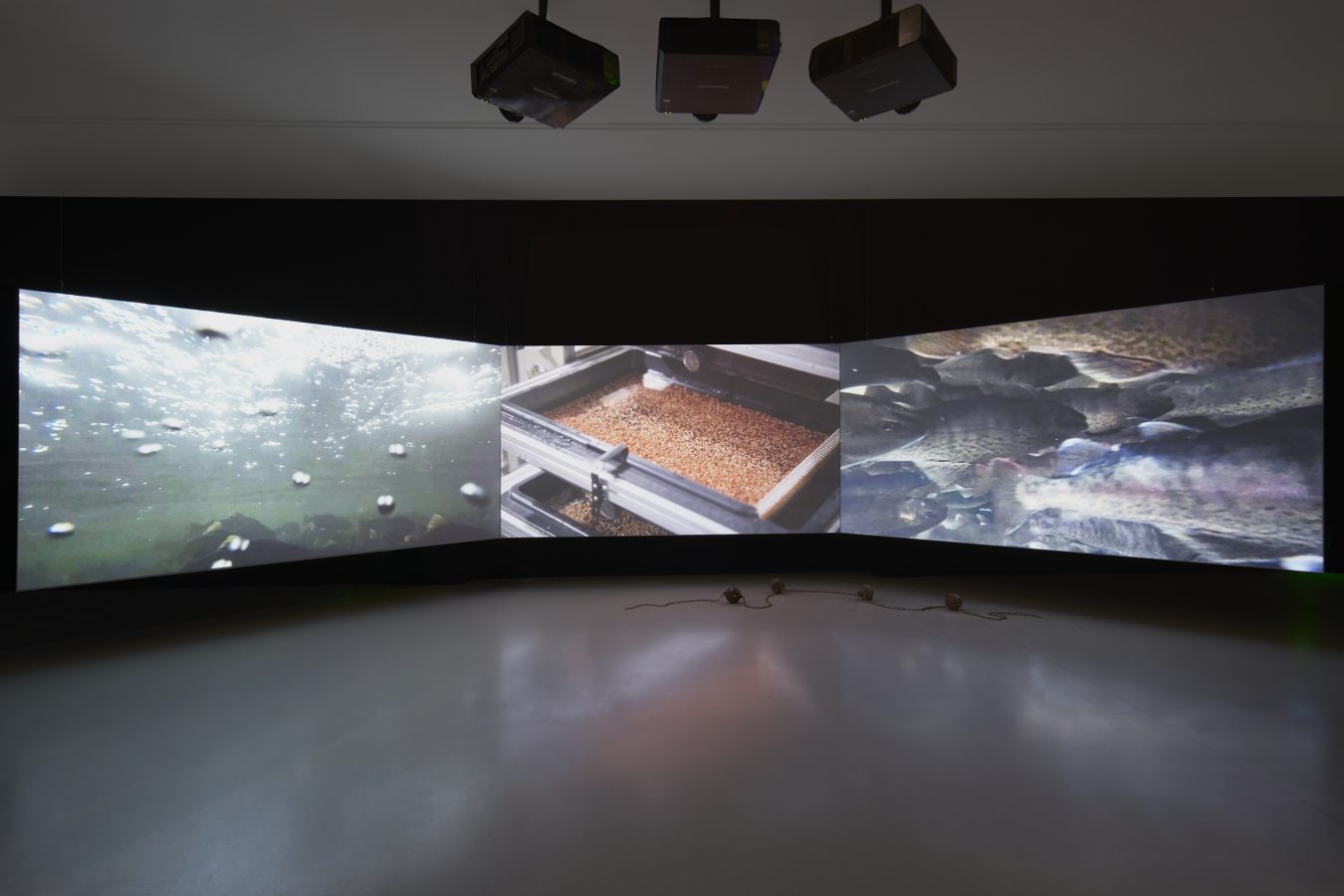
Three-Channel 4k video, color, sound
14′
4+1ap
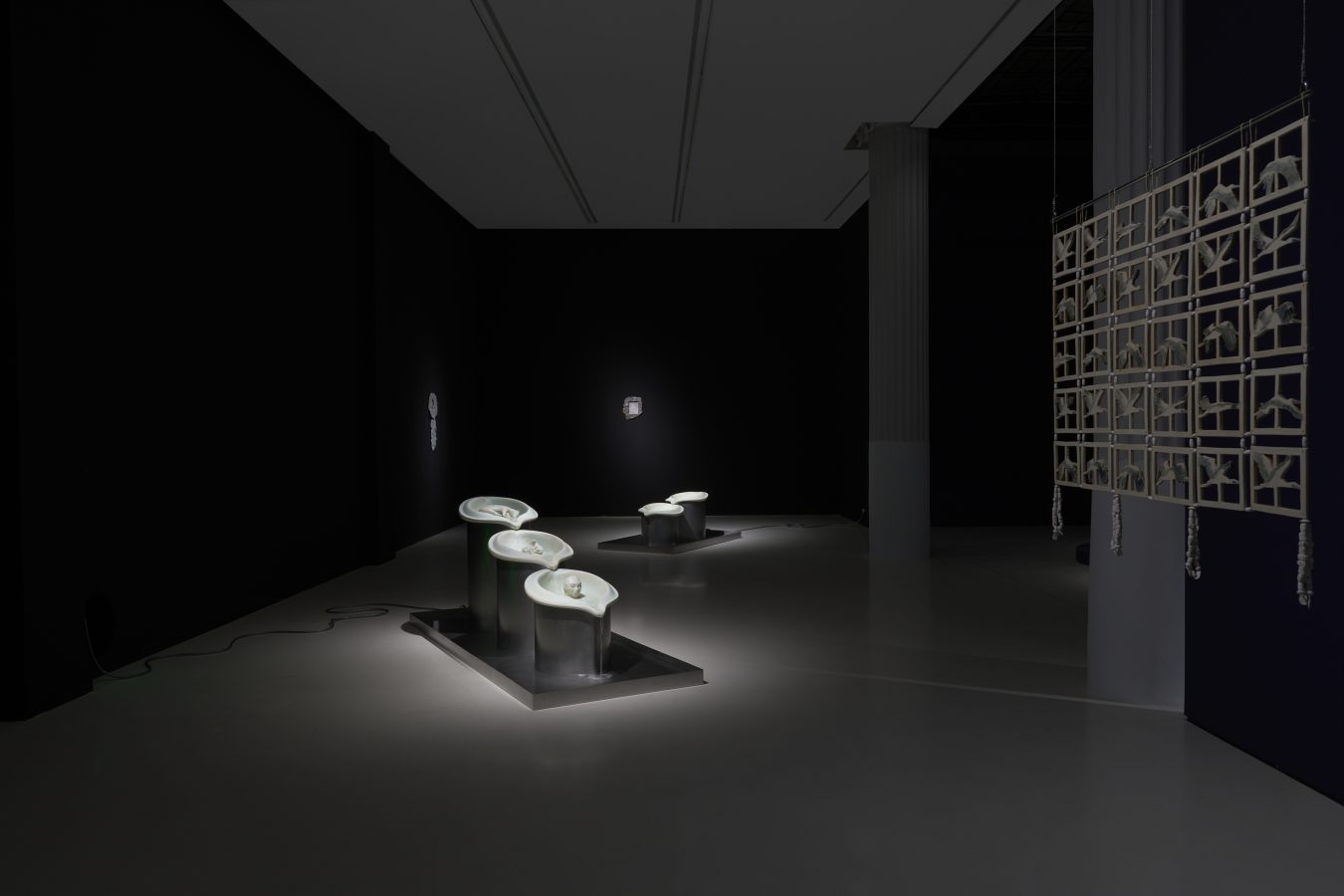
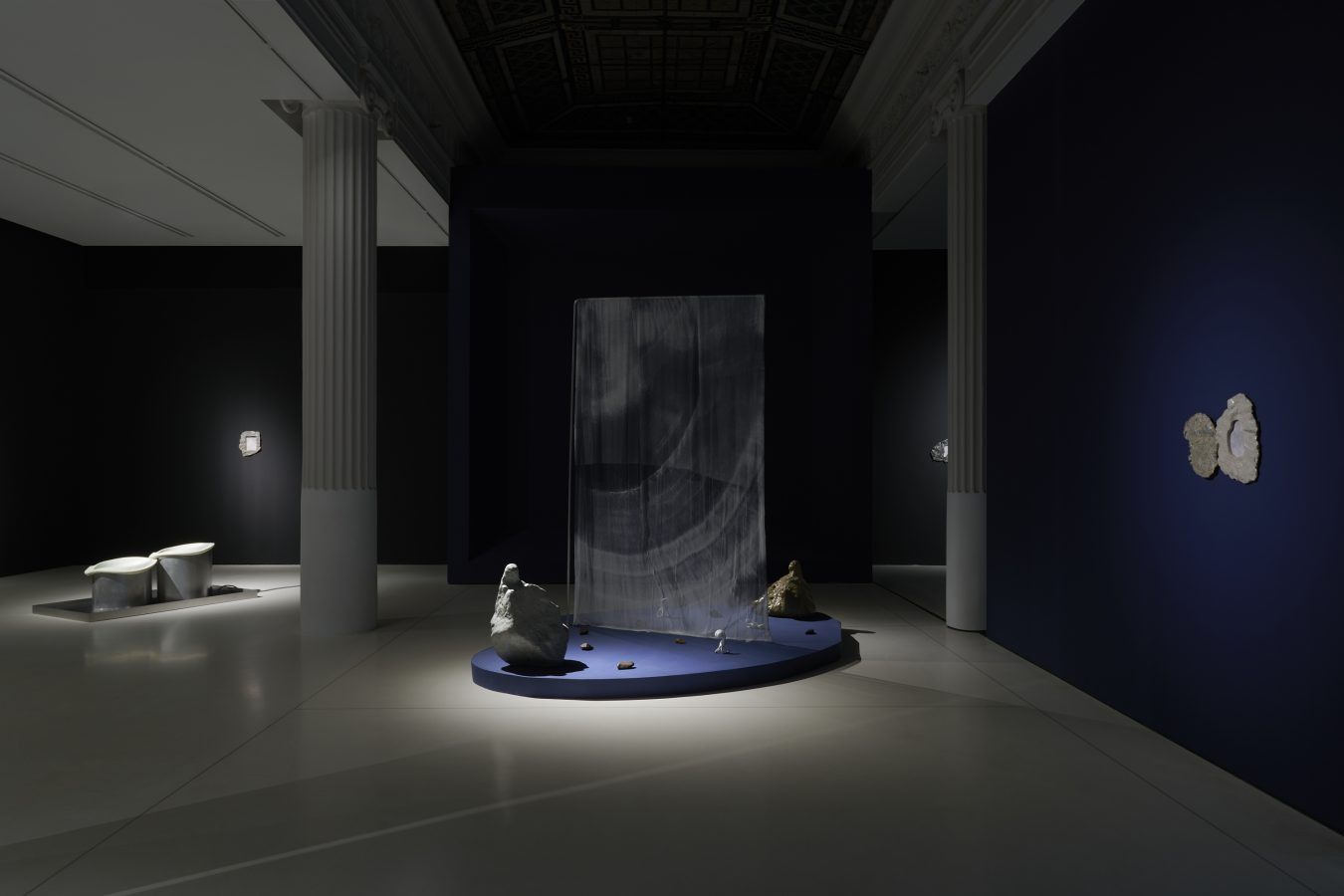
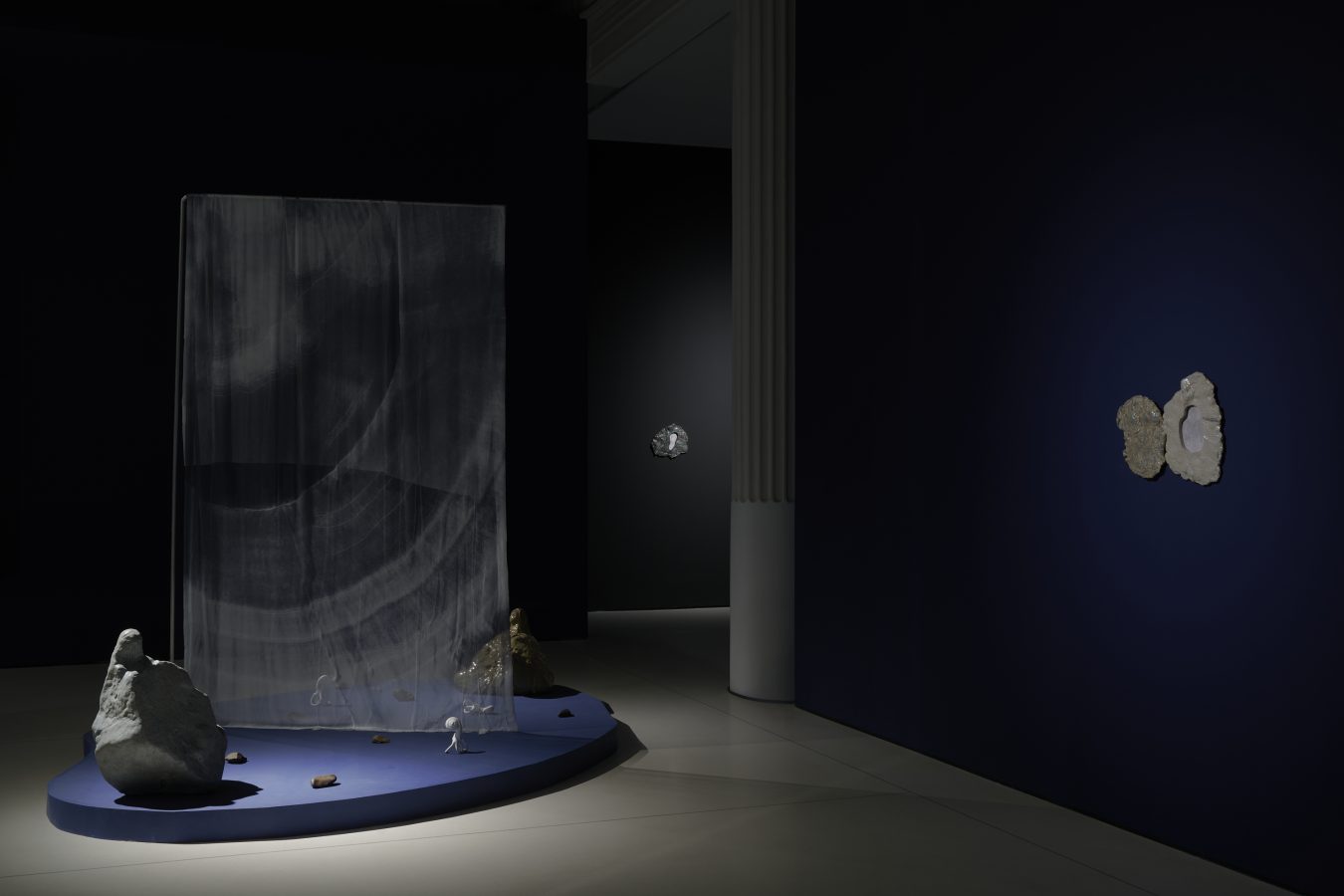
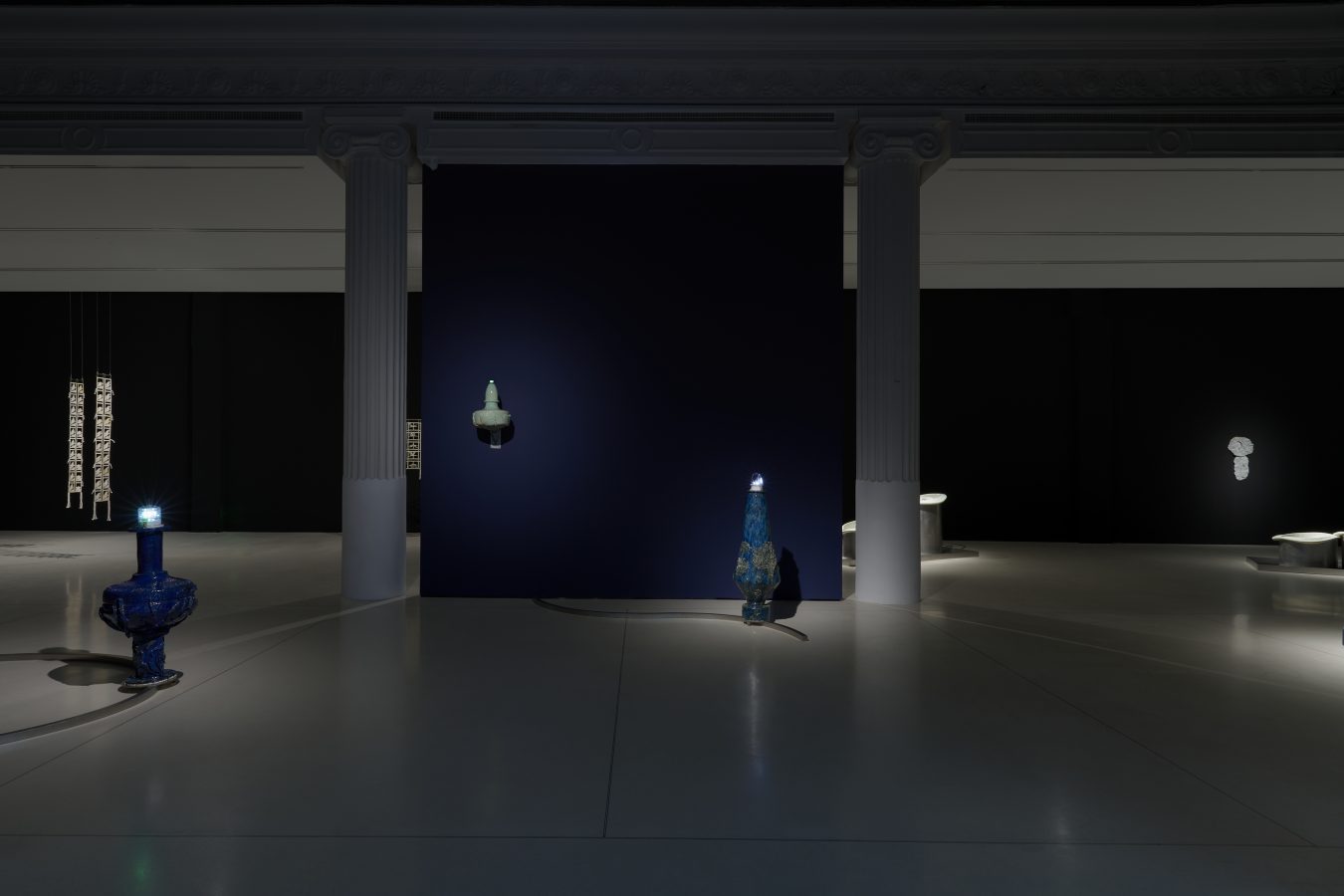
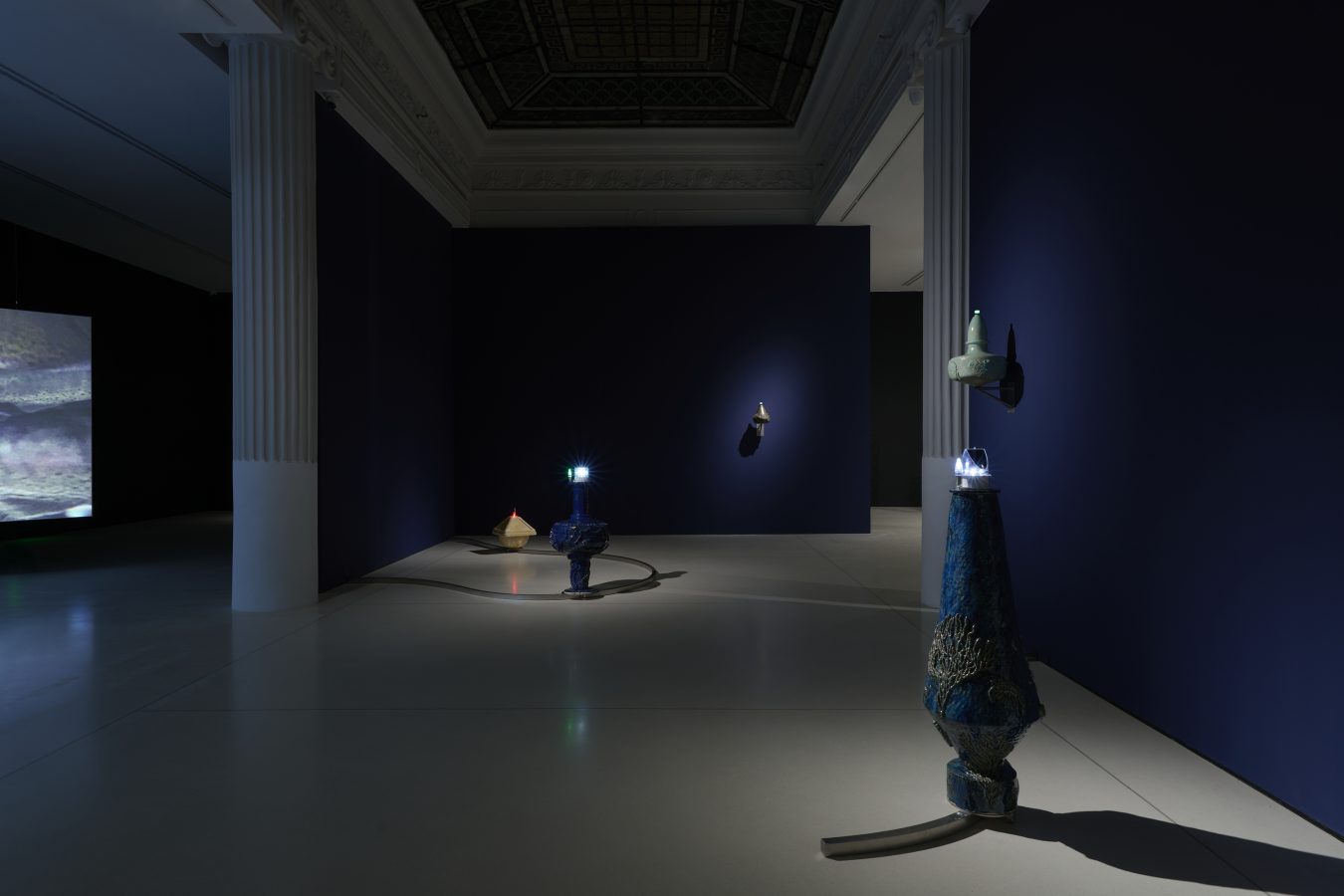
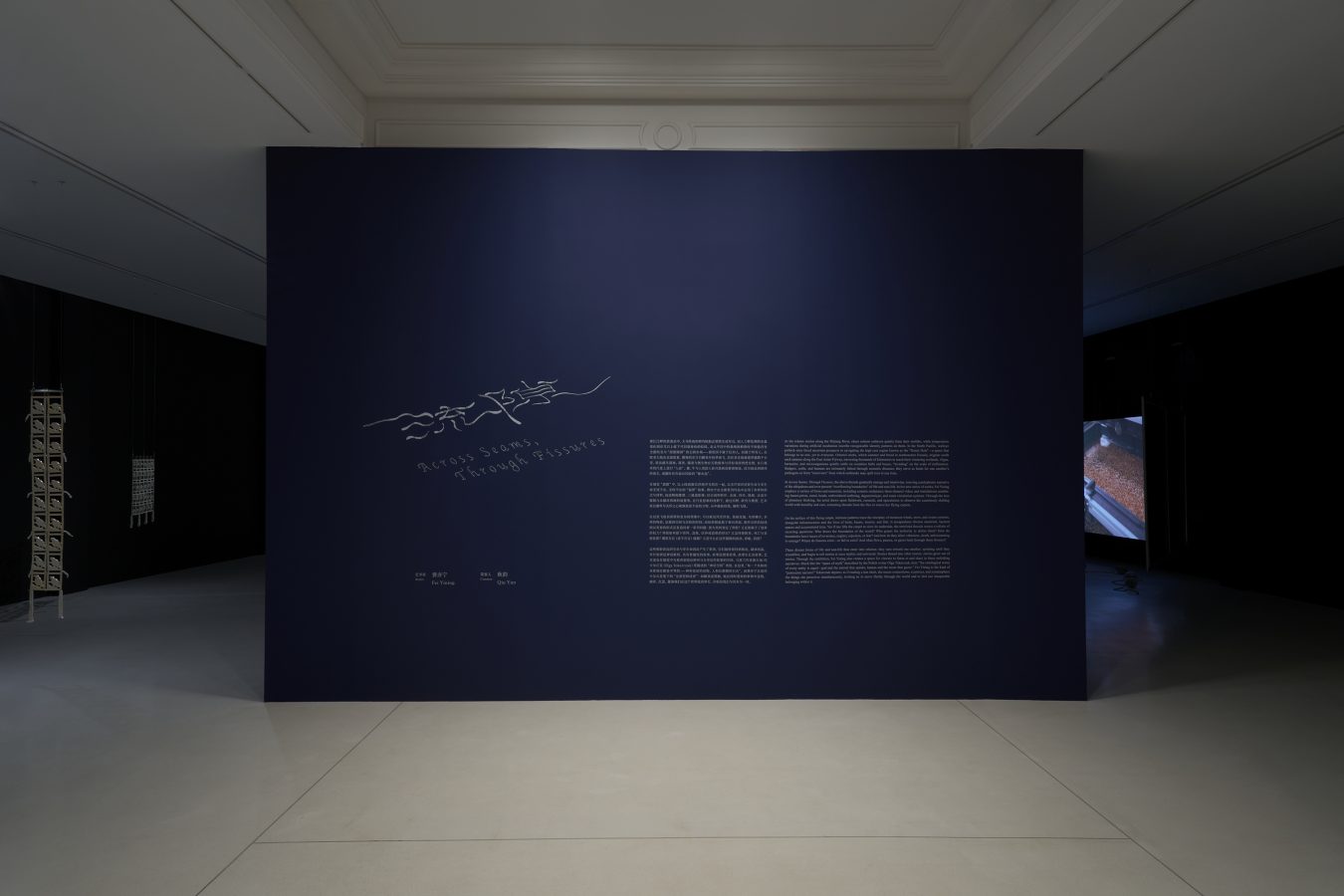
Hive Center for Contemporary Art is pleased to announce that on March 13, 2026, it will present a solo exhibition by artist Fei Yining (b. 1990), titled Across Seams, Through Fissures, at Hive’s Shanghai main space. As the artist’s second presentation at Hive, following Fei Yining: Little Songs of Futility (2022), the exhibition brings together a new body of work that, from a more-than-human perspective, explores the artist’s reflections on boundaries and their overflow. Curated by Qiu Yun, the exhibition will remain on view through April 14, 2026.
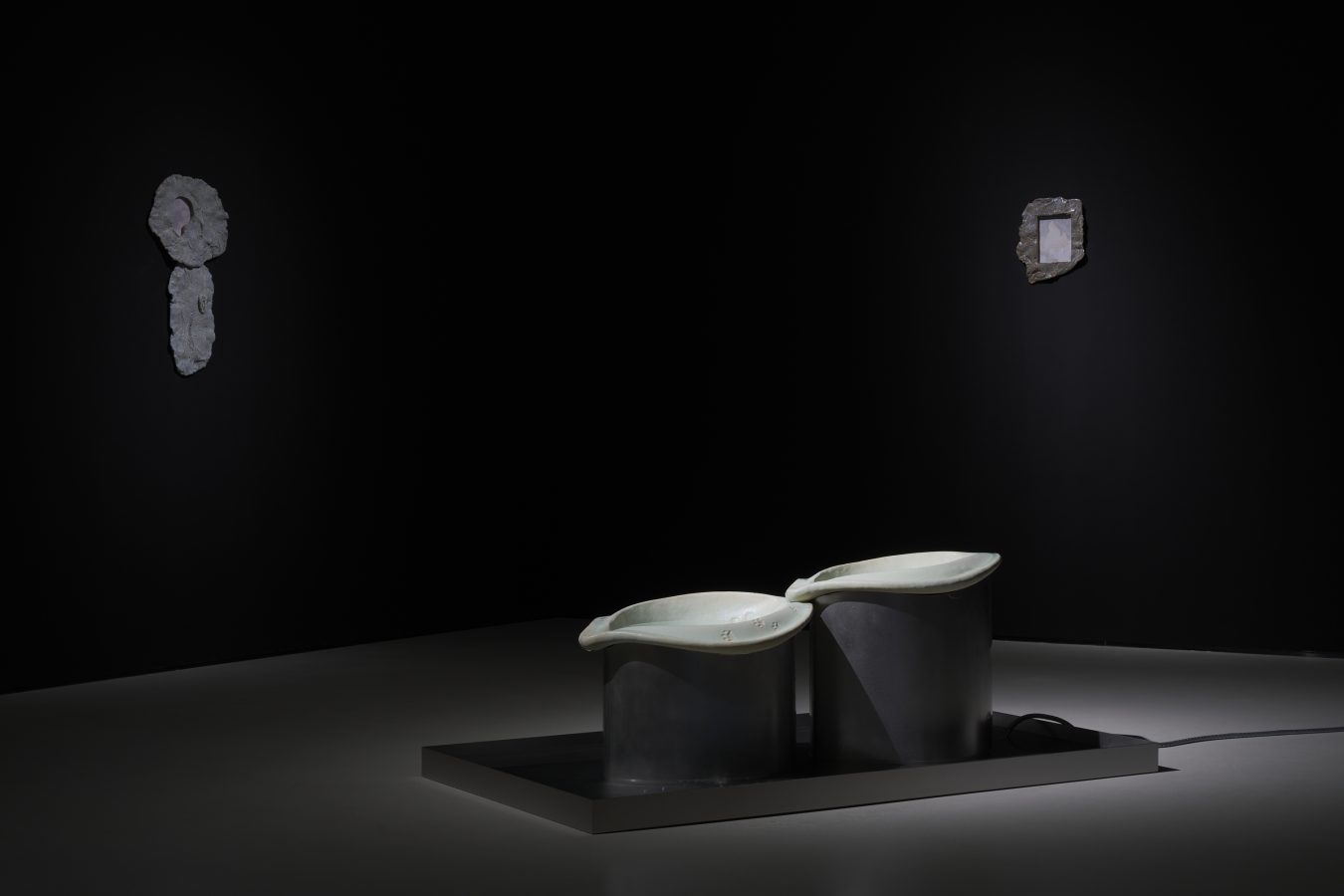
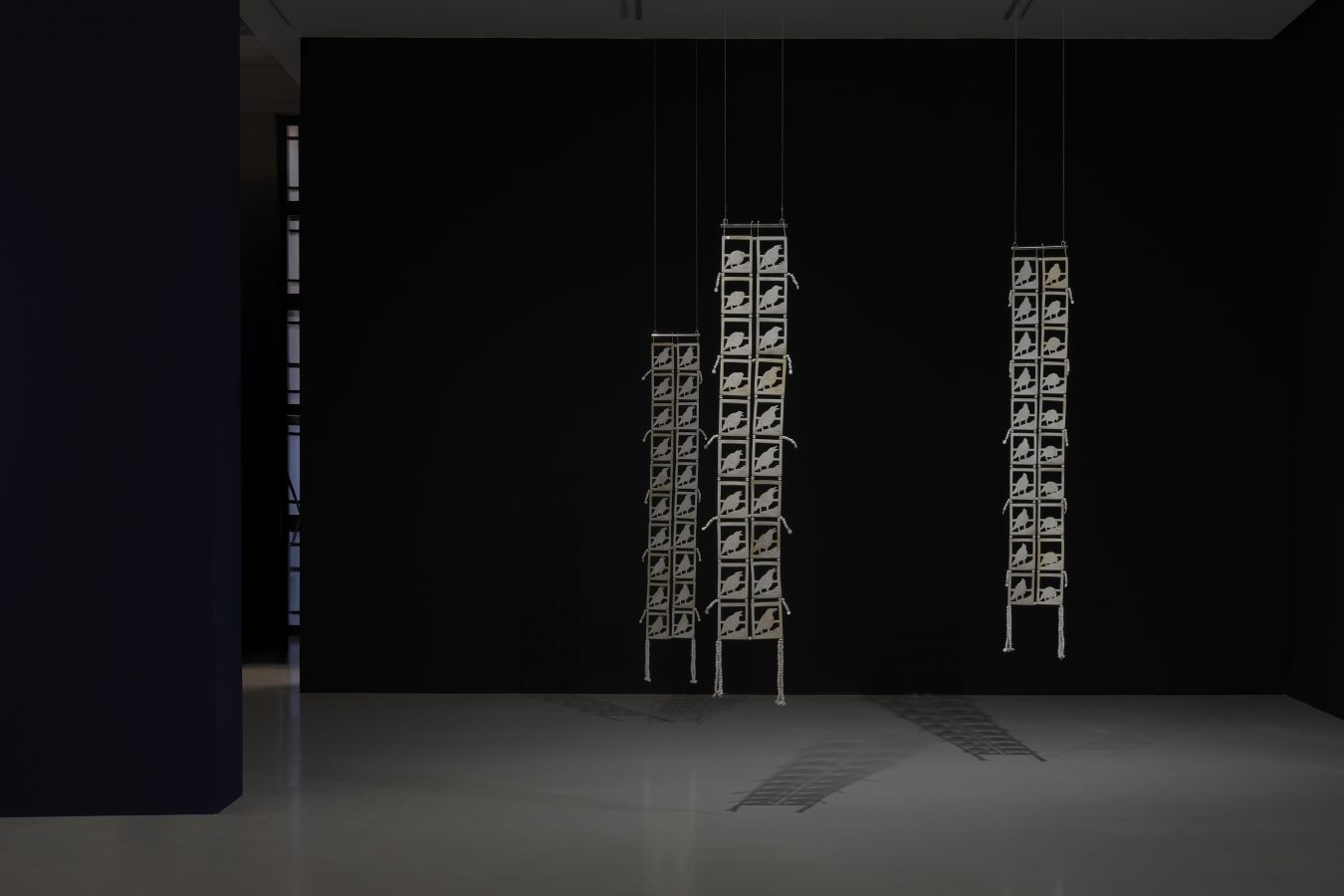
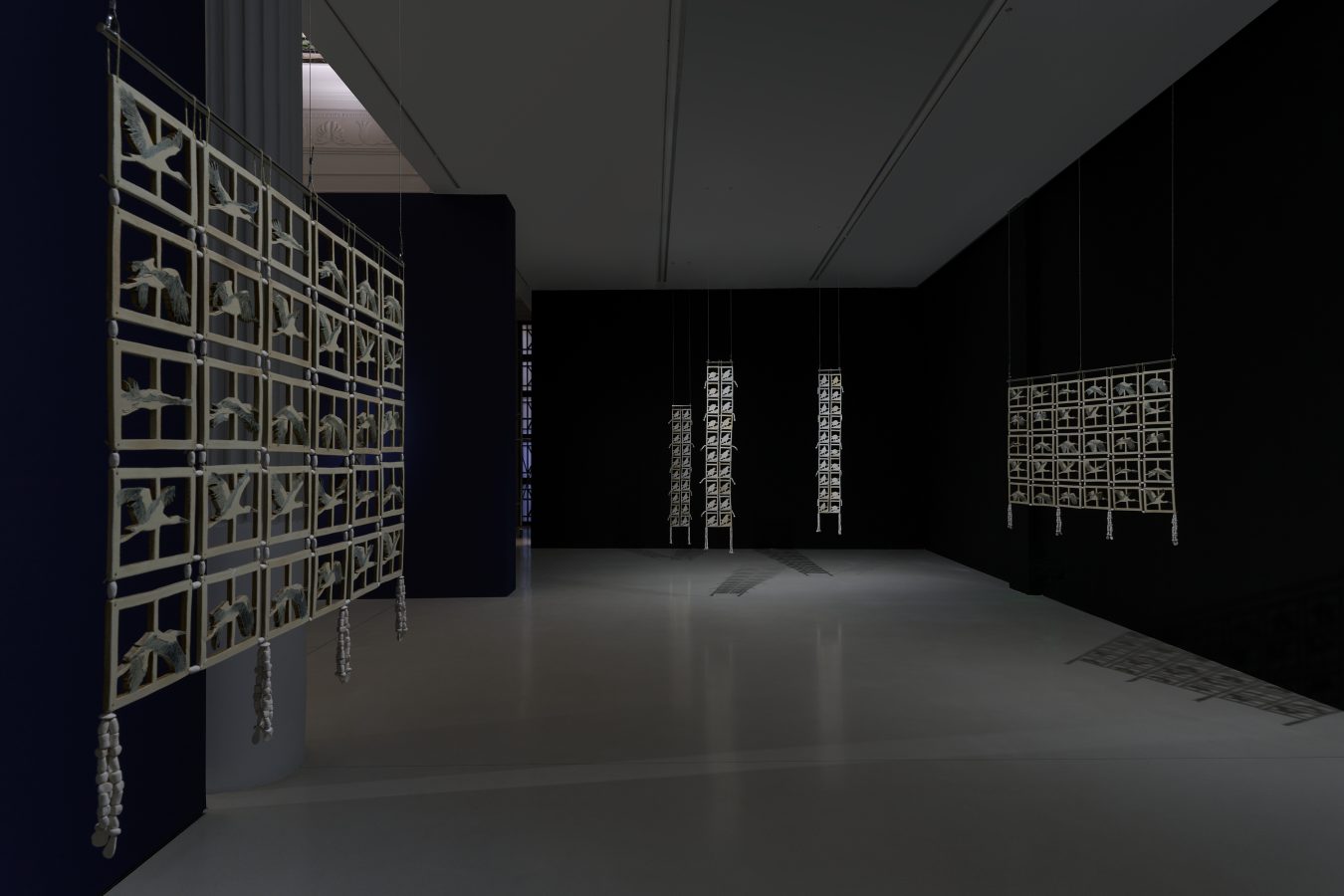
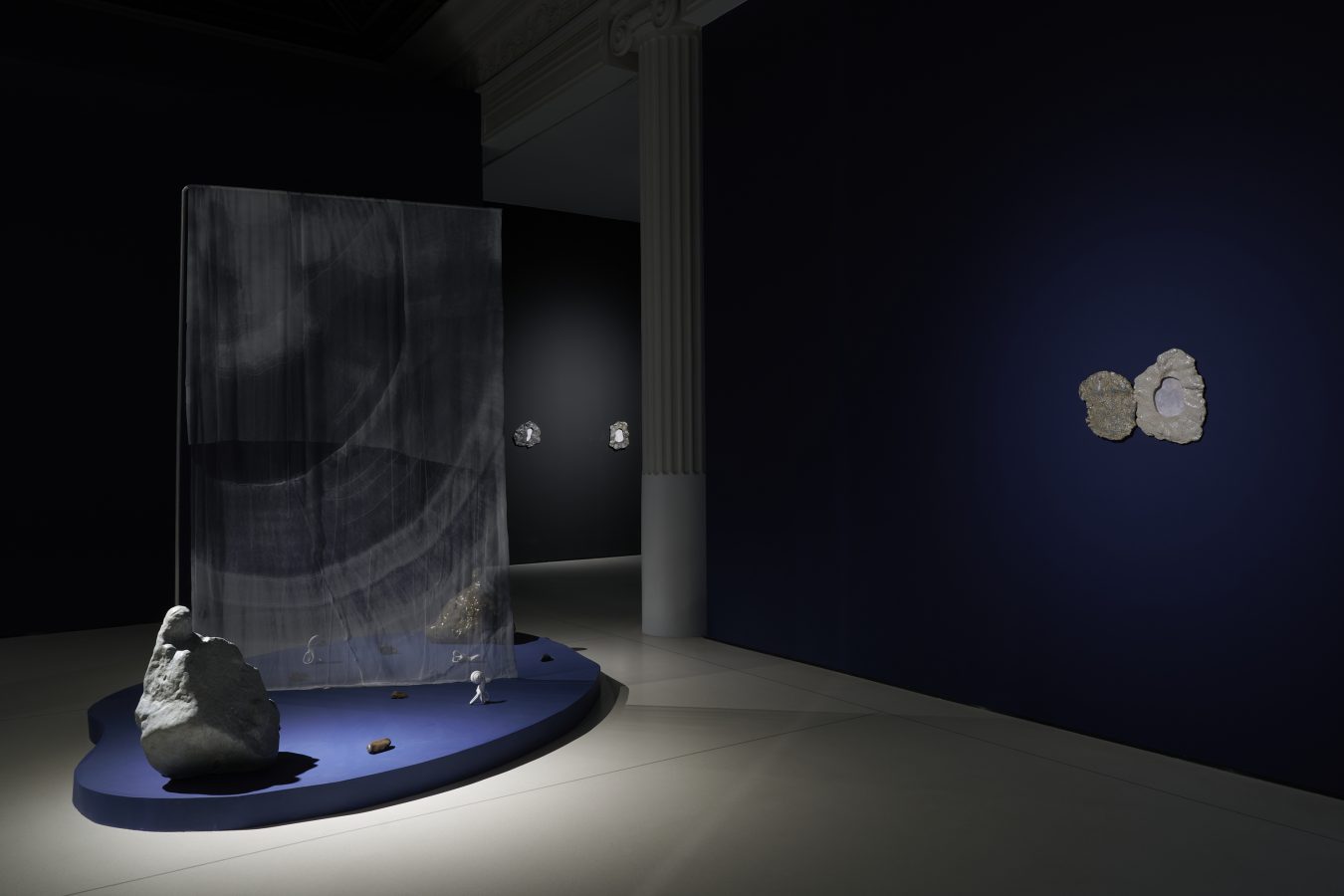
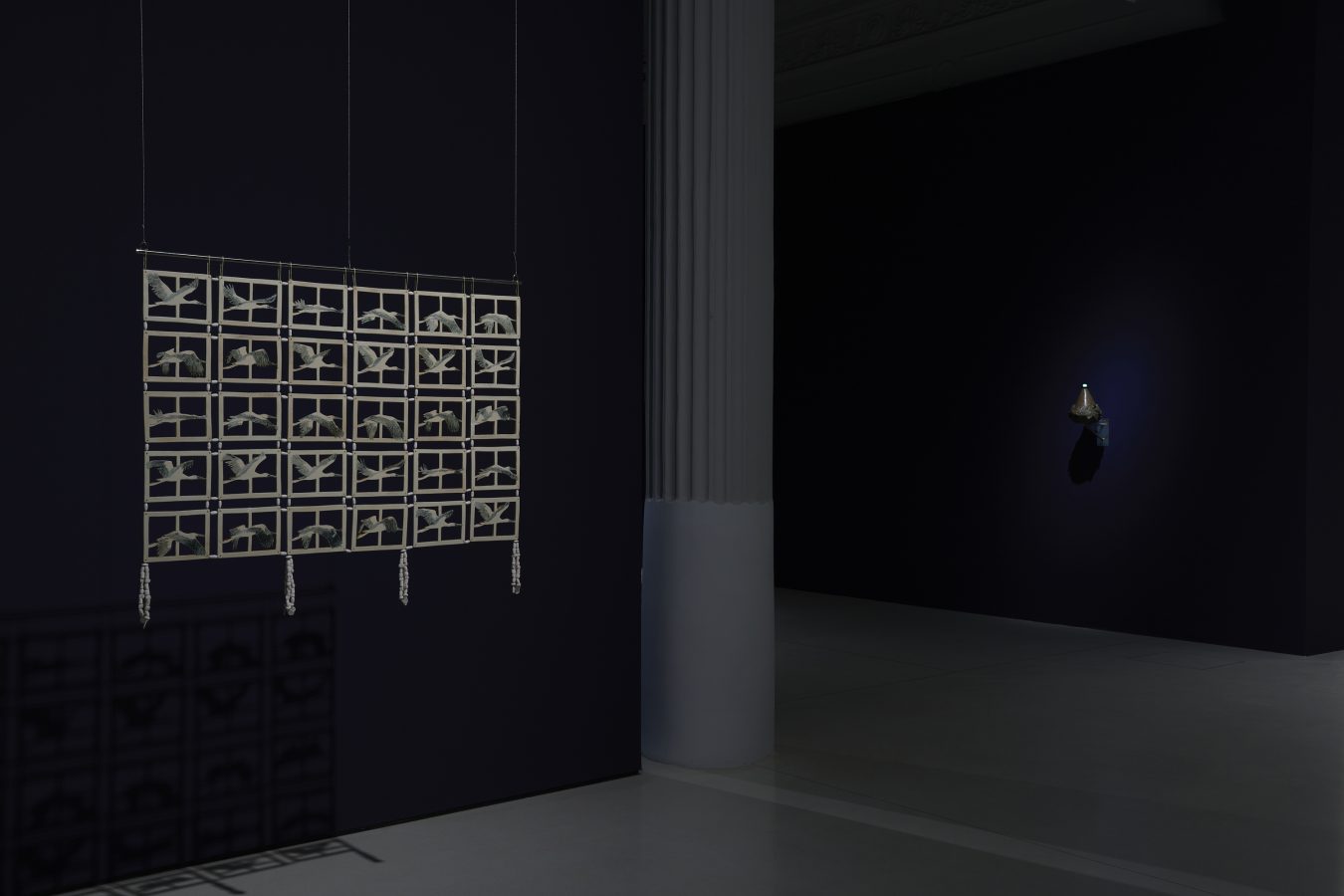
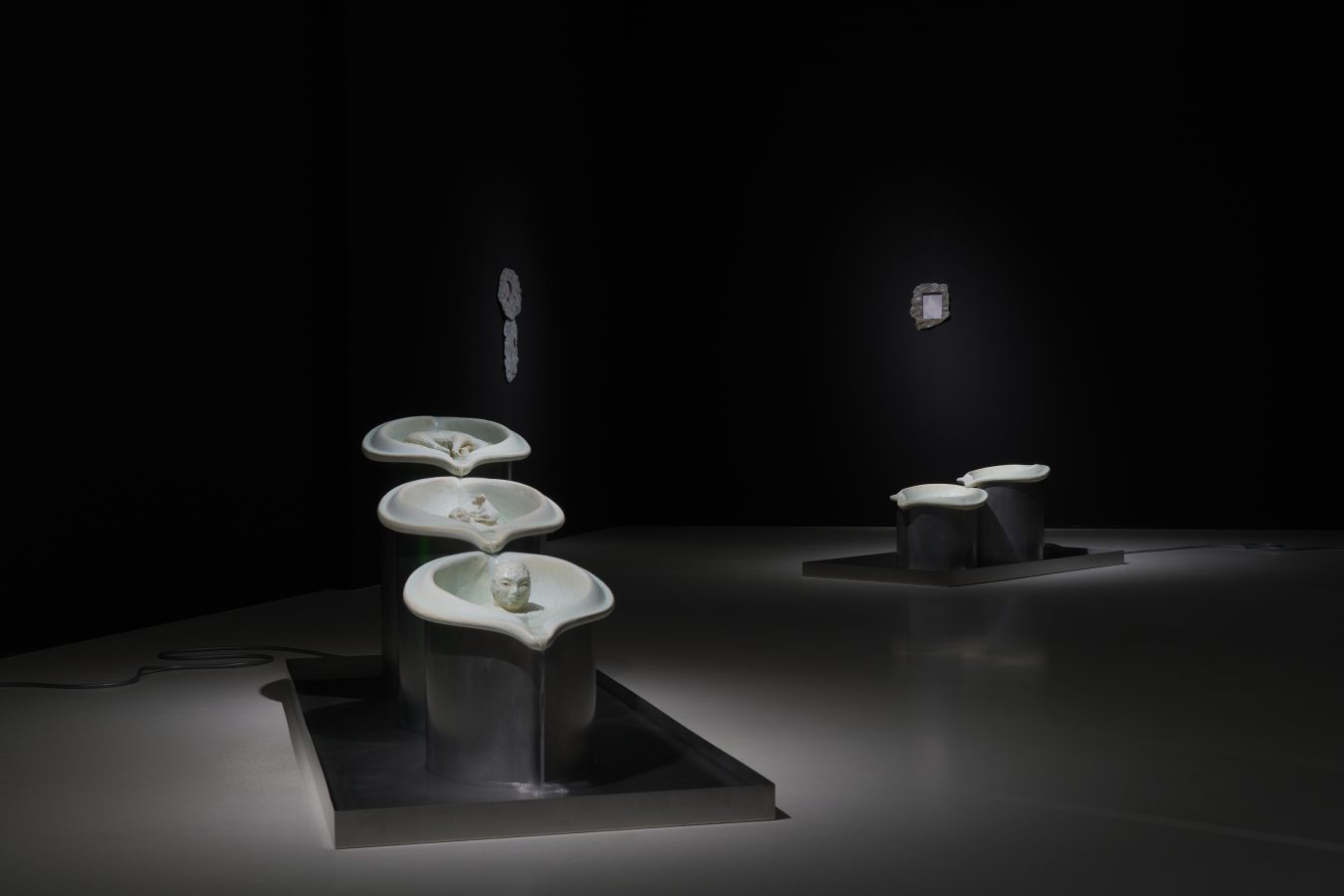
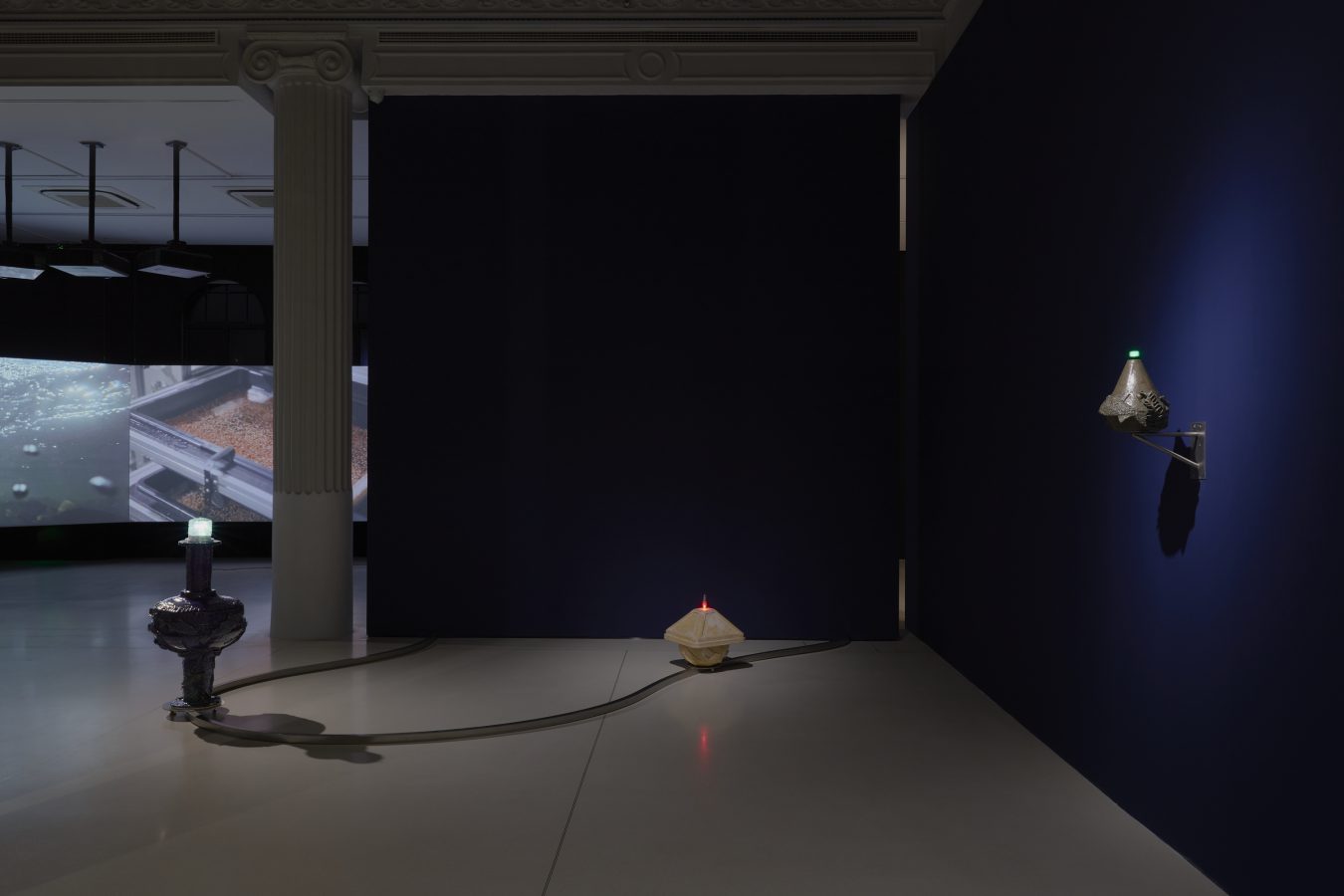
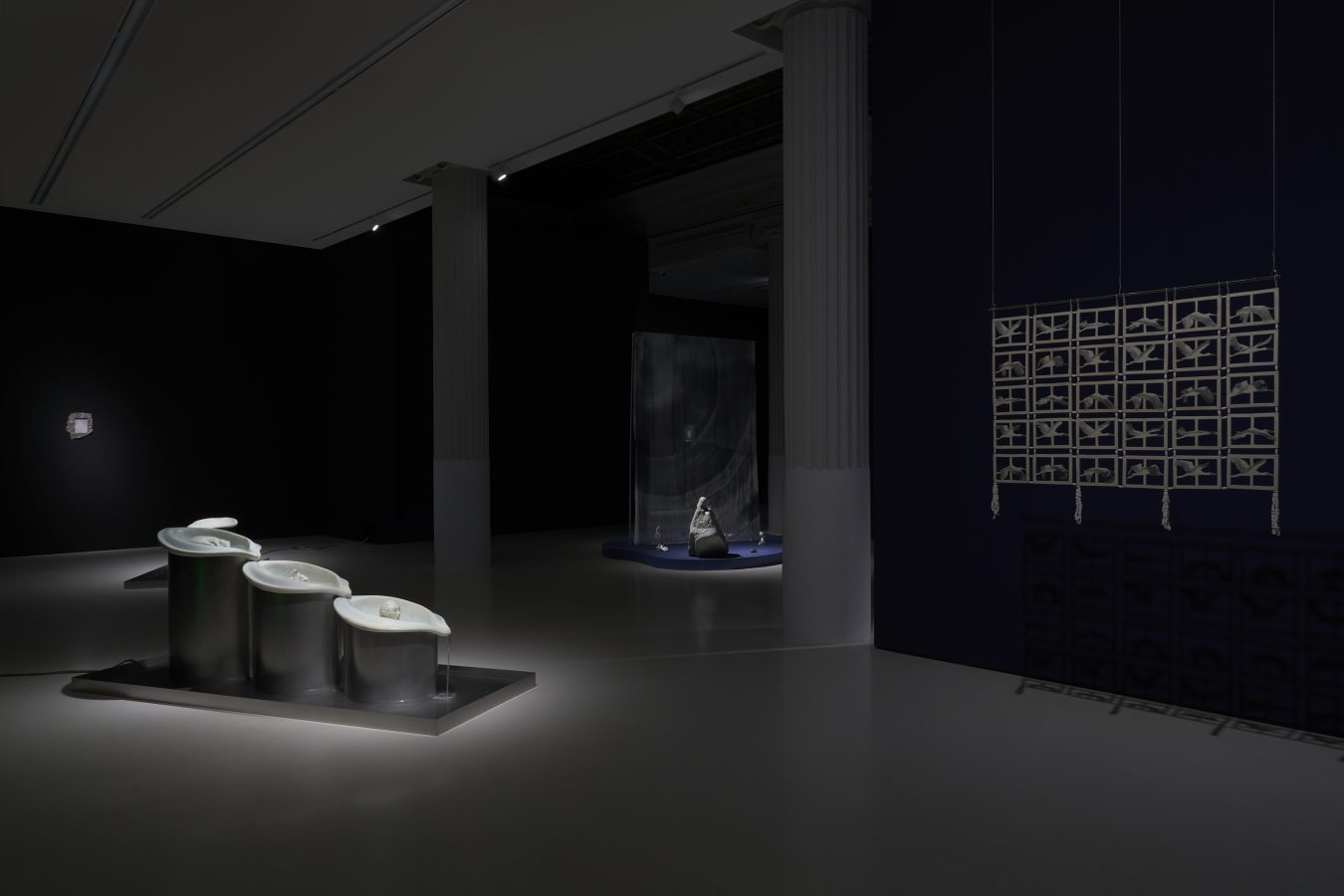
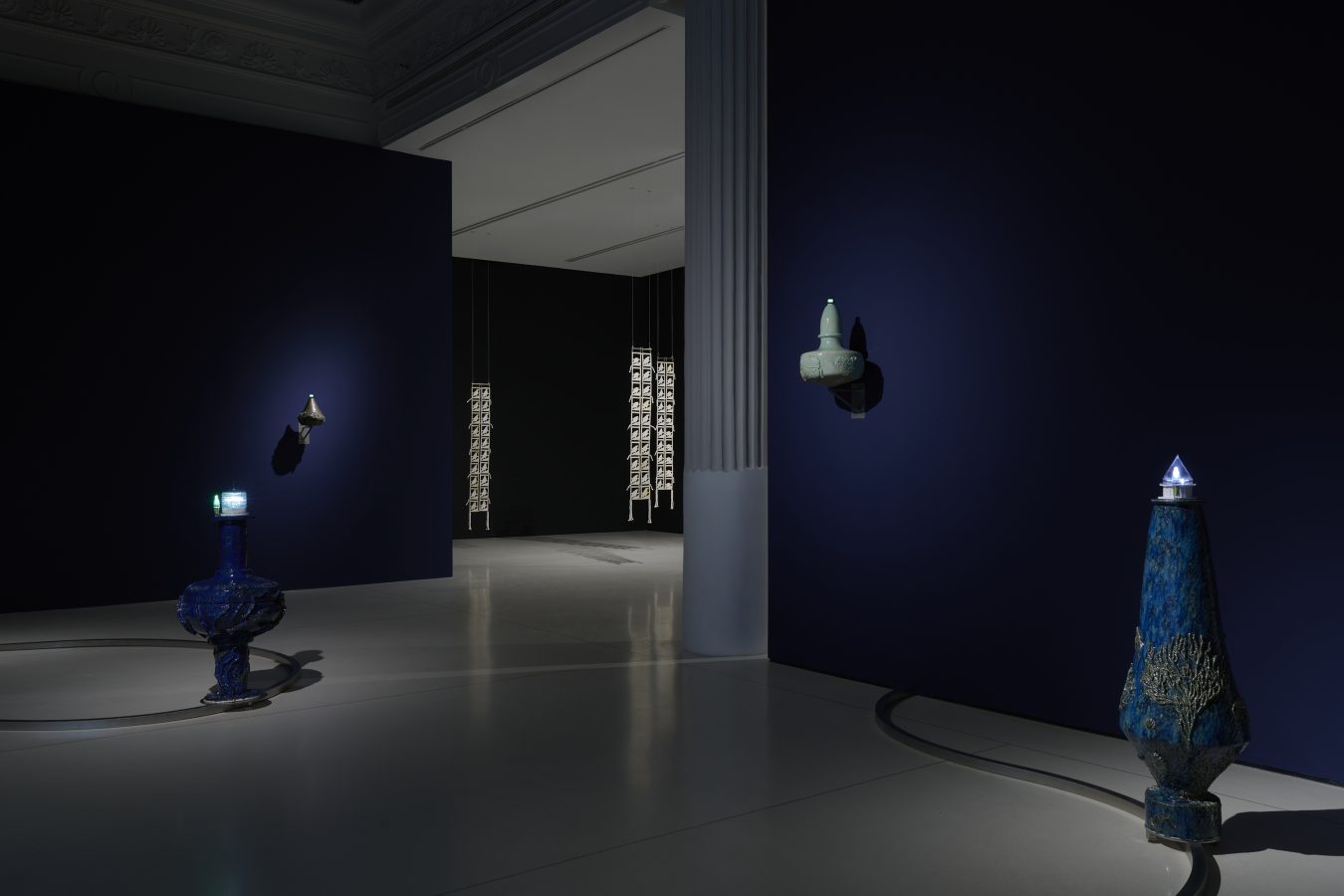
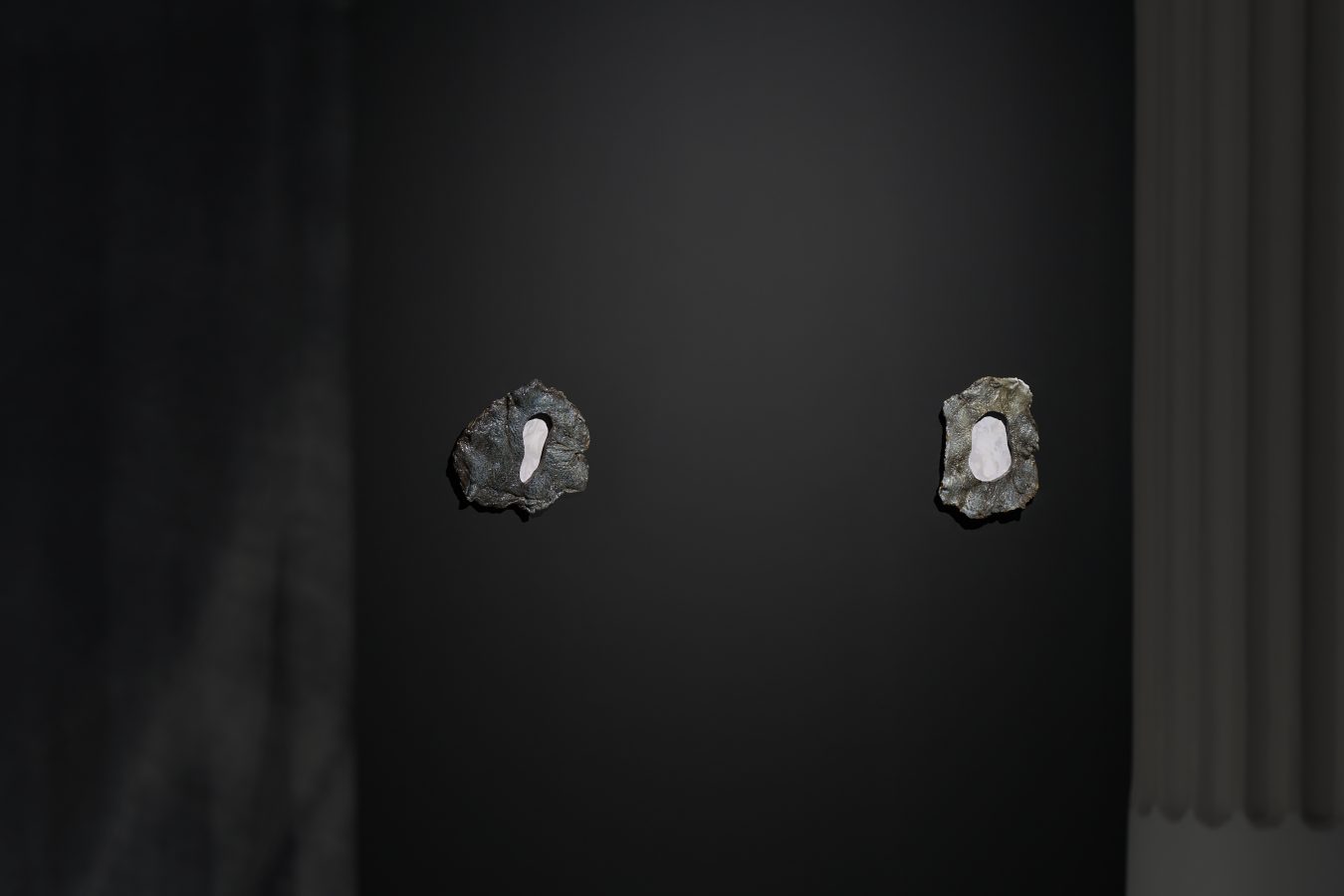
In this exhibition, Fei Yining presents ceramic installations—incorporating materials and techniques such as lumen prints, metal, beads, stitched outlines, daguerreotype plates, and water circulation systems—alongside ceramic sculptures and video works to narrate stories of boundaries and their overflow permeating life and nonlife. The making of ceramics itself constitutes an act of boundary overflow: soil containing organic matter undergoes transformation through shaping, glazing, and high-temperature firing. Organic materials burn away, moisture evaporates, and mineral structures reorganize, ultimately becoming ceramic vessels that carry stories.
Walking through the exhibition, these stories form a polyphonic hum. At the release station along the Mijiang River, chum salmon embryos silently form their otoliths, while temperature variations during artificial incubation inscribe recognizable identity patterns on them. In the North Pacific, walleye pollock once faced uncertain prospects navigating the high seas region known as the “Donut Hole”—a space that belongs to no one, yet to everyone. Oriental storks, which summer and breed in northeastern Eurasia, migrate south each autumn along the East Asian Flyway, traversing thousands of kilometers to reach their wintering wetlands. Algae, barnacles, and microorganisms gradually settle on countless hulls and buoys, “invading” on the scale of millimeters. Badgers, cattle, and humans are intimately linked through zoonotic diseases; they serve as hosts for one another’s pathogens or form “reservoirs” from which outbreaks may spill over at any time. As Haraway notes: “There is no border where evolution ends and history begins, where genes stop and the environment takes over, where culture rules and nature submits, or vice versa.”
Through the lens of planetary thinking, the artist draws upon fieldwork, research, and speculation to observe the ever-shifting world with humility and care, extracting threads from the flux to weave her flying carpet. On the surface of the carpet, intricate patterns trace the interplay of monsoon winds, snow, and ocean currents, alongside infrastructures and the lives of birds, beasts, fish, and crustaceans. It encapsulates diverse materials, layered spaces and accumulated time. Yet if one lifts the carpet to view its underside, the entwined threads weave recurring questions: Who draws the boundaries of the world? Who grants the authority to define them? How do boundaries leave traces of reverence, neglect, rejection, or fear? And how do they allow otherness, death, and mourning to emerge? Where do fissures exist—or fail to exist? And what flows, pauses, or gazes back through these fissures?
When life and nonlife, seemingly far apart, spin toward one another and crystallize, they begin to tell stories at once mythic and universal. Stories thread into other stories; stories grow out of stories. Through the exhibition, Fei Yining also creates a space for viewers to listen to and share in these unfolding narratives. Much like the “space of myth” described by the Polish writer Olga Tokarczuk, here “the ontological status of every entity is equal—god and the animal that speaks, human and the stone that gazes.” Fei Yining is the kind of “panoramic narrator” Tokarczuk depicts: as if reading a star chart, she traces connections, examines, and contemplates the things she perceives simultaneously, inviting us to move fluidly through the world and to feel our inseparable belonging within it.