
Zhang Bin
2026
Tempera on wood
100×200cm

Zhang Bin
2026
Mixed tempera on
canvas
60×80cm

Zhang Bin
2026
Tempera on wood
140×180cm
-2026-木板坦培拉-80×100CM.jpg)
Zhang Bin
2026
Tempera on wood
80×100cm
-布面坦培拉-2026-150×200CM-scaled.jpg)
Zhang Bin
2026
Tempera on canvas
150×200cm

Zhang Bin
2026
Tempera on wood
120×150cm

Zhang Bin
2026
Tempera on wood
60×60cm

Zhang Bin
2026
Tempera on wood
200×150cm

Zhang Bin
2026
Tempera on canvas
170×130cm

Zhang Bin
2026
Tempera on wood
100×80cm

Zhang Bin
2026
Tempera on wood
100×80cm

Zhang Bin
2026
Tempera on canvas
130×100cm

Zhang Bin
2026
Tempera on wood
80×100cm

Zhang Bin
2026
Tempera on wood
60×50cm

Zhang Bin
2026
Tempera on wood
46×33cm

Zhang Bin
2026
Tempera on wood
100×60cm

Zhang Bin
2026
Tempera on canvas
150×120cm

Zhang Bin
2026
Tempera on wood
100×80cm

Zhang Bin
2026
Tempera on wood
100×80cm

Zhang Bin
2026
Tempera on wood
100×80cm

Zhang Bin
2026
Tempera on wood
60×50cm

Zhang Bin
2026
Tempera on wood
130×170cm

Zhang Bin
2026
Tempera on wood
80×100cm

Zhang Bin
2026
Tempera on wood
170×130cm

Zhang Bin
2026
Tempera on wood
30×170cm

张斌
2026
Tempera on wood
46×55cm

Zhang Bin
2025
Tempera on wood
60×80cm

Zhang Bin
2025
Tempera on wood
46×55cm

Zhang Bin
2025
Tempera on wood
80×100cm

Zhang Bin
2025
Tempera on wood
80×100cm

Zhang Bin
2025
Tempera on canvas
170×130cm

Zhang Bin
2025
Tempera on canvas
200×150cm

Zhang Bin
2025
Tempera on canvas
80×80cm

Zhang Bin
2024
Mixed tempera on canvas
60×73cm
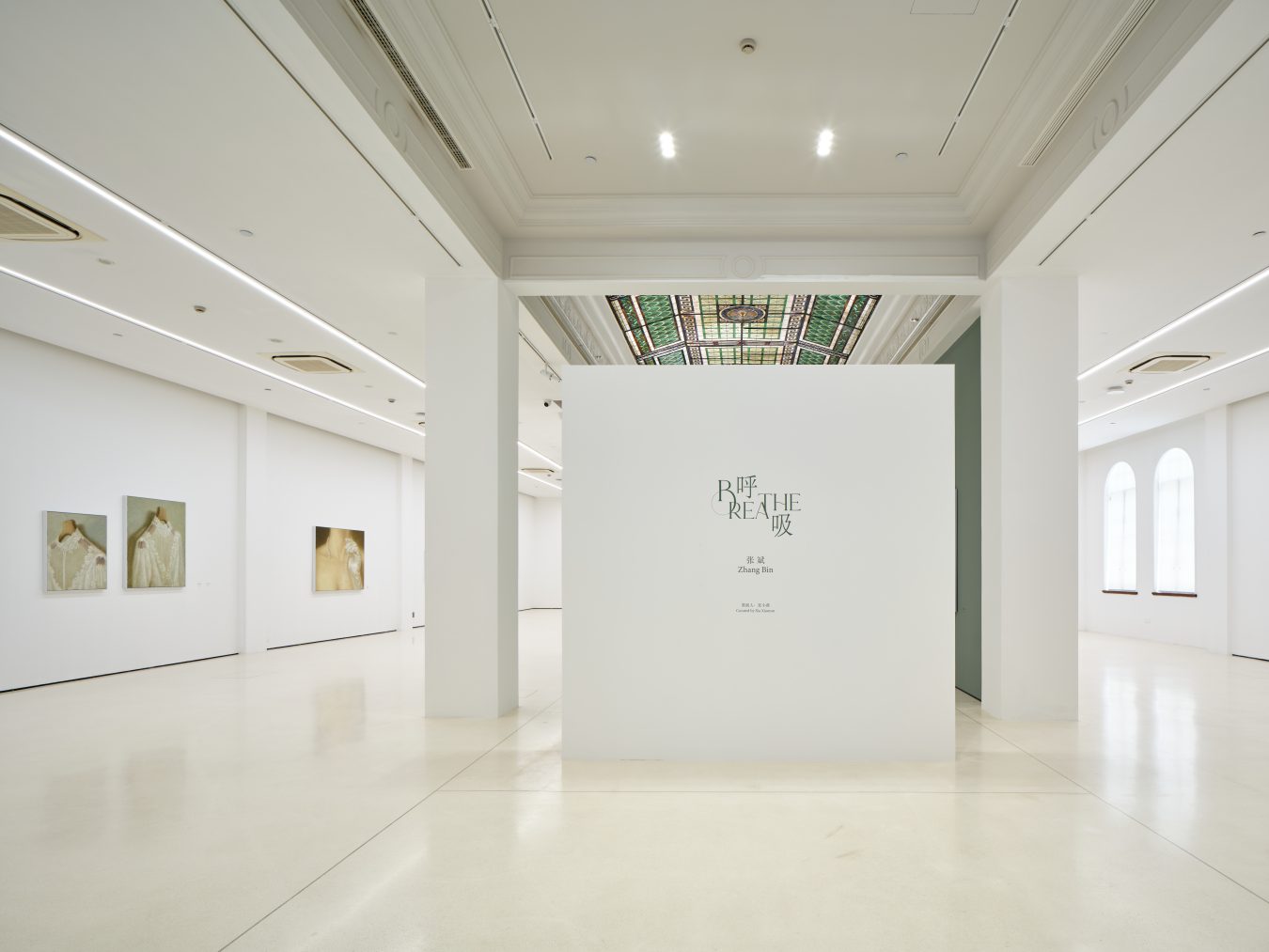
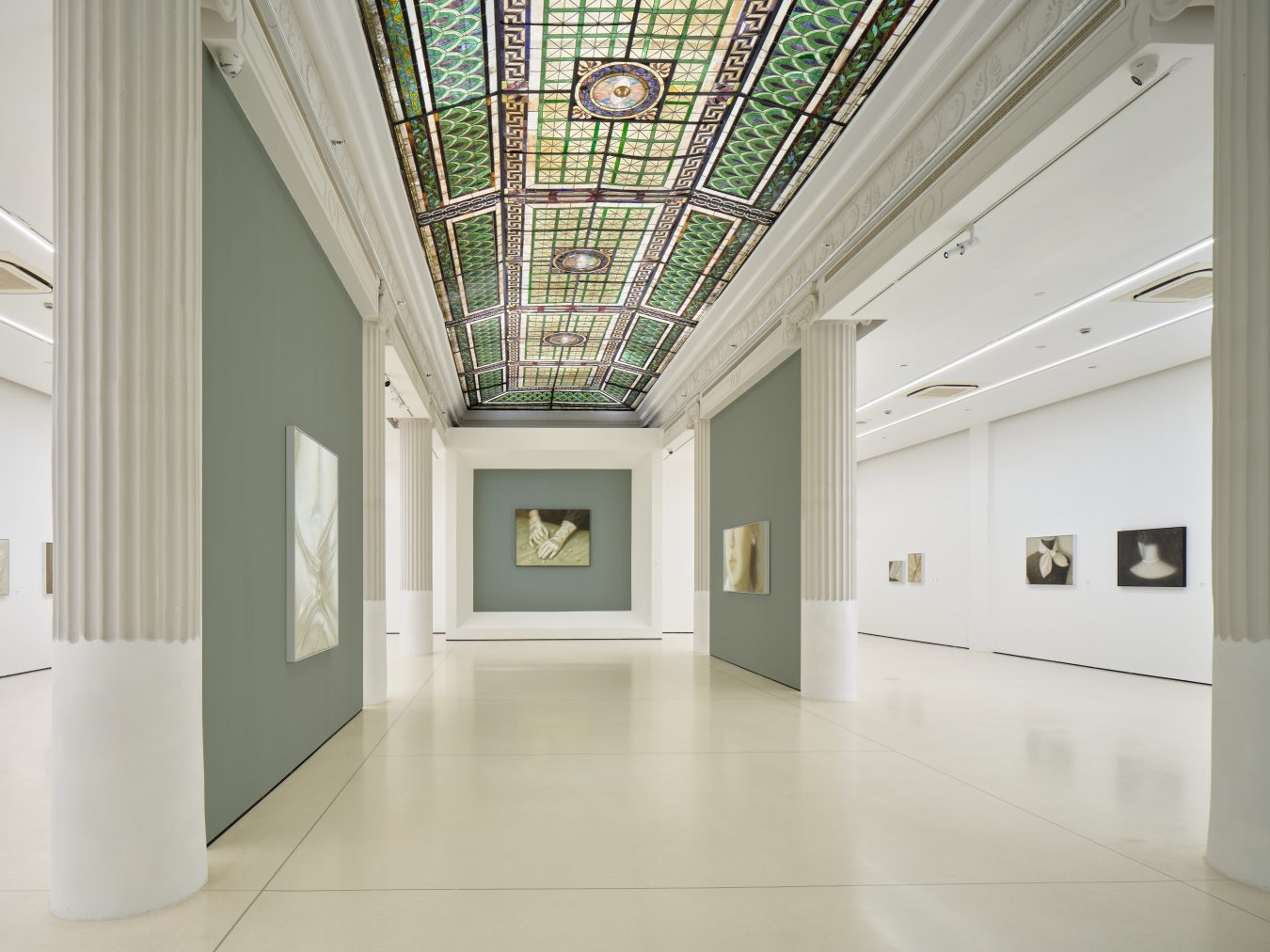
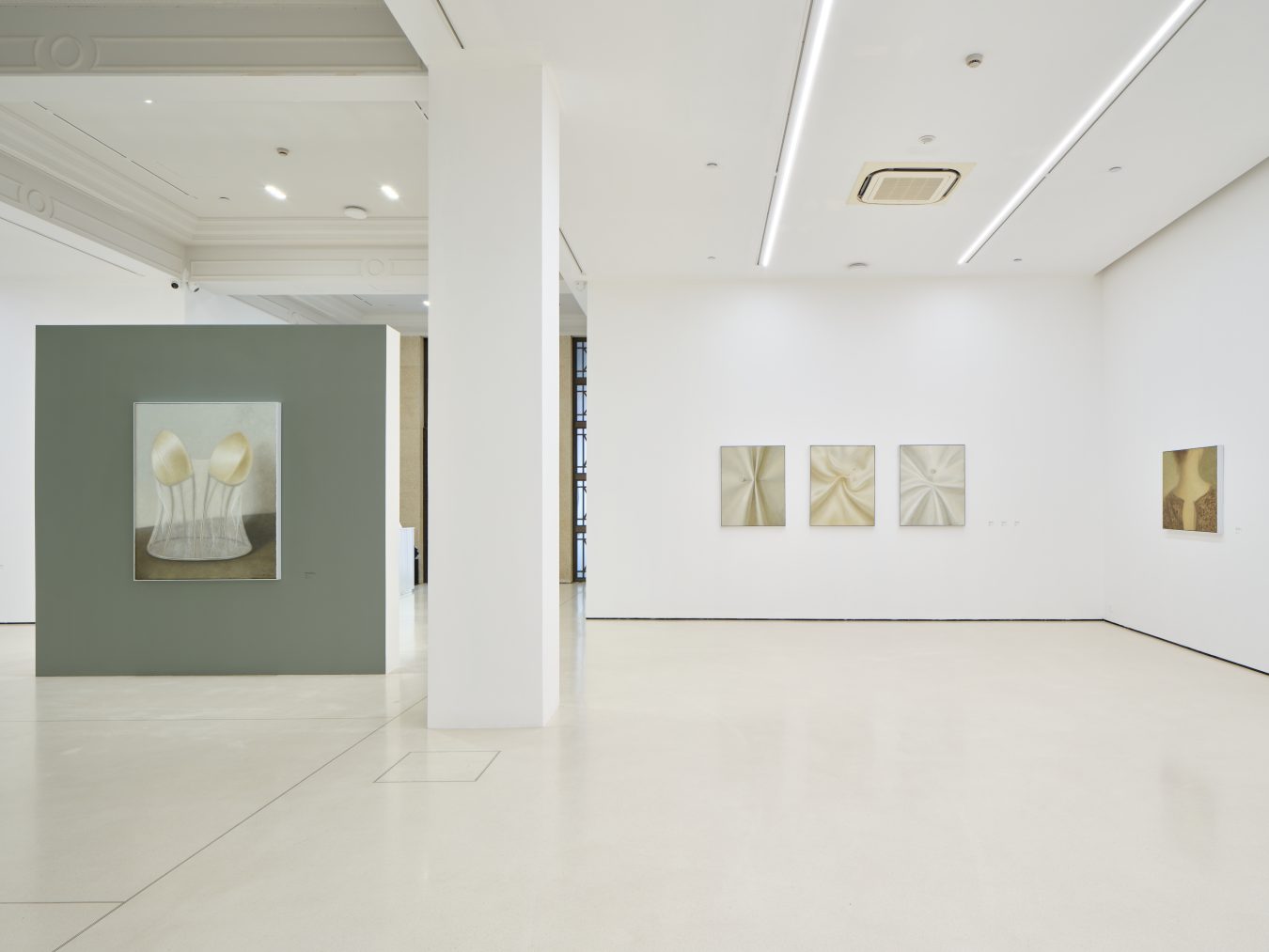
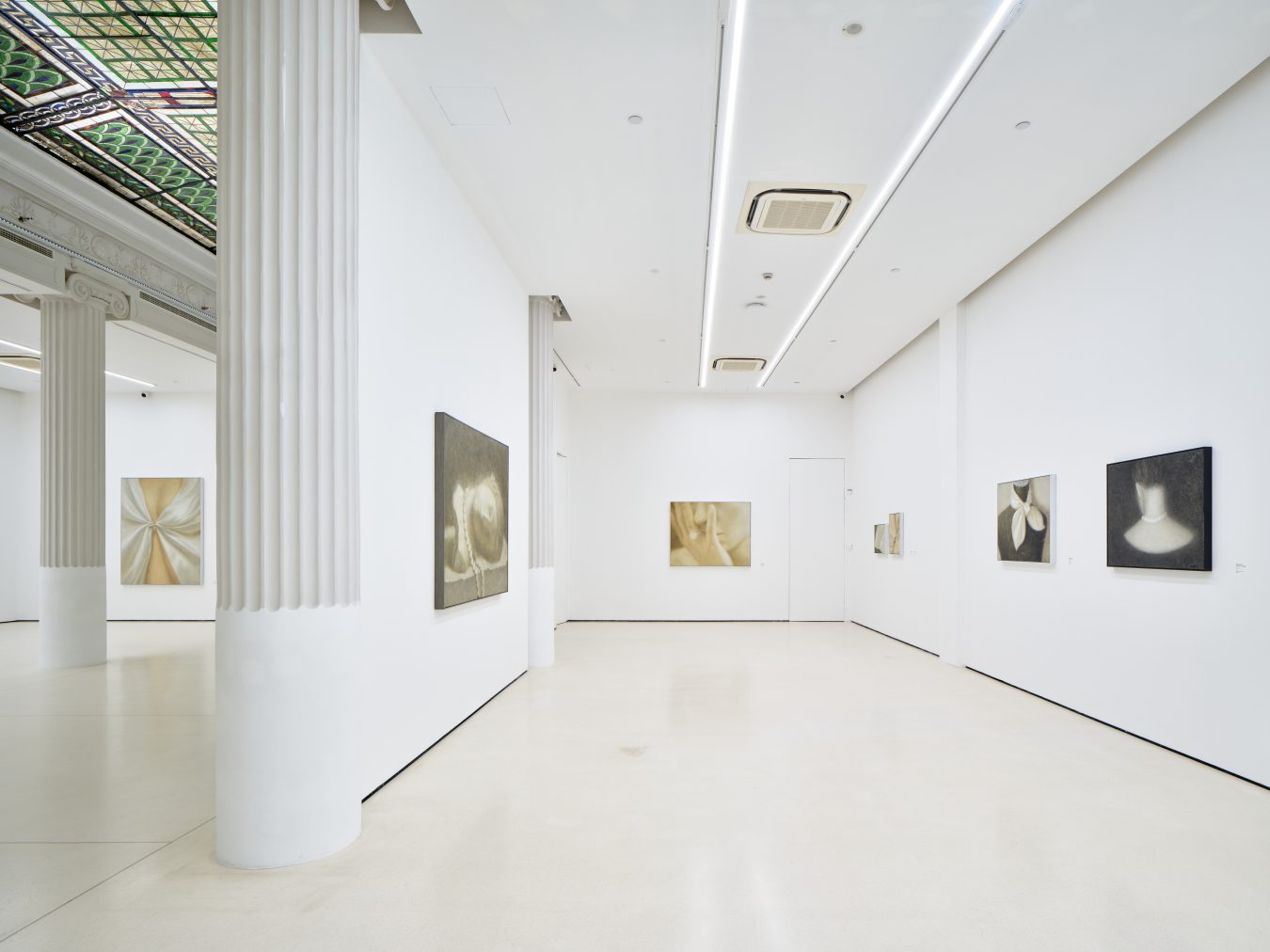
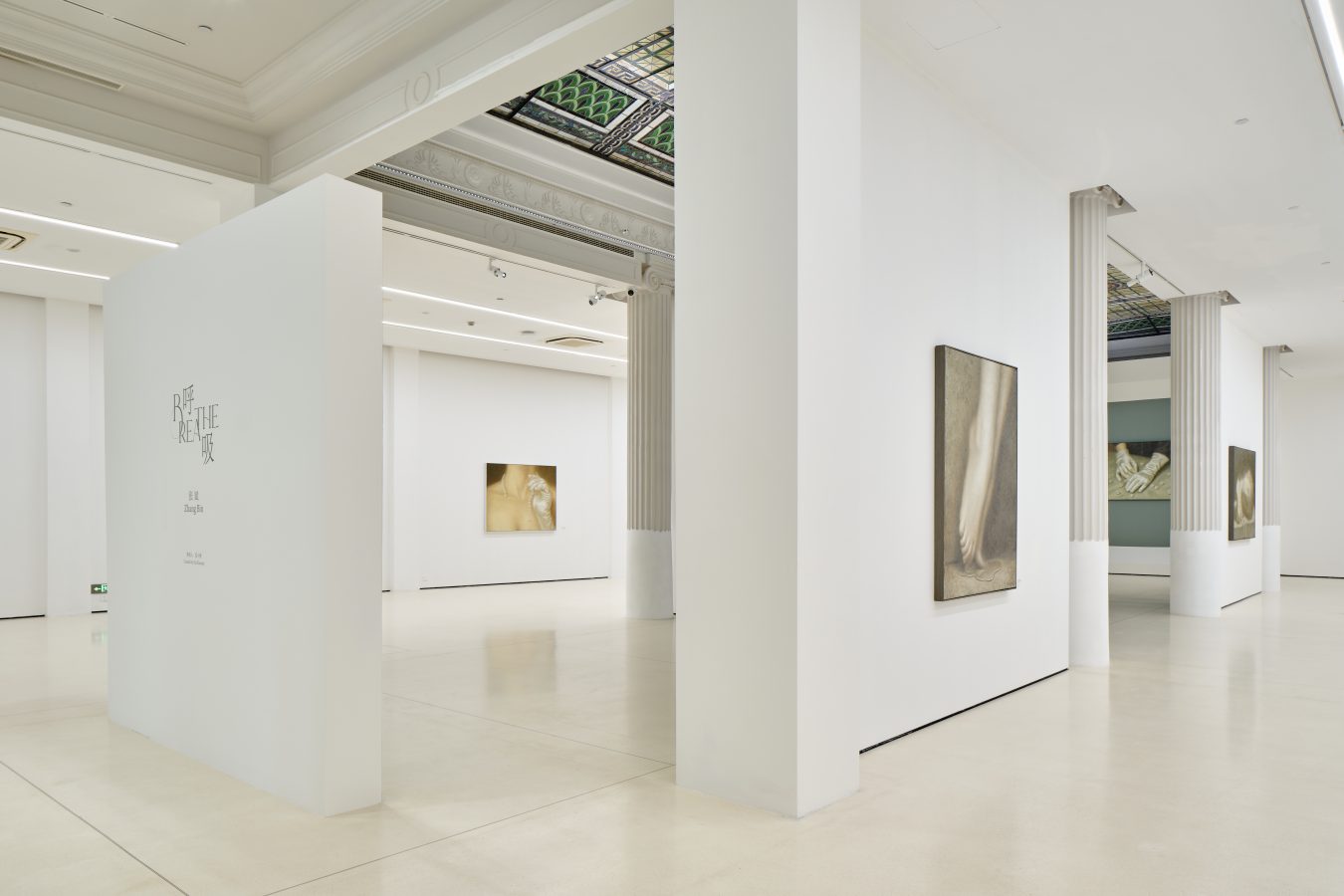
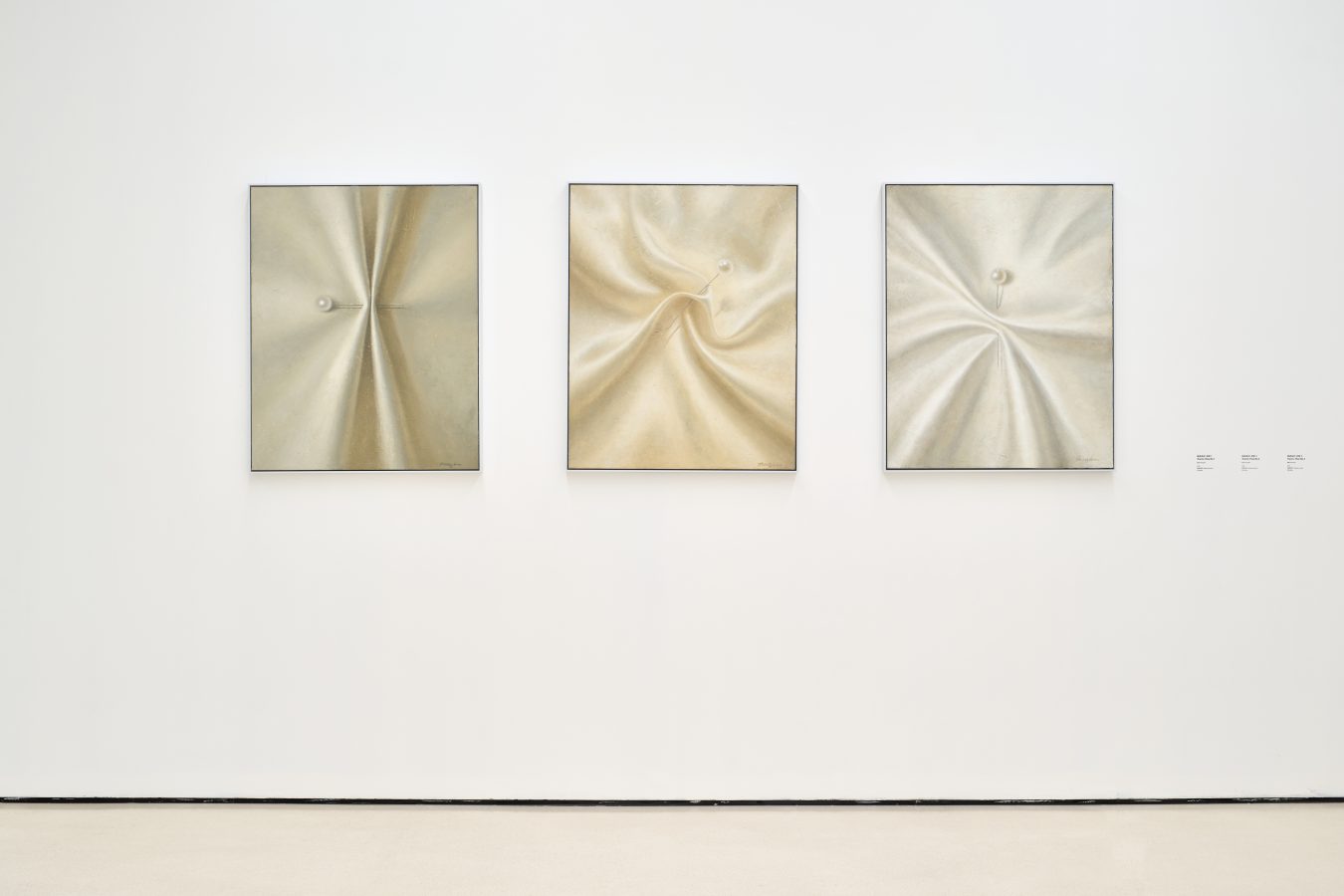
Hive Center for Contemporary Art is pleased to announce that on July 3, 2026, Hive Shanghai will present “Breathe”, the first major solo exhibition by artist Zhang Bin following her collaboration with the institution. As a representative artist of the “post-80s” generation, Zhang Bin has received sustained attention from both the public and the professional art world. Through an intensely introspective approach, she employs the medium of tempera to transform the external world into a field where consciousness manifests. Drawing from everyday experience, her works unfold a spiritual extension within a restrained scale. Through de-narrativized compositions, controlled palettes, and disciplined brushwork, they evoke existential states such as solitude, presence, and absence. Beneath the seemingly static surfaces of her paintings, there persists an ongoing psychological movement, turning painting into a continuous inquiry into how existence is perceived. Curated by Xia Xiaoyan, the exhibition will run until August 25, 2026.
“Breathe” does not point toward any predetermined religious experience; rather, it functions as a metaphorical structure concerning modes of existence. In Zhang Bin’s artistic context, “breath” is detached from its physiological dimension from the outset and transformed into the most fundamental mechanism of exchange between life and the external world—a continuous process of permeation, flow, and translation between inside and outside. Life thus ceases to be understood as a closed entity and instead becomes an open process; the subject is no longer a stable center but a provisional structure generated through ongoing contact and recombination. In this sense, Zhang Bin’s practice does not proceed from grand narratives but returns to the most basic level of experience: How does the body relate to the world? How are boundaries established, and how are they broken? Within these shifting interfaces, how does the individual perceive their own existence?
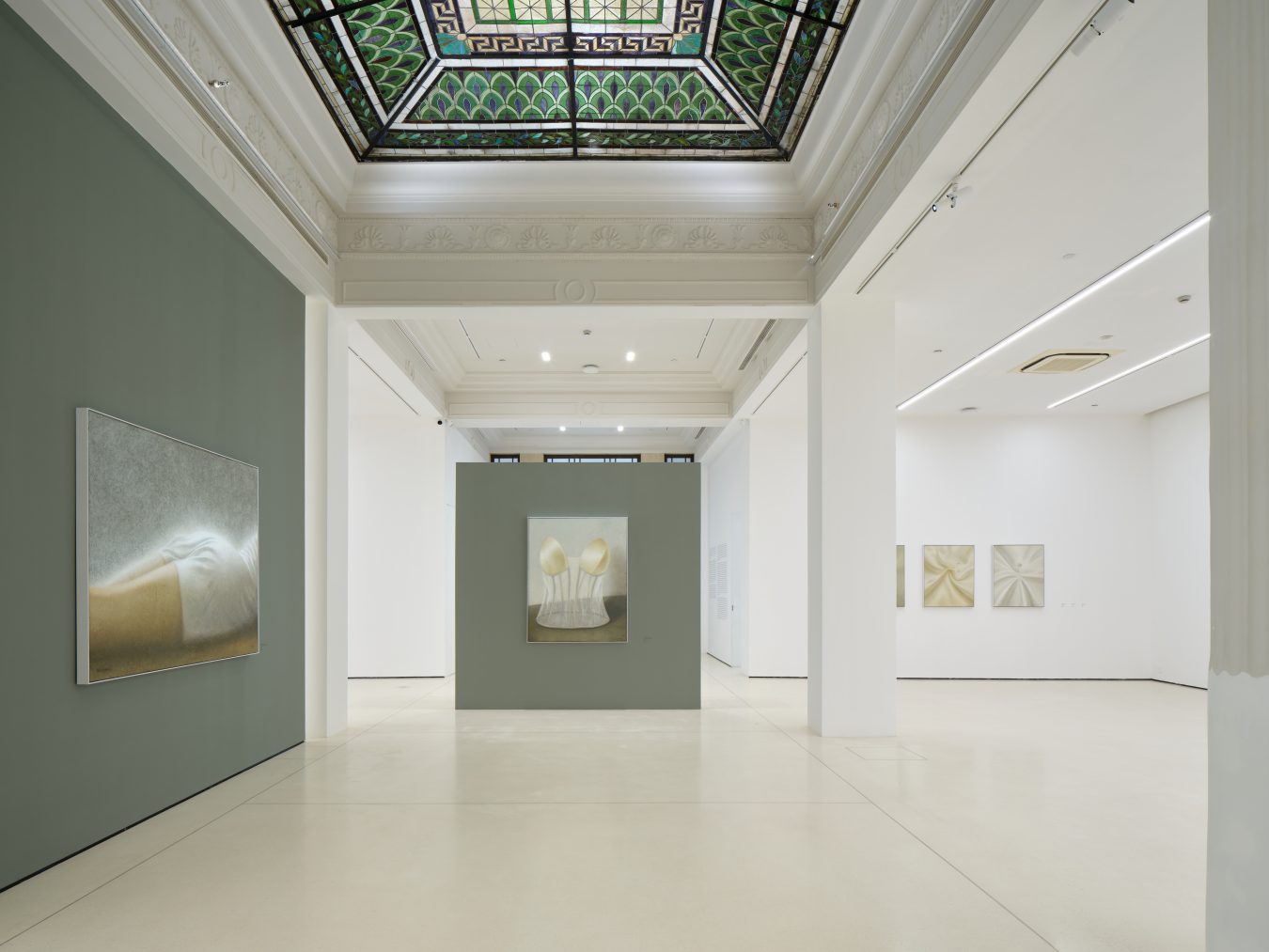
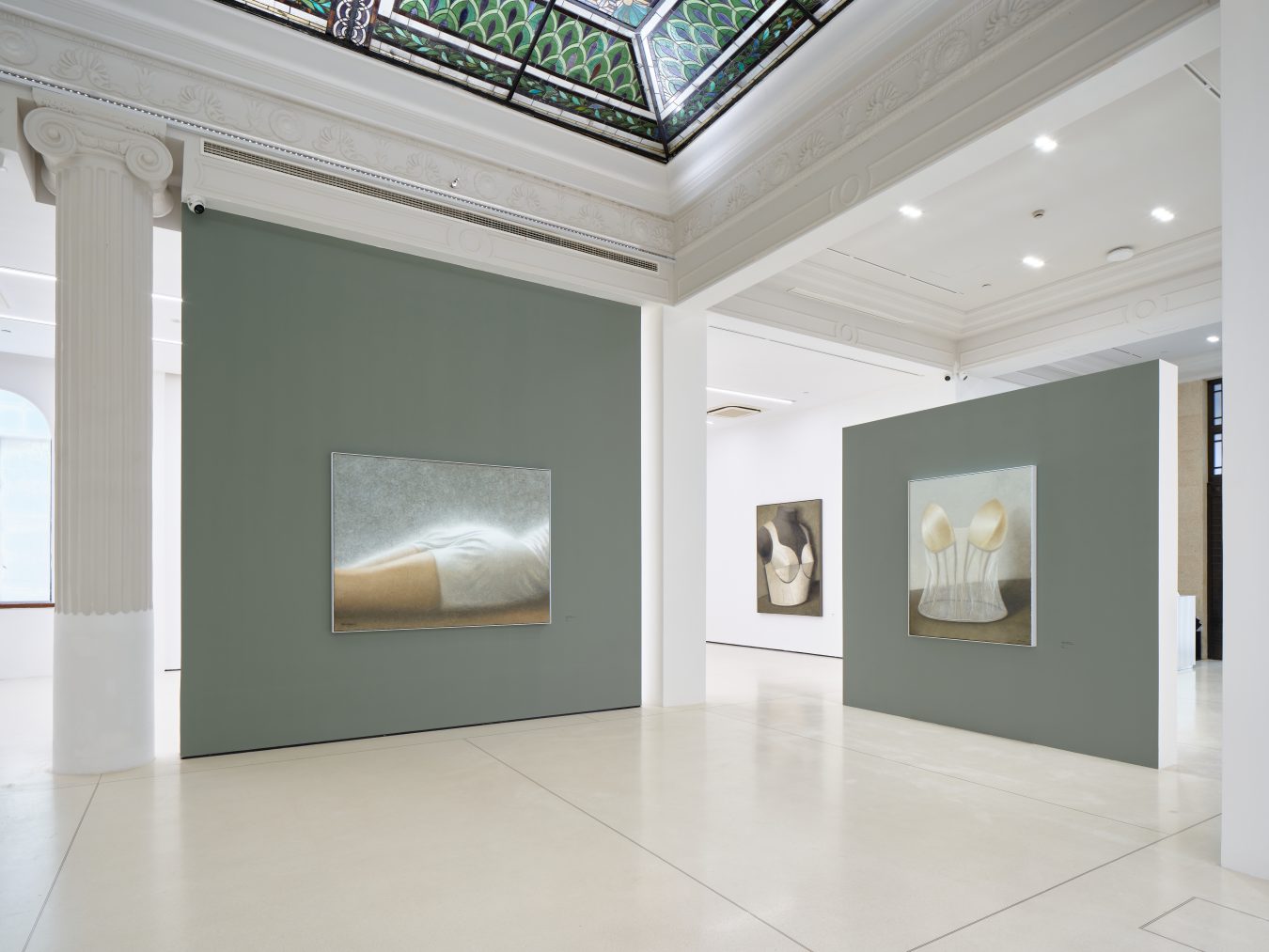
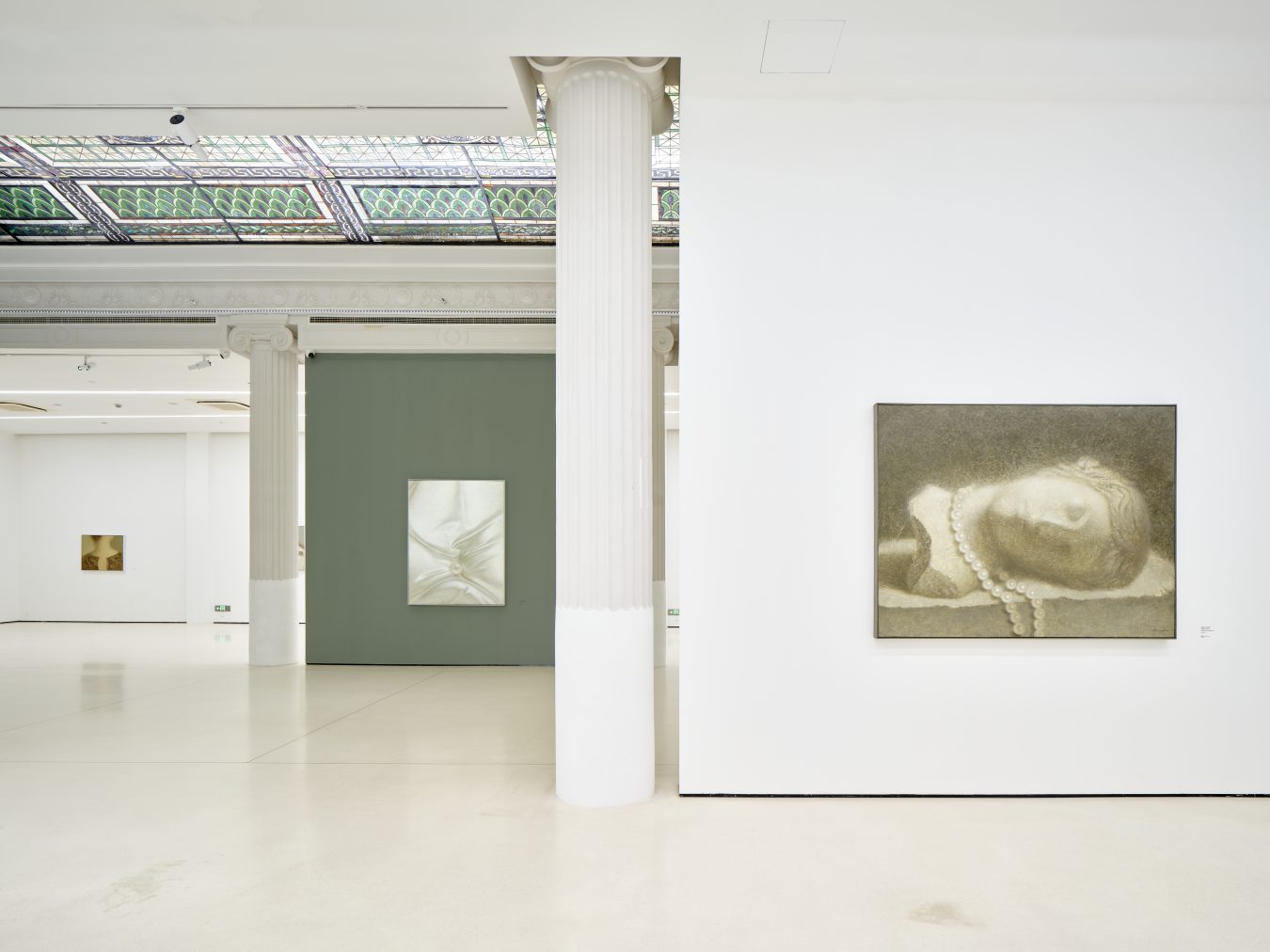
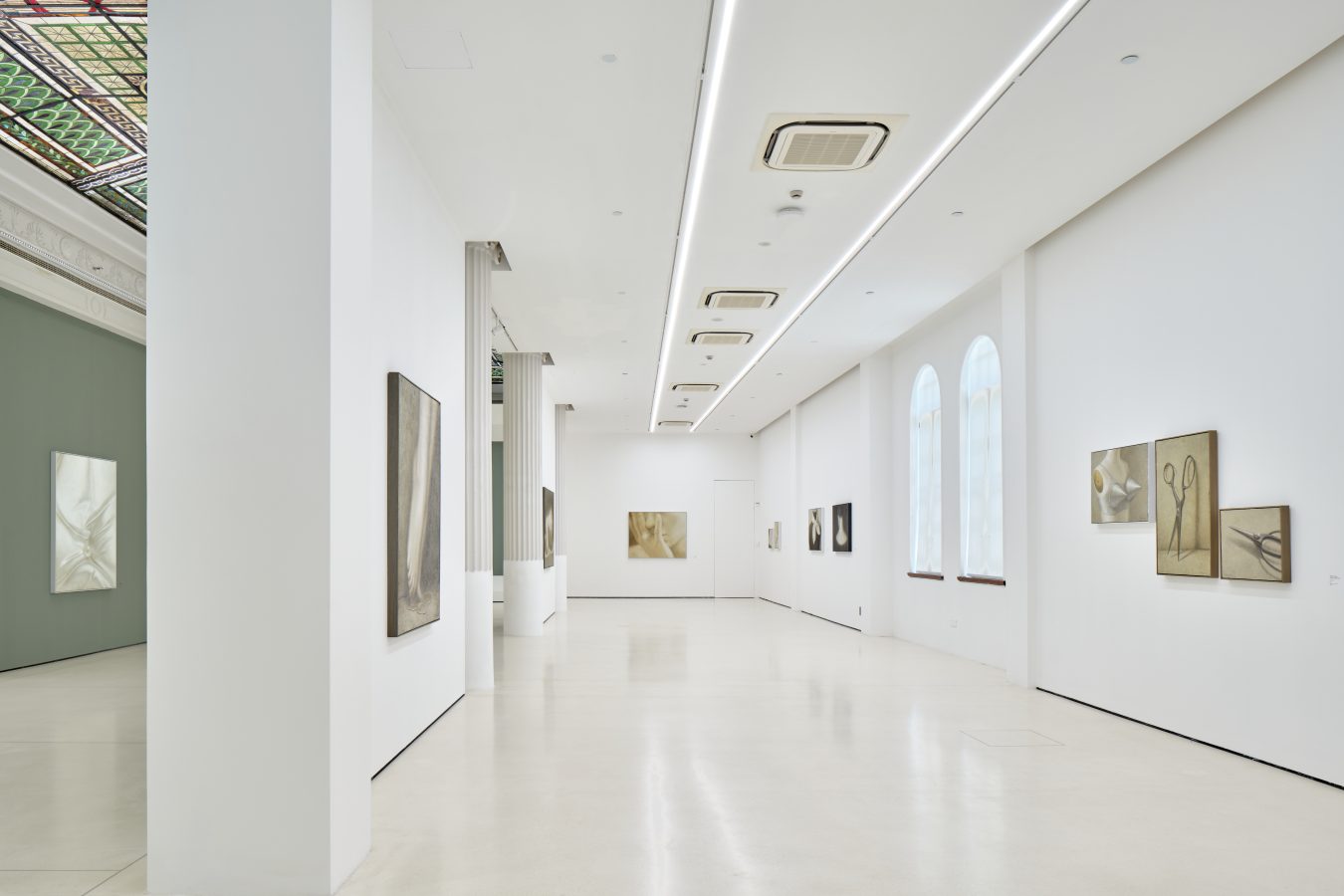
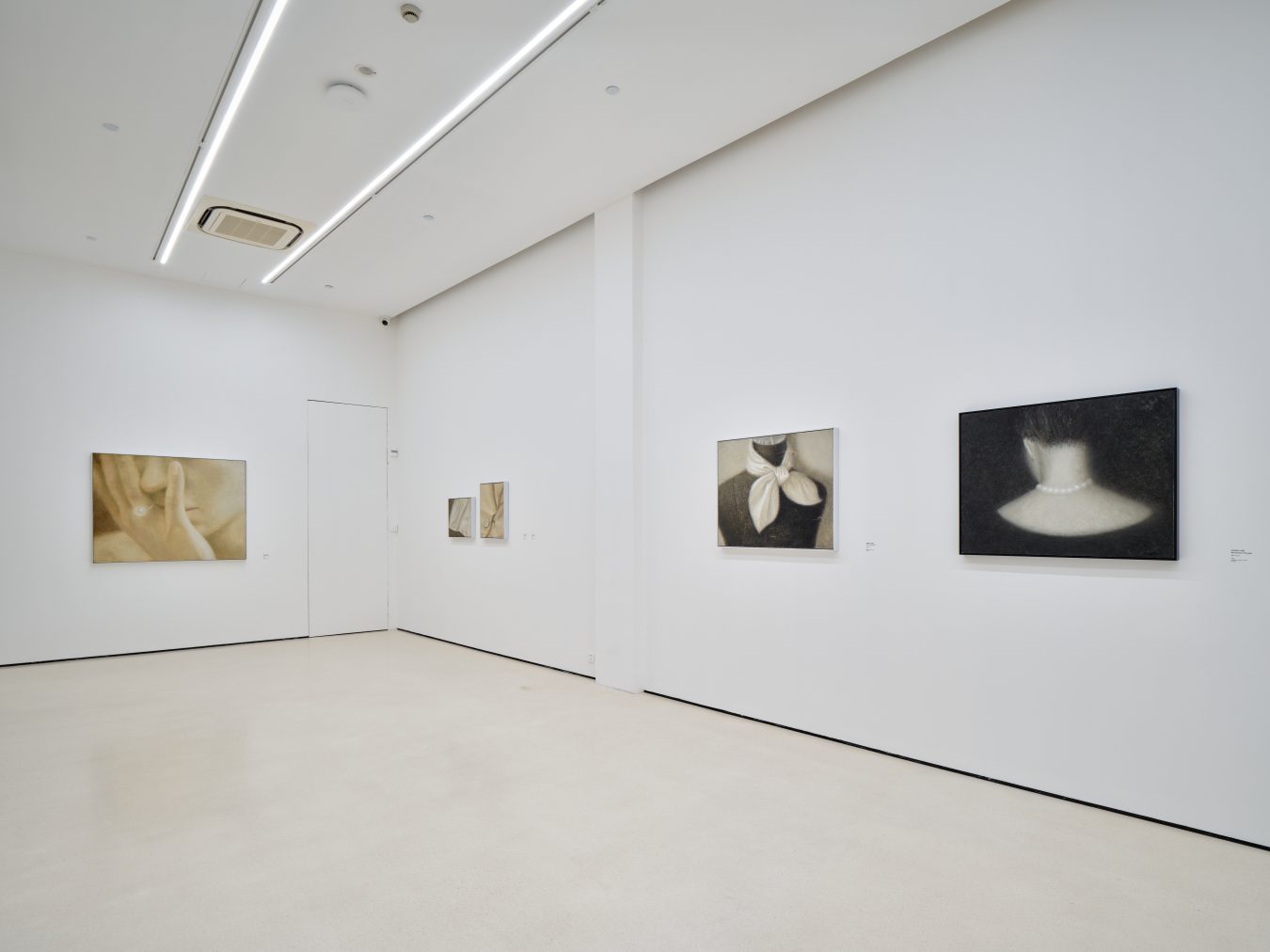
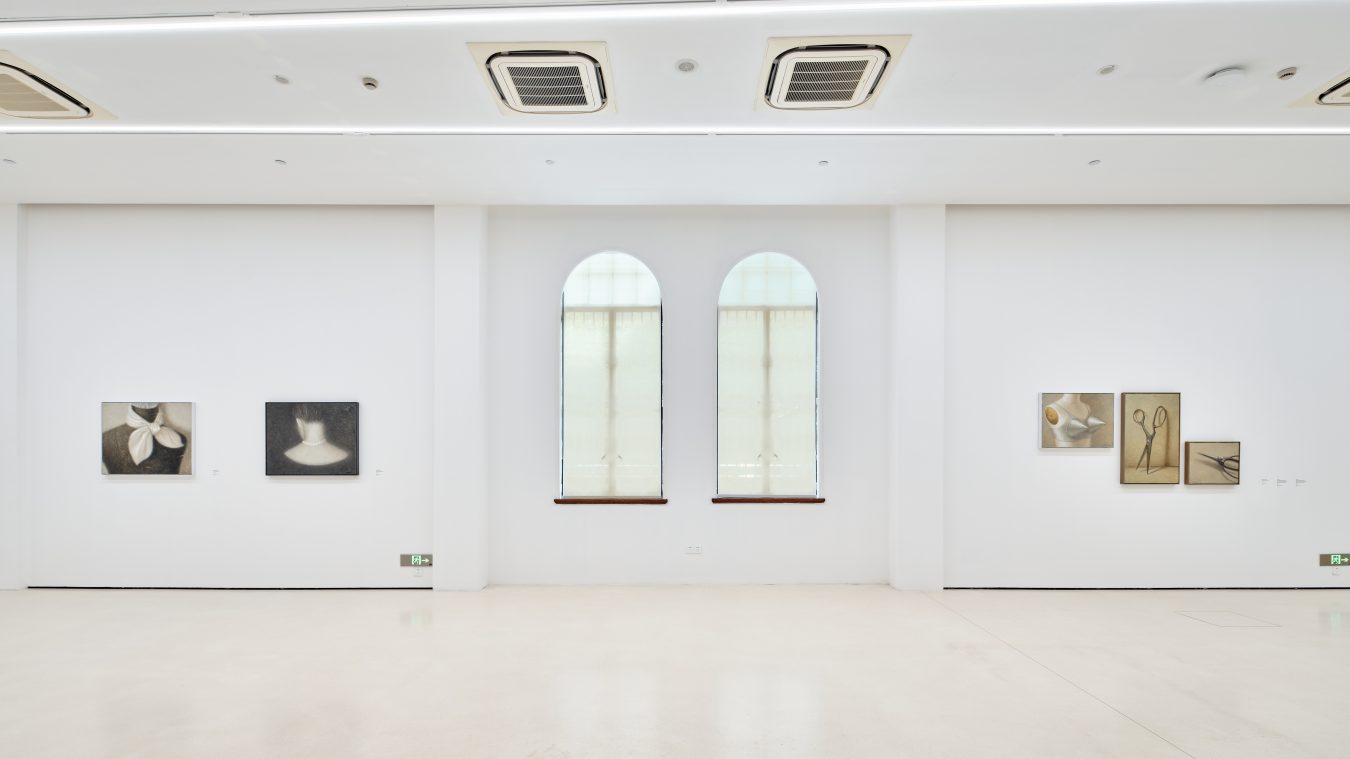
Placed within a broader intellectual genealogy, this inquiry reveals a certain internal continuity. The nineteenth-century poet Emily Dickinson lived in near self-imposed isolation, yet within this enclosure developed an acute sensitivity to existence. Similarly, by withdrawing her relationship with the external world, Zhang Bin intensifies the density of inner experience. Within closure, the subject does not disappear; on the contrary, it becomes more distinct. This inward movement is not an escape, but a redefinition of the boundaries of the self: when external orders are no longer accepted unconditionally, meaning begins to be constructed internally. Zhang Bin’s work extends and transforms this tradition, yet rather than directly representing solitude or introspection, she redirects the question toward the material expression of boundaries. The visual elements she employs—pearls, scissors, corsets, soap bubbles, fragments of the body—form a system of language centered on interfaces. These objects, rooted in everyday life and closely tied to bodily experience, function as devices of enclosure, protection, ornamentation, and division. Reconfigured by the artist, they become metaphors for structures of existence.
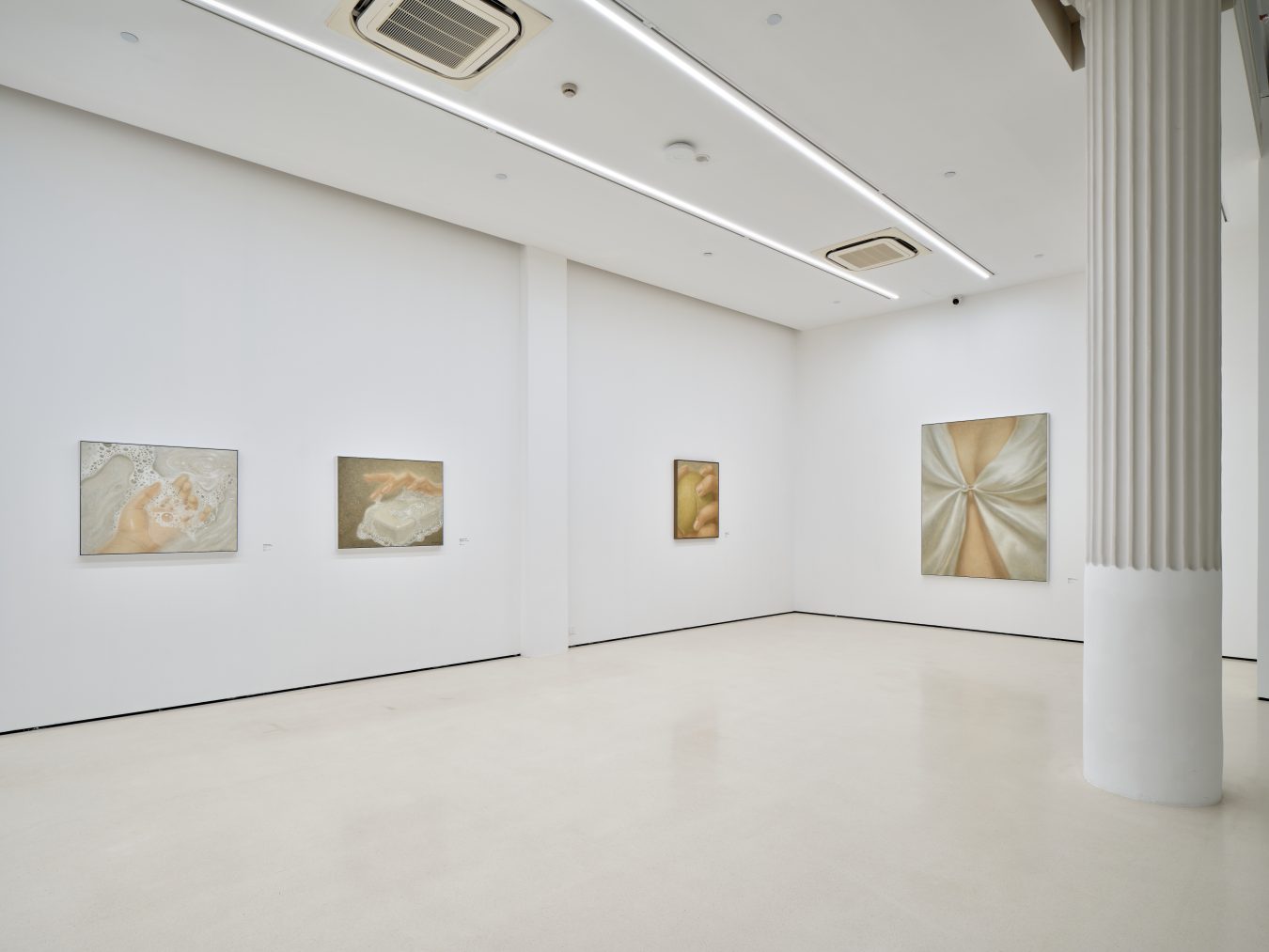
Scissors signify cutting and rupture, opening continuous experiential structures and creating perceptible fissures between inside and outside. Corsets and garments reveal the social mechanisms that wrap and discipline the body, embedding it within prescribed orders of gender and identity. Skin, as the most fundamental interface, is both a boundary of separation and a channel of perception and exchange. The soap bubble pushes this logic to its extreme: an existence composed almost entirely of surface, perpetually on the verge of rupture, foregrounding the fragility and mutability of boundaries themselves. As a central motif, the pearl originates in the pain caused by intrusion, yet through continuous secretion and layering becomes smooth and whole. It is not only the result of trauma but also the manifestation of a transformative mechanism. Thus, the pearl constitutes a metaphorical structure of “form generated through pain”: female experience is no longer understood merely as passive endurance but as an active process that translates external intrusion into an integral part of itself. This logic resonates faintly with the restrained eroticism embedded in pearl necklaces in Renaissance portraiture, yet here it is reactivated as a more generative and resistant visual grammar. Desire, in turn, is translated into a state of materiality rather than an object—the hazy back, the partially revealed breast, the bursting orange create a tension between sweetness and viscosity, rendering desire as an unstable perceptual structure aligned with excess and overflow within inner experience. As modernity intensifies boundaries, classifications, and measurability, Zhang Bin’s paintings reveal, in reverse, the fragility and permeability of these boundaries, returning life to an open state of becoming.
Through the interweaving of these elements, Zhang Bin gradually dismantles the notion of a unified subject. The body no longer appears as a coherent whole but is fragmented into multiple parts. These fragments are not deficiencies but sites where life truly occurs. The subject is no longer a closed center but a process flowing across interfaces. In this sense, “breath” is redefined as a universal mechanism: it does not belong to a single organ but exists across all interfaces where exchange takes place. Shamanistic animism understands the world as a living totality in which the soul is not confined within the human body but can circulate and transform across different forms of existence. Through spirit possession and metamorphosis, life extends beyond species and spatial boundaries. This perspective offers an important reference for understanding Zhang Bin’s work. In her paintings, the boundary between the body and the external world remains unstable, as if constantly on the verge of penetration or transformation. The thin membrane of a soap bubble, the surface of skin, the layers of fabric—these structures resemble “containers of the soul”: they carry life yet cannot fully fix it. Life lingers, flows, and even overflows within them, echoing the fluidity of the soul in shamanistic thought.
From this perspective, “Breathe” becomes a reflection on the epistemological structure of modernity. As rationality seeks to divide the world into clear boundaries and reduce life to measurable processes, Zhang Bin’s work exposes their instability through repeated operations upon these limits. She does not deny the existence of boundaries but reveals how they are constantly traversed, rewritten, and reproduced in lived experience. Visually, this attention to interiority and boundary resonates with the painting practice of Vilhelm Hammershøi. Known for his restrained gray palette and enclosed interiors, Hammershøi’s works often lack explicit narrative; figures turn away from the viewer, and emotion is compressed to a minimum. Zhang Bin adopts a similar method: rather than guiding the viewer through direct emotional expression, she maintains a latent tension through precise control of objects and interfaces. Her works present a calm, restrained surface beneath which complex perceptual structures unfold. The viewer is not immediately immersed in emotion but gradually becomes aware of their own process of perception—imagined tactility, tension at boundaries, and the rhythm of breath.
In a world increasingly segmented, disciplined, and restructured, how can the individual sustain inner continuity? When bodily boundaries become unstable, what grounds does life still possess? Zhang Bin does not attempt to provide definitive answers. Instead, through the materialization of these questions, she renders them perceptible and experiential. In this sense, the sacred no longer belongs to a distant elsewhere but resides within the smallest acts of exchange: a breath, a touch, a membrane on the verge of rupture. It is within these almost imperceptible moments that life continually generates and transforms its own form. Zhang Bin’s work is a sustained act of attention to this process—capturing, within the fissures of boundaries, that fleeting yet real glimmer of life.