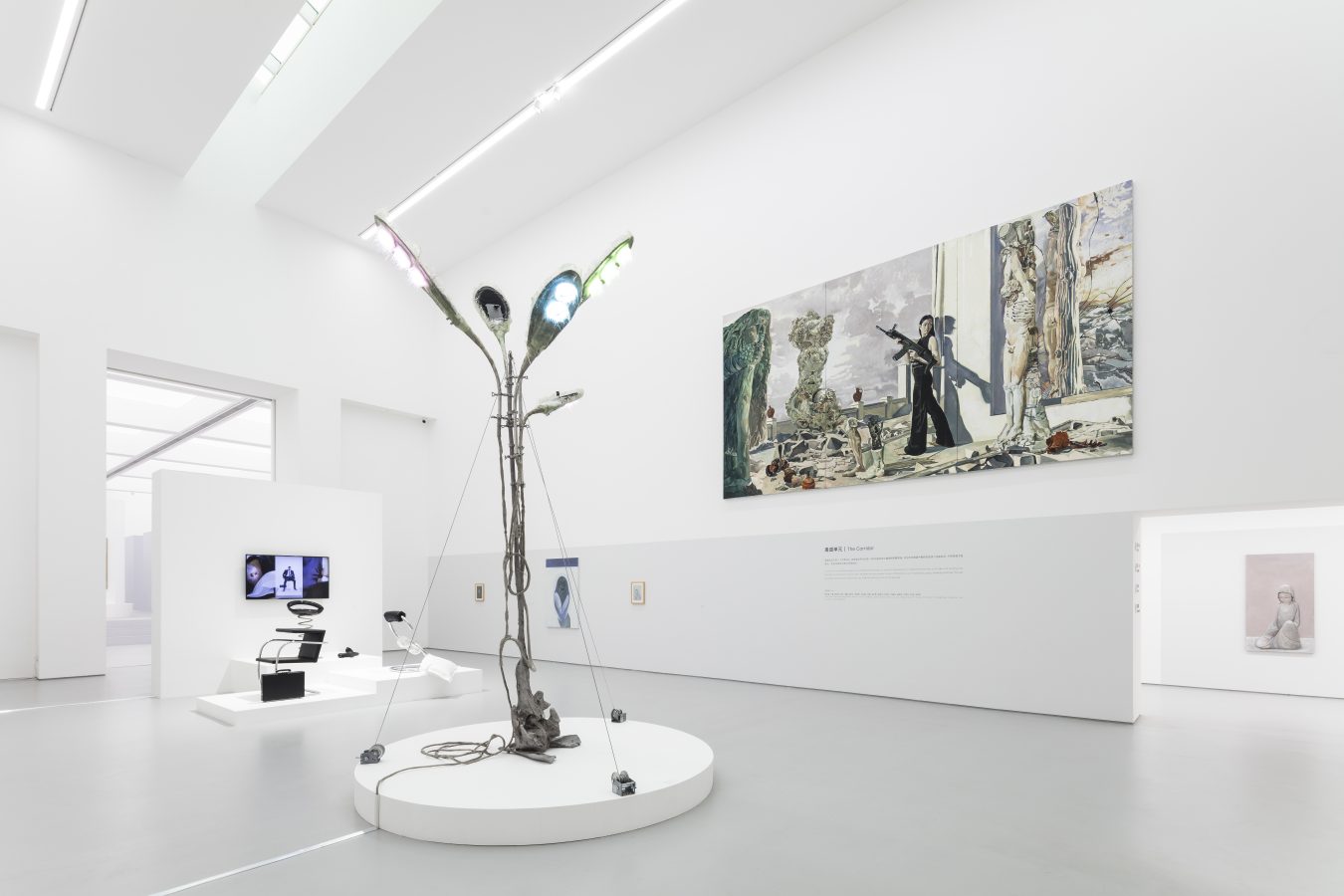
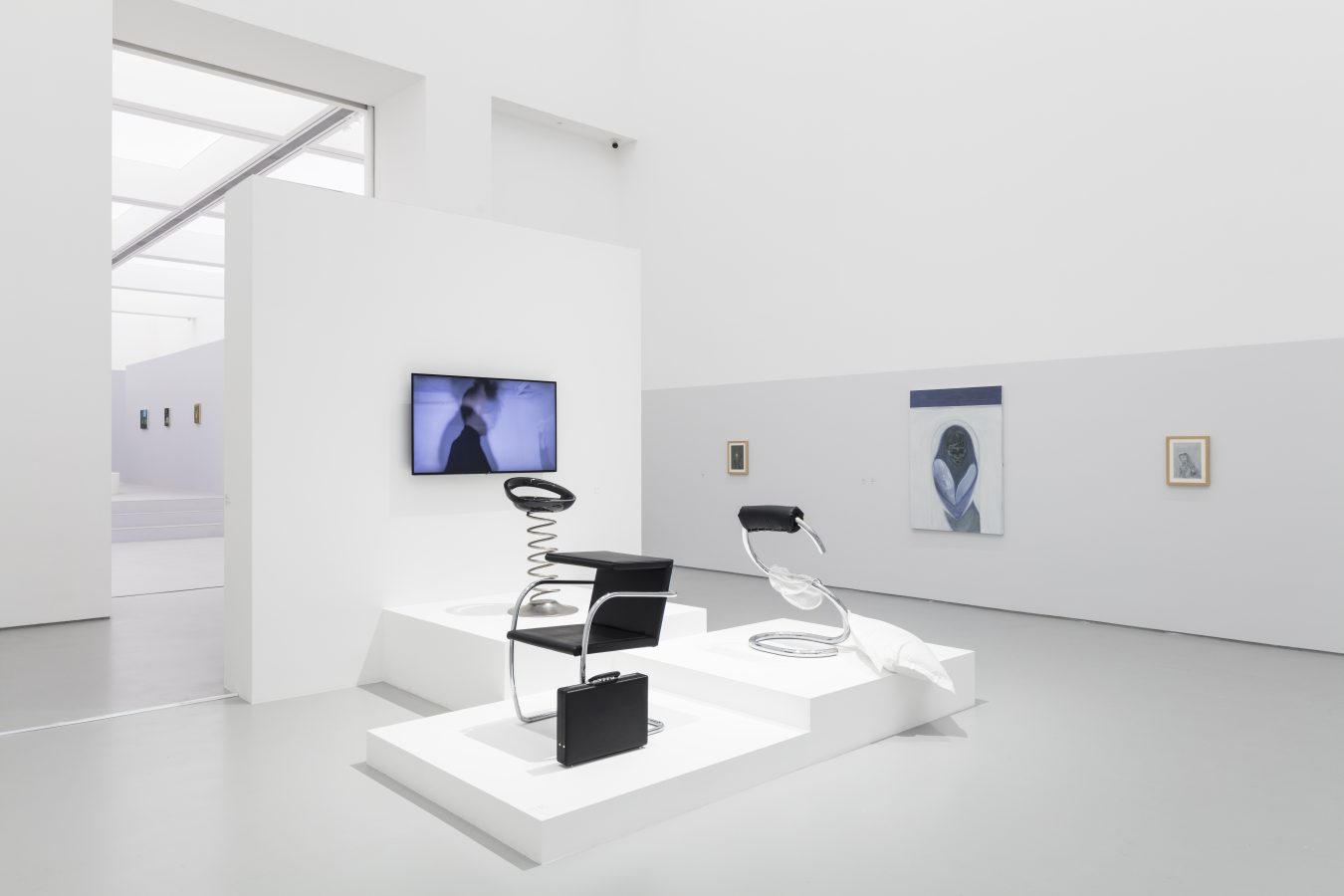
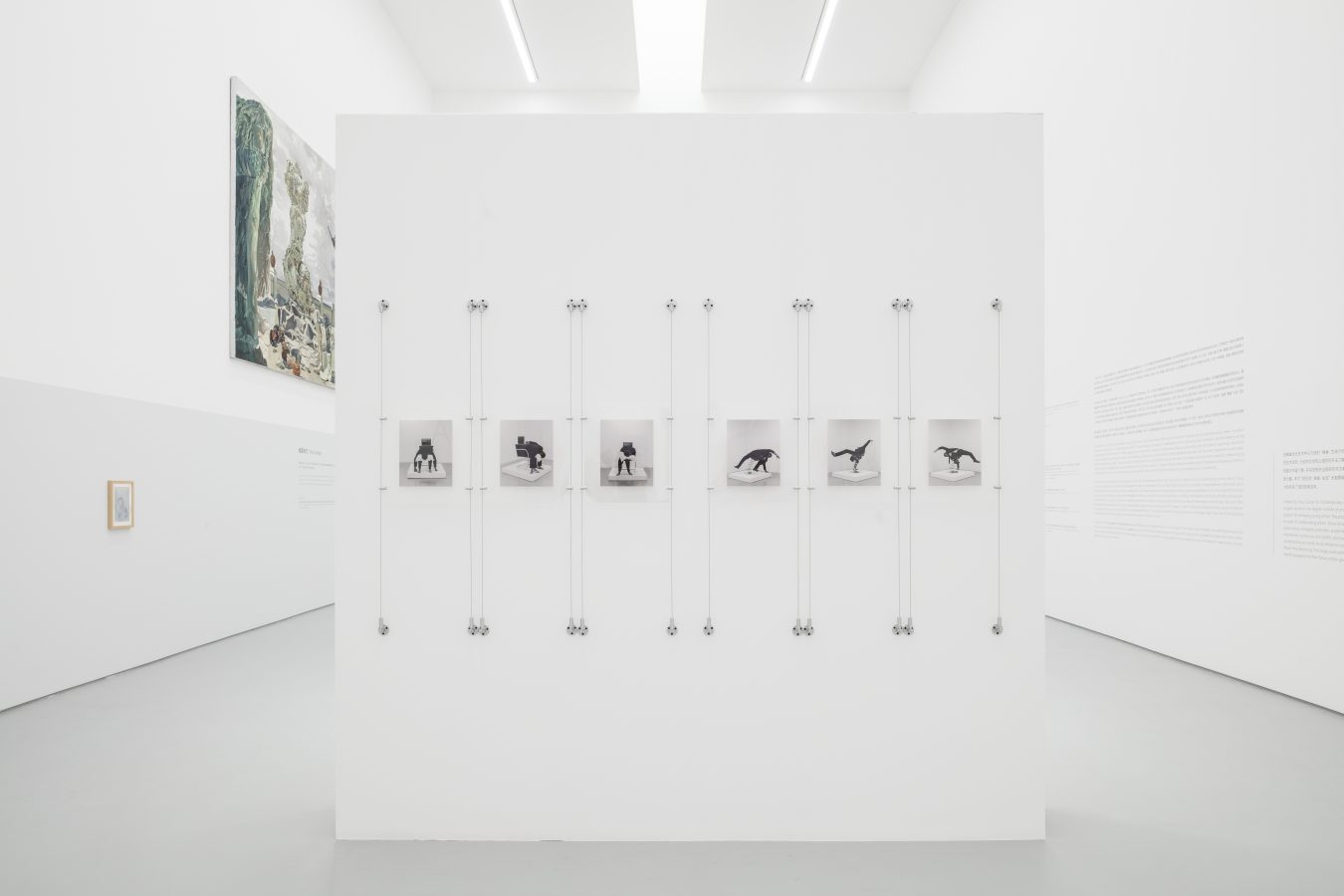
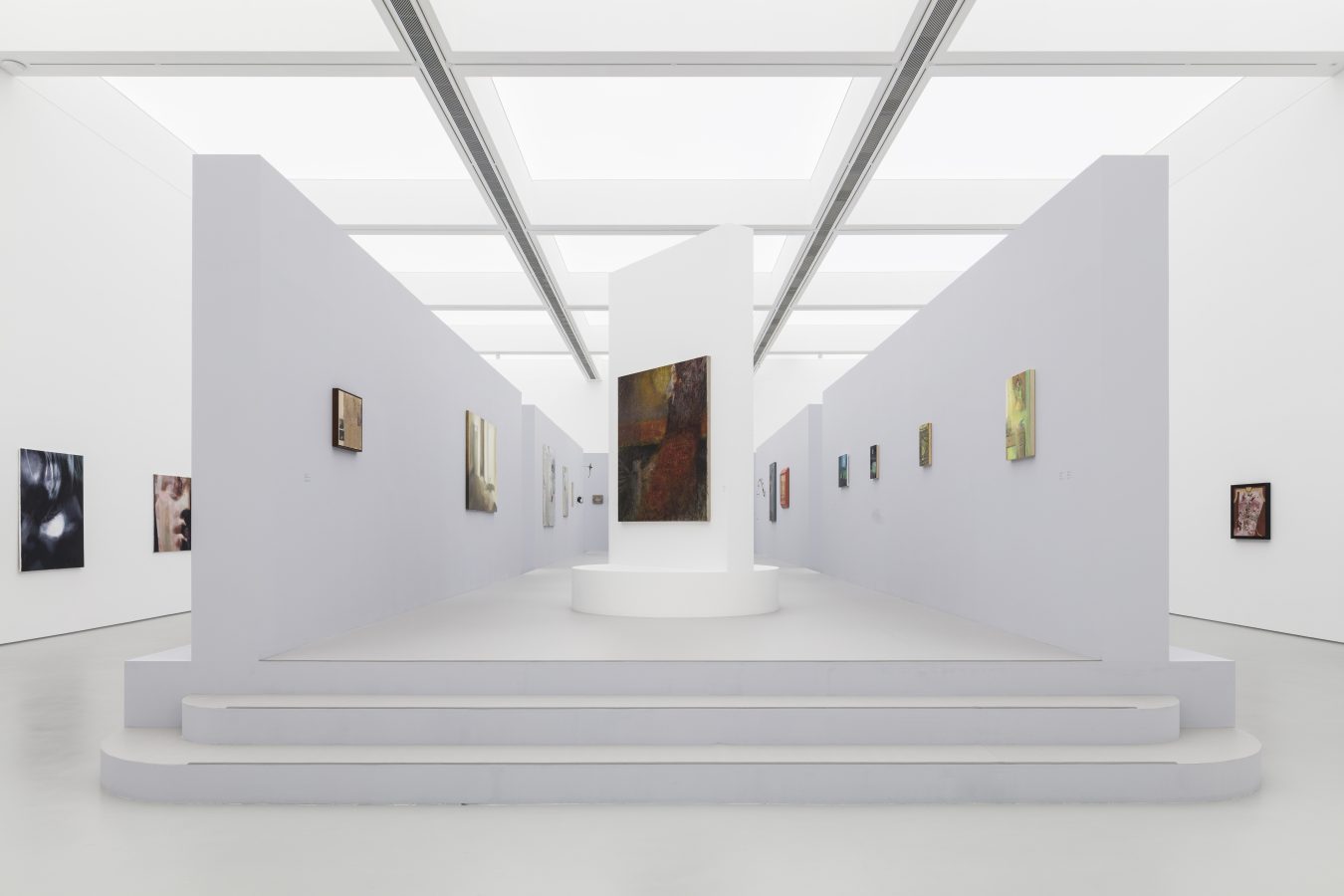
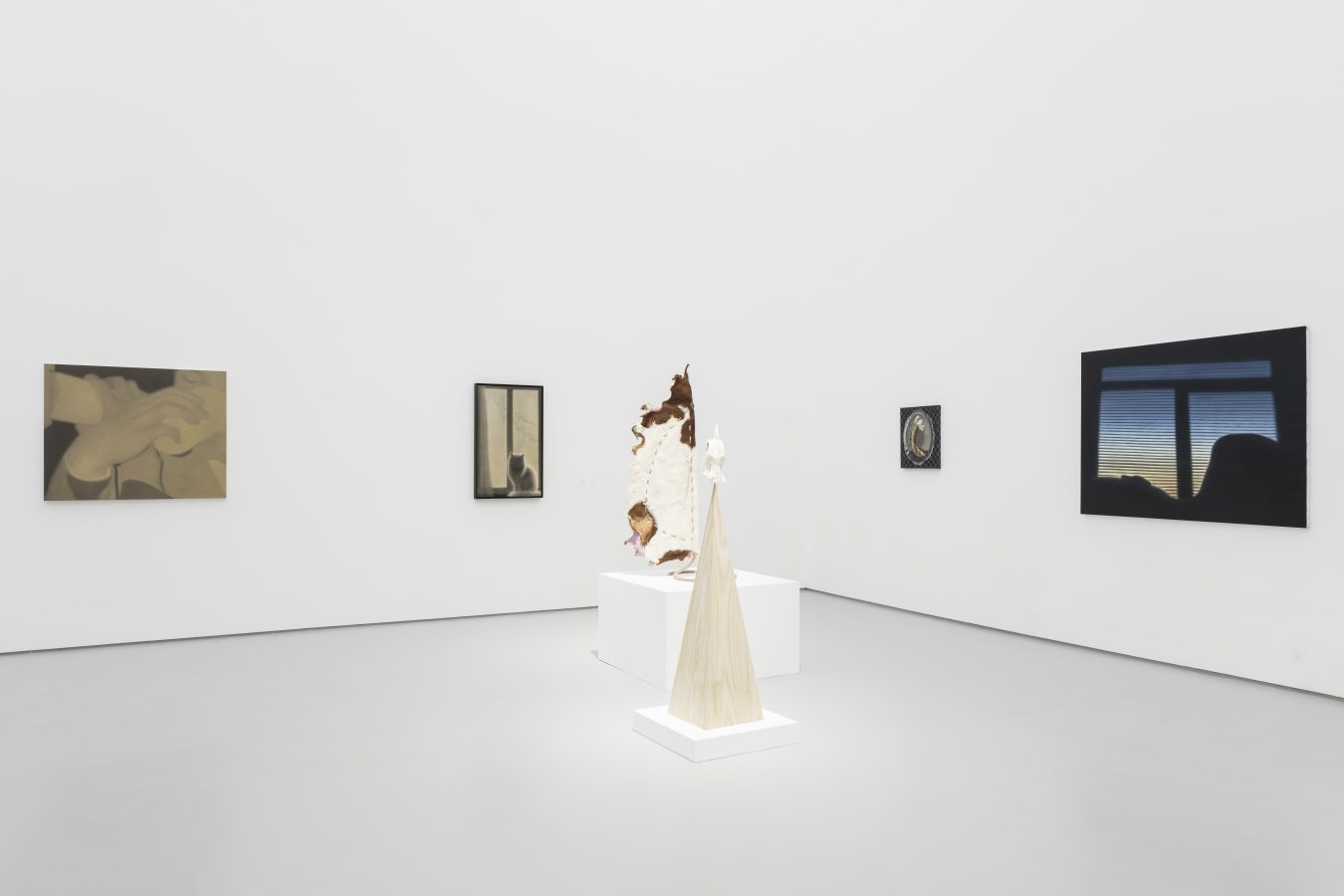
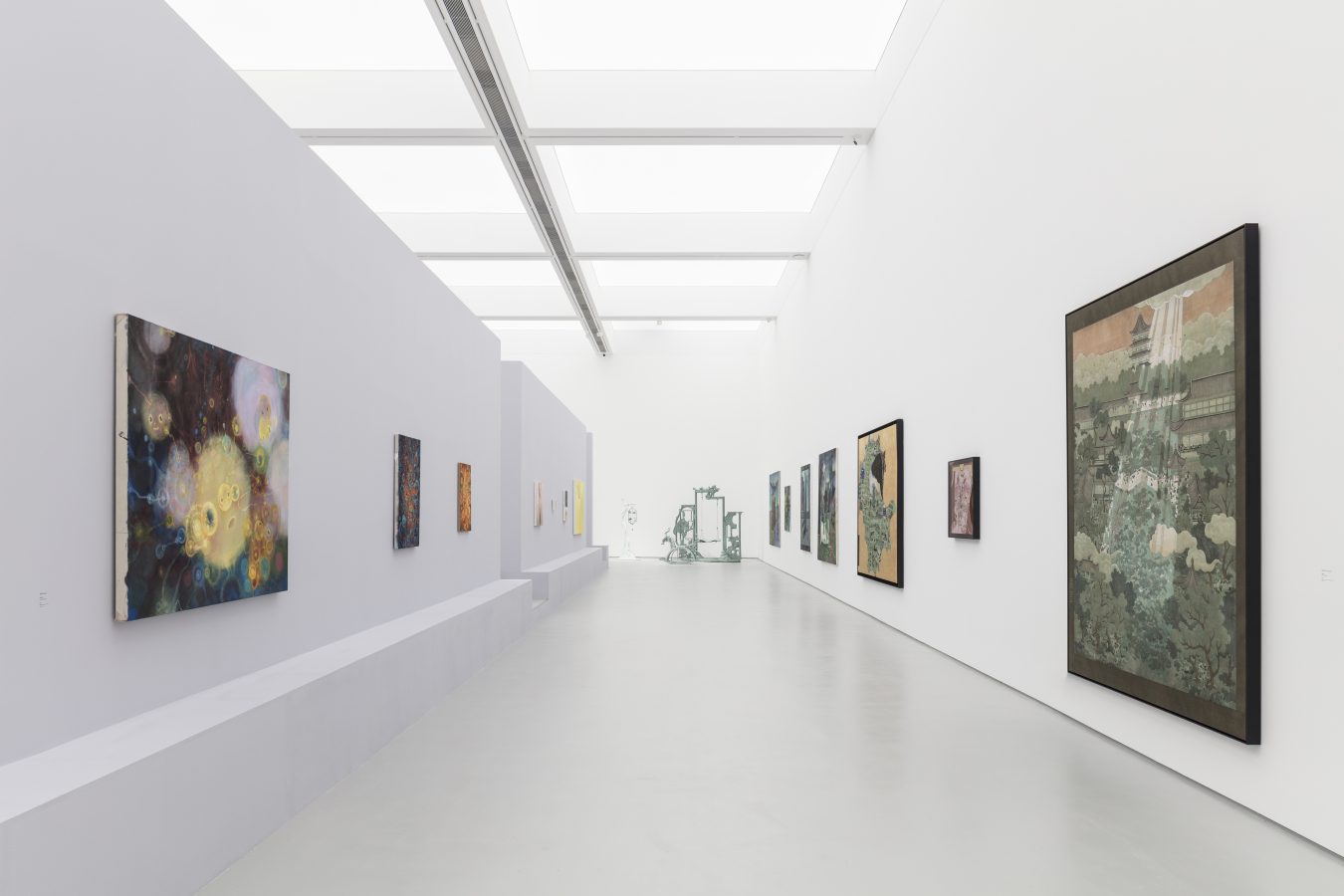
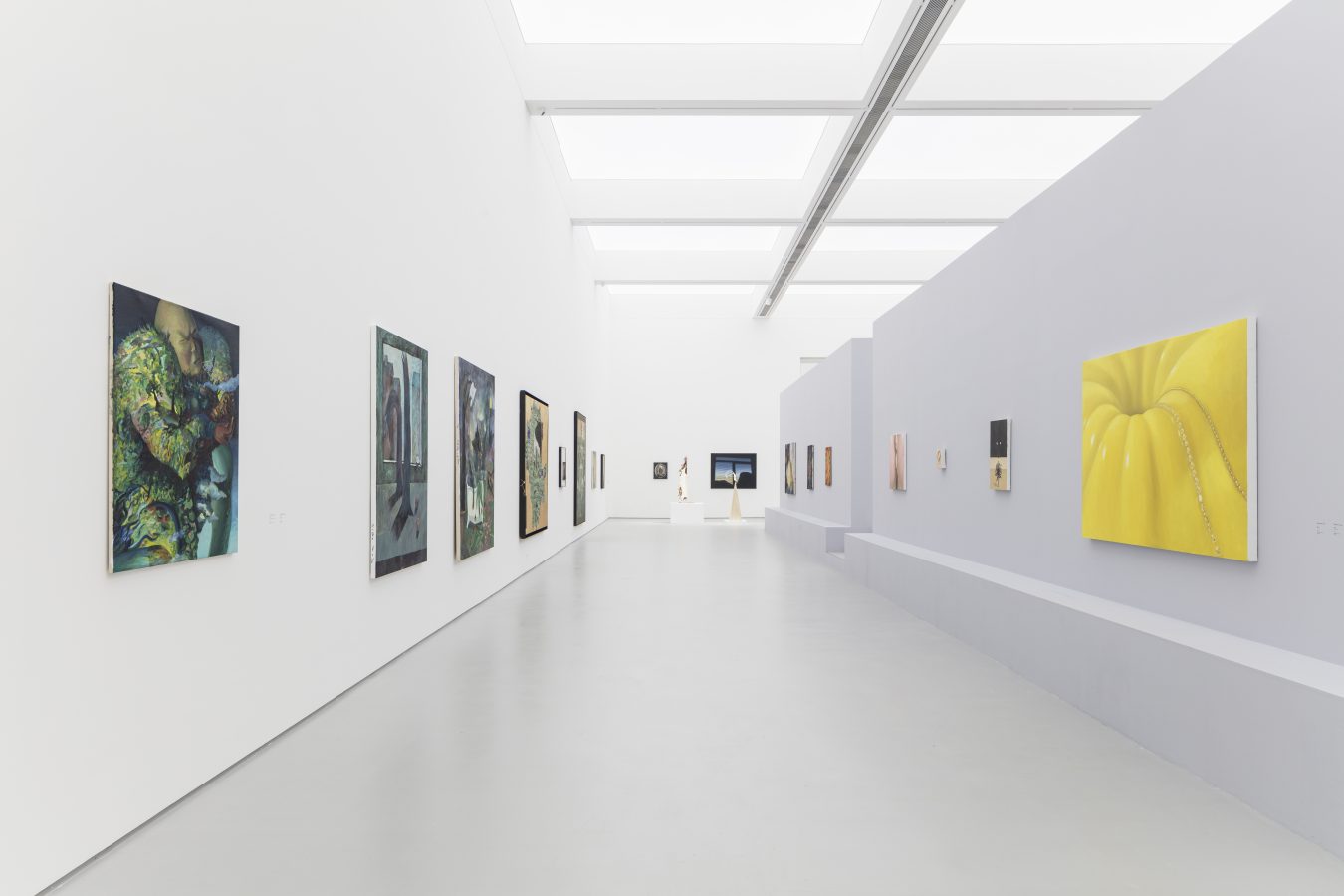
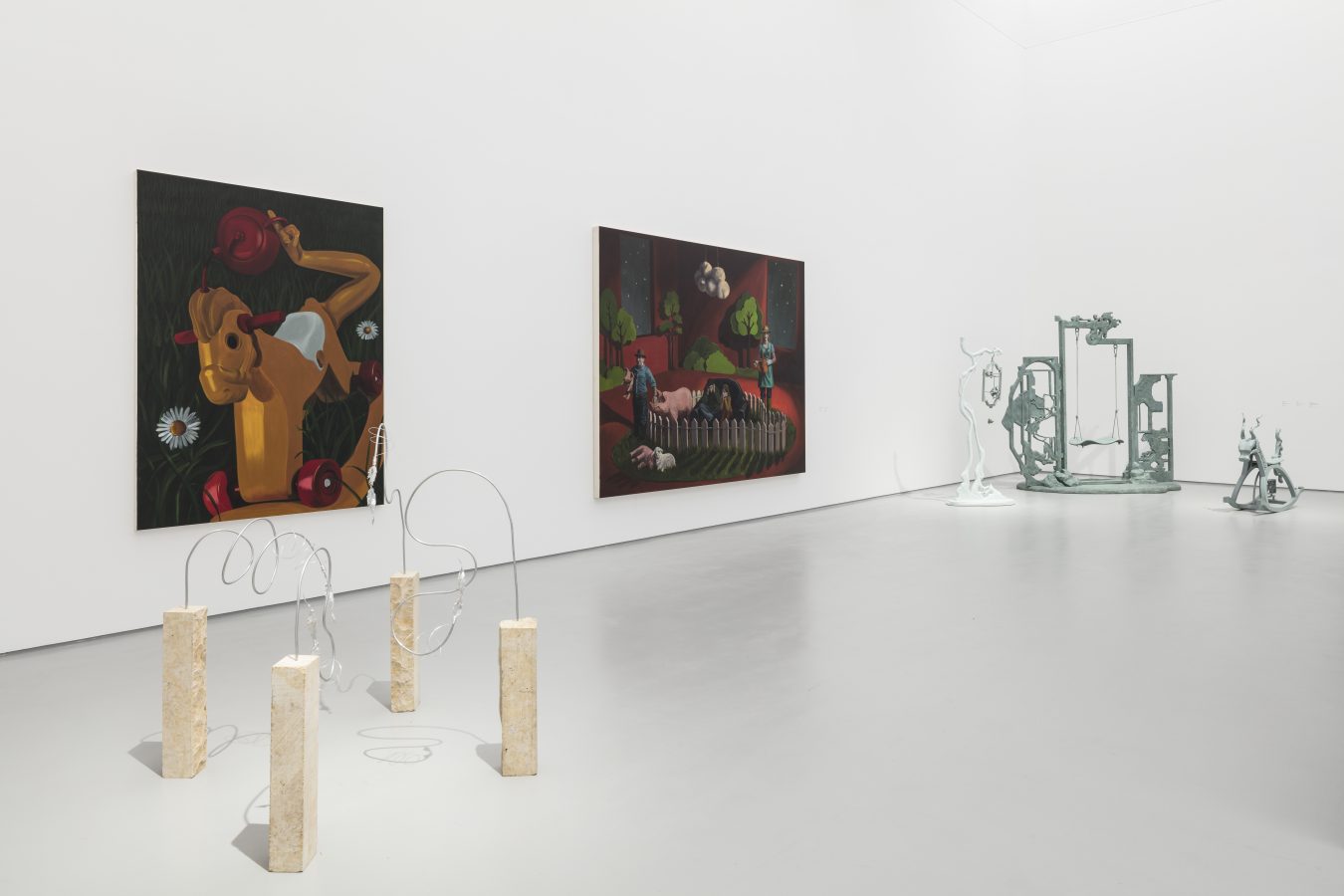
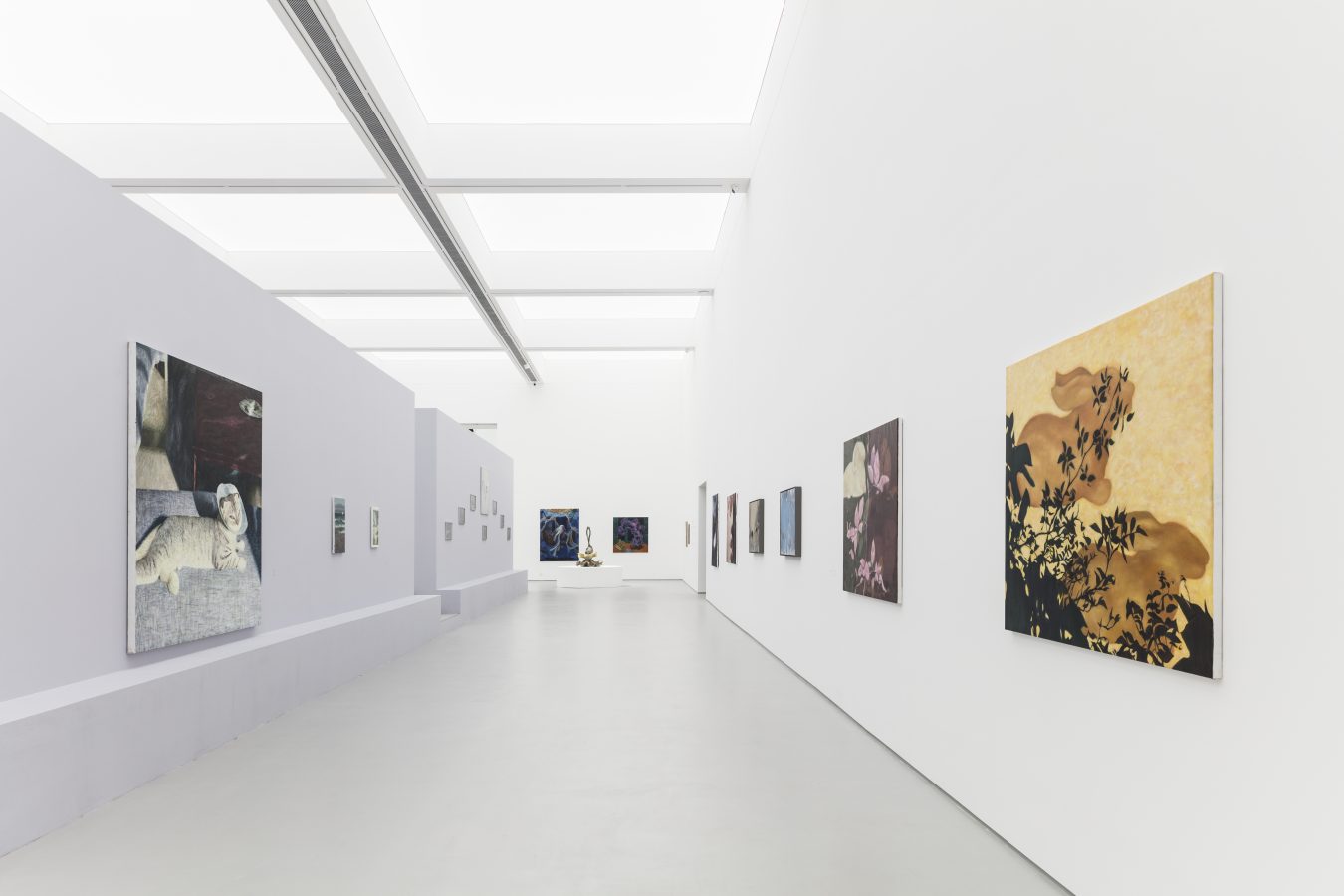
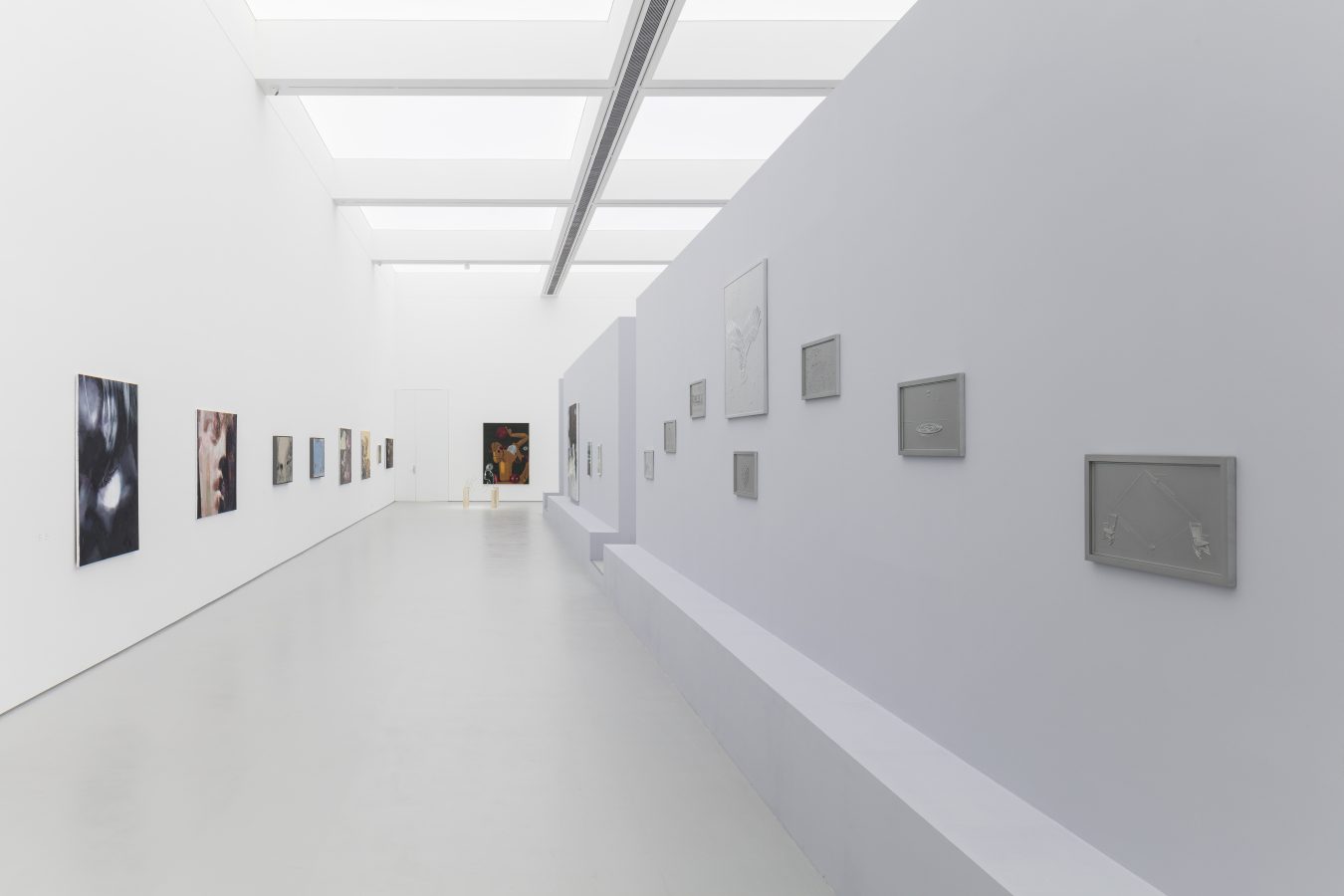
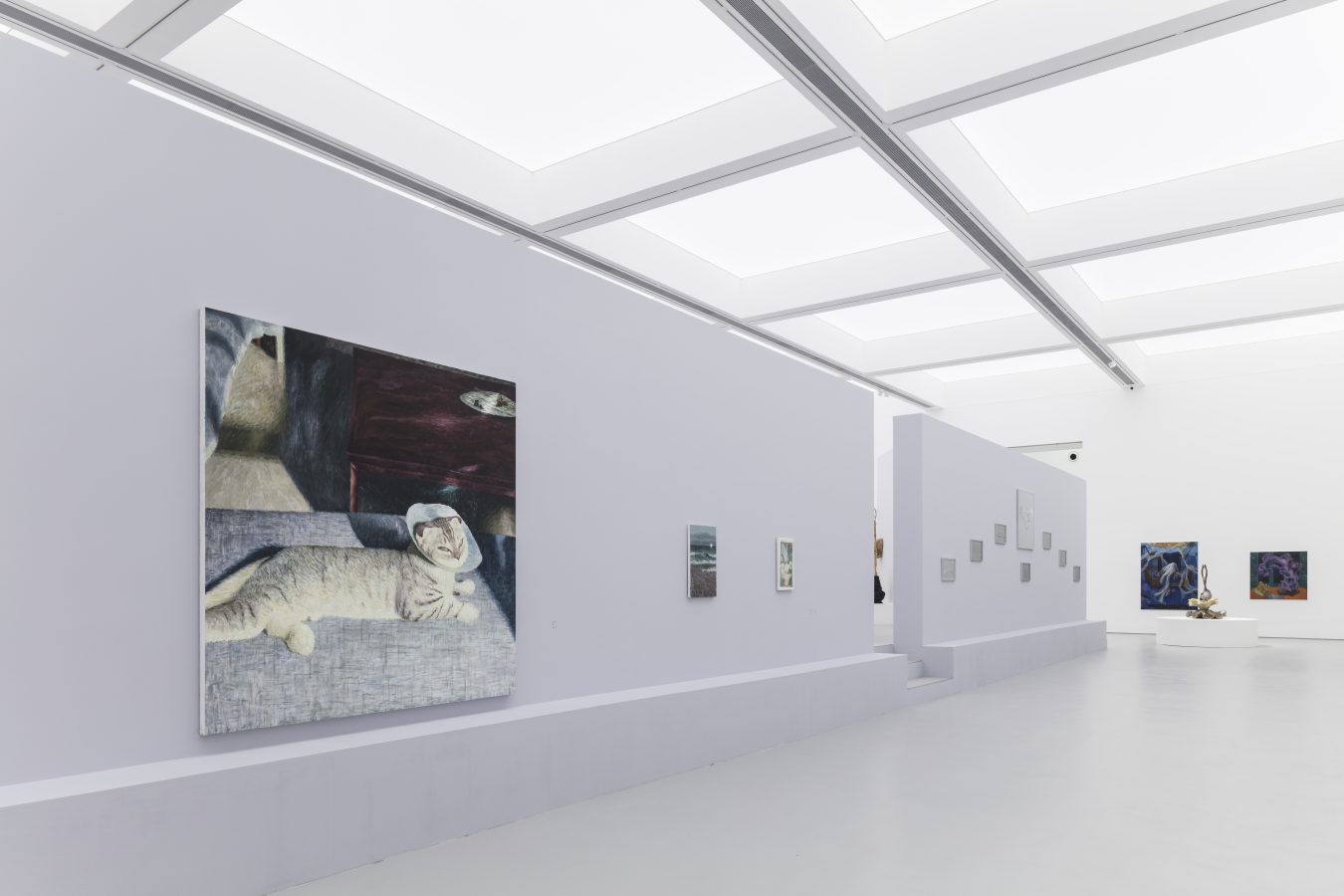
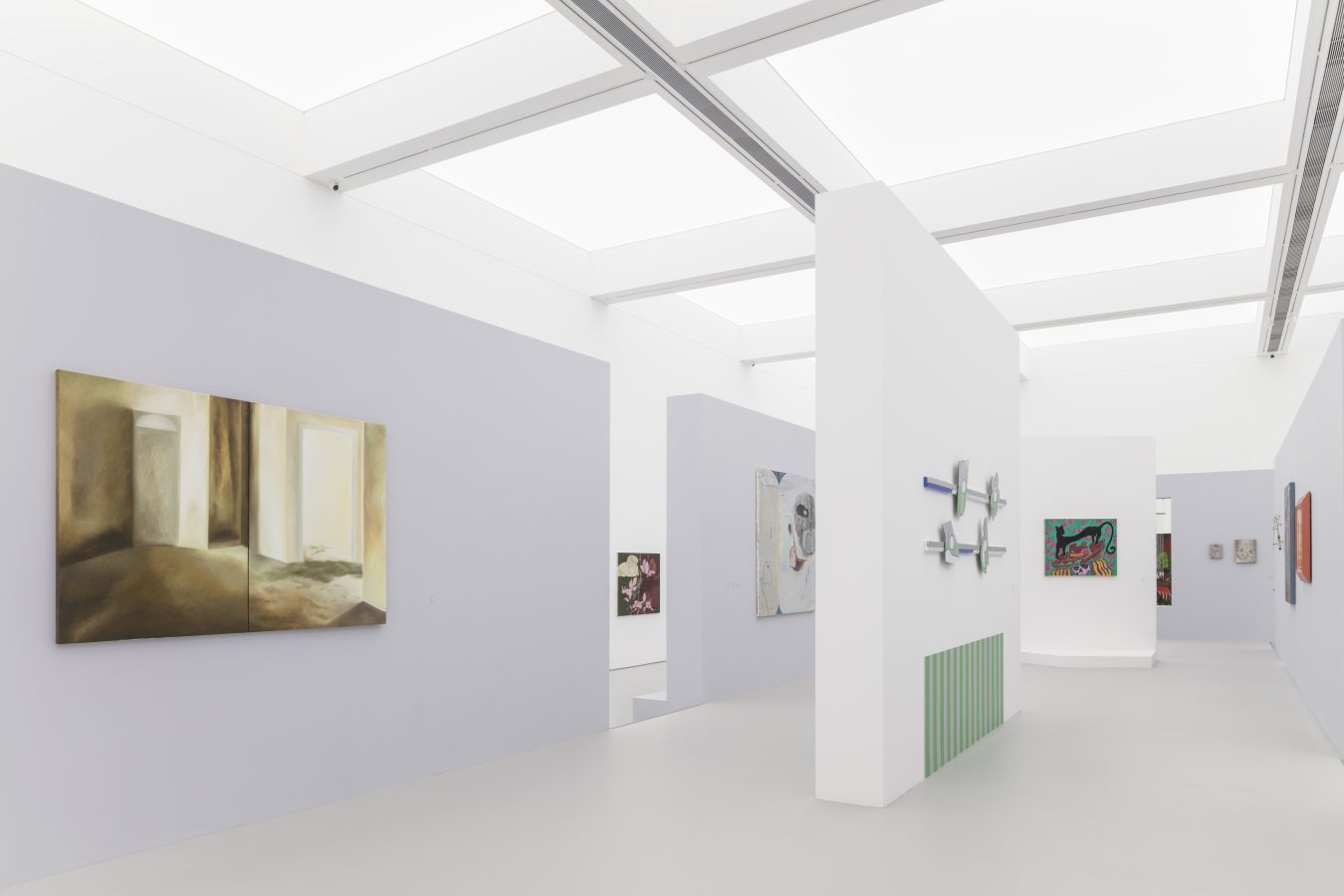
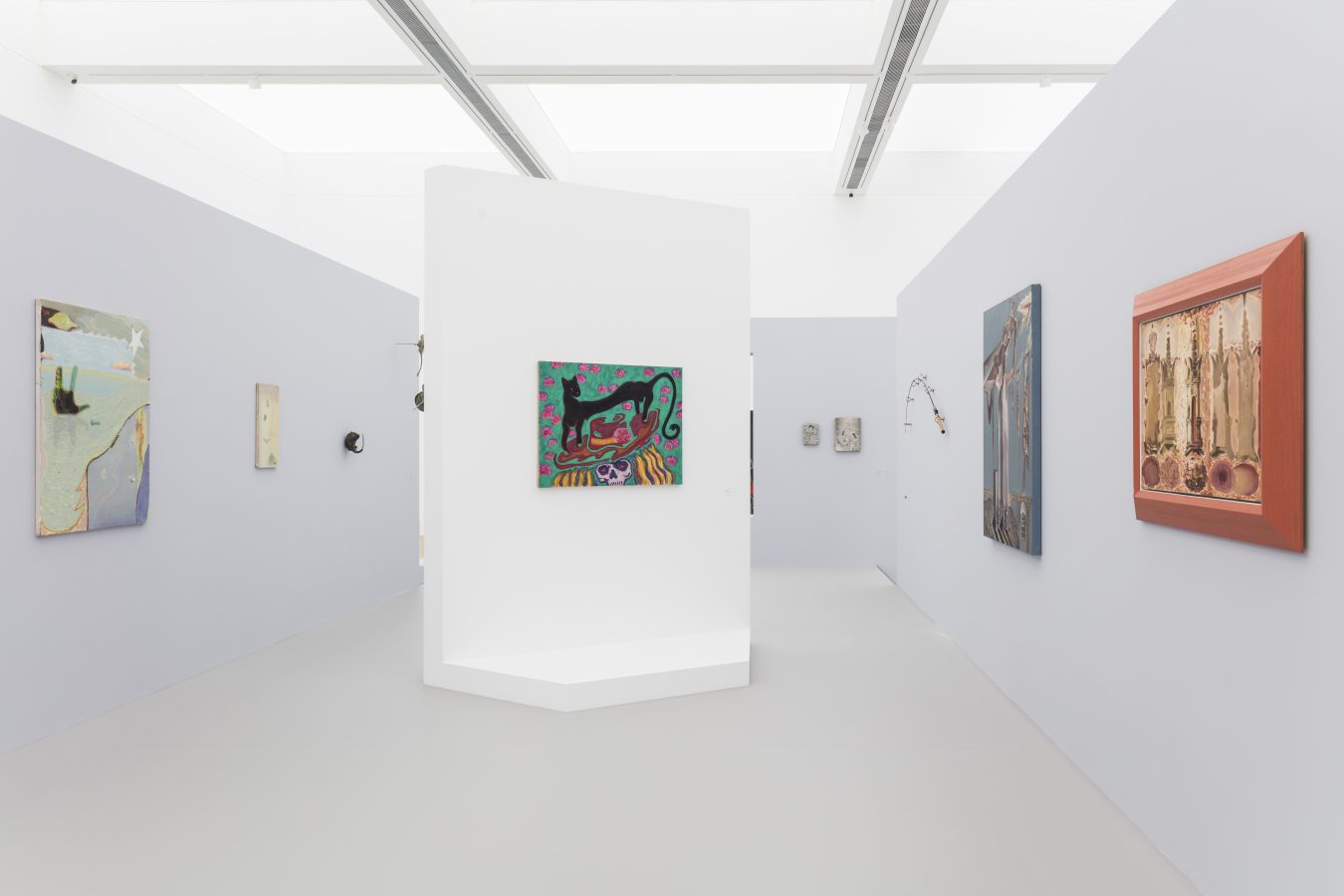
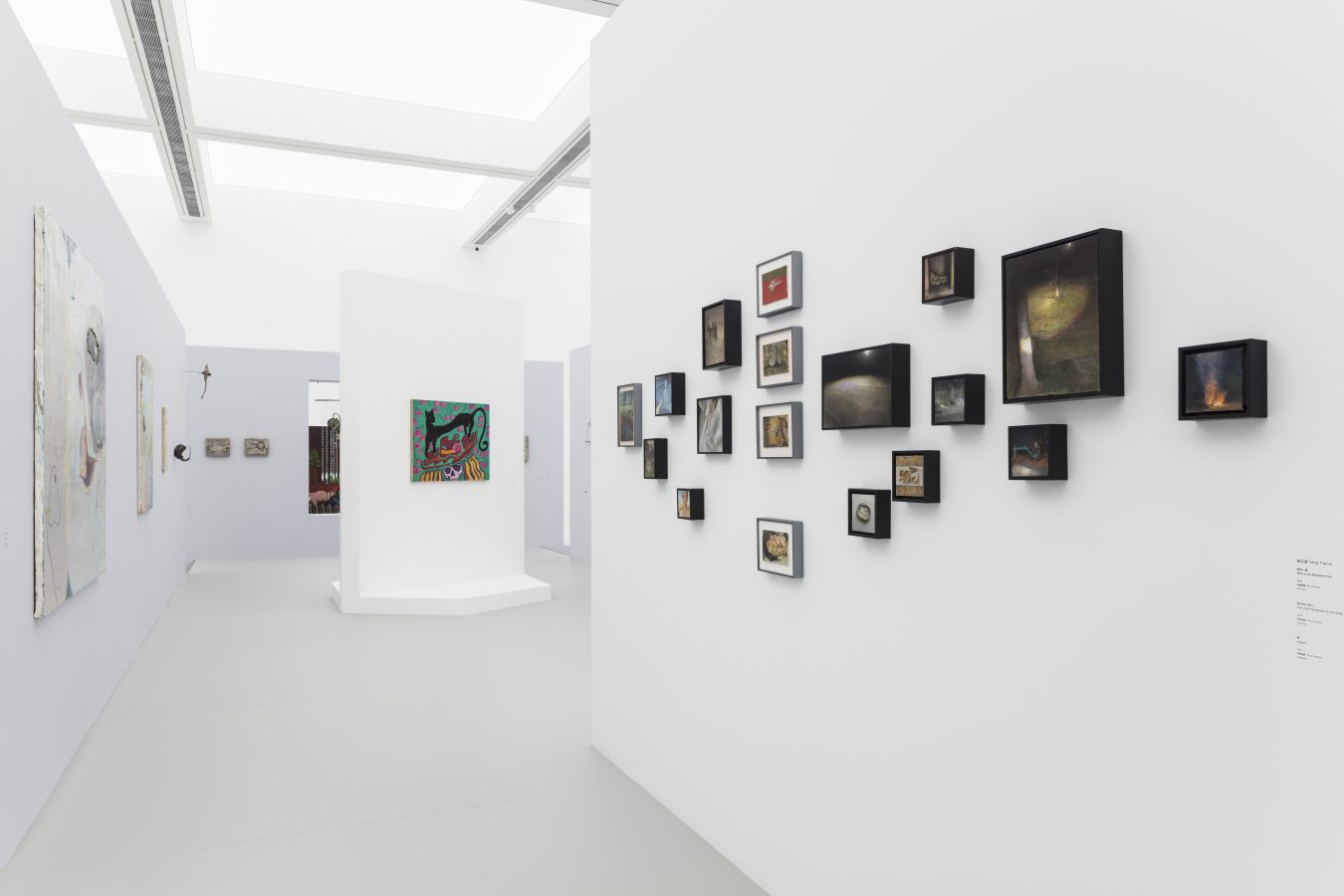
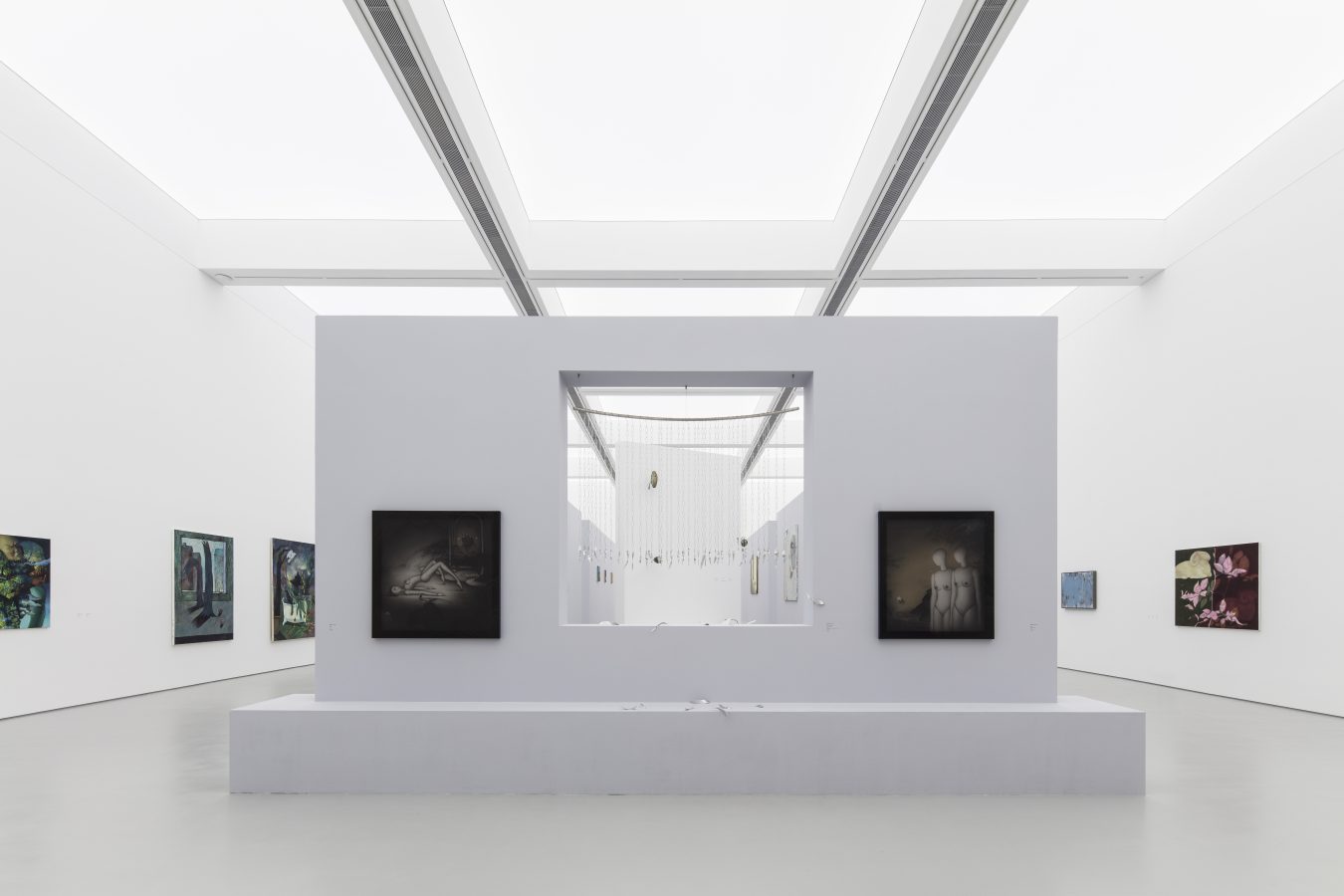
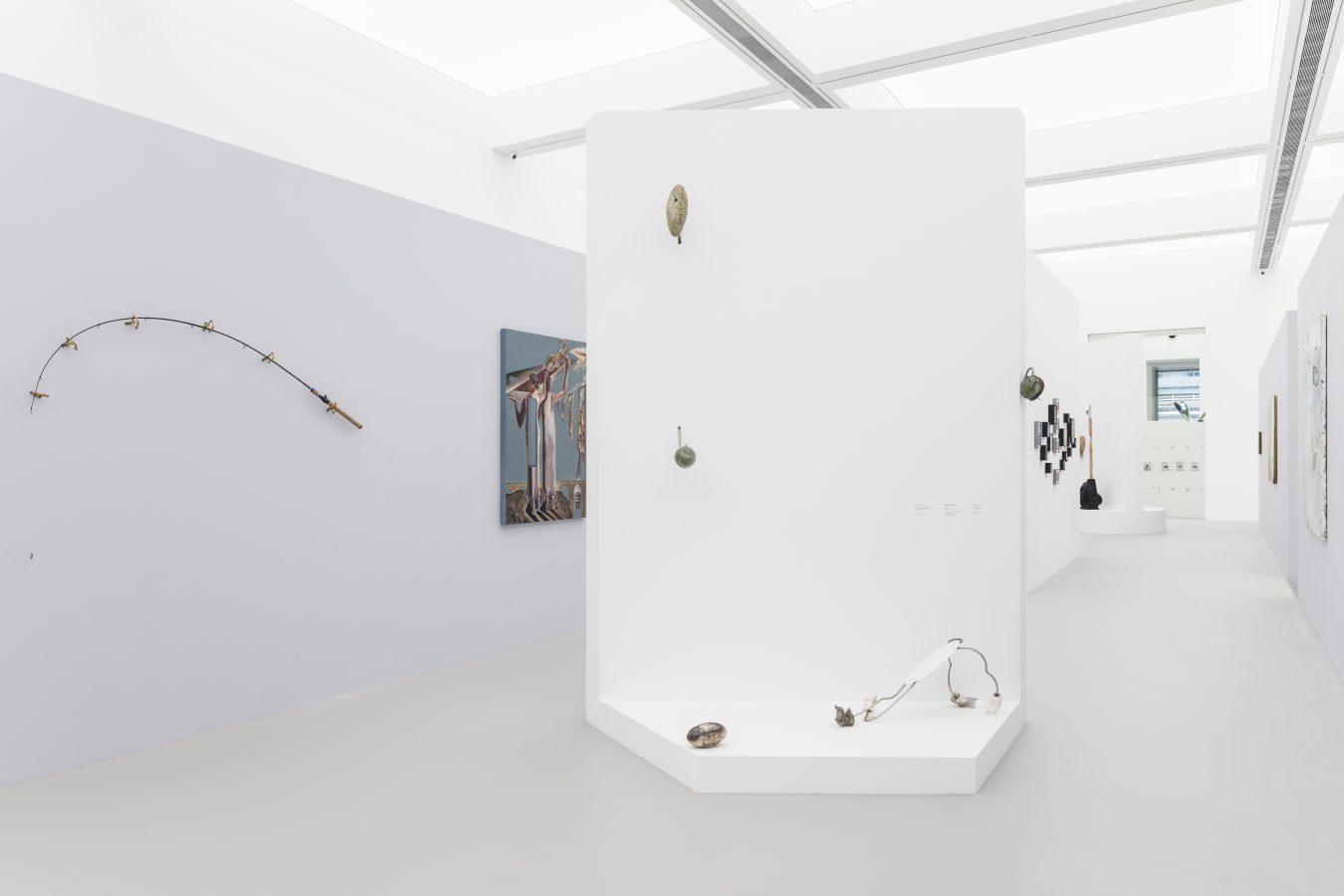
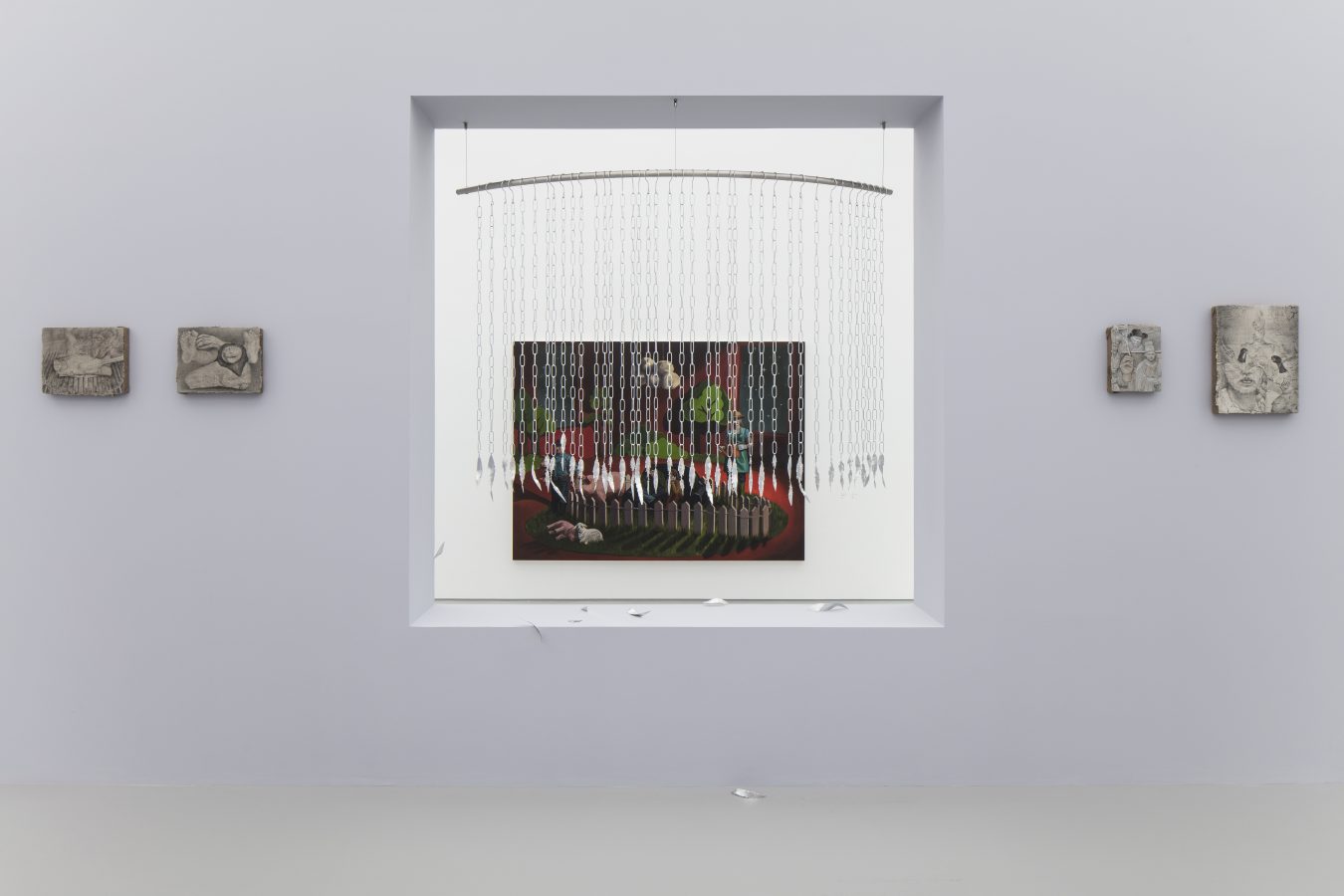
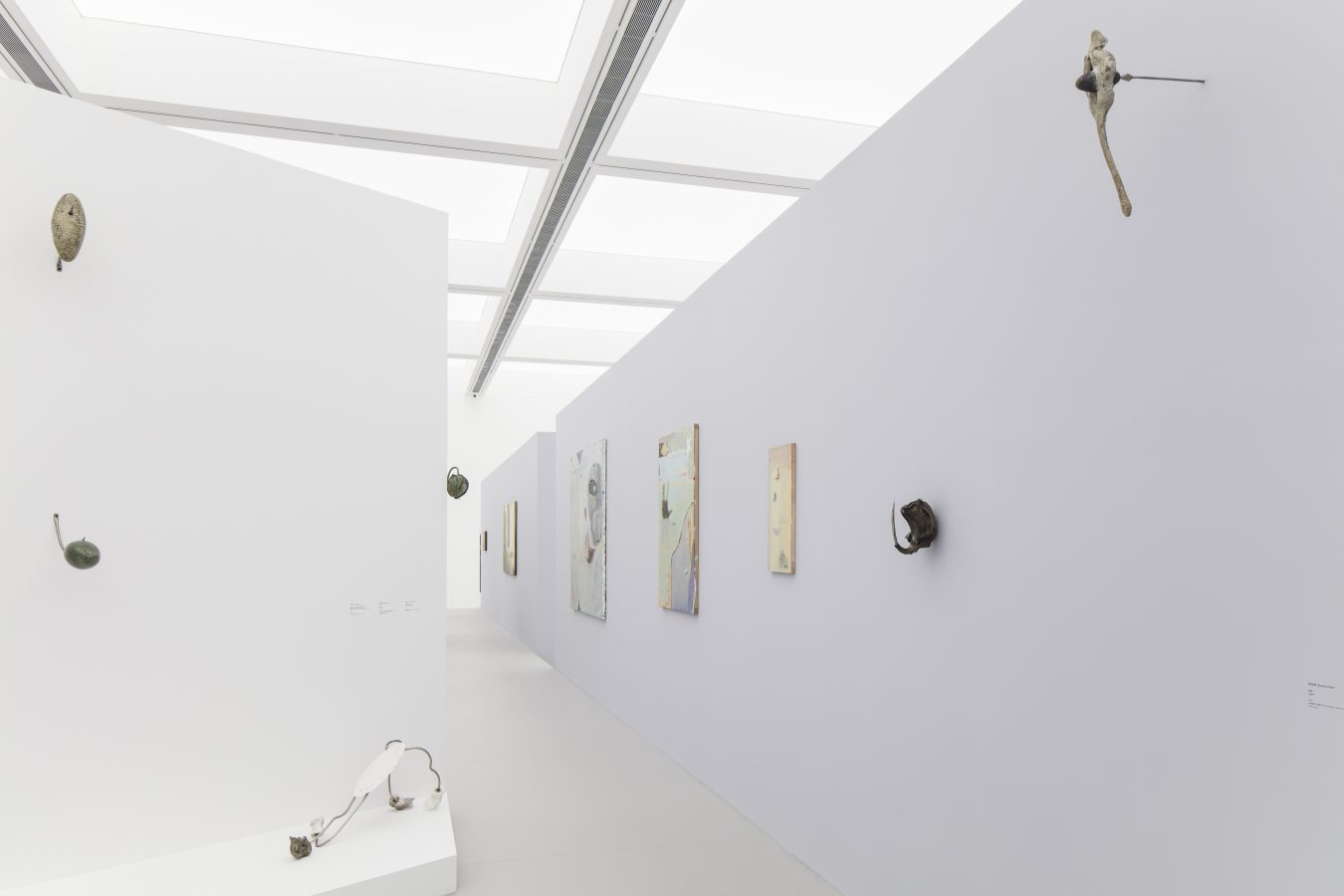
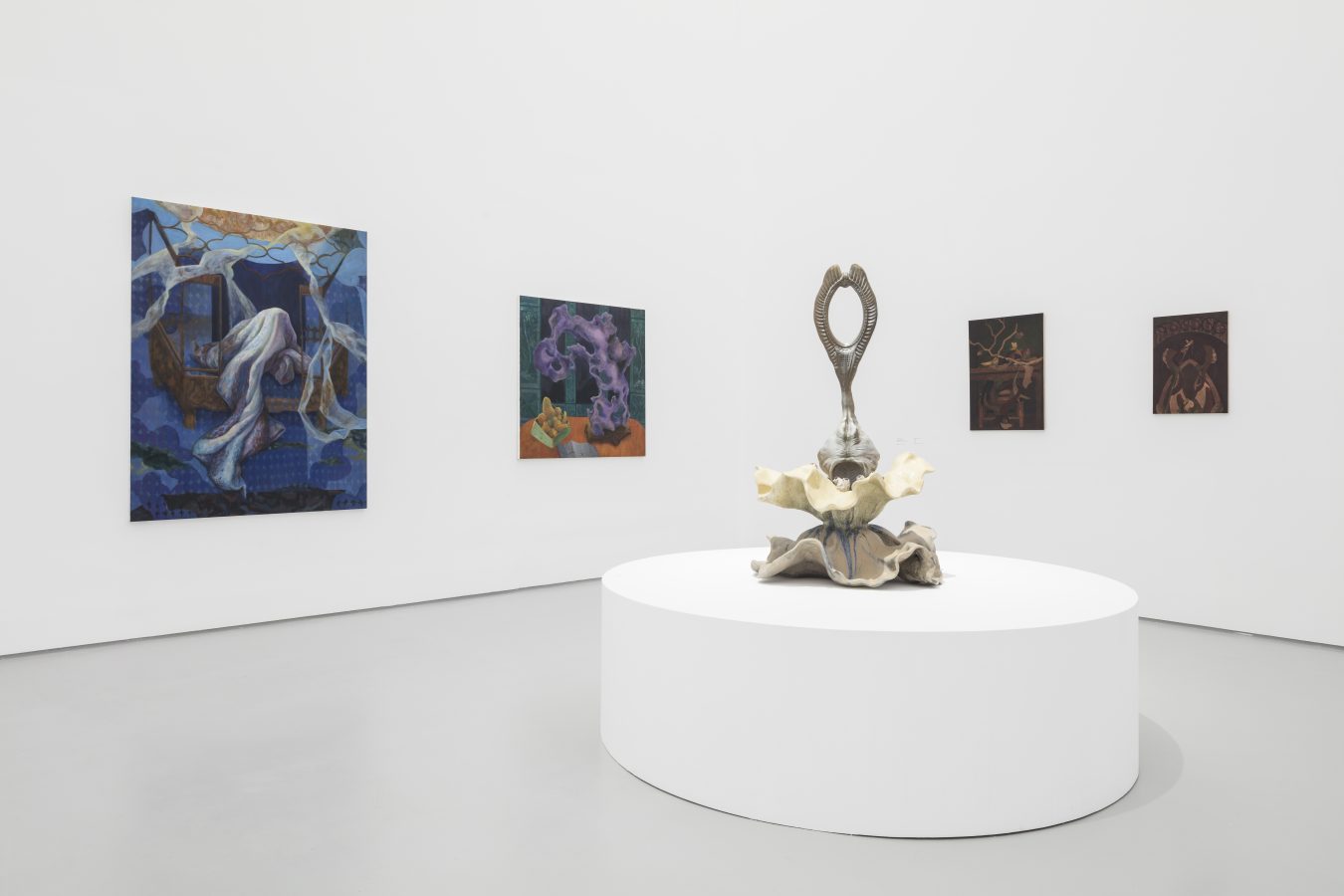
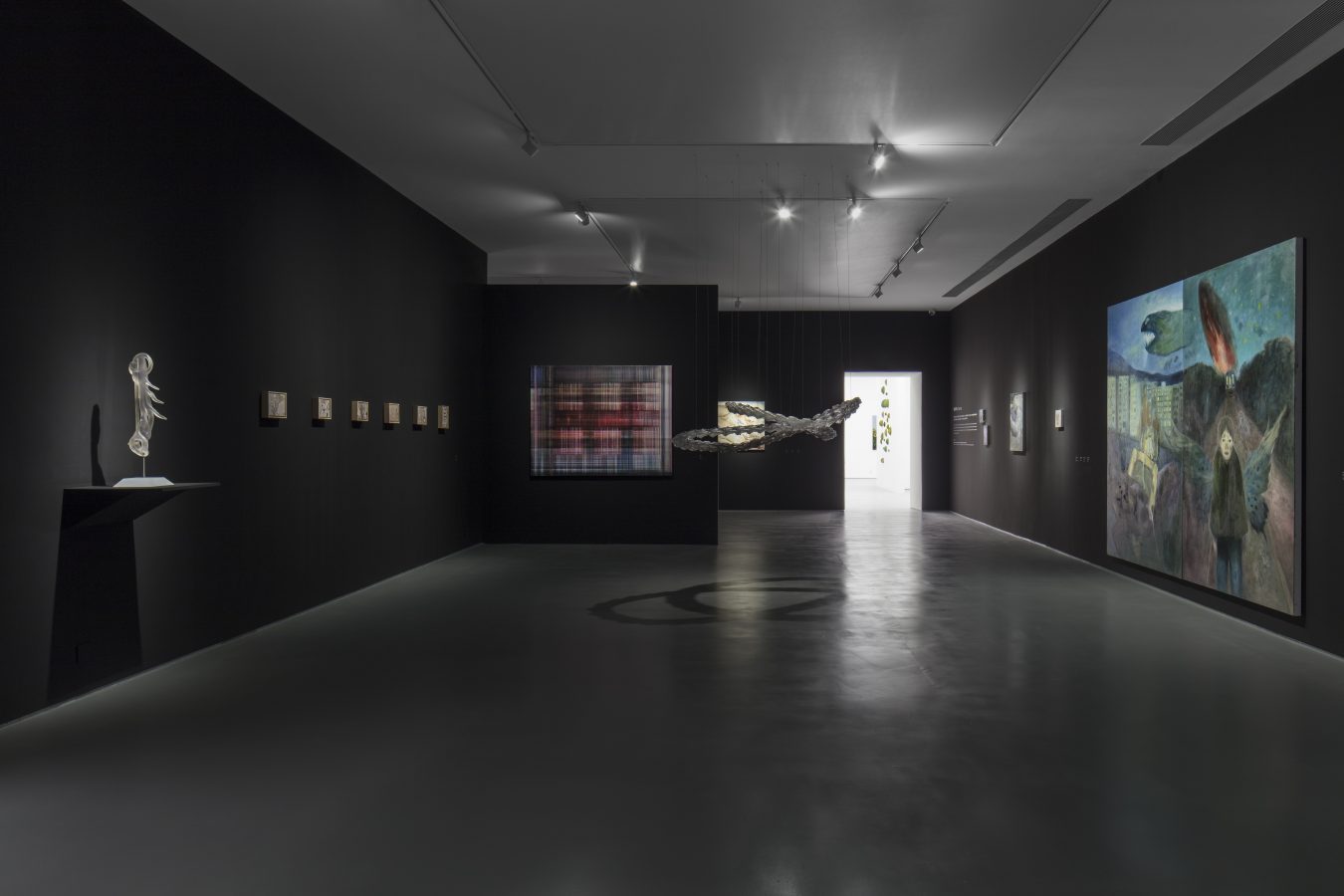
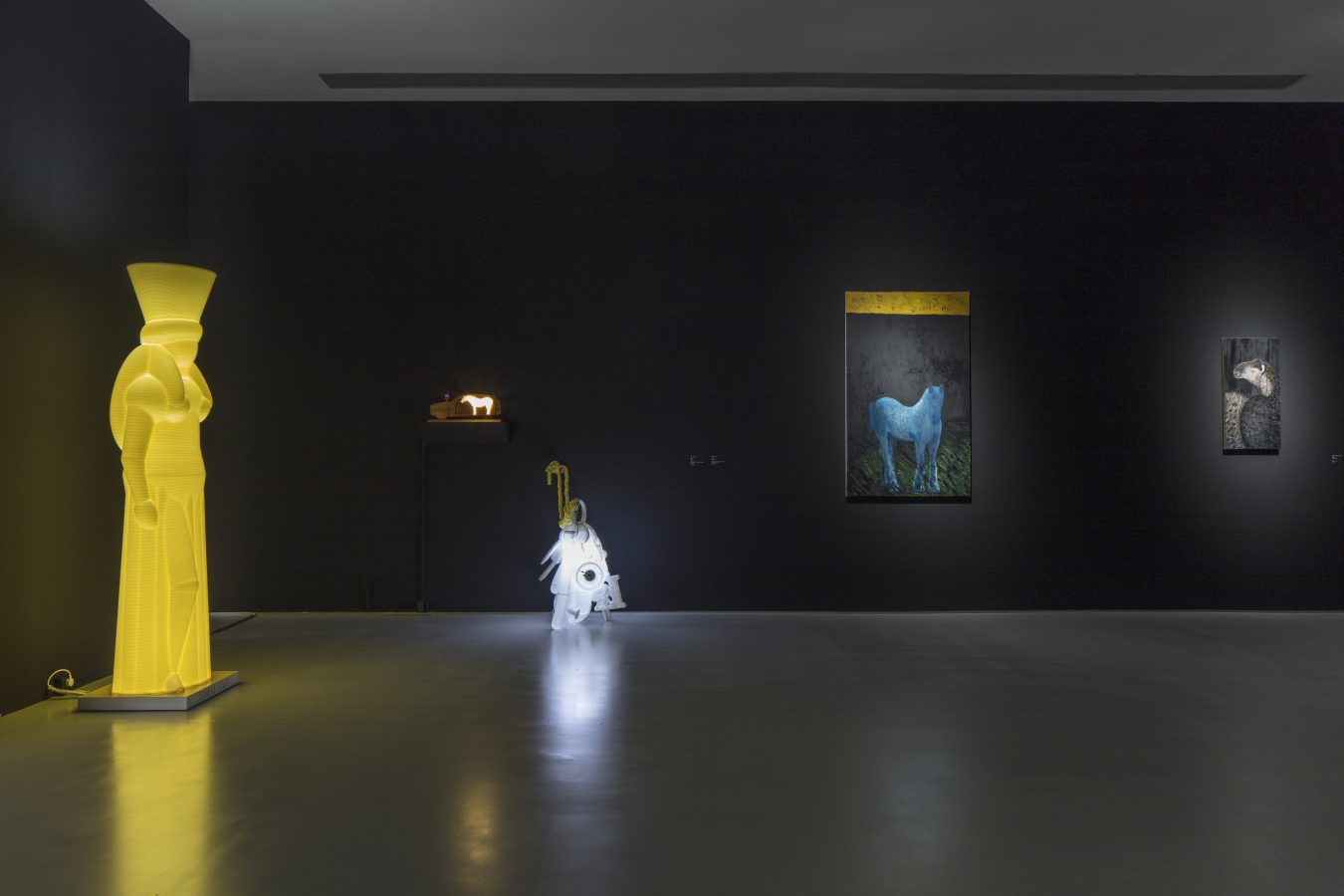
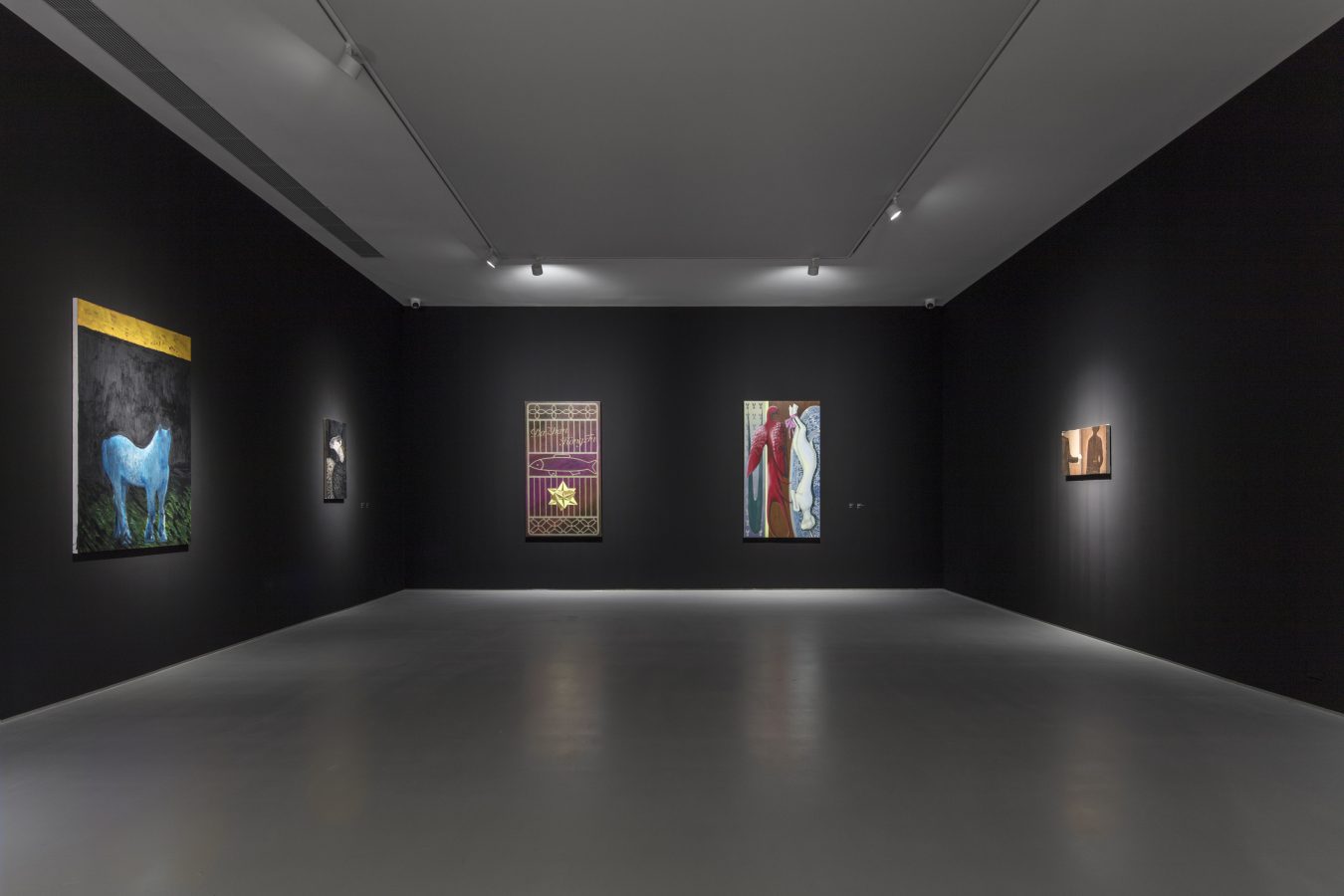
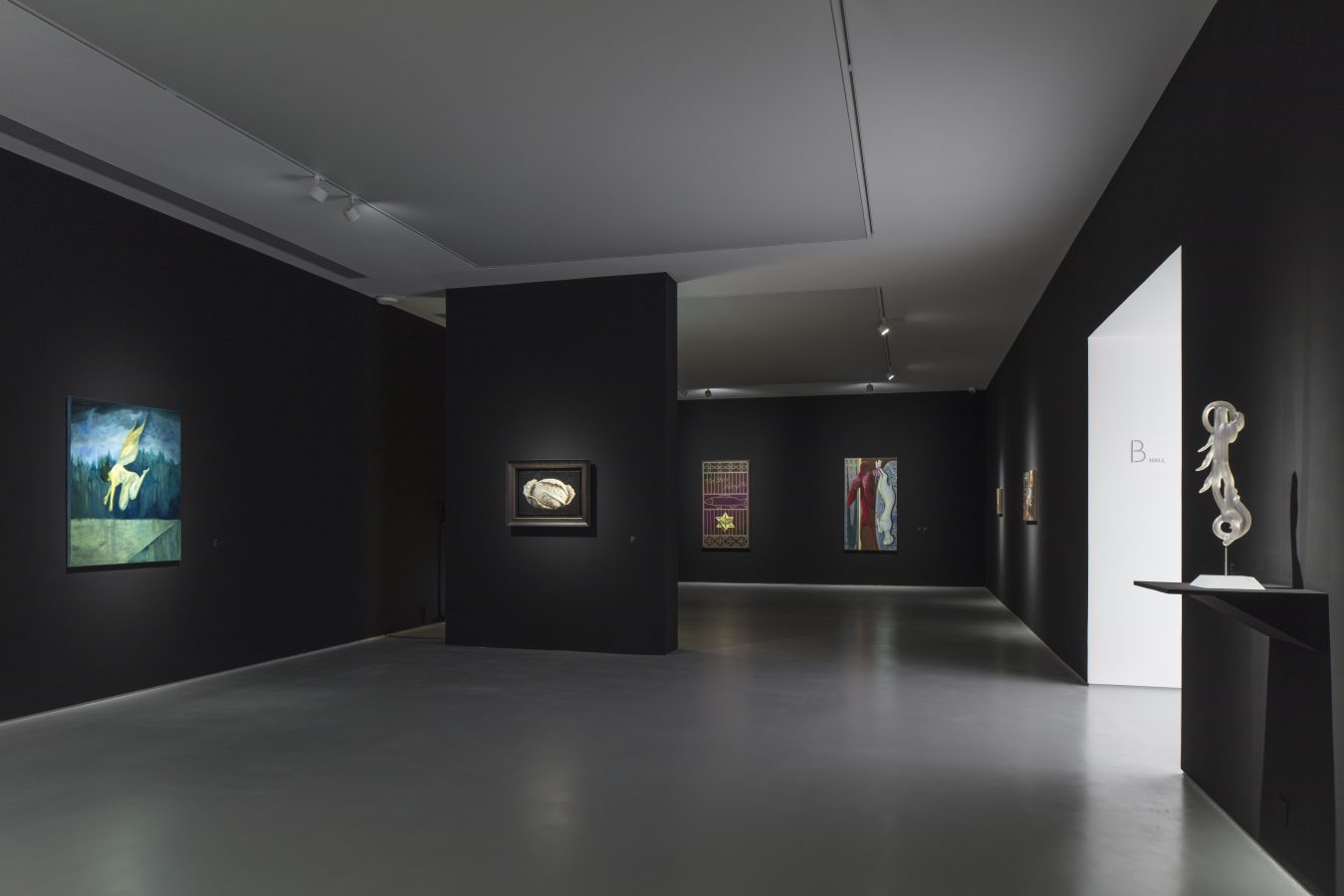
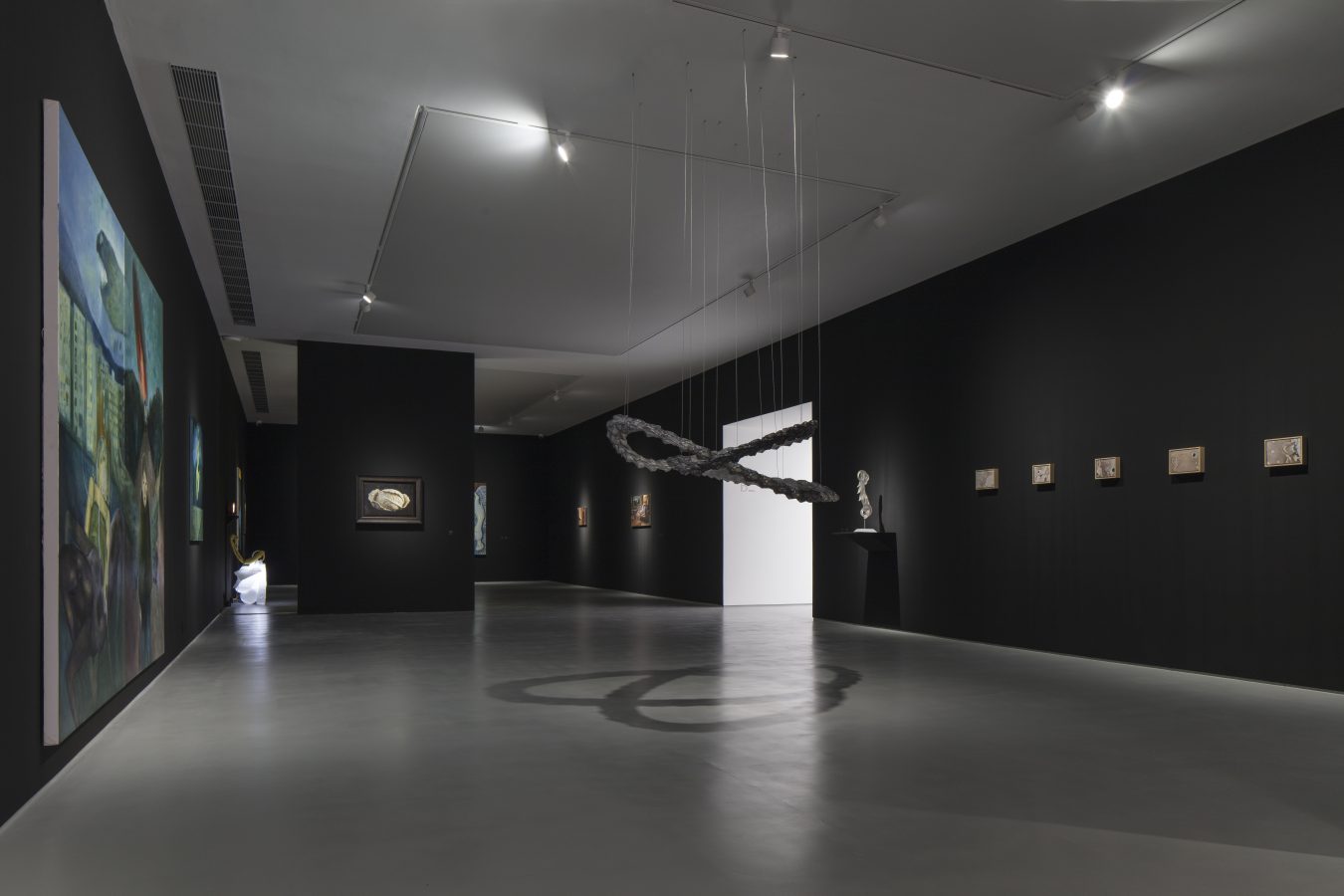
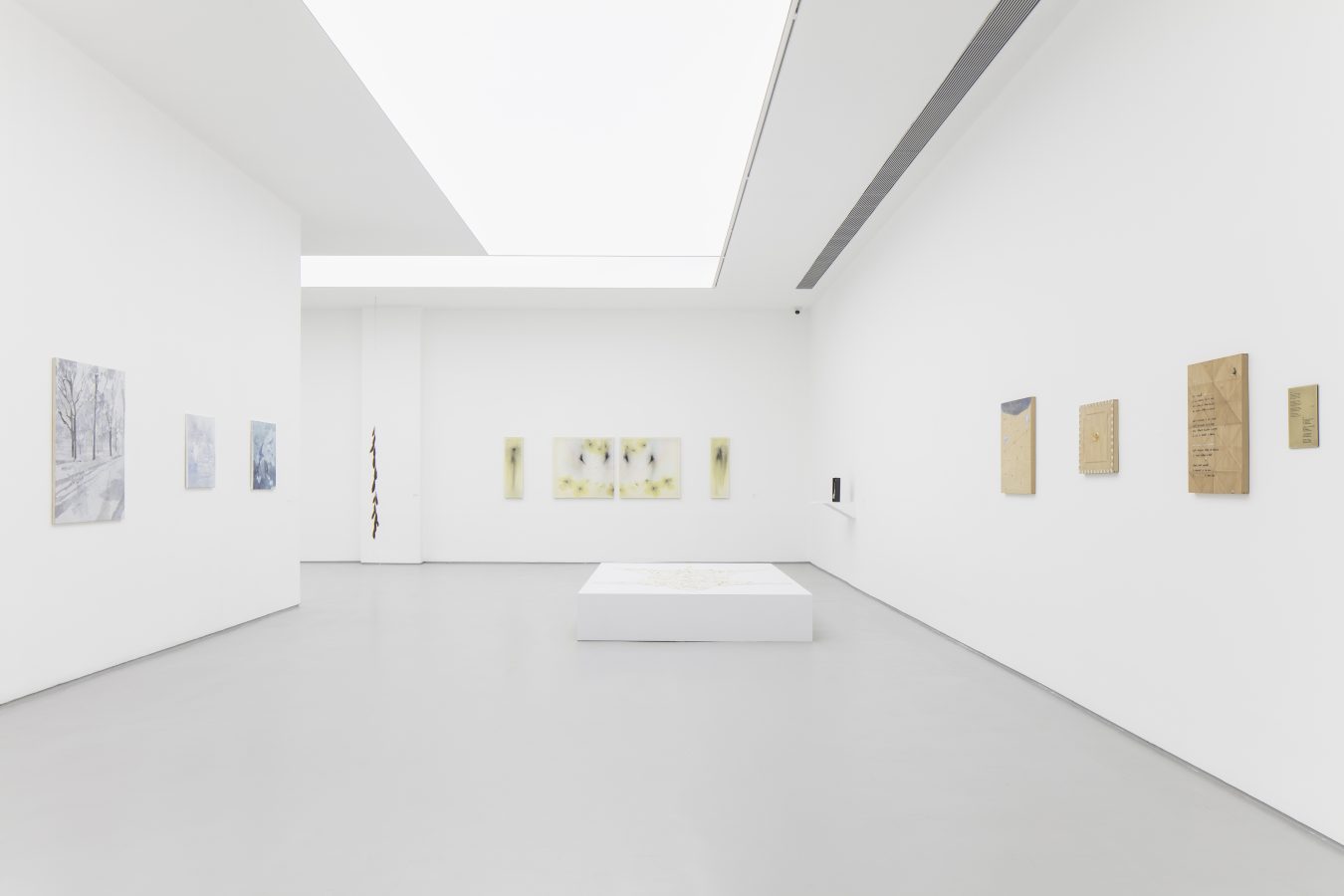
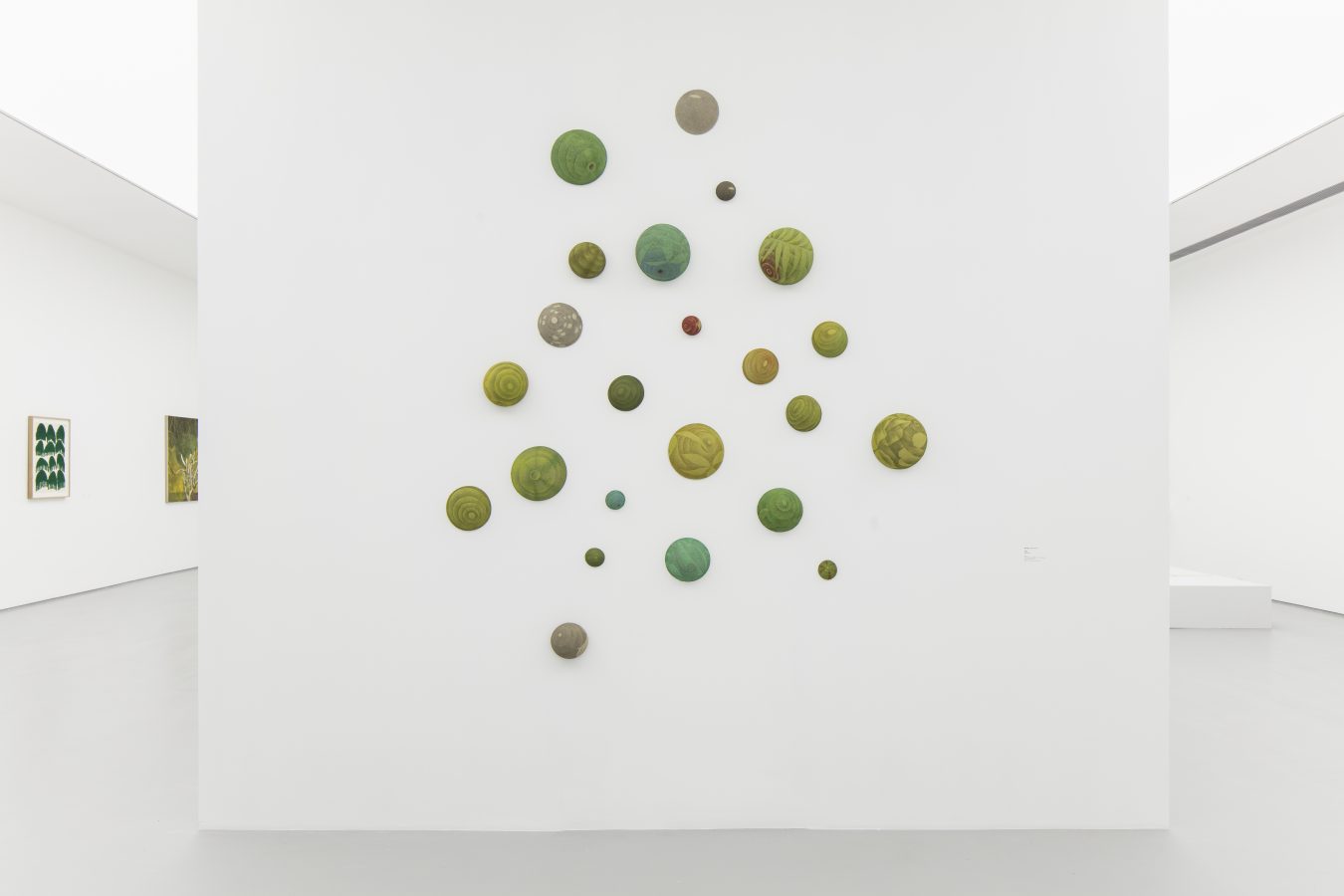
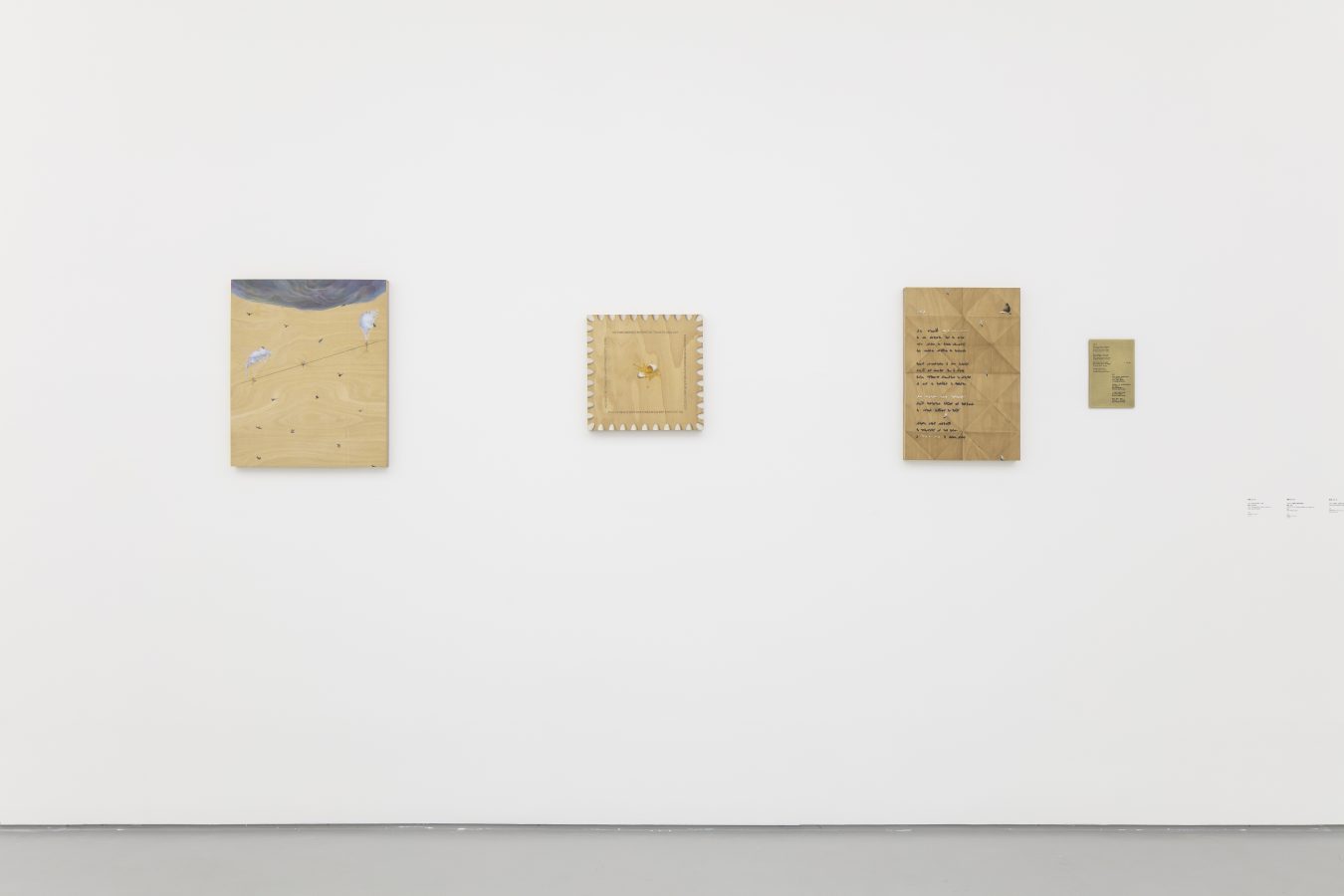
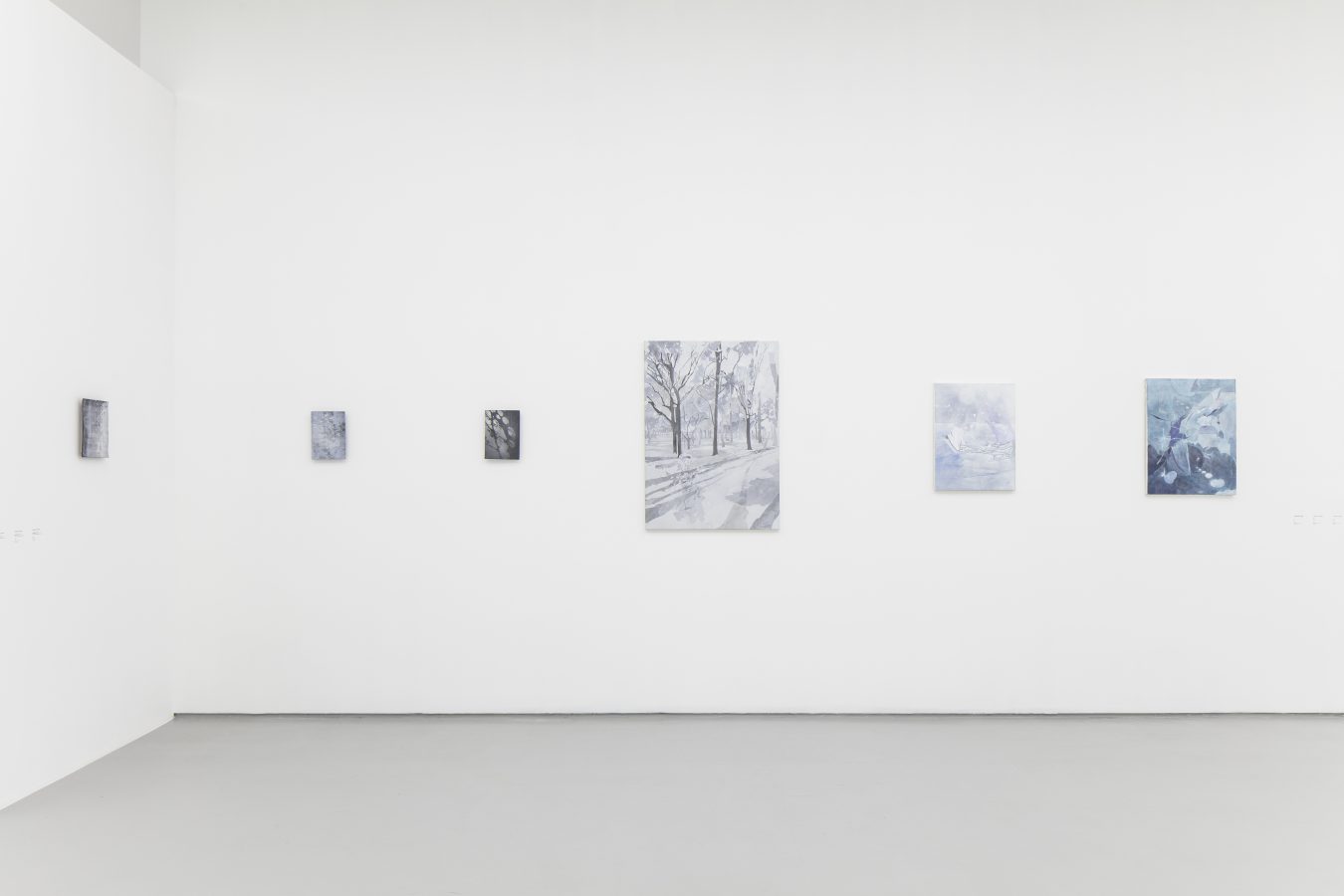
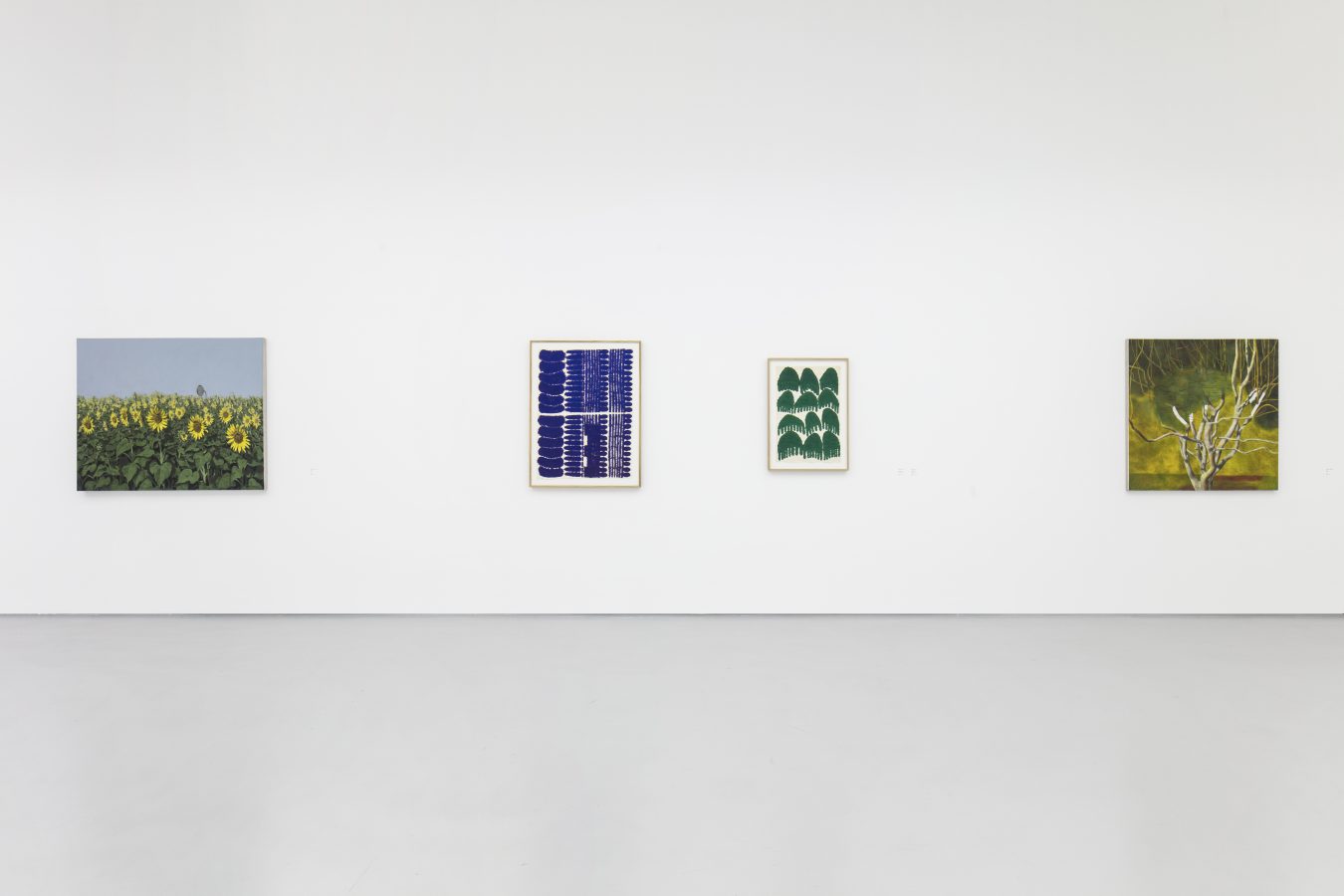
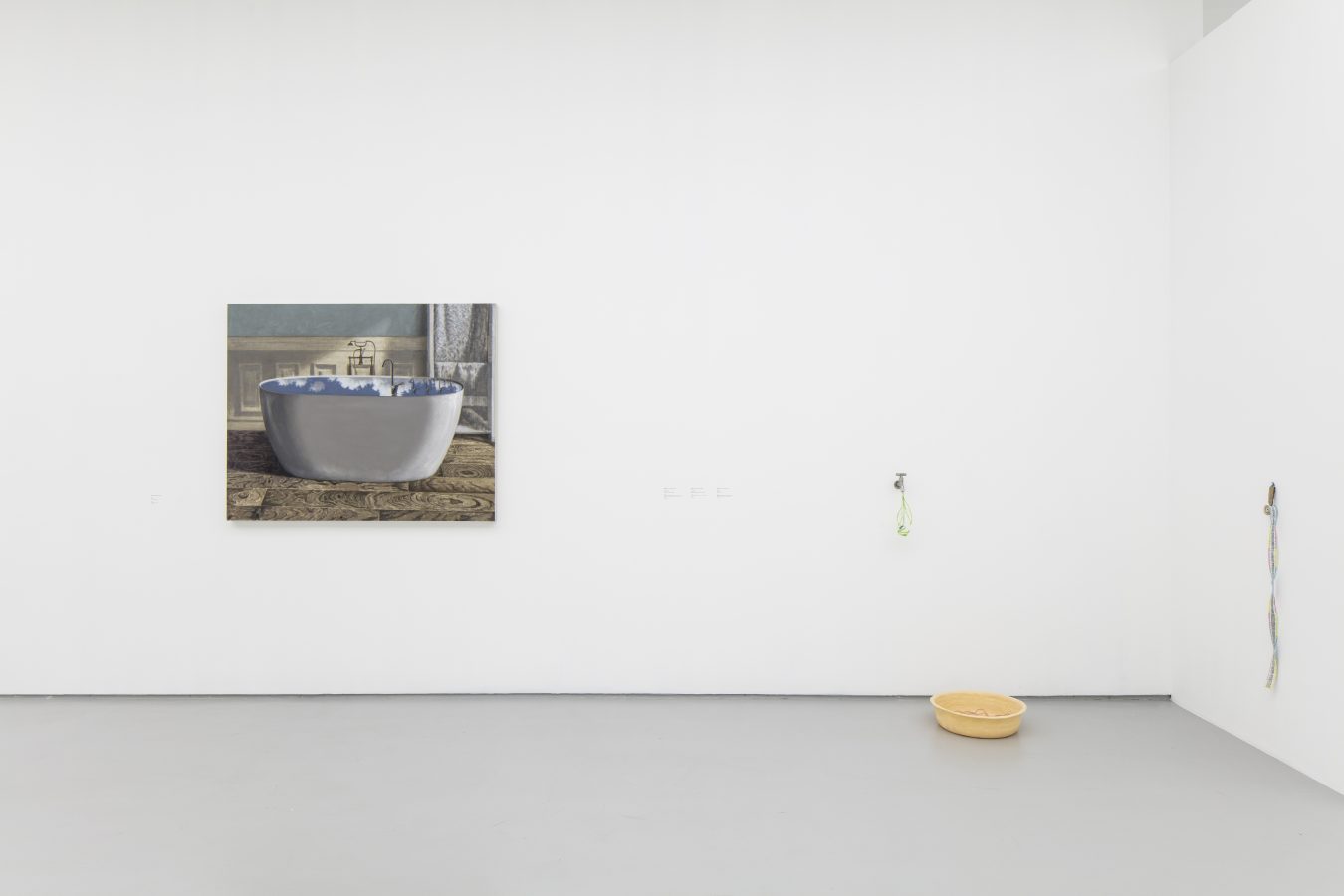
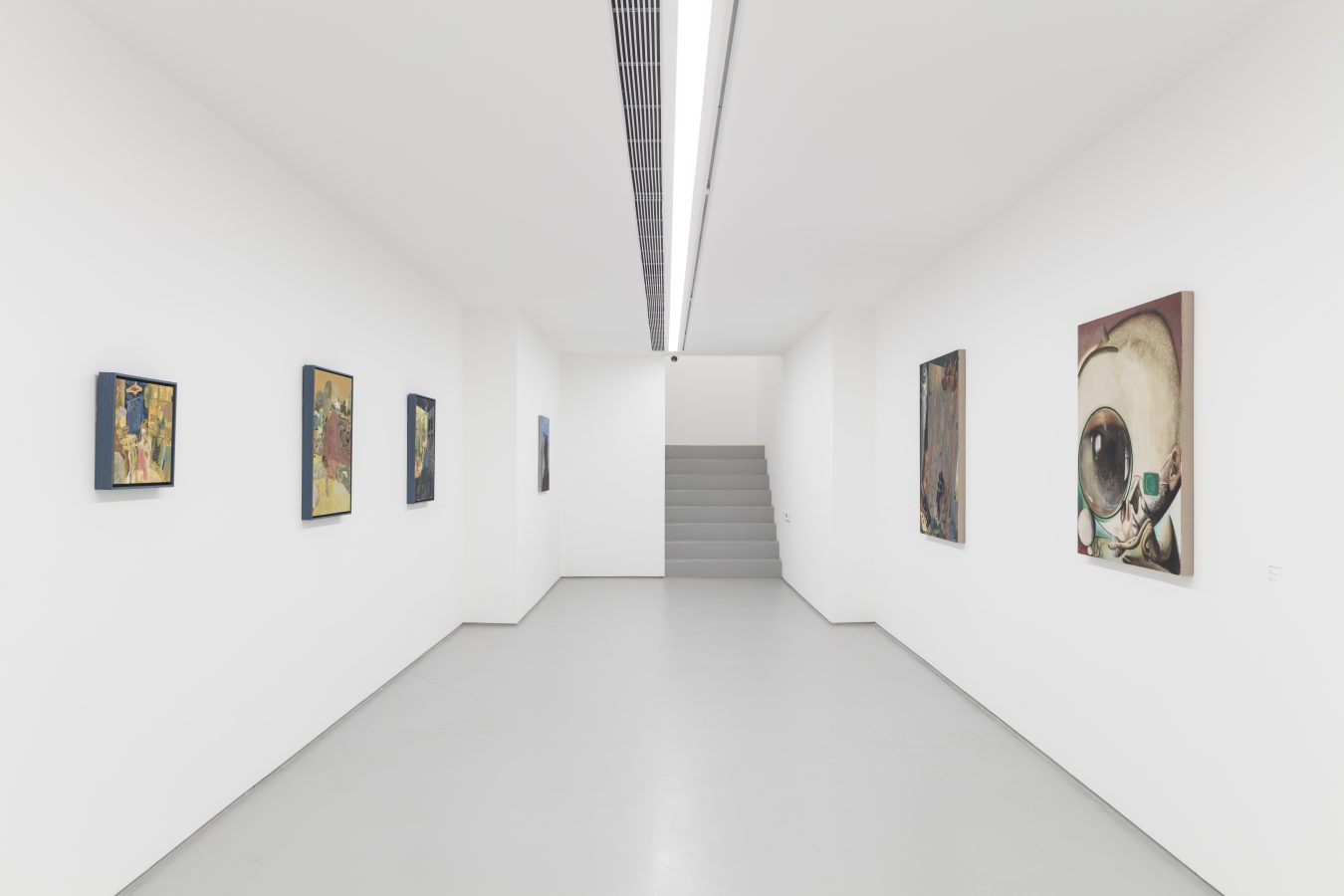
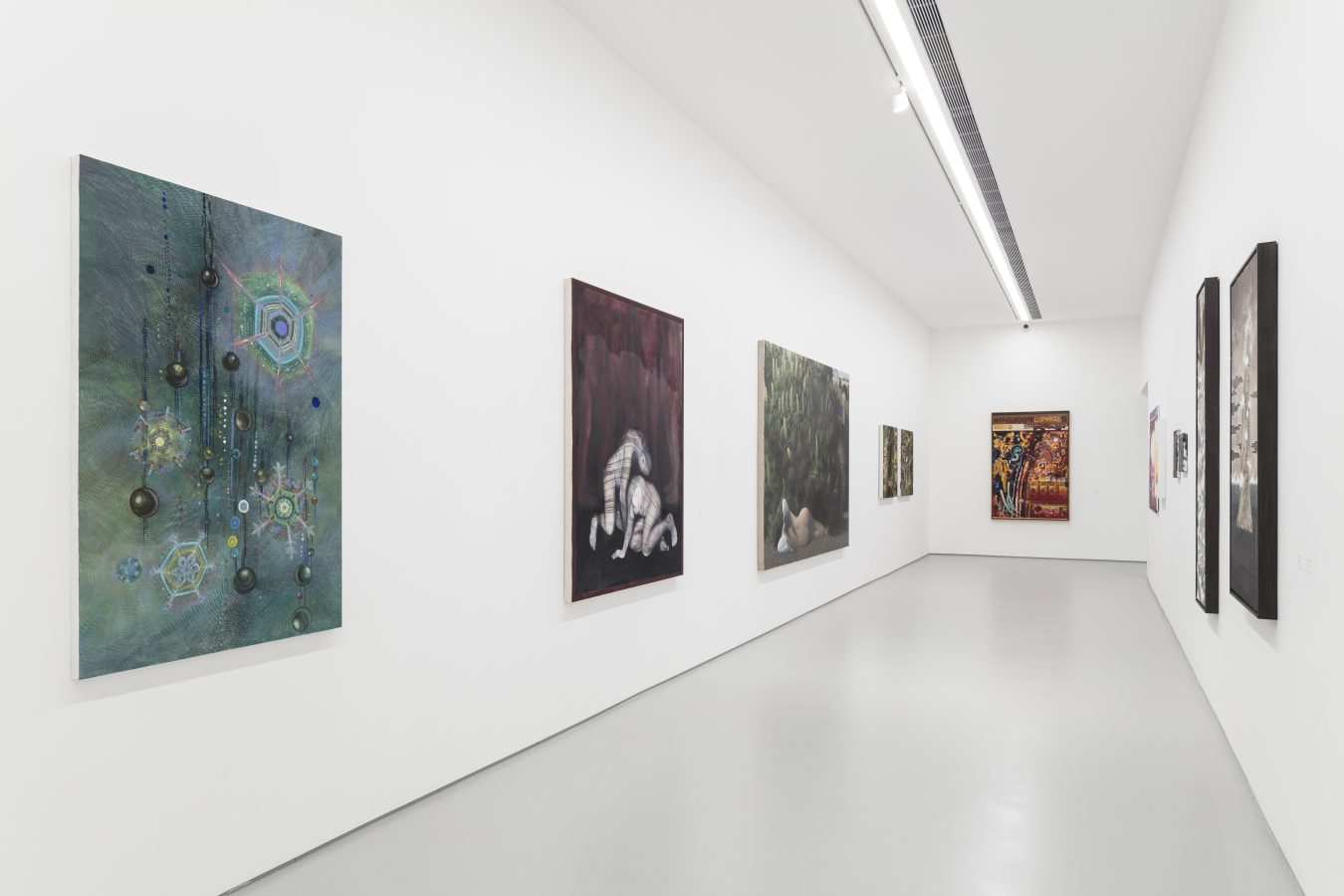
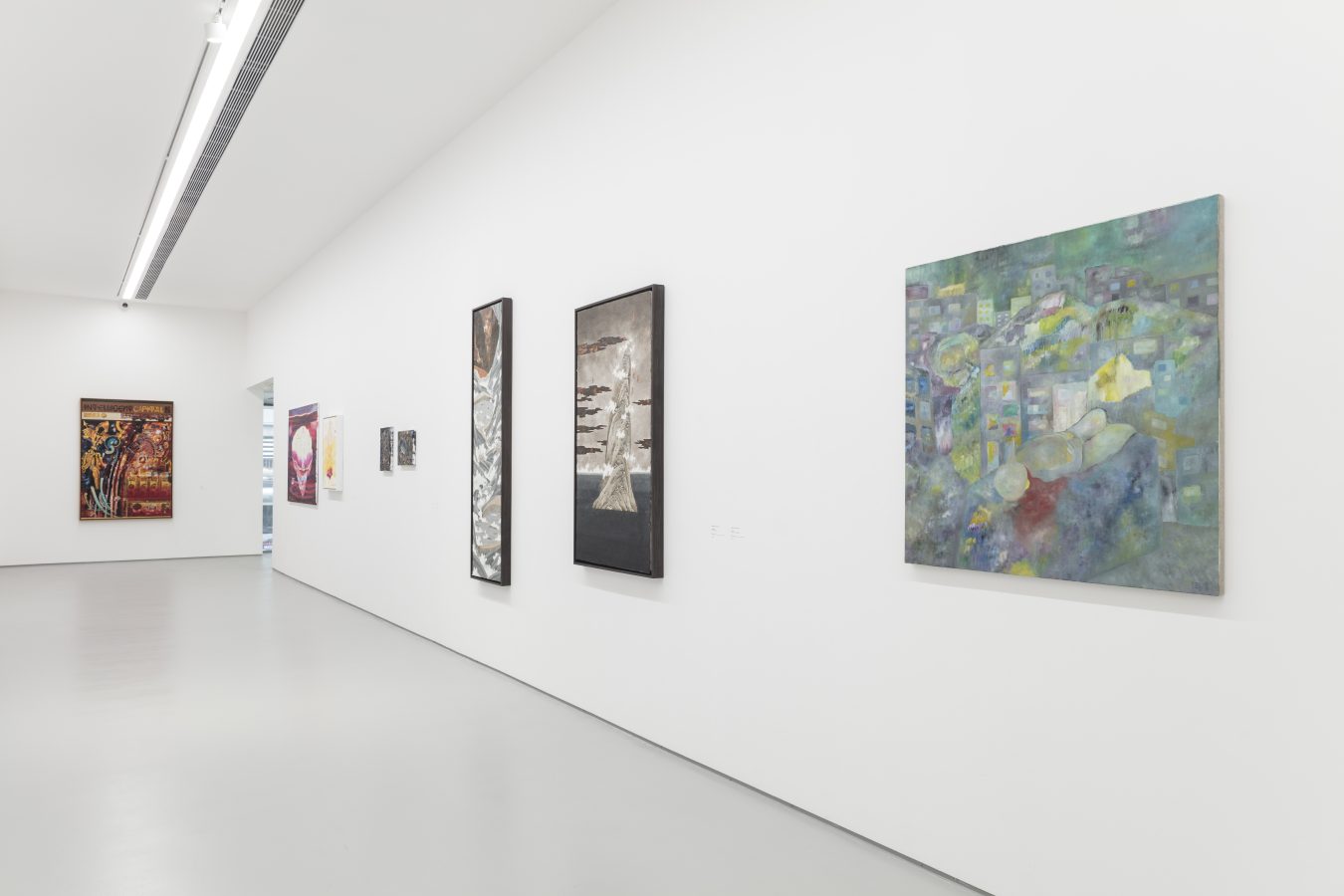
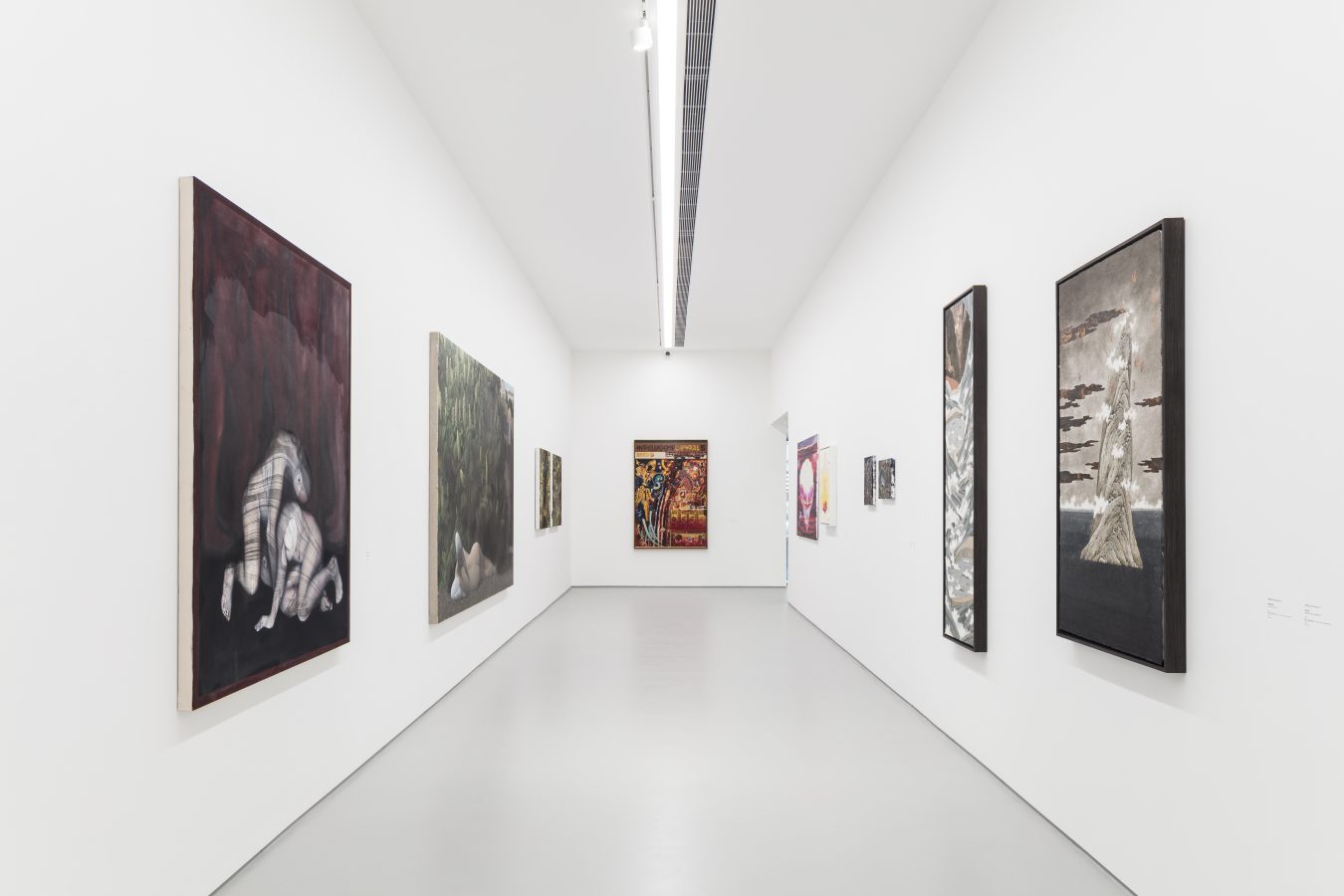
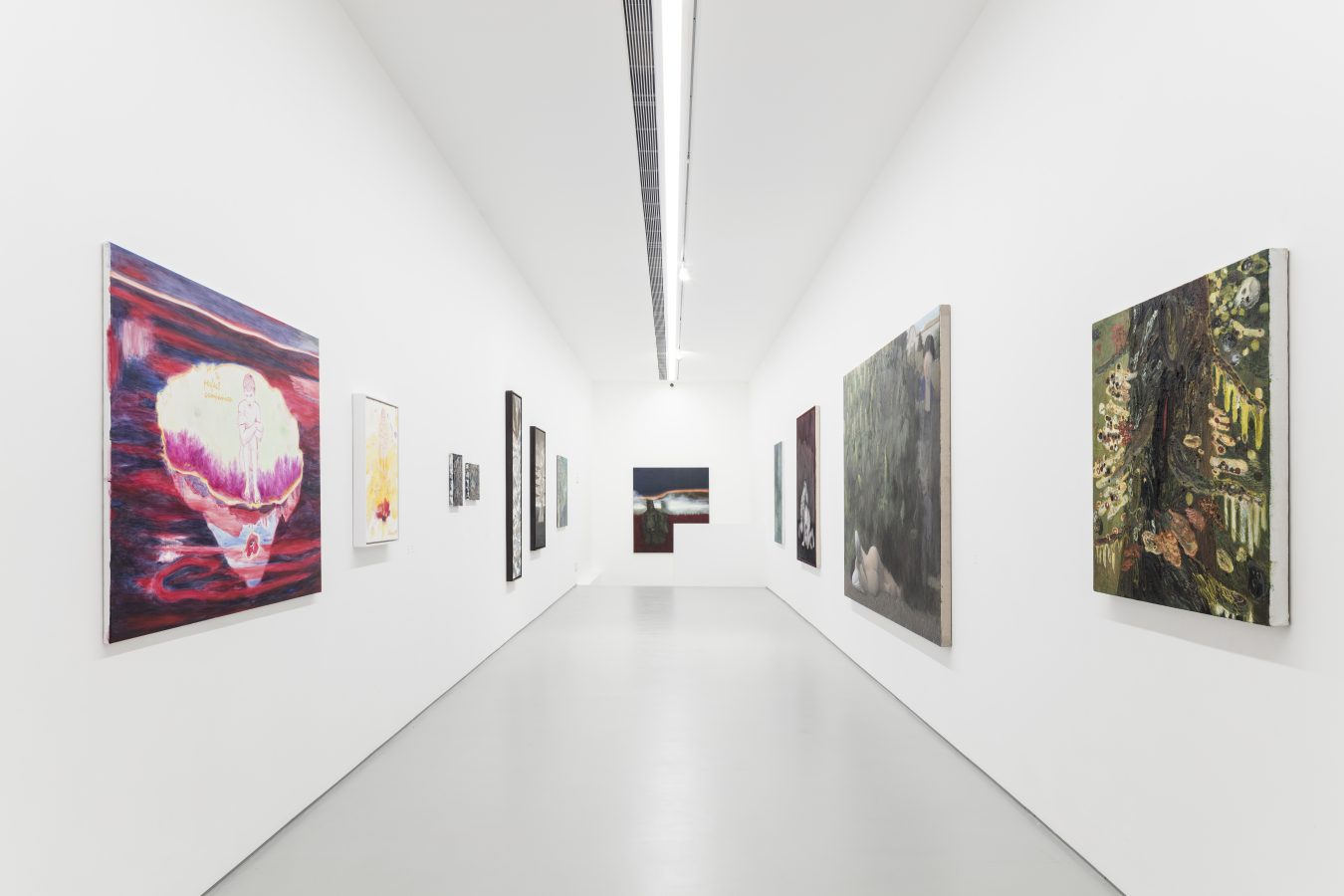
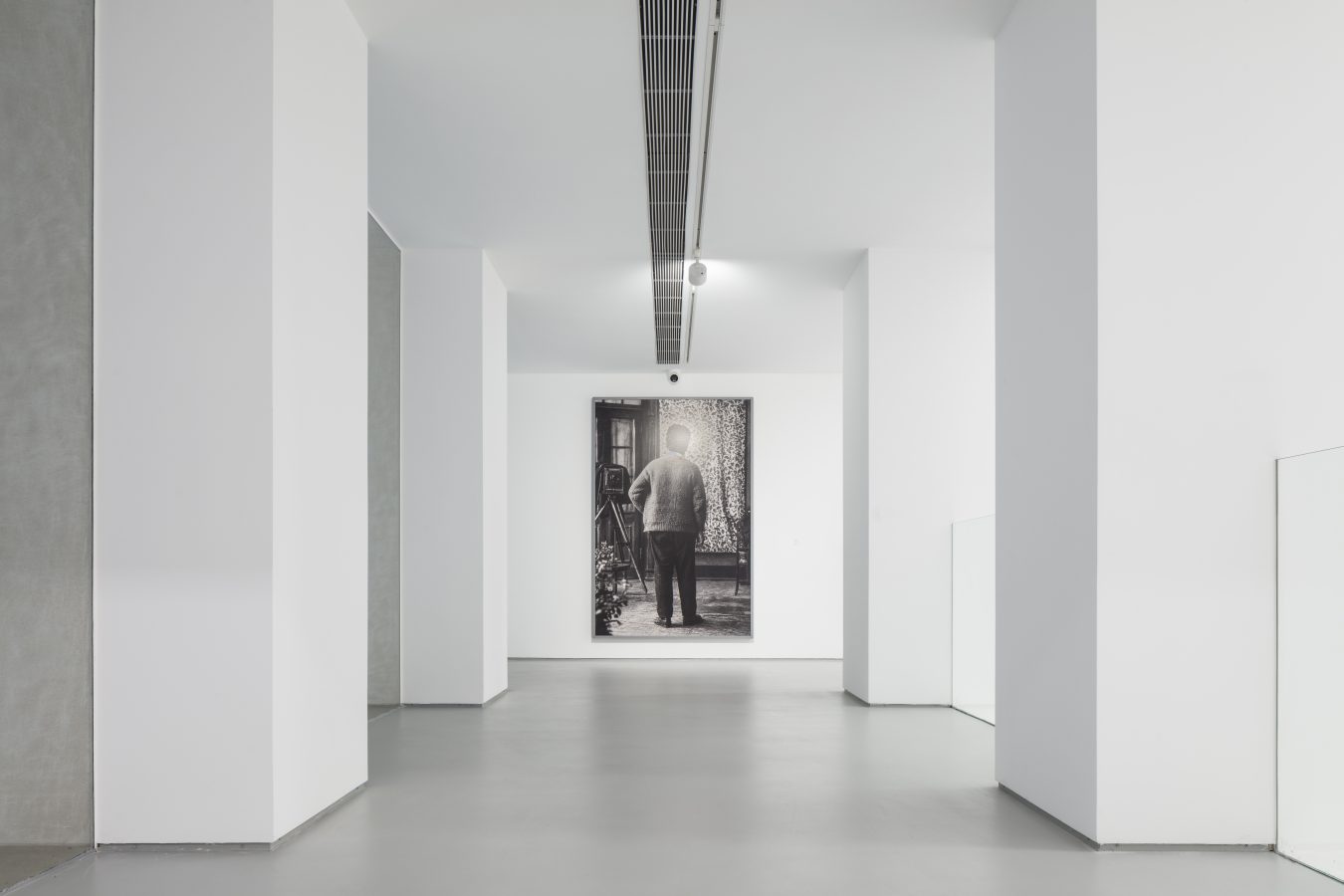
Hive Center for Contemporary Art is pleased to announce Young Wave: Hive Becoming, a major group exhibition opening on July 11, 2026, at Hive Beijing.
Following several months of invitations and open submissions, the Hive exhibitions team engaged in direct dialogue with more than one hundred artists and conducted extensive research, review, and discussion of hundreds of artistic portfolios. After a rigorous collective selection process, seventy-five artists were chosen to participate in the exhibition, including fifty-five emerging artists collaborating with Hive for the first time and twenty artists previously involved in the Hive Becoming Program.
Structured around five thematic sections, the exhibition will occupy all six galleries at Hive Beijing, spanning nearly 3,000 square meters of exhibition space. The exhibition is jointly curated by Yang Jian, Director and Curator of the Hive Becoming Program, together with more than ten members of the exhibition teams from Hive Beijing and Hive Shanghai. The exhibition will remain on view through August 28, 2026.
The presentation of “youth” as a theme seems to signal the arrival of a particular moment. When youth encounters the disintegration of established social orders, how does it respond to a reality that can no longer be easily defined? Through ongoing observation of contemporary artistic practice, we have witnessed a growing tendency among younger generations to step away from direct engagement with grand public narratives. Instead, many artists are constructing their own bases of experience, returning to personal perception, private memory, kinship, and the subtleties of everyday life, while rebuilding forms of embodied awareness that have been fragmented—or even abandoned—by contemporary media.
The grand, forceful, manifesto-driven, and critical modes of the past now stand in contrast to a quieter artistic sensibility characterized by subtlety, restraint, vulnerability, open space, and attention to minor forms of existence. It remains difficult to determine whether this shift represents withdrawal, or whether it is an attempt to dissolve structures of power and challenge dominant logics through softer forms of perception and a renewed pursuit of authenticity.
At the same time, we have observed the emergence of what might be described as “Glocal Youth” as a defining condition within this generation of artistic practice. Young artists are no longer content to imitate established Western models of contemporary art, nor do they embrace narrow forms of localism. Remaining alert to both conservatism and nostalgic historical return, they increasingly mobilize their own situated experiences to engage global conditions, seeking possibilities of connection beyond the familiar tension between universalism and particularism.
Alongside this tendency, a number of collective phenomena are unfolding simultaneously. Artists are rethinking anthropocentric frameworks from ecological perspectives, reimagining coexistence, rewilding, and fragile ecological aesthetics as ways of intervening in contemporary discourse. Other recurring themes include mediation, nomadism, weak subjectivity, digital rhizomes, and explorations of AI agency. “Youth” remains an unfinished narrative, just as Hive Becoming continues to function as an evolving platform in constant transformation. This exhibition marks the first group exhibition in the thirteen-year history of the Hive Becoming Program, and its first attempt to sketch a collective portrait of artistic futures yet to come.
The exhibition title, Young Wave: Hive Becoming, may be understood as a relaxed gathering of artists—a space for exchange, experimentation, and spontaneous expression free from external pressures. At the same time, it suggests a spirit of youthful audacity, reflecting how emerging artists interpret and negotiate the complexities of the contemporary world. We hope the exhibition will function as a genuine carnival of artistic affinity, bringing together diverse voices that openly articulate their experiences, concerns, and visions of both art and the world.
Initiated by Hive Center for Contemporary Art, Hive Becoming Program (HBP) is a pioneering art project in the field of Chinese contemporary art. Boasting the longest duration, the largest number of projects, and the widest coverage of artists, it is exclusively dedicated to the case study, creative practice and academic support for emerging young artists. The program runs independent exhibition spaces simultaneously in Beijing and Shanghai, with a global vision and an international roster of collaborating artists. Since its launch by Hive Center for Contemporary Art in 2013, HBP has presented the first solo exhibitions in China for 64 young Asian artists, alongside systematic academic publications, in-depth research and comprehensive archival documentation. Most artists nurtured by the program have maintained continuous and prolific practice on both domestic and international art scenes, with many growing into pivotal and highly influential figures in the contemporary art world. As an influential long-term initiative, Hive Becoming Program serves as the core foundation and starting point for the group exhibition Young Wave: Hive Becoming. This large-scale exhibition extensively explores and supports emerging young artists, aiming to provide powerful impetus and broad developmental prospects for their future artistic growth.
The Island
An island appears independent and detached, yet its existence is inseparable from the world that surrounds it. While external conditions may shift and change, the island remains firmly anchored through unseen connections beneath the surface. The individual is imagined here as an island—not as a symbol of isolation, but as a possibility of being recognized and regarded on one’s own terms. After all, an island can only be called an island because something exists beyond it.
The Theatre
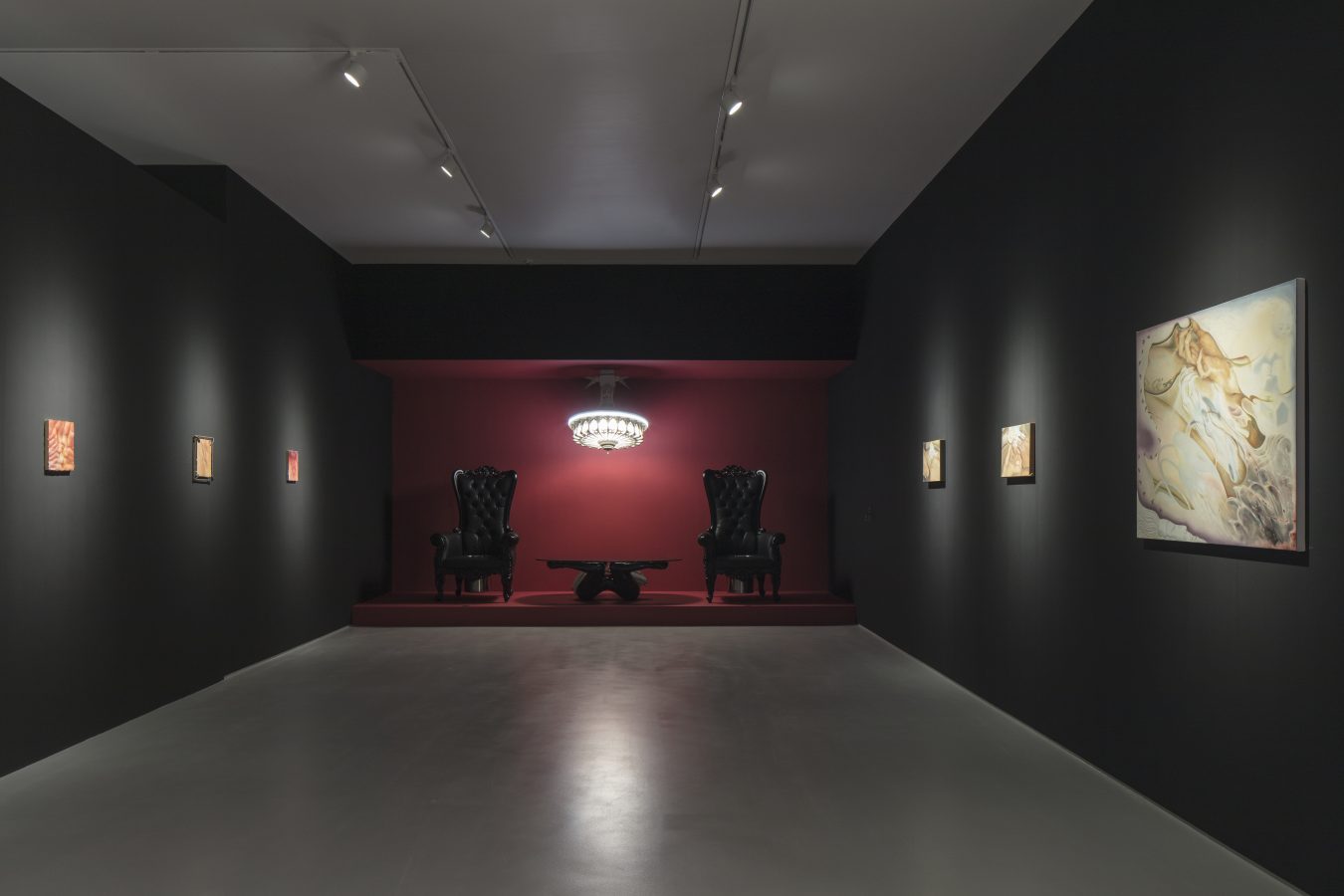
The theatre is a space of unrestricted contexts, where time, matter, and thought may enter suspension. It is at once a physical site and the shadow of an idea. The theatre may also be understood as a form of authority; yet artistic creation always precedes its presentation. There is no purely immediate or unmediated presence. In this sense, creation itself becomes an act of challenging and unsettling established structures.
The Club
The club is a space of dim lights and ambiguous atmospheres, one that shortens distances between bodies and brings individuals into proximity. It generates its own languages, codes, rituals, and systems of power, circulating discreetly within enclosed environments. Artistic practice here becomes a process of renegotiating internal conventions and constructing alternative systems of value distinct from those of the wider social sphere.
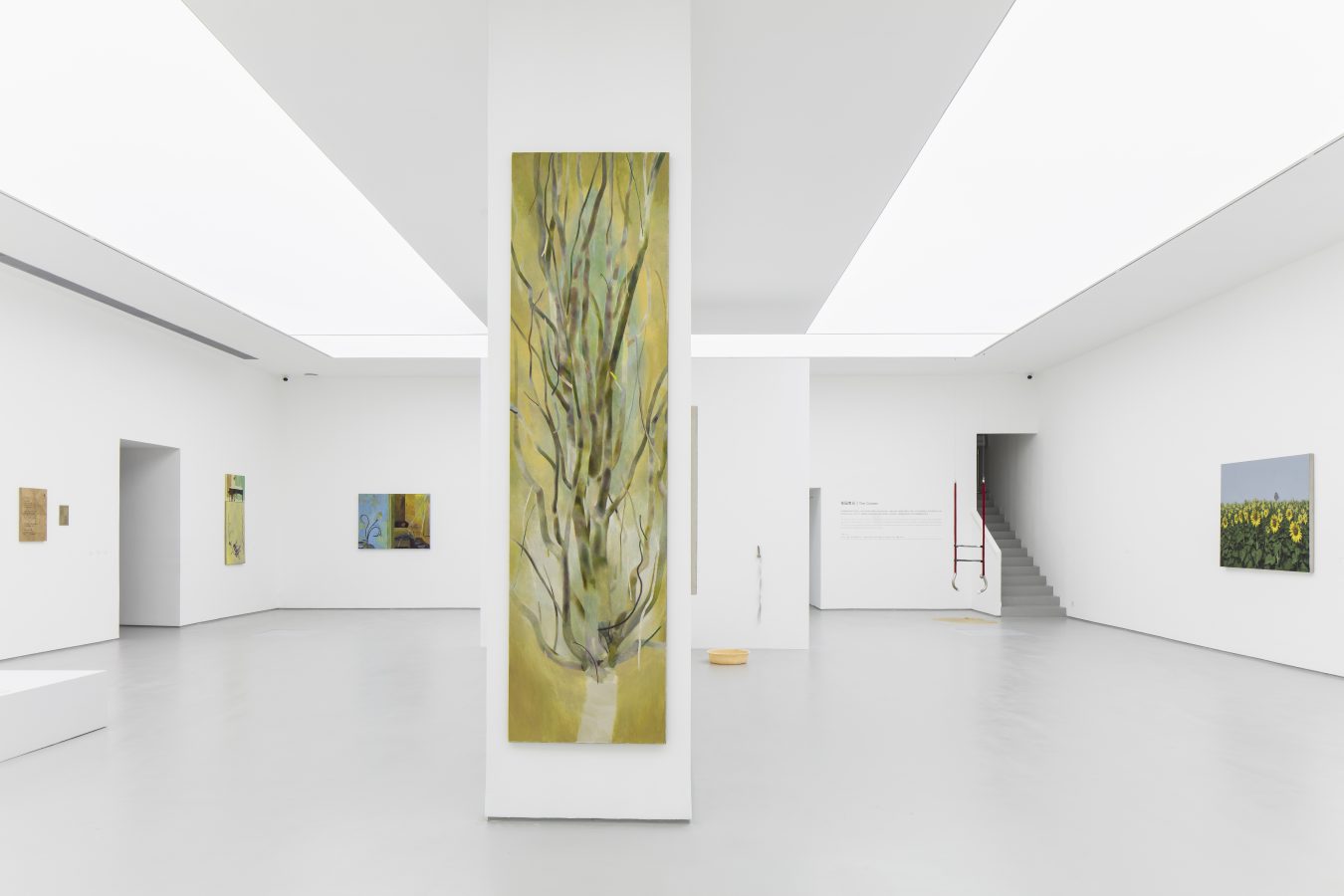
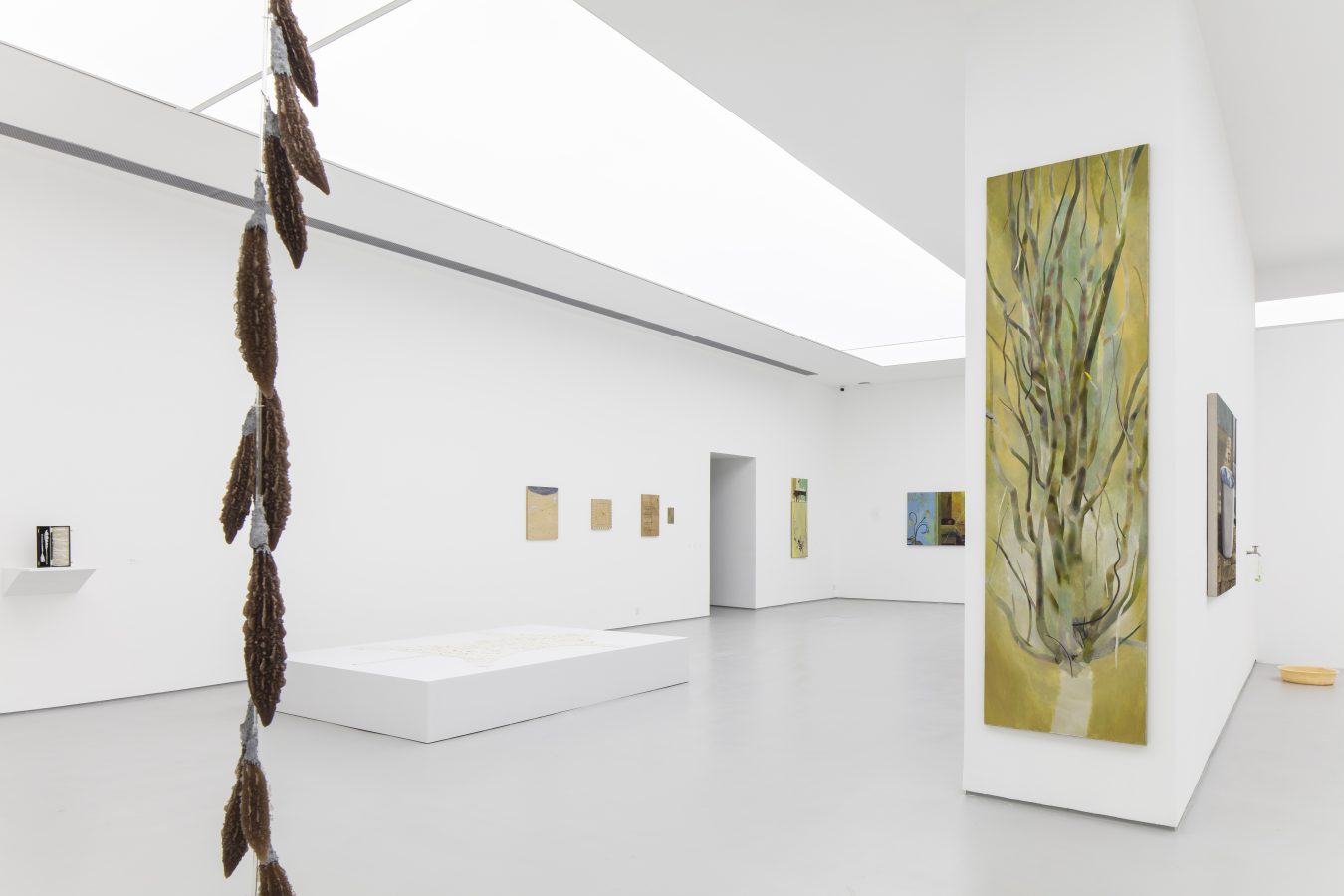
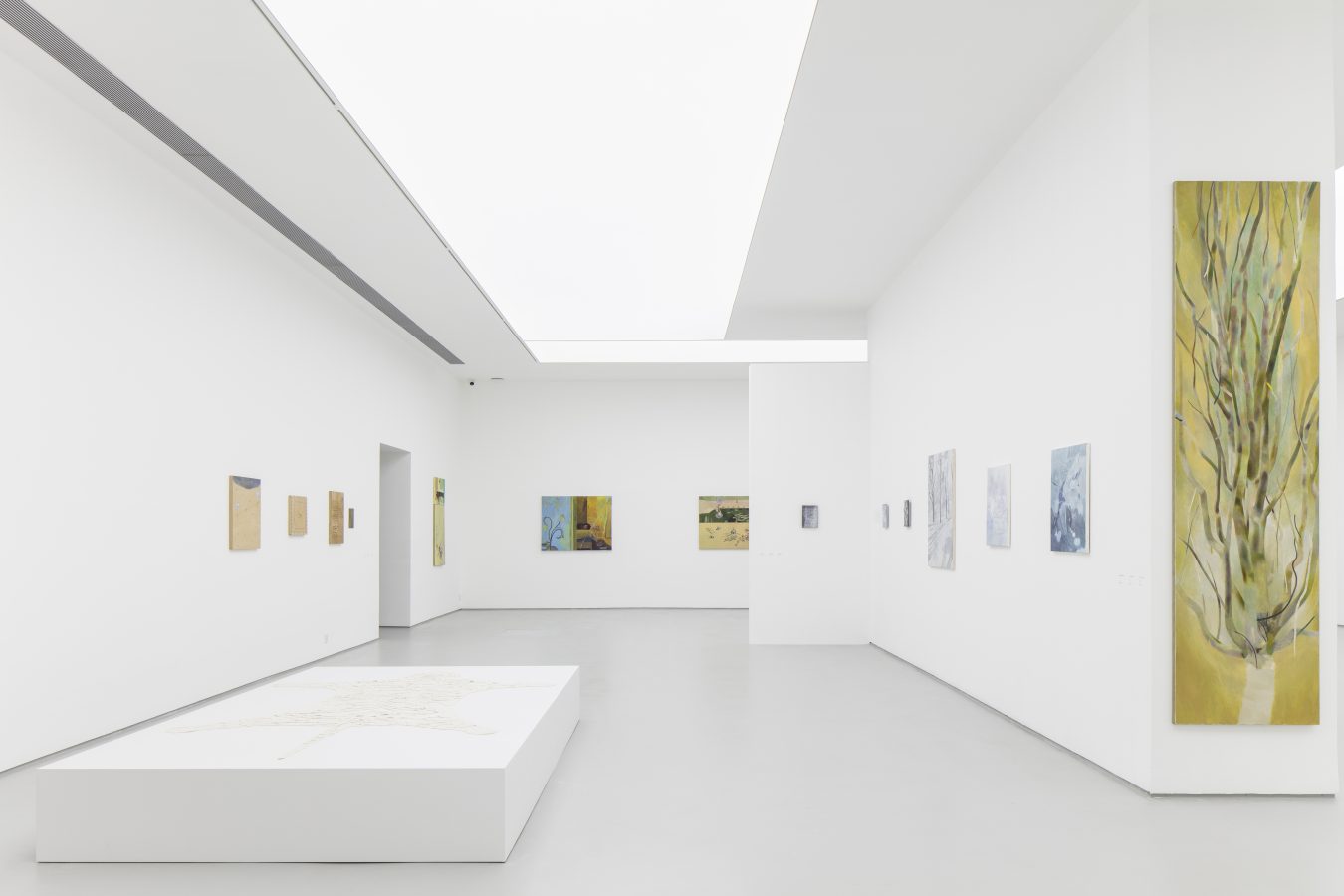
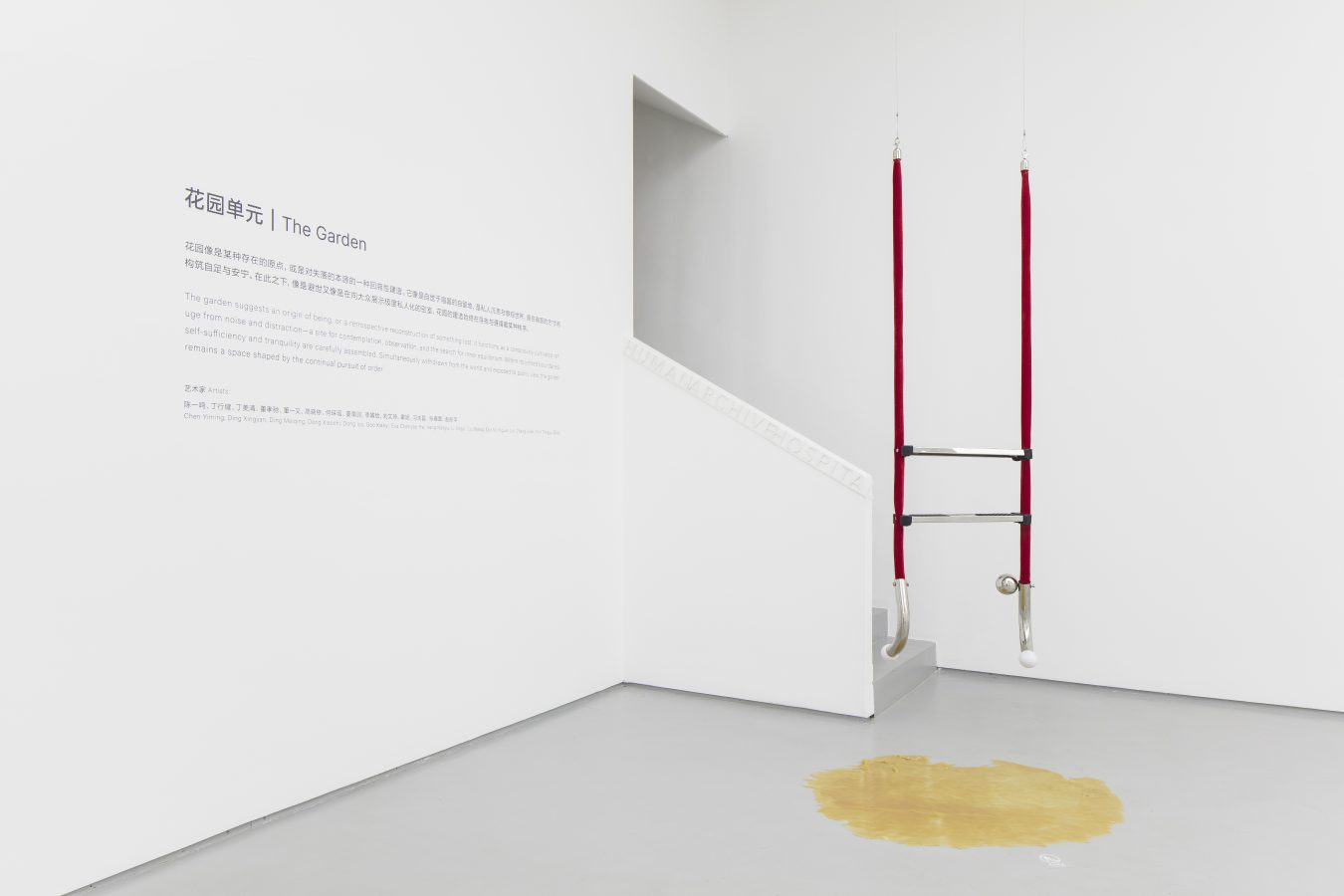
The Garden
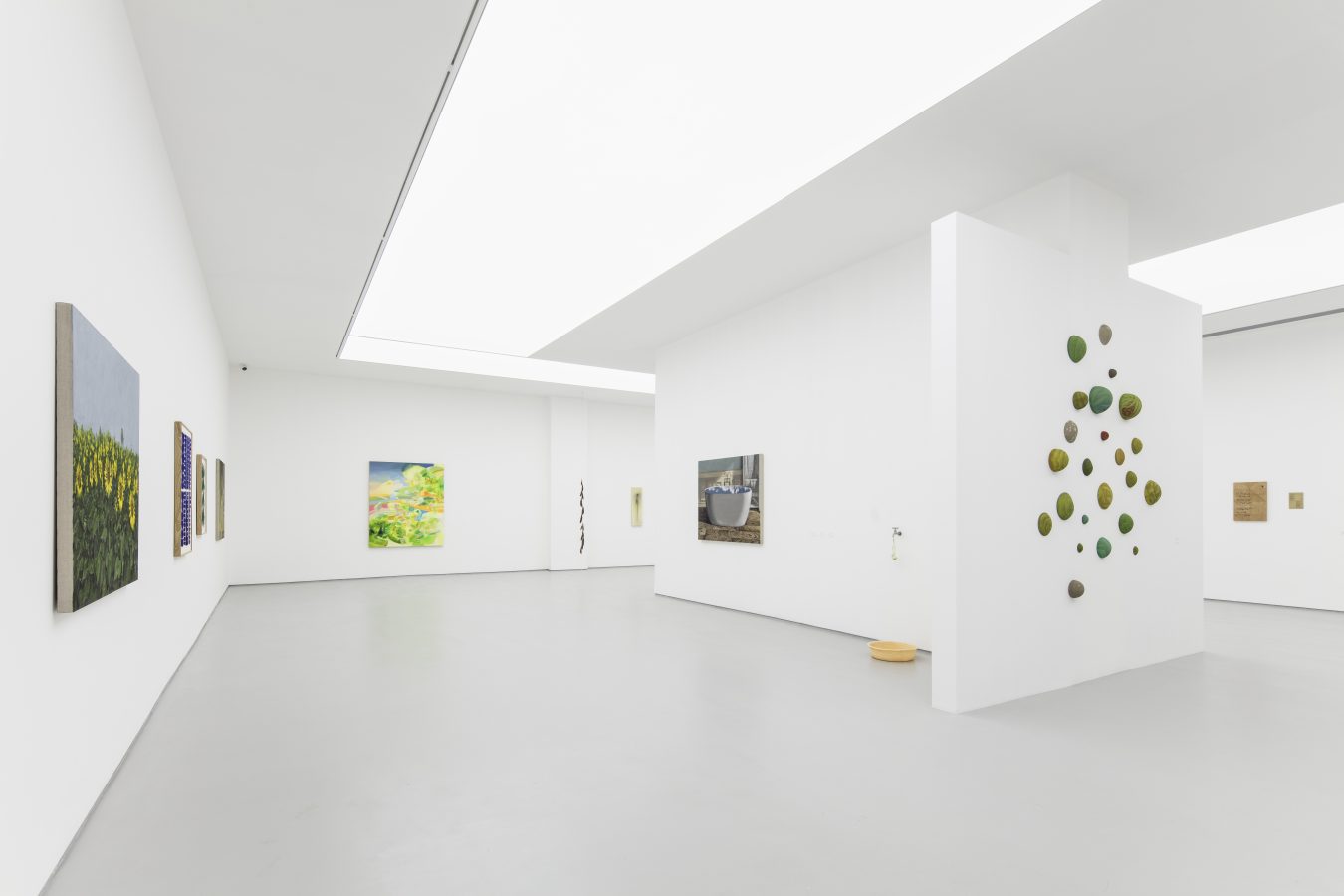
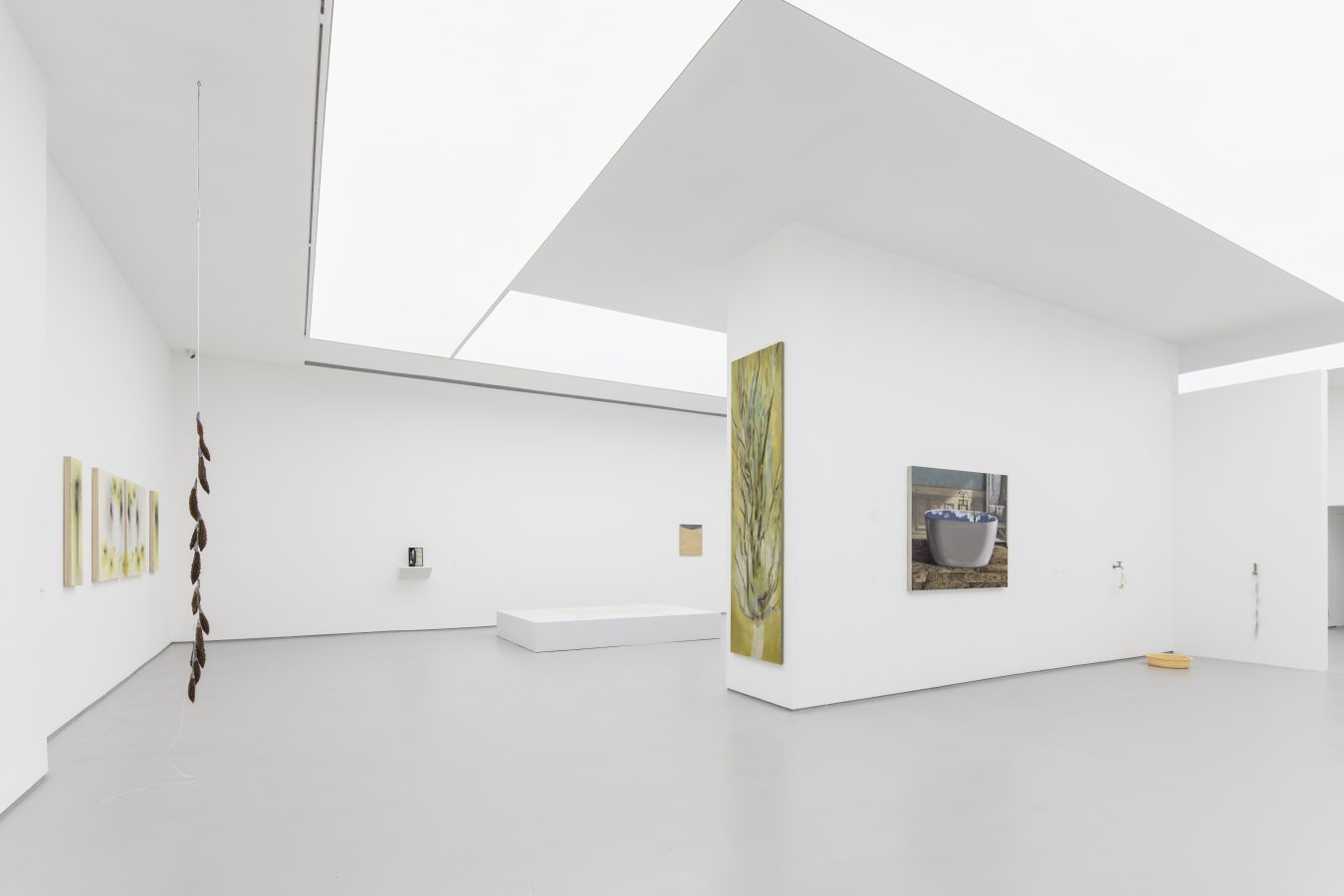
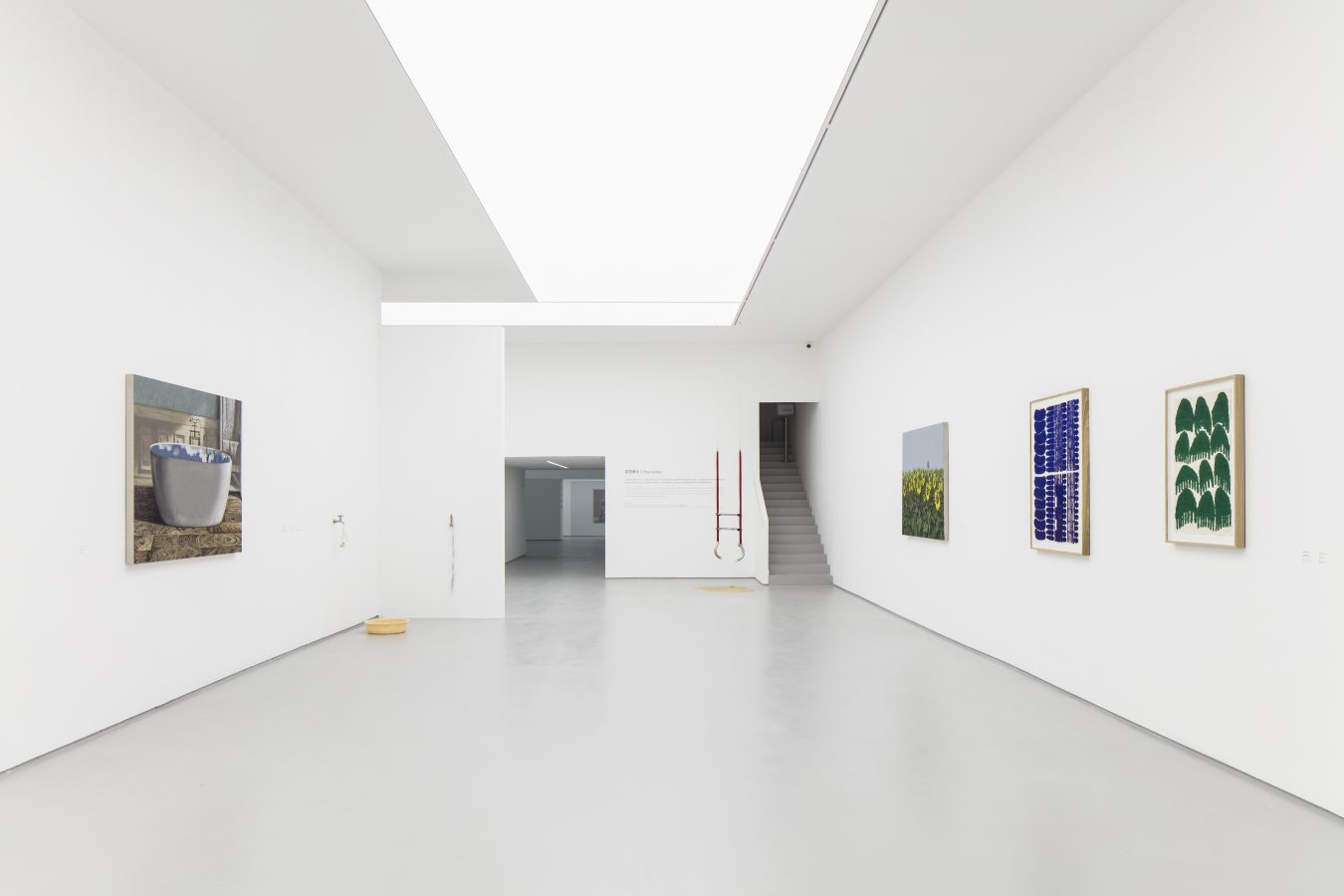
The garden suggests an origin of being, or a retrospective reconstruction of something lost. It functions as a consciously cultivated refuge from noise and distraction—a site for contemplation, observation, and the search for inner equilibrium. Within its limited boundaries, self-sufficiency and tranquility are carefully assembled. Simultaneously withdrawn from the world and exposed to public view, the garden remains a space shaped by the continual pursuit of order.
The Corridor
A corridor is a transitional space. It connects one boundary to another, possessing no independent territory of its own and existing only through its attachment to both ends. Whether one encounters a cave, a threshold, or an in-between space, meaning emerges through movement and traversal. Becoming, too, finds its meaning in the act of passage.