Hongrui Henry Liu
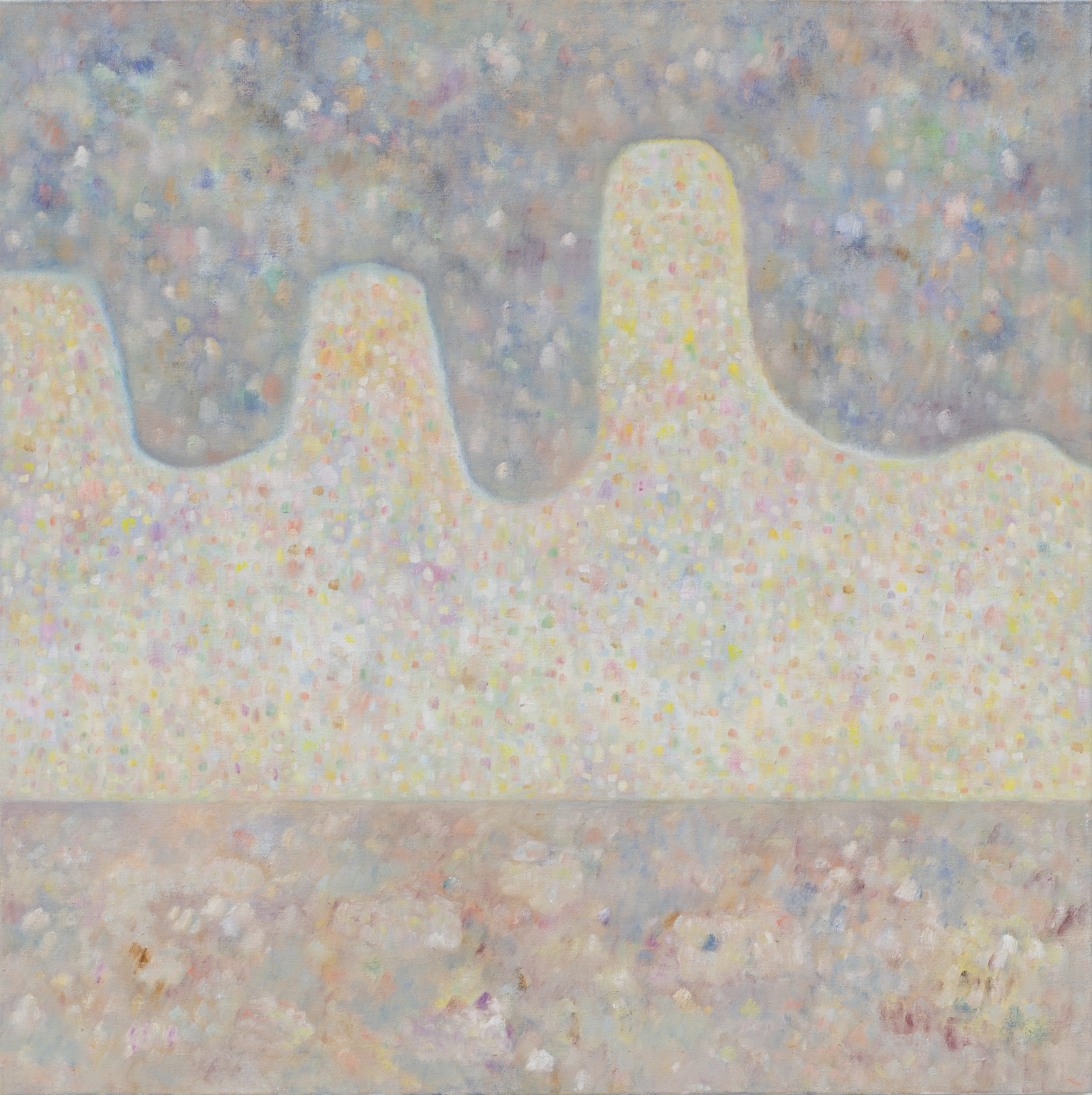
White Landscape-2
Oil on linen canvas
90×90cm
Hongrui Henry Liu
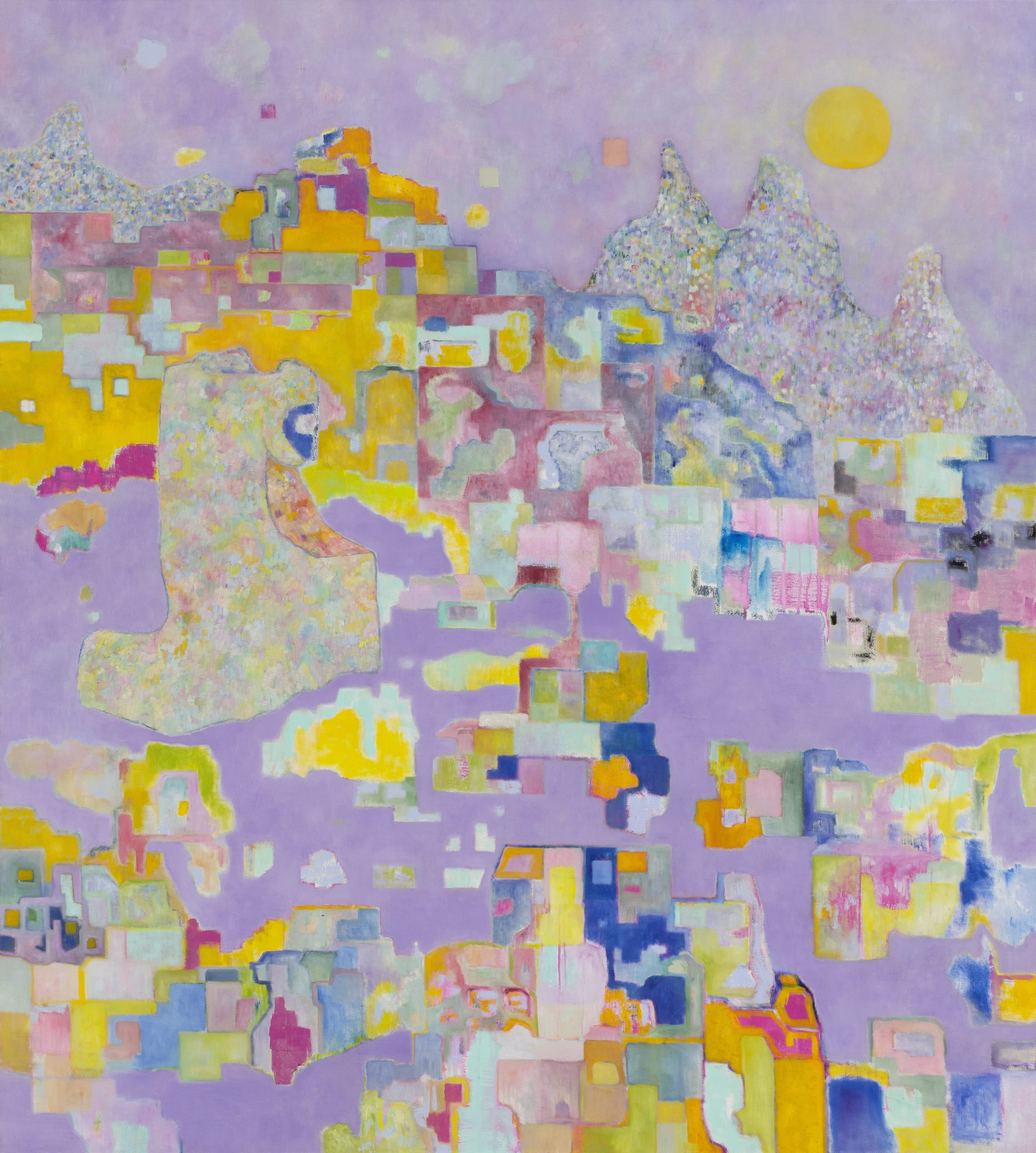
The Dust of Worlds
Oil, oil stick and acrylic on linen canvas
200×180cm
Hongrui Henry Liu
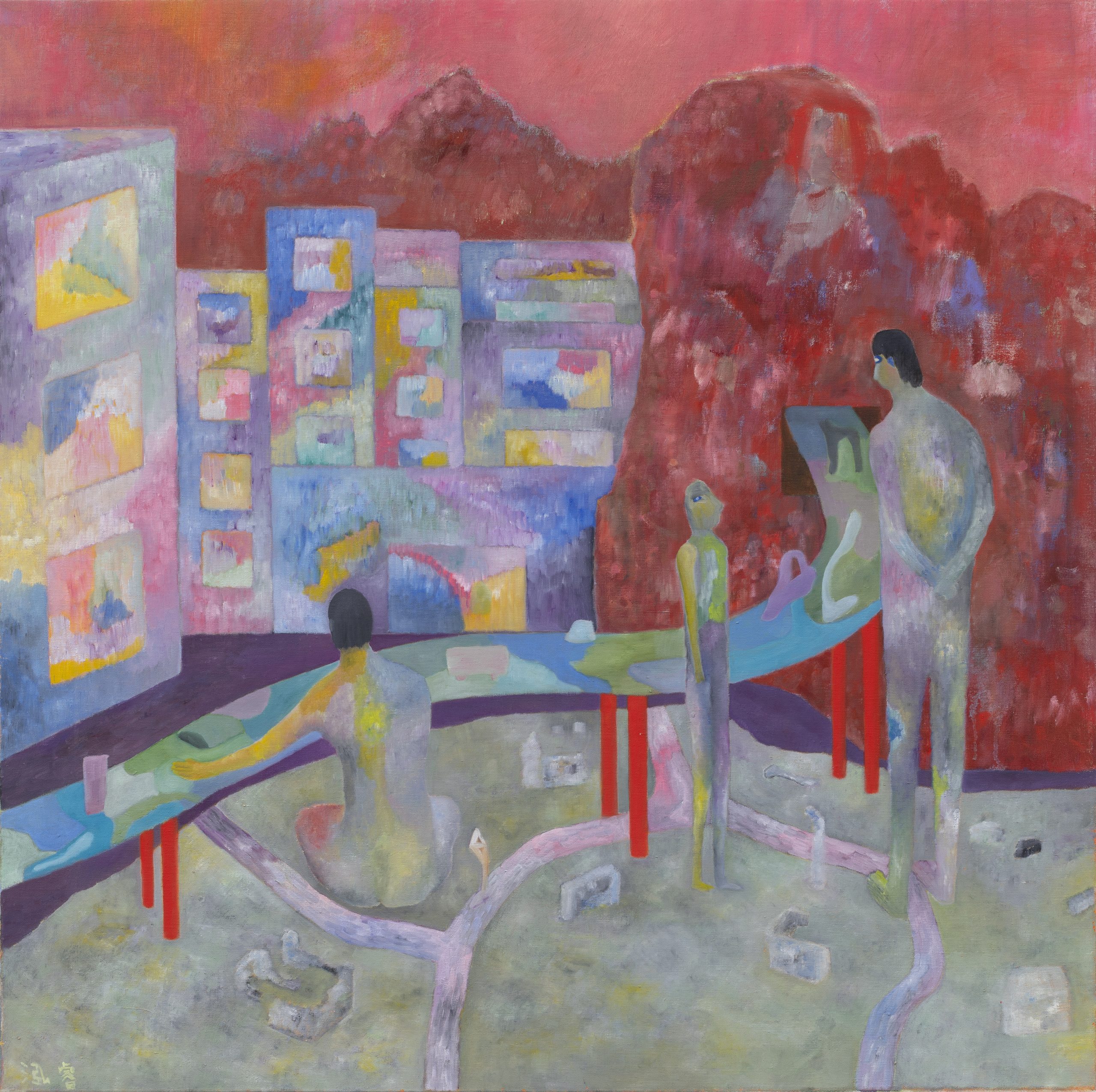
Modern Education
Oil on linen canvas
90×90cm
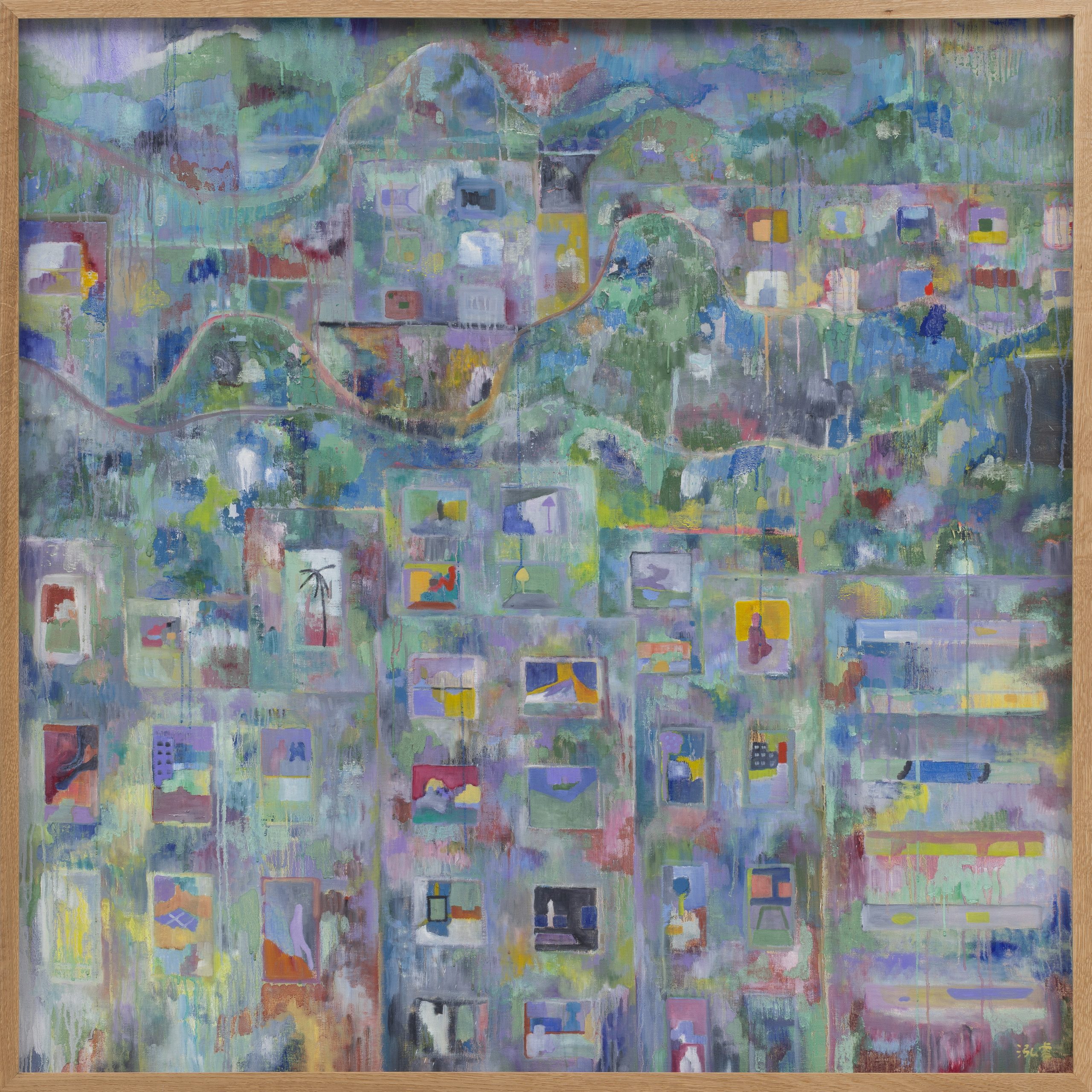
Hongrui Henry Liu
Backed by Mountains, Facing the Sea
Oil and pigment on linen canvas
130×130cm
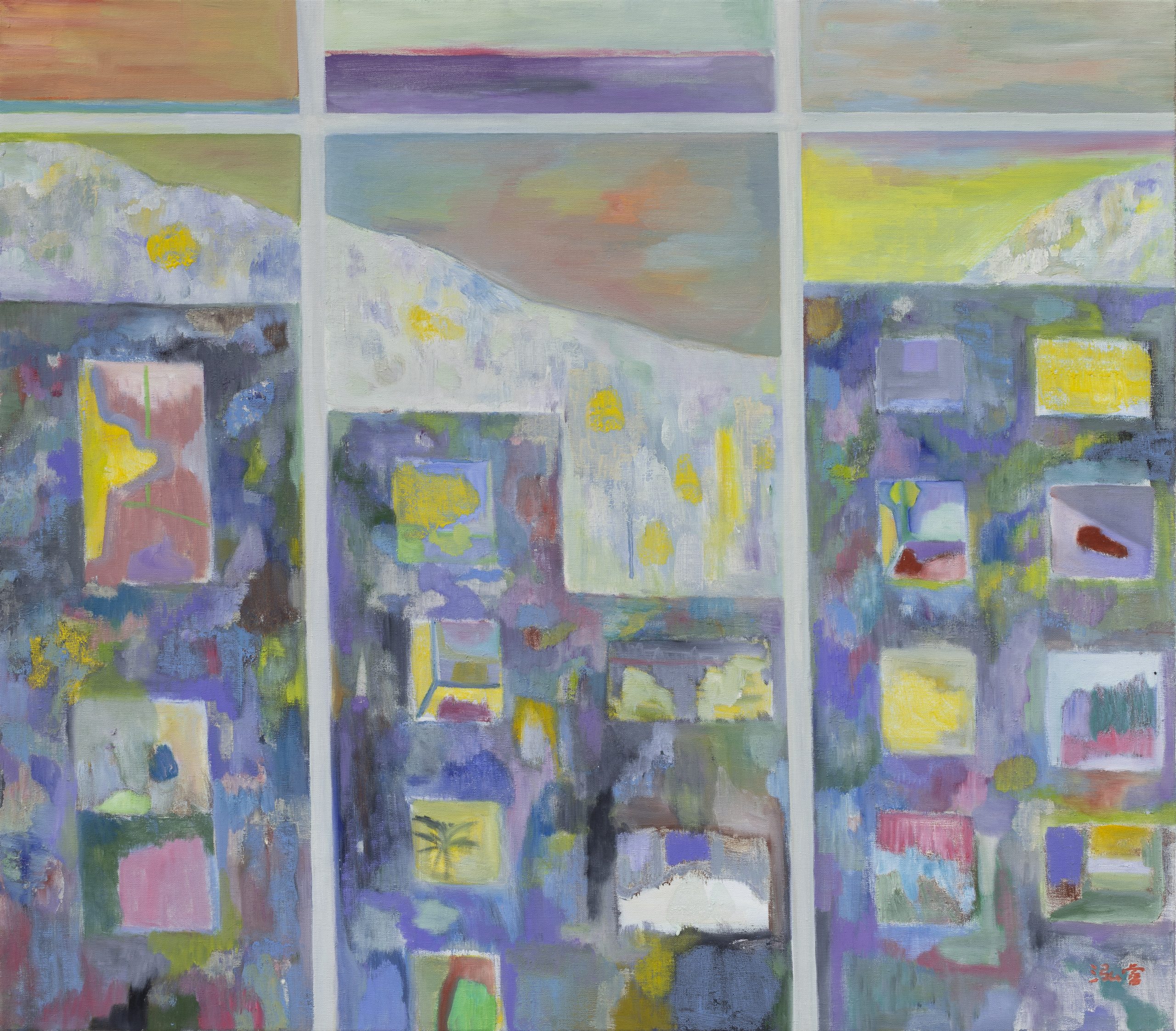
Hongrui Henry Liu
The Window
Oil and pigment on linen canvas
71×81cm
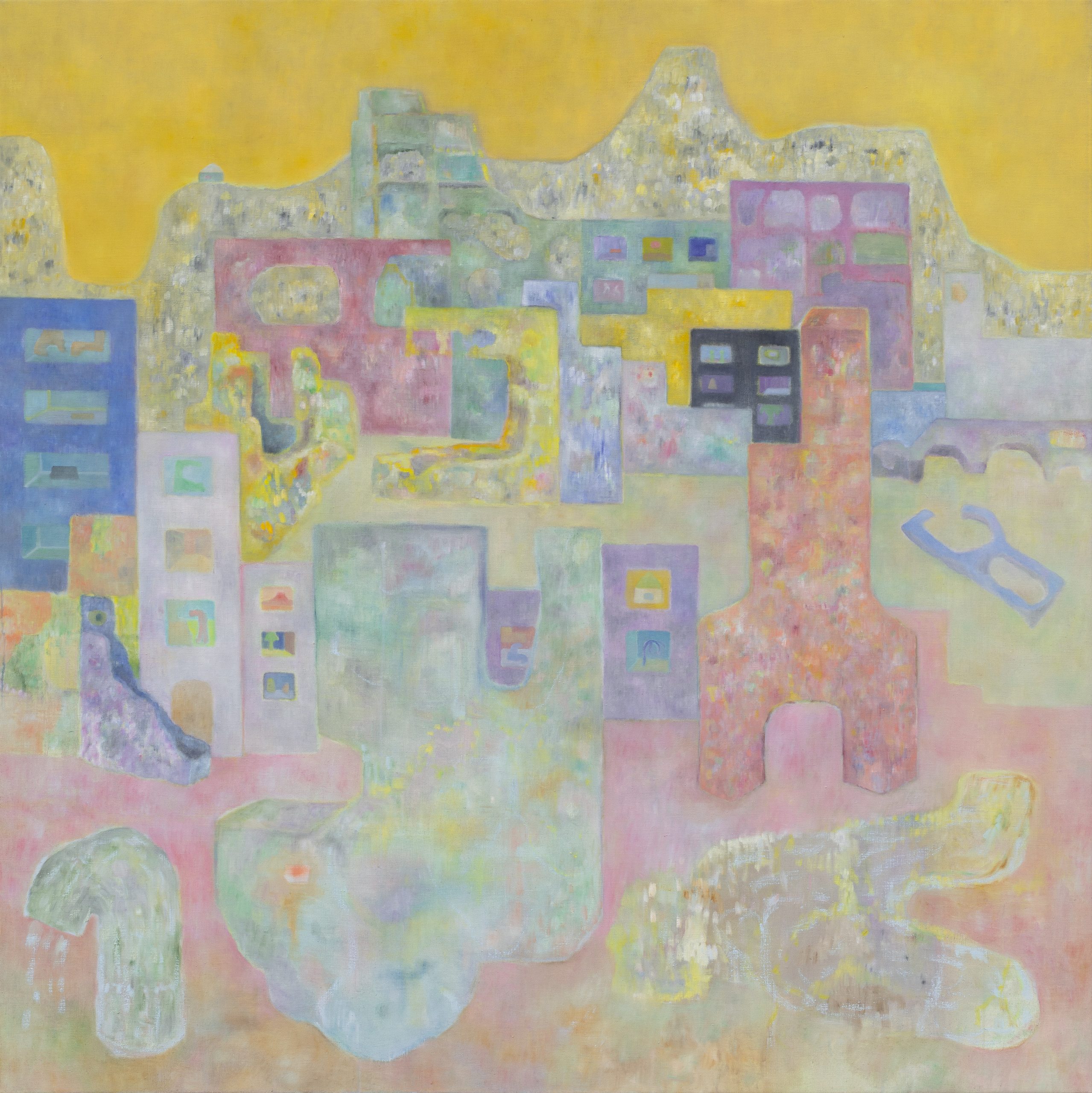
Hongrui Henry Liu
City Echoes
Oil, oil stick and acrylic on linen canvas
150×150cm
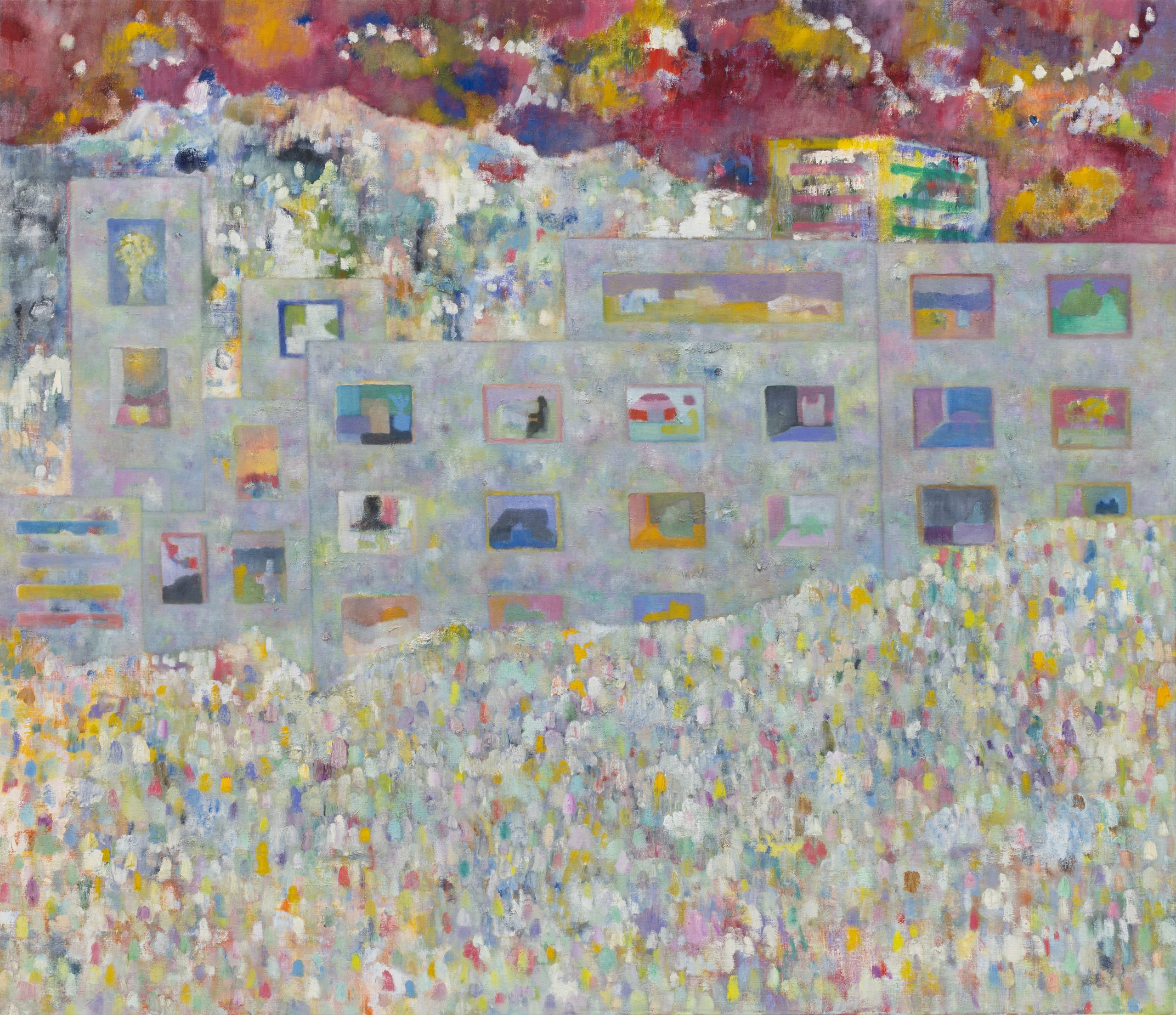
Hongrui Henry Liu
City View
Oil on linen canvas
130×150cm
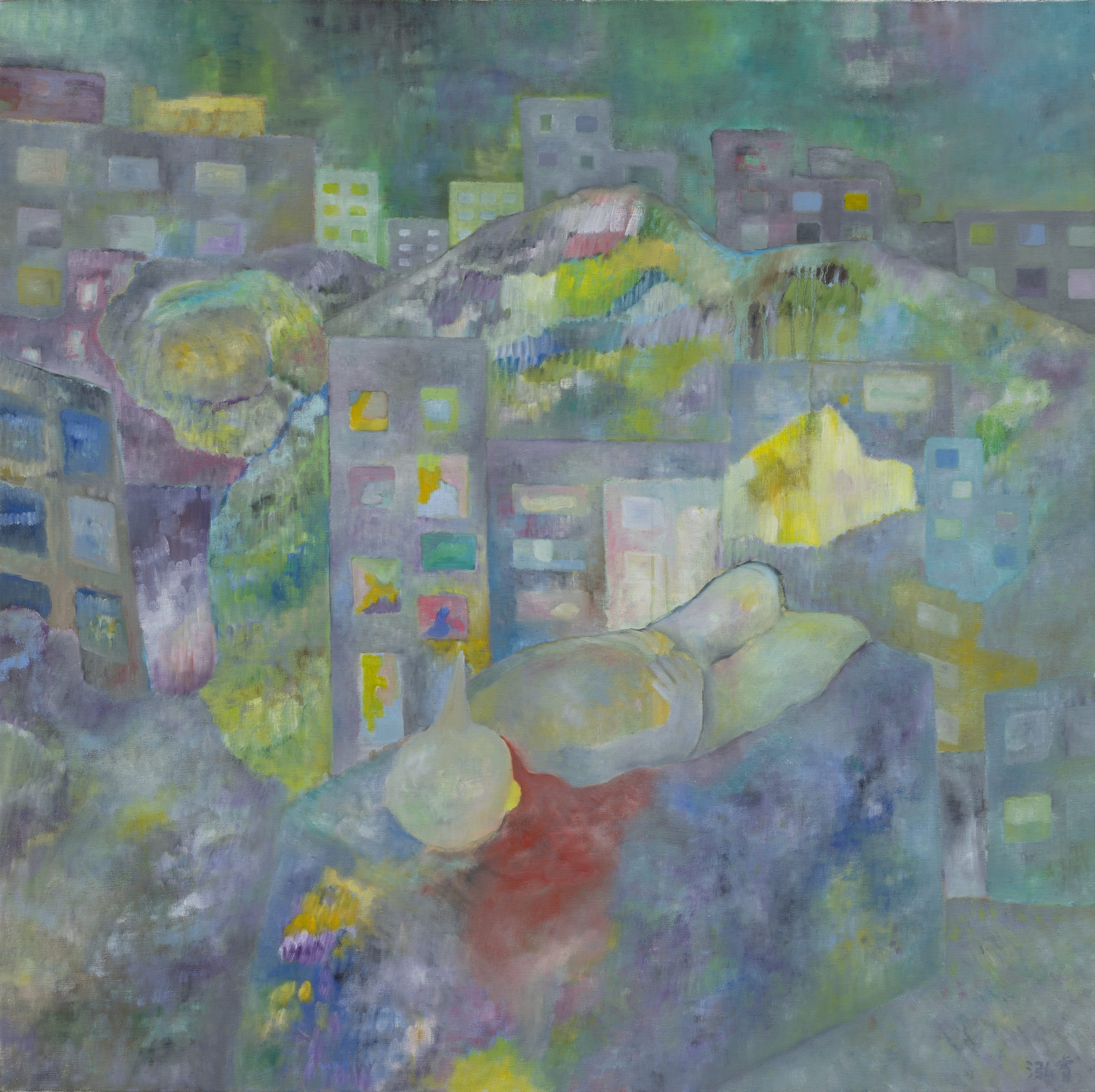
Hongrui Henry Liu
Dejection
Oil on linen canvas
105×105cm
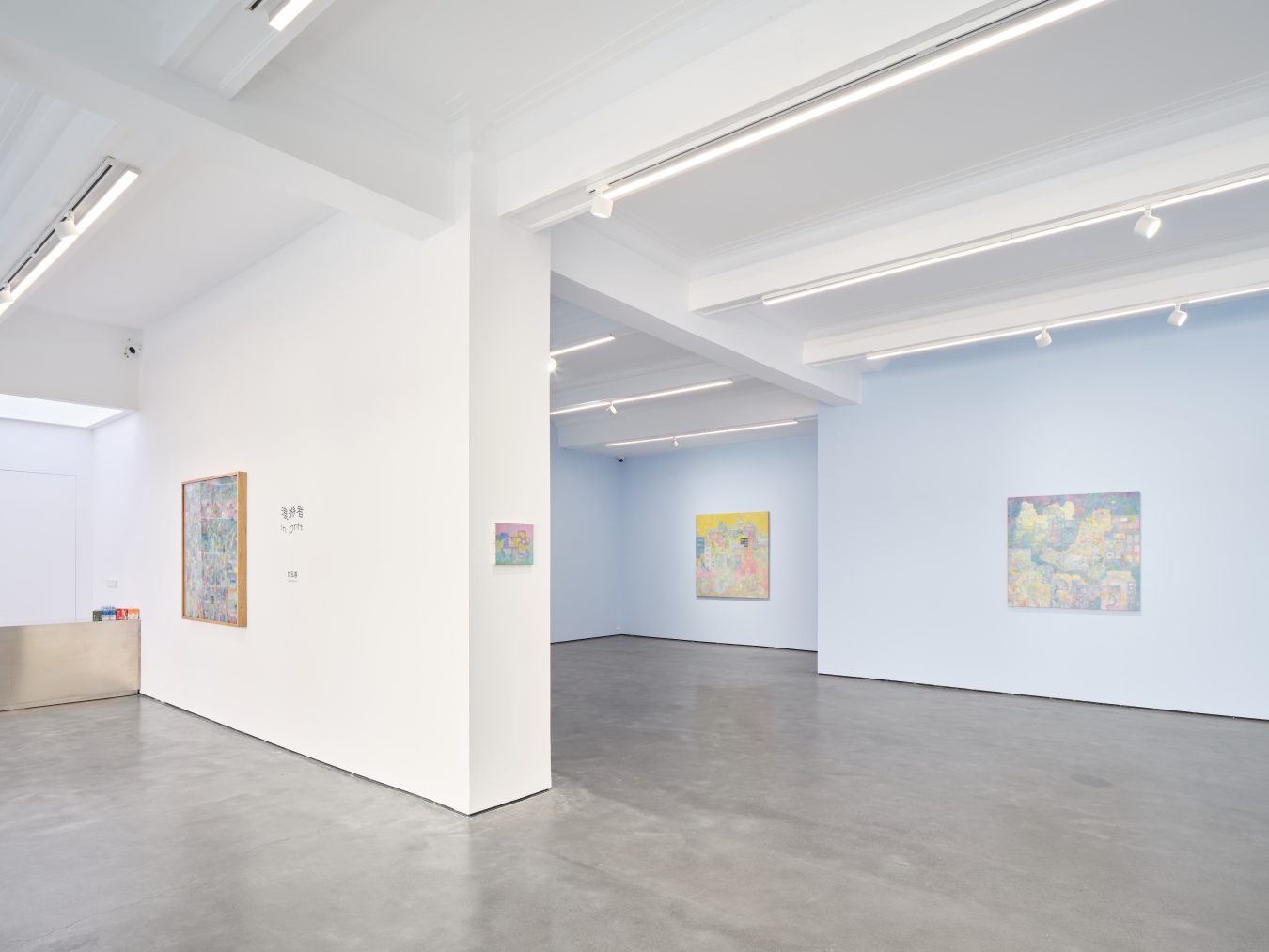
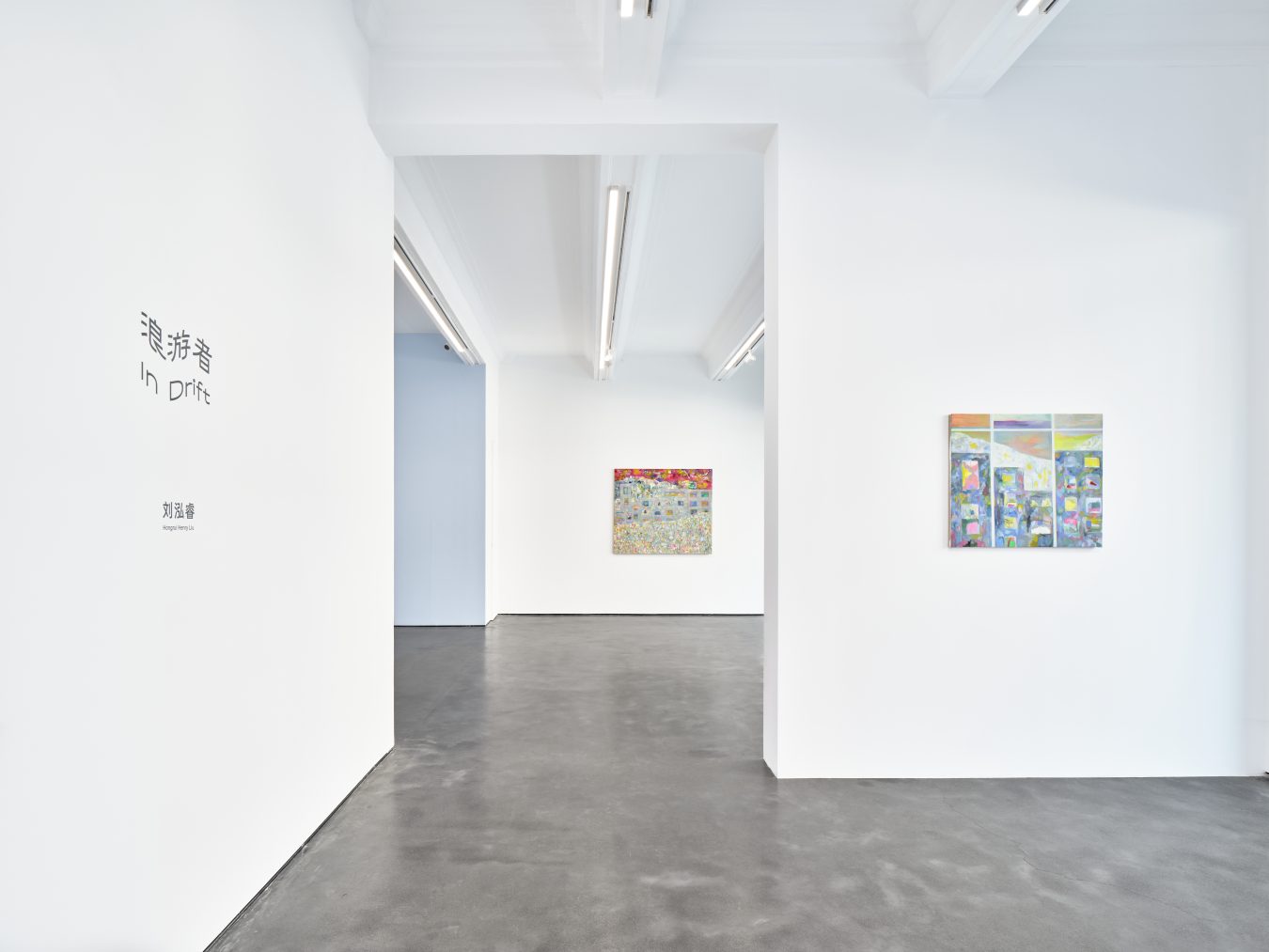
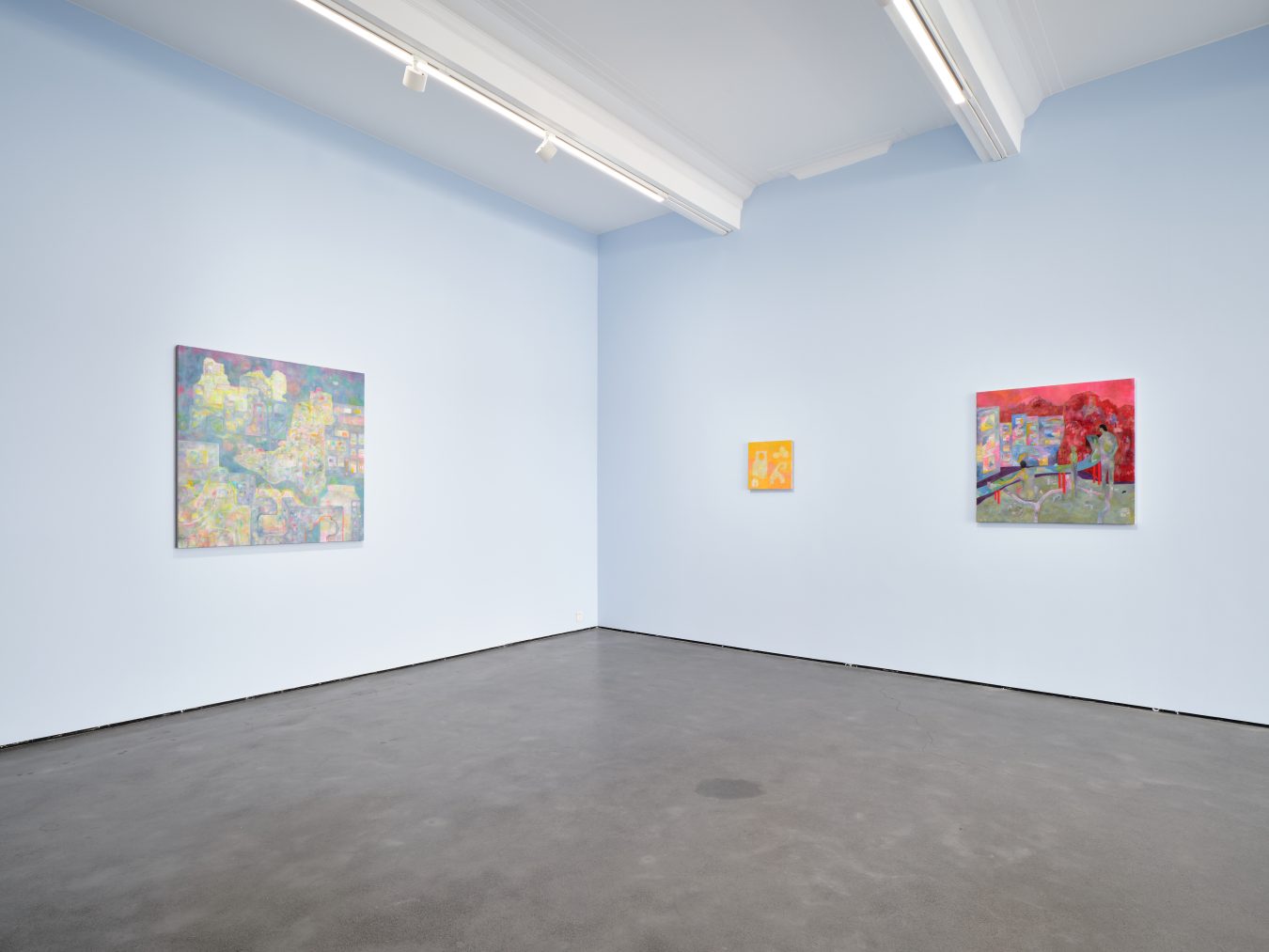
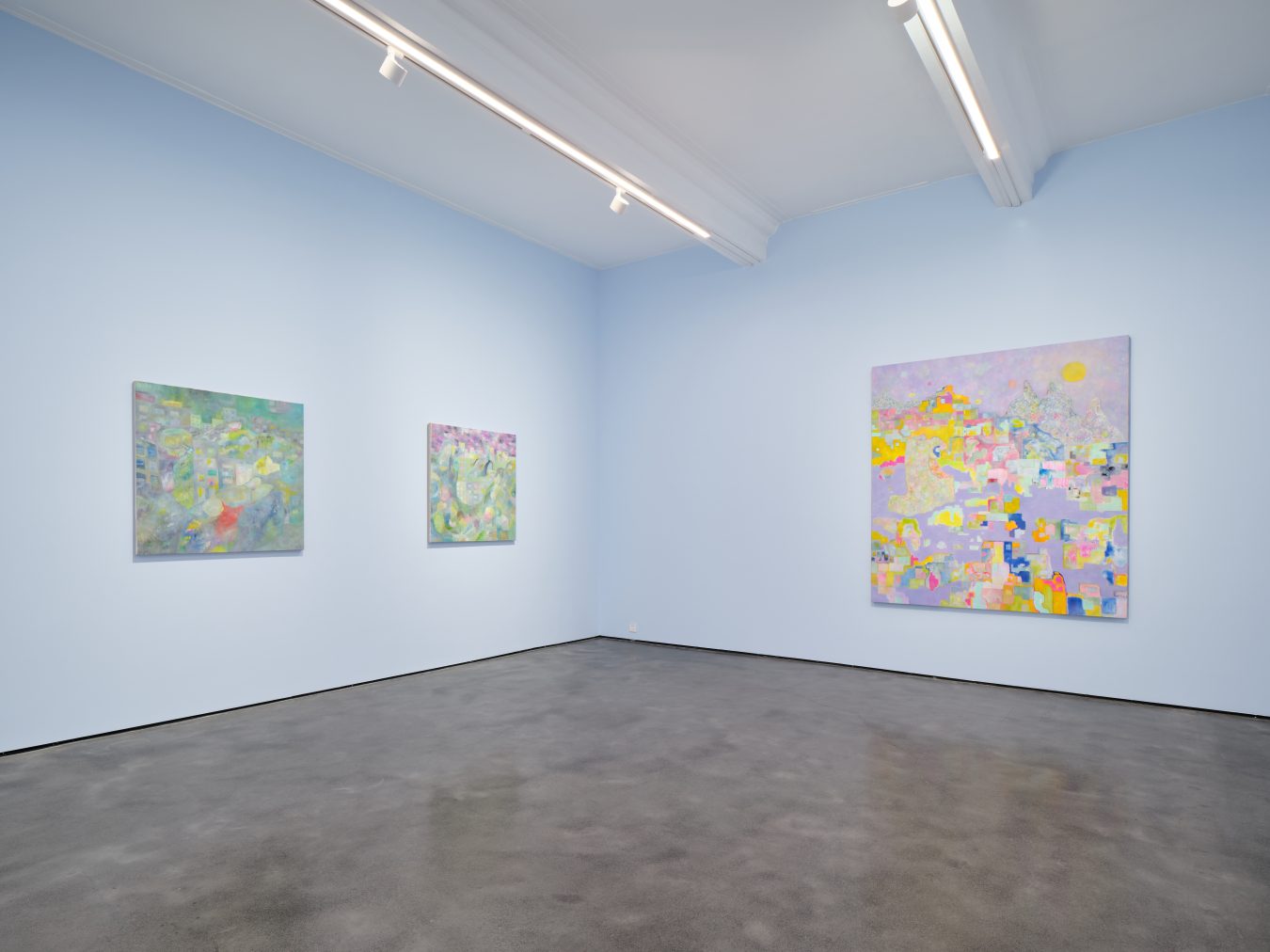
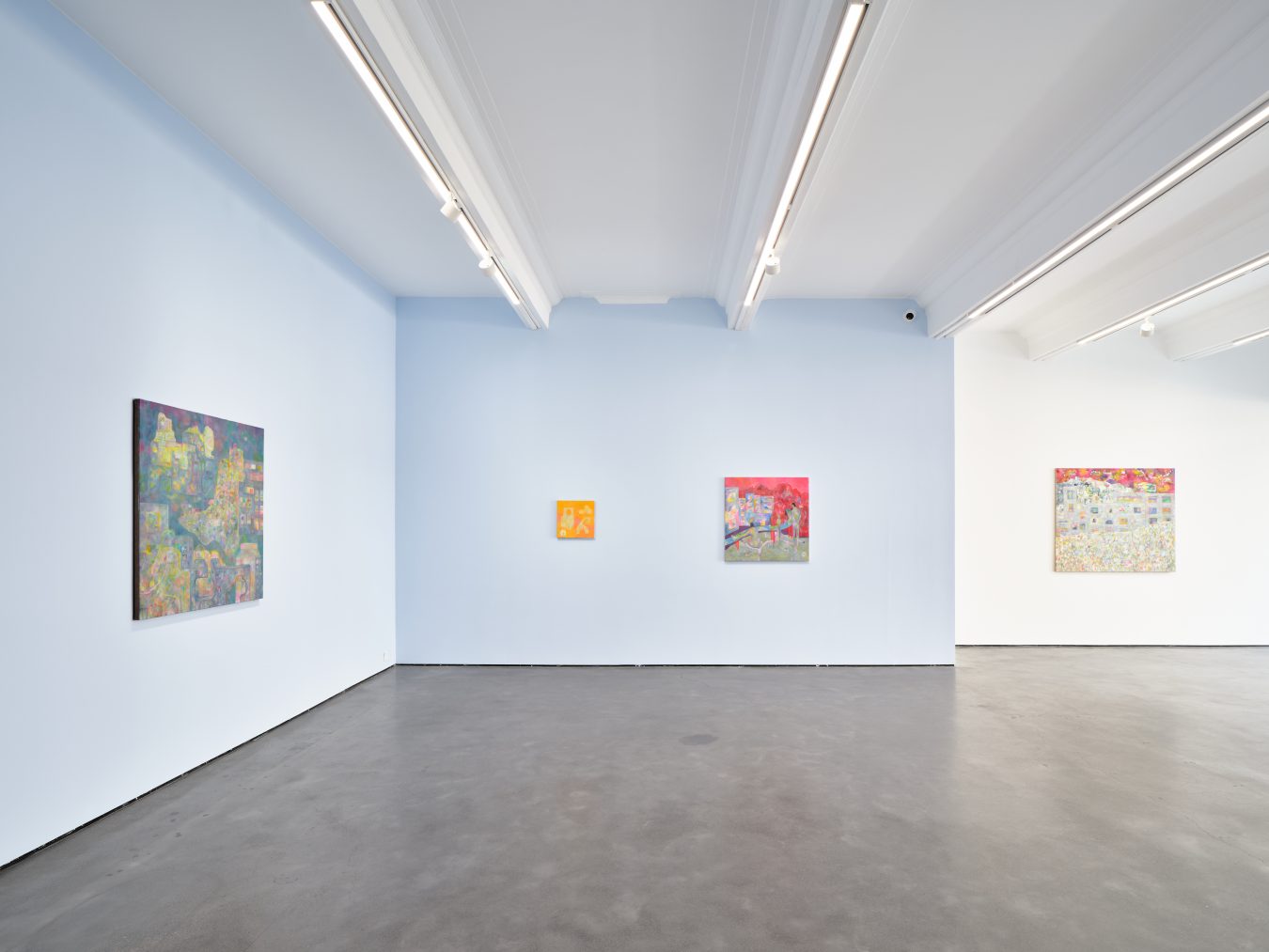
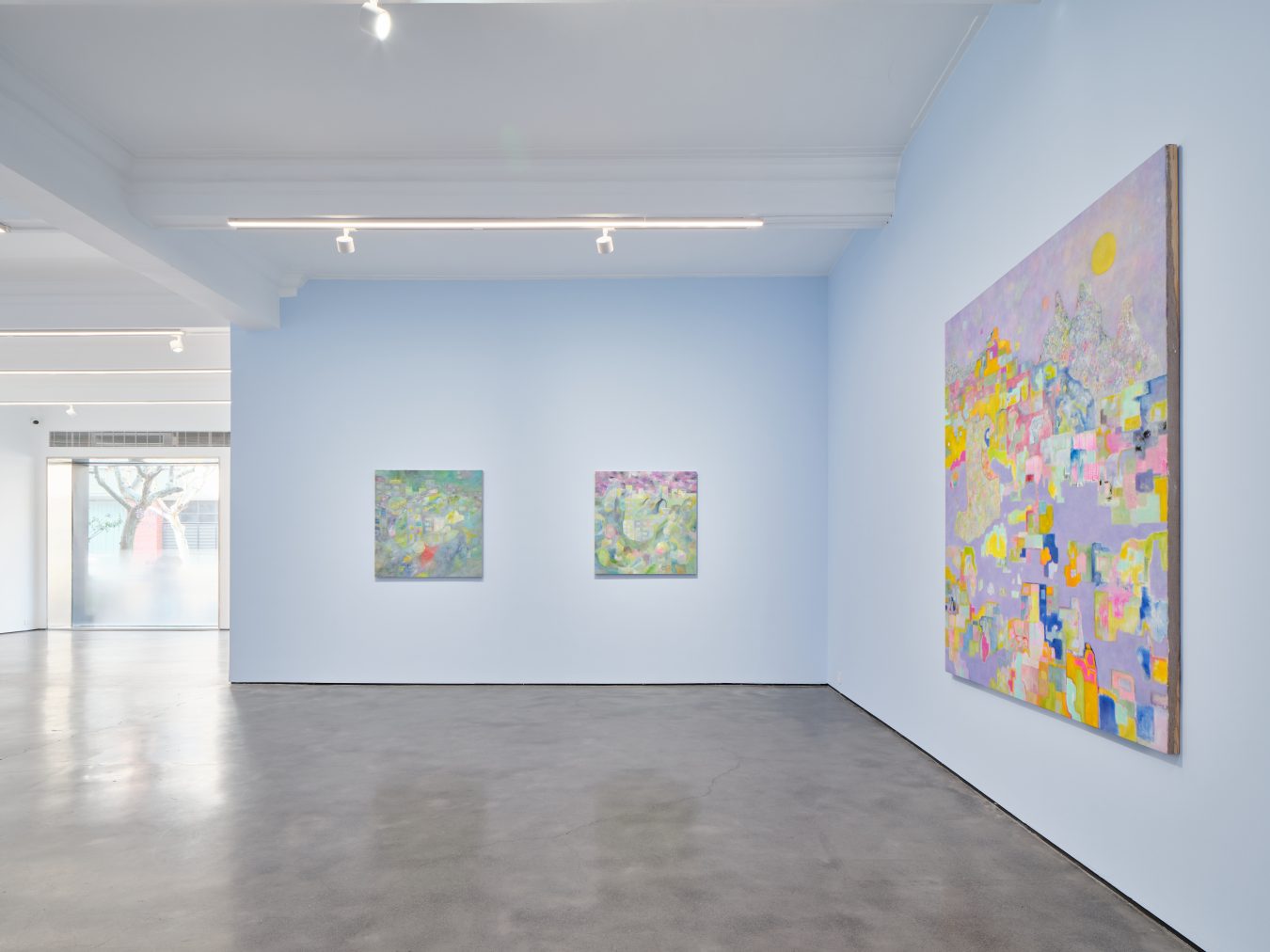
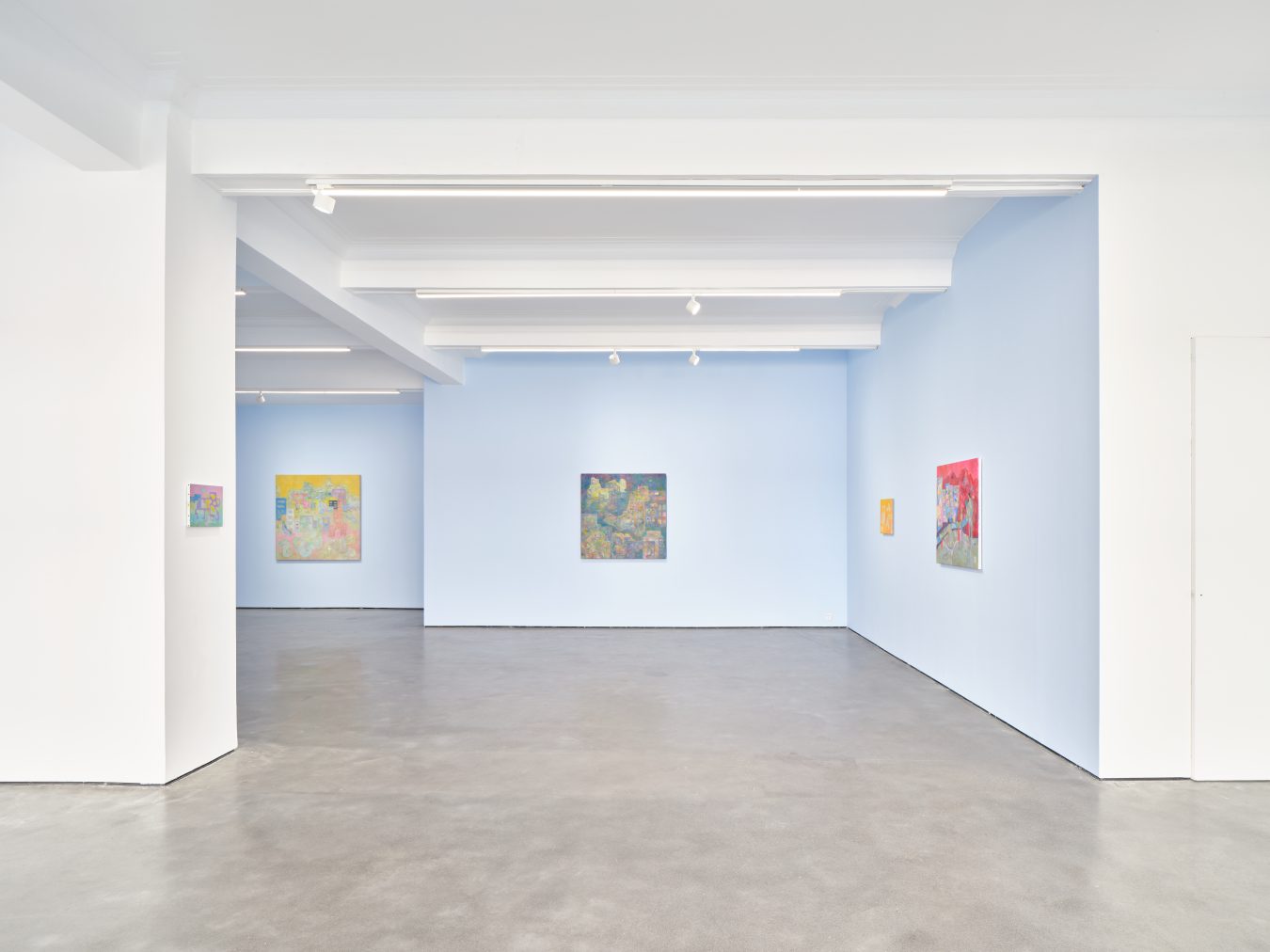
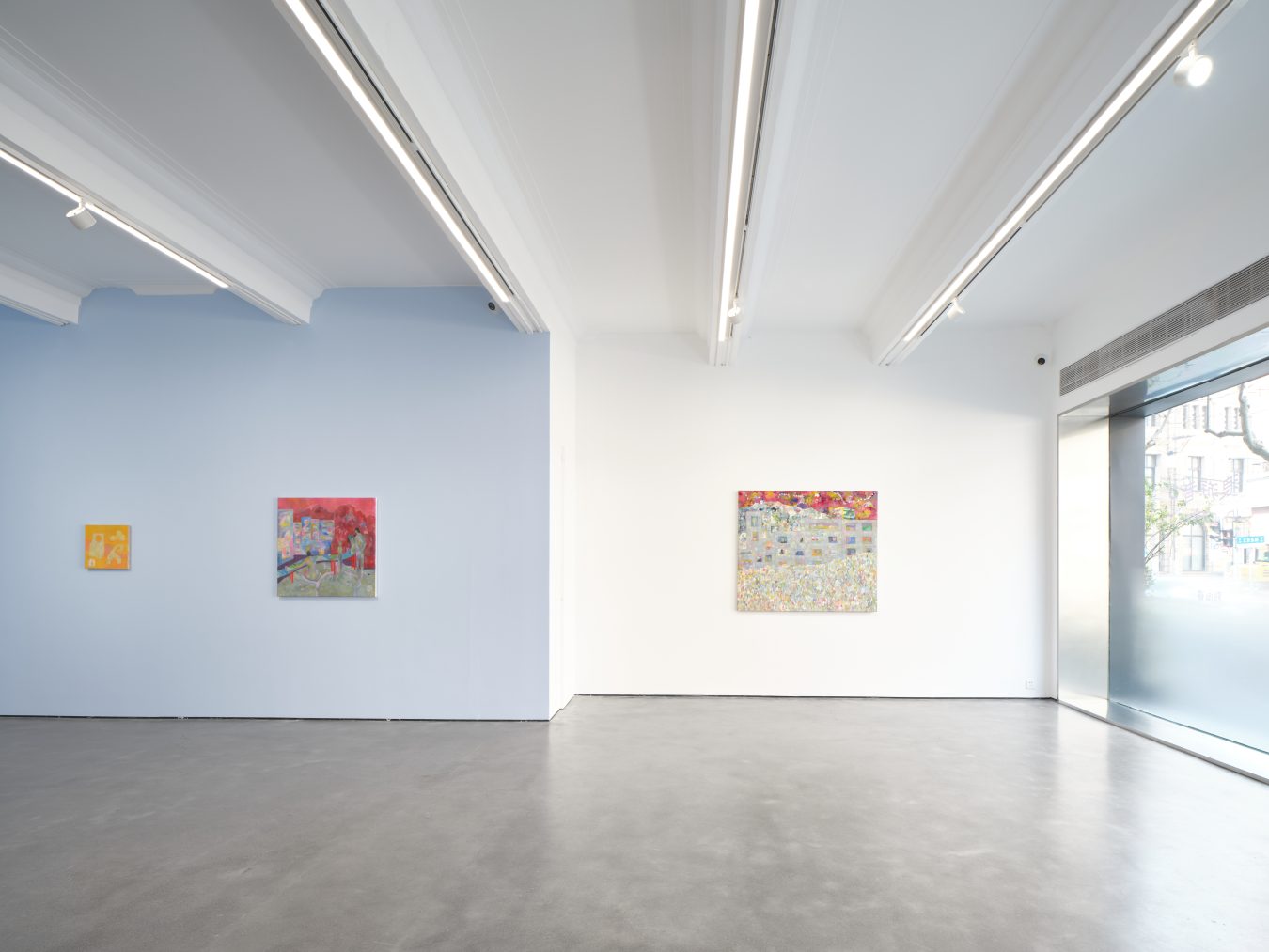
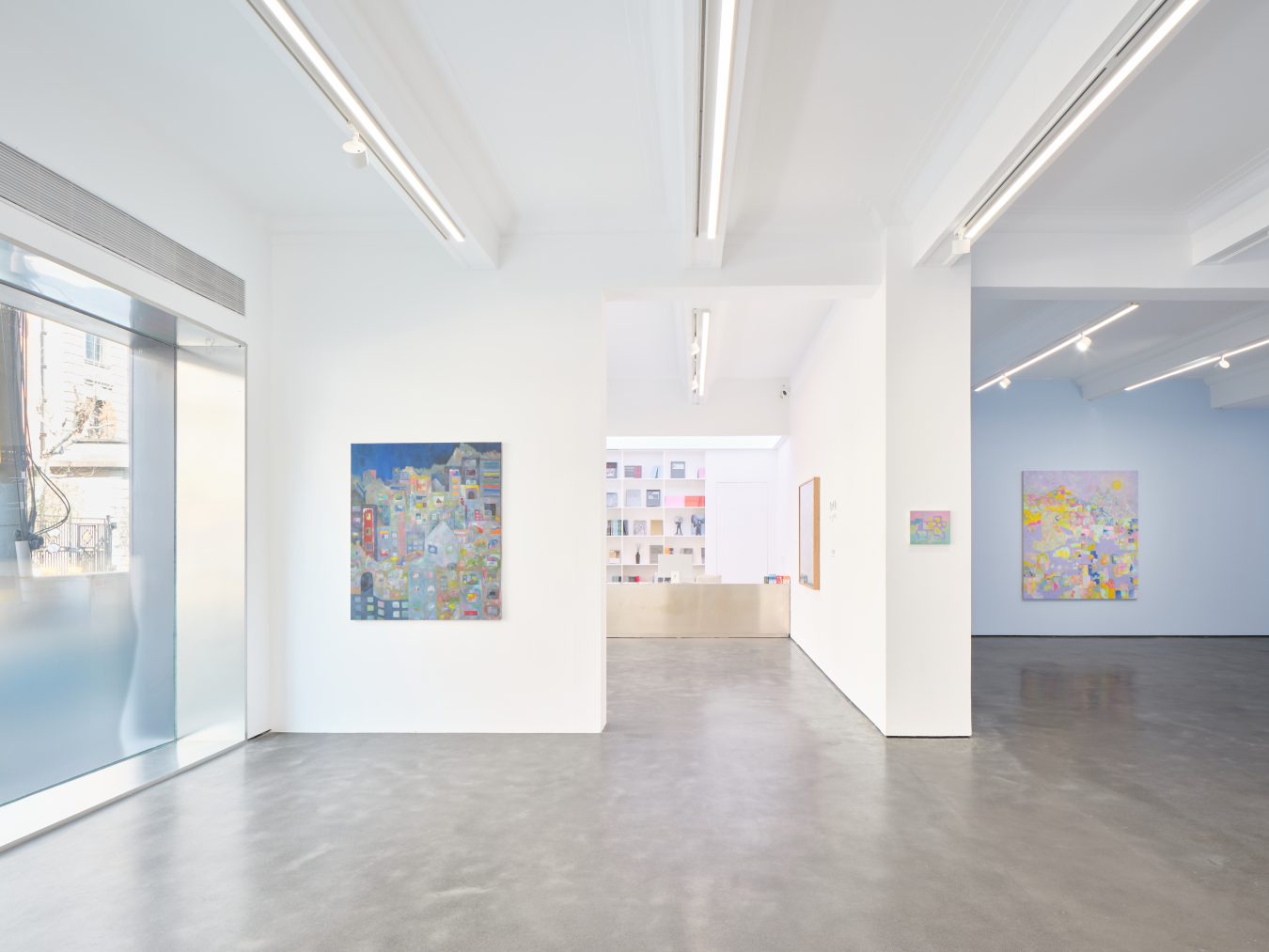
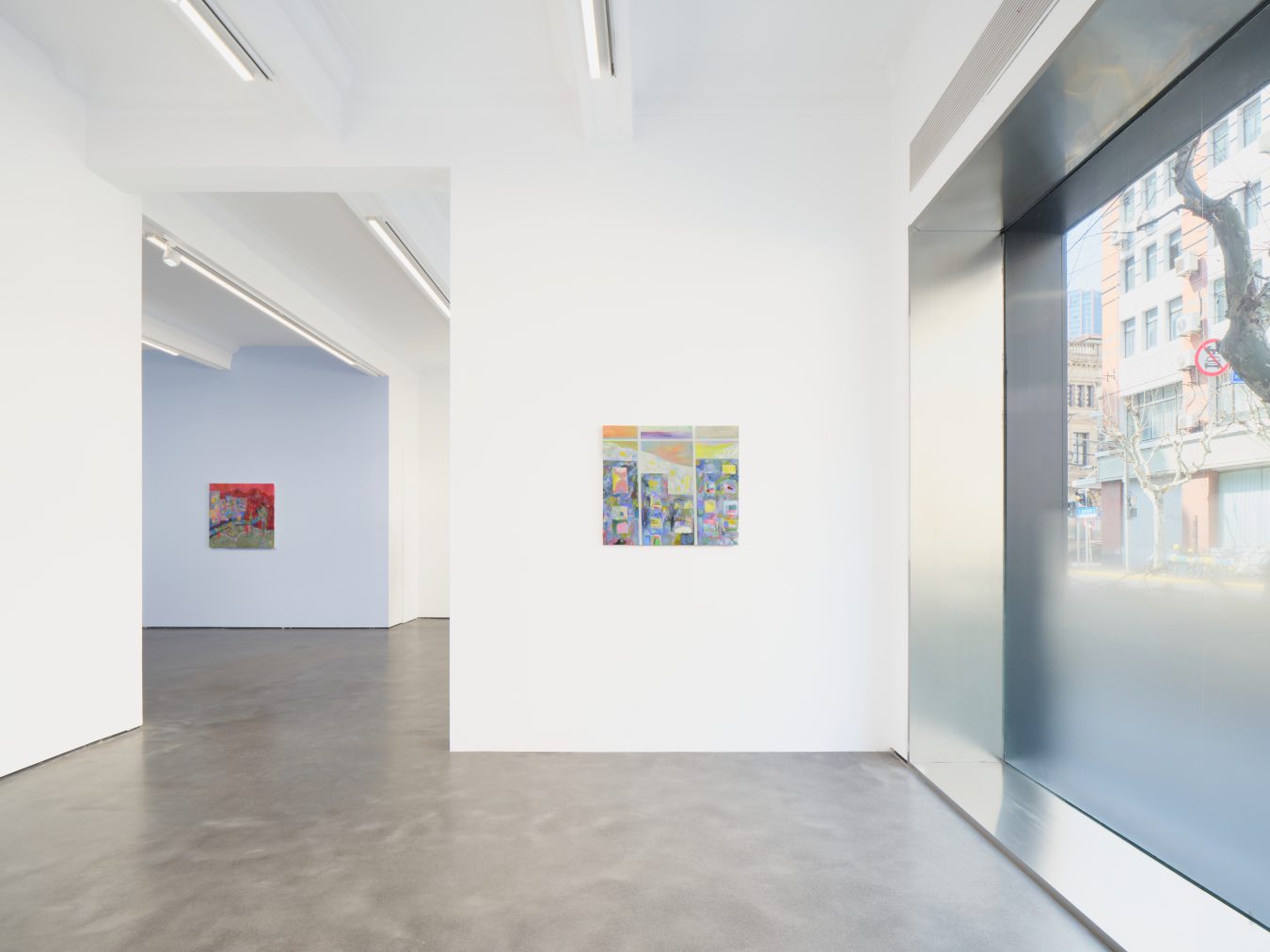
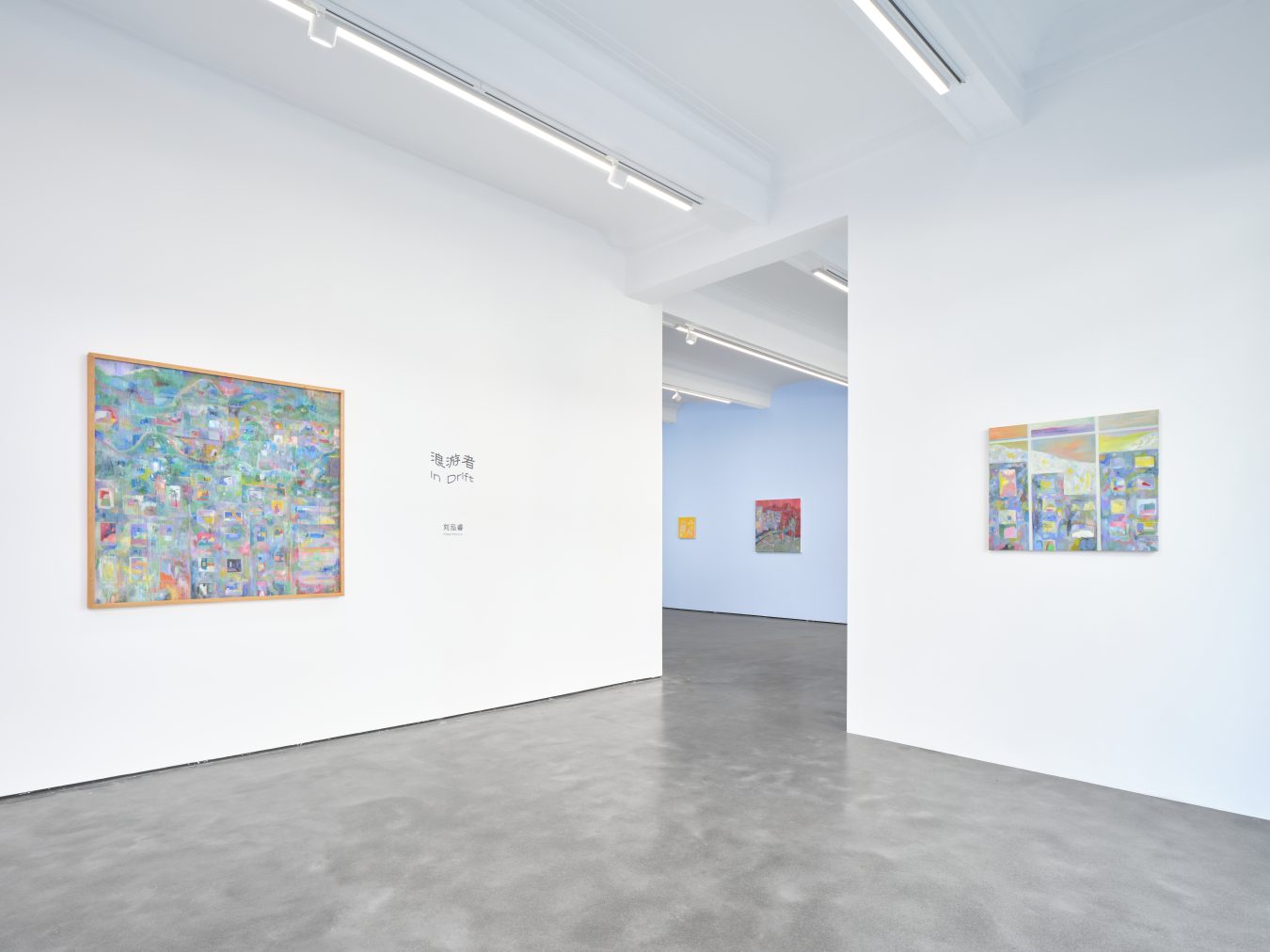
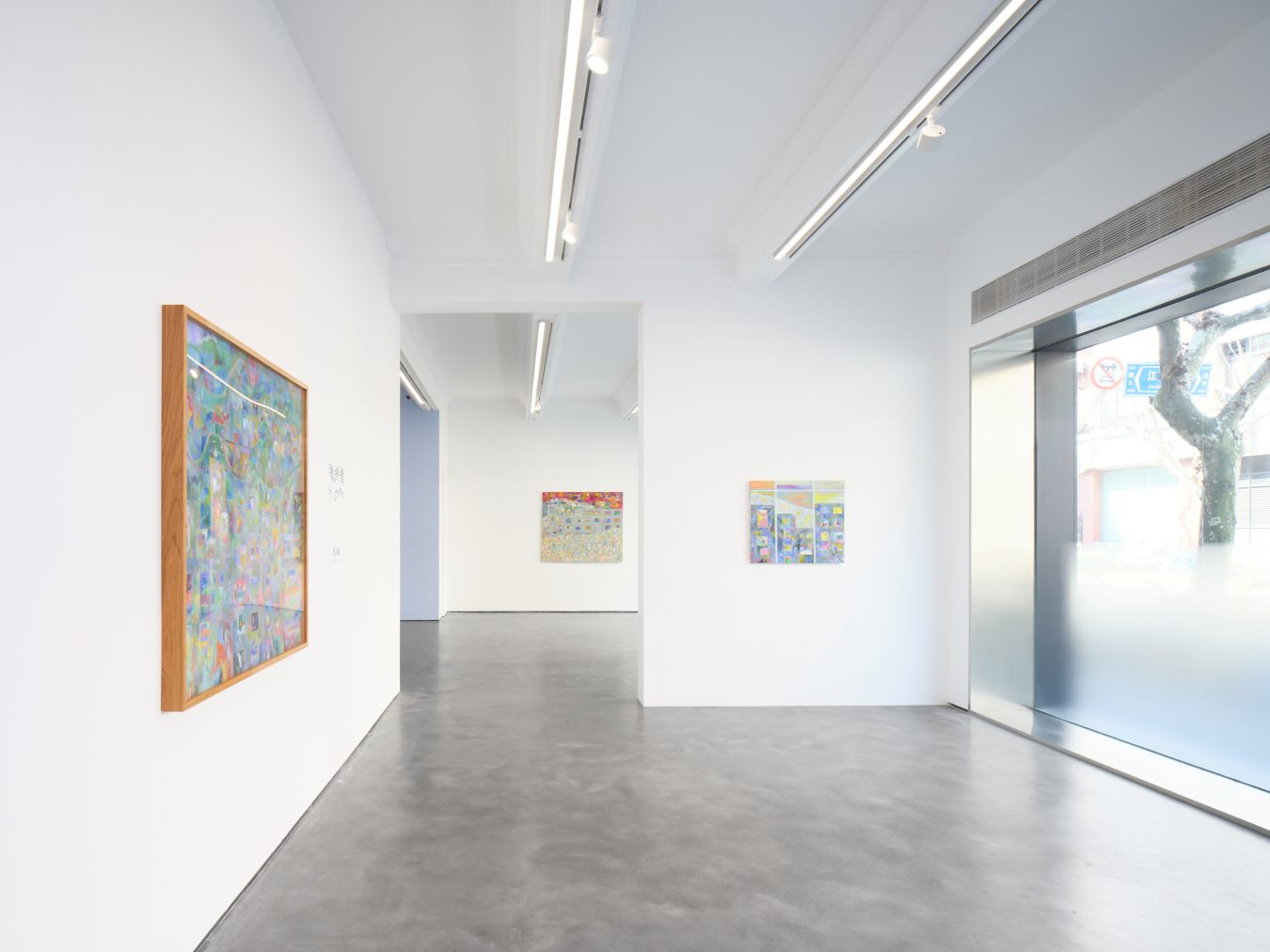
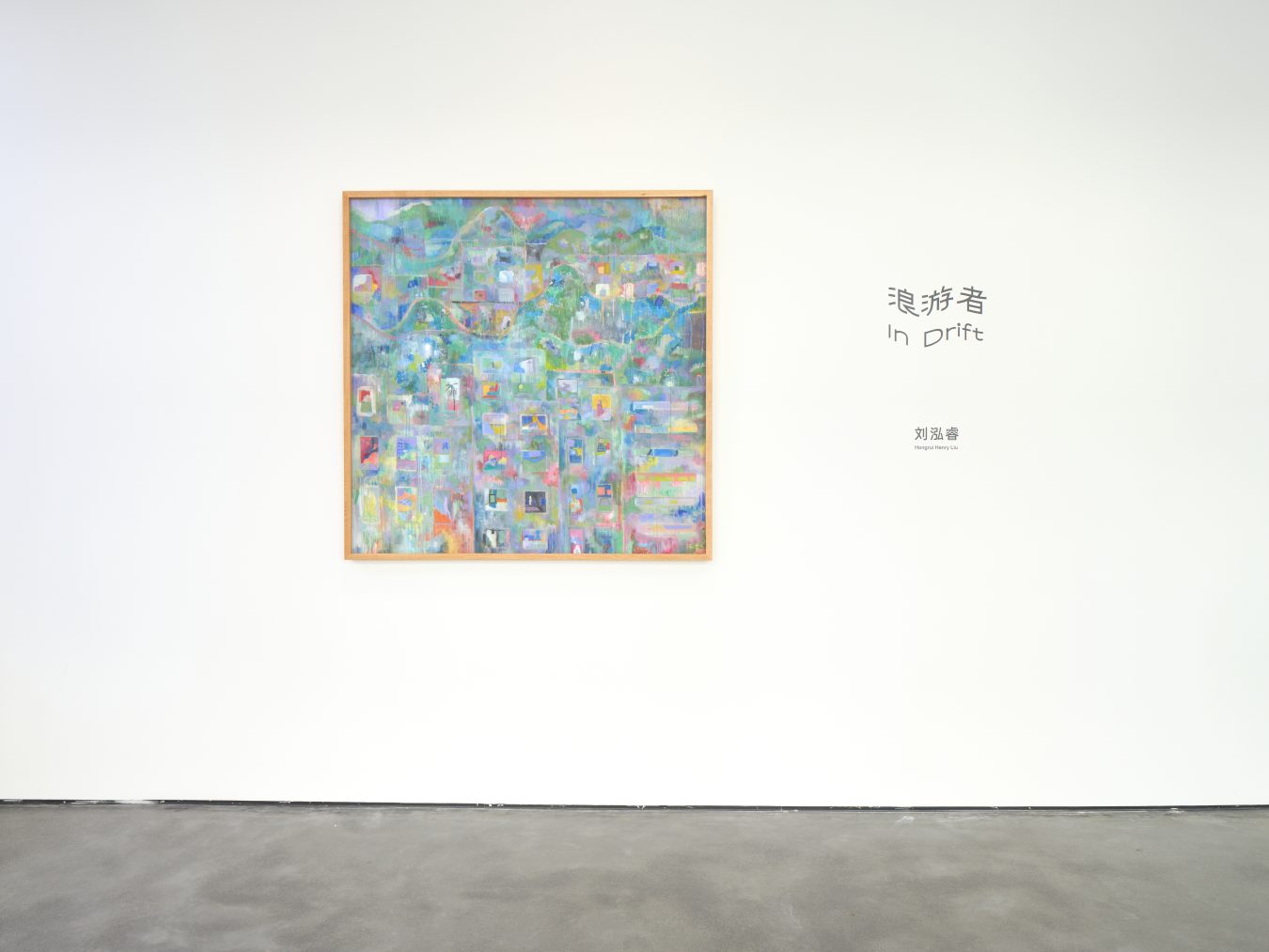
Hive Center for Contemporary Art is pleased to announce Hongrui Henry Liu’s first solo exhibition in China In Drift, opening on March 13, 2026, at Hive – Becoming, Shanghai. As the 61st instalment of the “Hive – Becoming” (HBP) program, this exhibition brings together more than ten of the artist’s latest paintings. Hongrui Henry Liu lives and works in London. Drawing from fragmented urban experiences, his work interweaves architectural, landscape, and bodily elements into a psychological space through the visual language of layering, accumulation, and repetition. With a relaxed yet refined painterly language, he reconstructs the relationships between individual, space, and memory within the context of cross-cultural mobility and existential perspectives. Curated by Xia Xiaoyan, the exhibition will run through April 14, 2026.
Hongrui Henry Liu was born in Shenzhen, Guangdong in 2000 and moved to Hong Kong at the age of seven. He received his undergraduate degree in Fine Art from Central Saint Martins, and later completed postgraduate studies at the Royal College of Art and The Courtauld Institute of Art, spanning contemporary art practice, painting, and art history. Liu’s painting practice is grounded in constructing “relations between differences,” generating an aesthetic mechanism through which connections emerge across differences, making cross-cultural, cross-historical, and cross-subjective understanding possible. Within the rapidly changing modern urban environment, he replaces grand narratives with micro-narratives, focusing on the inner world of the individual—alienation, desire, and the need to be understood—while constructing a psychological space of existence through visual language.
The term “ in drift ” draws upon the figure of the flâneur discussed by Charles Baudelaire and Walter Benjamin, yet it exceeds a mere mode of physical movement and instead describes a structure of being-in-the-world. The drifter wanders among urban crowds and streets, not aiming at arrival but lingering in observation and experiencing through suspension; both immersed in the city and maintaining distance from it, the drifter is at once spectator and reader of the spectacle of modernity. The rise of the modern metropolis places the individual within continuous stimuli composed of speed, commodities, and images. Experience thus becomes fragmented, appearing as episodes, encounters, and fleeting perceptions. In the contemporary context, the drifter acquires new meaning: amid global mobility, identity migration, and cultural interweaving, individuals remain in prolonged states of transition. Belonging no longer points to a fixed location but becomes an ongoing process of generation. People move among different cultures and memories, continually assembling their experiences across ruptures.
By titling the exhibition “In Drift,” the artist does not refer to concrete geographic movement but to a condition of existence: how the individual senses their position and its relation within an unstable world and how continuity of experience and memory may be established within fragmented reality. Through painting, Liu translates this drifting into visual form. The fragments, overlays, and recessions within his works resemble flashes of memory, reconstructing the relationships among environment, individual, and viewer within fragmentation. His overseas study and life have kept him in a state of cross-cultural mobility, shaping his sensitivity to space and prompting reflection on identity, belonging, and memory. His paintings record this sense of displacement and wandering while also rebuilding connections with the notion of “home”, exploring the links between history, culture, and individual existence within a globalised context. The movement of brushstrokes, the generation of forms, and the unfolding of space continually deviate from predetermined structures, keeping the image open-ended. Meaning does not preexist; rather, it gradually forms in the act of viewing. The viewer, too, becomes a drifter, moving along visual paths and establishing their own perceptual order within ambiguity.
In his paintings, mountains and rivers, stars and planets are drawn into scenes of human dwelling. The image departs from a sea of noise. Through the process of layering and accumulation, he generates a spiritual topography that is neither natural landscape nor man-made buildings. By relinquishing an urge to likeness and the idea of a pre-defined architectural image, Hongrui Henry Liu experiments through painting the possibility of coexistence between human beings and the earth, allowing experience and memory to fracture and regenerate within form. As his practice evolved, he recognised the potential to introduce the element of the “body” into his work—not a figurative human form, but an abstract, superstructural concept of the body: the softness of flesh, the curvature of joints, the permeability of skin, and a sense of vulnerability before time. Through sculptural forms, he carries into these forms his approach to difference, stacking experiences of difference within the bodily vessel, while abstractly articulating the relationships between body and spirit, individual and environment In terms of brushwork, he emphasises looseness and spatial openness, avoiding excessive rework in order to preserve the vitality and balance of the image.
Under conditions of fragmentation and ephemerality, Hongrui Henry Liu reconstructs a continuity of memory and experience through painting, exploring modes of both individual and collective becoming within the context of global mobility. The exhibition In Drift does not point to geographical wandering but articulates an ontological stance: to remain open amid instability, to sustain reconstruction within rupture. Space becomes a dynamic construction; identity unfolds as a fluid process; a world gradually emerges from reconstructed fragments. Hongrui Henry Liu’s paintings traverse the notions of home and elsewhere, incorporating the tensions between urban environment, landscape, and human presence into a unified visual structure. Through these works, Liu evokes the spiritual condition of the contemporary drifter.