

Meng Qingjun
2025
Acrylic on cotton-linen, mounted on wood panel
110×80cm
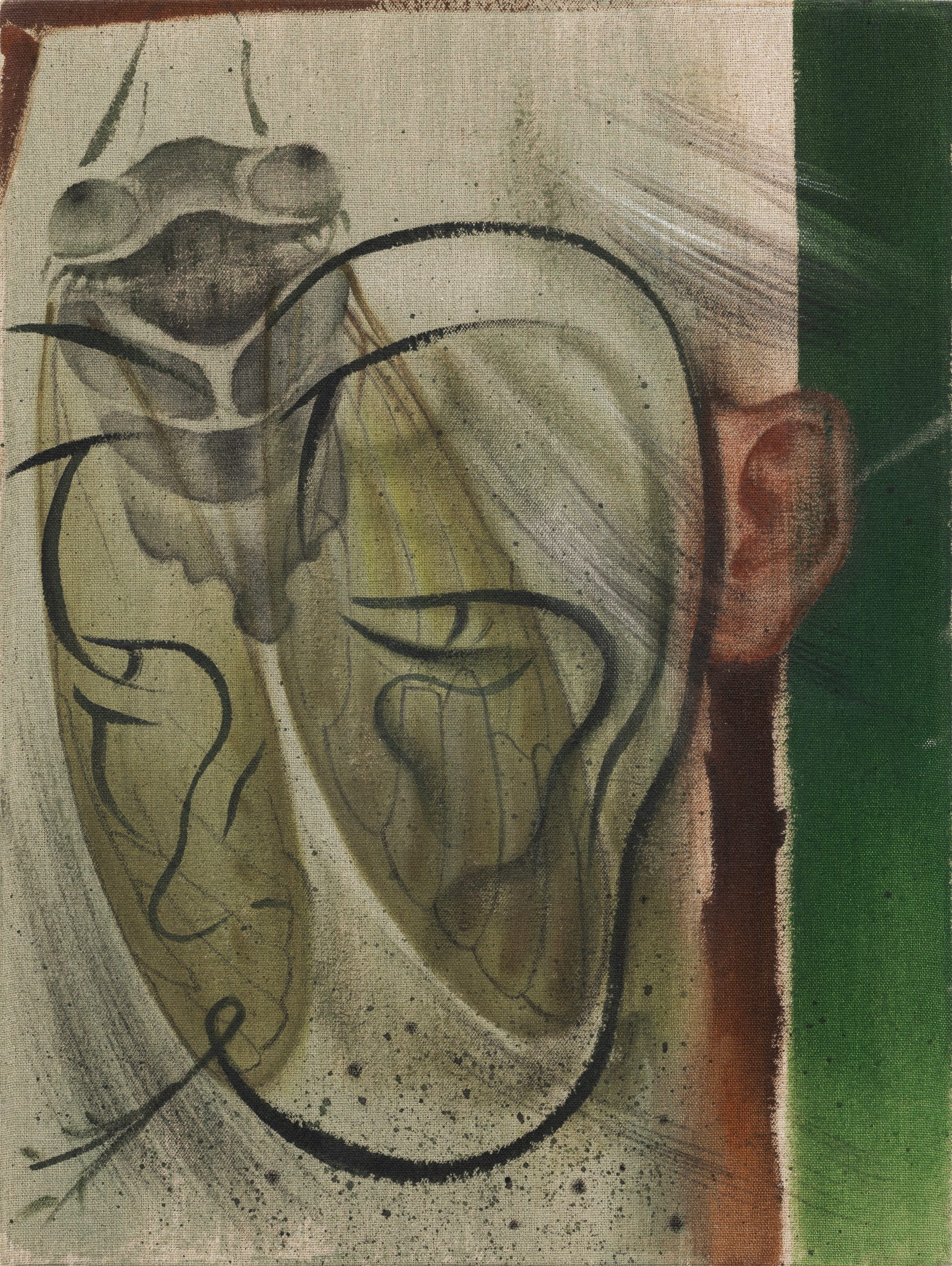
Meng Qingjun
2025
Acrylic on cotton-linen, mounted on wood panel
40×30cm
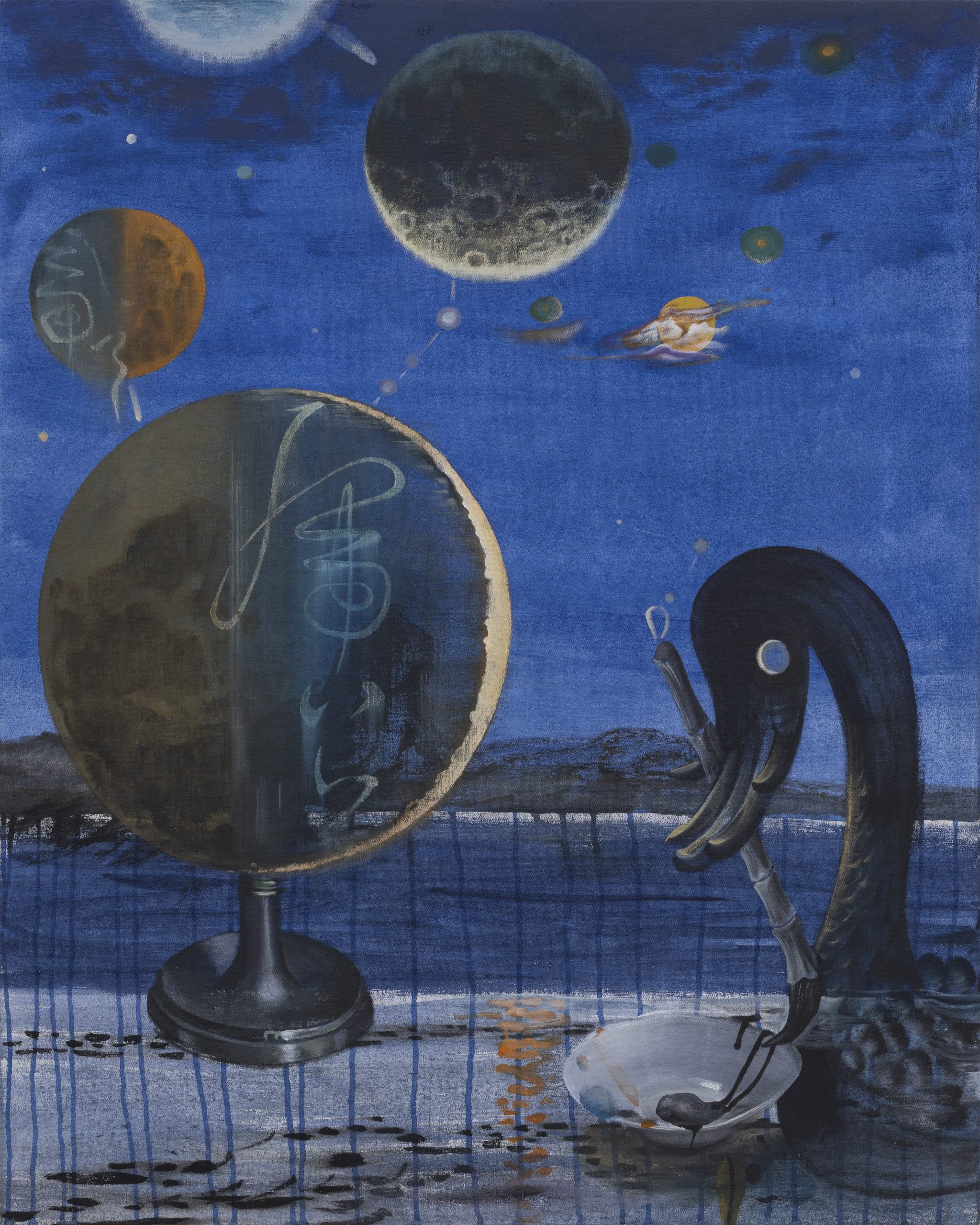
Meng Qingjun
2025
Acrylic on cotton-linen, mounted on wood panel
100×80cm
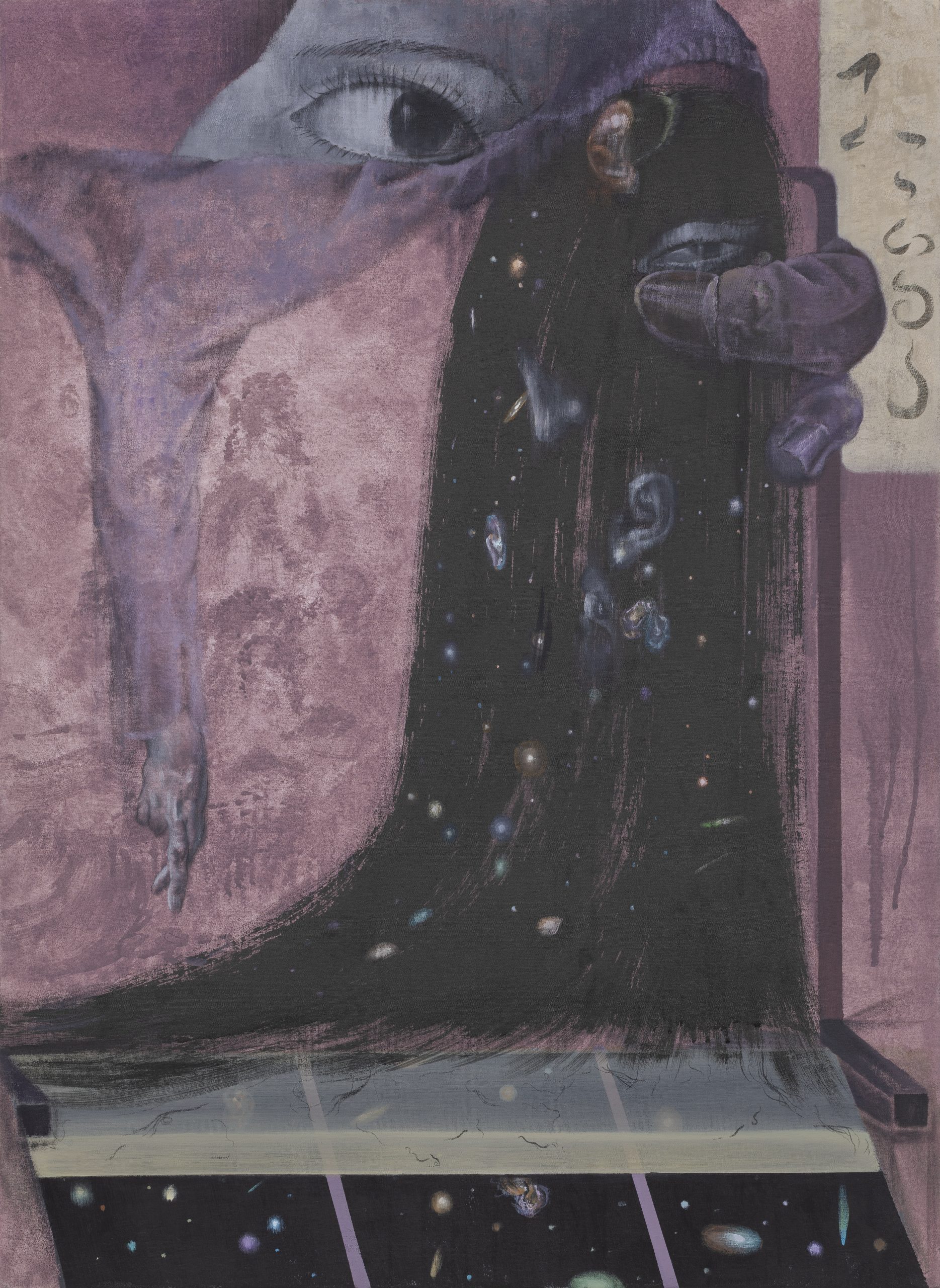
Meng Qingjun
2025
Acrylic on cotton-linen, mounted on wood panel
110×80cm
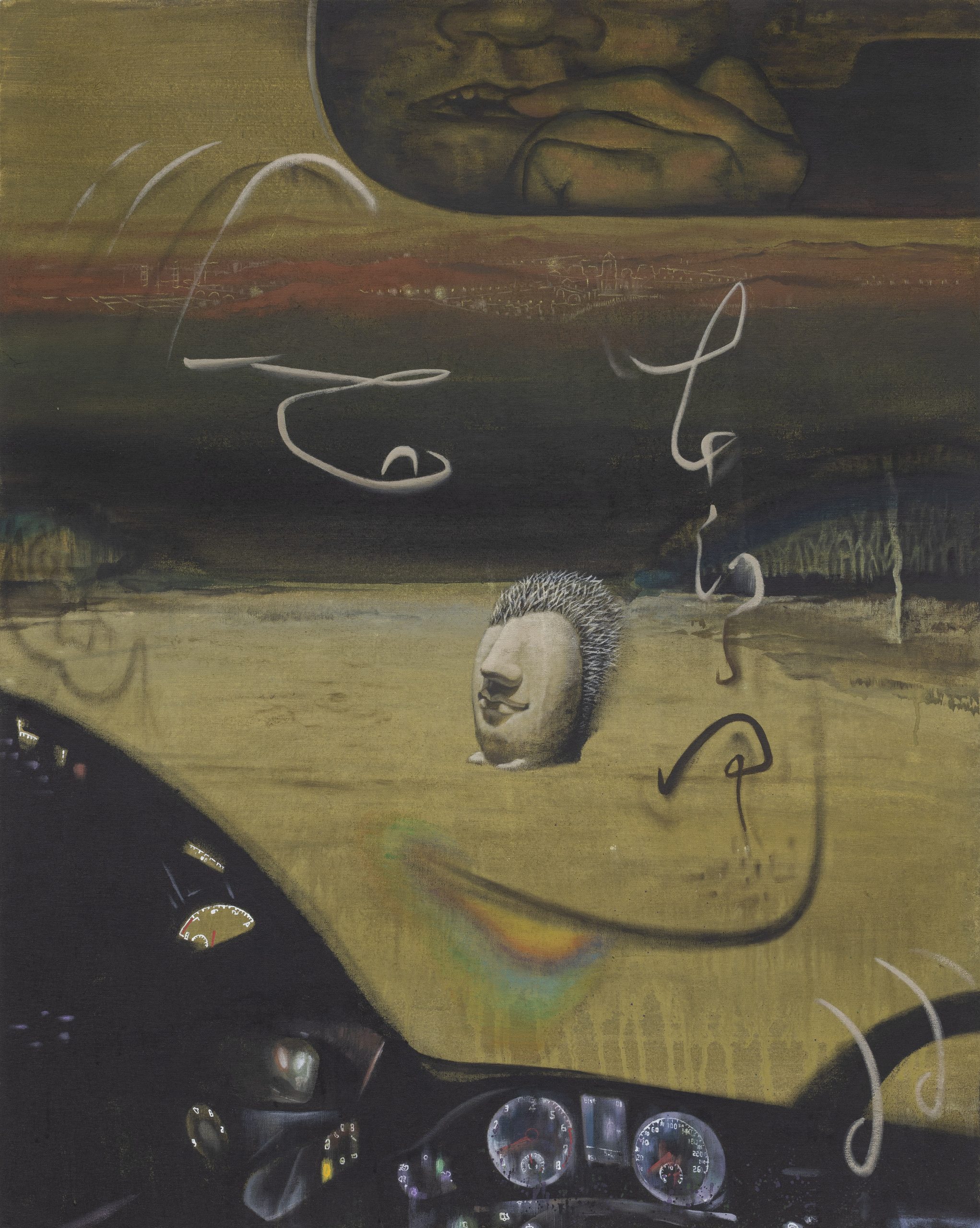
Meng Qingjun
2025
Acrylic on cotton-linen, mounted on wood panel
100×80cm

Meng Qingjun
2025
Acrylic on cotton-linen, mounted on wood panel
40×30cm

Meng Qingjun
2025
Acrylic on cotton-linen, mounted on wood panel
100×70cm

Meng Qingjun
2025
Acrylic on cotton-linen, mounted on wood panel
80×60cm
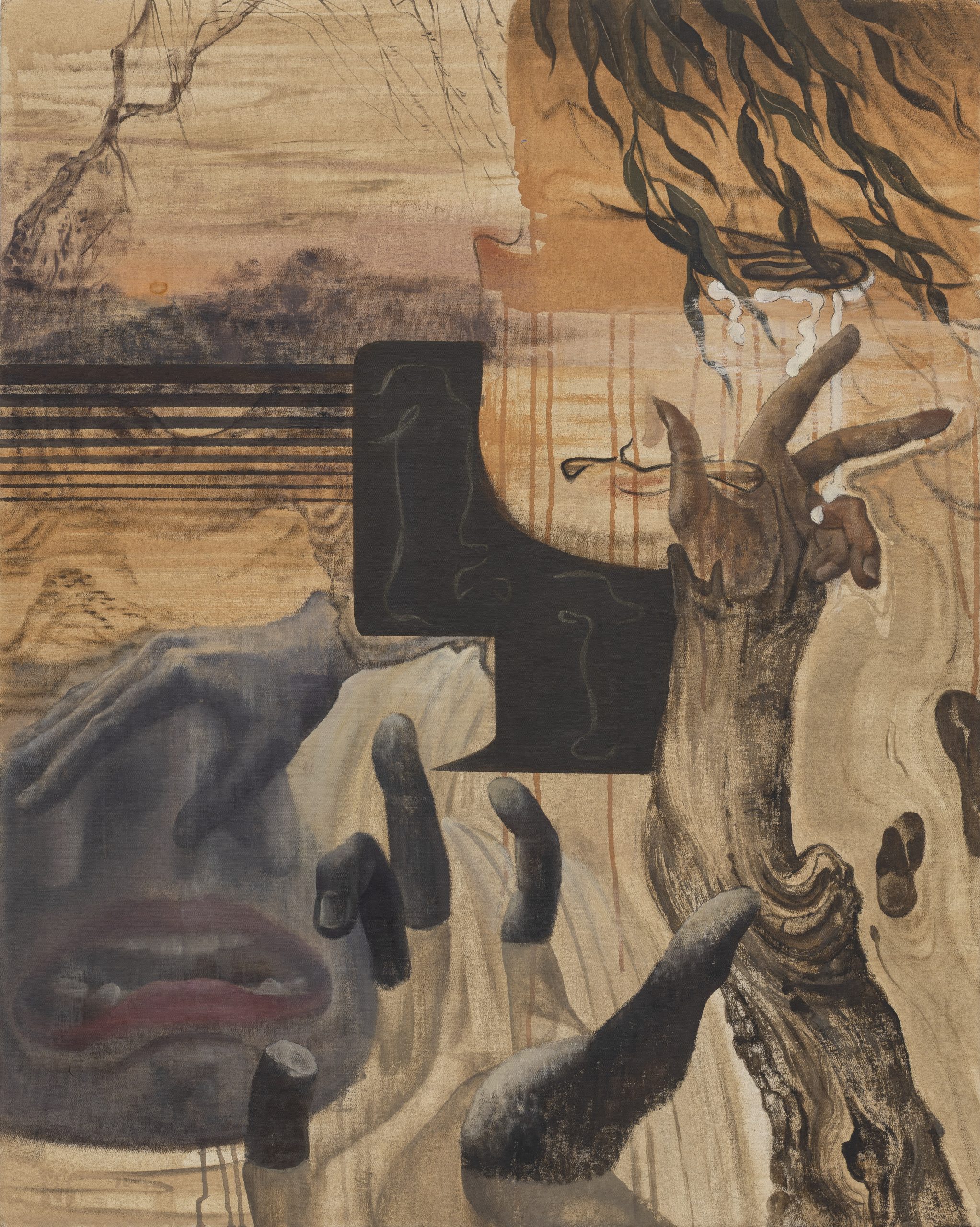
Meng Qingjun
2025
Acrylic on cotton-linen, mounted on wood panel
100×80cm
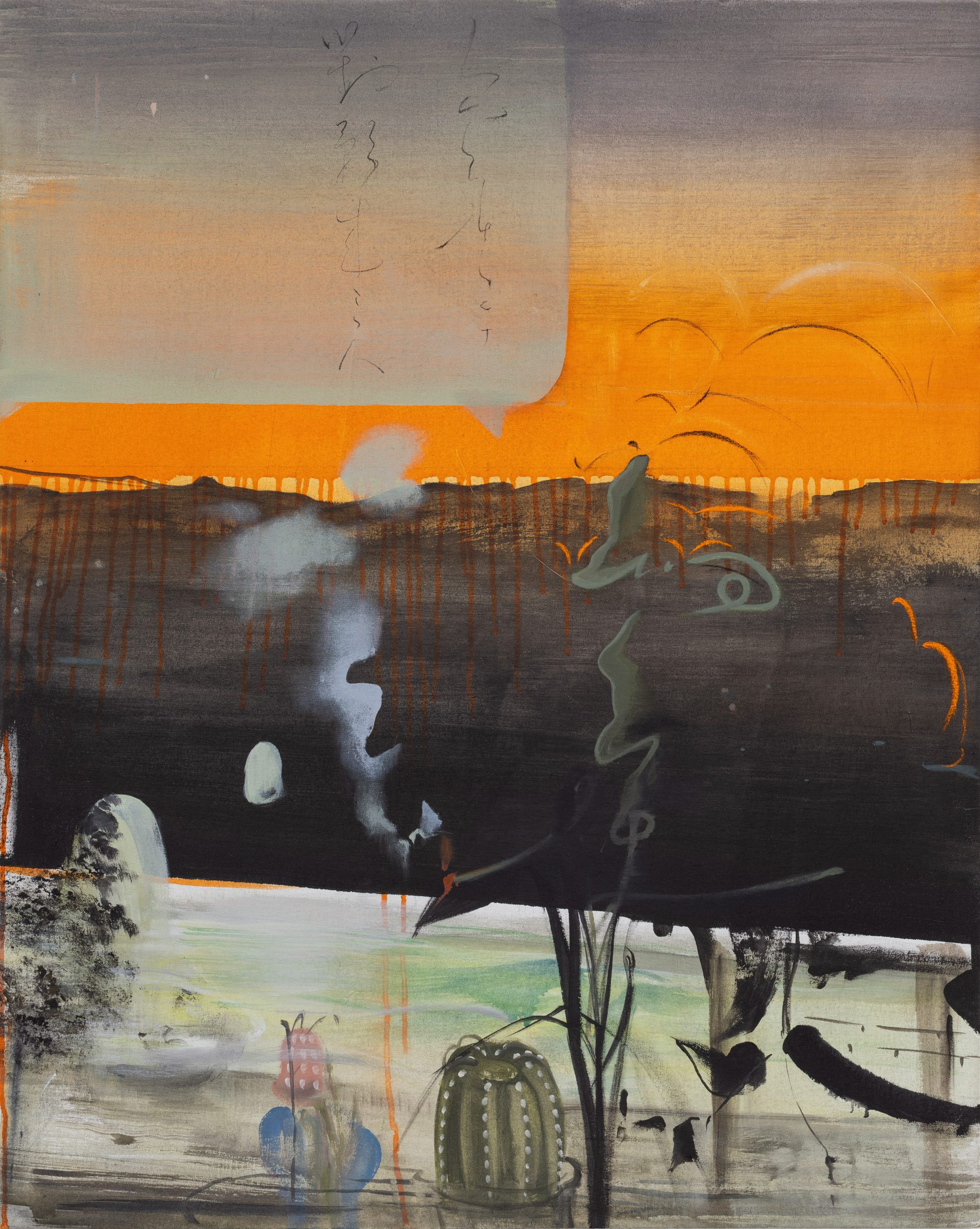
Meng Qingjun
2025
Acrylic on cotton-linen, mounted on wood panel
100×80cm

Meng Qingjun
2025
Acrylic on cotton-linen, mounted on wood panel
100×80cm
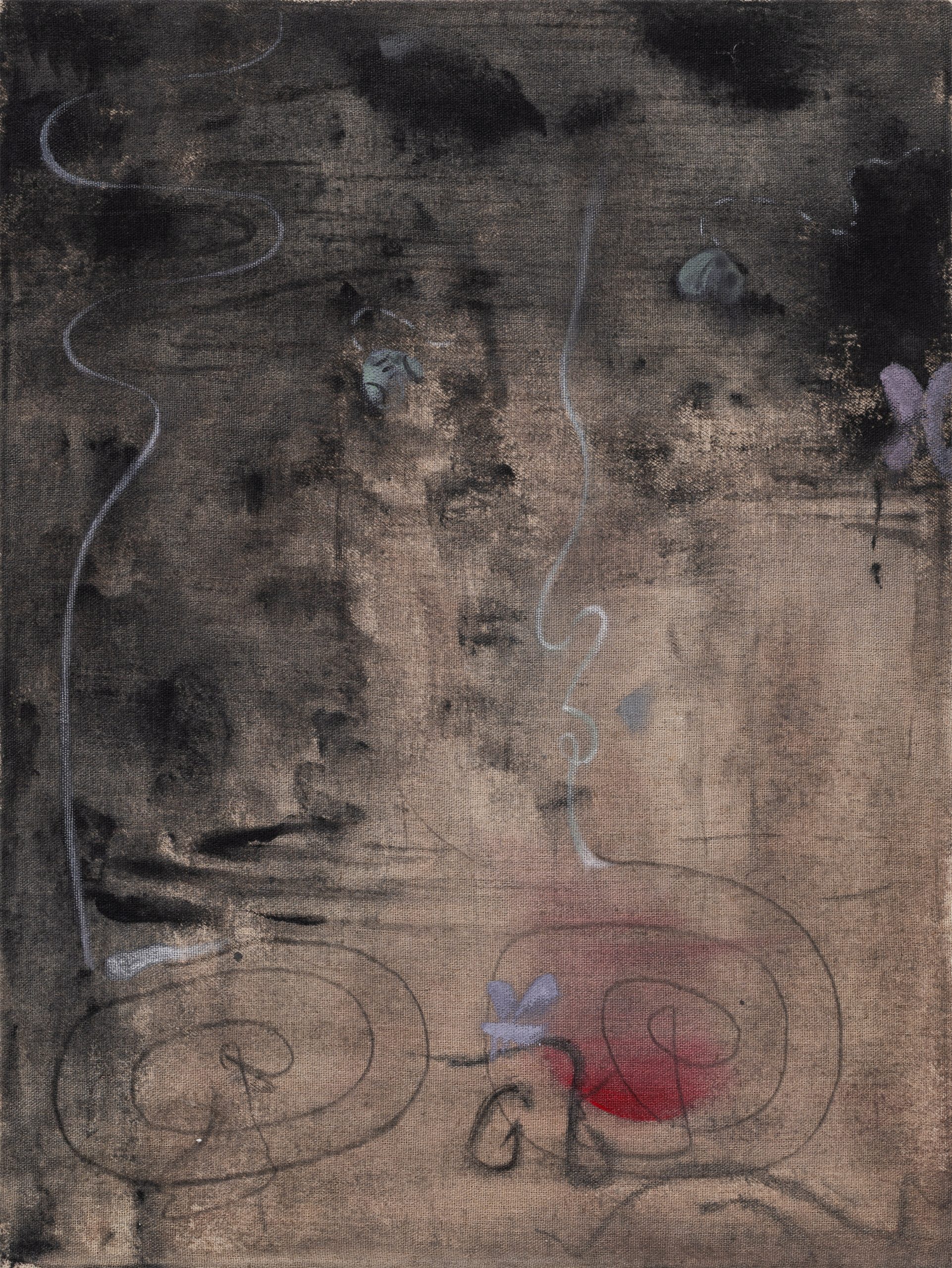
Meng Qingjun
2025
Acrylic on cotton-linen, mounted on wood panel
40×30cm
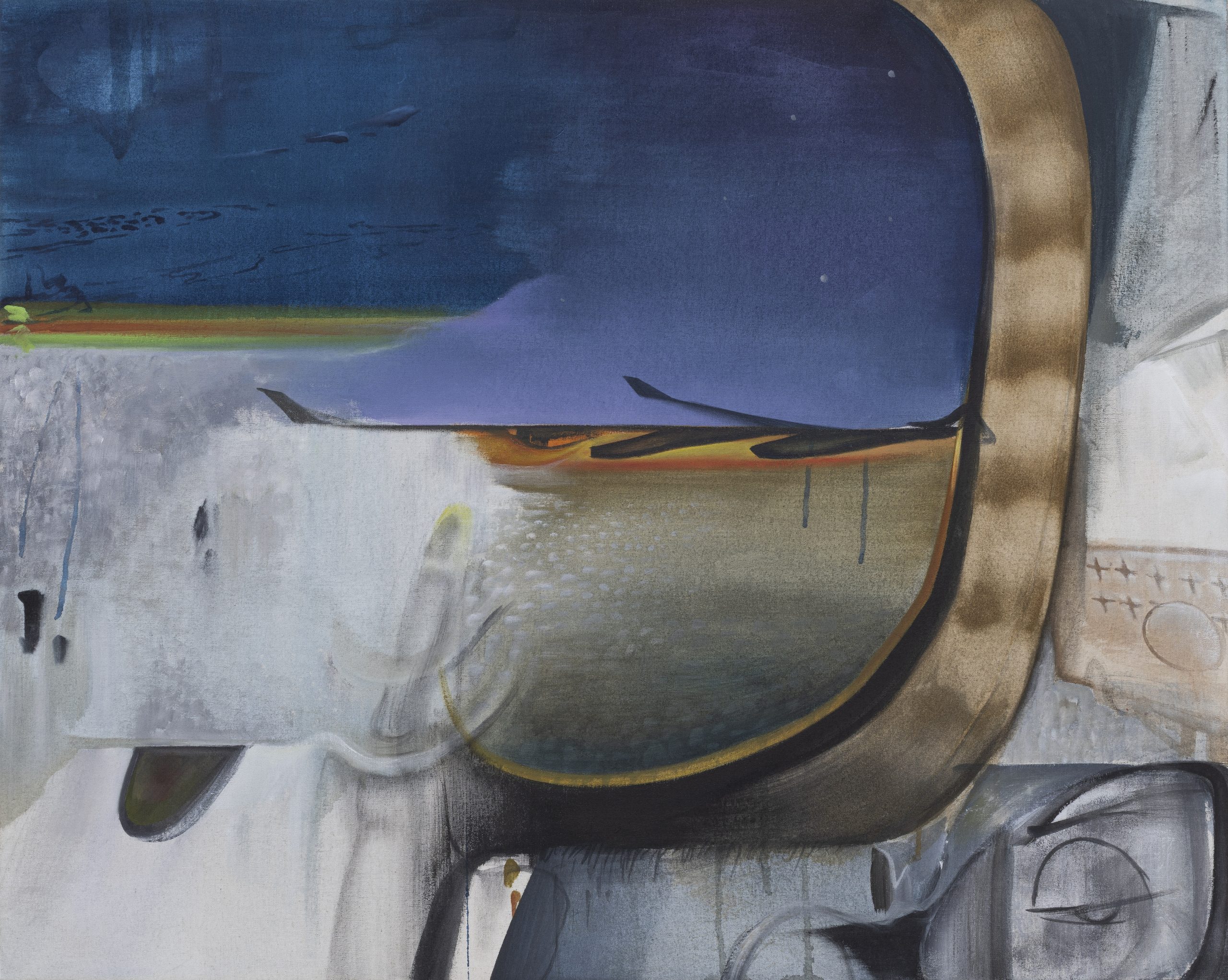
Meng Qingjun
2025
Acrylic on cotton-linen, mounted on wood panel
80×100cm
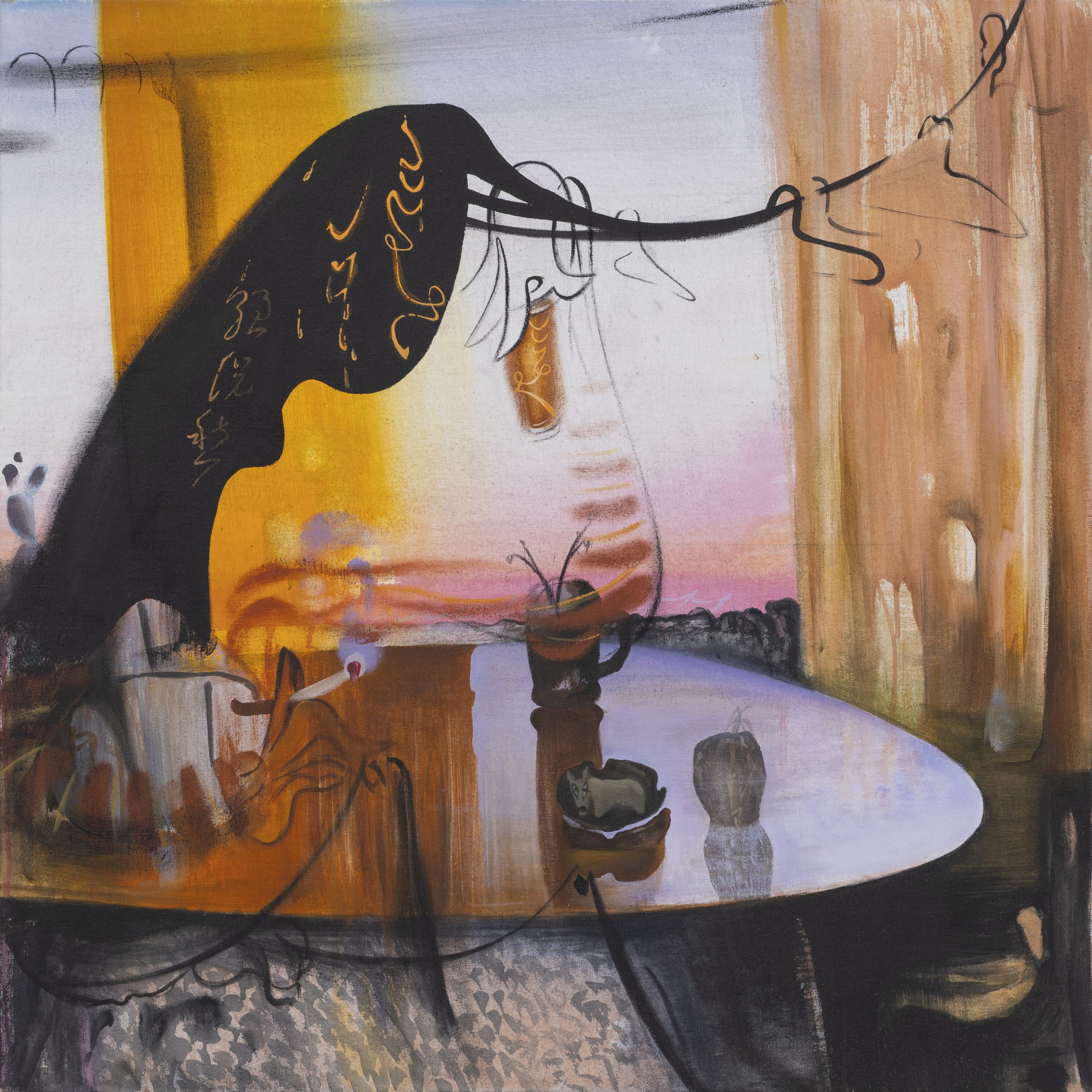
Meng Qingjun
2025
Acrylic on cotton-linen, mounted on wood panel
80×80cm

Meng Qingjun
2025
Acrylic on cotton-linen, mounted on wood panel
100×80cm
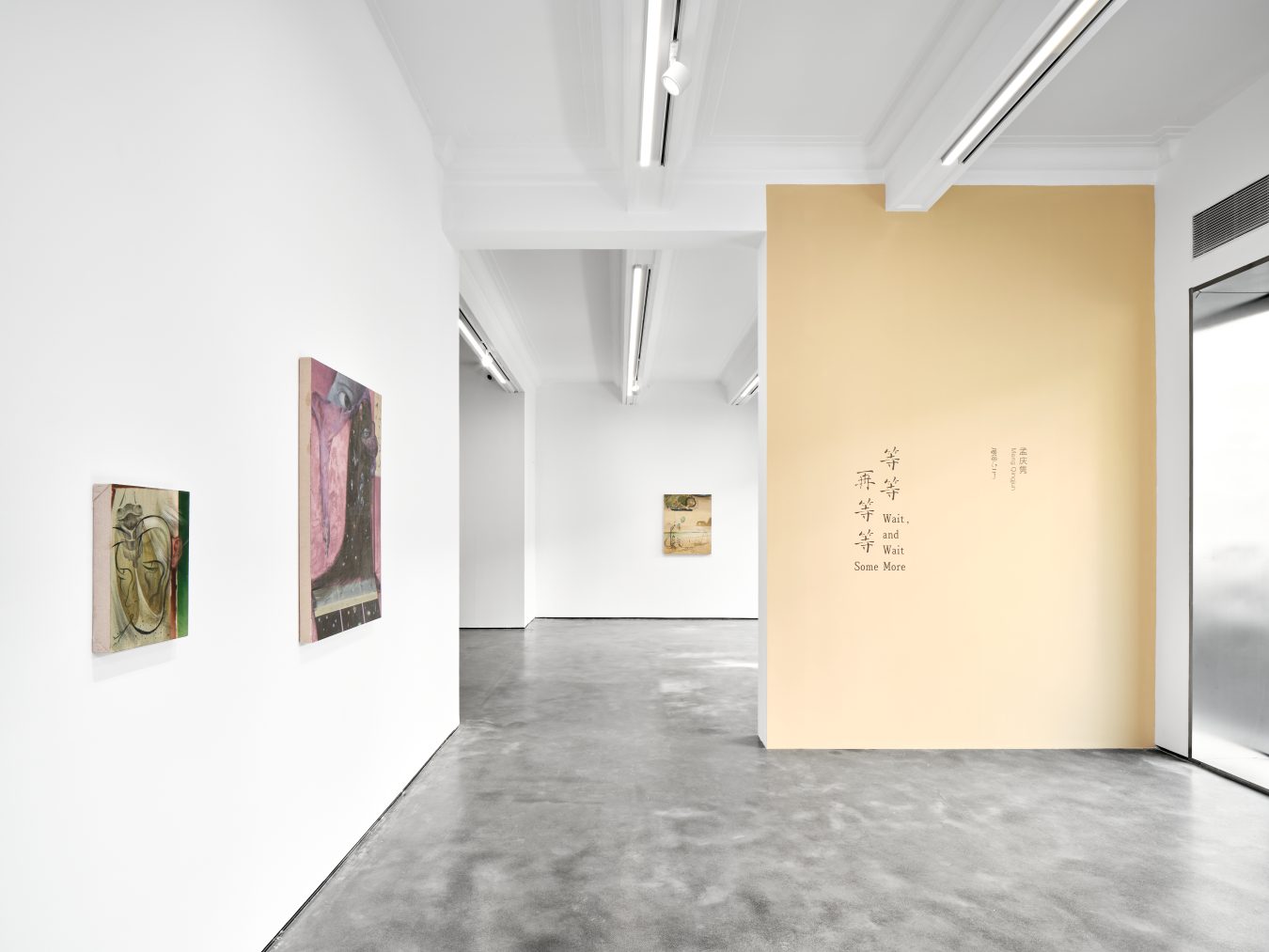
Meng Qingjun: Wait, and Wait Some More
Curator:Sarah Qing Markovitz
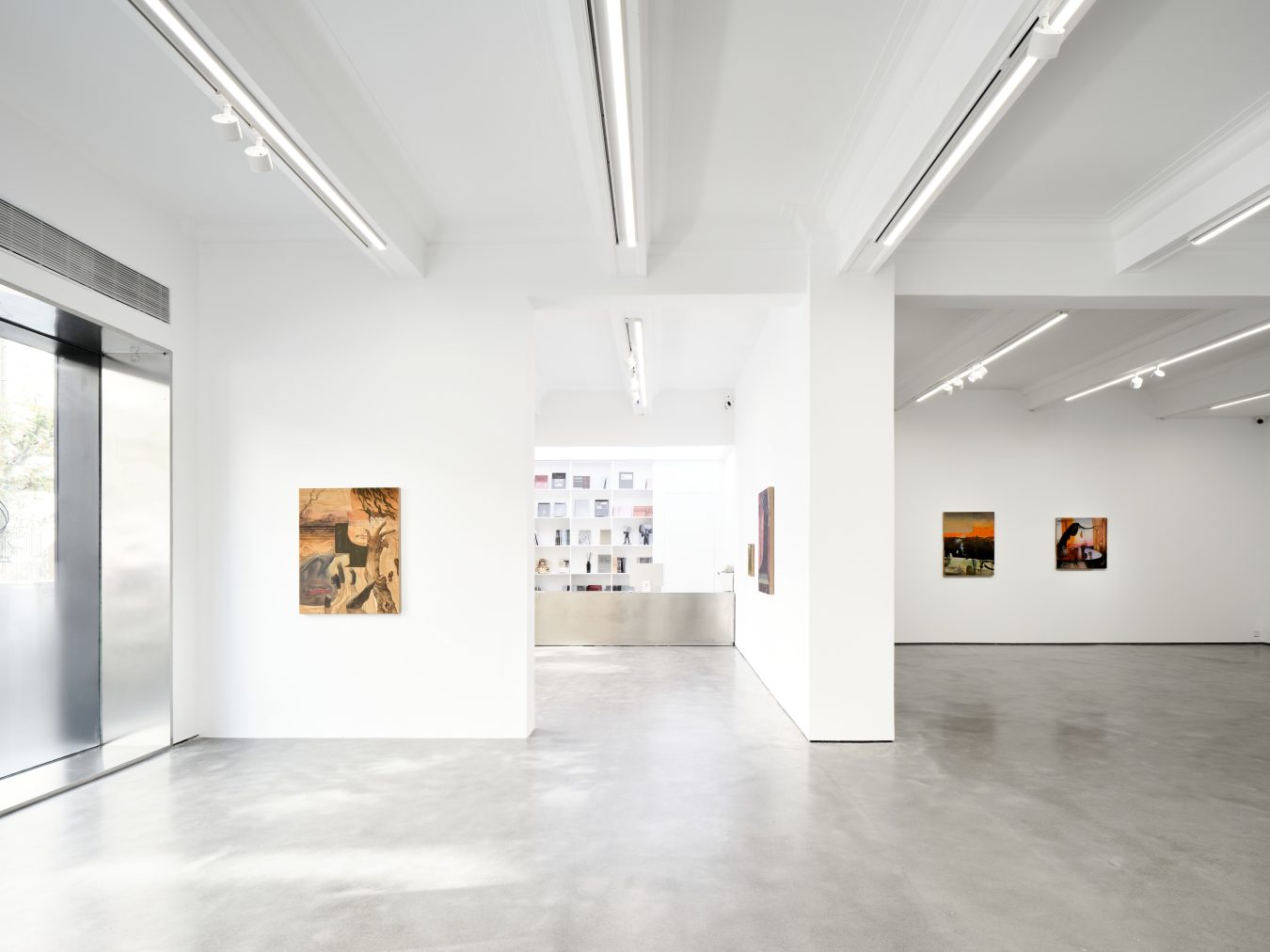
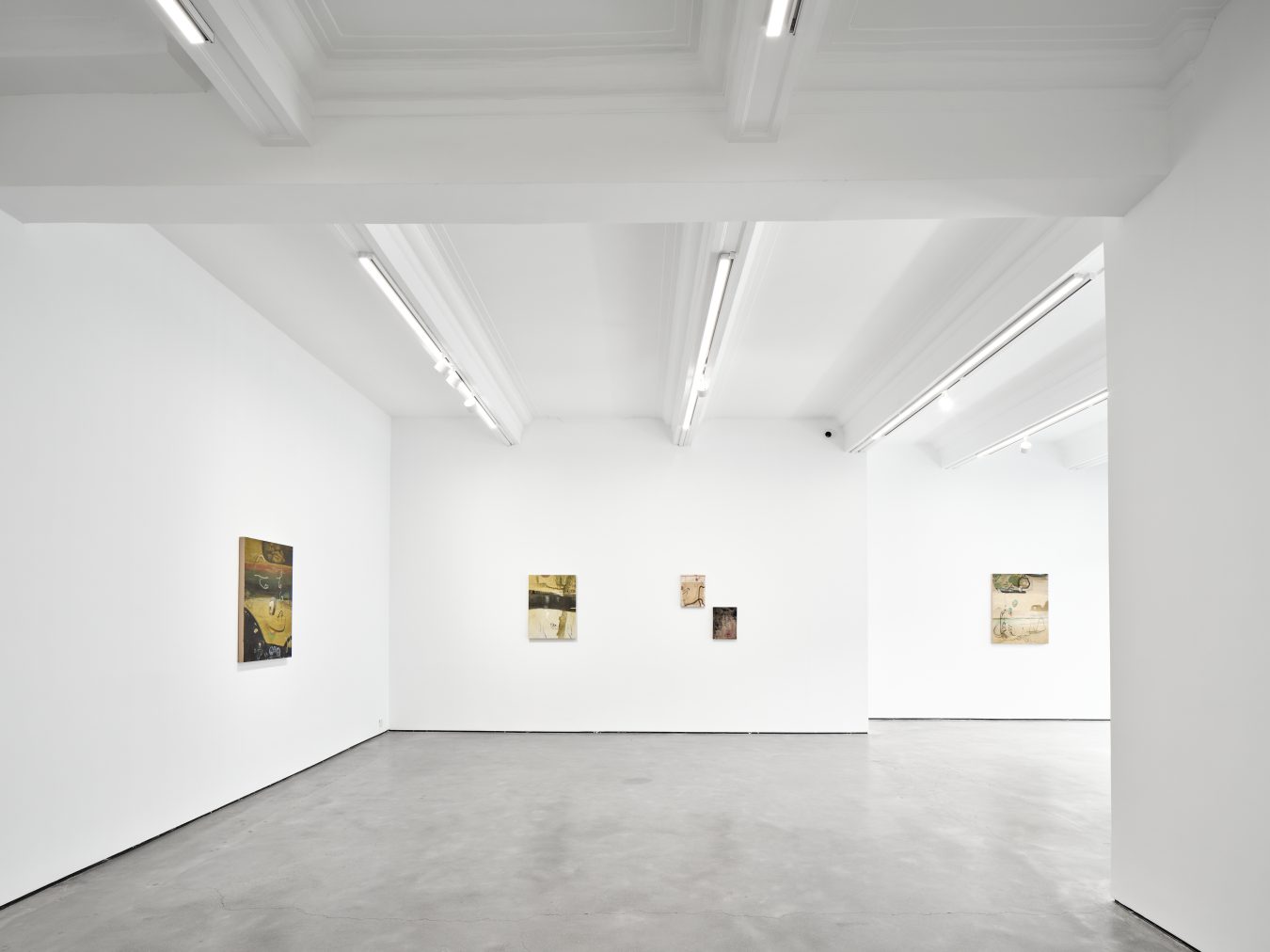
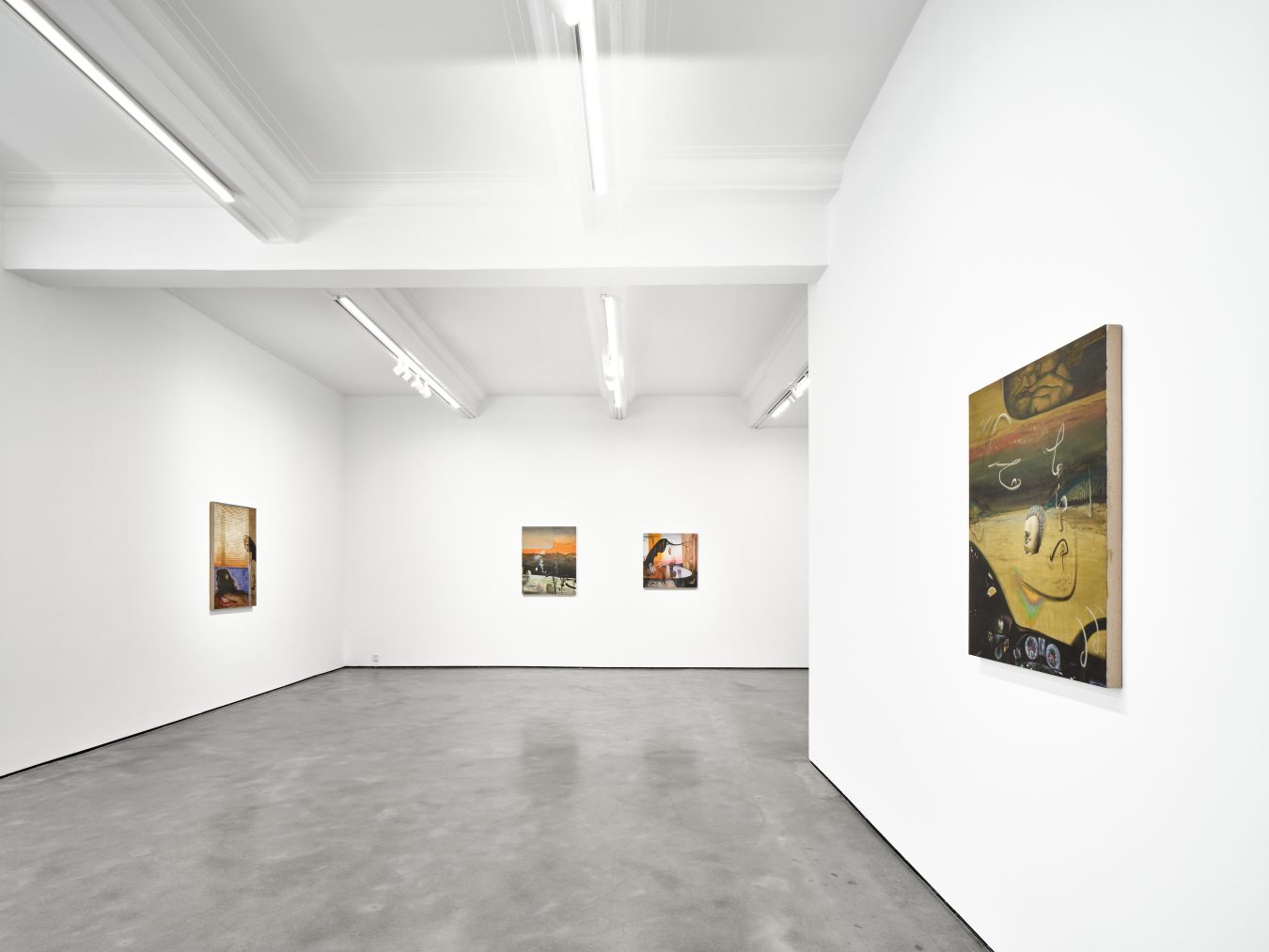
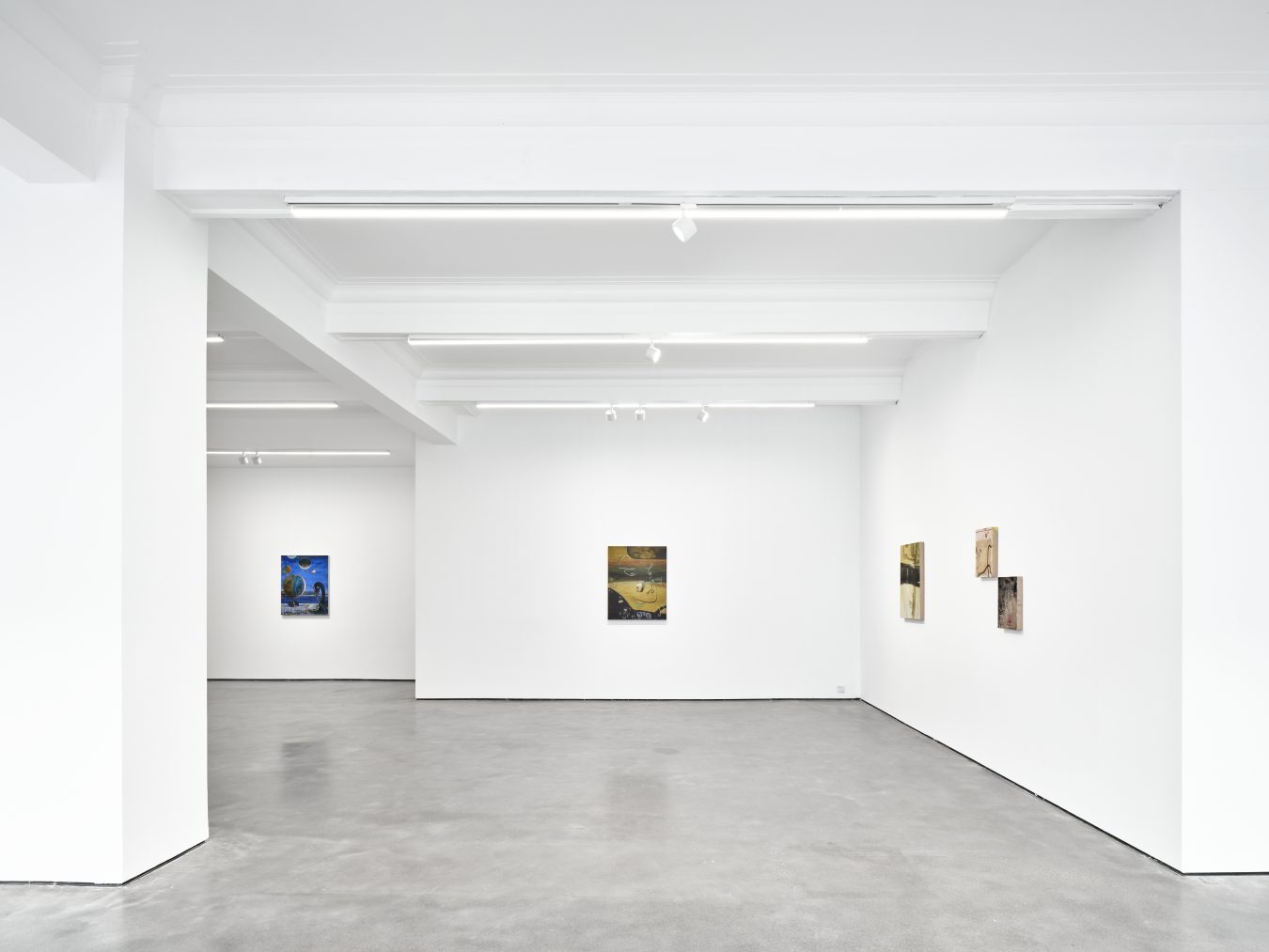
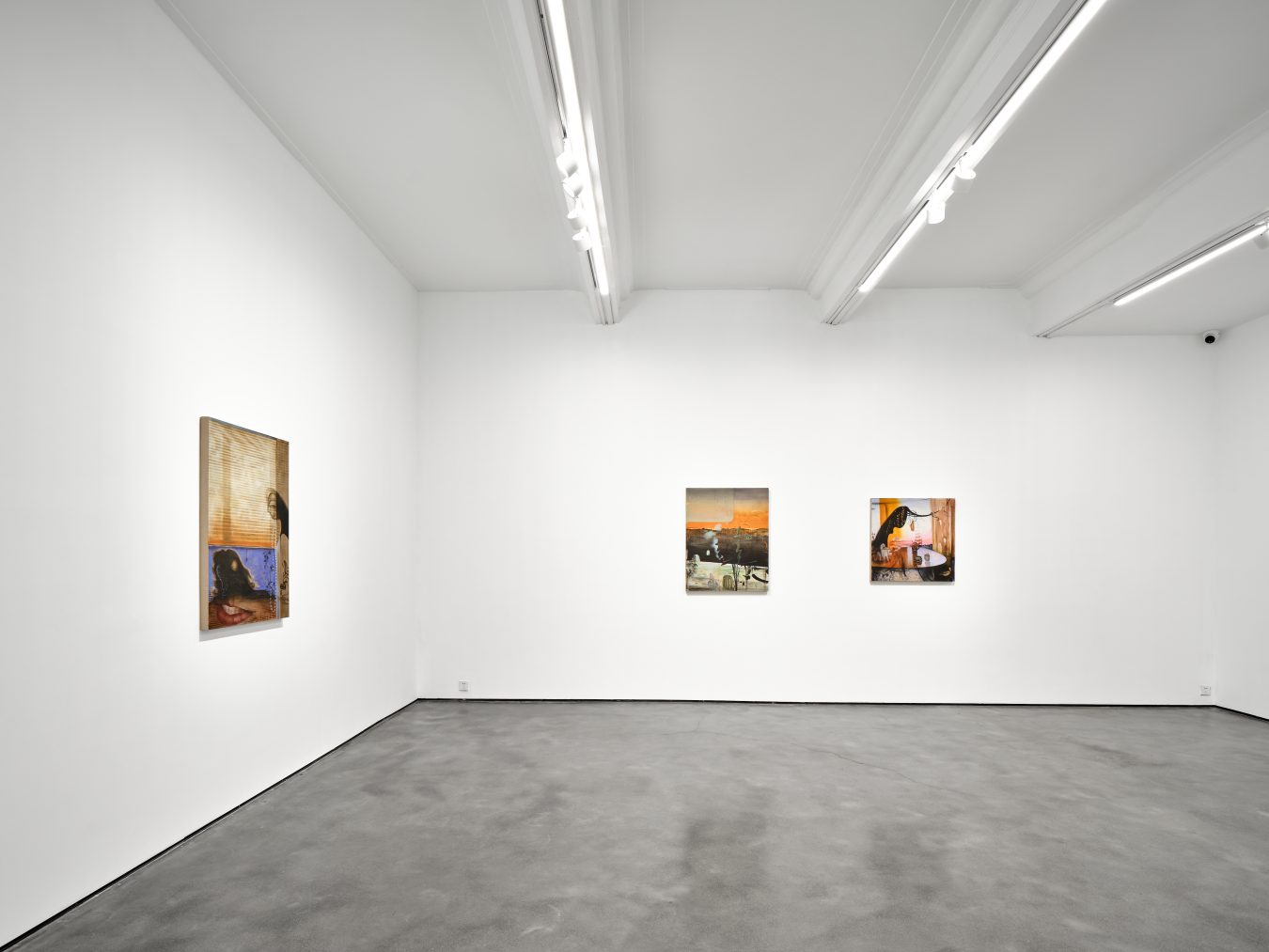
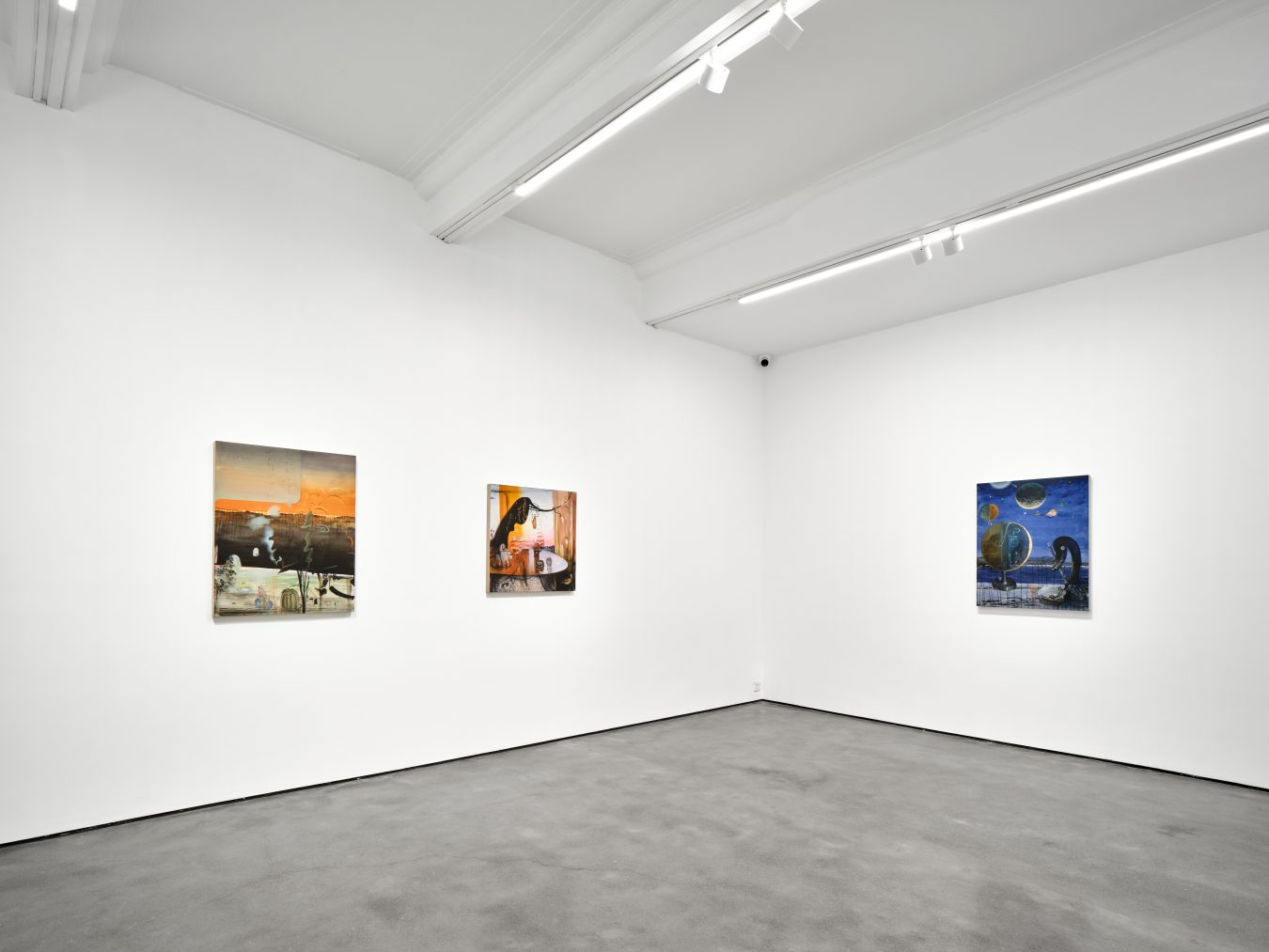
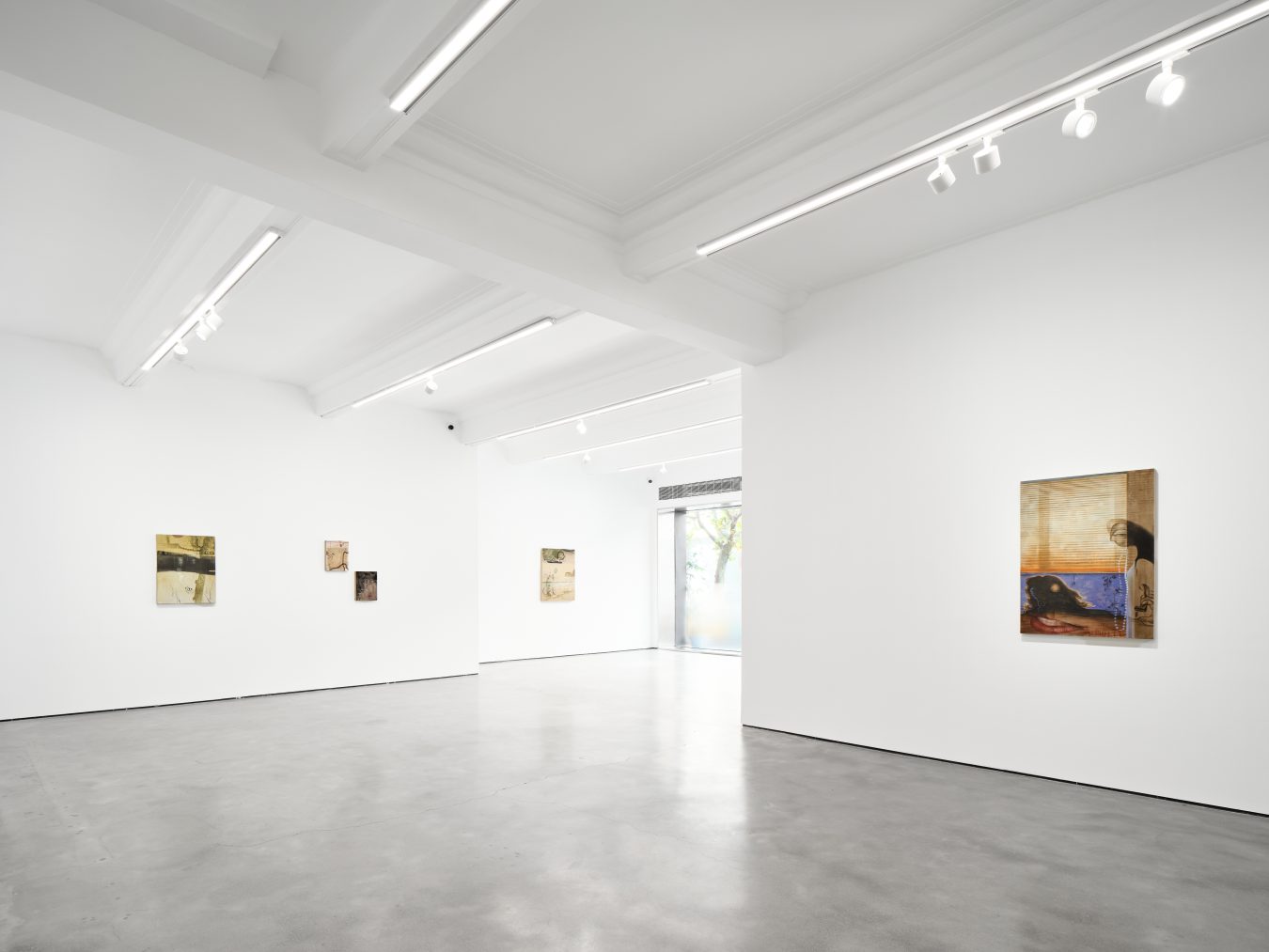
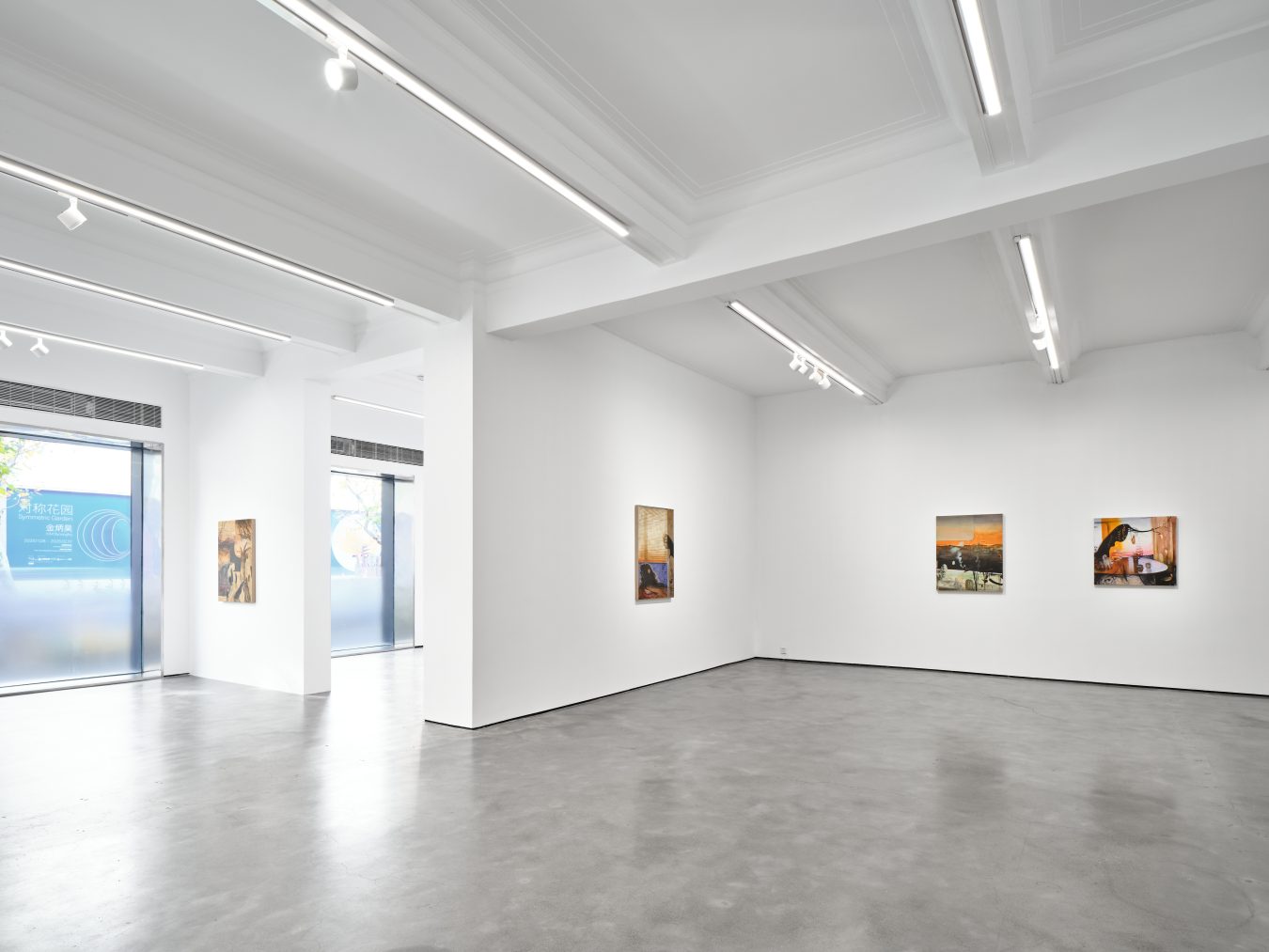
From December 26, 2025 to January 31, 2026, Hive Center for Contemporary Art is pleased to announce the presentation of artist Meng Qingjun’s first solo exhibition, Wait, and Wait Some More, at Hive·Becoming|Shanghai. As the 60th iteration of the Hive·Becoming Project (HBP), the exhibition is curated by Sarah Qing Markovitz and presents the artist’s latest body of work. In the new works, deconstructed portraits and landscapes are once again summoned and brought together through affect and intention, activated within the interplay of “stroke order” and “pictographic form.” Through this process, Meng Qingjun generates tension between form and meaning, guiding viewers into a world that is at once legible and strangely unfamiliar.
The exhibition title, Wait, and Wait Some More, is taken from one of Meng Qingjun’s works of the same title, and points to a sense of suspension and uncertainty experienced by the artist’s generation amid a period of transition. Born in Northeast China, Meng has been deeply influenced by folk legends and a diverse cultural milieu. As a result, his practice is not bound by specific temporal or spatial coordinates; instead, he deconstructs and forges landscapes through a synthesis of tradition and contemporary elements, seeking to counter the anxieties of the present through aesthetic reconfiguration.
As a member of a generation profoundly shaped by comics, Meng Qingjun is particularly attuned to the “cursive-script” expressiveness of the medium. The fluid, continuous lines of cursive script are often employed in comics to heighten the depiction of character, atmosphere, emotional states, and cultural resonance—an approach that offers Meng a subtle yet assured creative orientation. Through further study of the temporal logic inherent in Chinese calligraphy—such as stroke order, structure, and systems of expression—he explores new modes of seeing, using the momentum of writing to render faces in a calligraphy-like, mimetic form. At the same time, Meng integrates the visual language of comics with an awareness of calligraphic stroke order into his broader painterly experiments. Drawing on a structural affinity between Cubism and the grid-based layouts of comic panels—where Cubism presents an object from multiple perspectives simultaneously, and comic sequencing aligns viewing logic and time on a single plane—Meng keenly grasps the visual pull shared by both. Through “pictographic” strategies, he explores the polysemy of visual extension, producing compositions with a storyboard-like sensibility, faces lightly sketched like fleeting shadows, and a visual style that is elusive and subtly anti-realist. Consequently, the figures, still lifes, and landscapes in his works resemble an endless array of offerings within an animistic ritual: multiple perspectives are juxtaposed, interwoven, and condensed, and through canvas and oil paint, the spiritual vitality of painting flickers and dances between artist and viewer.
Wait, and Wait Some More constitutes a restrained yet critically inflected reflection by Meng Qingjun. As young artists are swept into an era of information overload, the blurred anxiety that arises between fiction and reality inevitably prompts heightened vigilance and contemplation around modes of expression. Perhaps no fixed style or definitive statement can fully articulate things that are in a state of continual transformation—particularly for young artists. In the process of individualizing his style, Meng chooses “waiting” as a way to mark a provisional summation: an integrative definition of inherited knowledge and personal experience. This moment of pause is a silent “grounding,” a means of situating the self while in constant motion. Yet, like the open-ended spaces of meaning within his works, this waiting is only a temporary pause.