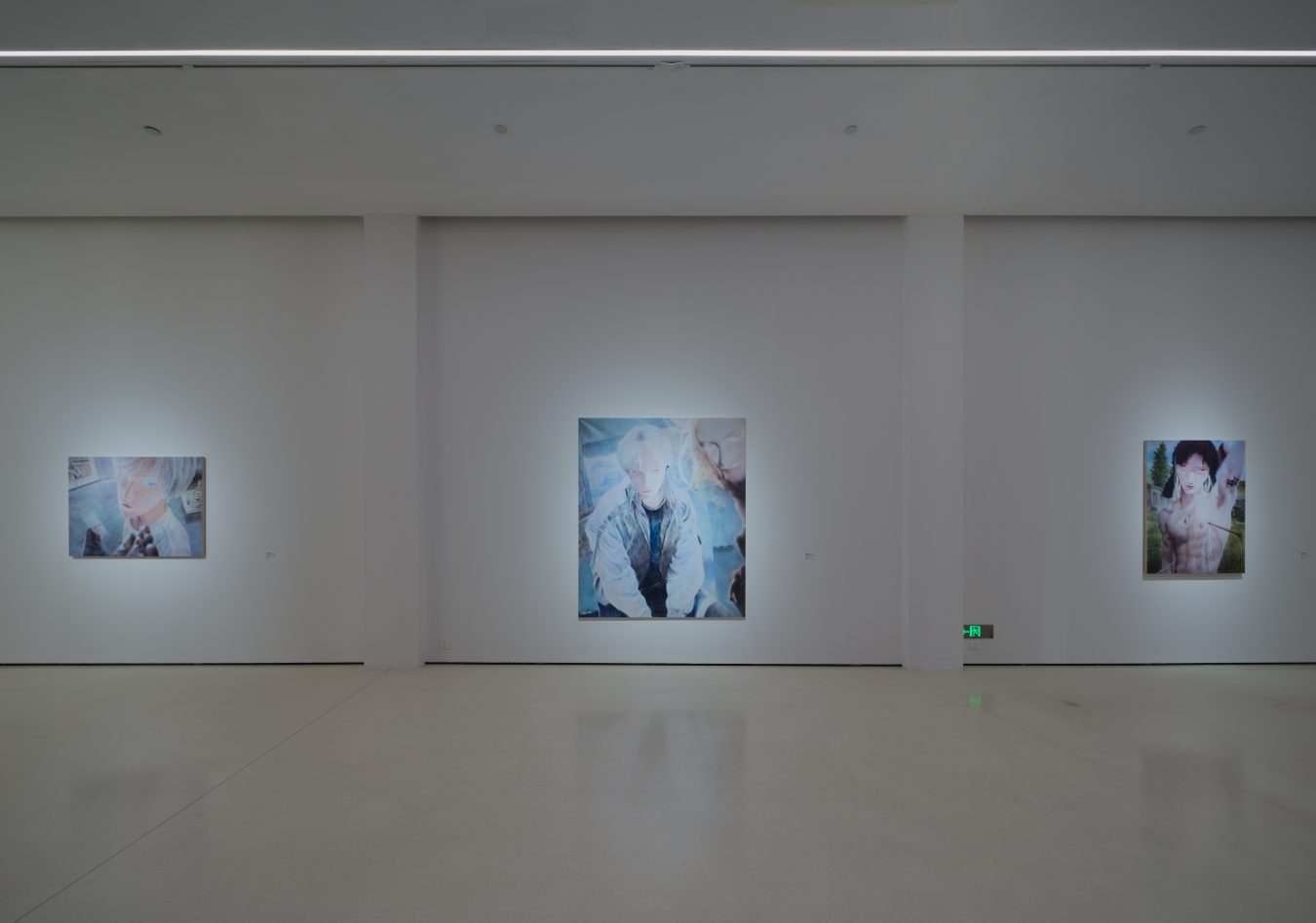
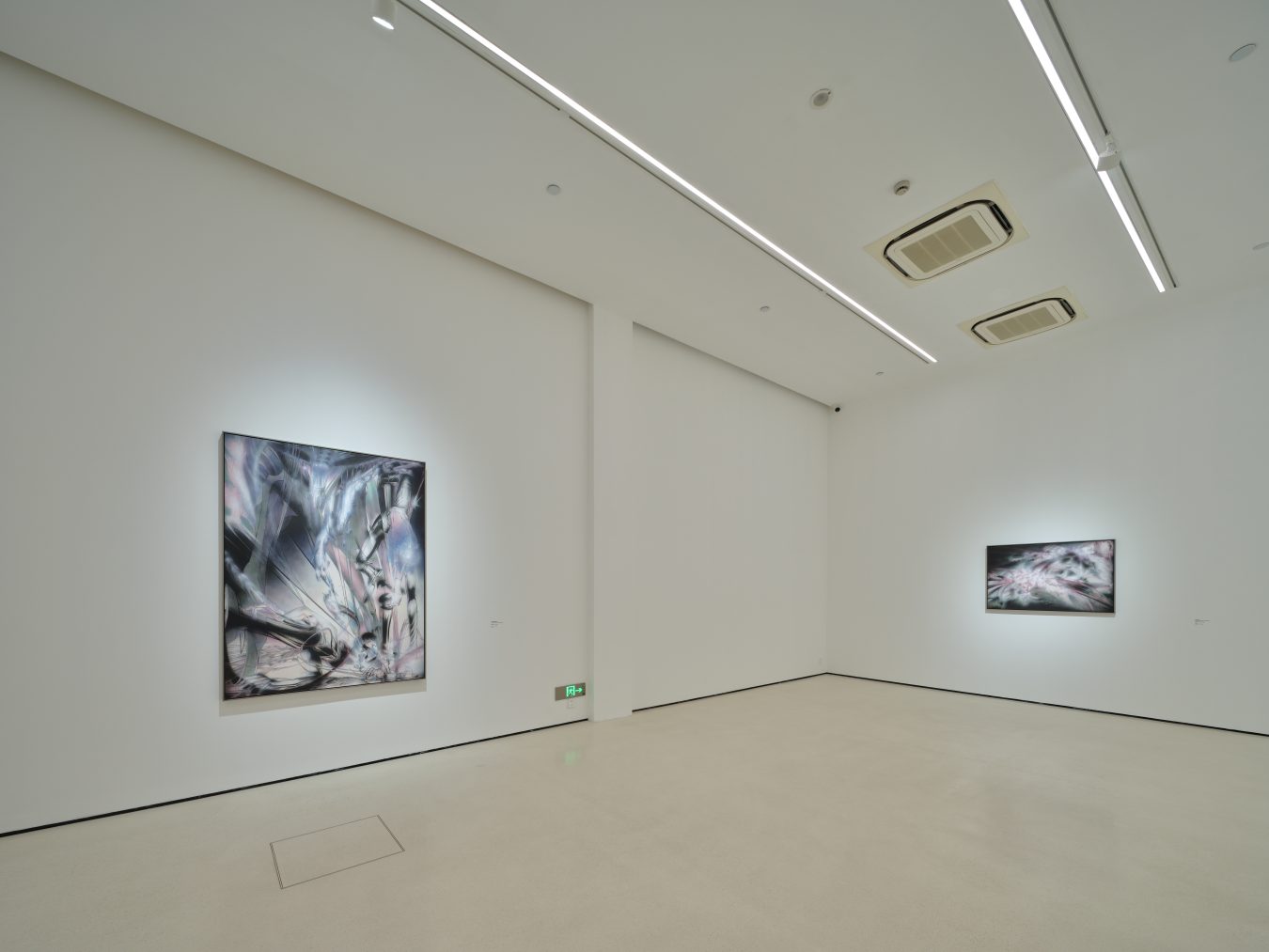
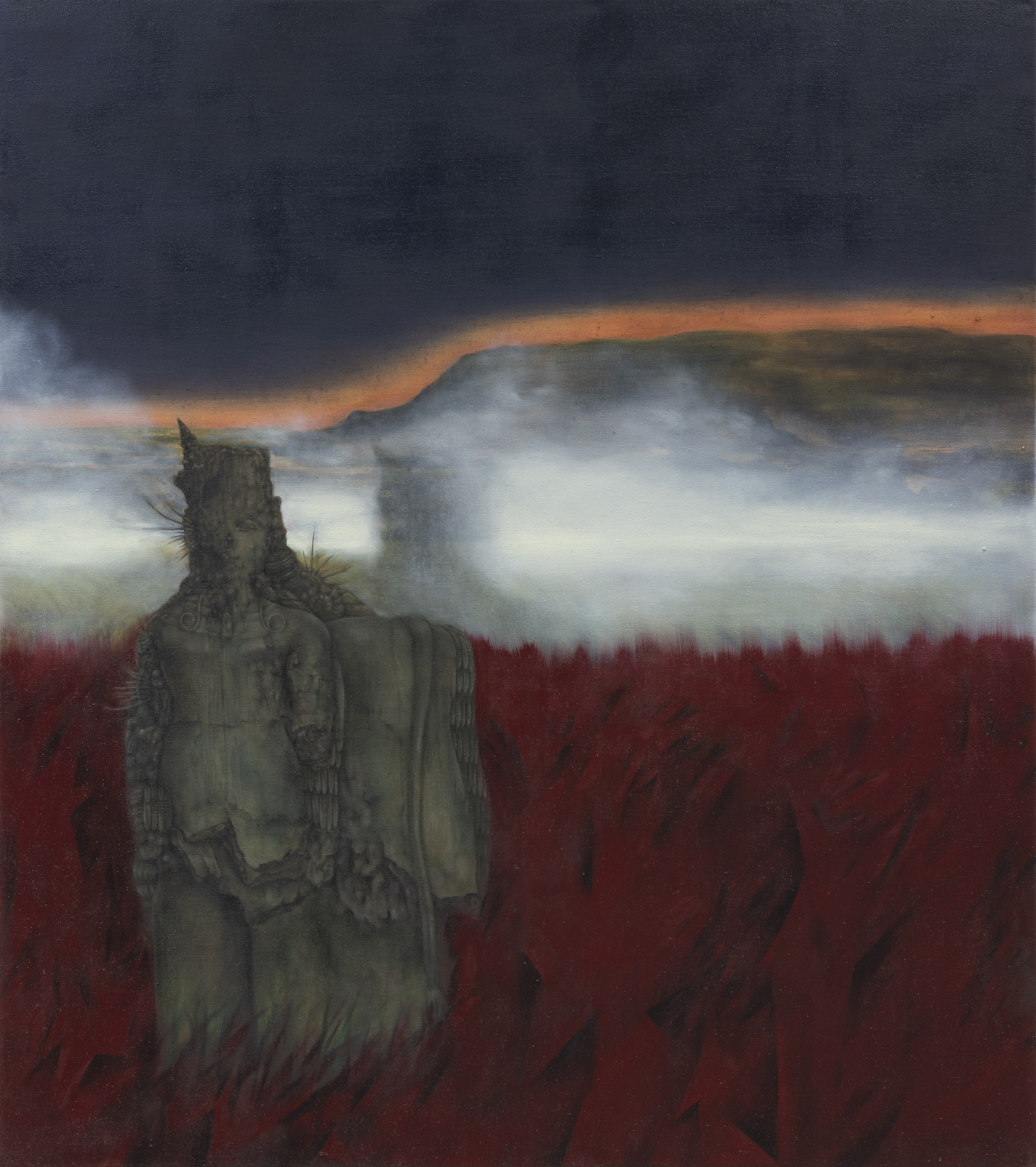
Yuna Yu
2026
Oil on canvas
180×160cm

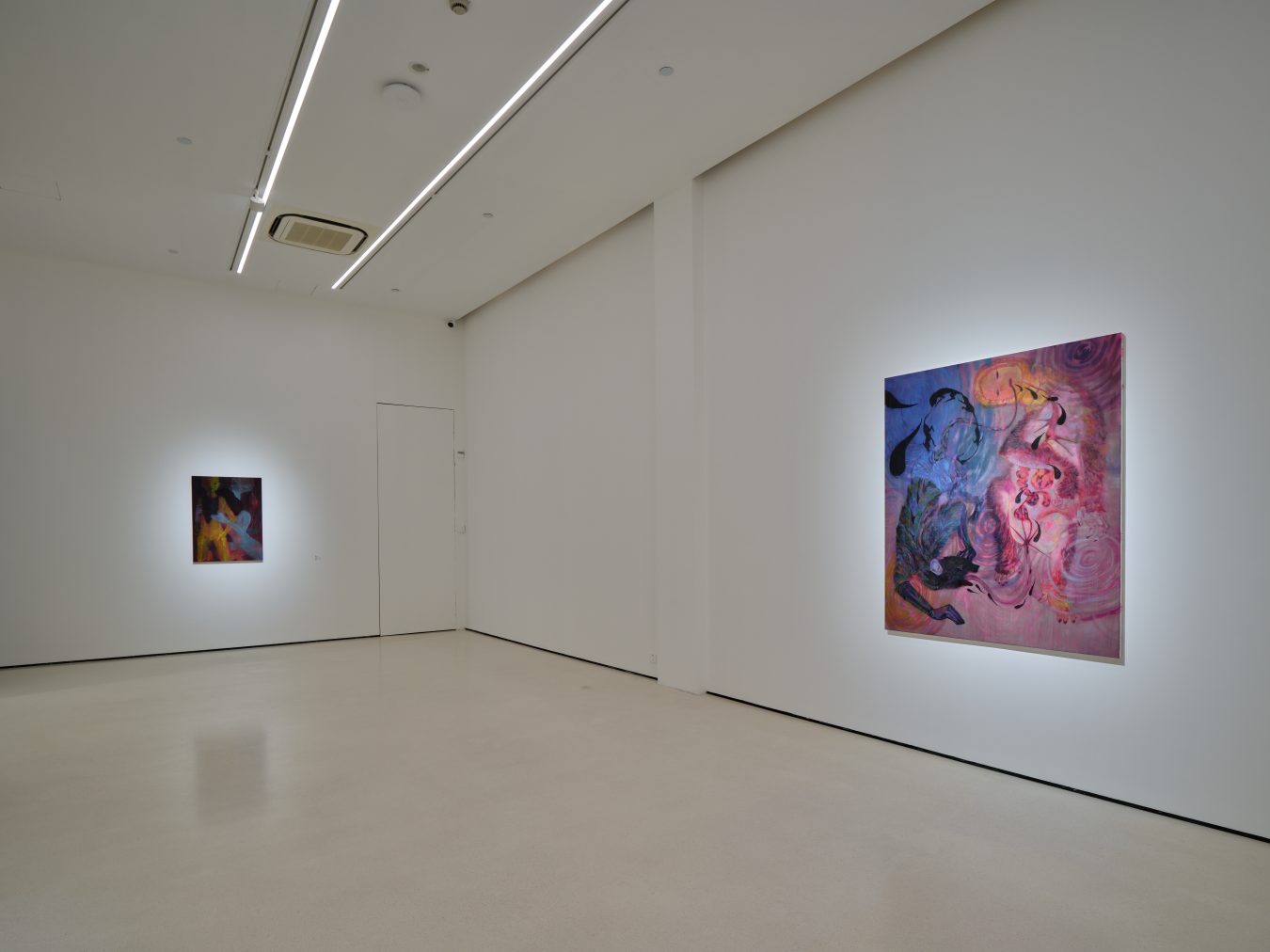
Yuna Yu
2026
Oil on canvas
140×110cm
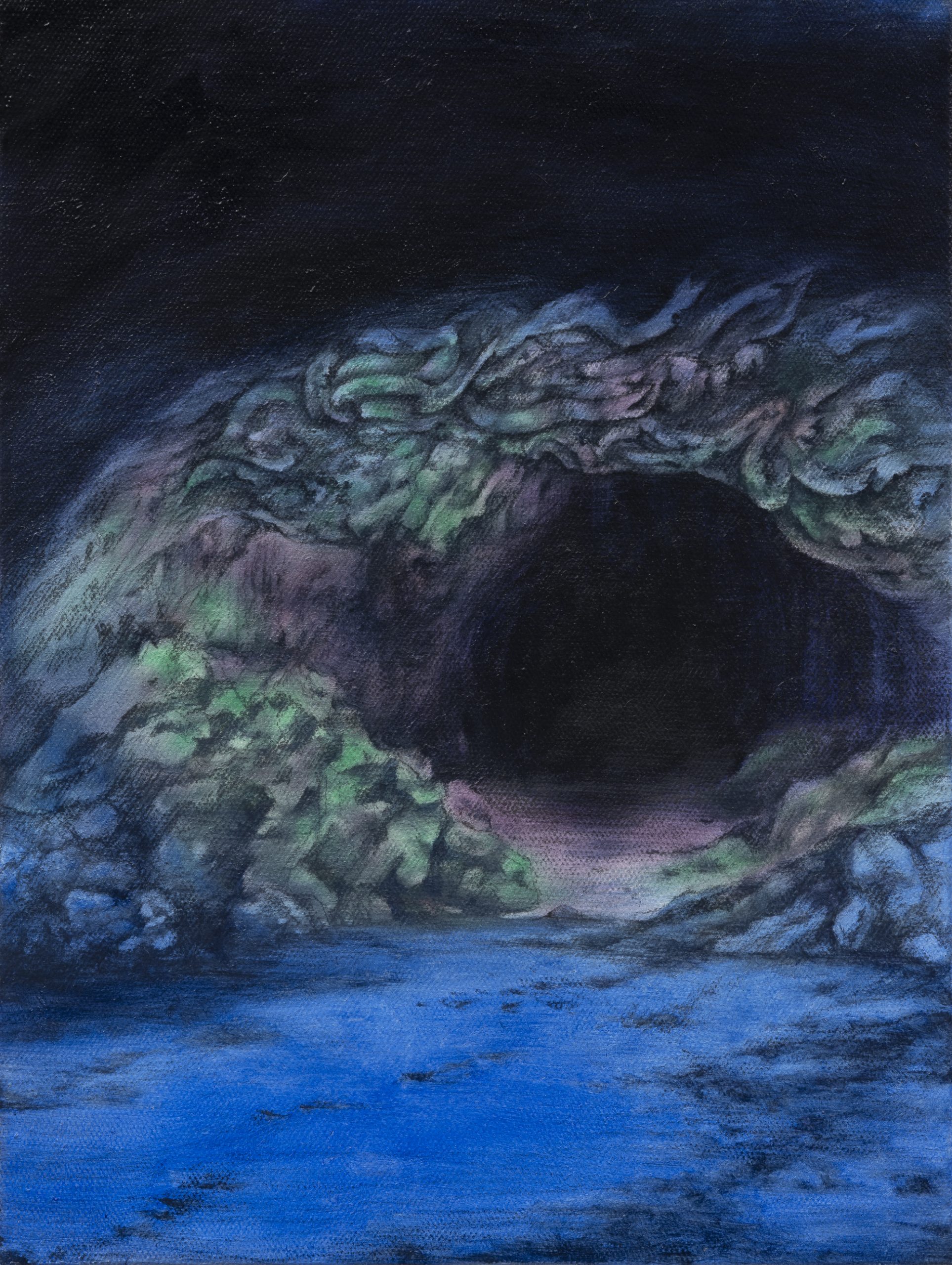
Yuna Yu
2026
Oil on canvas
40×30cm
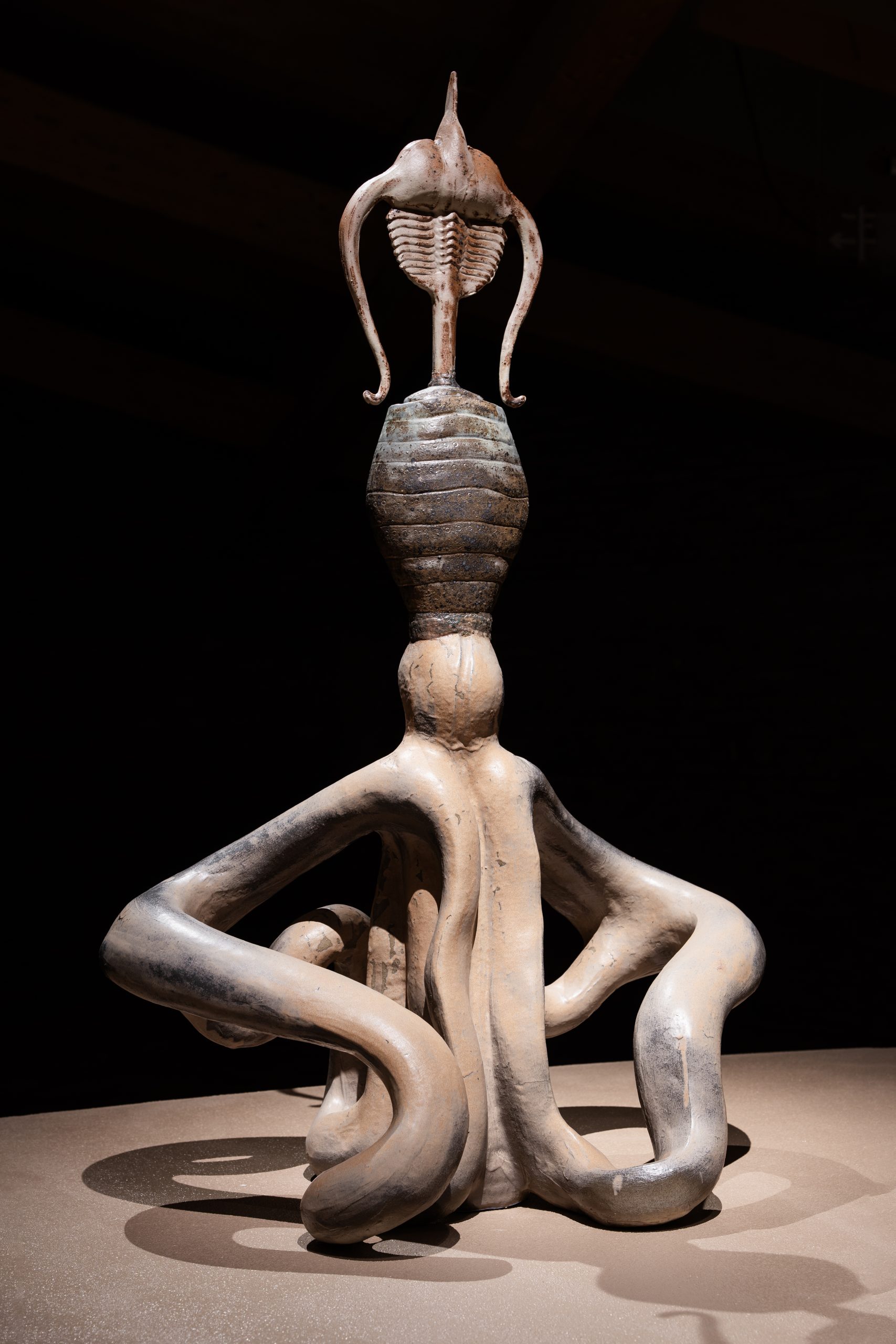
Shuyi Cao
2025
Glazed purple sand clay
W85×L55×H136cm
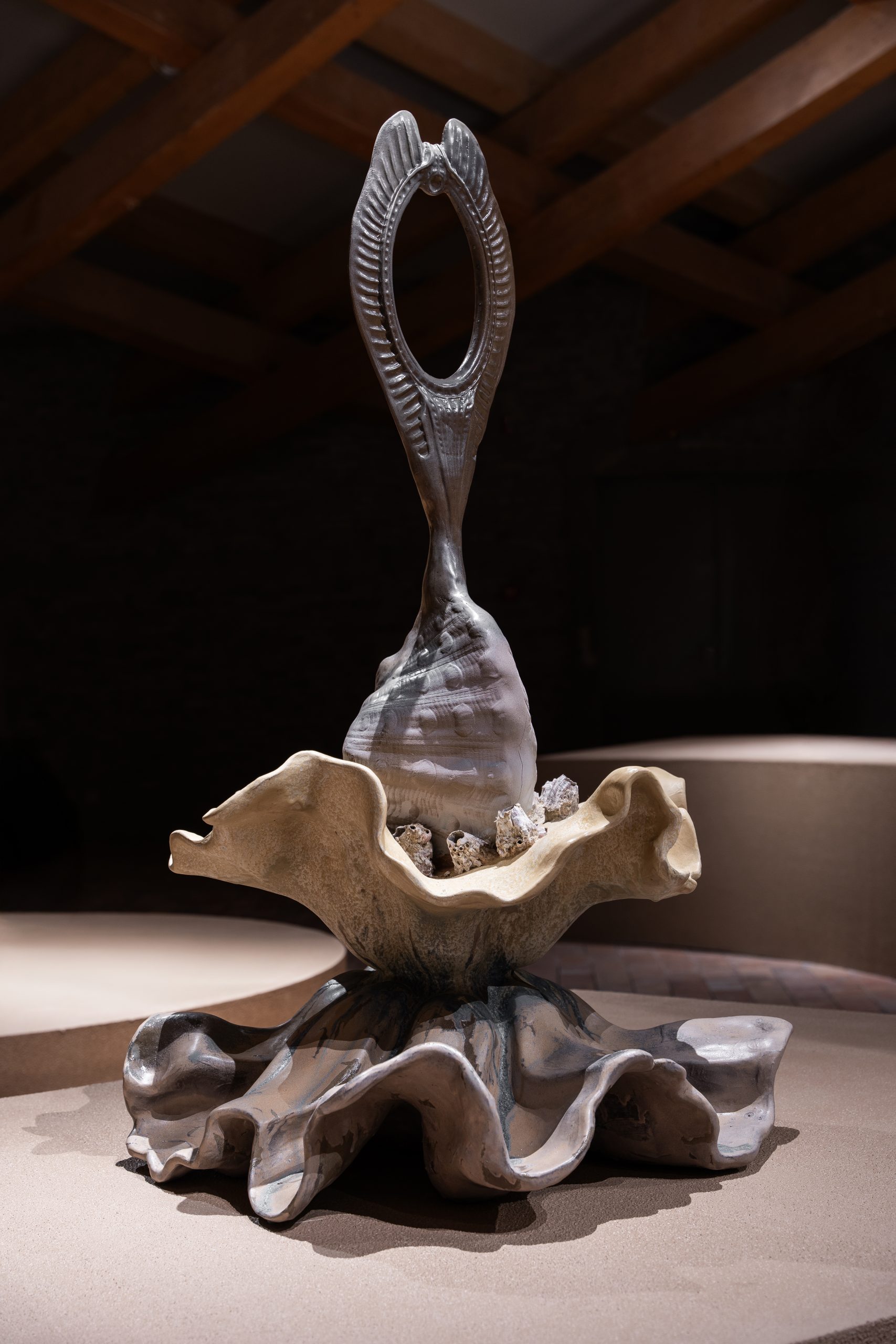
Shuyi Cao
2025
Glazed purple sand clay
W83×L83×H126cm
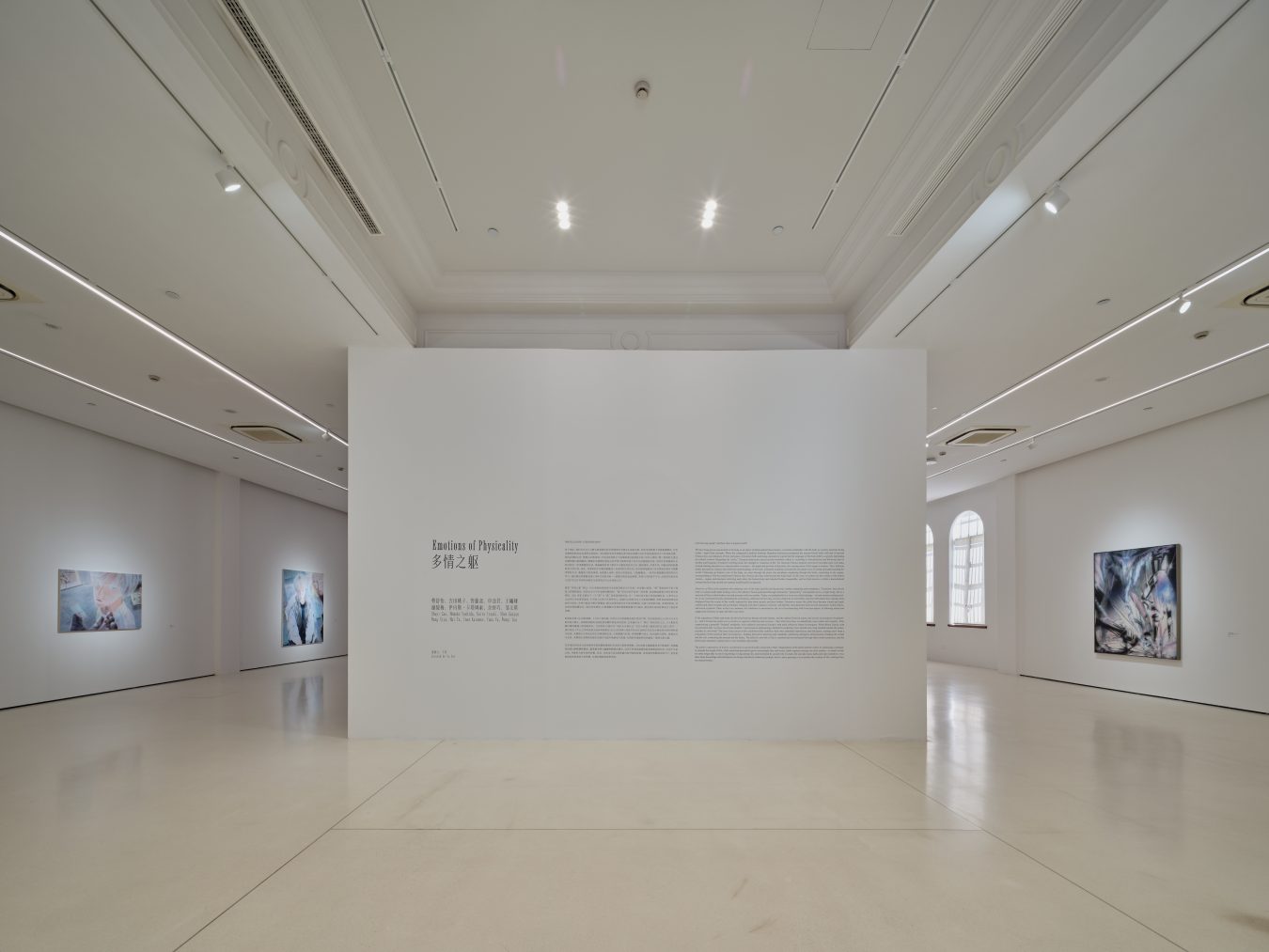
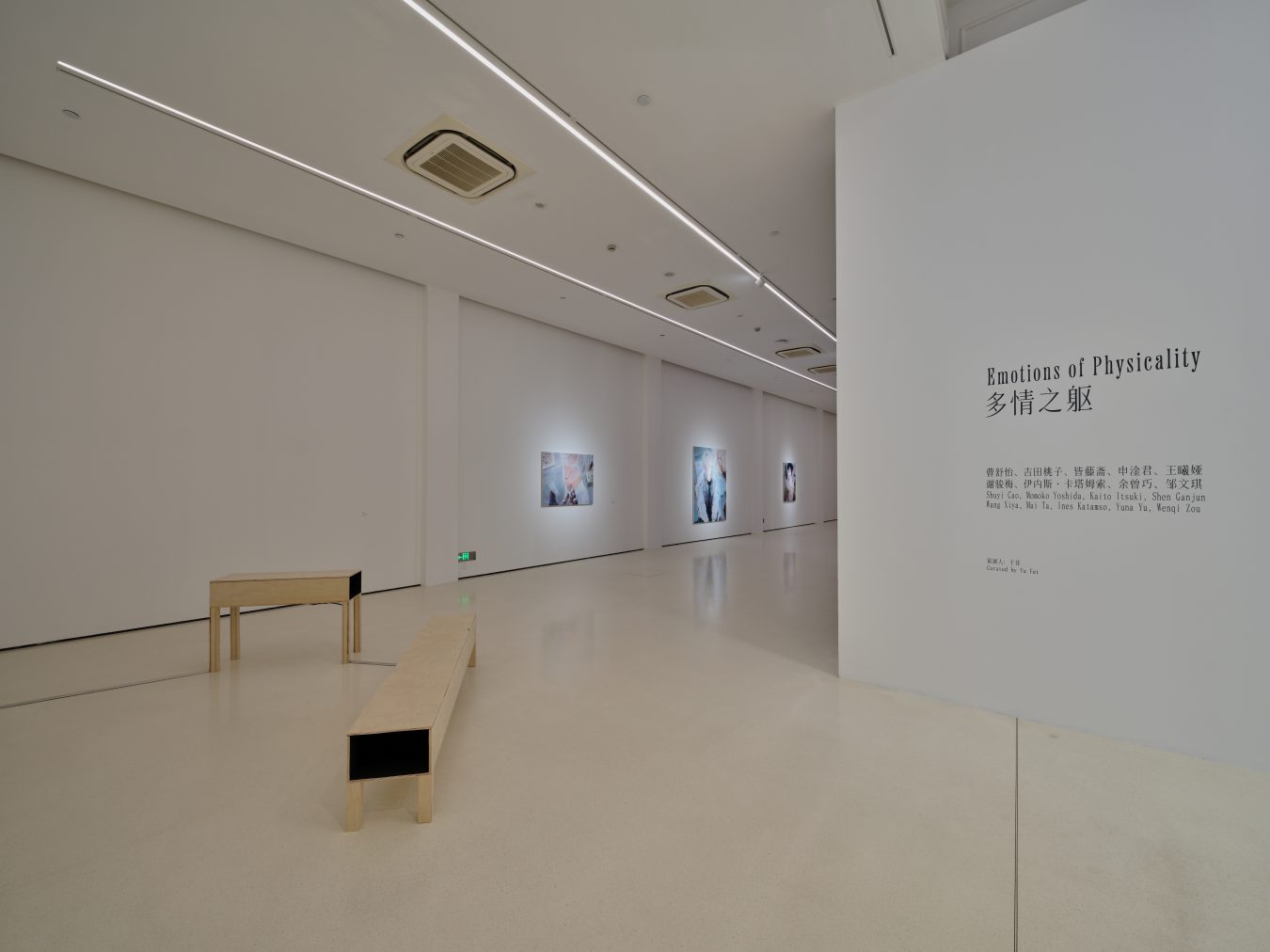
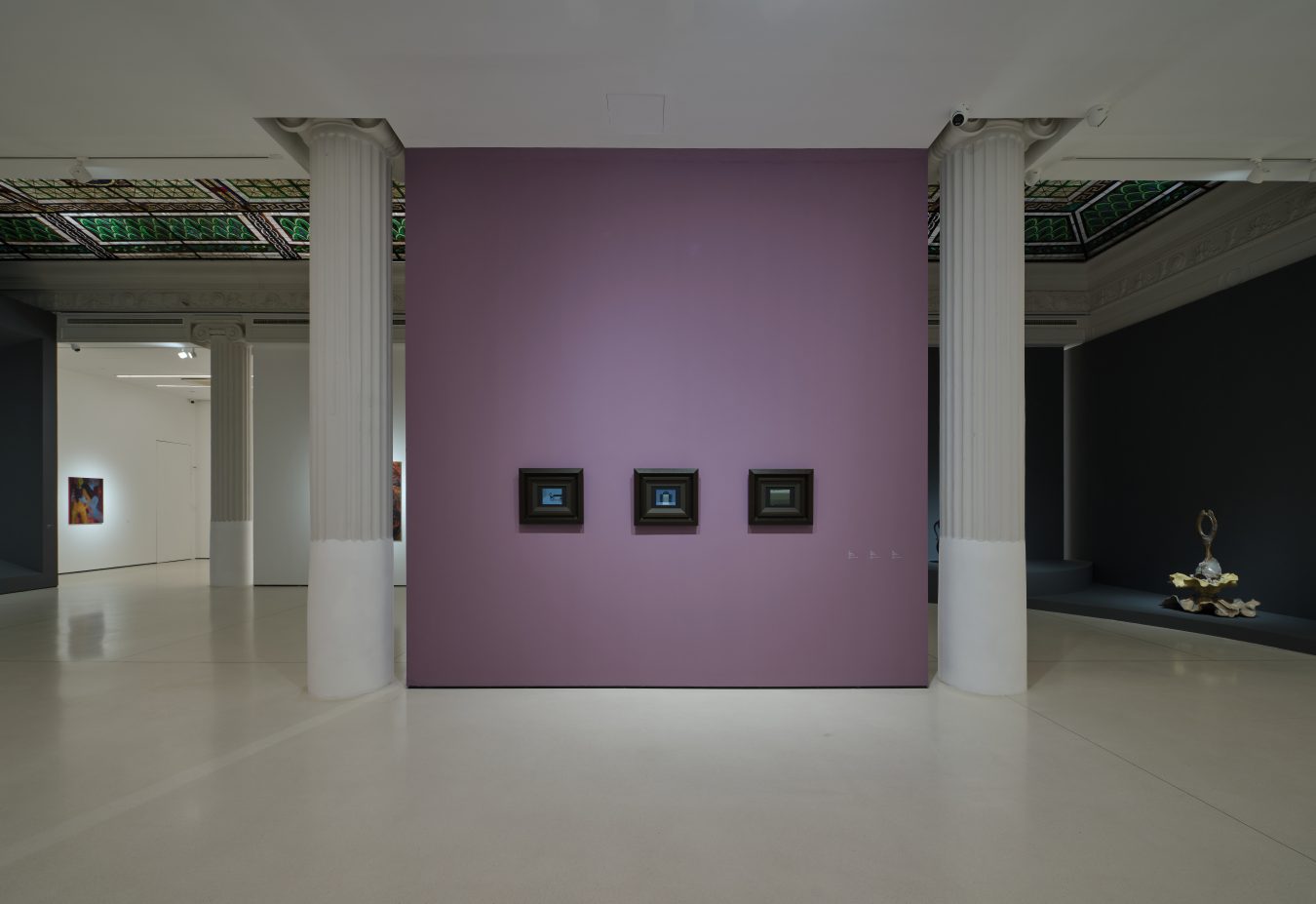
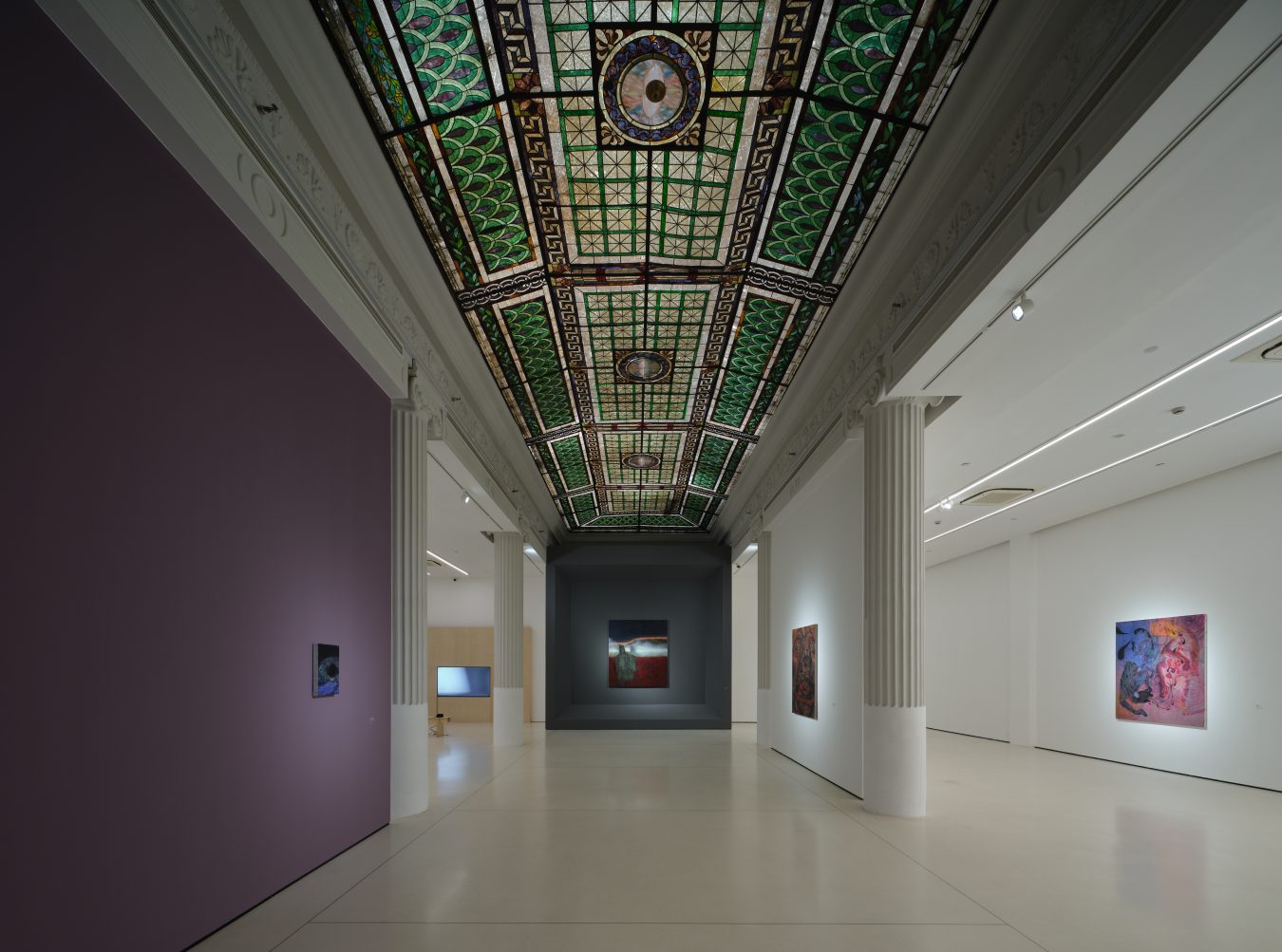
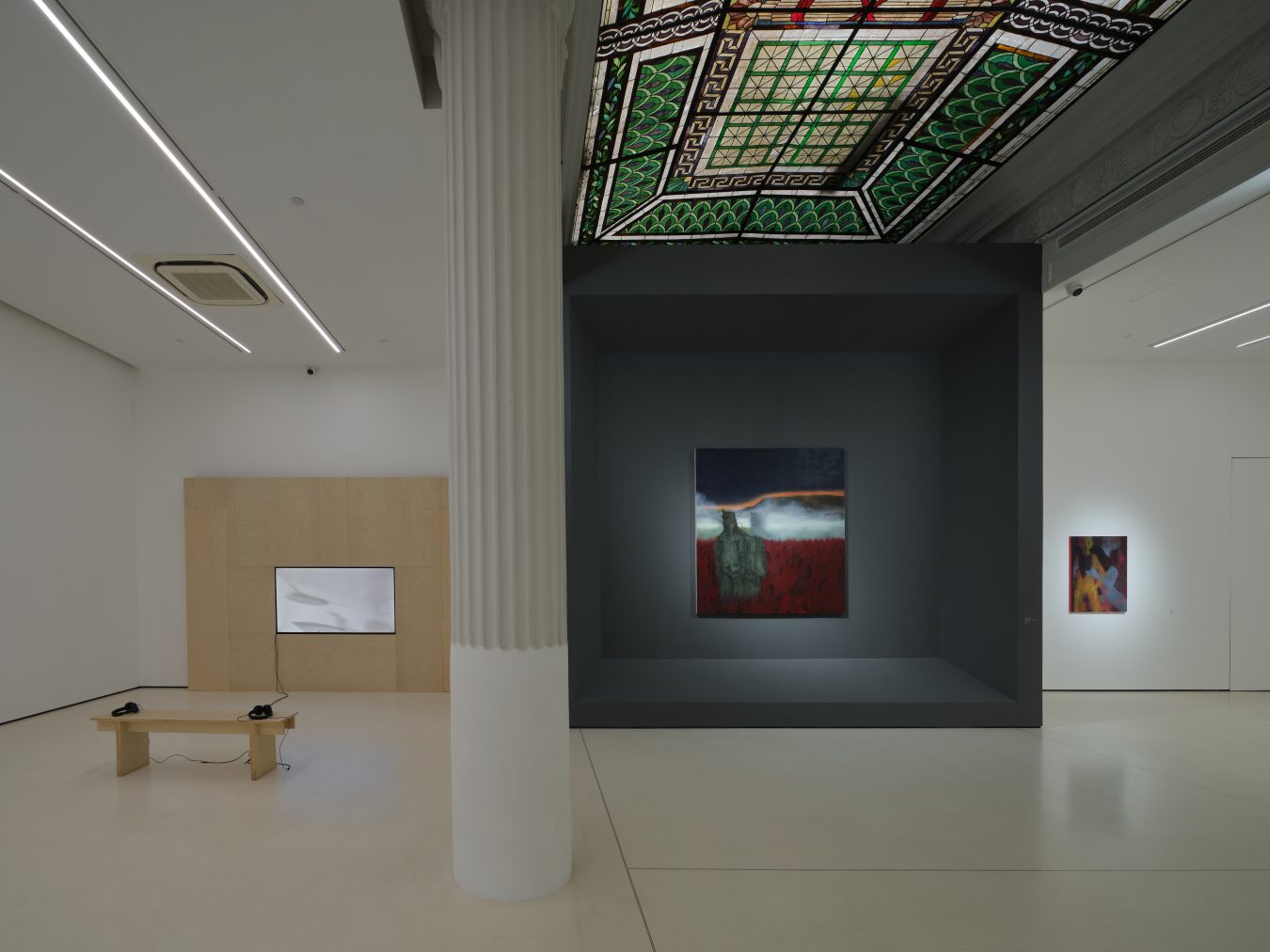
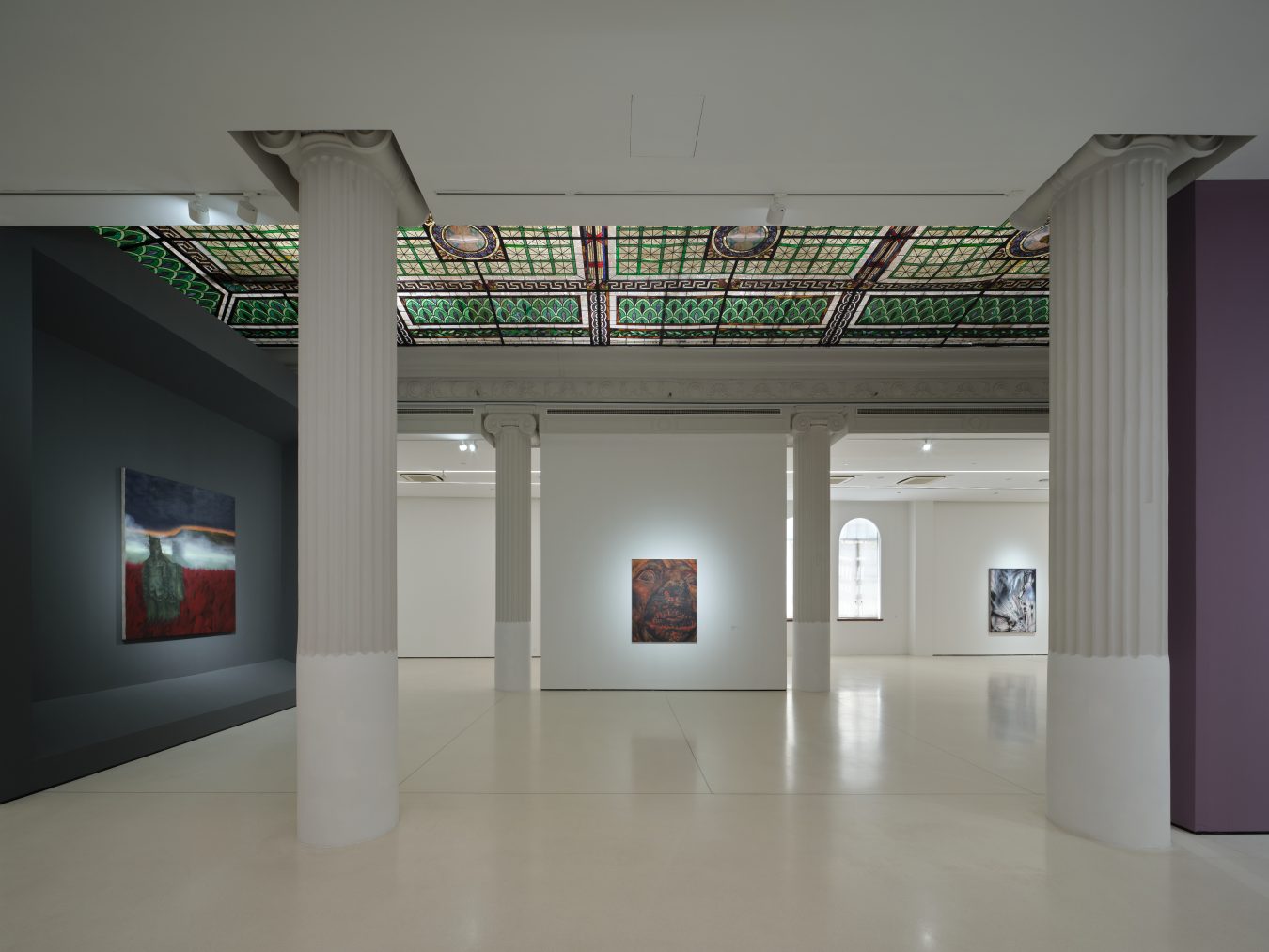
Hive Center for Contemporary Art is pleased to announce the group exhibition “Emotions of Physicality”, on view from April 24 to June 18, 2026, at Hive | Shanghai. Curated by Yu Fei, the exhibition brings together nine artists—Shuyi Cao, Momoko Yoshida, Kaito Itsuki, Shen Ganjun, Wang Xiya, Mai Tai, Ines Katamso, Yuna Yu, and Wenqi Zou—each offering contemporary expressions rooted in Asian conceptions of the body and life. Confronted with the realities of technological acceleration and increasing entropy, as well as multiple imbalances between body and emotion, social relations and natural systems, the exhibition seeks to explore how reflection and healing can take place within an Asian cultural context, and how we might reconstruct our understanding of ourselves and the world.
Can the body speak? And how does it express itself?
We have long grown accustomed to the body as an object of philosophical theorization, yet remain unfamiliar with the body as a purely material, living reality—apart from concepts. When the comparative medical historian Shigehisa Kuriyama juxtaposed the ancient Greek body with that of ancient China across vast distances of time and space, it becomes both surprising and entirely logical that the language of the body differs so greatly depending on cultural context. Regarding the “pulse,” European physicians perceived the heartbeat within it, recording it with precision and believing that its rhythm and frequency revealed everything about the strength or weakness of life. Yet classical Chinese medical texts never recorded such overt data, instead attuning themselves to immeasurable overtones—the depth and position of the pulse, the varying states of the organs it touches. Thus, different bodily perceptions coalesce into different understandings of the body, ultimately radiating outward into divergent ways of seeing and understanding the world. Following an Eastern view of the body, we enter through the pulse, the meridians wandering through the body, connecting to the organs, corresponding to Shichen (traditional Chinese unit of time) and solar term beyond the body itself. In this way, we rediscover the wonder of the bodily cosmos—organs and emotions mirroring each other, the human body and celestial bodies inseparable, and we find ourselves within a decentralized system that has long existed yet remains insufficiently recognized.
Emotions of Physicality summons this enduring view of the body and life into the present, further expanding and extending it. “Emotions” here do not refer to isolated individual feelings, but to the affective bonds generated through interaction; “physicality” corresponds not to a single body, but to a network of life in which bodies nest and resonate with one another. Today, we undoubtedly live in an era of dual damage—to both emotion and physicality. In an accelerated society dominated by technology, anthropocentrism may not have had time to exit before concrete individuals have already been displaced from the center of the world, replaced by data about people and their bodies. Narratives across the globe have become closed and rigid; conflict and chaos escalate and accumulate, bringing with them ruptures in history and identity, disconnection between self and nature, bodily illness, and social symptom. Thus, at this very moment, the exhibition is annotated by the act of reconnecting with lived perception, of allowing muted and suppressed emotions to open and flow once more.
If the separation of body and mind, the division between human and non-human, and the rupture between nature and society are products of modernity—and if Europe has spent over a century in vigorous reflection and revision—then what Asia faces is undoubtedly more subtle and complex. After experiencing a generally “belated” modernity, Asia suddenly encounters Europe’s turn amid collective frenzy for progress. When Bruno Latour, with his statement that “we have never been modern,” questioned an anthropology defined by modernity, how should Asia, long situated outside the center, redefine its own body? The nine Asian artists in this exhibition fully mobilize their own embodied experiences and discourses, starting anew from a conception of life rooted in their own histories—bidding farewell to precision and standards, embracing ambiguity and polysemy, bridging the virtual and the real, connecting the ancient and the future. The affective network of life is repaired and reconstructed through their creative practices, and the finite body ultimately reaches into a vast, boundless physicality.
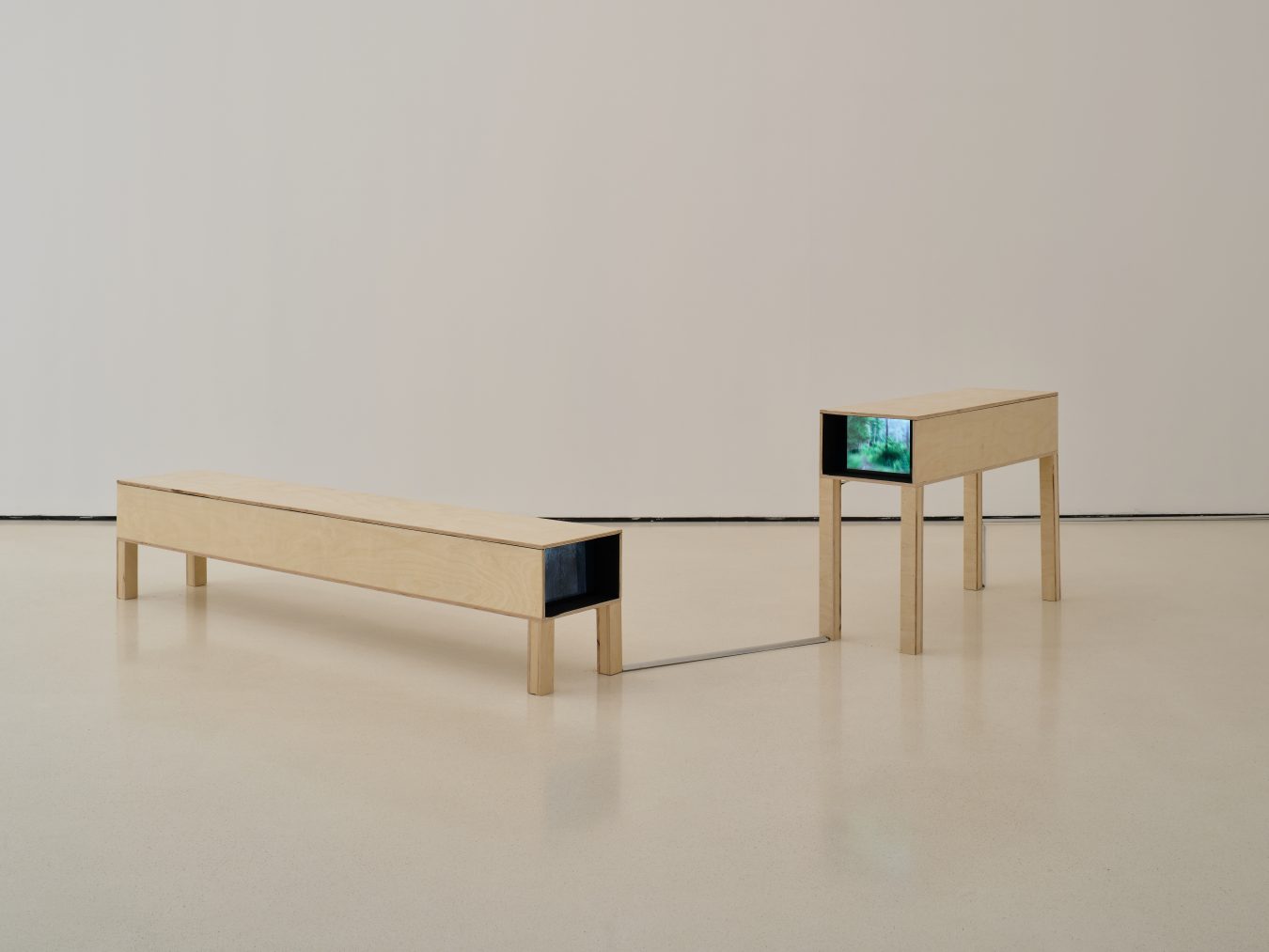
Shuyi Cao traces the space-time of life back to prehistoric ocean depths, where microscopic beings invisible to the naked eye are meticulously extracted from the water. Blending these forms with mythological totems, she molds them in purple clay and subjects them to the ordeal of fire. Ultimately, they are reborn as unknown deities, reflections of the five elements. Ines Katamso, deeply influenced by Javanese cosmology, uses soil to portray microscopic mycelial structures, echoing the earthly energies and the regenerative life principles of local beliefs. Wenqi Zou travels to ethnic minority communities in Southwest China, reshaping the healing power of natural objects at the cultural source where shamans and healers intertwine. Traditional views of the body and life can be reactivated in different ways, and the gaze toward history, the past, and memory also shapes the contours of the self and the world. Yuna Yu moves among the ruins of ancient Eastern and Western civilizations, summoning collective memories of battle and plunder through fragmented stone bodies in misplaced times and spaces, inscribing a continuous history of life’s extinction. With the lingering sensation of war, Mai Tai constructs an interior space stripped of time, taking it as a final refuge for emotion. In her video work, Wang Xiya wanders as a ghostly figure in an ambiguous space between presence and disappearance, continuously testing the delicate boundaries between human and nature, absence and possession. As atomization gradually becomes everyday reality, how should the “I” and the “we” relate to ourselves? Momoko Yoshida invents a dreamlike parallel life. Through role-playing, she navigates the boundary between virtual and real, liberating herself from the constraints of a fixed identity. Kaito Itsuki restores the beast-like body beneath society’s attire, revealing that only by escaping social discipline and confronting primal desires can we establish intimate bonds with one another. Shen Ganjun examines her own will caught within a high-speed social machine, reclaiming bodily sovereignty through her persistent questioning and resistance.
The artists’ explorations of history and themselves are profoundly connected to their imaginations of the future and the world. As technology continually extends the length of life, while emotional perception grows increasingly thin and weary, subtle ruptures emerge one after another—so much so that we often forget that we are living beings, living among life, and enveloped by greater life. In truth, life can take many paths and open narratives. At a time when knowledge and intelligence are being relentlessly enhanced, perhaps what is more pressing is to reawaken the wisdom of life, starting from our mutual bodies.