
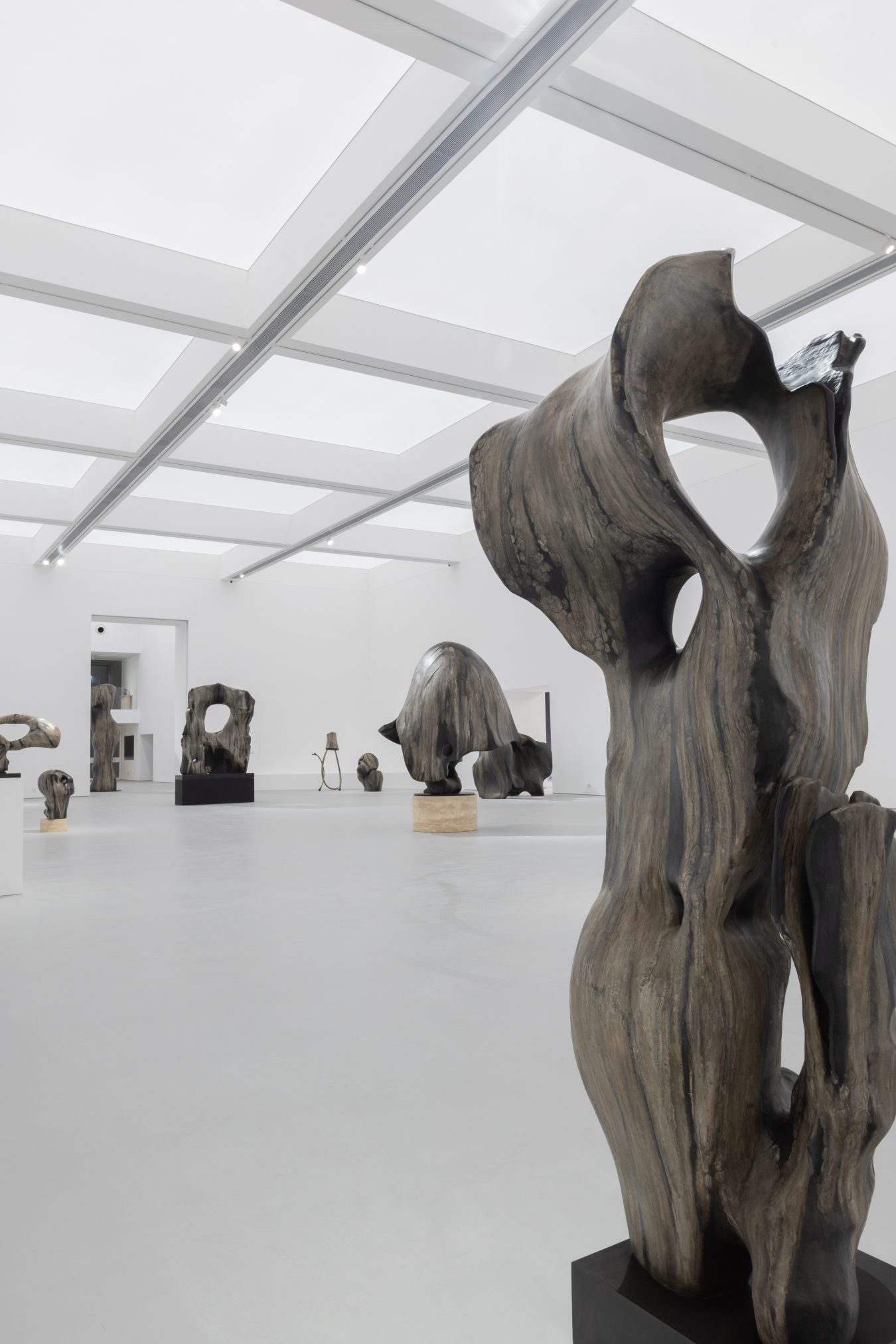
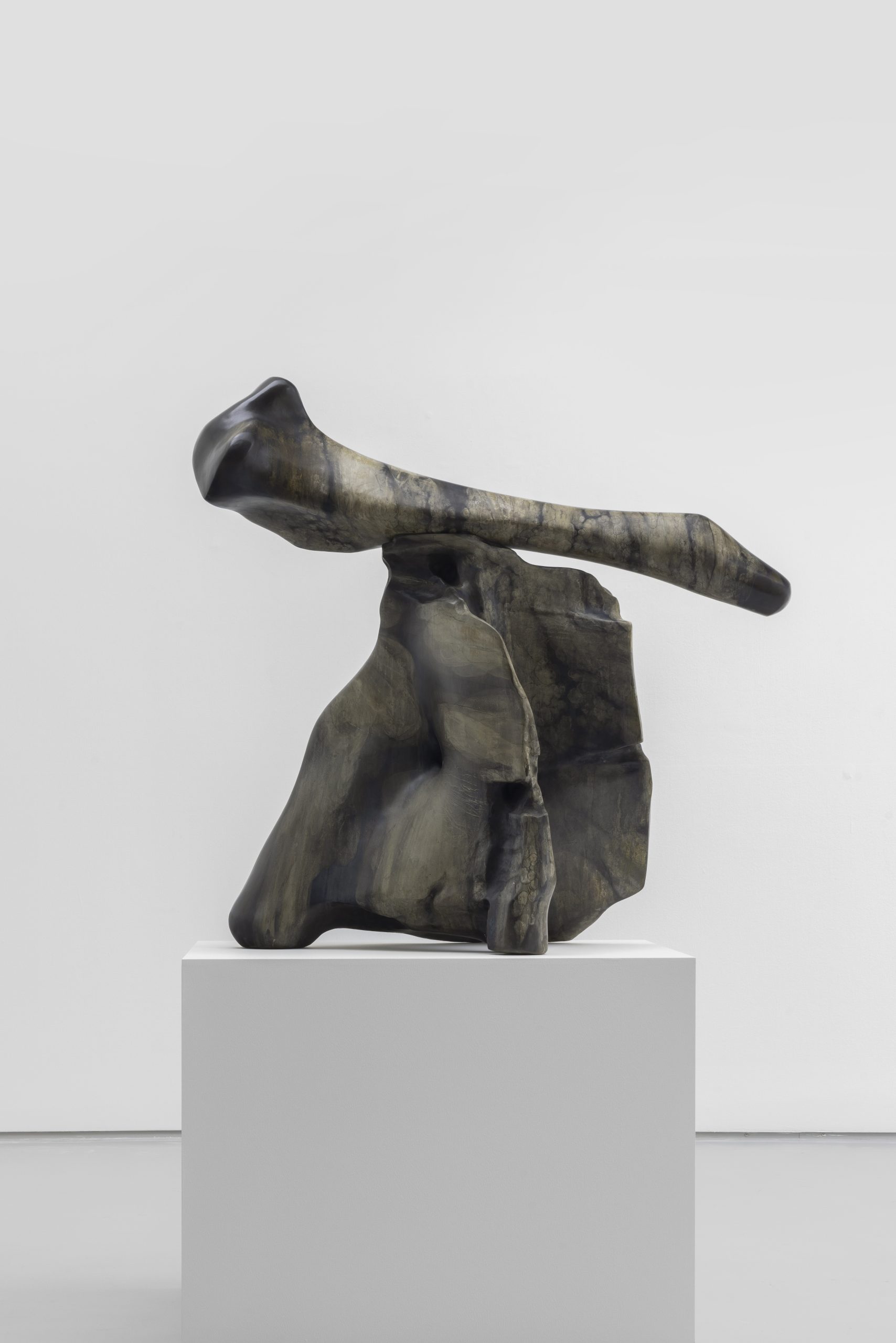
Han Dong
2024
Coloring bronze
100cmH × 120cmW × 81cmD
2022-青铜着色-175h-×-66w-×49d-cm-scaled.jpg)
Han Dong
2022
Coloring bronze
175cmH × 66cmW × 49cmD
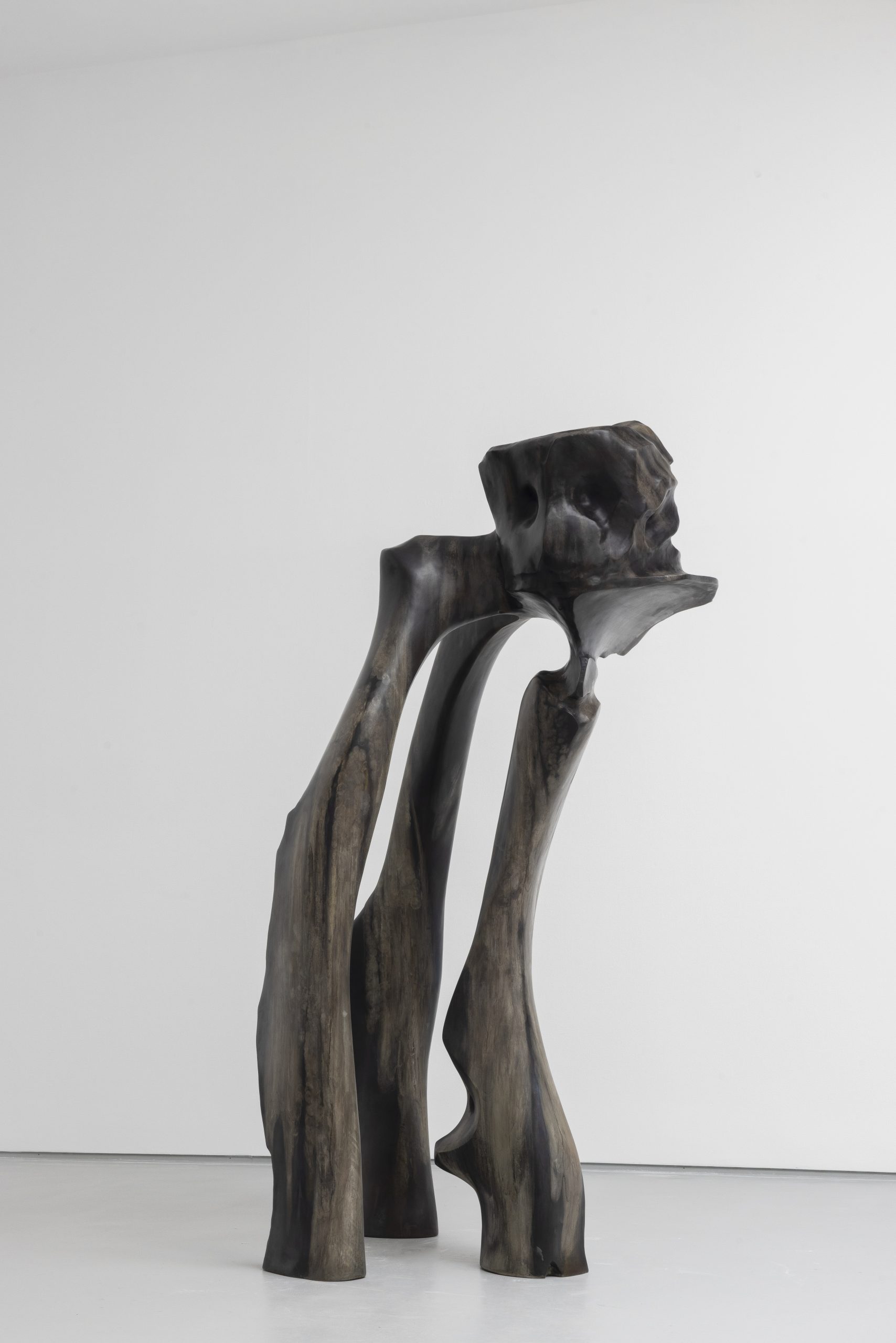
Han Dong
2022
Coloring bronze
200cmH × 115cmW × 110cmD
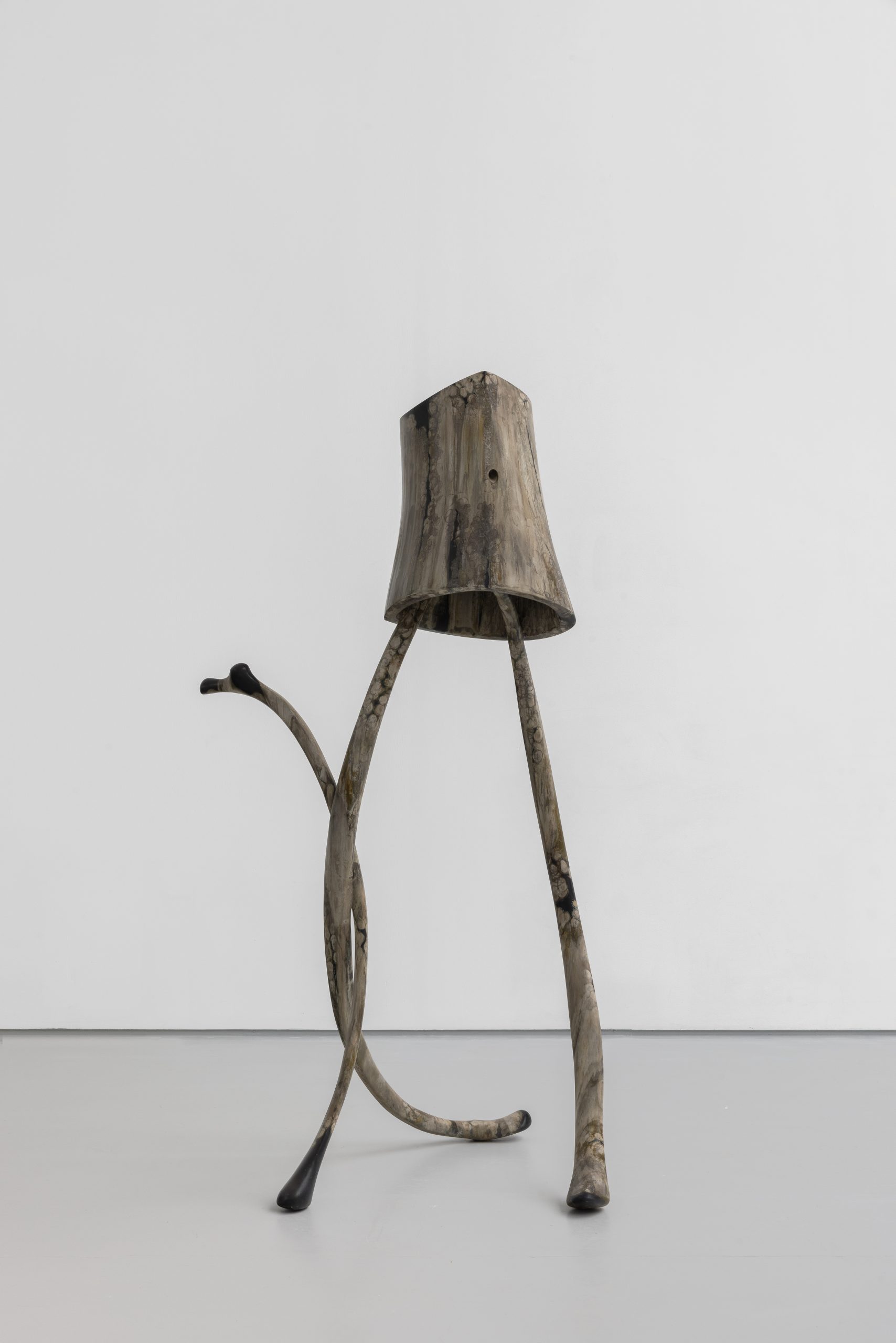
Han Dong
2022
Coloring bronze
180cmH × 95cmW × 86.5cmD
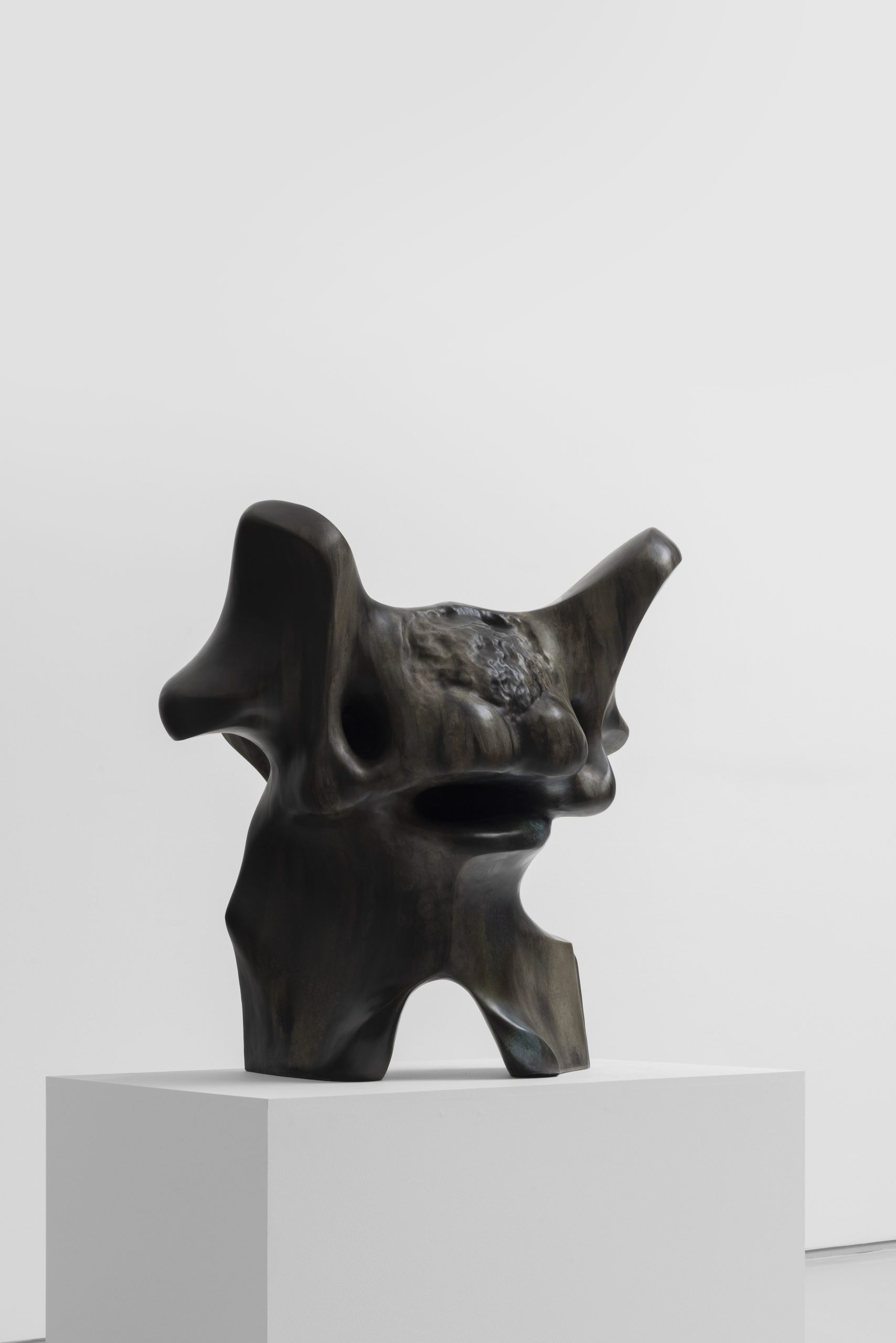
Han Dong
2022
Coloring bronze
80cmH × 78cmW × 57cmD
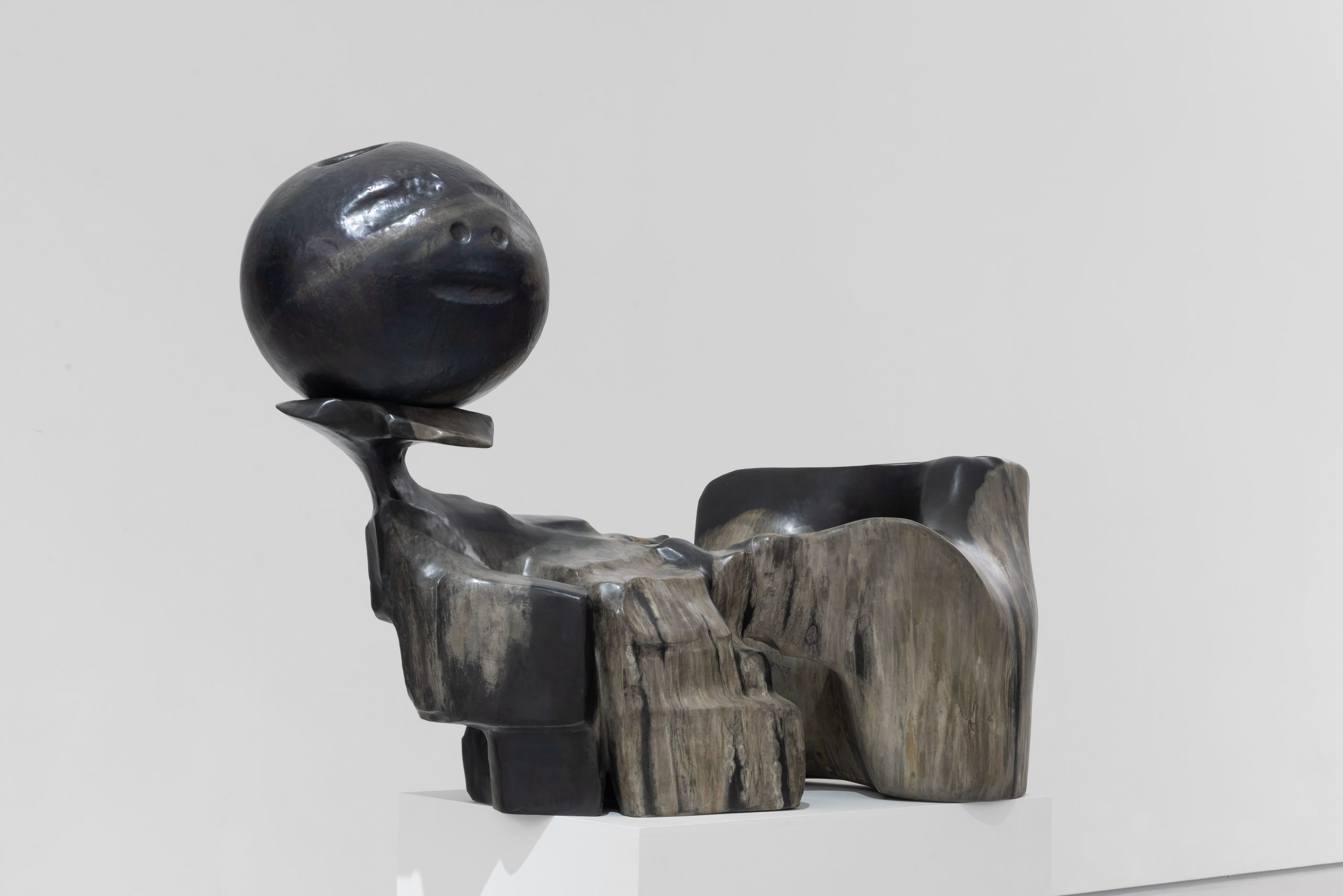
Han Dong
2022
Coloring bronze
100cmH × 144cmW × 77cmD
-2022-青铜着色-215h×88w×59d-cm--scaled.jpg)
Han Dong
2022
Coloring bronze
215cmH × 88cmW × 59cmD(含底座)
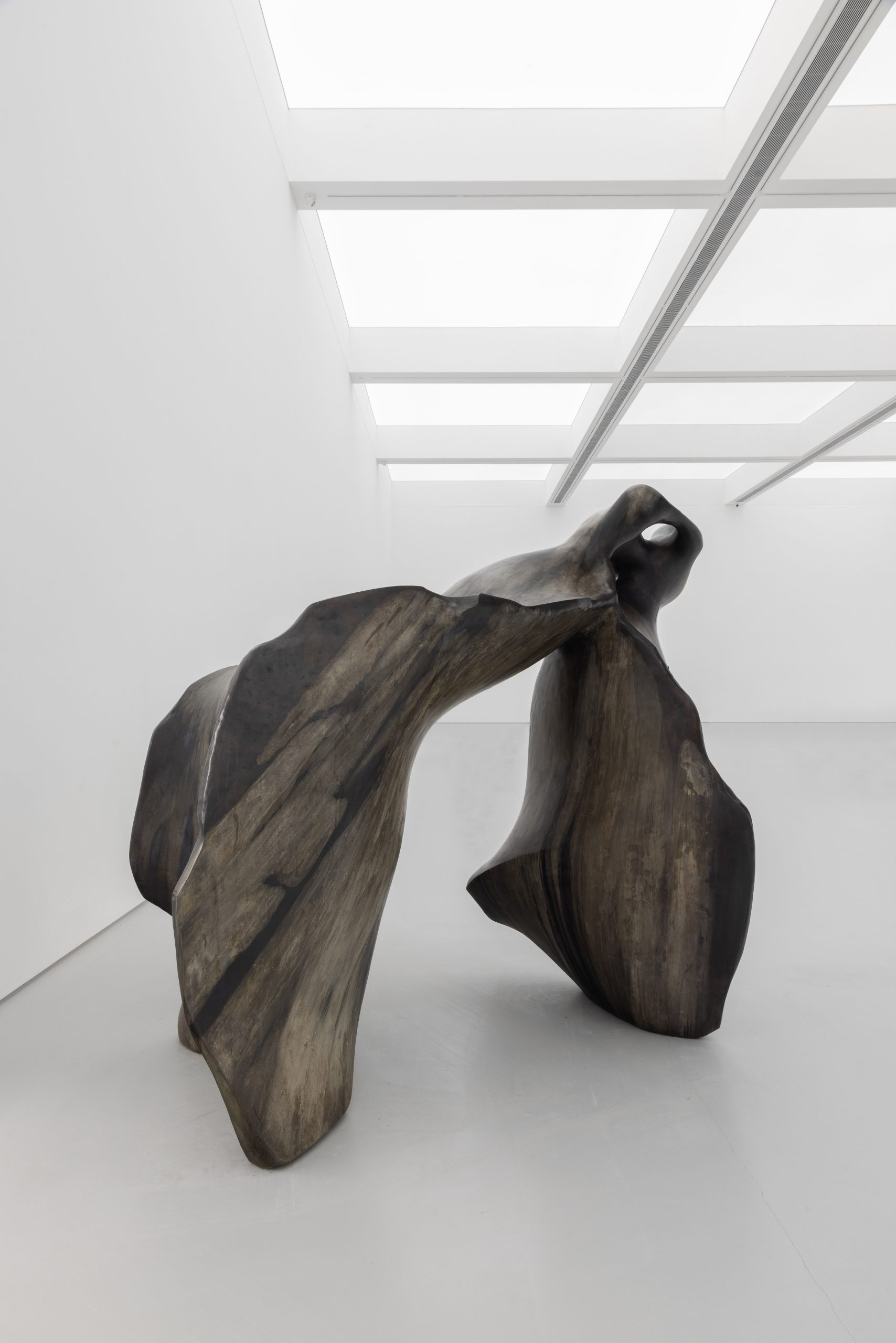
Han Dong
2022
Coloring bronze
200cmH × 231cmW × 127cmD
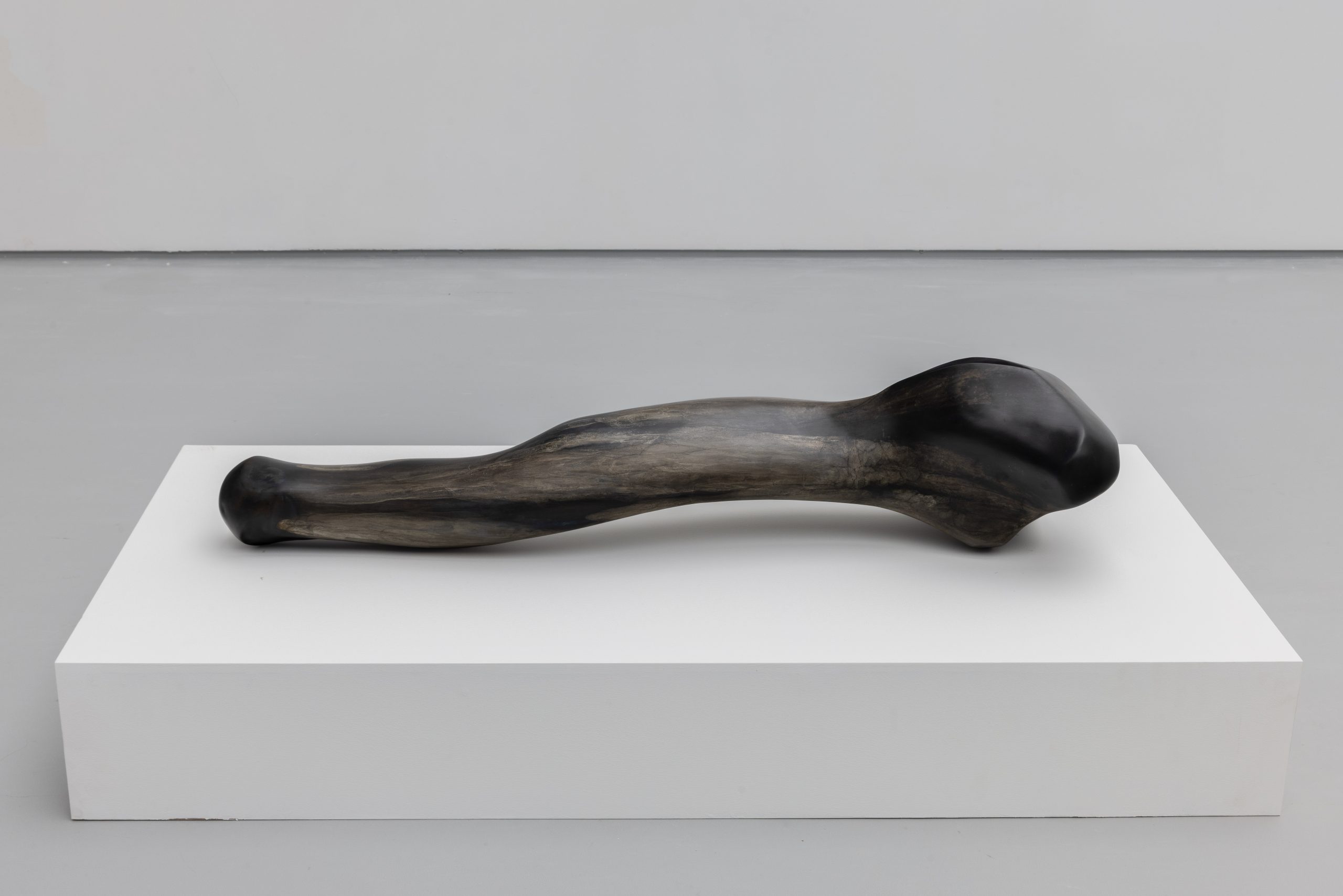
Han Dong
2021
Coloring bronze
29cmH × 114cmW × 26cmD
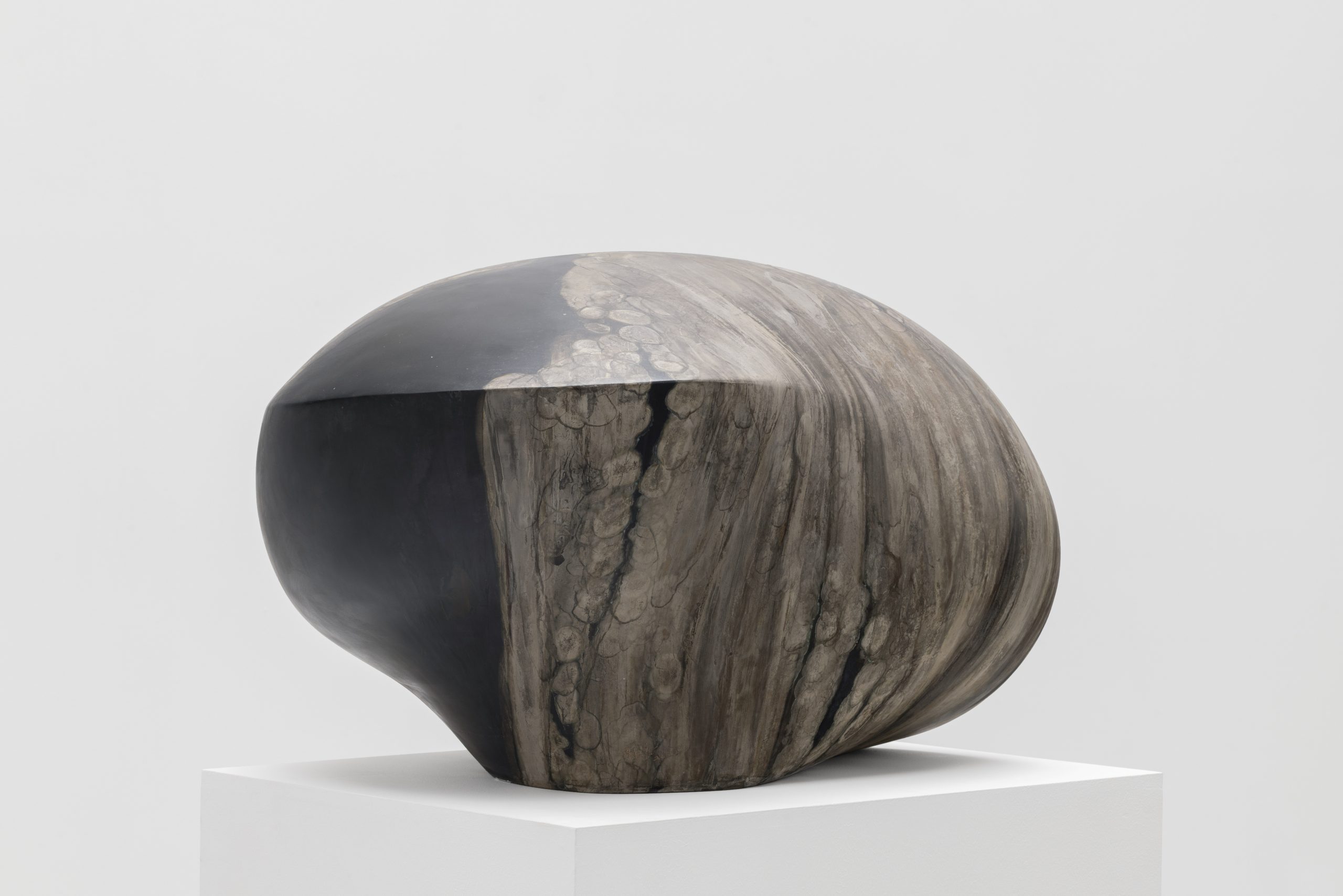
Han Dong
2021
Coloring bronze
40cmH × 53cmW × 65cmD
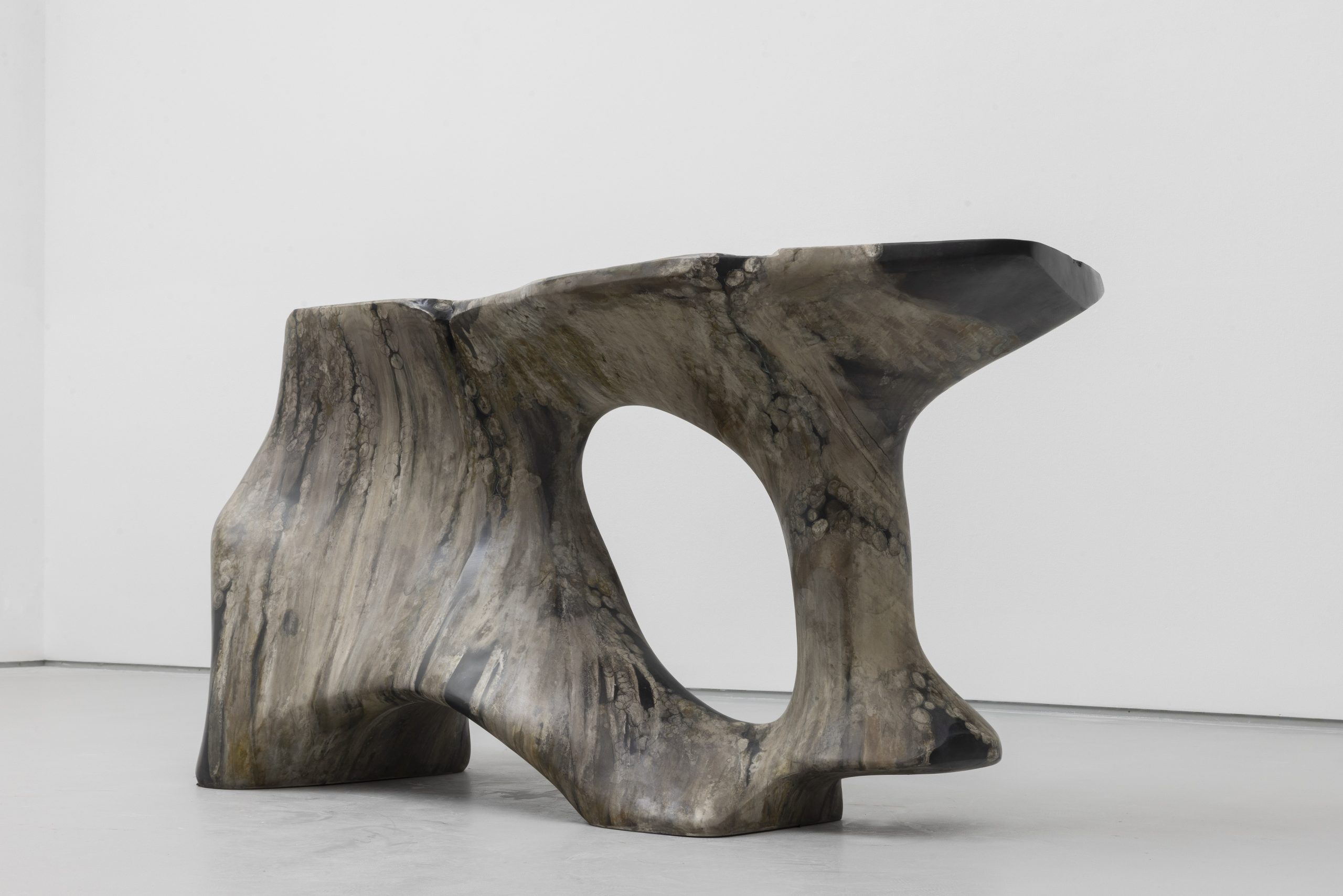
Han Dong
2021
Coloring bronze
90cmH × 173cmW × 77cmD
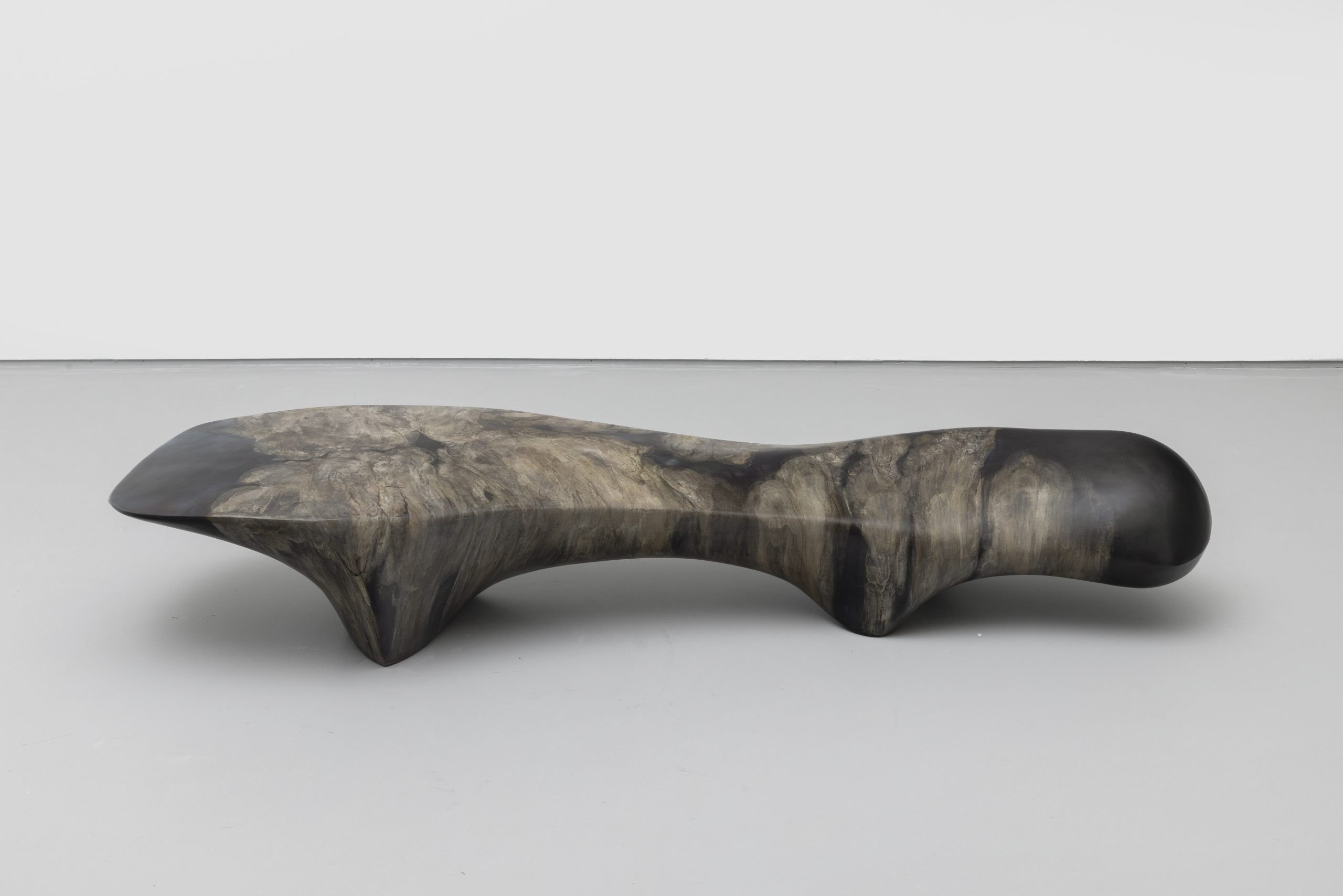
Han Dong
2021
Coloring bronze
43cmH × 240cmW × 72cmD
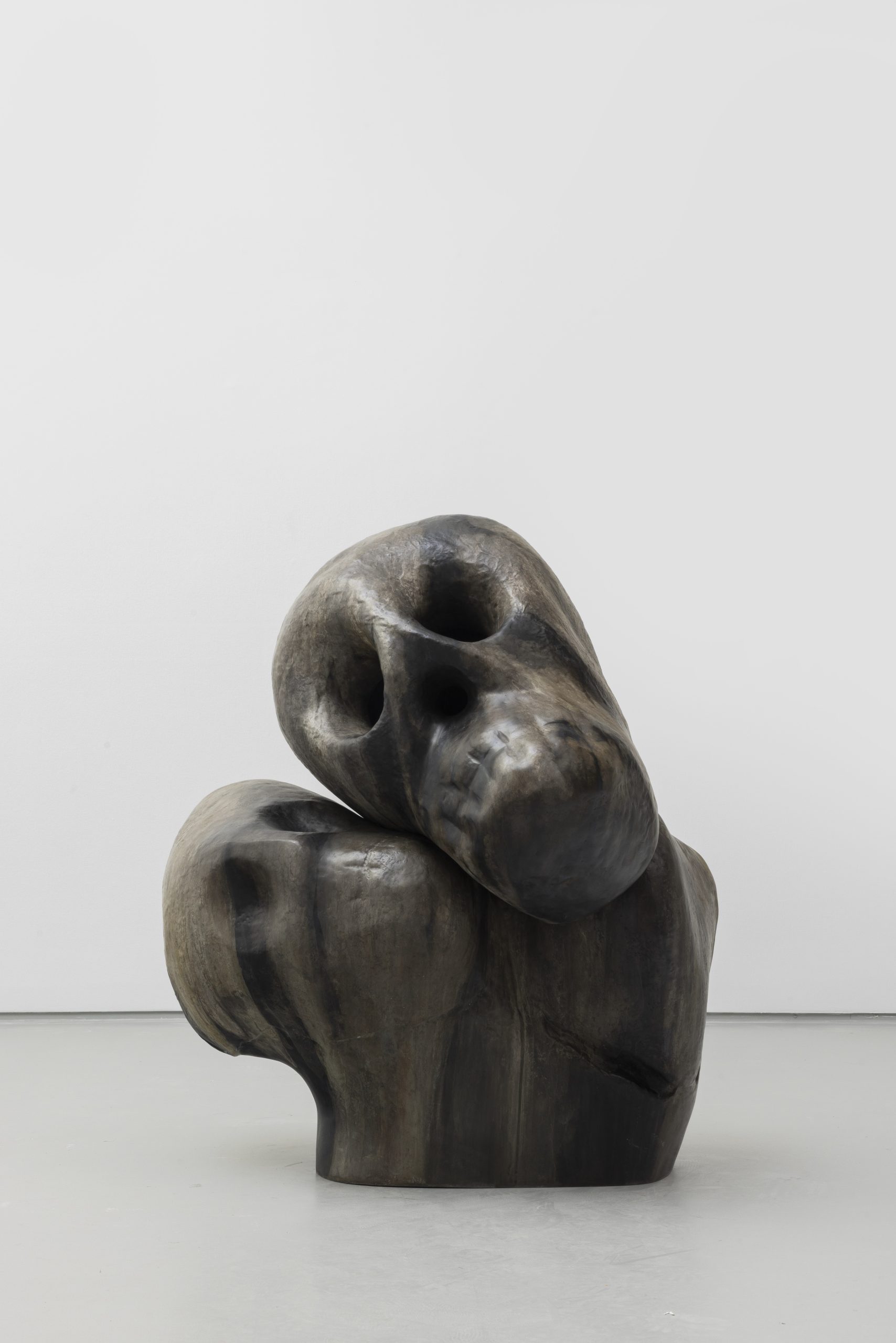
Han Dong
2021
Coloring bronze
120cmH × 102cmW × 79cmD
2021-青铜着色-36h-×-48w-×-46d-cm-scaled.jpg)
Han Dong
2021
Coloring bronze
36cmH × 48cmW × 46cmD
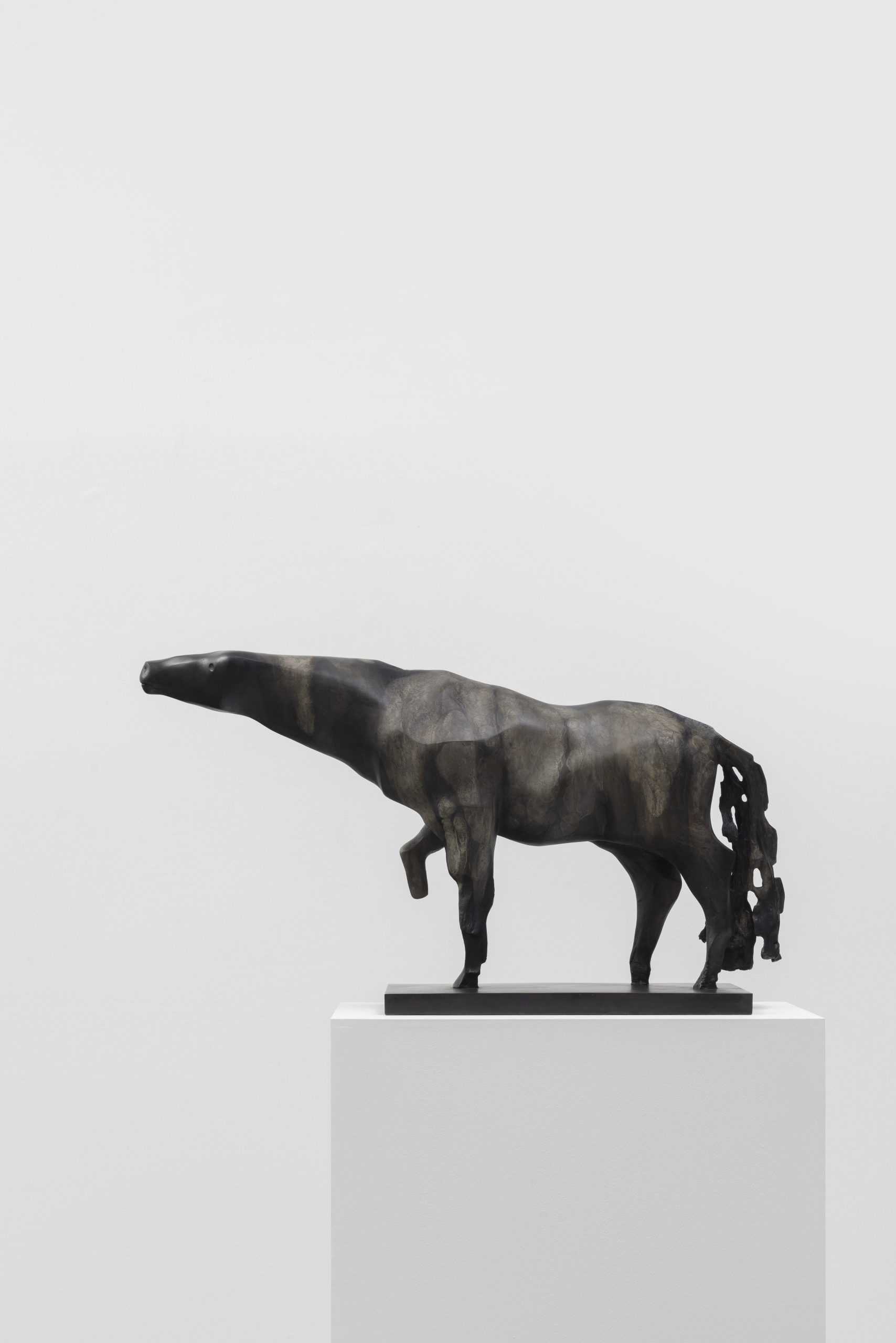
Han Dong
2020
Coloring bronze
48cmH × 94cmW × 21cmD
2020-青铜着色-38h-×-25w-×-25d-cm-scaled.jpg)
Han Dong
2020
Coloring bronze
38cmH × 25cmW × 25cmD
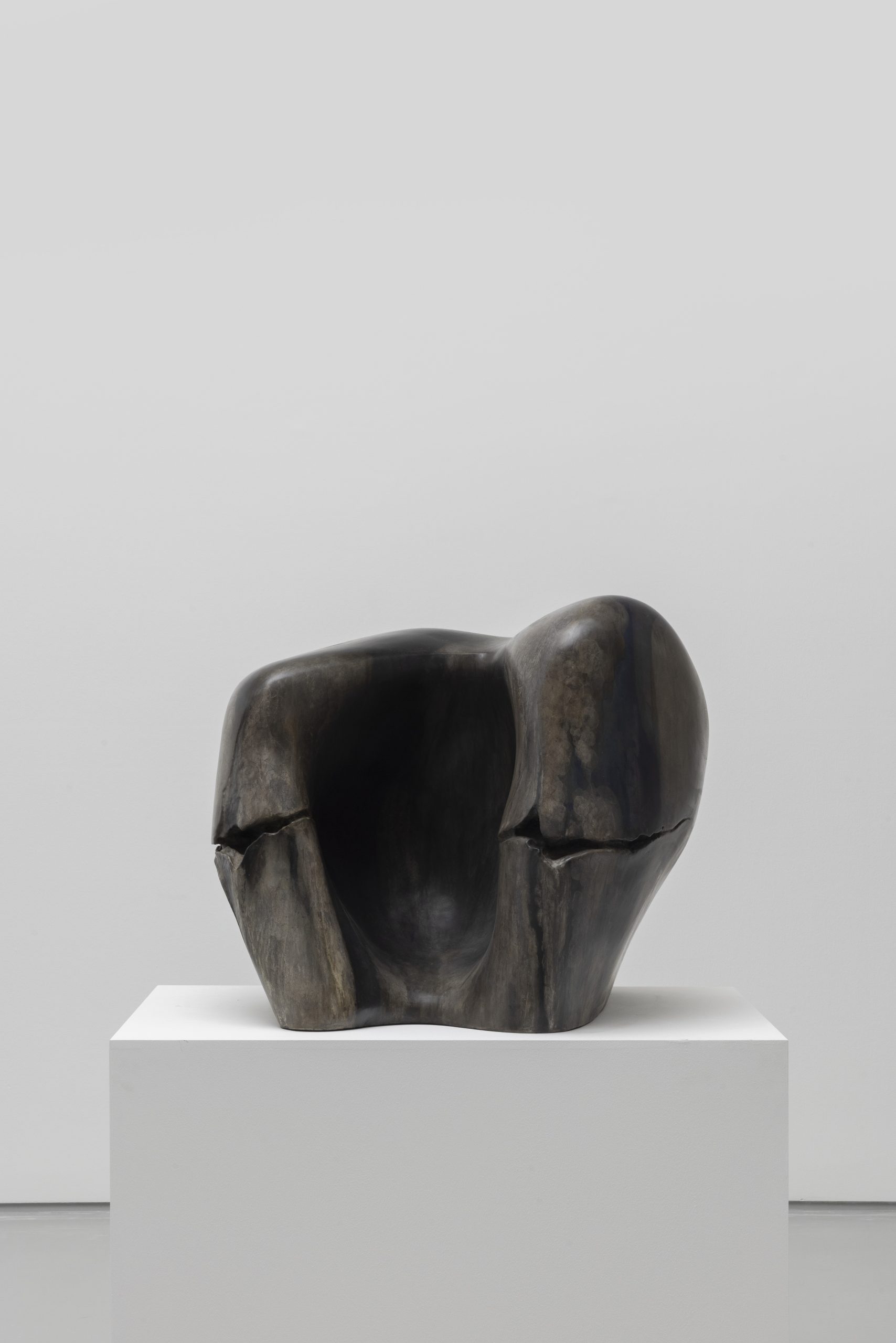
Han Dong
2018
Coloring bronze
60cmH × 73cmW × 63cmD
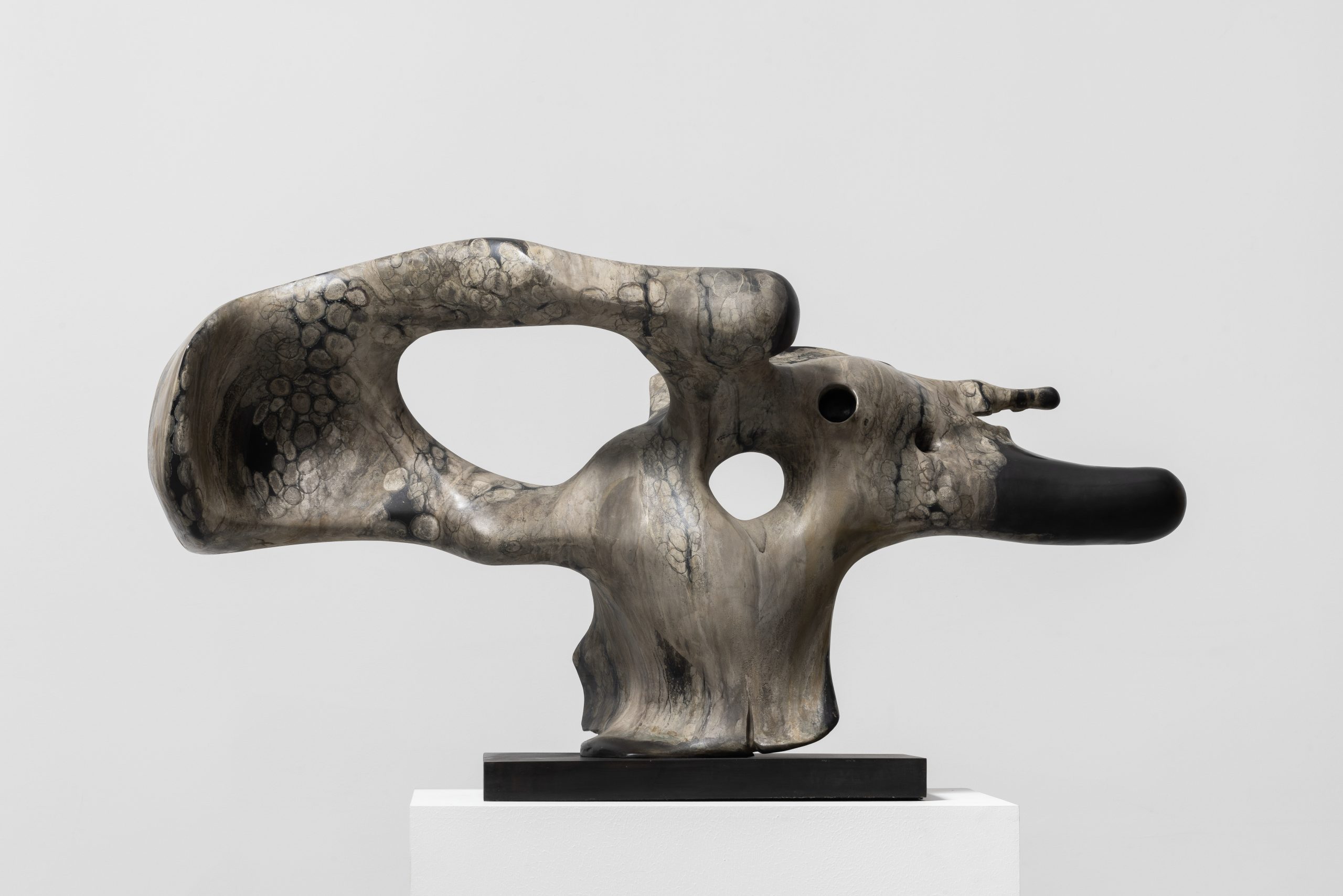
Han Dong
2018
Coloring bronze
60cmH × 111cmW × 34cmD
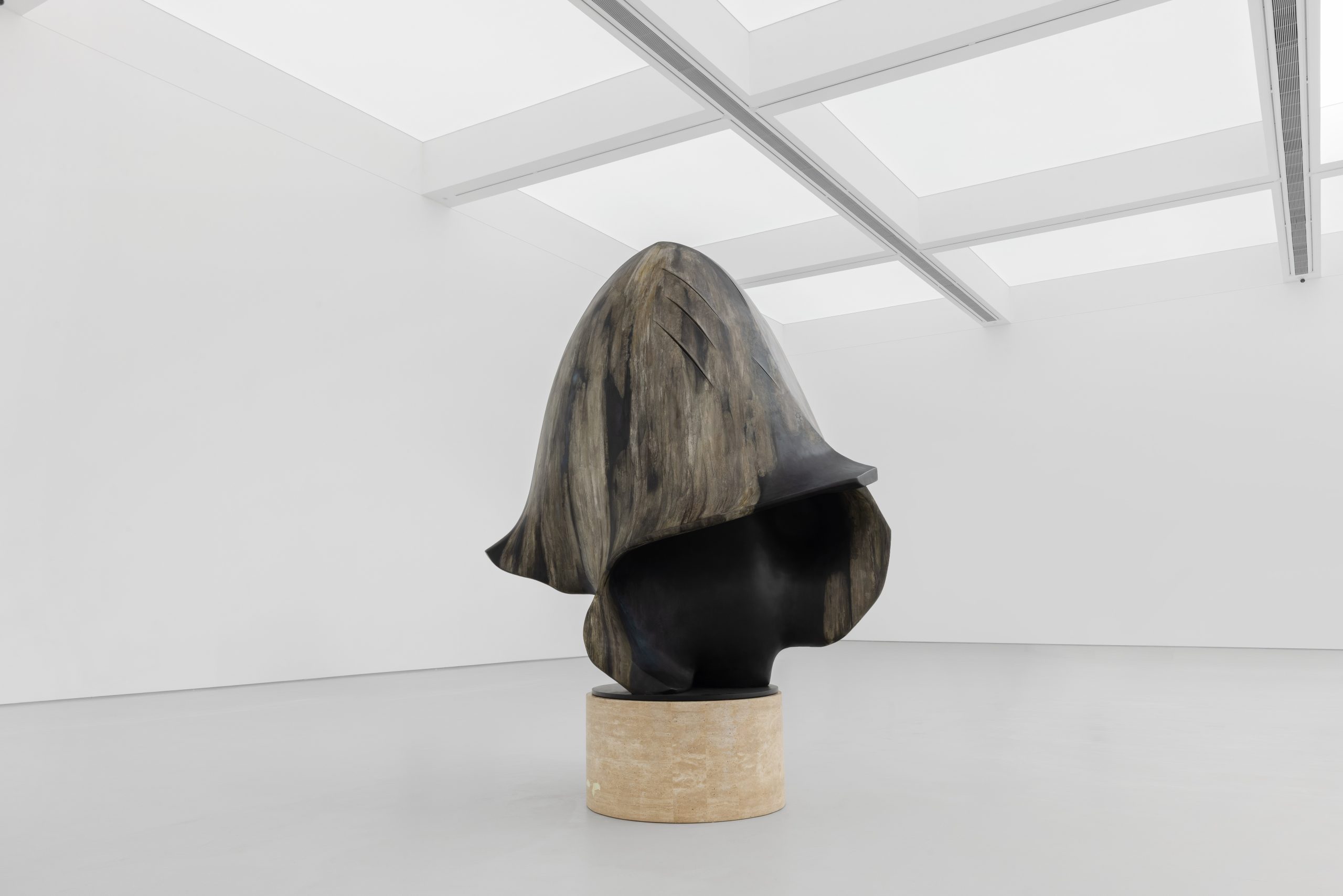
Han Dong
2018
Coloring bronze
230cmH × 208cmW × 179cmD
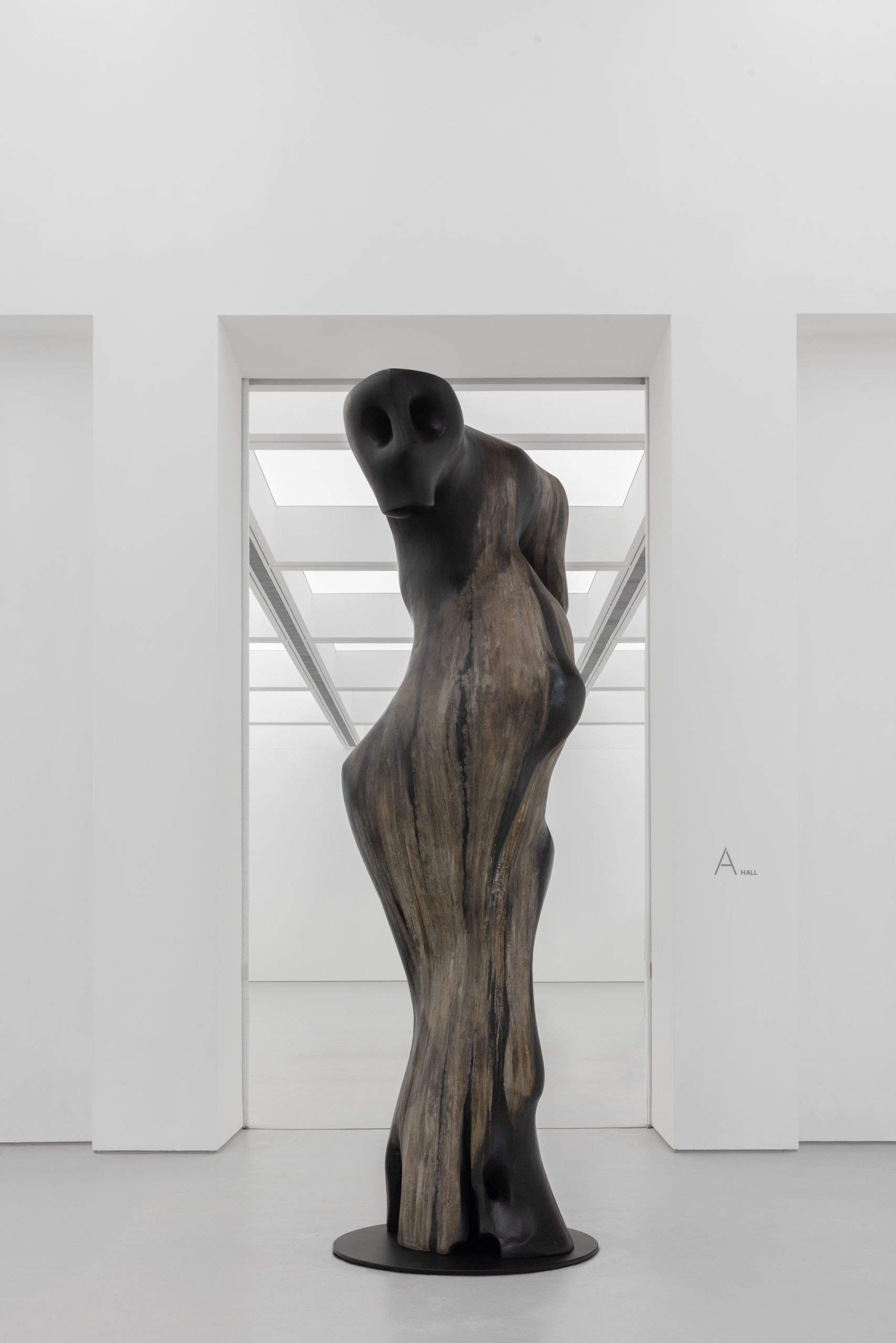
Han Dong
2018
Coloring bronze
380cmH × 120cmW × 141cmD
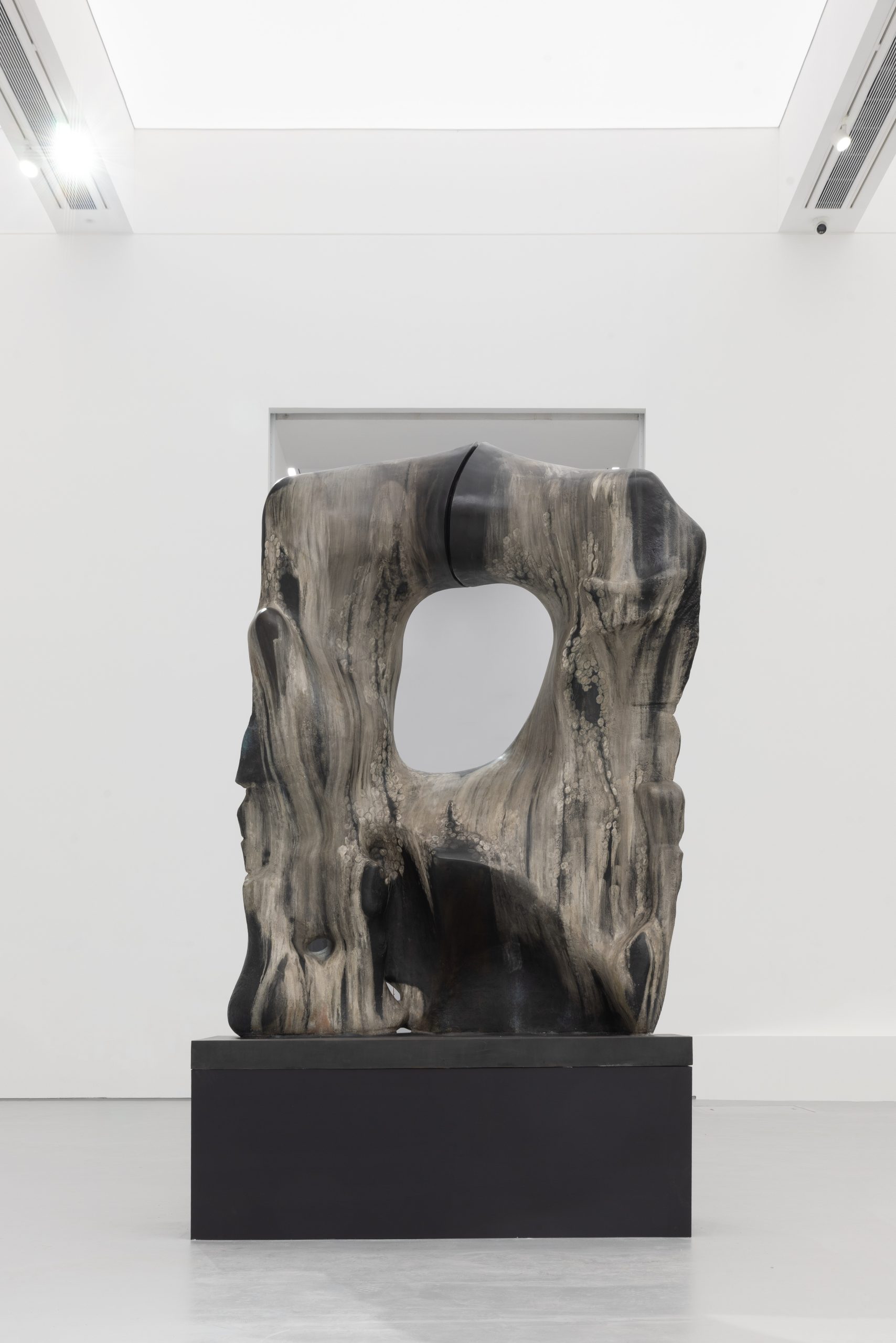
Han Dong
2017
Coloring bronze
230cmH × 173cmW × 87cmD
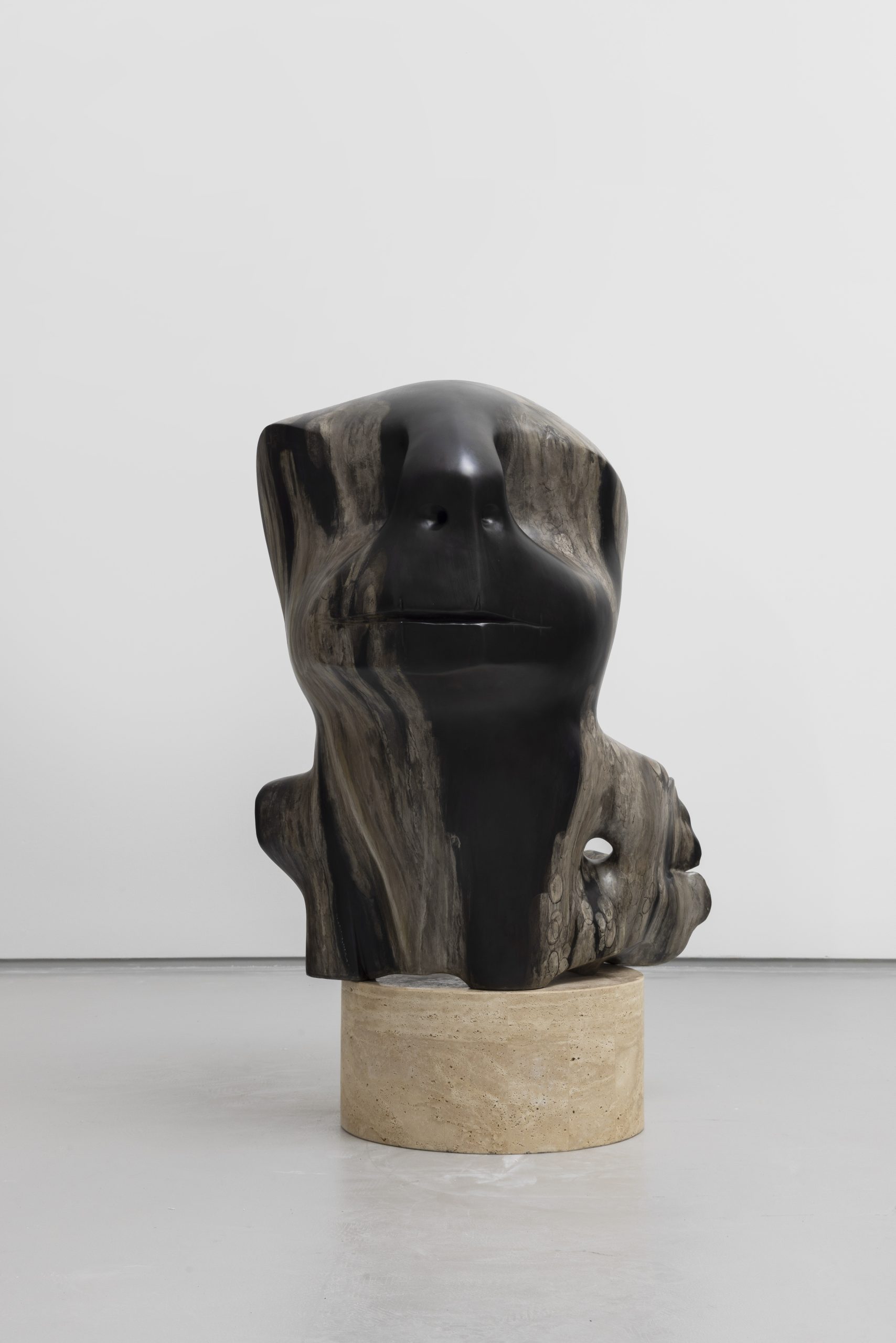
Han Dong
2017
Coloring bronze
80cmH × 54cmW × 65cmD
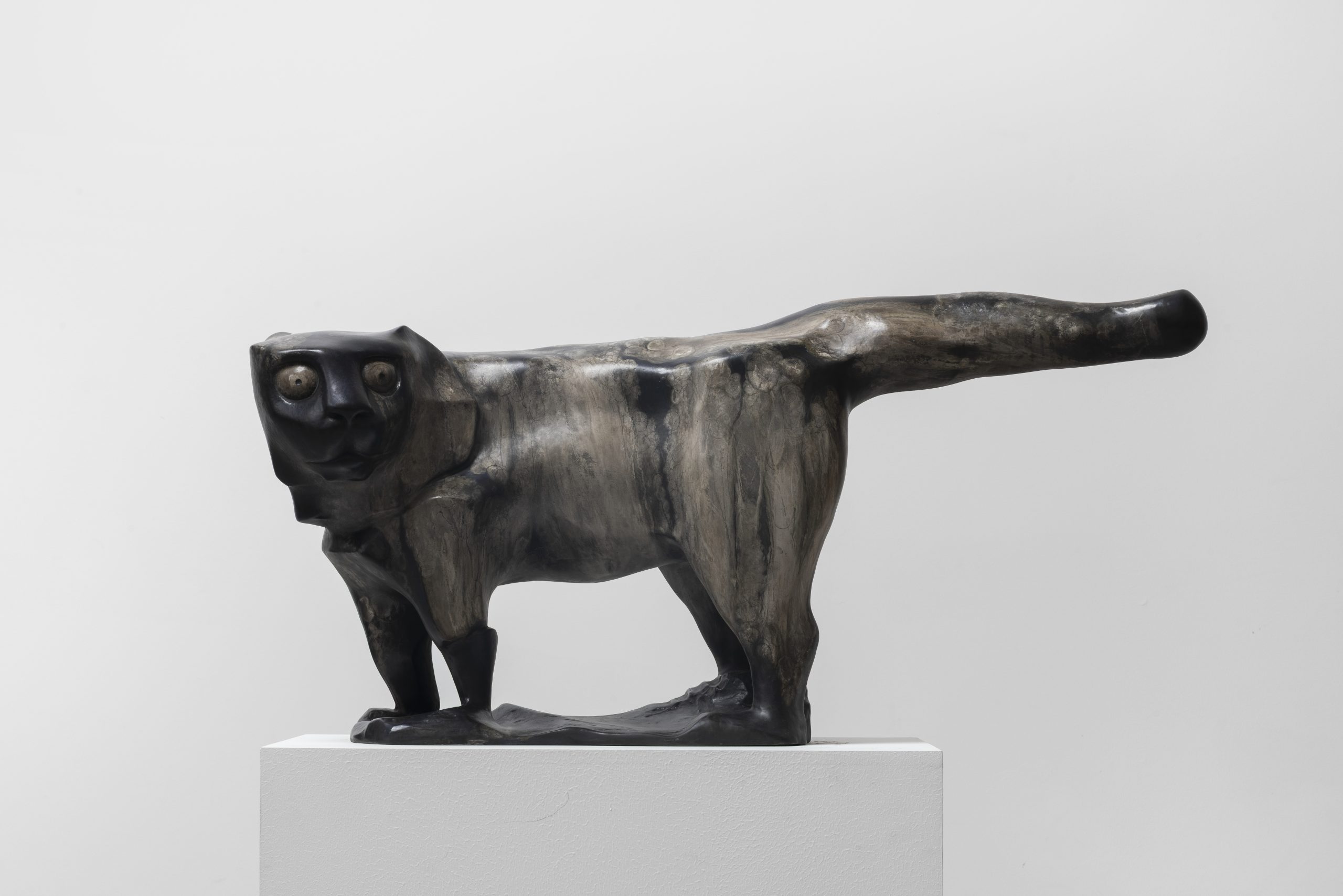
Han Dong
2017
Coloring bronze
44cmH × 90cmW × 28cmD

Han Dong
2017
Coloring bronze
72cmH × 60cmW × 25cmD
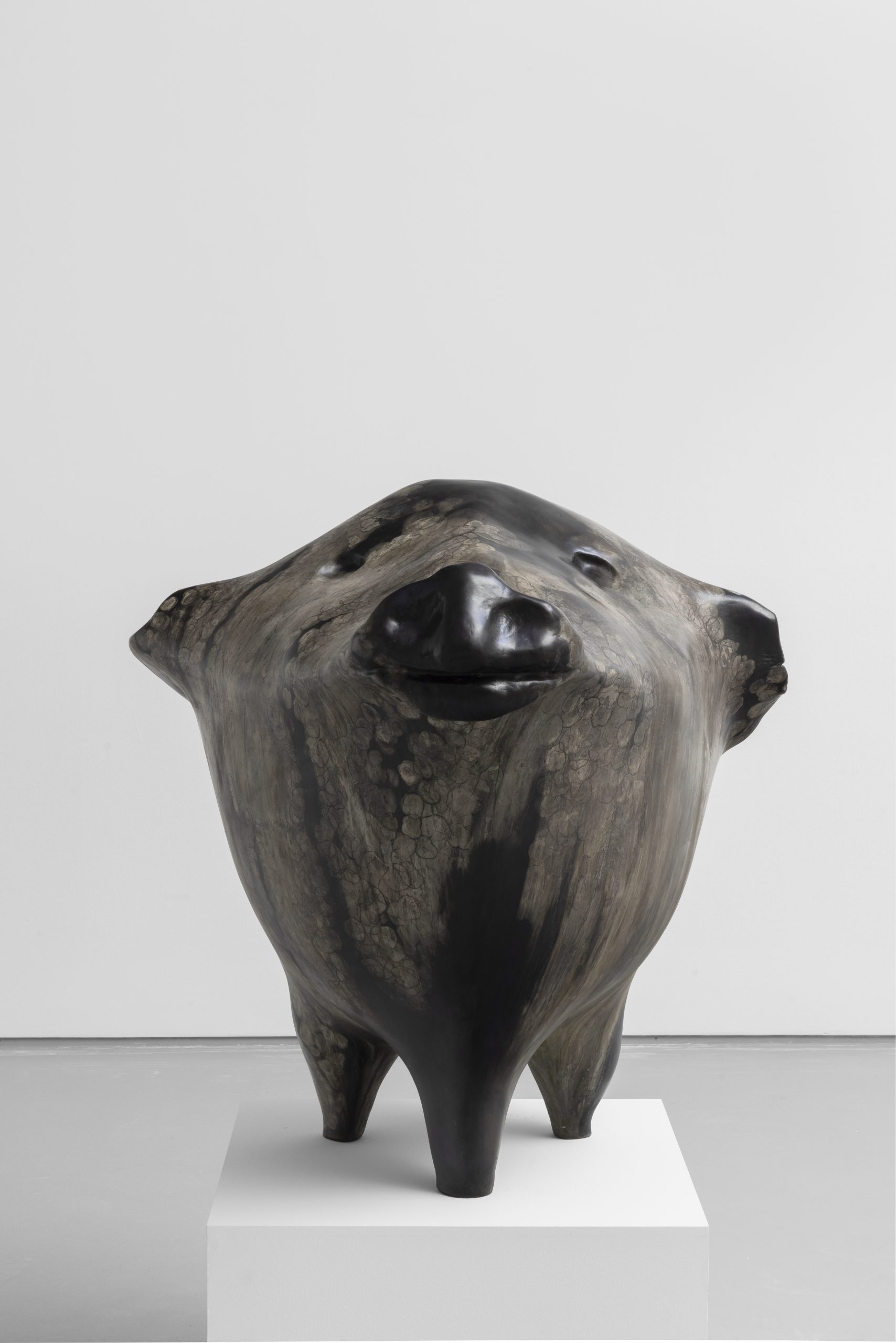
Han Dong
2009
Coloring bronze
90cmH × 85cmW × 93cmD
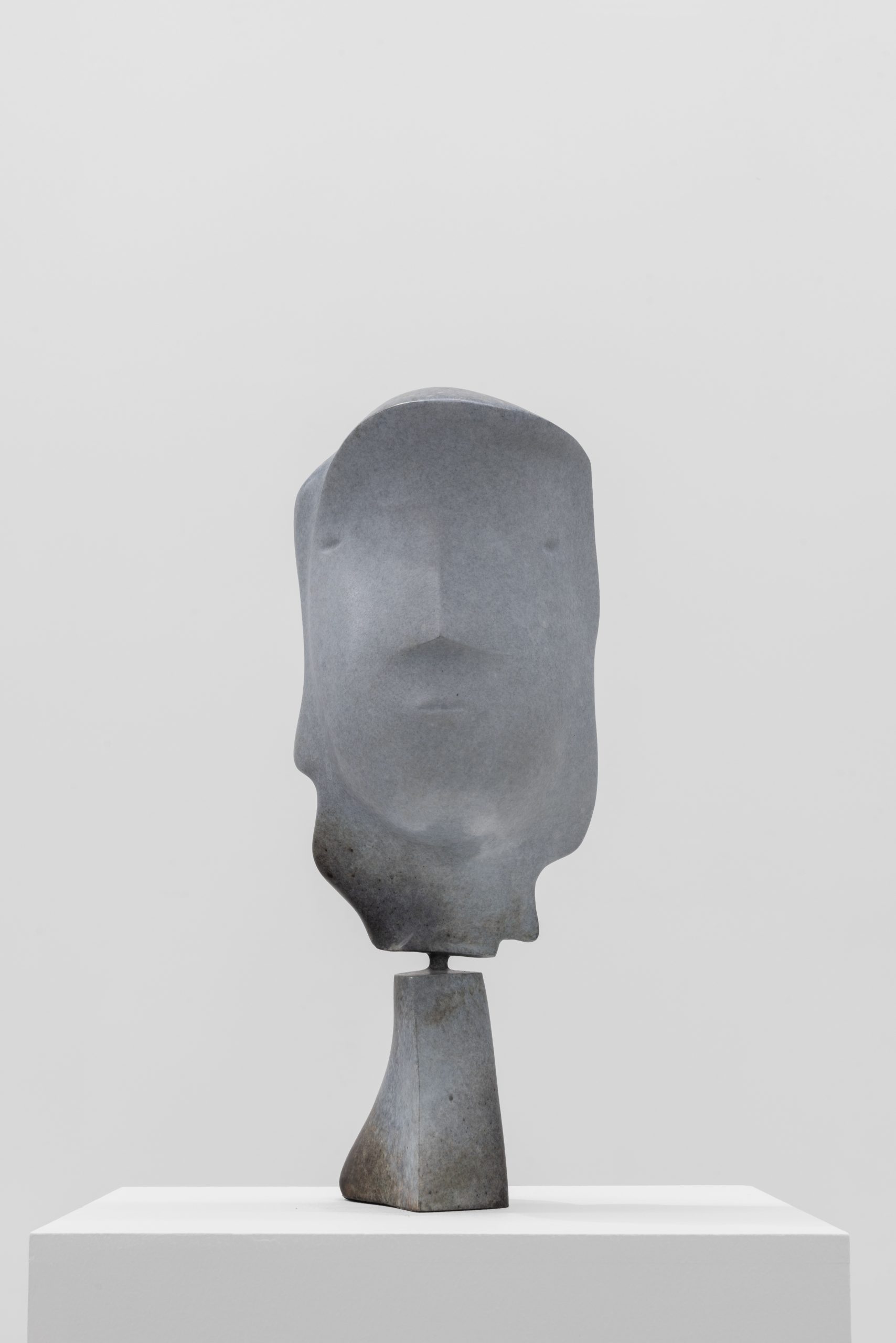
Han Dong
2006
Coloring bronze
41cm × 16cmW × 15cmD
乘物游心:韩冬雕塑三部曲
JOURNEY OF THE HEART: Han Dong’s Sculpture Trilogy
策展人 | Curator:夏季风|Xia Jifeng
艺术家 | Artist: 韩冬|Han Dong
开幕时间 | Opening: 2025.12.28
展览时间 | Exhibition Dates: 2025.12.28-2026.3.3
地点 | Venue: 蜂巢当代艺术中心 | Hive Center for Contemporary Art
地址|Address: 北京市酒仙桥路4号798艺术区E06 | E06, 798 Art Zone, Chaoyang District, Beijing, China
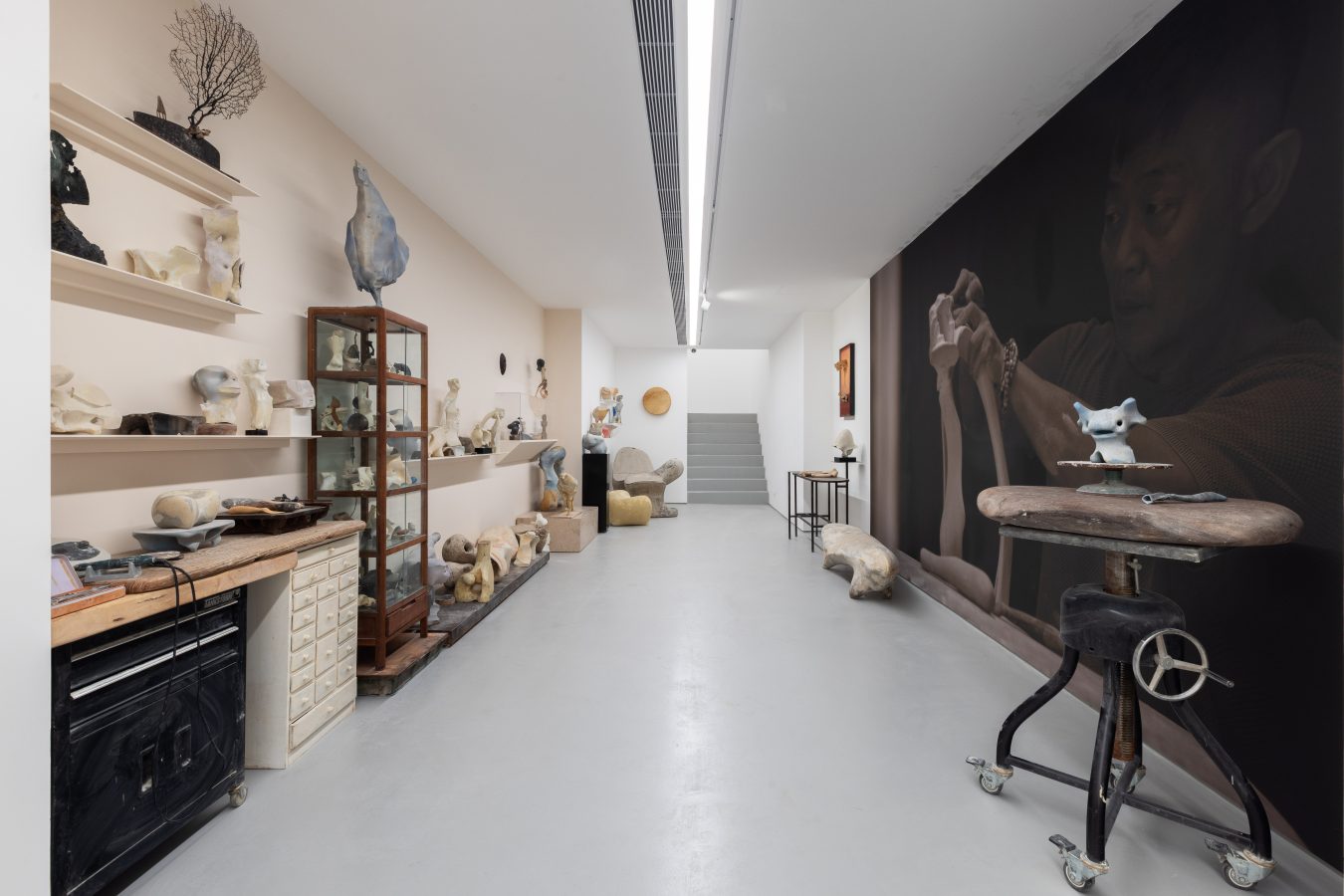
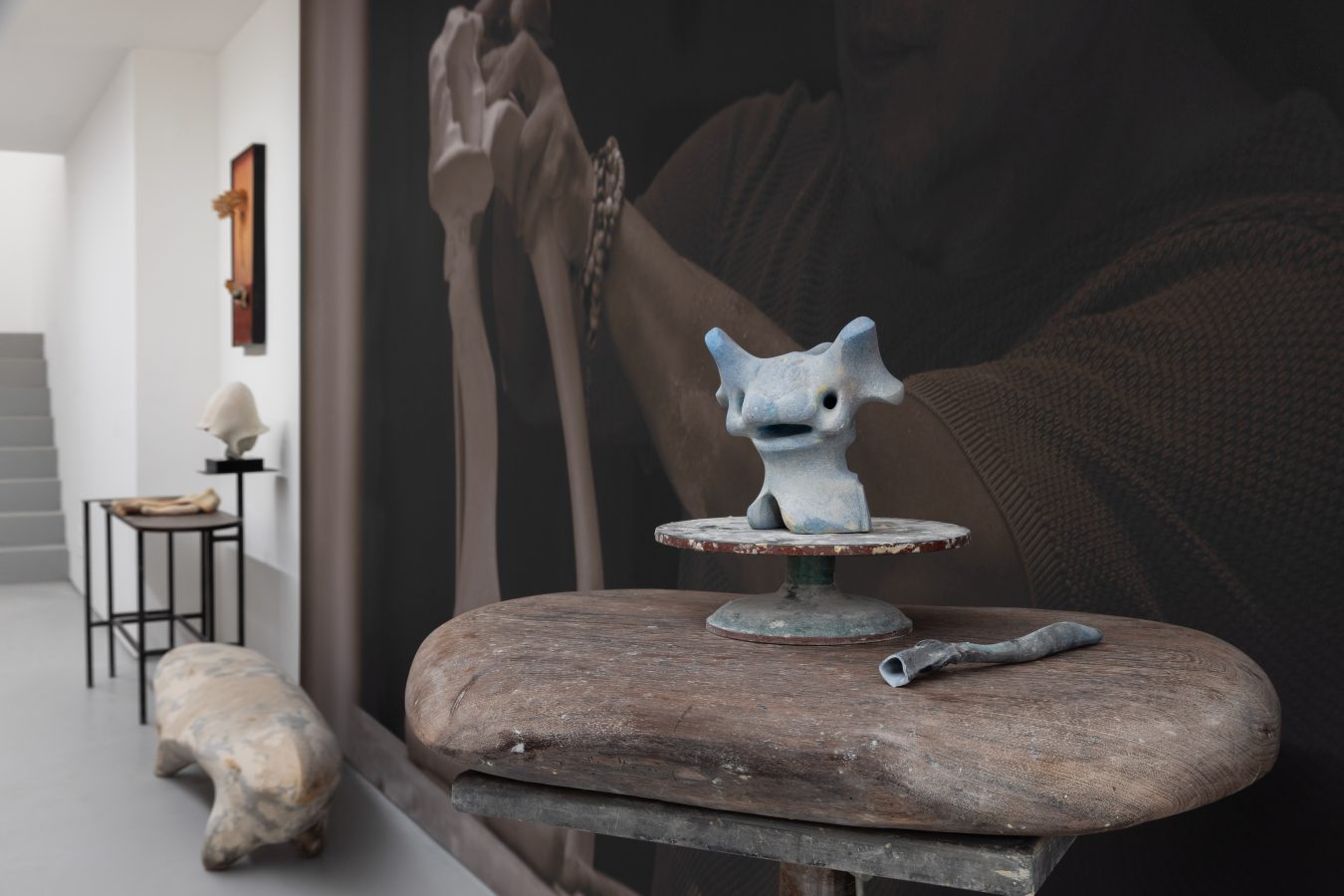
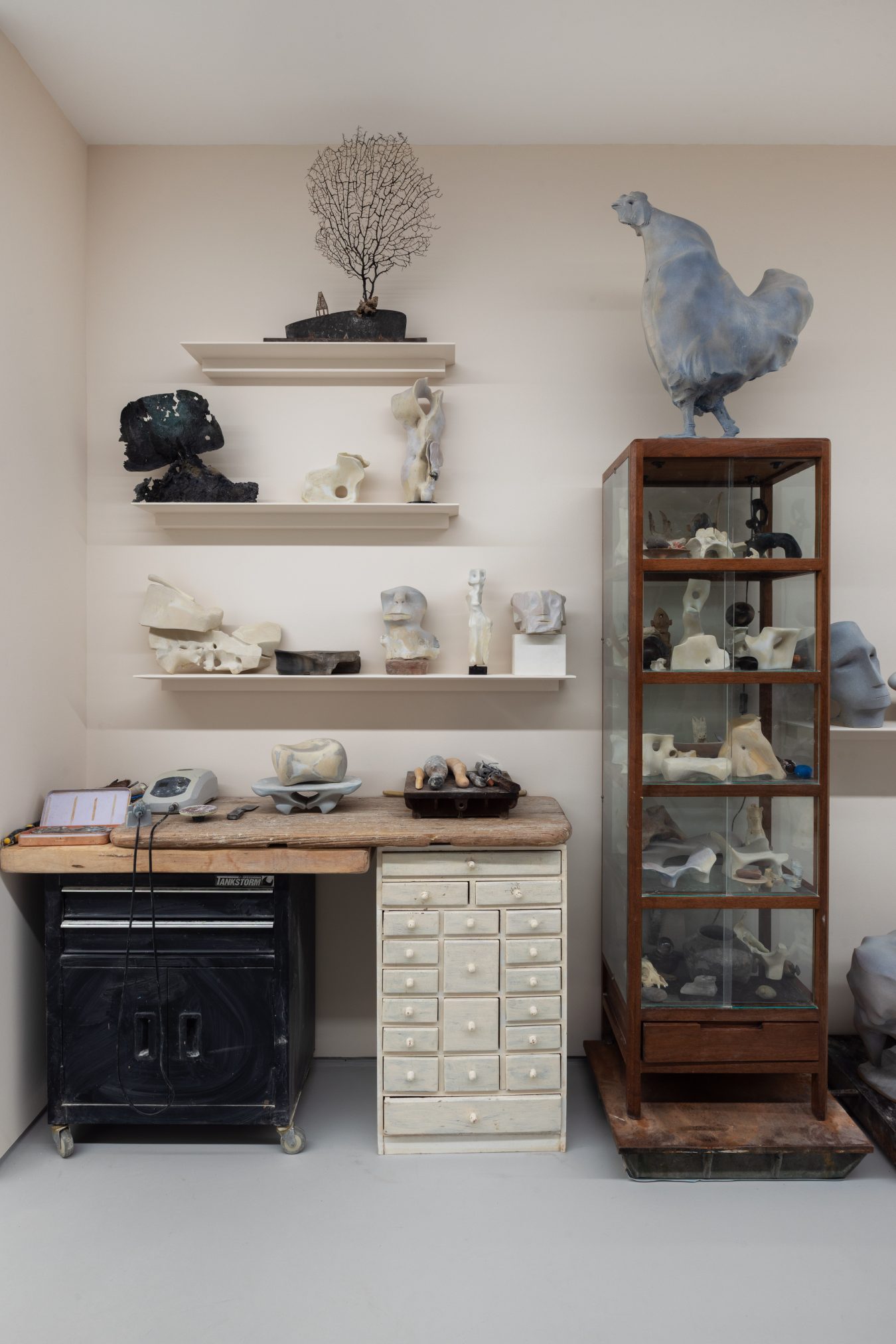
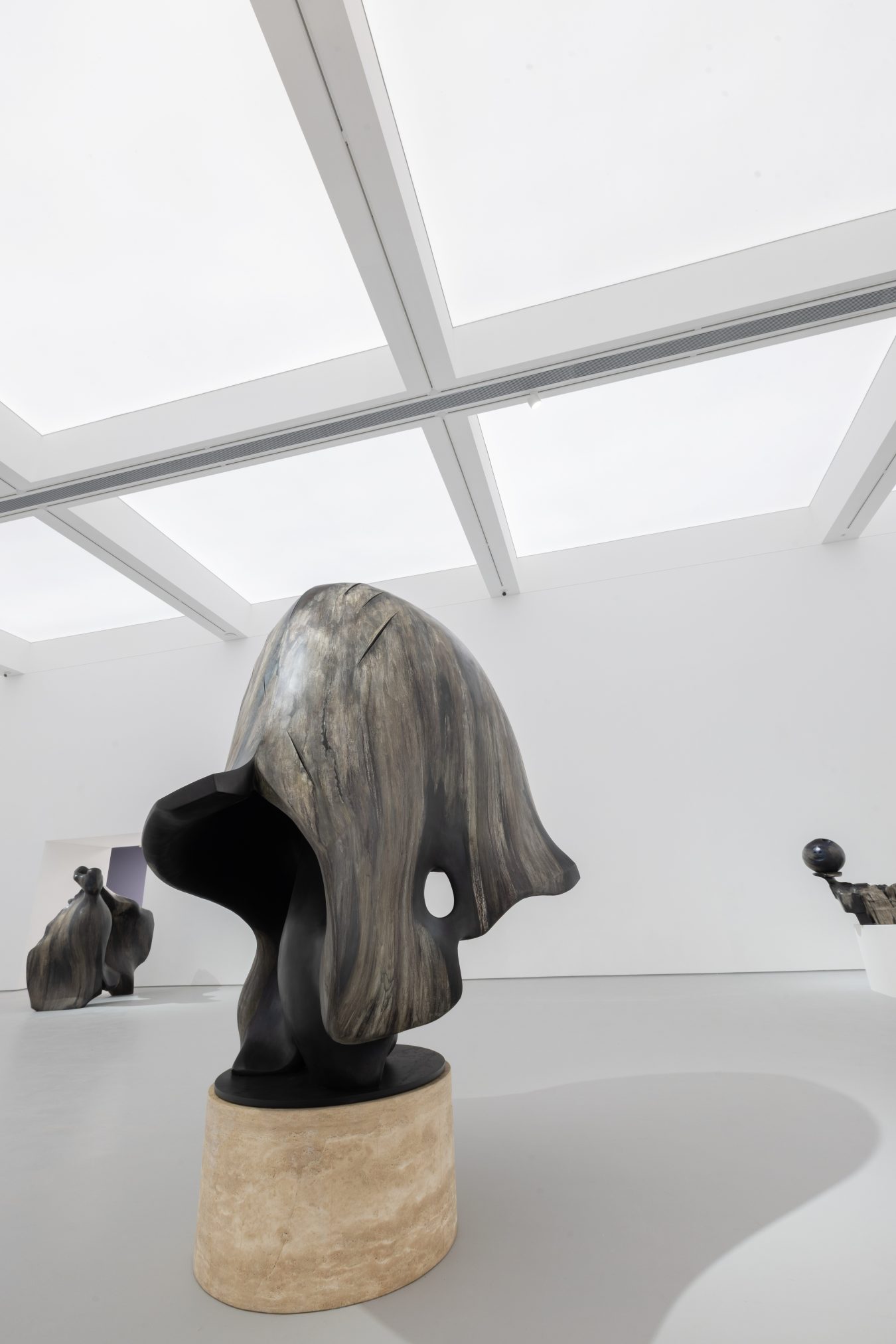
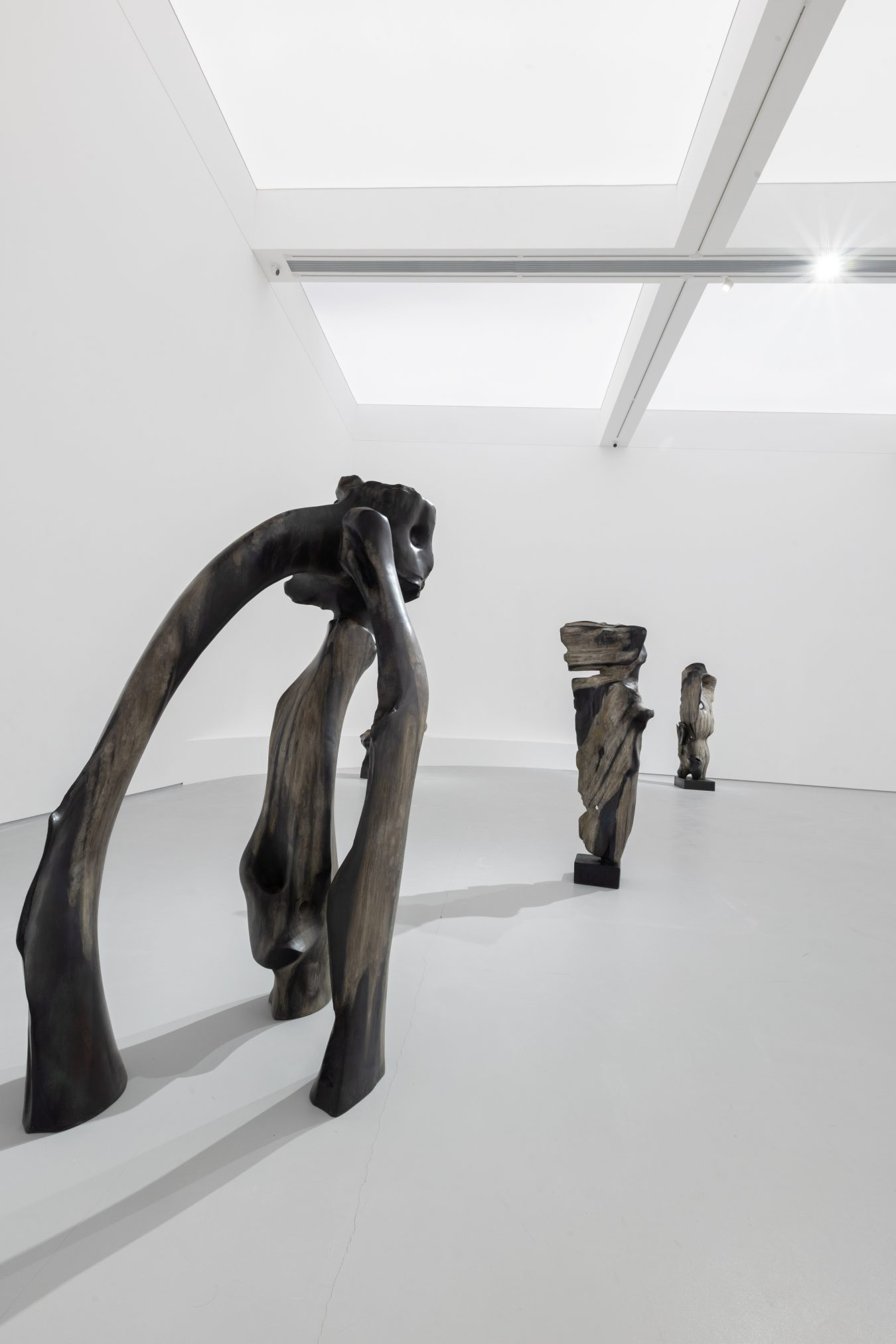
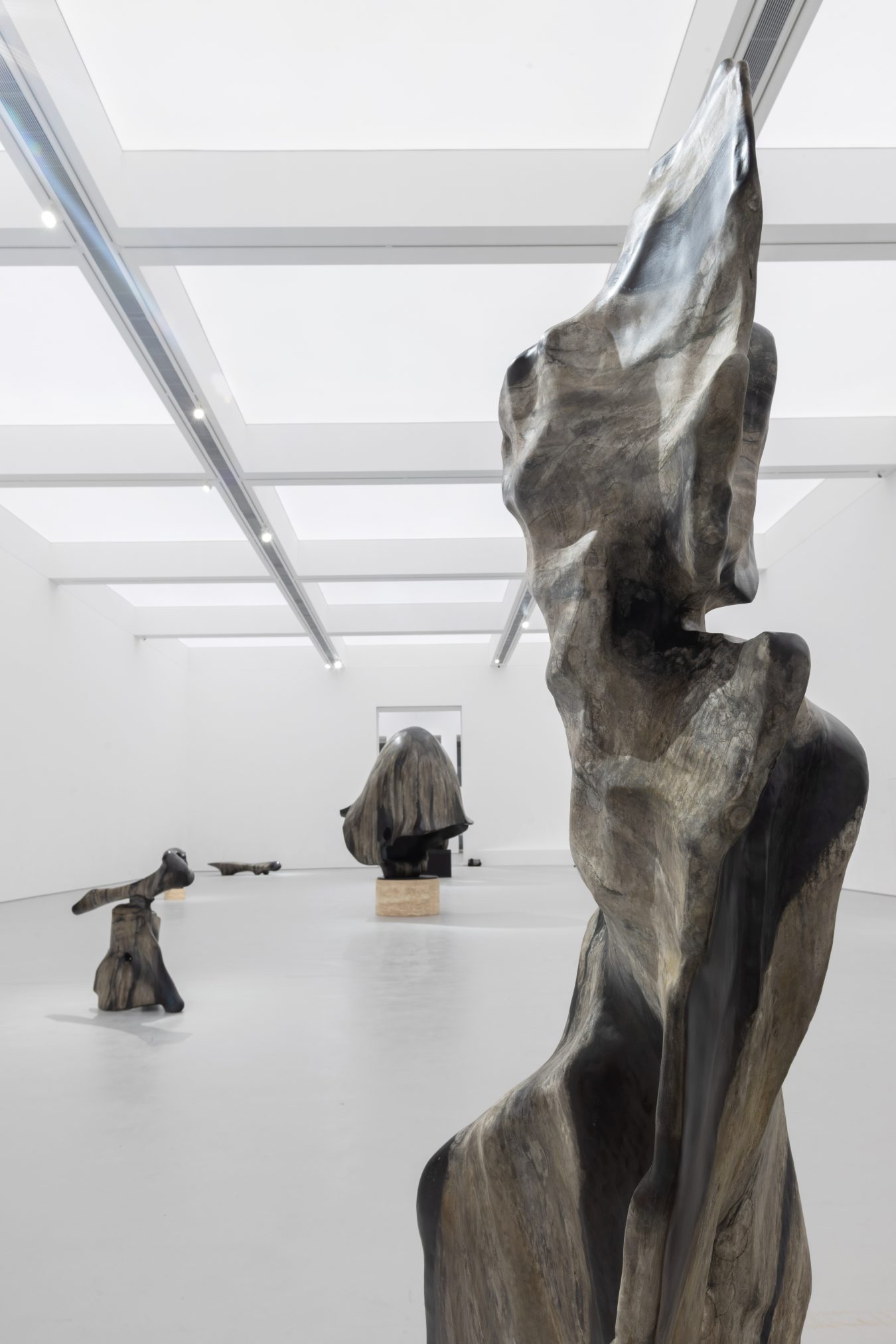
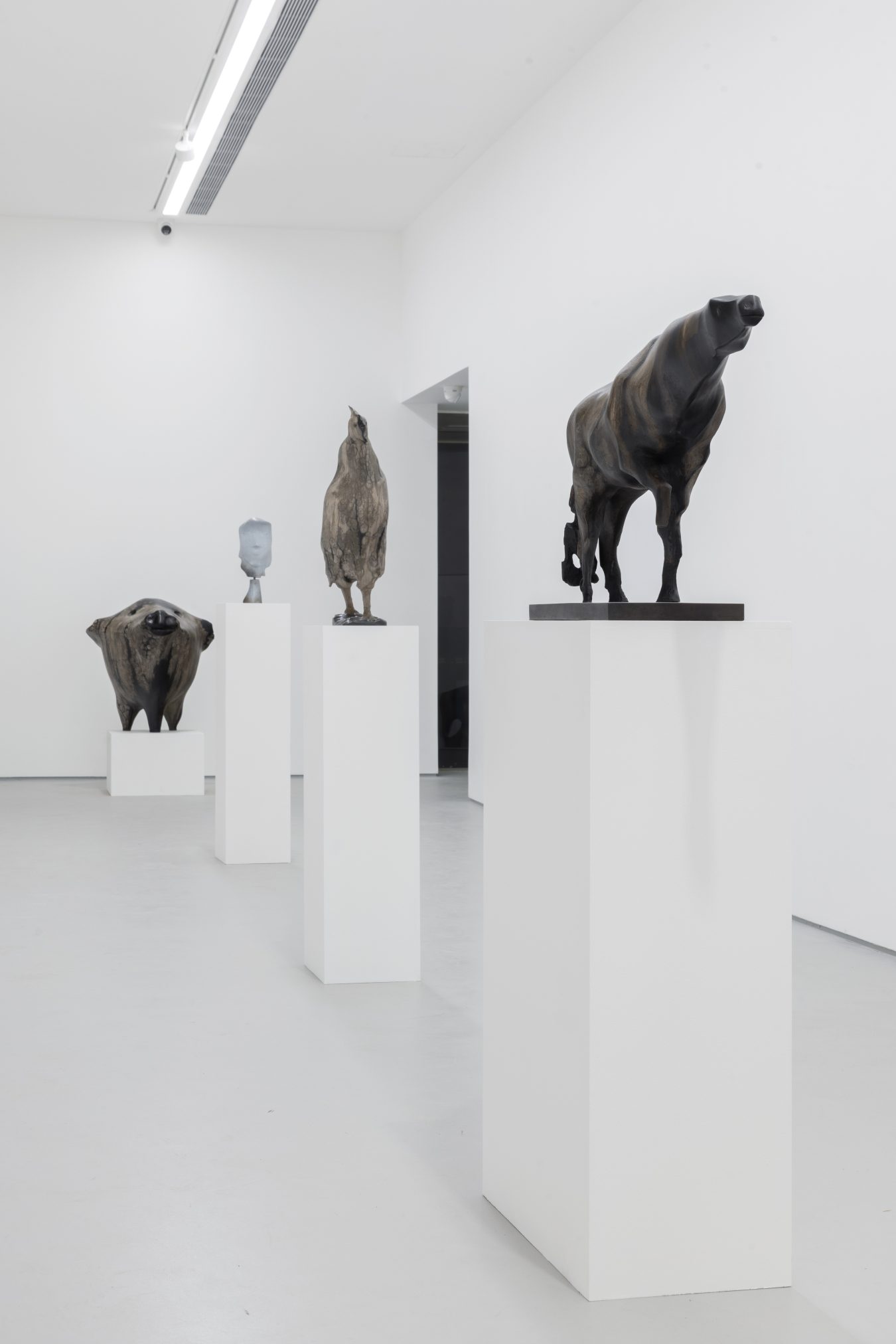
This exhibition is composed of “Chapter One: Ballads on the Earth”, “Chapter Two: Ode to the Sun” and “Chapter Three: Elegy of the Ice Age” along with a documentary section that reconstructs the artist’s studio. Collectively, the exhibition presents a comprehensive picture of Han Dong’s creative trajectory, encompassing his creative development, stylistic language, and aesthetic landscape to date.
One of the abstract sculptors of a new generation in contemporary China, Han Dong’s practice diverges sharply from the prevalent visual idioms more familiar to the public. His works simultaneously project an uncanny sense of estrangement while eliciting a subtle, ineffable intimacy. This perceived estrangement does not stem from a genuine unfamiliarity with abstract sculpture itself, but rather, it is the result of a formative cultural conditioning in which our conception has long been saturated with the principles of realism. From the Qin and Han dynasties to the present, realist sculpture has undeniably dominated the history of Chinese sculptural art as an instrument for the narration of politics and power. Artists have consciously transcribed historical events and figures into physical forms of collective memory, and through their placement in public space, have effectively consolidated narratives of power and authority. Particularly during the three decades following 1949, the subject matter, quantity, and even scale of realist sculptures reached an unprecedented height.
In fact, the history of Chinese sculptural art does not lack a legacy or origin of abstraction. Rather, the prevalence of realism has been so overwhelming that abstract sculpture, primarily focused on pure aesthetic and emotional expression, remained remarkably marginalised and unfamiliar. When we return to the Qin and Han dynasties, traverse the Spring and Autumn period, and reach the Neolithic era and even earlier eras, we suddenly discover that sculpture articulated through abstract form was, in fact, the absolute aesthetic subject of these times. In particular, the jade carvings unearthed from sites associated with Hongshan, Liangzhu, and Lingjiatan cultures seem, when compared to the realist traditions that emerged after Qin and Han, to have embarked upon another journey, one less frequented yet with exquisite sceneries. The complex, spiritually charged abstraction that characterises these works has since served as a distinctive aesthetic heritage of Chinese culture, inscribed deep within our veiled cultural memory. The gradual shift in sculpture from abstraction and its increasing turn toward figuration and realism is, fundamentally, inseparable from sculpture’s function as a vehicle of power narratives; it also reflects the superstructure’s preference for instruments of effectiveness, driven by a result-oriented approach.
The aesthetic sensibilities of the Neolithic period directly influenced the inner spirit and creative logic in Han Dong’s works. Rather than turning away from this, he regards it as a source of pride, particularly in relation to his membership in the China Cultural Relics Academy. This affiliation not only grants him access to high-level relics rarely encountered by the general public but also helps him to develop a profound understanding of the historical trajectory and direction of abstract sculpture. In Han’s perspective, jade objects from the primordial times were not utilitarian objects but essentially ritual offerings presented from humanity to the divine; these works were endowed both formally and conceptually with an extreme state of abstraction, serving as a manifestation of spiritual purity. This represents a level of achievement that later monumental and utilitarian forms of sculpture have found difficult to attain. Han’s practice also reflects inspiration, to a certain extent, from modern masters such as Constantine Brancusi and Henry Moore, most notably the former. Having been influenced by the diverse traditions of so-called primitive sculpture from Slavic, African, and Aegean contexts, Brancusi’s work resonated with Han Dong, evoking a sense of recognition and affinity grounded in shared experiences. This pioneer of modernist sculpture stands for Han both as a spiritual mentor and a kindred presence. He feels profoundly privileged to share, at least in his creative practice, the same ancestors from which their sculptural vocabularies emerge.
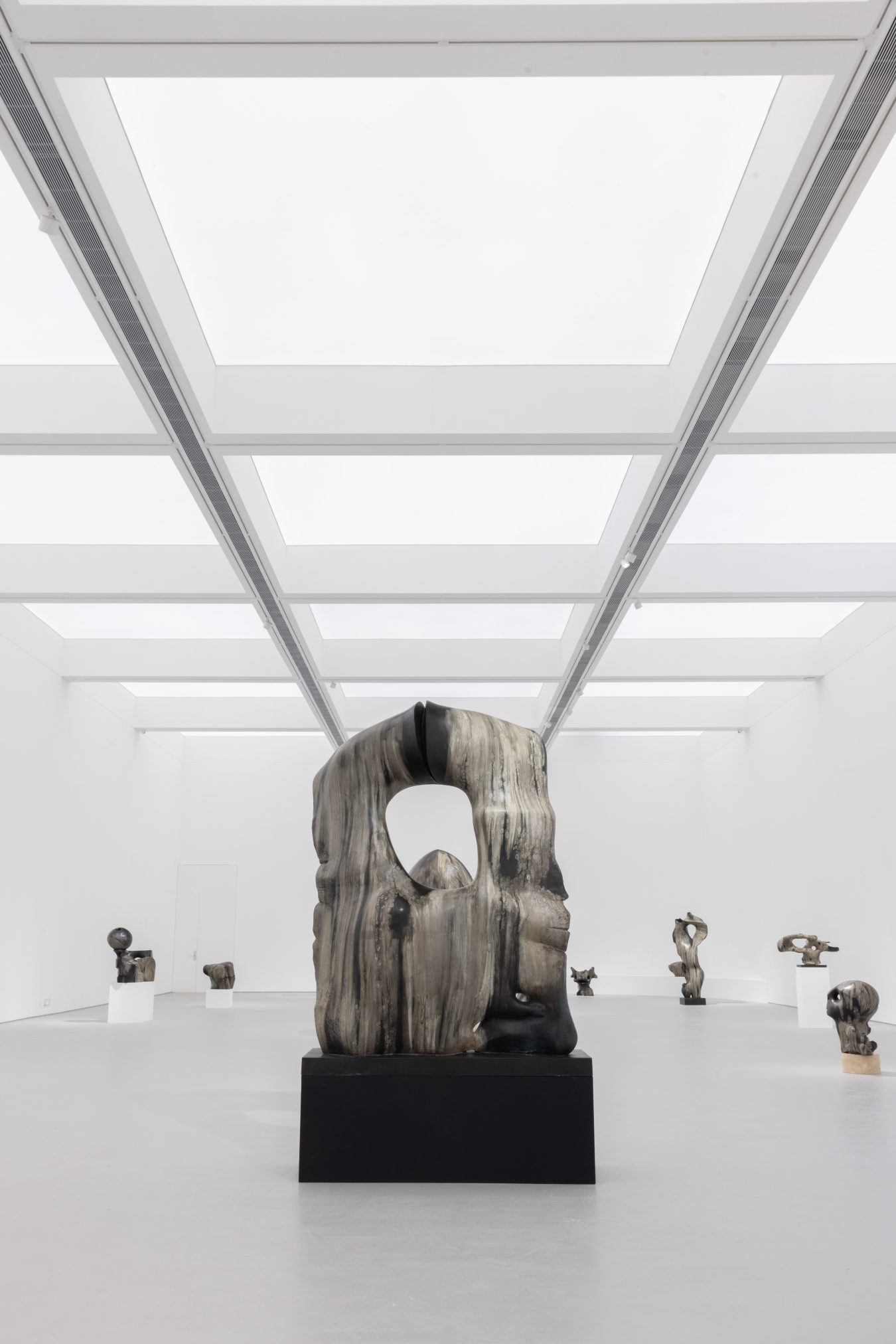
The creative practice of Han Dong not only inherits and responds to the historical traditions of ancient civilisations, but also embodies a lived experience of abstract sculptural cognition. As tradition flows through his physical being, he becomes an integral part of that tradition. With the exception of a few early works with some lyrical realism, his creations in recent years have invariably transcended the constraints of representation: no longer bound by the objective corporeality of sculptural form, his works are instead encapsulated with a prehistoric, enigmatic, and distinctly artistic temperament of the East. Regarding his choice of materials, Han Dong deliberately adopts silicon bronze, a medium renowned for its exceptional resistance to corrosion, in order to maximise and enhance the expression of spiritual resonance. This seemingly hard and cold material, once meticulously polished, develops a dense and resilient lustrous façade – warm, restrained, and gentle – precisely embodying spiritual radiance, interweaving nature and humanity, something that Han has always intended to impart. Han’s distinctive technique to colouration is what makes him unique, and also allows each piece of work to develop its individual style. His colouring process is similar to that of an ink painter, yet it unfolds on the far more demanding surface of sculpture, as there can be no interruptions, no corrections; it must be completed in one continuous, single action. Though the dimensions and specifications of the works may be similar, each sculpture presents a distinguished, unique appearance – both abstract and dynamic. In Han Dong’s sculptures, the gravity of bronze and the lightness of surface colouration are brought into a state of perfect, resonant equilibrium.
In a sense, the evolution of sculptural art is in fact a chronicle of the continual transformation of humanity’s thoughts, beliefs, technology, and aesthetics. In the exhibition Journey of the Heart: Han Dong’s Sculpture Trilogy, the artist takes time and space as his measure, each sculpture as his coordinates, and unfolds, across three chapters, a sequential re-enactment and reappearance of ancient radiances that have faded into obscurity. It is an artistic site of epic resonance, and also a spiritual journey that is poignant and tender. The humanistic, artistic, and historical perspectives articulated in Han Dong’s works seem to reach back to a prehistoric expanse, while simultaneously striking into his own chest. An artist by nature, he resembles more a troubadour wandering the earth, patiently awaiting voices that arrive from afar, beyond the limits of time and space. He yearns to greet them through his works, through the chanting of odes and elegies. Encoded with the distinctive qualities of Eastern aesthetics, these voices are like souls long separated from their physical vessels. They shall ultimately find their true embodiment within the works that the artist has fabricated for them, becoming what a sculpture ought to be: an immortal resonance of human existence, standing in defiance against death and oblivion.