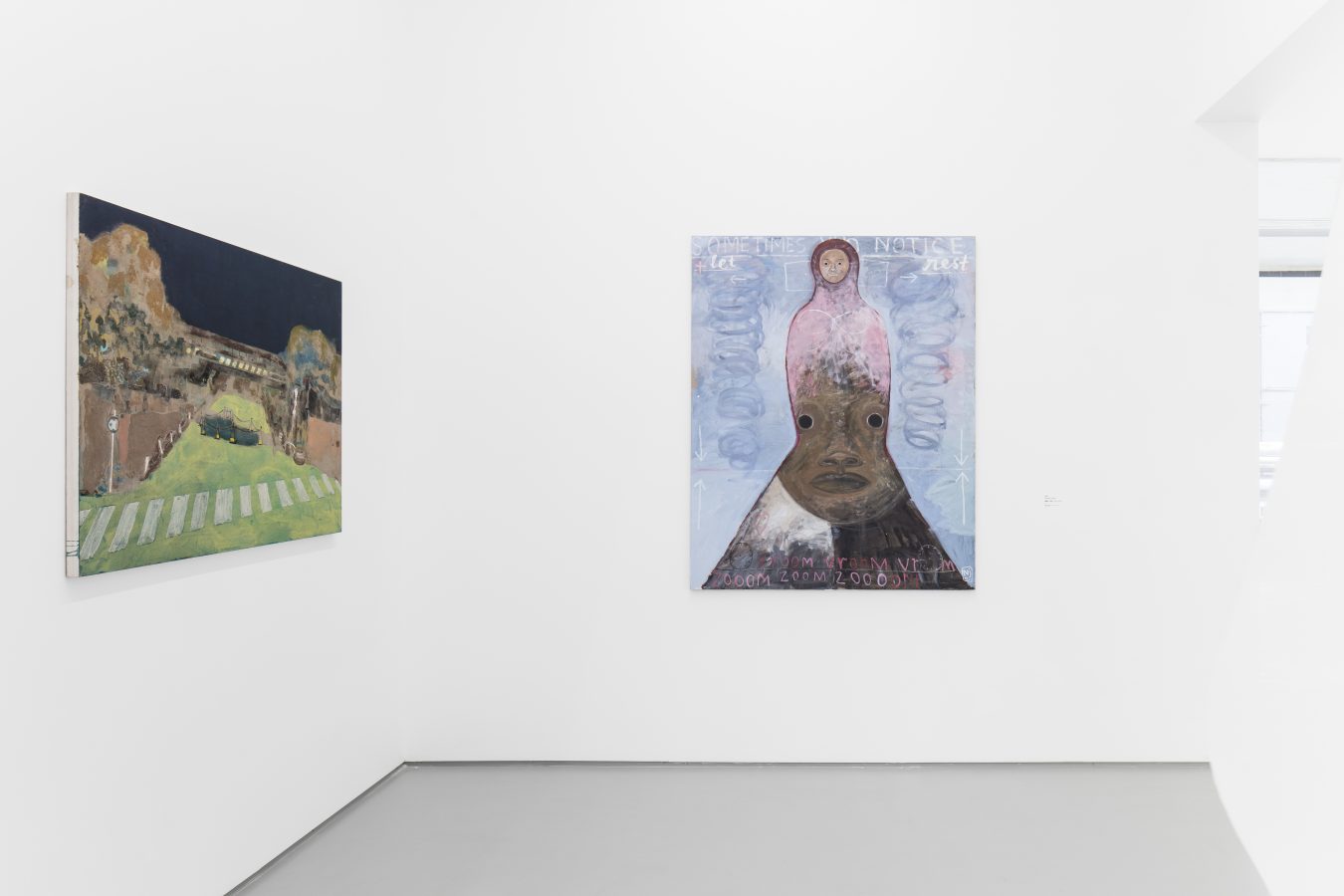

Zhang Mingxuan
2026
Oil and acrylic on canvas
180×150cm
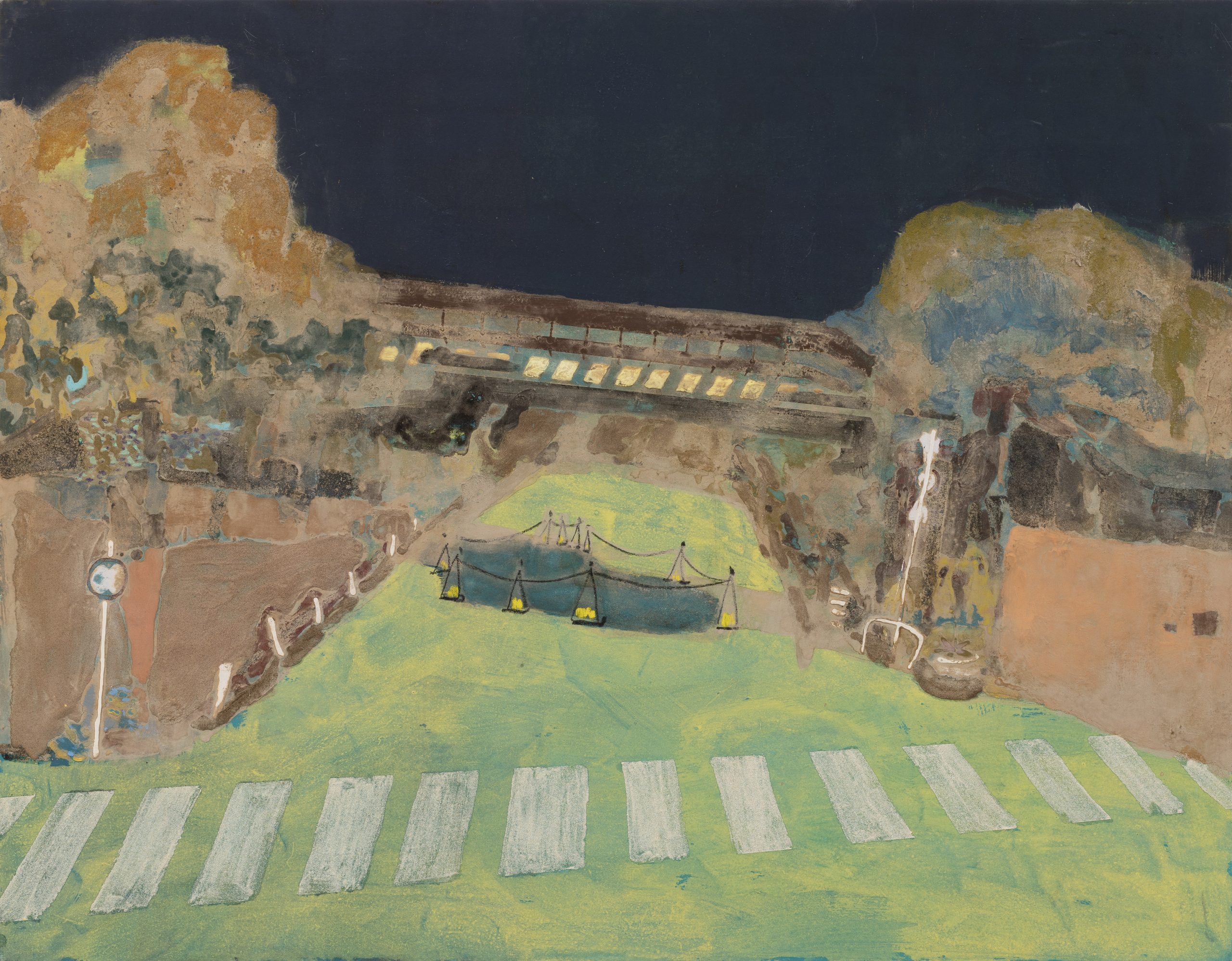
Chen Tianyi
2025
Mineral pigments, mud pigments, chalk and Japanese paper on board
116×91cm
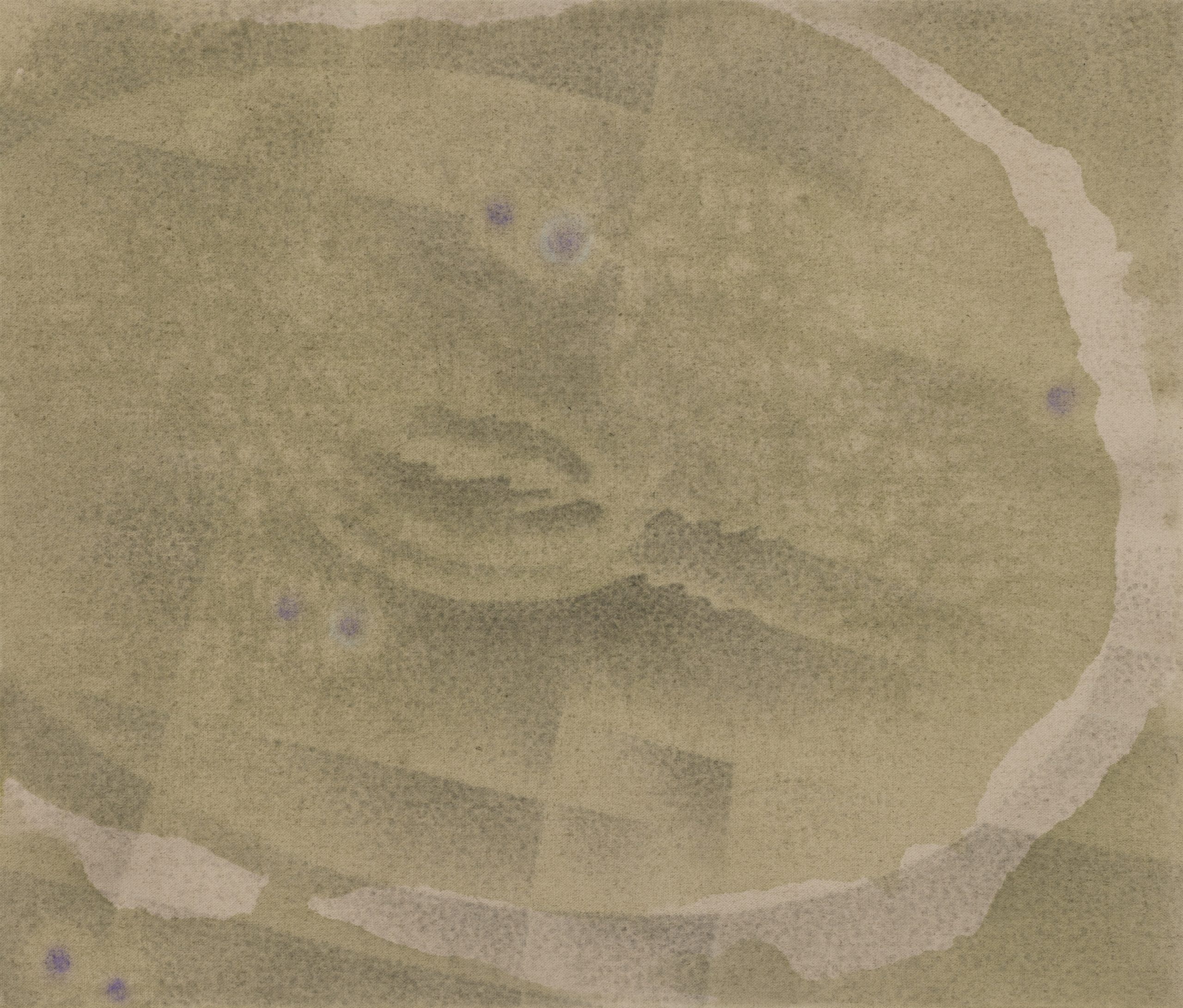
Dong Xiaochi
2024
Ink, acrylic, pastel, Akadama soil on linen
85×100cm
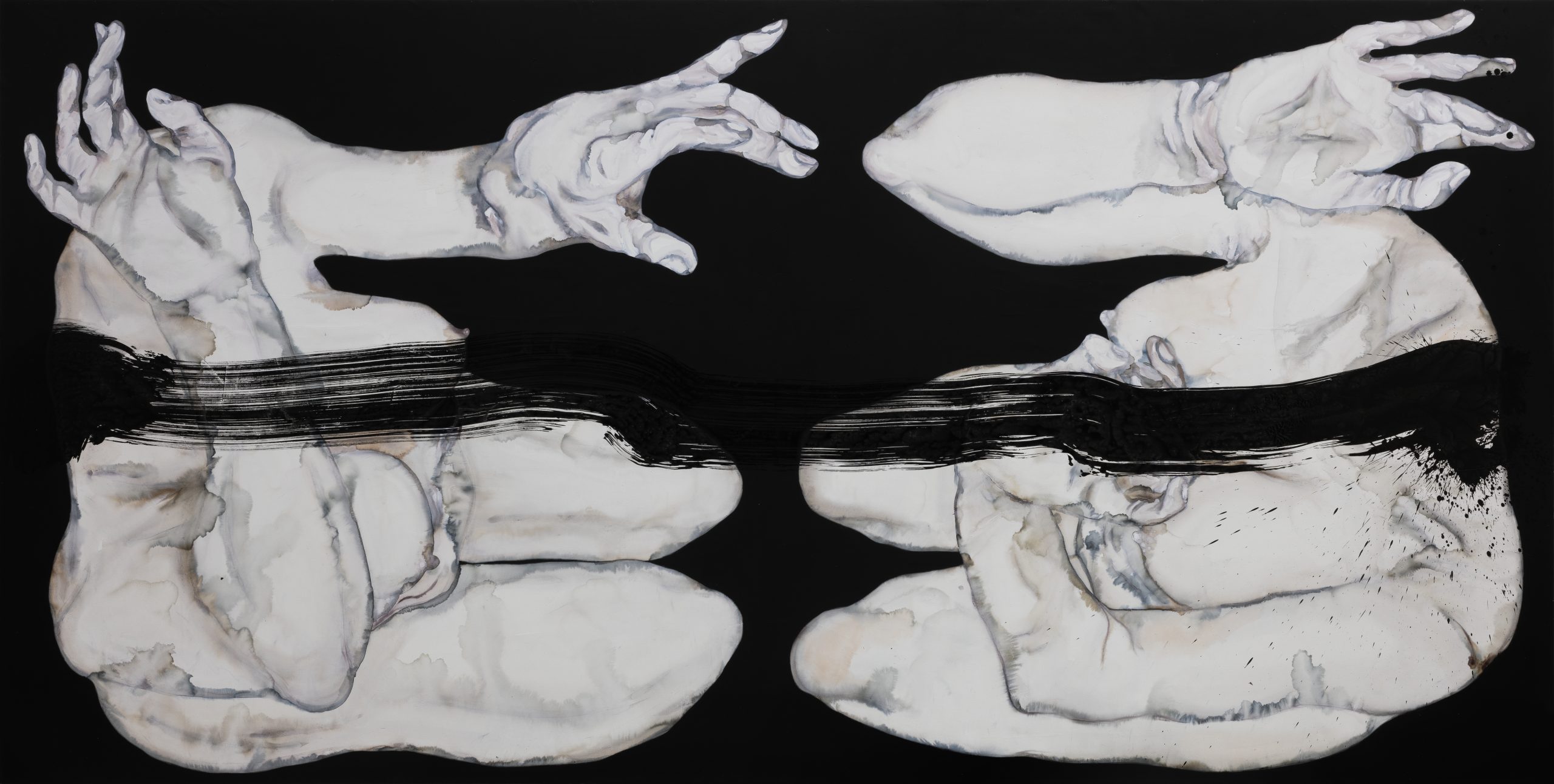
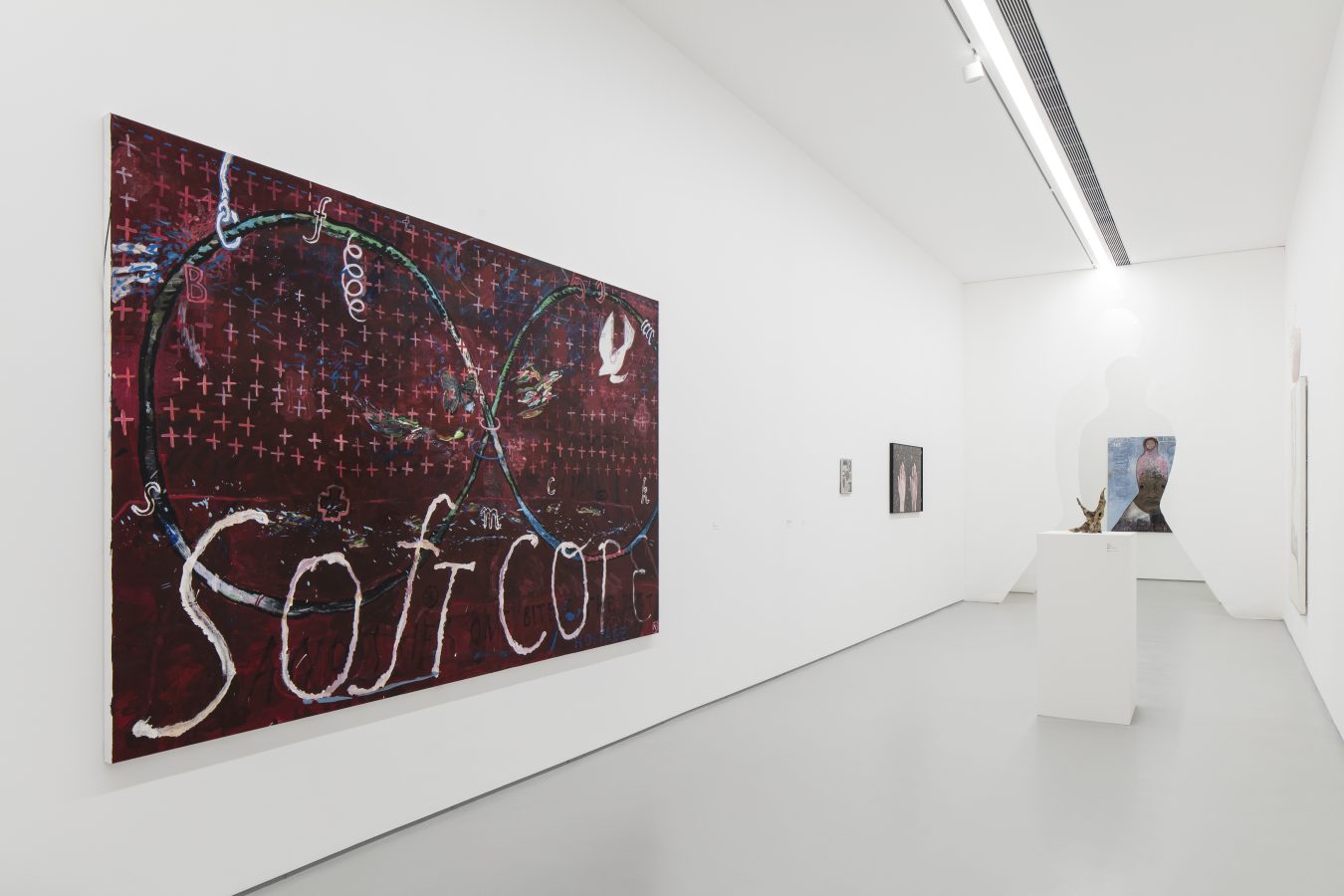
Zhang Mingxuan
2024
Acrylic and Chinese ink on canvas
200×400cm

Zhu Xiaohe
2023
Acrylic on canvas
50×70cm
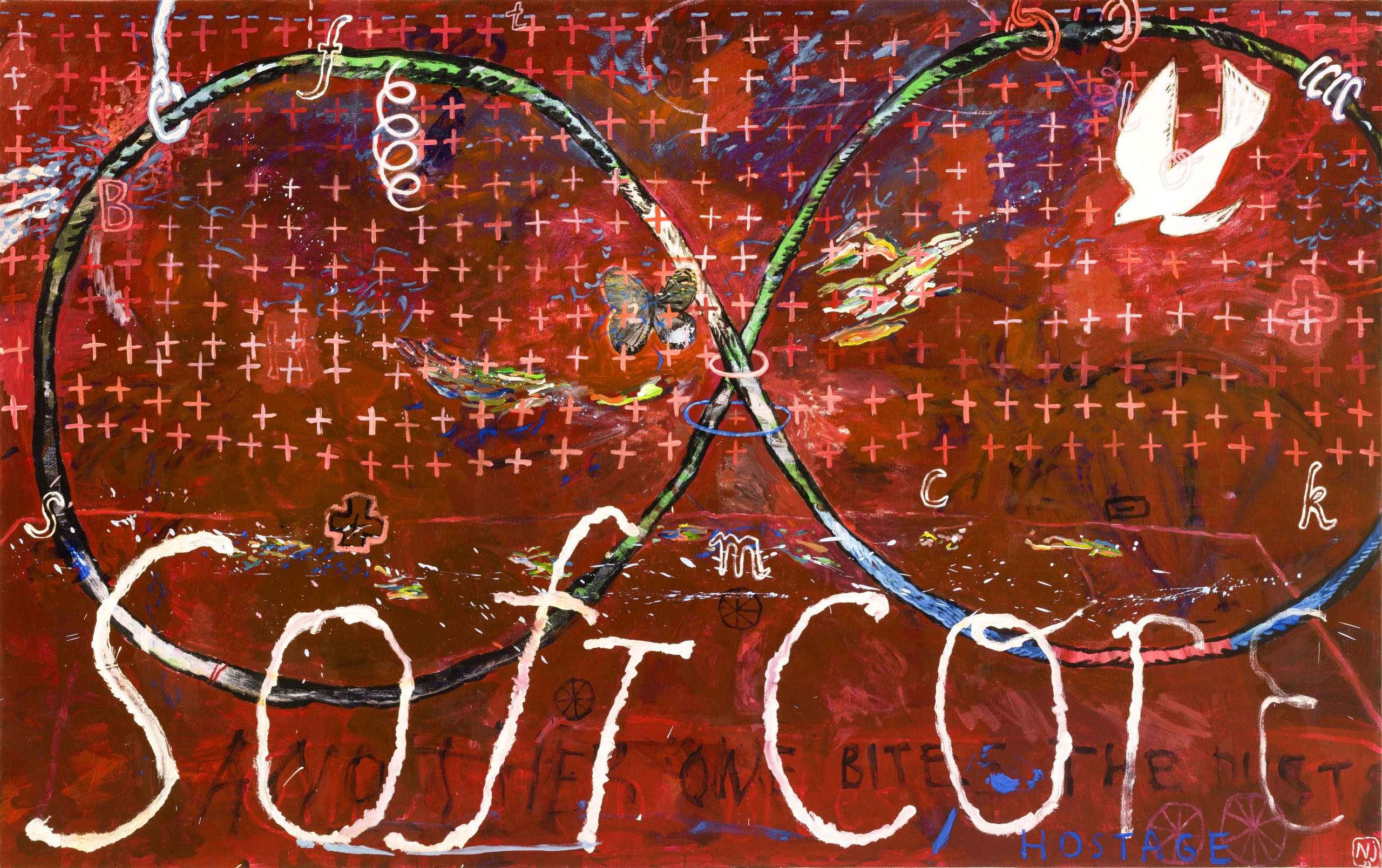
Natisa Jones
2023
Acrylic, gesso and ink on canvas
190×300cm

Cao Shuyi
2023
Stoneware,Phosphorite
45×20×6cm;25×27×7cm
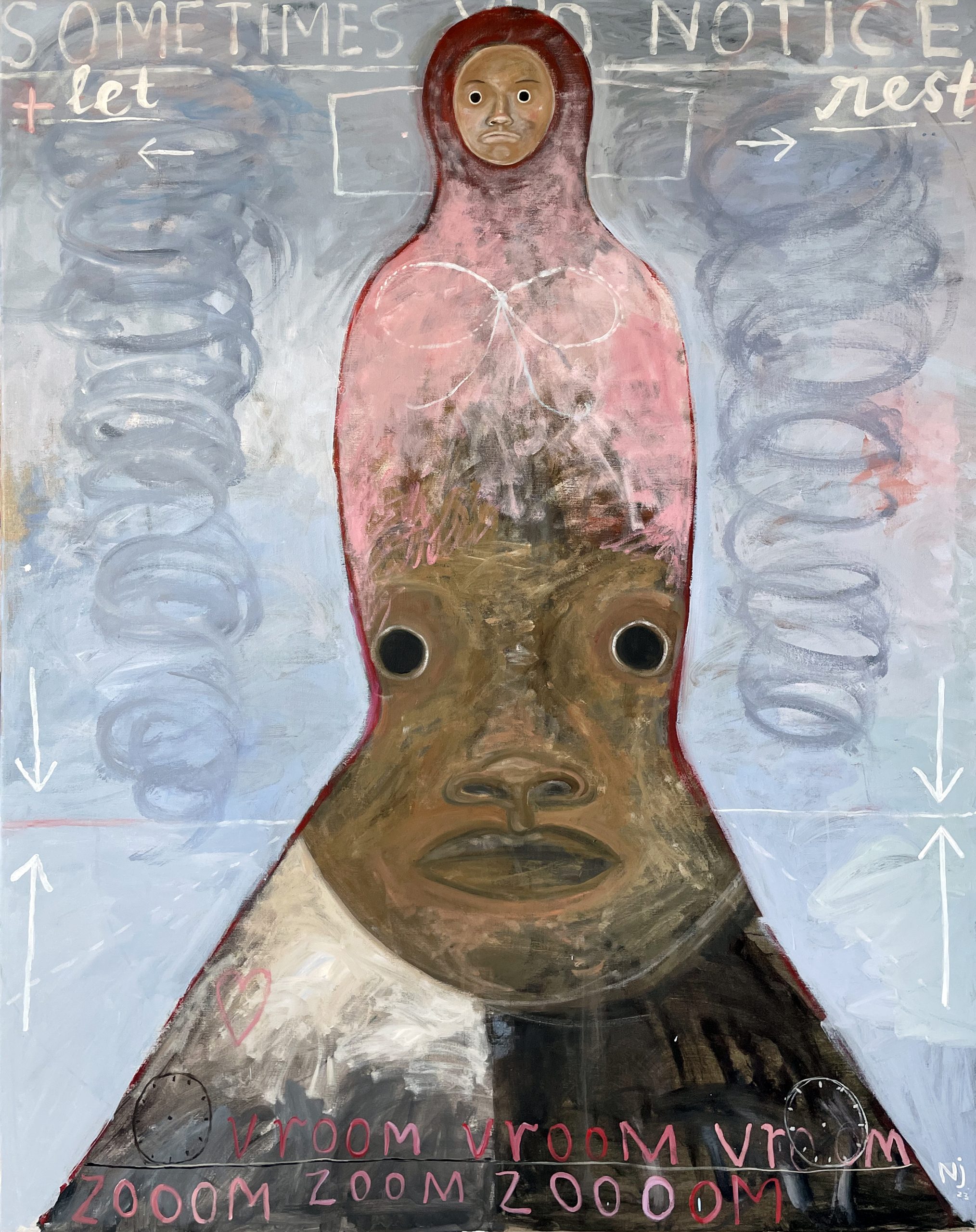
Natisa Jones
2023
Acrylic gesso on canvas
150×120cm
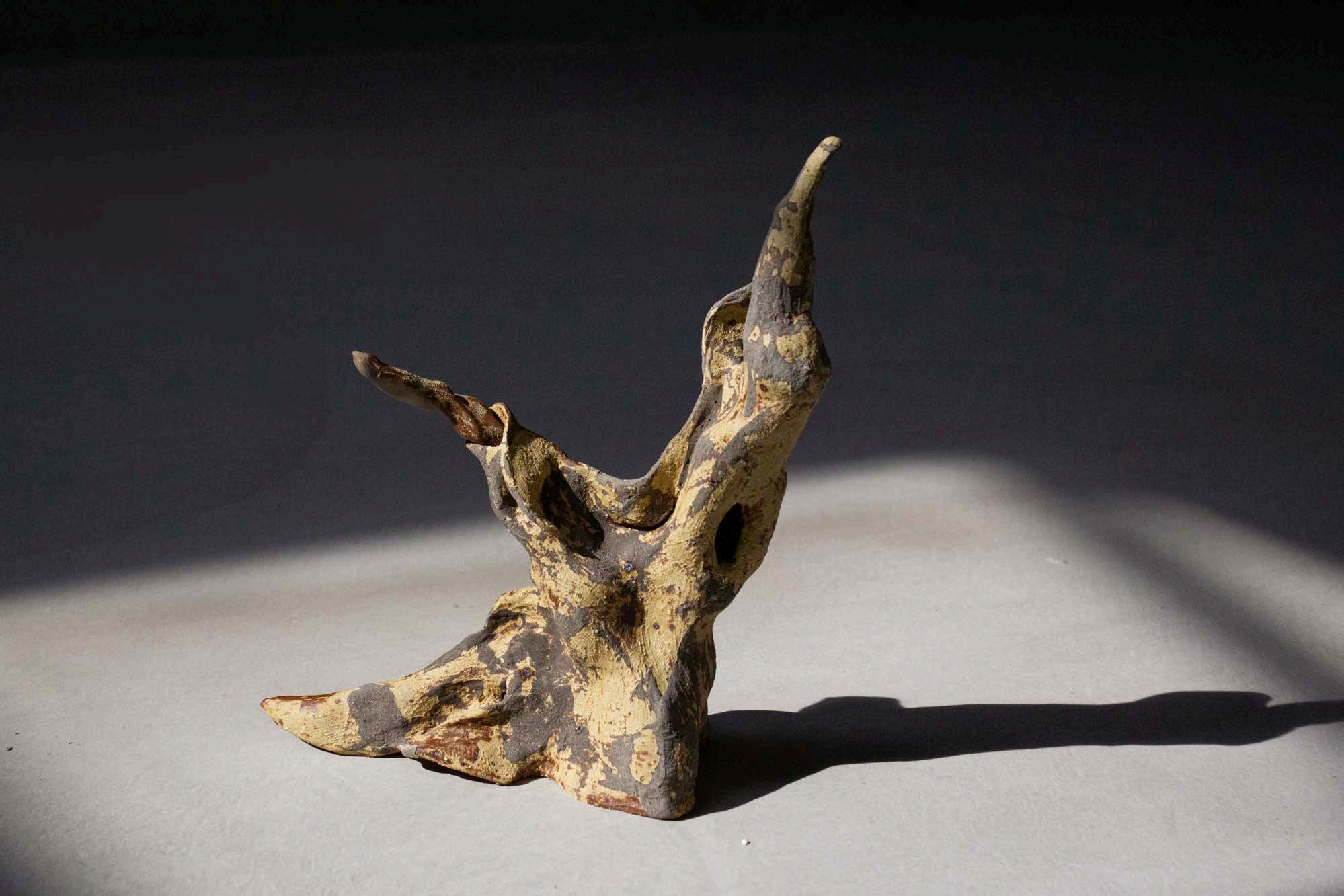
Cao Shuyi
2023
Stoneware, phosphorite
23×10×18cm
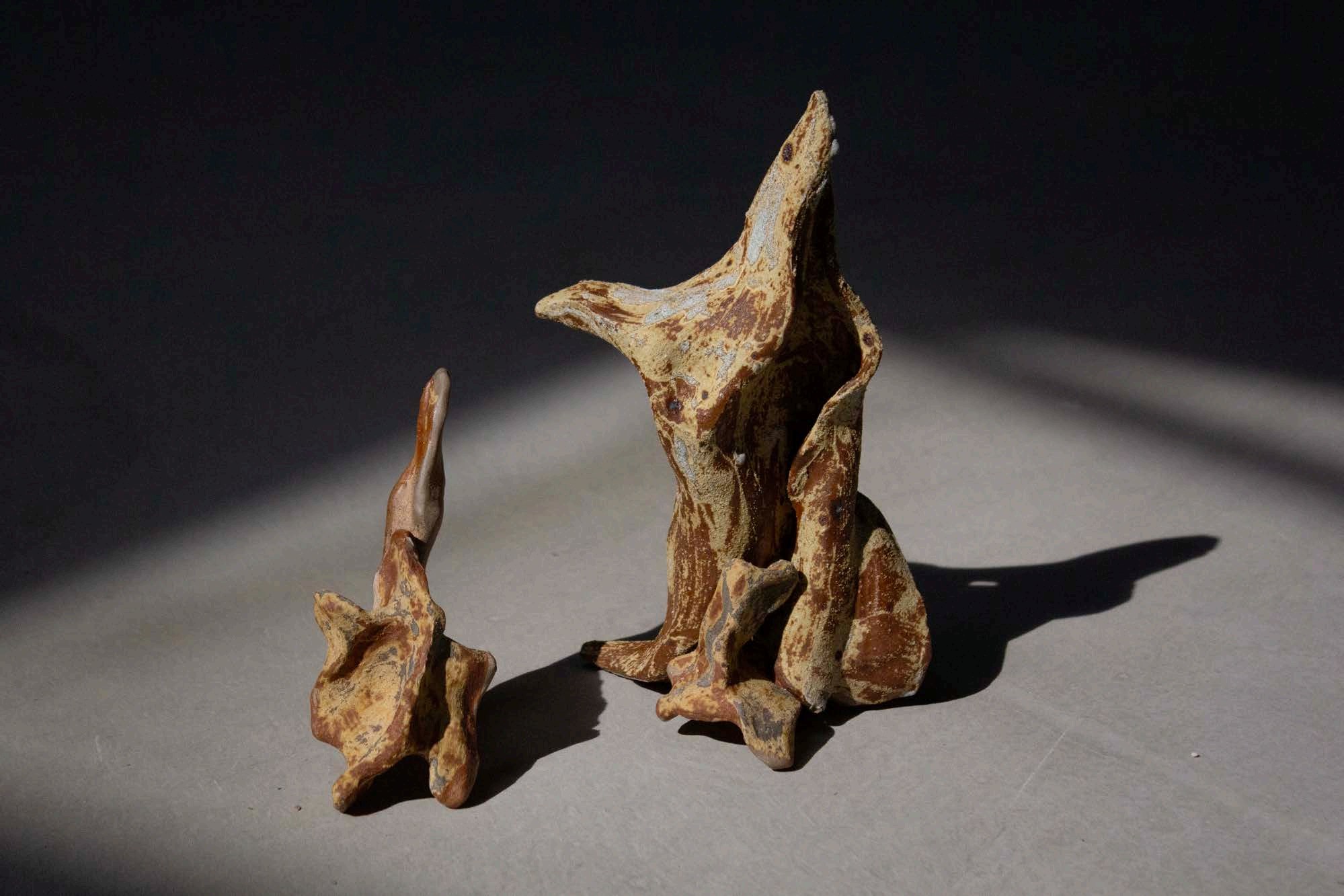
Cao Shuyi
2023
Stoneware, phosphorite
13×13×15cm; 8×6×13cm

Masaru Shichinohe
2022
Oil on canvas
133×120cm 外框 140.8×134.7×4cm

Song Kun
2022
Oil on canvas, wood board, acrylic
236×140cm;
56×90(不规则尺寸 Irregular size),180×140cm
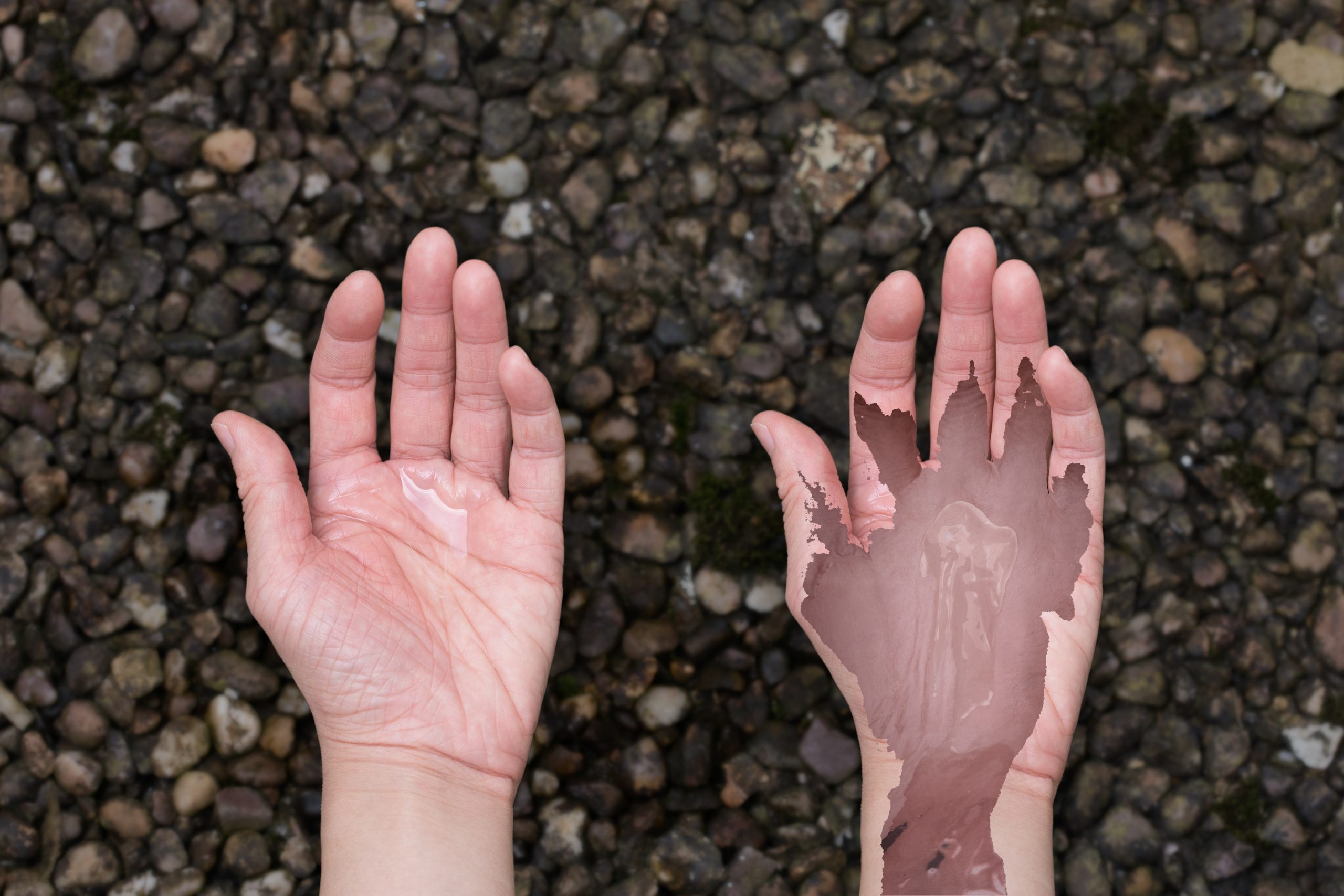
Li Weiyi
2019
Epson ultra giclee print
68×102cm
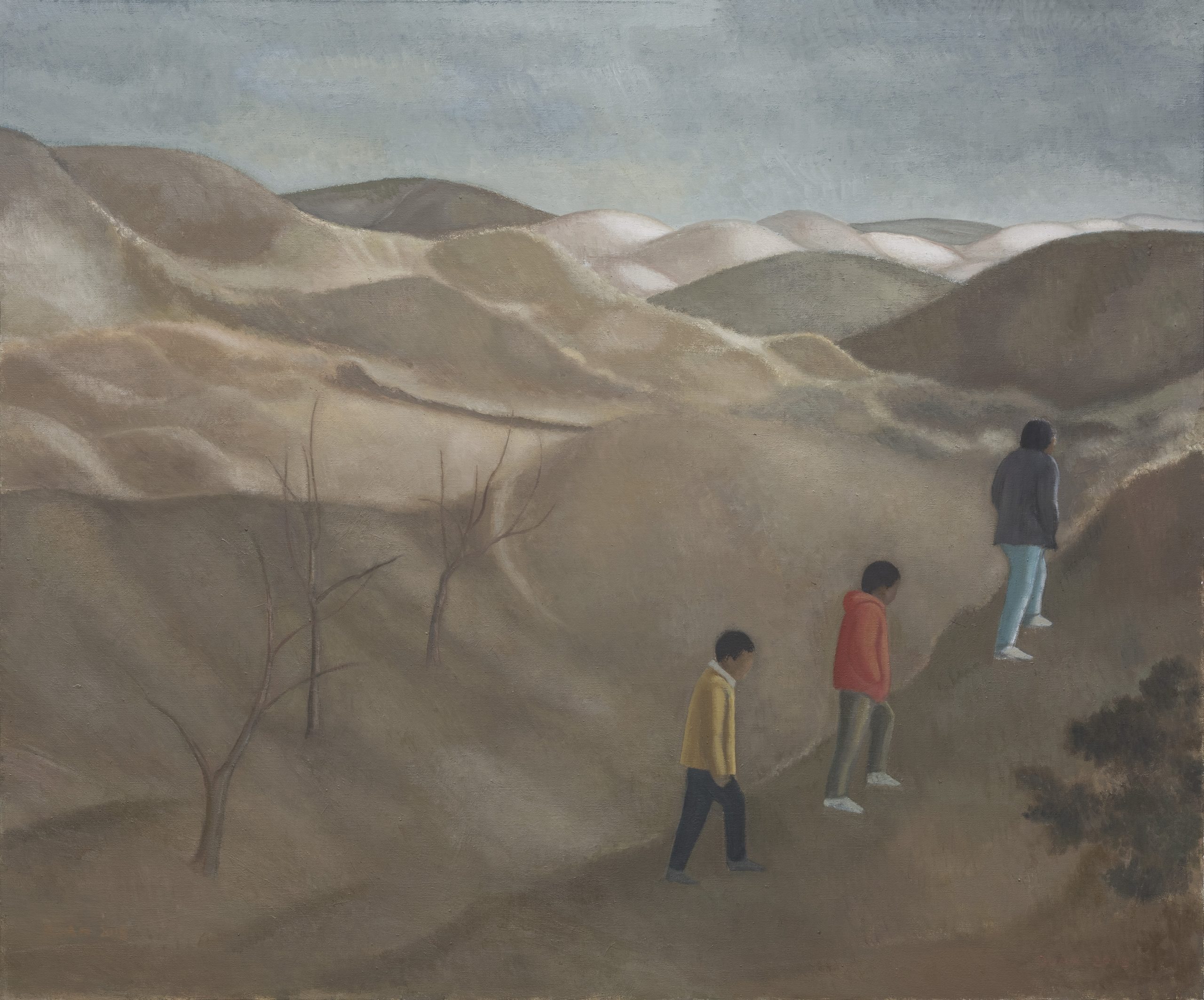
Duan Jianwei
2018
Oil on canvas
150×180cm

Li Weiyi
2017
Photo frame, inject prints
24.5×29.5×0.8cm

Zhu Xiaohe
1999
Oil on canvas
180×150cm
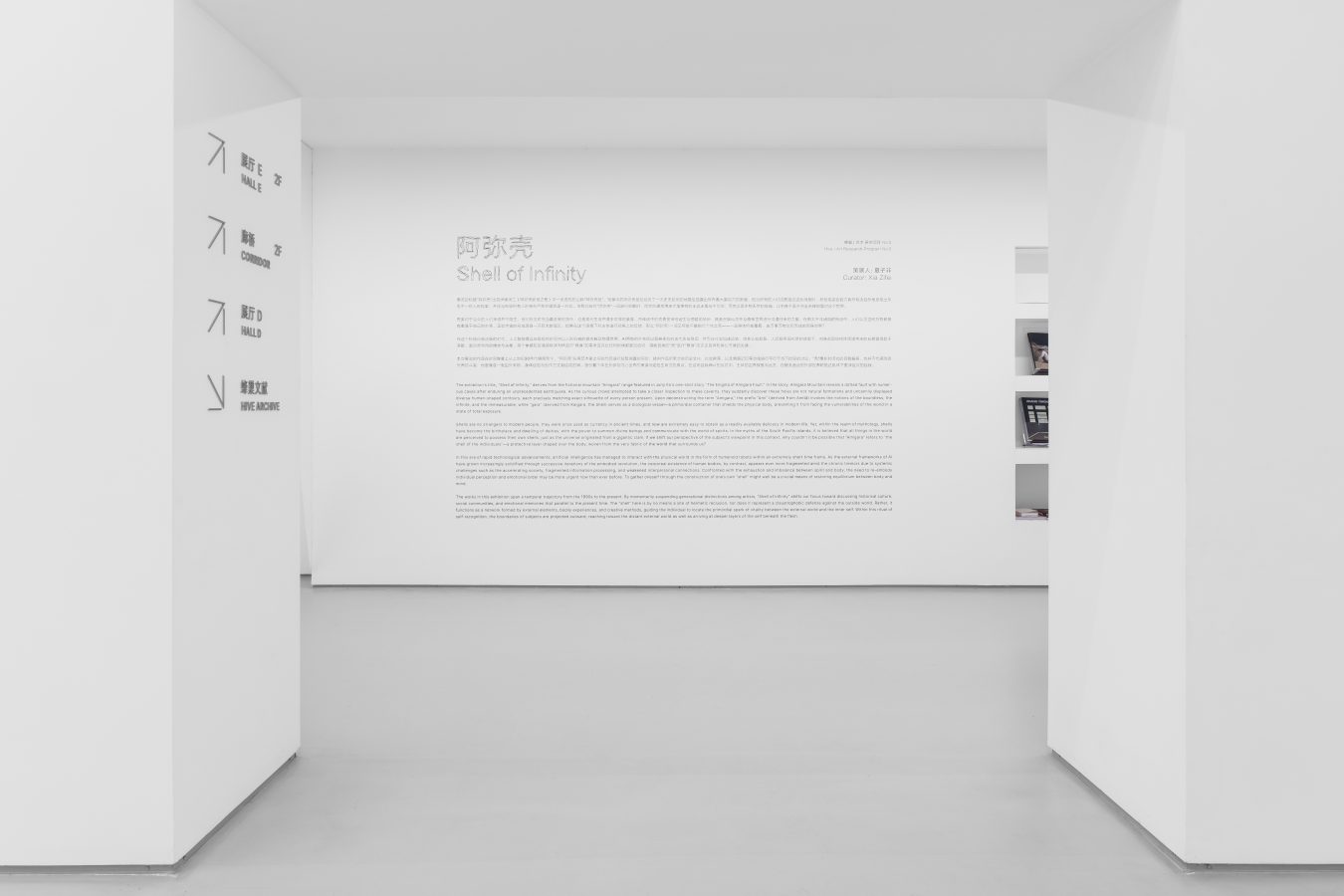
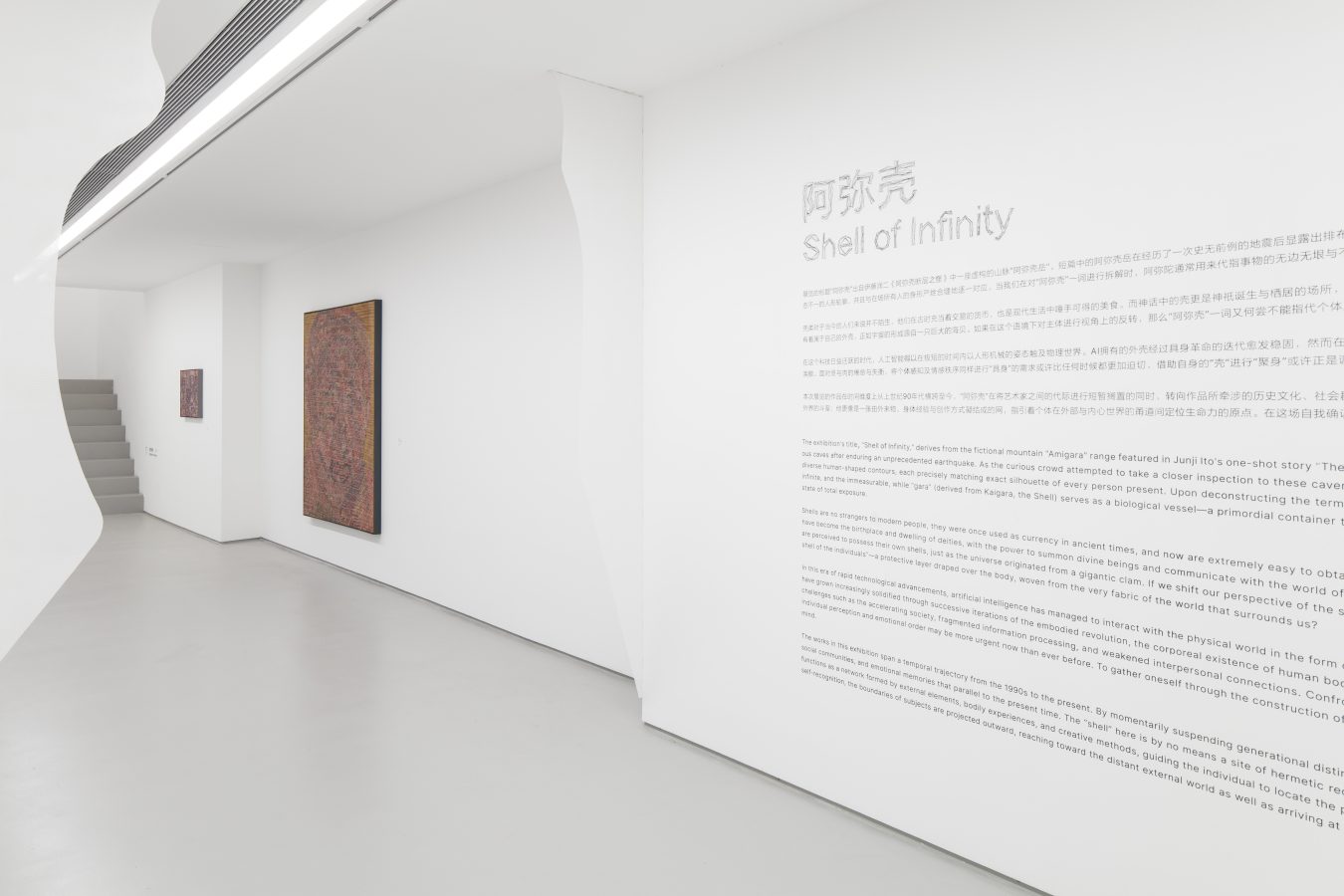
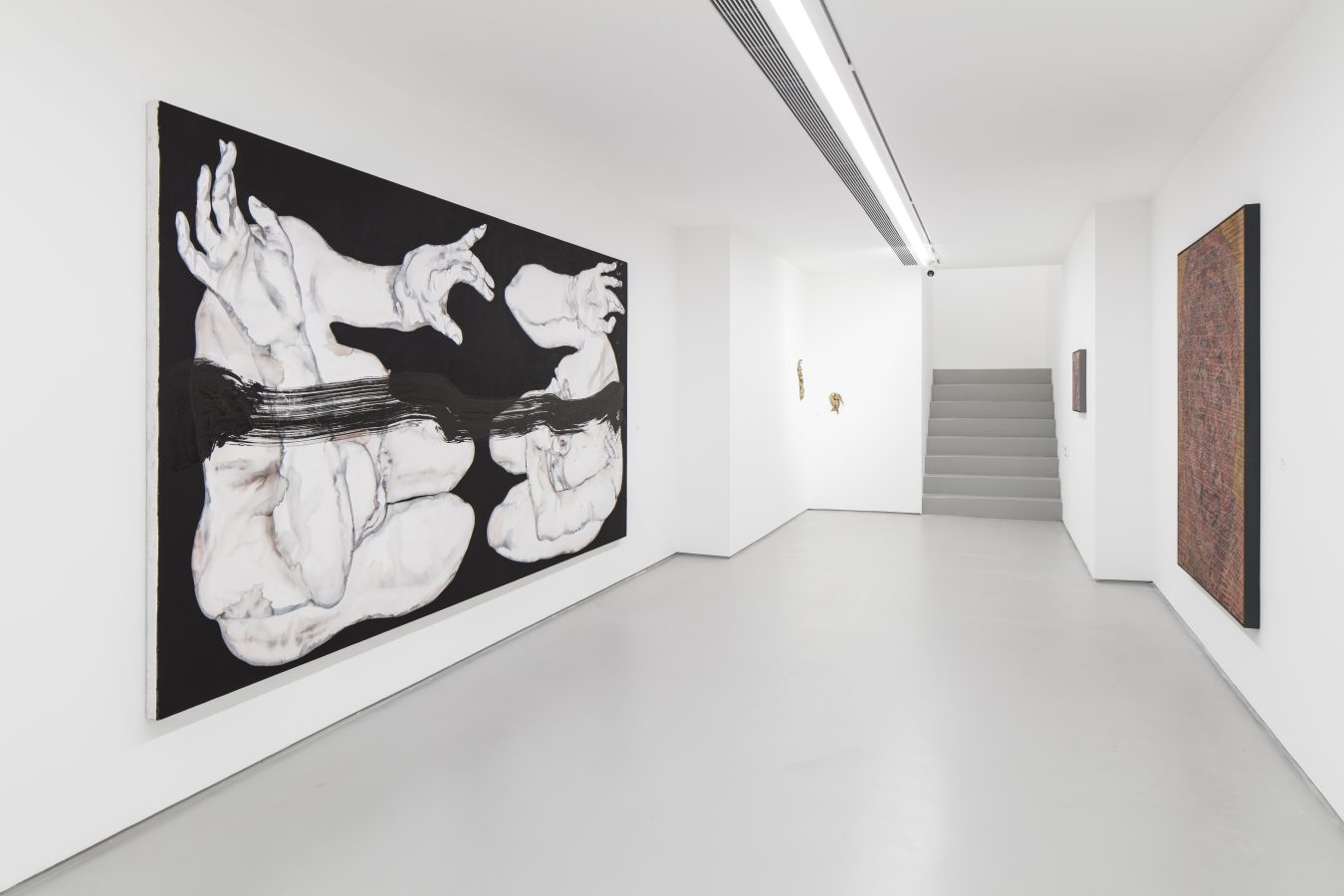
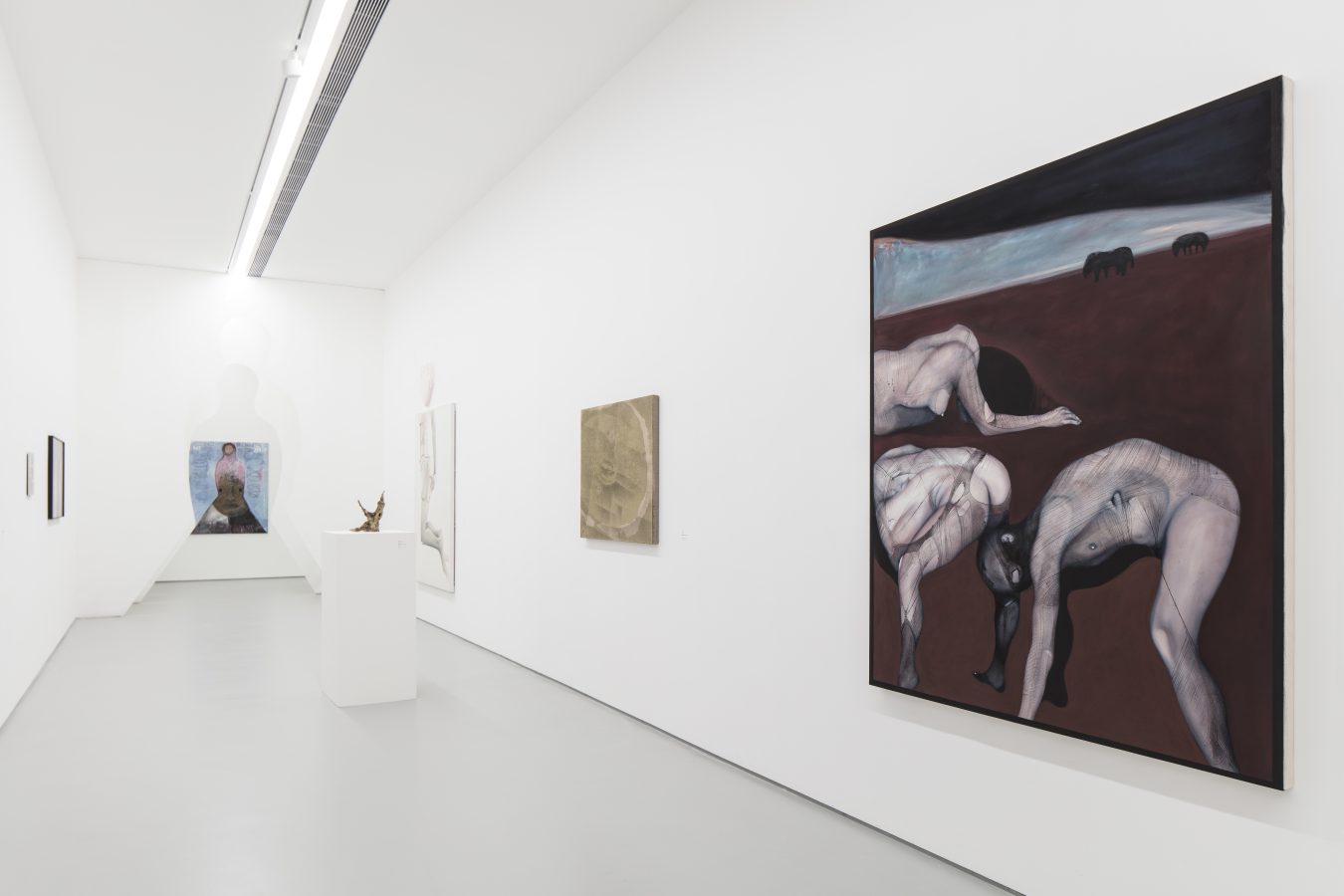
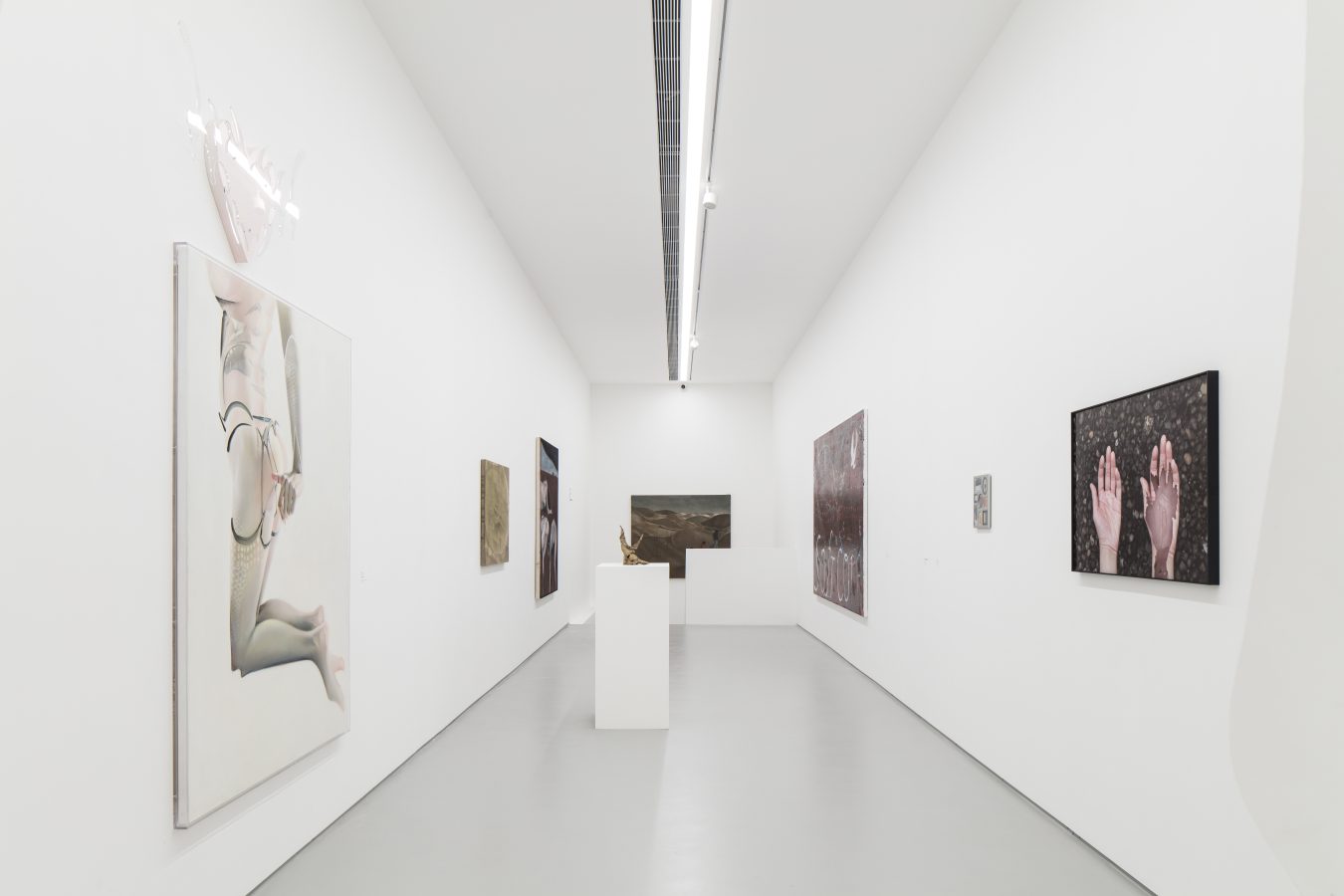
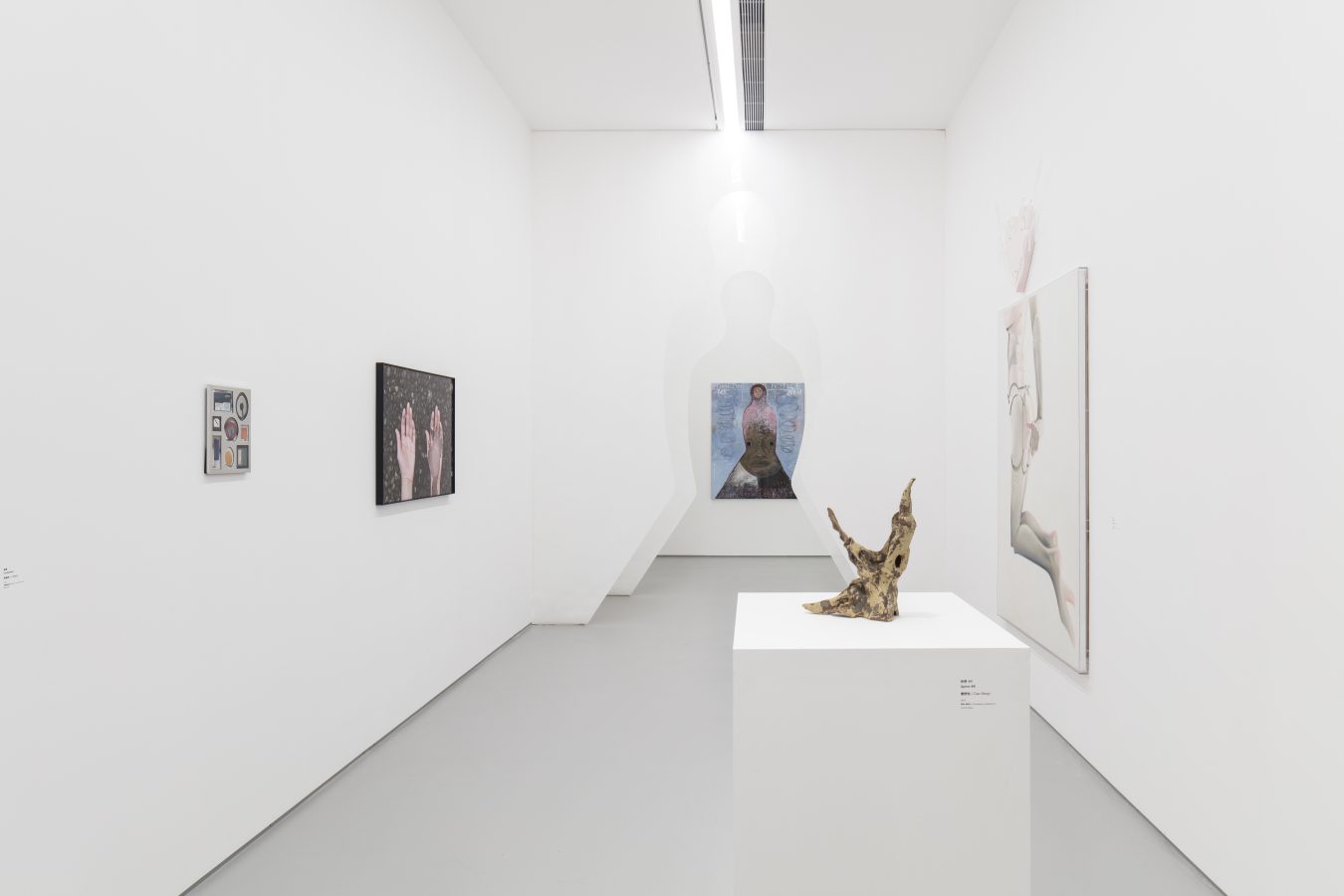
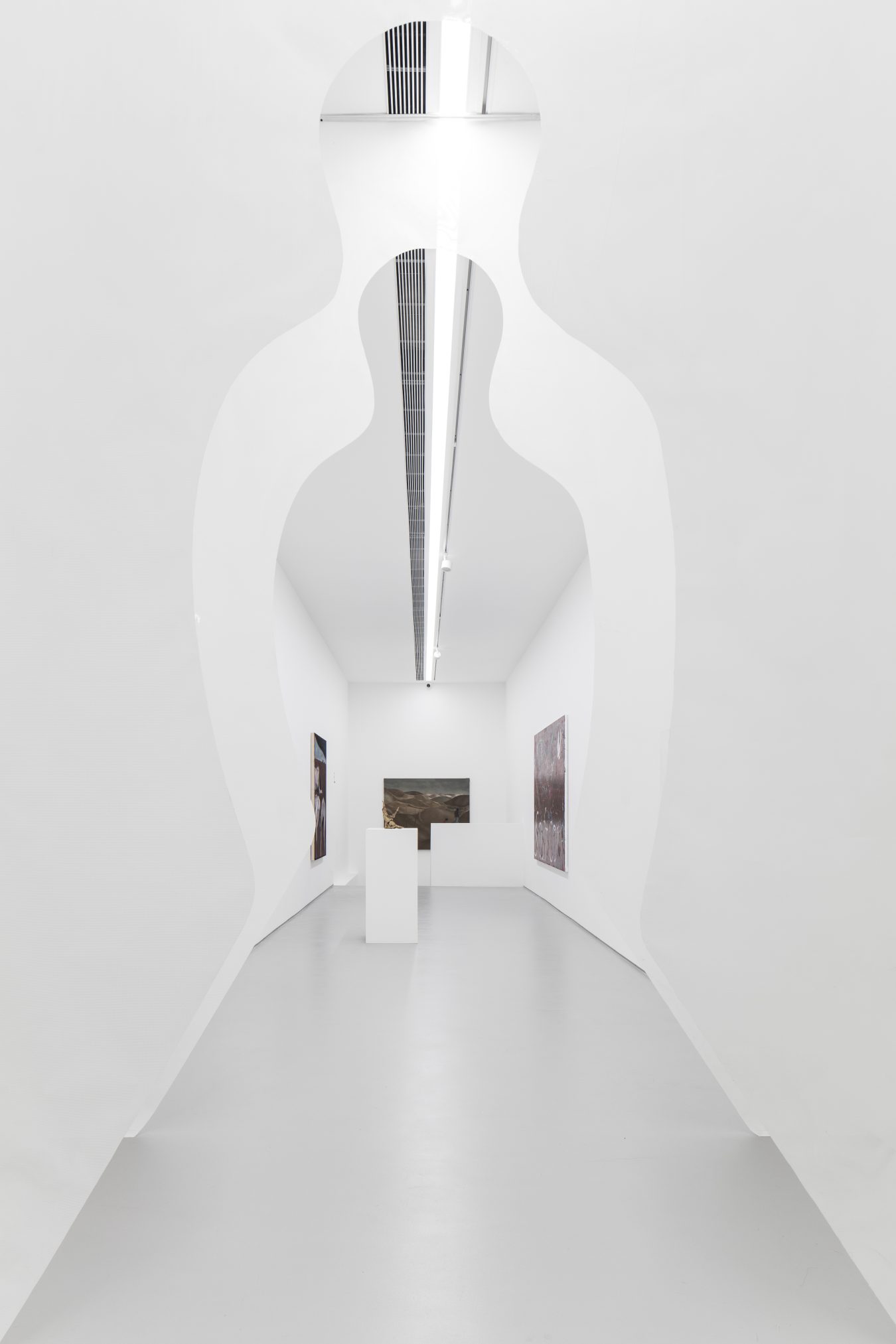
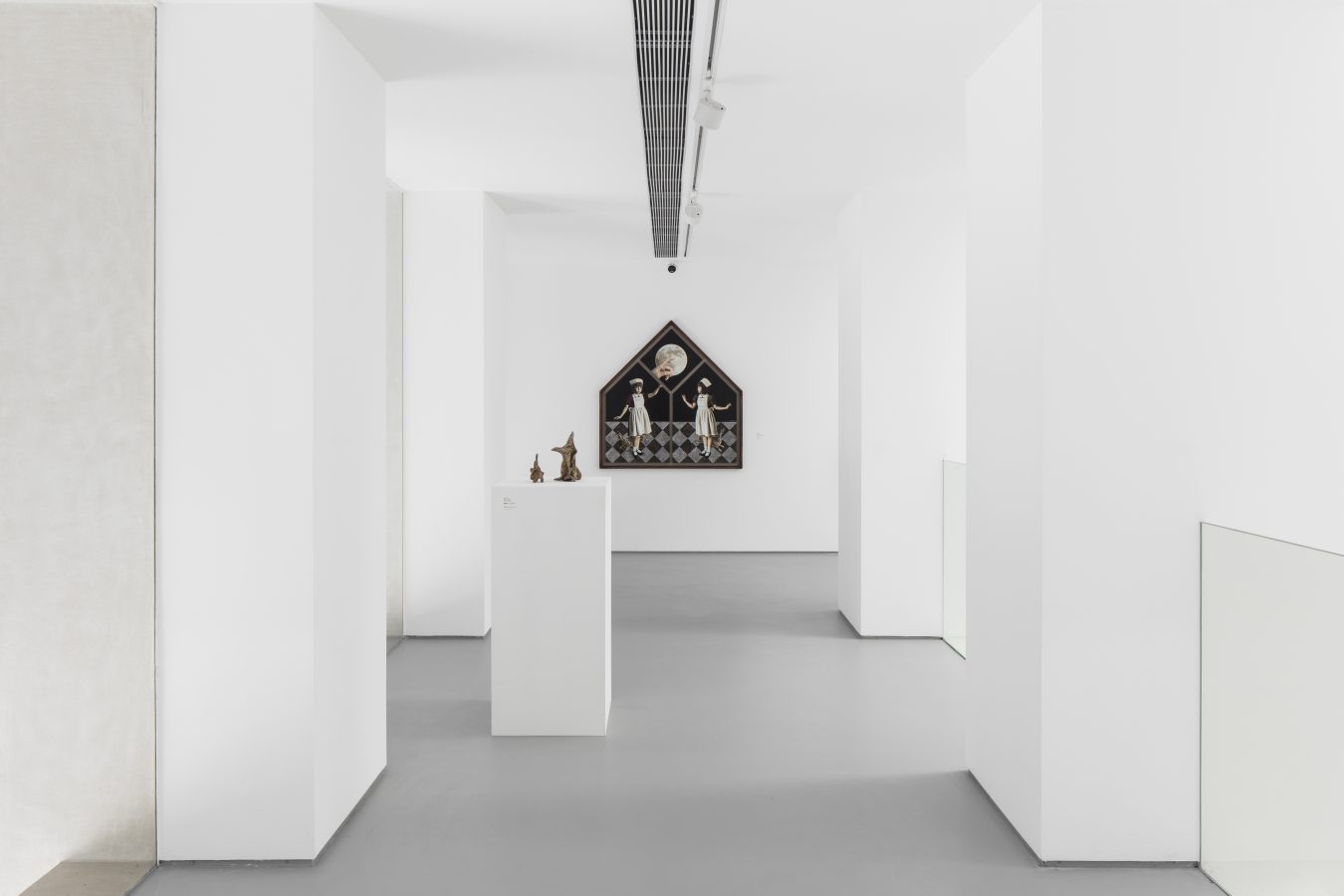
Hive Center for Contemporary Art is pleased to announce the launch of Hive | Art Research Project No. 5, “Shell of Infinity,” on view from May 20 to June 20, 2026, in Halls D and E at Hive Beijing. Curated by Xia Zifei, the exhibition features over sixteen works by ten artists: Cao Shuyi, Chen Tianyi, Dong Xiaochi, Duan Jianwei, Li Weiyi, Masaru Shichinohe, Natisa Jones, Song Kun, Zhang Mingxuan, and Zhu Xiaohe. In response to the tangible stresses and dynamic changes in external environments arising from the complexities of modern accelerated society, the exhibition draws inspiration from the philosophical concepts derived from the life principles of shelled organisms, exploring how artists restore the balance and coherence of the individuals by integrating their bodies into an intricate relationship with the external world.
The exhibition’s title, “Shell of Infinity,” derives from the fictional mountain “Amigara” range featured in Junji Ito’s one-shot story “The Enigma of Amigara Fault.” In the story, Amigara Mountain reveals a dotted fault with numerous caves after enduring an unprecedented earthquake. As the curious crowd attempted to take a closer inspection to these caverns, they suddenly discover these holes are not natural formations and uncannily displayed diverse human-shaped contours, each precisely matching exact silhouette of every person present. Upon deconstructing the term “Amigara,” the prefix “Ami” (derived from Amitā) invokes the notions of the boundless, the infinite, and the immeasurable, while “gara” (derived from Kaigara, the Shell) serves as a biological vessel—a primordial container that shields the physical body, preventing it from facing the vulnerabilities of the world in a state of total exposure.
Shells are no strangers to modern people, they were once used as currency in ancient times, and now are extremely easy to obtain as a readily available delicacy in modern life. Yet, within the realm of mythology, shells have become the birthplace and dwelling of deities, with the power to summon divine beings and communicate with the world of spirits. In the myths of the South Pacific islands, it is believed that all things in the world are perceived to possess their own shells, just as the universe originated from a gigantic clam. If we shift our perspective of the subject’s viewpoint in this context, why couldn’t it be possible that “Amigara” refers to “the shell of the individuals”—a protective layer draped over the body, woven from the very fabric of the world that surrounds us?
In this era of rapid technological advancements, artificial intelligence has managed to interact with the physical world in the form of humanoid robots within an extremely short time frame. As the external frameworks of AI have grown increasingly solidified through successive iterations of the embodied revolution, the corporeal existence of human bodies, by contrast, appears ever more fragmented amid the chronic tremors due to systemic challenges such as the accelerating society, fragmented information processing, and weakened interpersonal connections. Confronted with the exhaustion and imbalance between spirit and body, the need to re-embody individual perception and emotional order may be more urgent now than ever before. To gather oneself through the construction of one’s own “shell” might well be a crucial means of restoring equilibrium between body and mind.
The works in this exhibition span a temporal trajectory from the 1990s to the present. By momentarily suspending generational distinctions among artists, “Shell of Infinity” shifts our focus toward discussing historical culture, social communities, and emotional memories that parallel to the present time. The “shell” here is by no means a site of hermetic reclusion, nor does it represent a claustrophobic defense against the outside world. Rather, it functions as a network formed by external elements, bodily experiences, and creative methods, guiding the individual to locate the primordial spark of vitality between the external world and the inner self. Within this ritual of self-recognition, the boundaries of subjects are projected outward, reaching toward the distant external world as well as arriving at deeper layers of the self beneath the flesh.