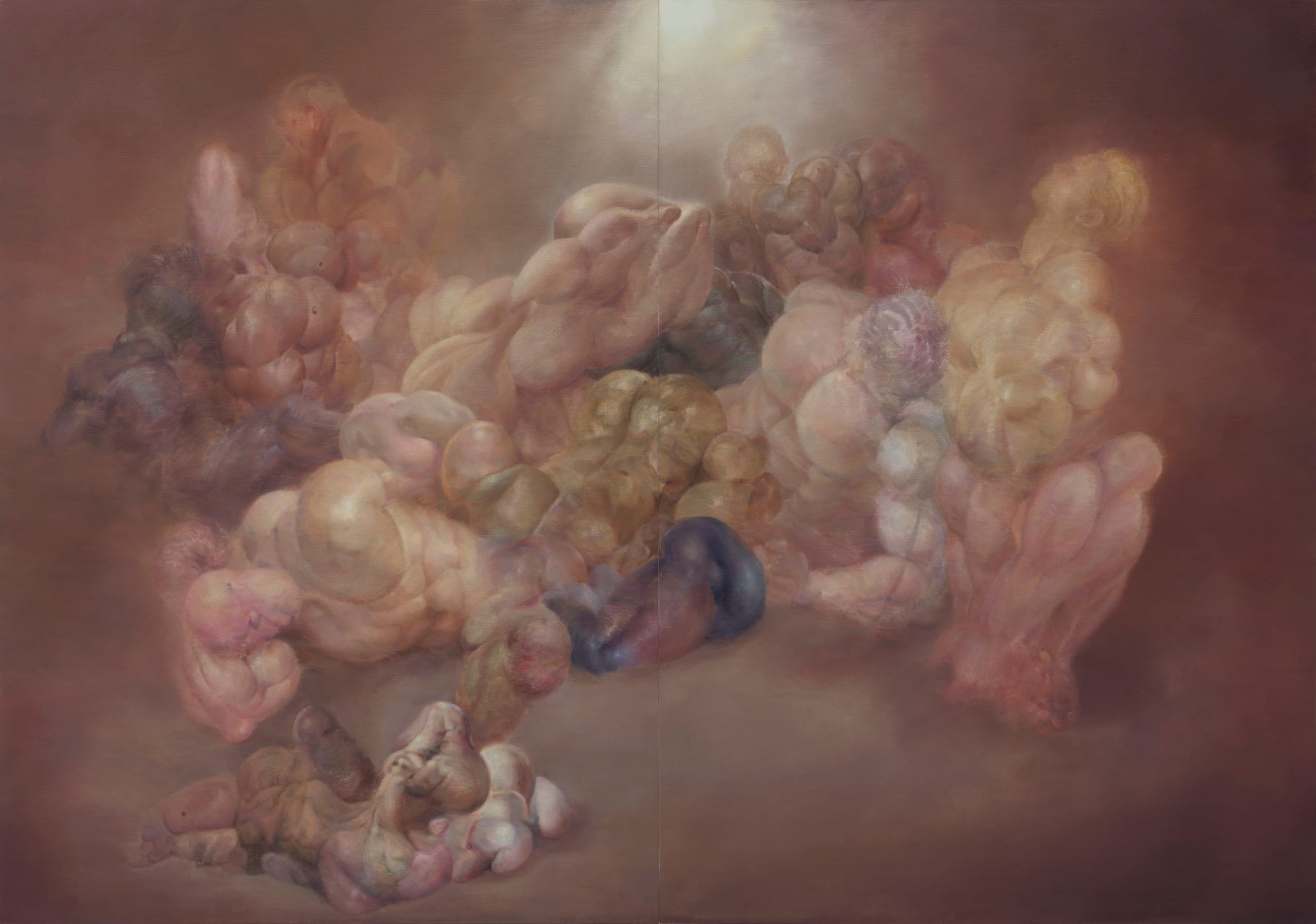
Shang Liang
2026
Oil on canvas
280×400cm
(280×200cm×2)
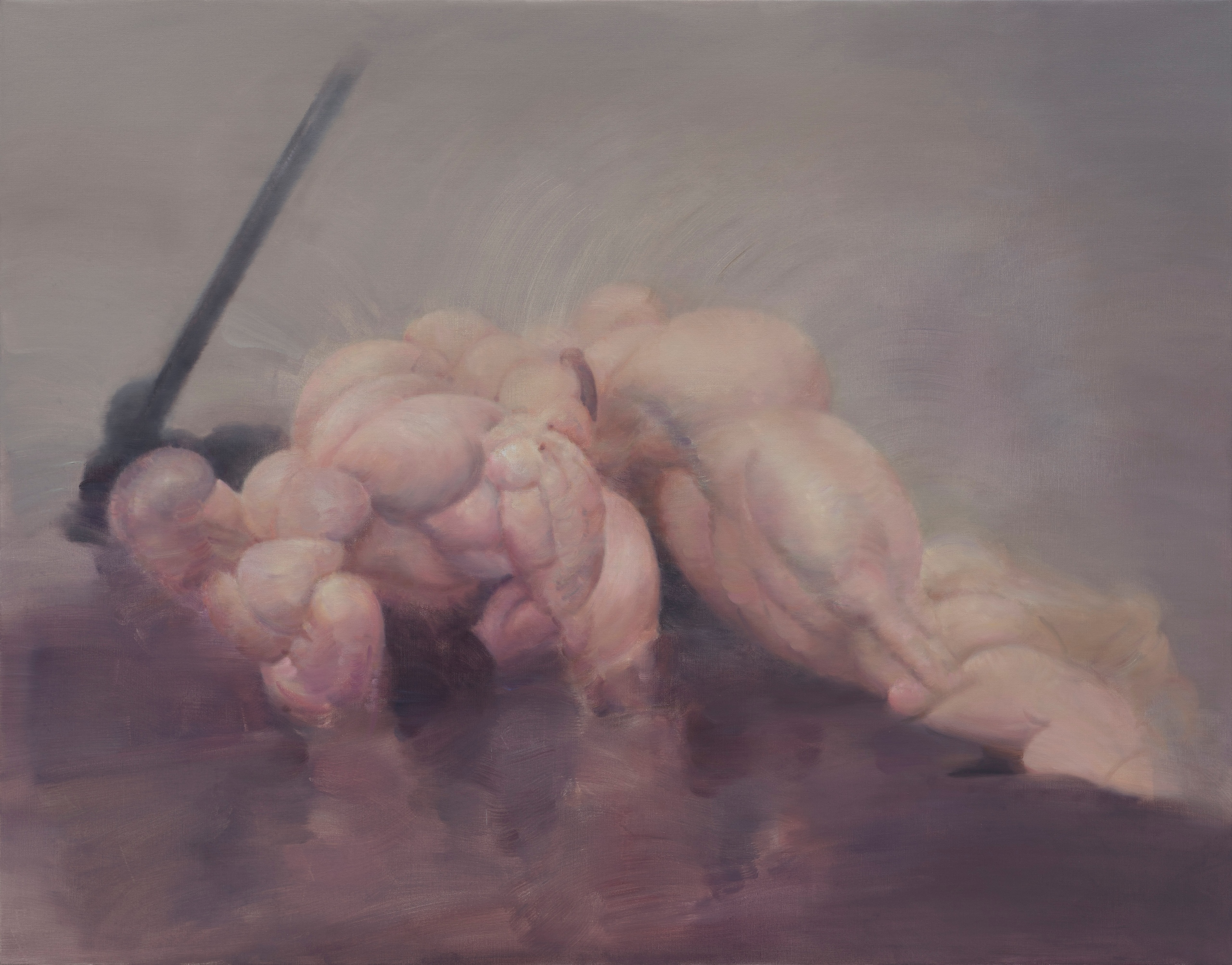
Shang Liang
2025
The Split Self No.14
Oil on canvas
180×230cm
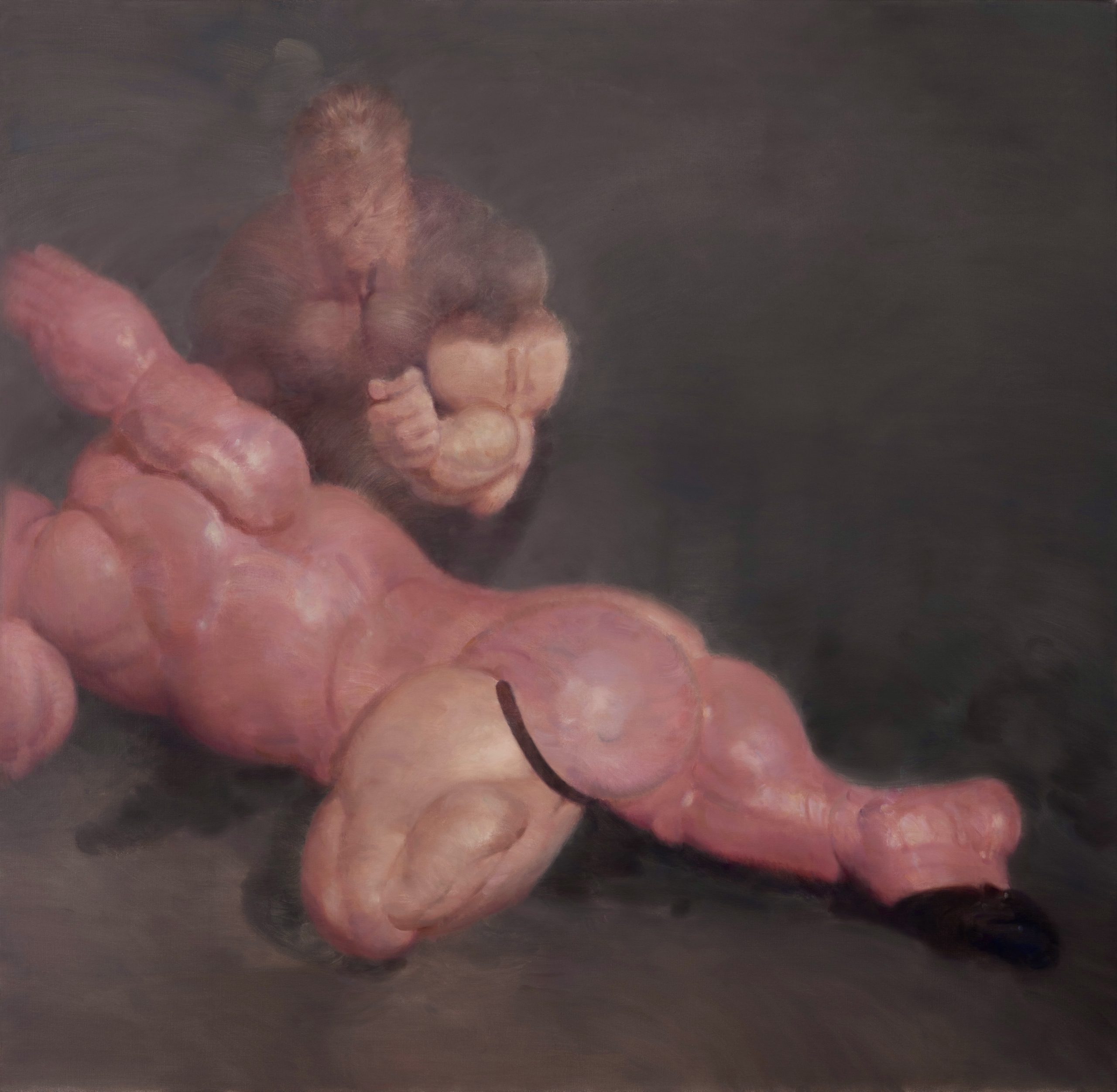
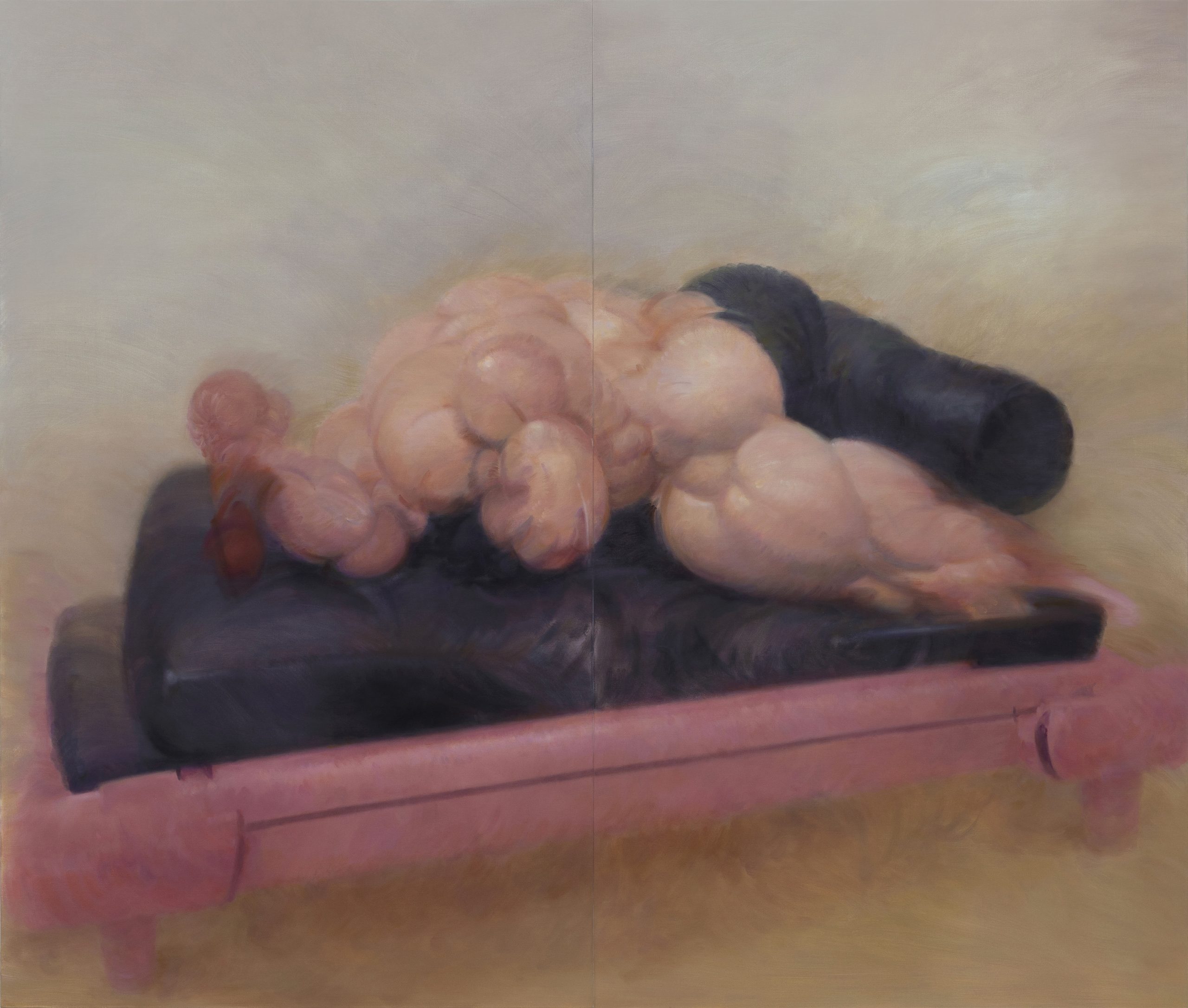
Shang Liang
2025
Oil on canvas
200×205cm
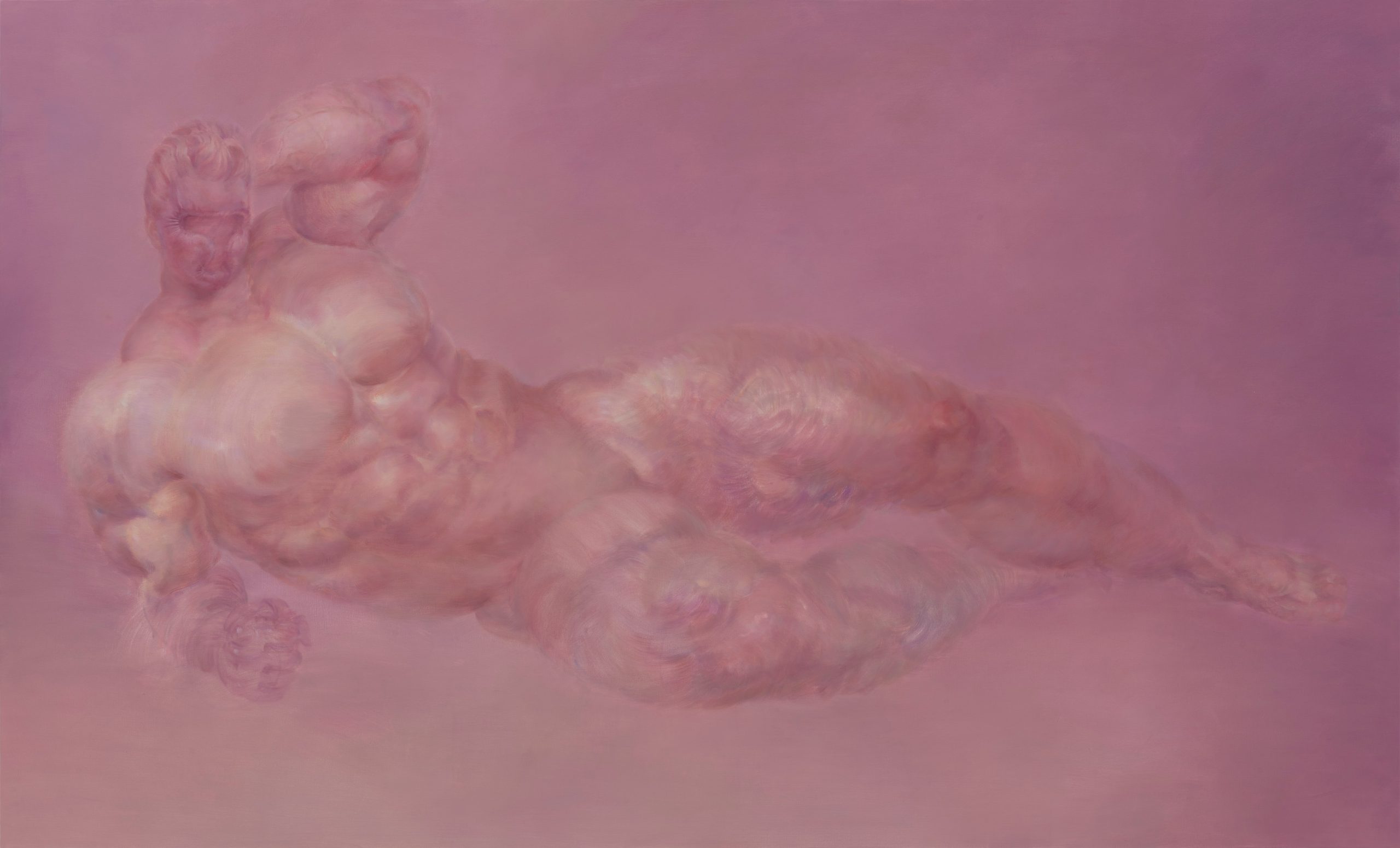
Shang Liang
2025
Oil on canvas
260×306cm
(260×153cm×2)
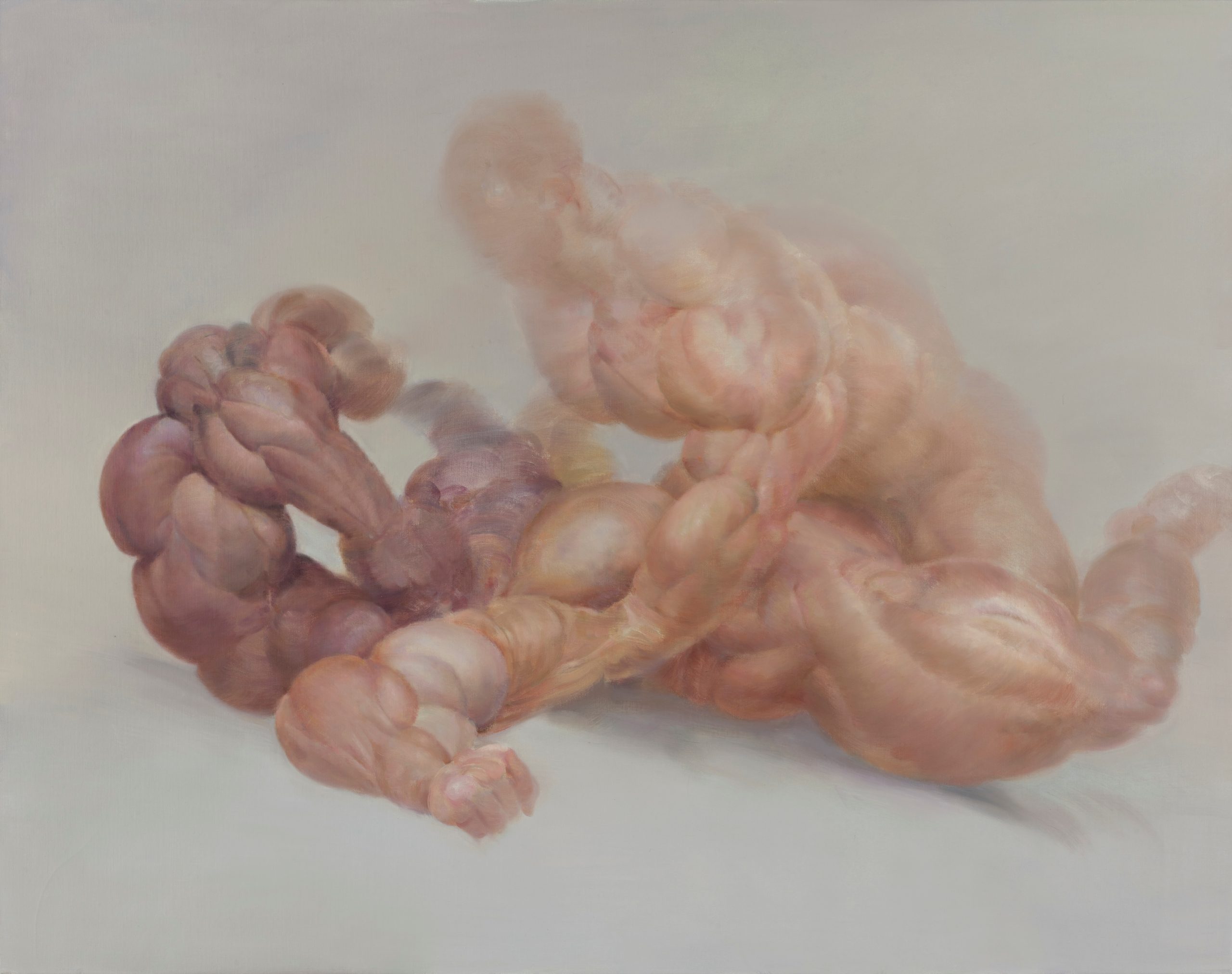
Shang Liang_
2025
Oil on canvas_
200×340cm
Shang Liang
2025
Oil on canvas
180×230cm

商亮
2024
The Split Self No.10
Oil on canvas
200×205cm
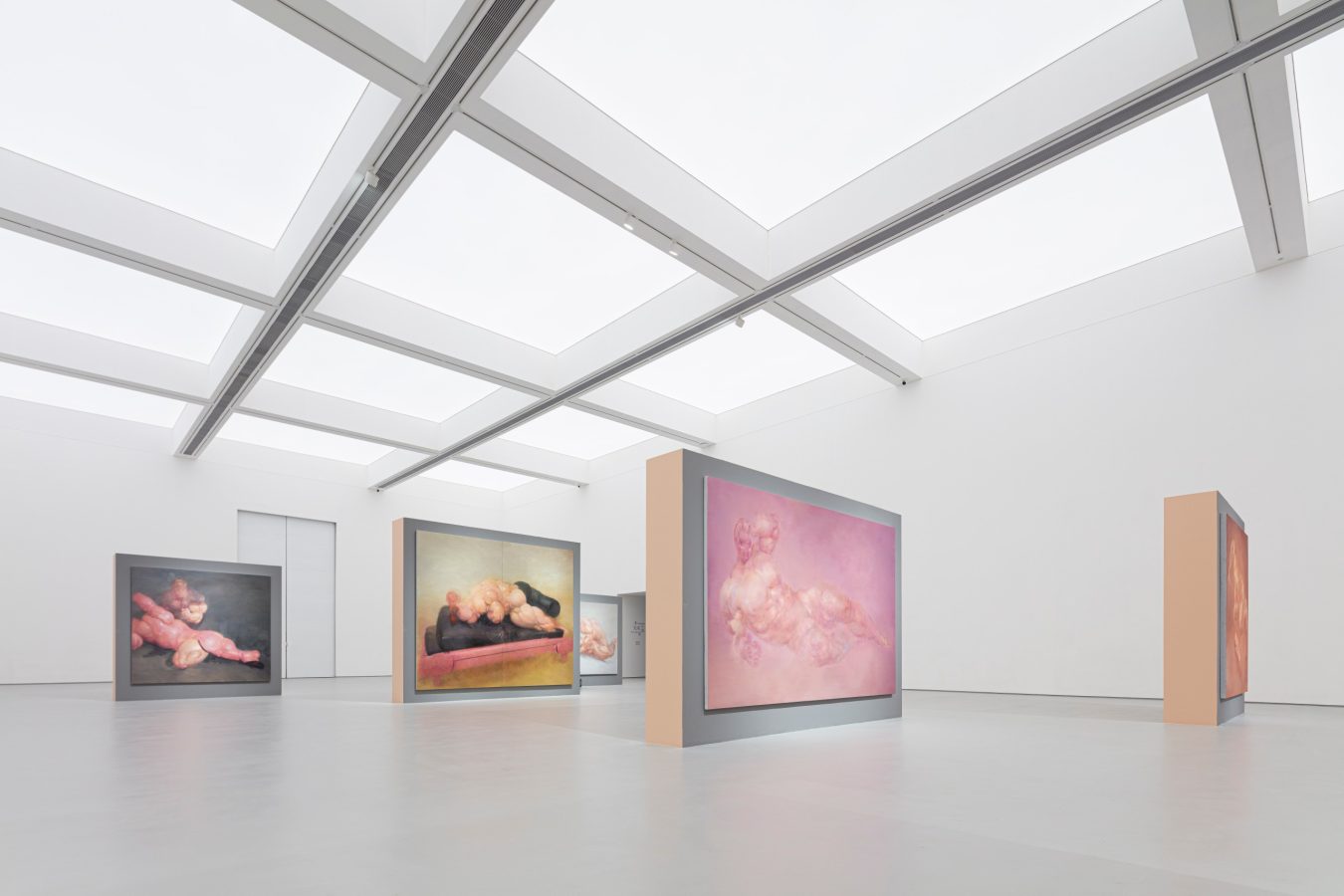
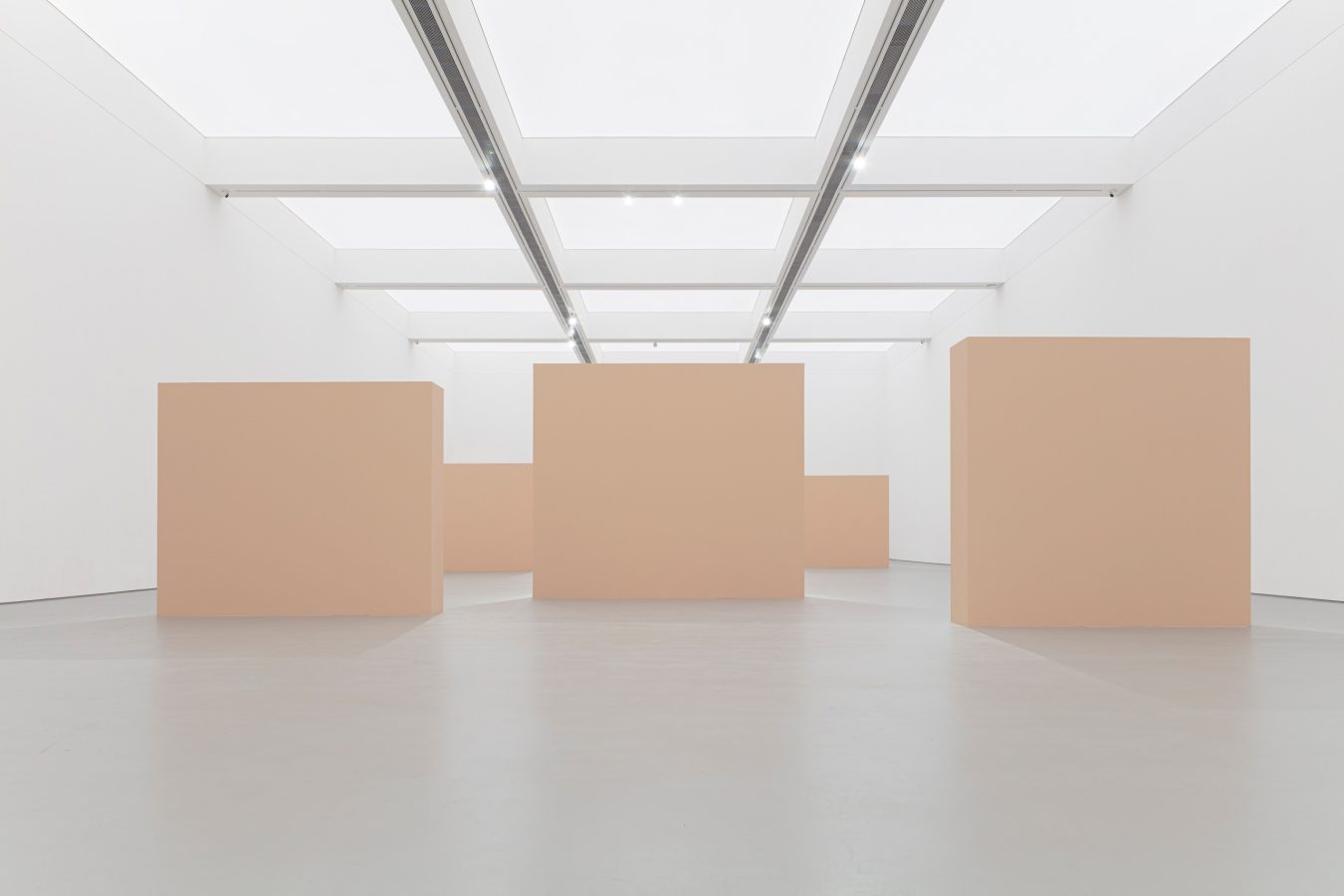
Hive Center for Contemporary Art is thrilled to announce the presentation of “The Raw”, the first large-scale solo exhibition by artist Shang Liang since she joined the gallery’s programme, opening on March 21, 2026, in Hall A, the main exhibition space at Hive Beijing. Shang Liang (b. 1981) is acclaimed as one of the most talented Chinese painters. Through dynamic yet precise brushstrokes, she depicts bodies and figures that evoke an intertwined landscape of desire, chaos, estrangement, and alienation, while her visually dense and tension-filled compositions capture the predicaments and disorientation of our time. Curated by Yang Jian, this exhibition will remain on view through May 5, 2026.
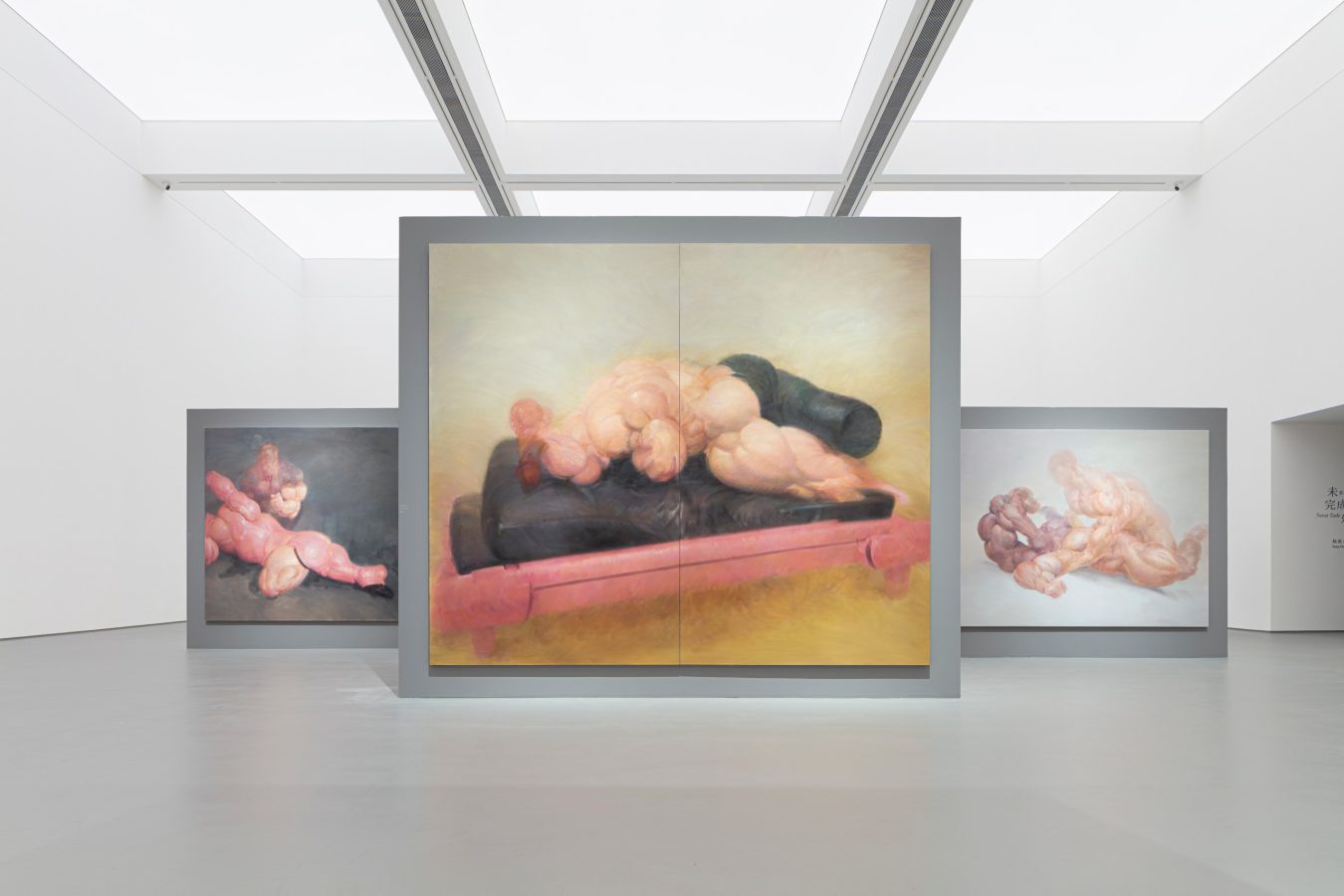
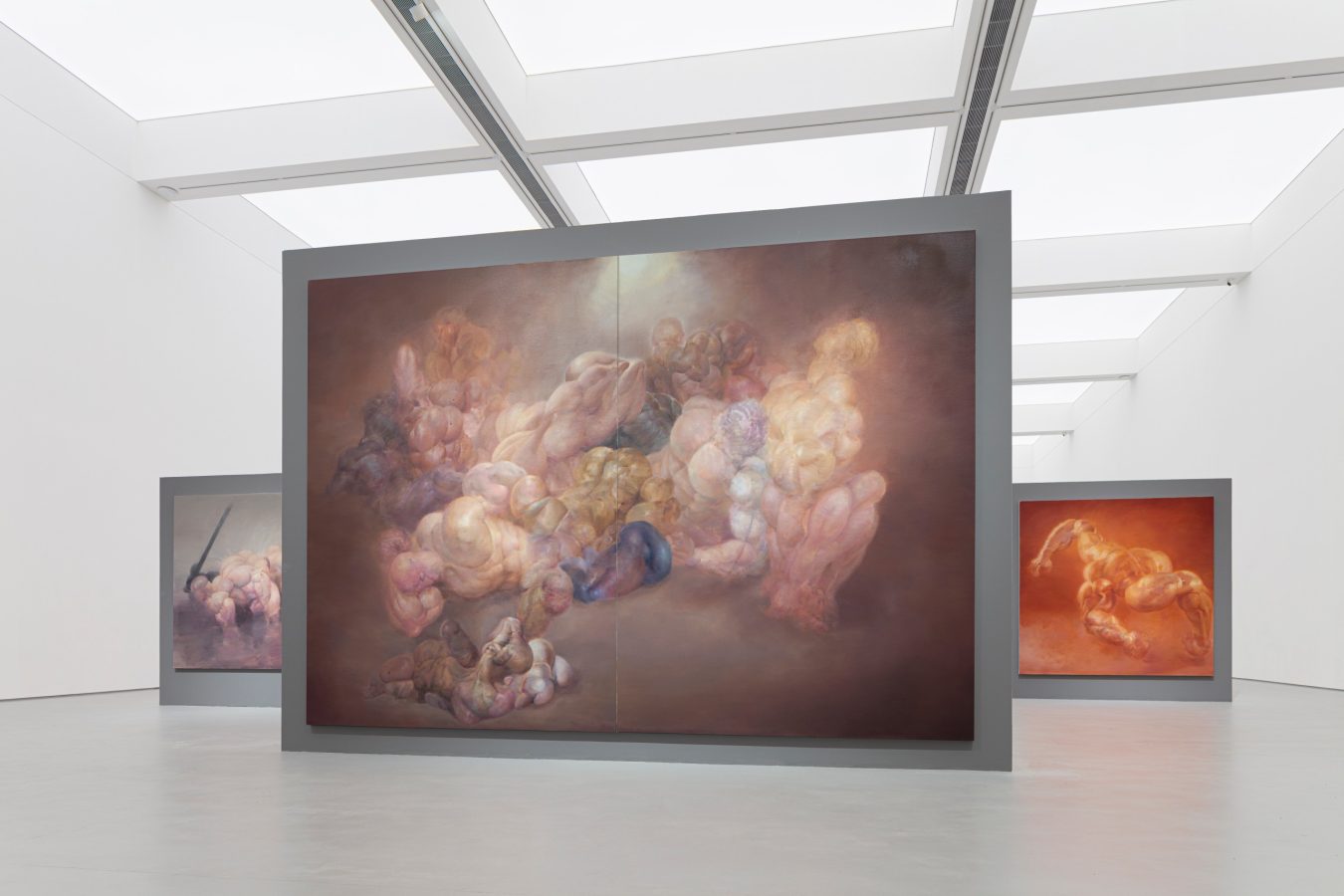
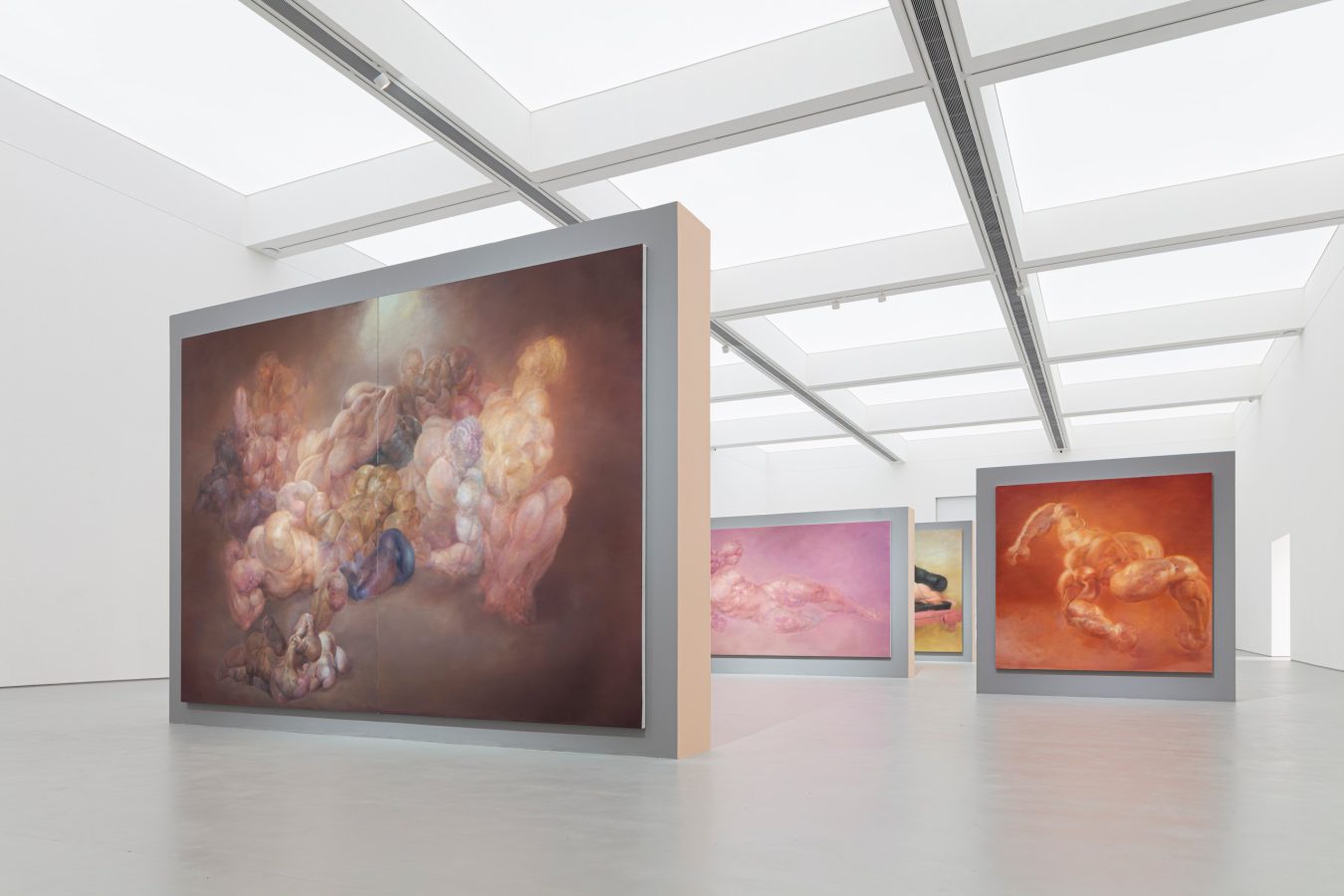
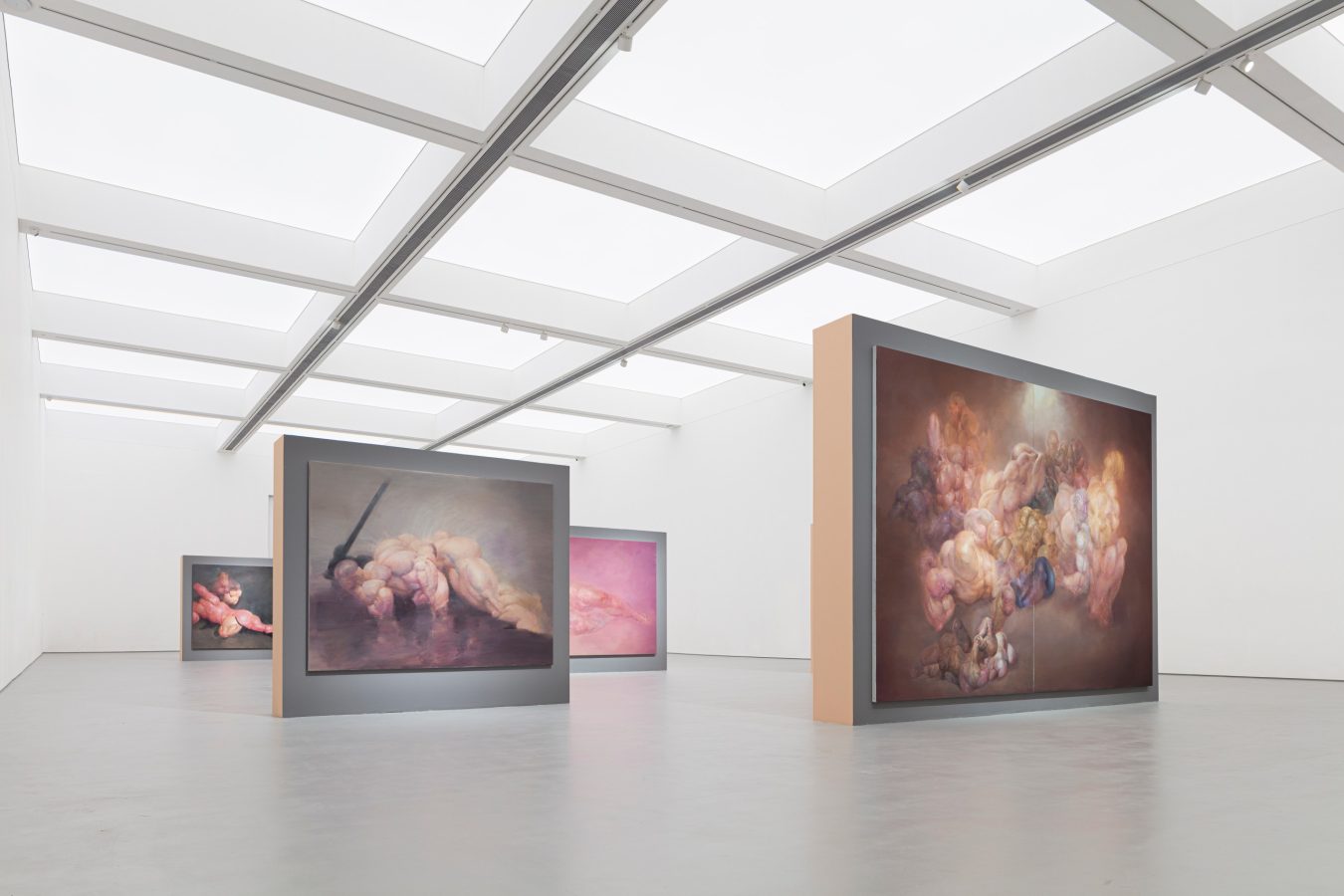
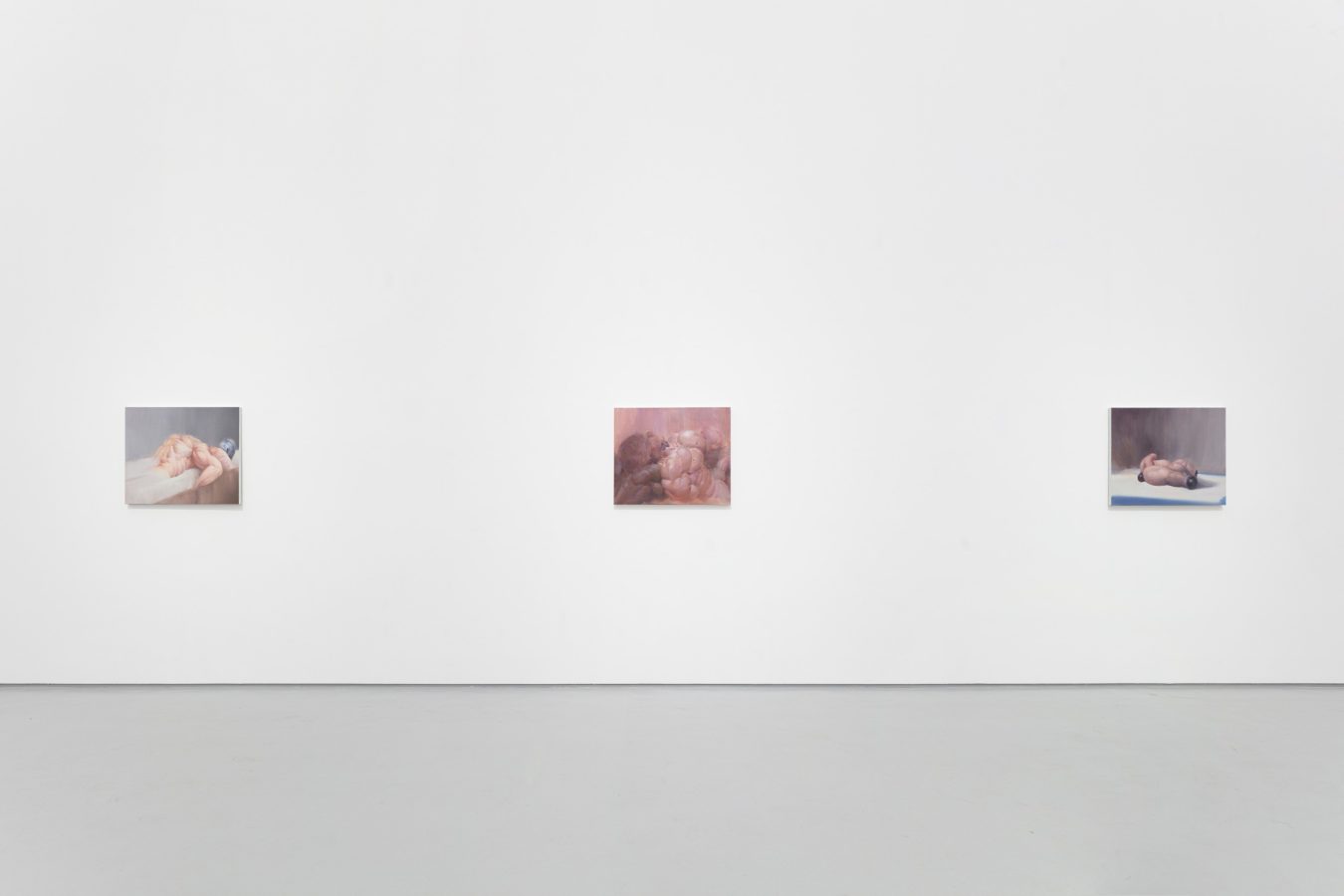
Shang Liang repeatedly dismantles and recalibrates the concept of the ‘body’. Yet regardless of the situation, the ‘state of display’ she constructs through her visual language remains: bodies that are muscular, flushed, and seemingly poised in anticipation of being viewed and used, recalling the presence of classical sculpture while simultaneously embodying a distinctly contemporary sensation—a position Shang Liang consciously maintains in the context of art history, in exploration of another possible desire for how the concept of body might exist within society.
Shifting between figuration and abstraction, oscillating between sensibility and idealisation, and navigating the tensions between eroticism and innocence, Shang Liang’s work gestures at once toward the individual and the collective. Through the body as a classical and enduring vehicle, she interprets, across different stages of her practice, the various ways in which the body may still be articulated in contemporary contexts, and provokes reflection on identity, the body, and desire within social structures, while embracing the body’s inherent multivalence and openness to express a celebration of both the flesh and human nature. When examined alongside her earlier works, we witness how Shang Liang’s robust and assertive painterly language reveals a restrained sense of eroticism and a deliberate ambiguity of gender. Yet she shows little interest in defining her own identity through her work, maintaining a consistent distance, even a certain vigilance, toward identity labels. The manifestation of multiple and fluid sexual characteristics in her paintings serves merely to achieve and establish a more refined, undefined physical experience and state. This also explains why discussions of gender have become more subtle in her recent works: such concerns, in fact, reflect a logic of constructing her evolving painterly history by grounding it in her personal experience of art history. Building on the foundations of her previous practice and discourse, Shang now embarks on a new stage in her creative trajectory. This could be understood as a kind of return to the essence of painting, or as a belief in the inherent power of painting as a medium, a process of self-refinement grounded in the paths of her earlier exploration and research.
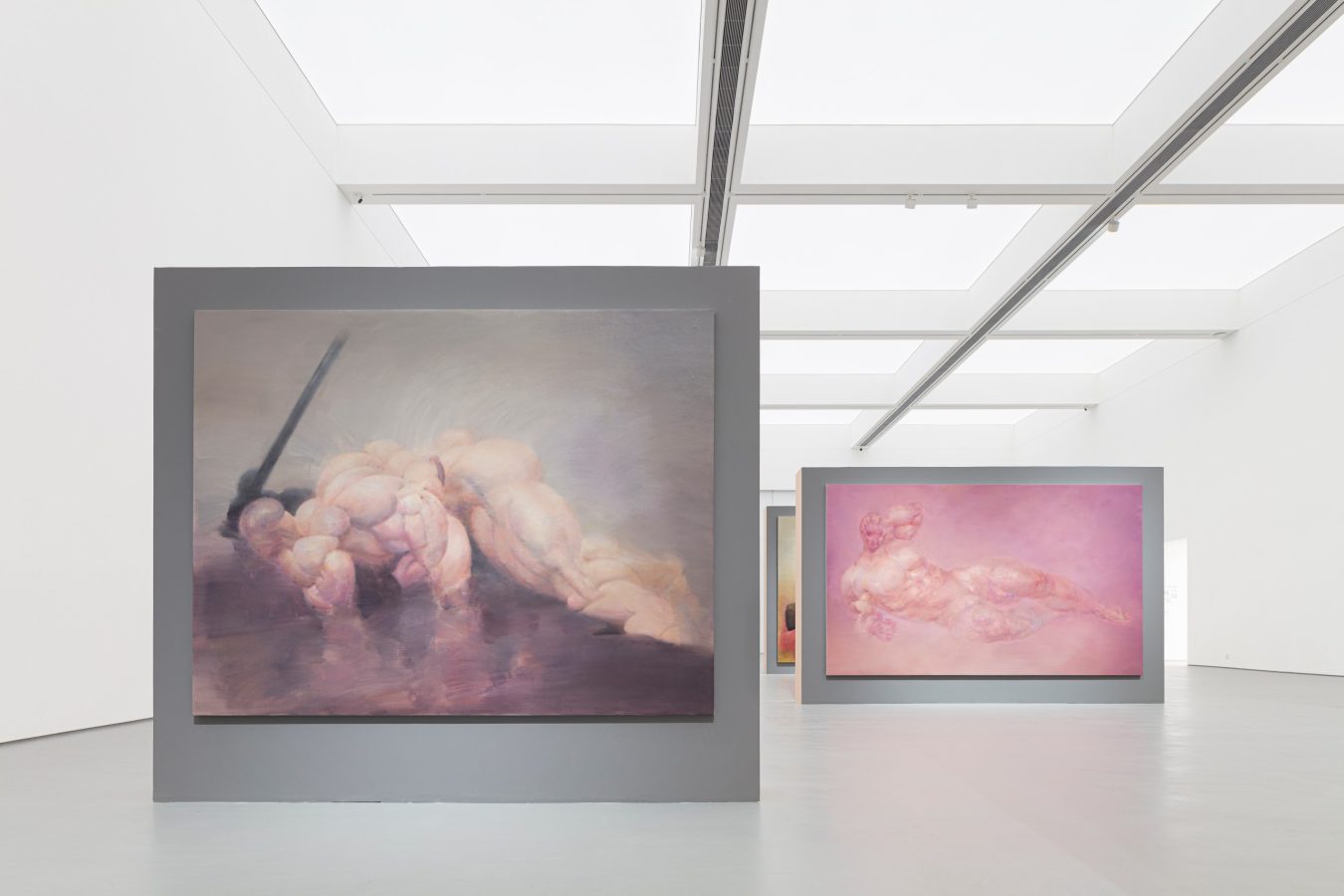
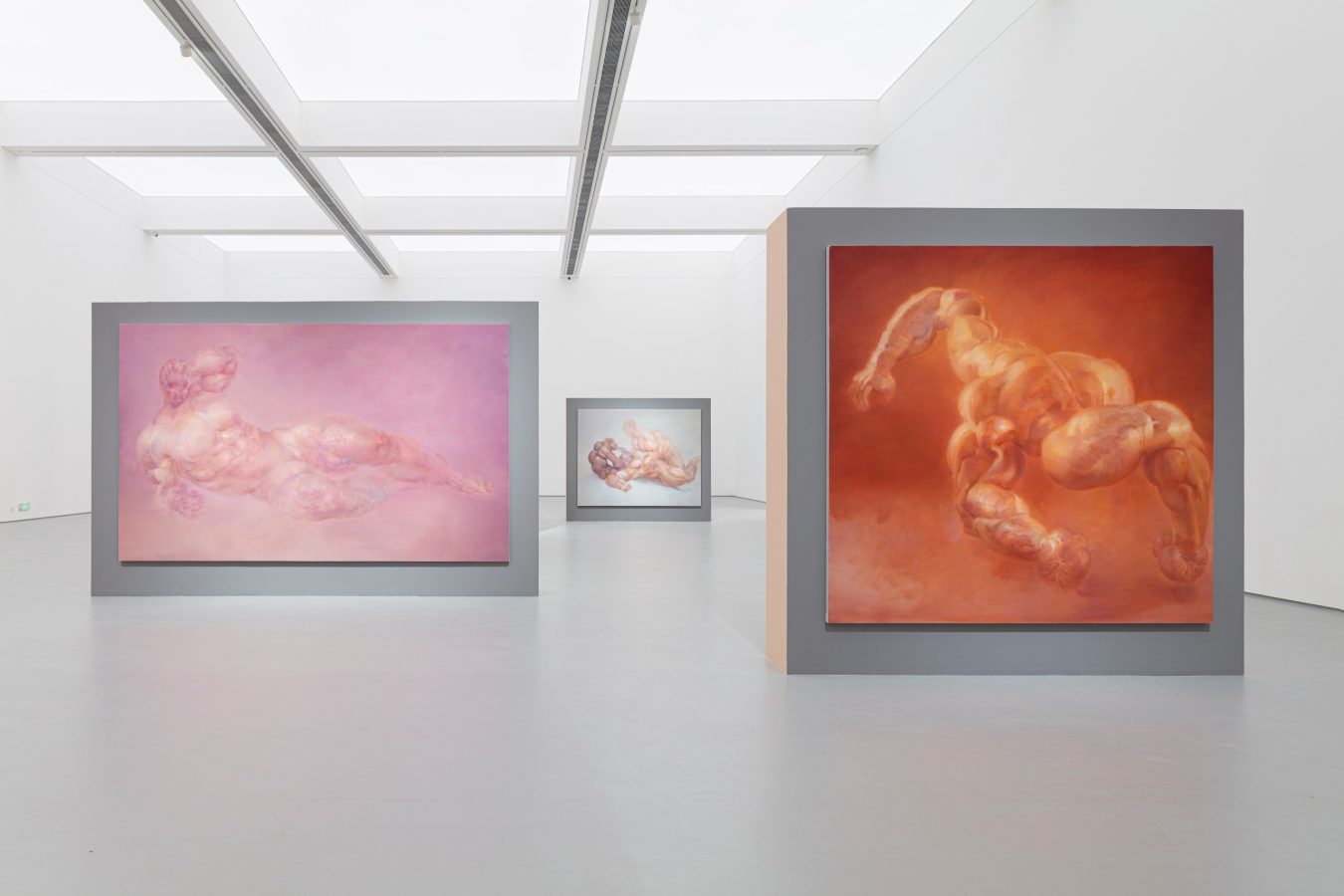
In stark contrast to the pronounced physical forms, Shang Liang customarily depicts the body in shades of pink. At first glance, these tones appear tender and warm; yet upon closer inspection, the precise layering of brushstrokes and the accumulation of pressure on the canvas evince a sense of tension and expansion on the verge of rupture, an energy poised to burst and release, a tight, uncanny intensity. Lavender-hued blues and purples, floral pinks and flesh tones, as well as black and white of low saturation and contrast all function like activated negative forms beneath a façade of tenderness. Exuding a subtle sense of suppression, they set emotions teetering between comfort and unease, compelling the viewer into a state of direct and inescapable confrontation.
In her recent works, the figures depicted by Shang Liang become increasingly distorted: they appear absurdly muscular as the limbs stretching and twisting with a mechanical intensity, bodies coiling and entangling in ambiguous embraces. Ultimately, these gestures culminate in a hybrid emotional state of extreme intensity. Arms, as strong as thighs, clench as if grasping desire, accumulating some kind of energy ready to be released; the powerful, contorted torsos suggest evasion and defence in rapid motion, projecting both agitation and vulnerability. Folded bodies seem to share the pain of a particular fleeting moment. The flushed skin hints at a temperature arising, whether external or internal, symbolising a tense relationship. These physical states ultimately synthesise into an energetic field of relations. In the contemporary social landscape preoccupied by the pursuit of intelligence, labelling, algorithms, and institutionalisation, Shang Liang’s work returns the body to a more instinctive state, one that exists prior to naming and functionalisation, or perhaps to an ambivalent liminal space between several states: a ‘raw body’ that rejects definition and reclaims freedom.