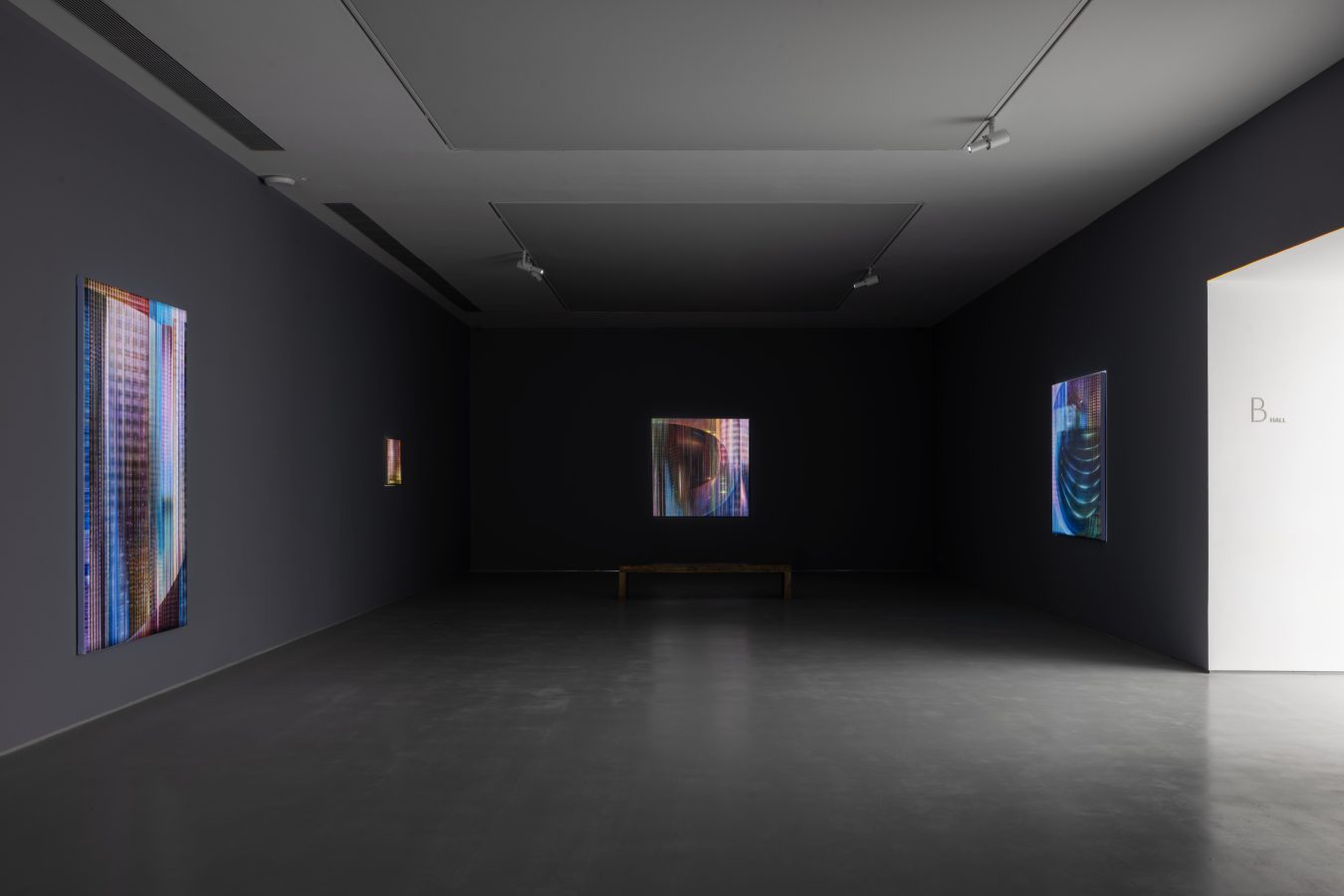
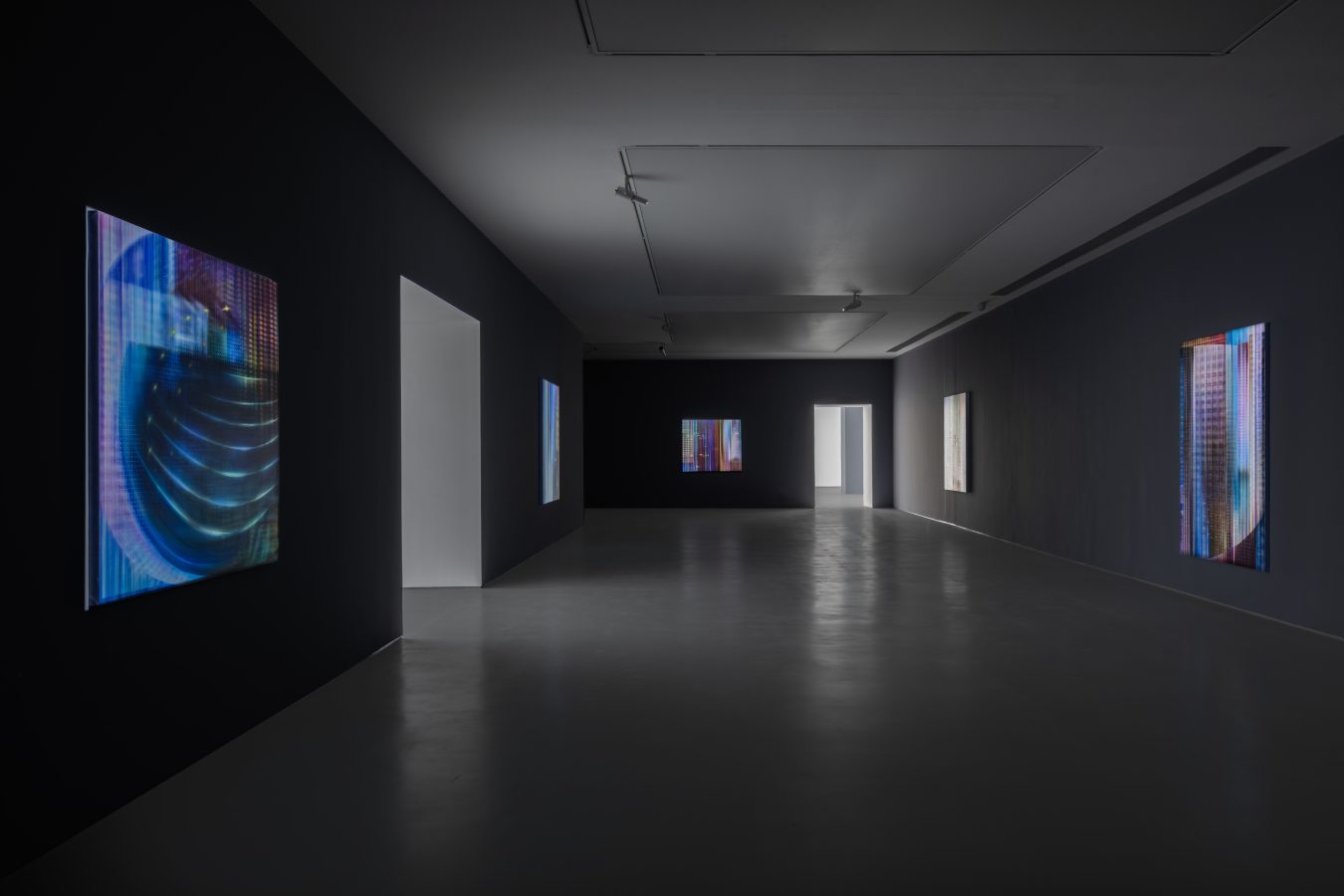
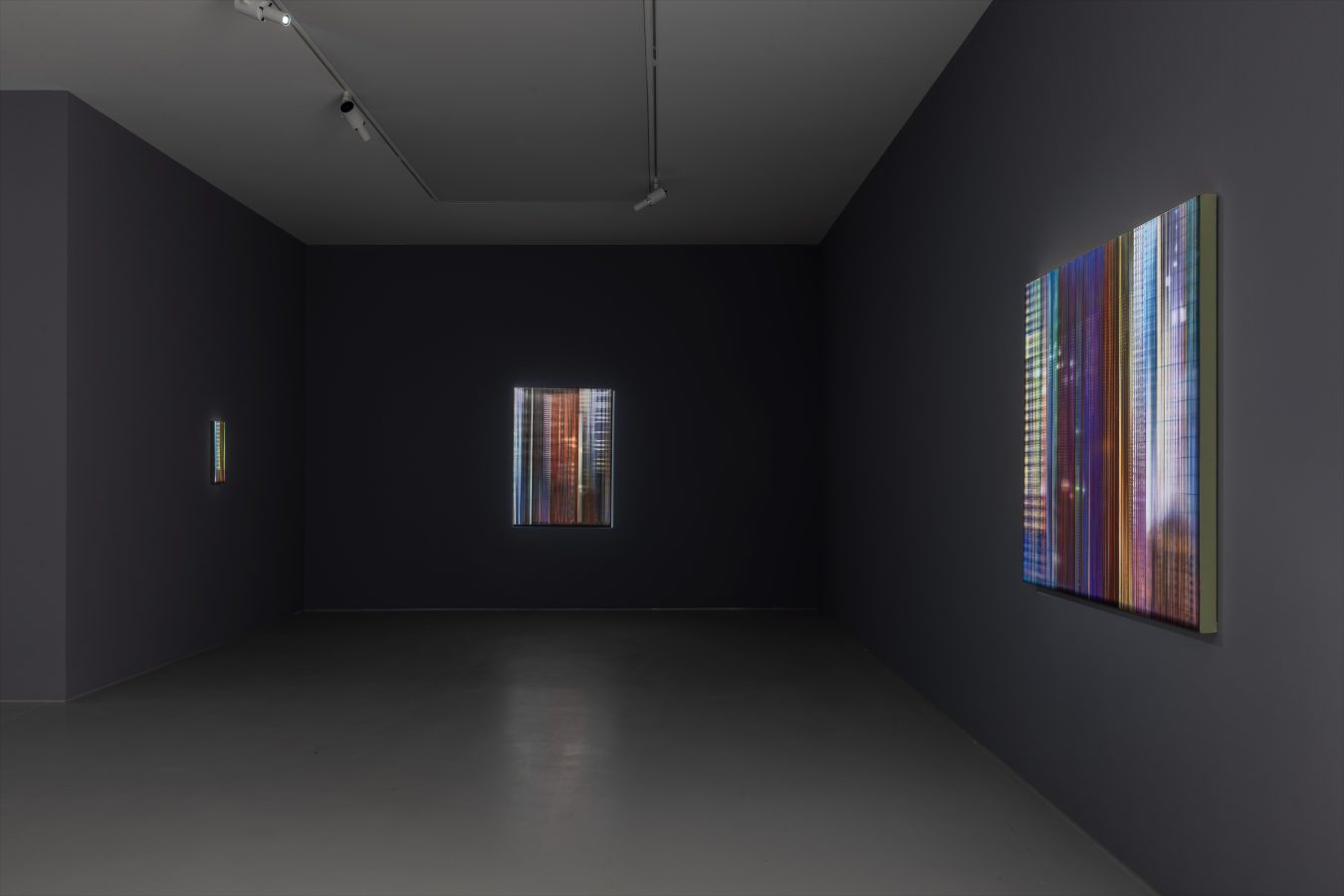
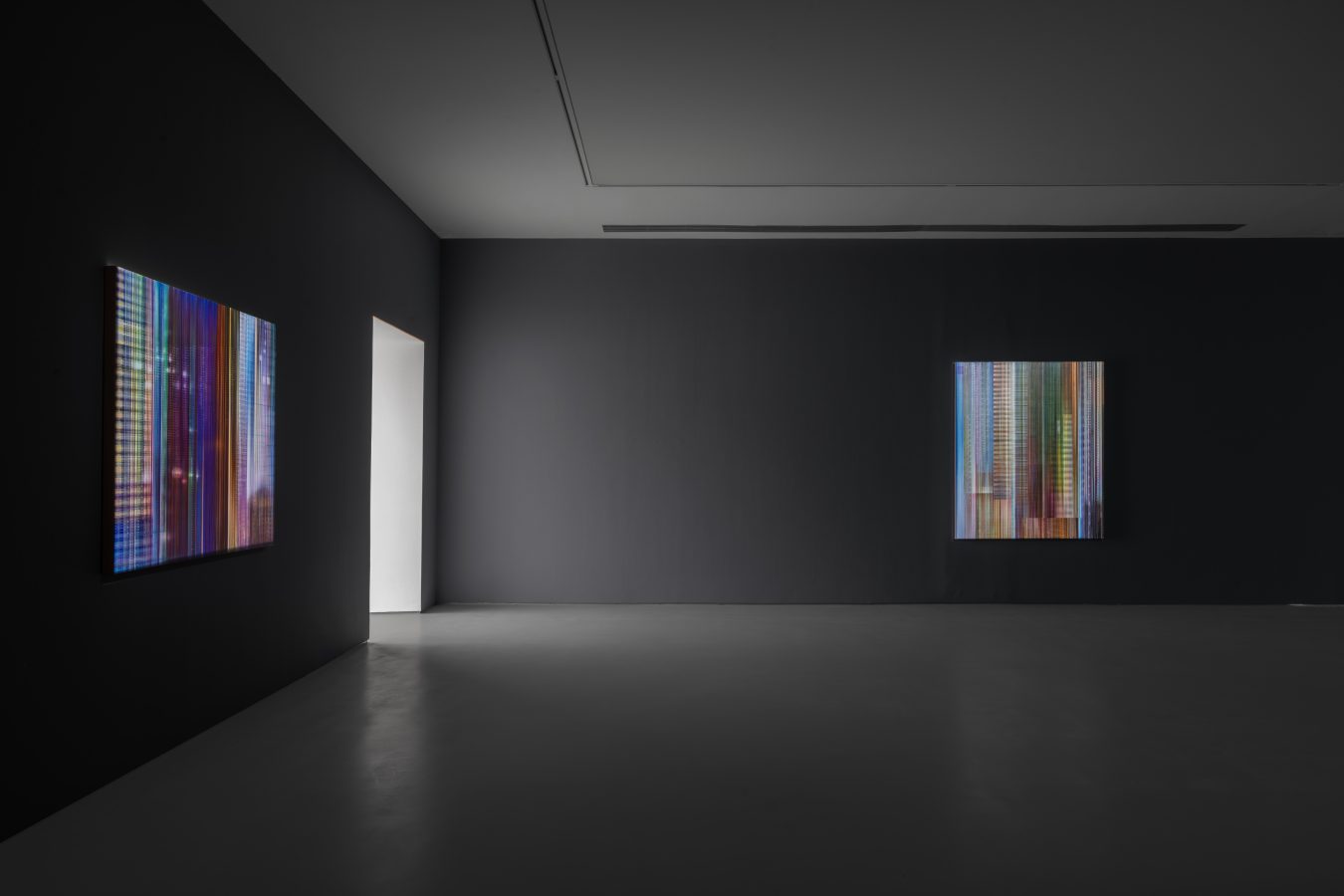
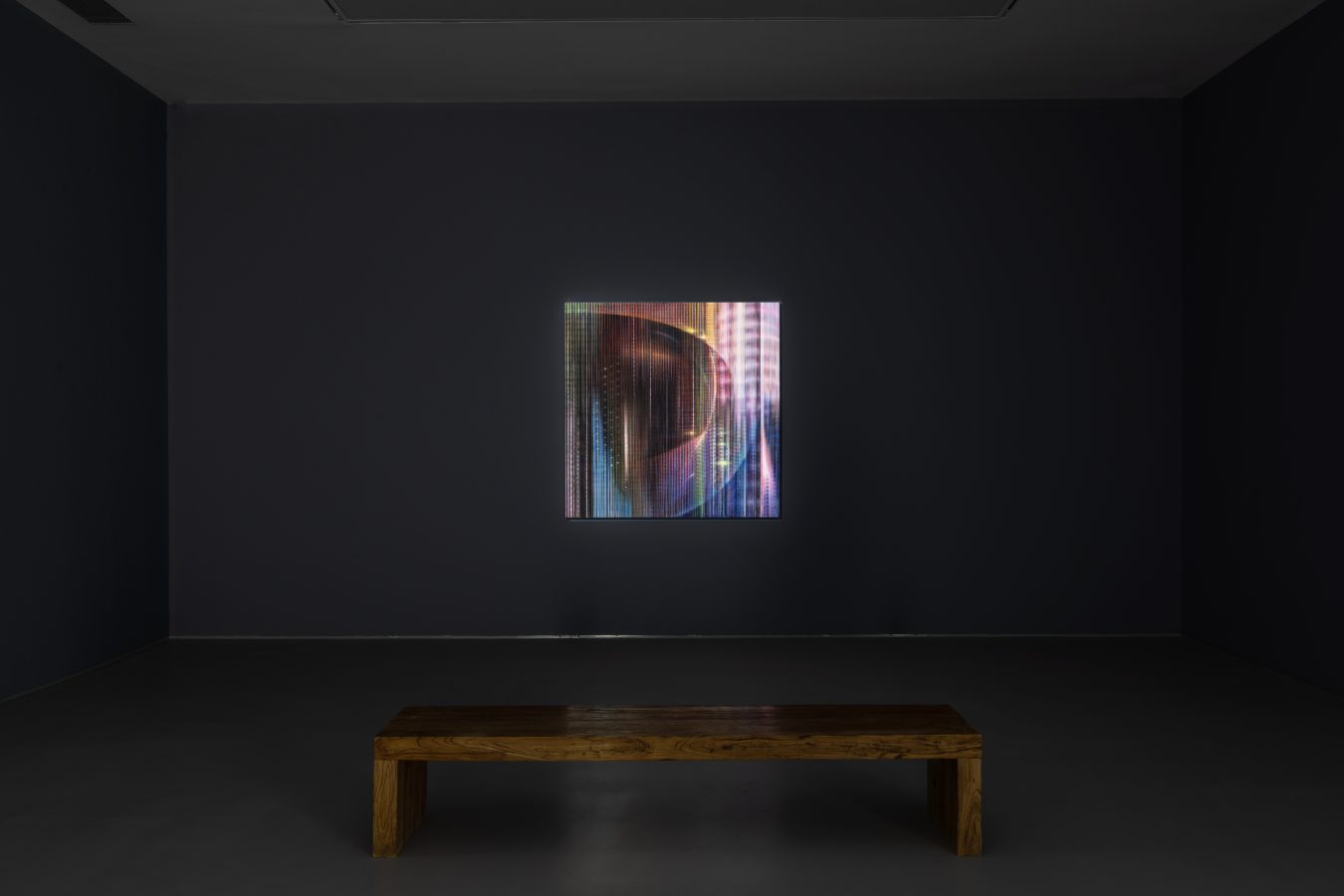

Liu Lu
2025
Acrylic on canvas
140×100cm

Liu Lu
2025
Acrylic on canvas
140×100cm

Liu Lu
2025
Acrylic on canvas
140×100cm

Liu Lu
2025
Acrylic on canvas
180×150cm

Liu Lu
2025
Acrylic on canvas
150×200cm

Liu Lu
2025
Acrylic on canvas
130×150cm

Liu Lu
2025
Acrylic on canvas
130×150cm

Liu Lu
2025
Acrylic on canvas
180×150cm

Liu Lu
2025
Acrylic on canvas
210×140cm

Liu Lu
2025
Acrylic on canvas
210×140cm

Liu Lu
2025
Acrylic on canvas
210×140cm

Liu Lu
2025
Acrylic on canvas
150×150cm
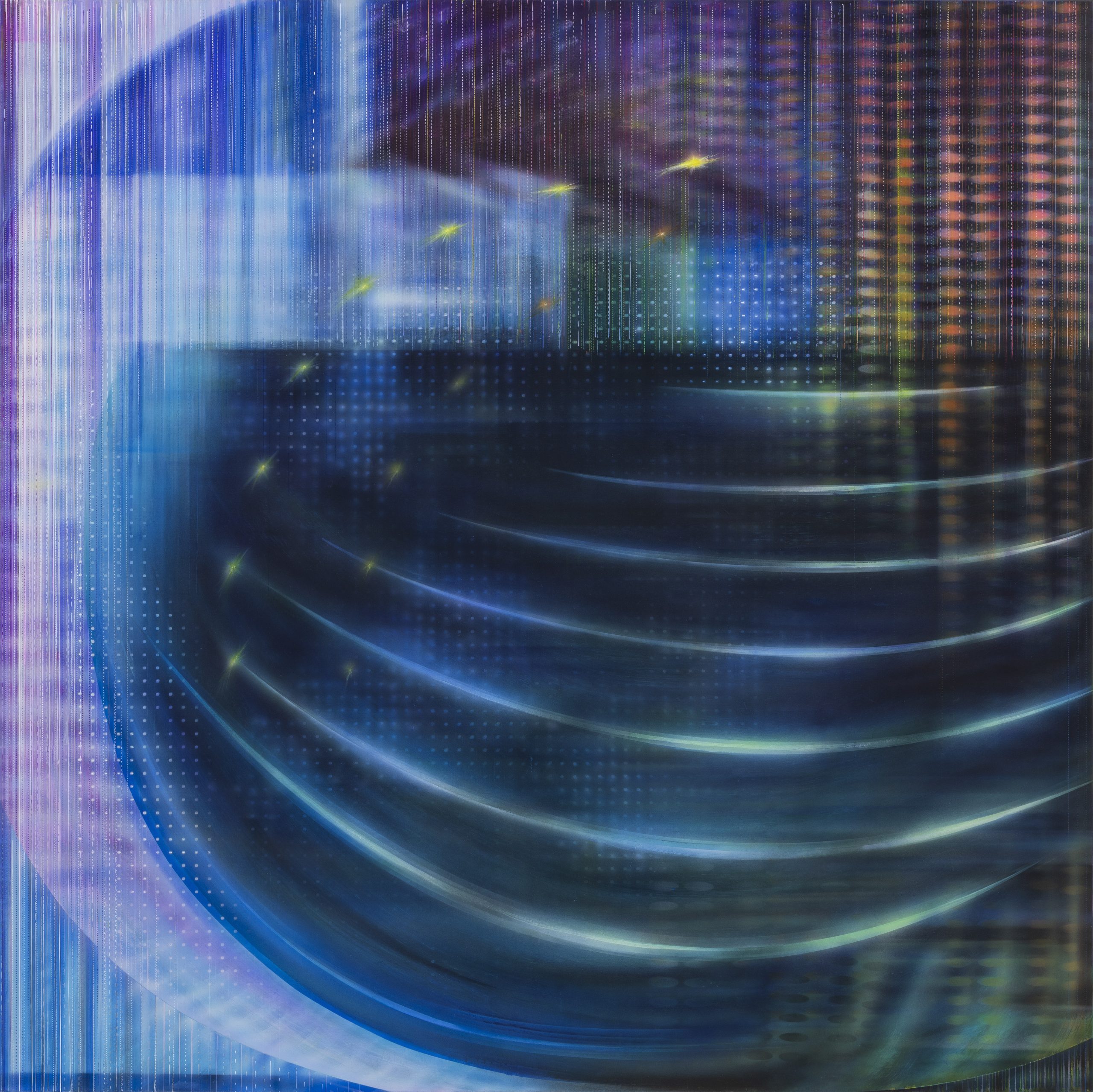
Liu Lu
2025
Acrylic on canvas
150×150cm

Liu Lu
2025
Acrylic on canvas
150×150cm

Liu Lu
2025
Acrylic on canvas
140×160cm

Liu Lu
2025
Acrylic on canvas
50×30cm

Liu Lu
2025
Acrylic on canvas
50×60cm

Liu Lu
2025
Acrylic on canvas
50×20cm

Liu Lu
2025
Acrylic on canvas
50×20cm
刘璐:幻电
Liu Lu: Shimmering, Phantoming
策展人 | Curator: 夏子非 | Xia Zifei
艺术家 | Artist: 刘璐 | Liu Lu
开幕时间 | Opening: 2025.12.28
展览时间 | Exhibition Dates: 2025.12.28-2026.3.3
地点 | Venue: 蜂巢当代艺术中心 | Hive Center for Contemporary Art
地址|Address: 北京市酒仙桥路4号798艺术区E06 | E06, 798 Art Zone, Chaoyang District, Beijing, China
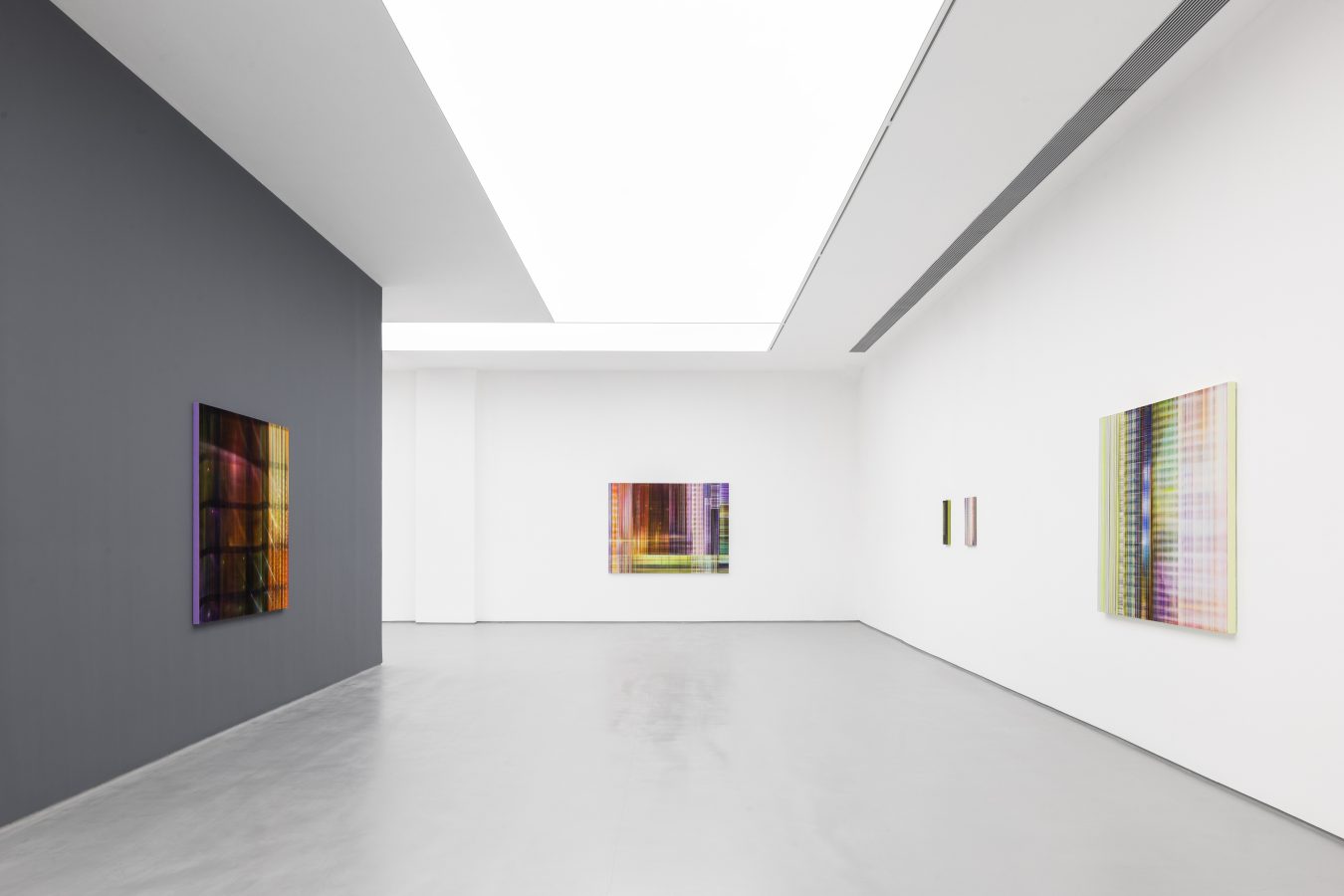
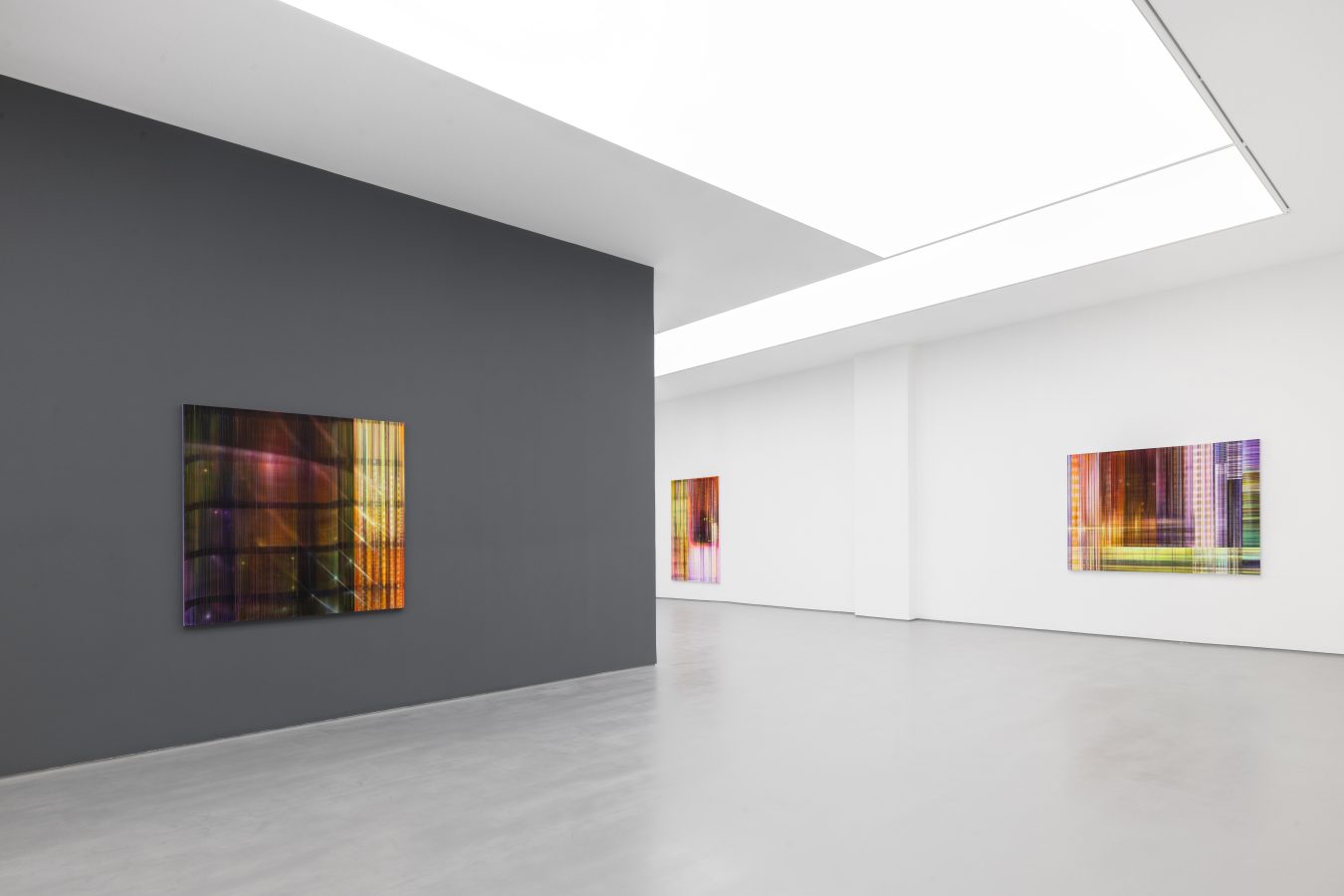
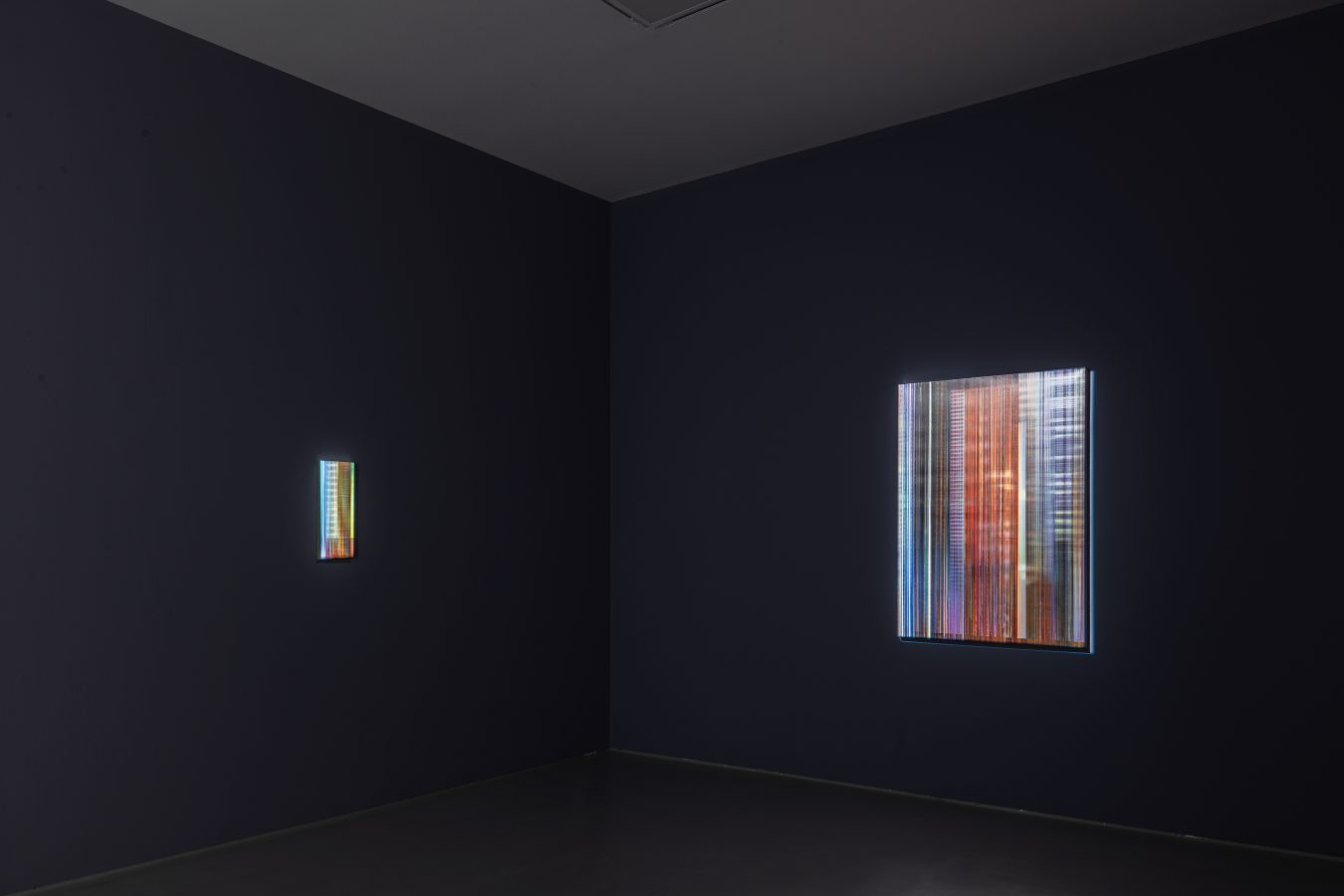
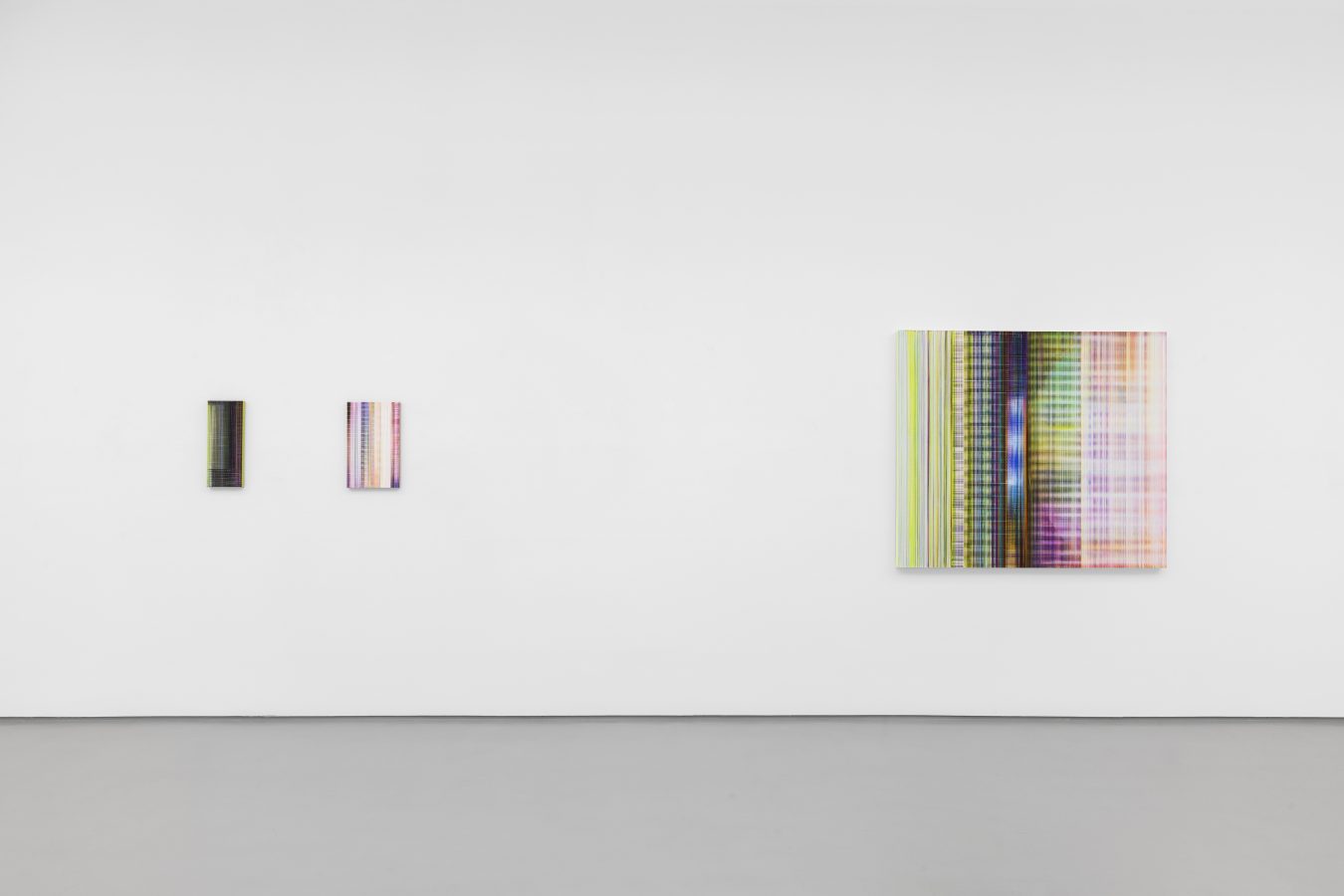
Hive Center for Contemporary Art is pleased to announce that artist Liu Lu’s latest solo exhibition, “Shimmering, Phantoming,” will open on December 28, 2025, at Hive Beijing across Galleries B and C. Marking the first presentation of the artist’s work following her collaboration with Hive, this exhibition features nearly 20 works produced over the past two years, showcasing Liu Lu’s most recent artistic practice and fully highlighting her distinctive working process and methodology. Curated by Hive’s young curator Xia Zifei, the exhibition will remain on view through March 3, 2026.
As an indispensable preparatory phase in Liu Lu’s painting practice, photography has gradually become inseparable from her daily life. The camera functions almost as an extension of her body—an extension of her vision. Notably, Liu Lu places no rigid demands on the timing or location of her photographic acts. Instead, her shooting unfolds along routes that closely coincide with those of countless urban dwellers: on the monotonous commute home after a day’s work, along the familiar line between two fixed points. Unlike the hurried passersby around her, whenever Liu Lu once again reaches a location she passed the day before, she pauses—just as she did yesterday—at the same spot, raises her Leica camera, and deliberately records the fleeting scene unfolding before her eyes.
Just as one can never step into the same river twice, even when standing at the same location, before the same scene, or at the same moment in time, Liu Lu is acutely aware that the instant she presses the shutter, the images, light, and immediate emotions captured within the camera are already sealed as history. They do not vanish; rather, they seem to ferment. When these slices of lived experience are released once again, they mark the point of departure for Liu Lu’s painting practice. Composed of fleeting impressions accumulated day after day, these currents of light and shadow weave the kaleidoscopic illusions of the contemporary city. Ultimately, they are reawakened by the artist and reborn on the canvas in a relatively stable form and state, where they begin anew a warm journey of continual interaction and encounter between the work and its viewer.
Born in 1991, Liu Lu graduated from the China Academy of Art in 2017 with a master’s degree and currently lives and works in Hangzhou. Trained in oil painting at the academy, like many other students, she once regarded technical proficiency as paramount, and for a time abandoned the photographic practice she had cultivated over many years. Her camera was left untouched, gathering dust in a corner. This situation persisted until one day, when Liu encountered an impasse while working on a painting—no matter how much effort she exerted, the work could no longer move forward. She picked up her camera and, almost absentmindedly, began to browse through photographs accumulated over the years. At that moment, something hardened within her seemed to dissolve. The light, scenes, and uncertain, almost illusory images long overlooked within those photographs suddenly revealed with clarity what she had been searching for. Liu Lu subsequently set aside the representational direction long emphasized in academic training and turned instead toward the capture and reconstruction of light and shadow. In her view, for an artist, fidelity to one’s inner truth can at times be more vital than adherence to objective reality. In fact, Liu Lu’s practice has not departed from figuration altogether; rather, she has shifted her focus from depicting concrete scenes and figures to engaging with the fleeting nature of light itself. The photographs accumulated over time—once dormant and overlooked—have since become an inexhaustible source of material and inspiration in her artistic practice.
Undoubtedly, Liu Lu’s oil paintings are far from simple reproductions of her own photographs. Living in this era, we have long become accustomed to light generated by technology. The natural boundary between day and night has been blurred—confused, inverted, and even transgressed. The human biological clock has adapted to artificial illumination to a degree far beyond our imagination. What was once resisted as light pollution has, at some point, turned into a space of pleasure and surprise. These flickering, man-made lights now appear more “real” than the light of nature itself, which has begun to feel abrupt, even alien. Artificial light has built the city, shaped new habitats for human life, and imposed new limits on our imagination of the distant and the unknown. No one can halt the course of social development, nor can anyone foresee whether its outcomes will be wondrous or disastrous—this is a universal question worth reflecting upon. As a young artist living within this reality, Liu Lu seeks to pose this question through her work. Like everyone else inhabiting the technological age, she feels its tension deeply but finds no definitive answer. Through her art, she hopes to re-establish an order and a poetics of light and shadow amid this dazzling, fractured world—so as to soothe her own anxiety while offering a quiet solace to other restless souls who share the same condition.
Compared with earlier generations, the conveniences brought about by technological tools have afforded young artists today a far more expanded range of possibilities, at least in terms of artistic tools and auxiliary methods. In Liu Lu’s practice, before entering the painting process, she first turns to graphics editing software to work through a large archive of her own photographs. From these images, she continually extracts the chromatic fields and linear elements she seeks, layering and interweaving filters until the composition reaches the visual state she envisions. In this sense, Liu Lu resembles a modern-day Frankenstein: by assembling fragmented limbs of light and shadow drawn from photographic images, she reconstructs a new form of luminous life. Yet this procedure represents only a relatively preliminary stage in the resurrection of light and shadow. What follows is a far more arduous process. Day after day before the canvas, Liu Lu works with the devotion of an ascetic monk reciting scripture in endless cycles. Mechanical, repetitive, monotonous—this sustained act of painting becomes the true ritual through which light and shadow are ultimately endowed with renewed vitality on the canvas.
In a certain sense, Liu Lu’s working process and methodology carry echoes of action painting. Yet her process is clearly far removed from the spontaneous gestural abandon associated with abstract masters such as Jackson Pollock. On the contrary, every line and every field of color in her work is the result of careful calculation and deliberate orchestration—not to mention the extensive photographic processes that precede the act of painting. Each work requires an unusually long period of time to complete. What may appear as repetitive gestures are, in fact, the slow accumulation of life and emotion, meticulously layered onto the surface through sustained brushwork. The light in Liu Lu’s paintings does not simply exist because there is light; rather, it emerges as a gradual release of emotion and energy from within, perhaps infused with a quiet yet resolute persistence that commands respect. Her work may be understood as abstract, yet it can equally be read as figurative. It is abstract insofar as light, as a medium, possesses an inherent abstraction; at the same time, it is figurative precisely through her precise revelation of light’s ever-shifting complexity.
With the ongoing development of science and technology, and particularly with the advent of artificial intelligence, it is conceivable that in the not-too-distant future humanity may gradually depart from the biological attributes bestowed by the Creator and instead evolve into hybrid entities that merge human and machine, living seamlessly within a world likewise constructed by technology. From another perspective, each of us may already be a potential creature shaped by a modern-day Frankenstein. If such a moment were to arrive inevitably, what could be more meaningful than offering solace to these countless “creatures” in an illusory age, and reconstructing a new aesthetic system within a technological society through the very logic of technology itself? The more technologically advanced an era becomes, the more it seems to require the comfort and nourishment of art. The luminous visions brought forth by artists may well become the luxury most deeply desired by both the eye and the mind. In this sense, this may constitute the deeper significance of Liu Lu’s practice, as well as that of many future artists, as they continue to exist, to explore, and to work within an increasingly technologized world.