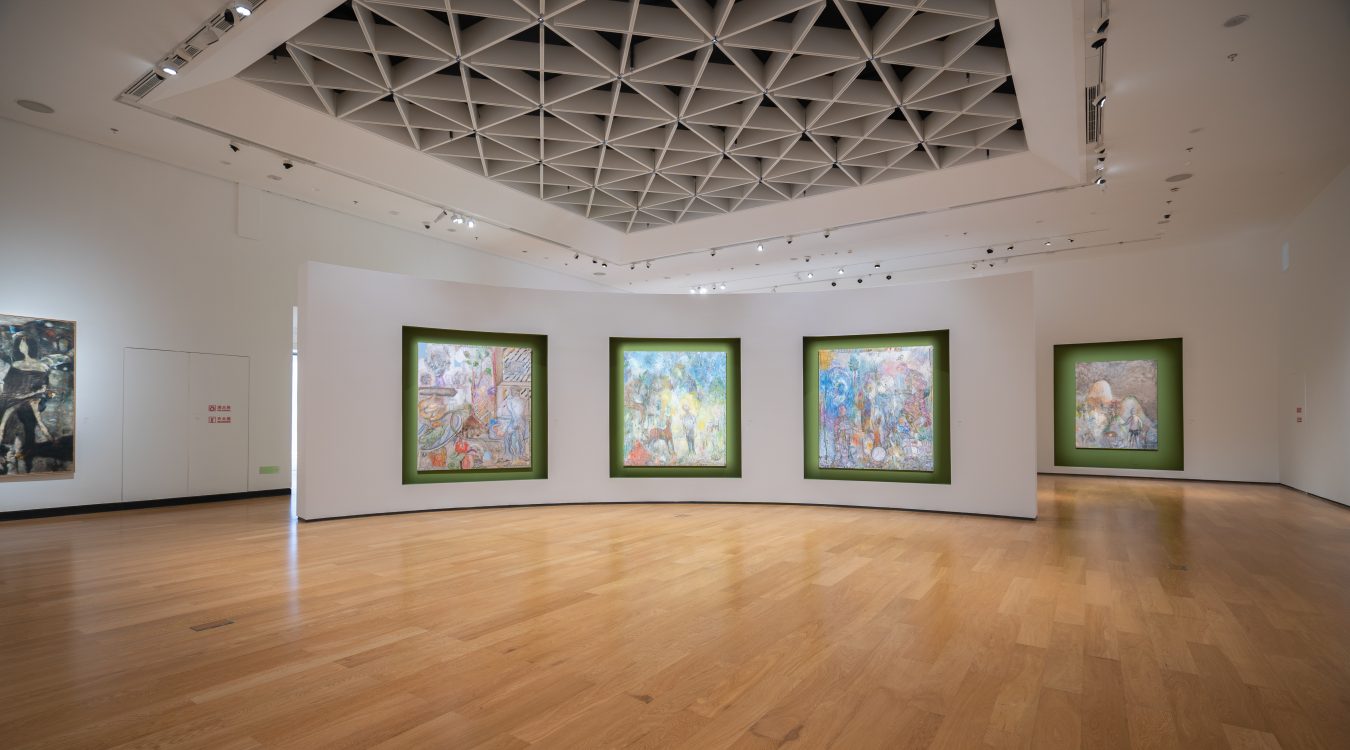
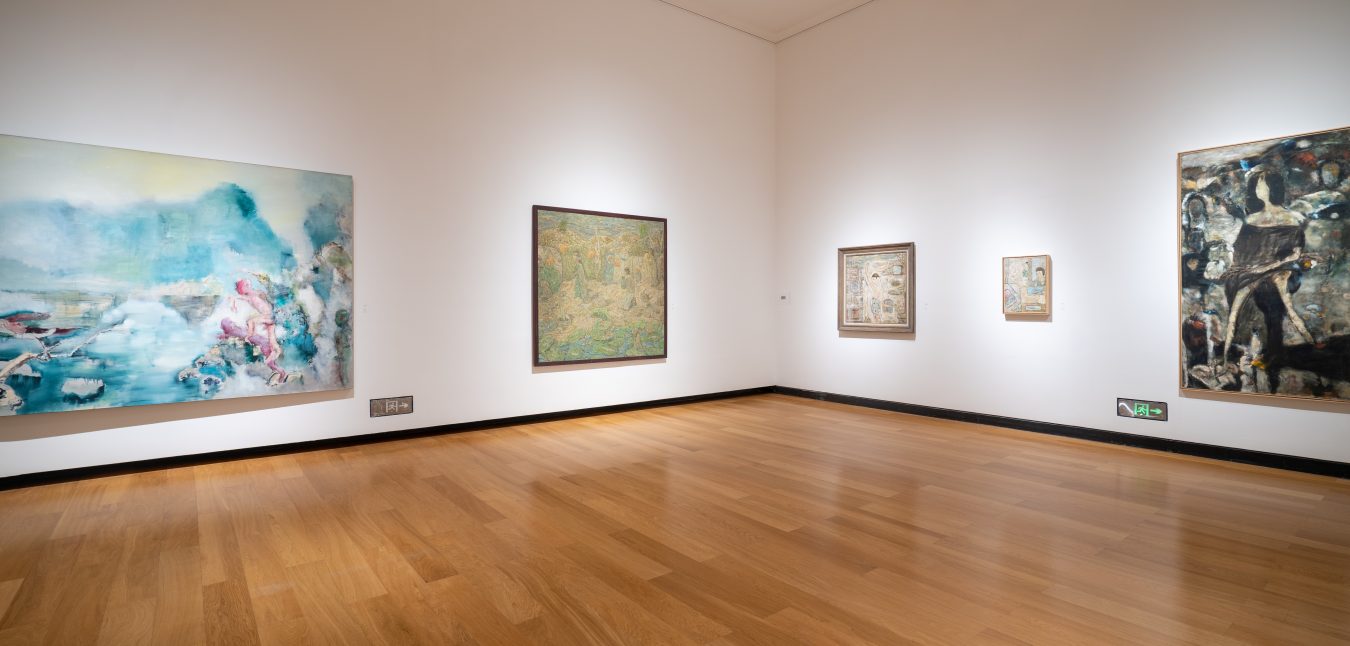
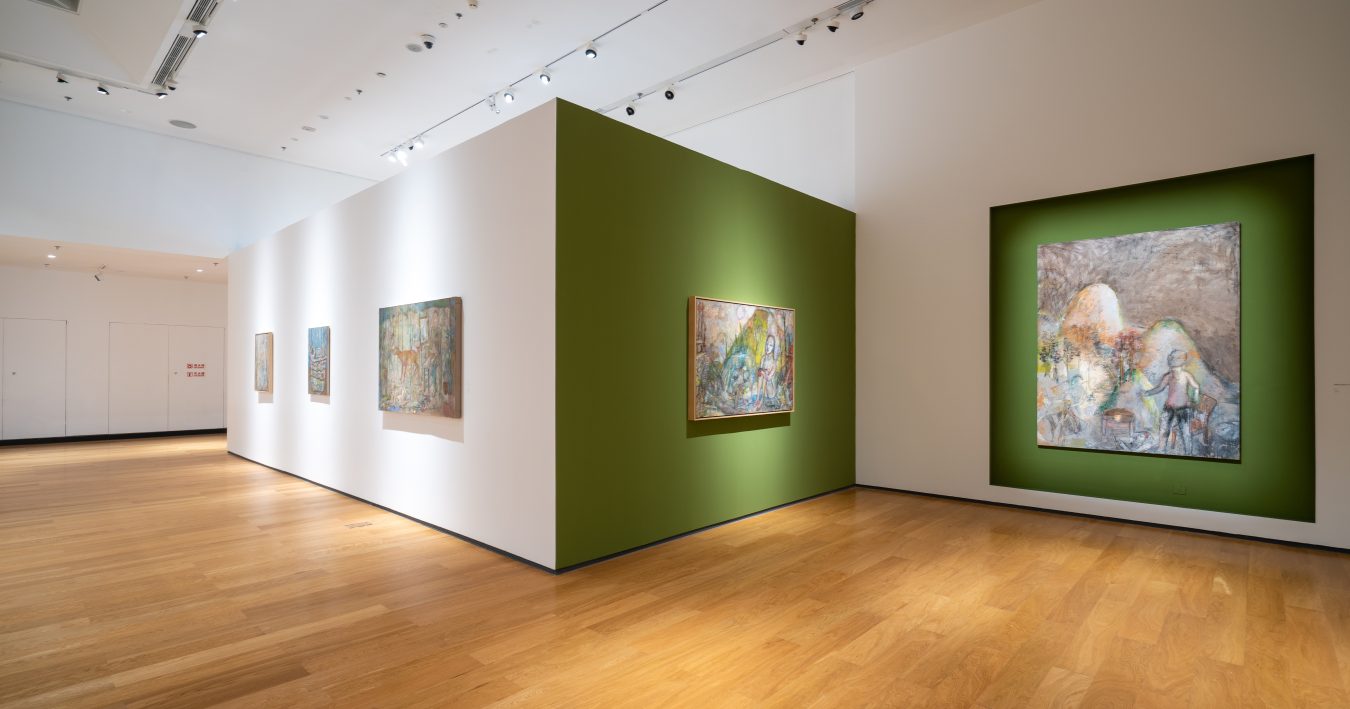
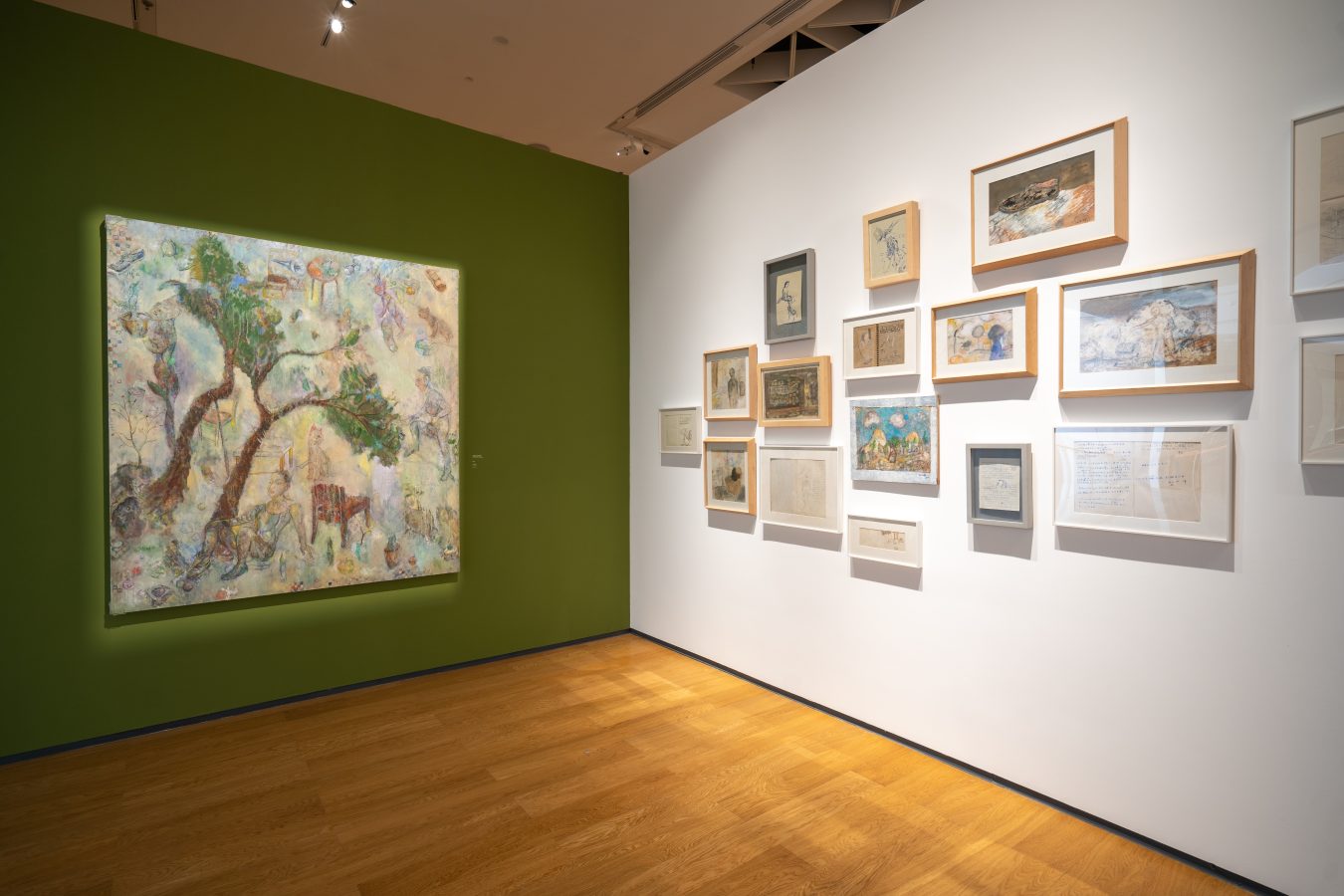
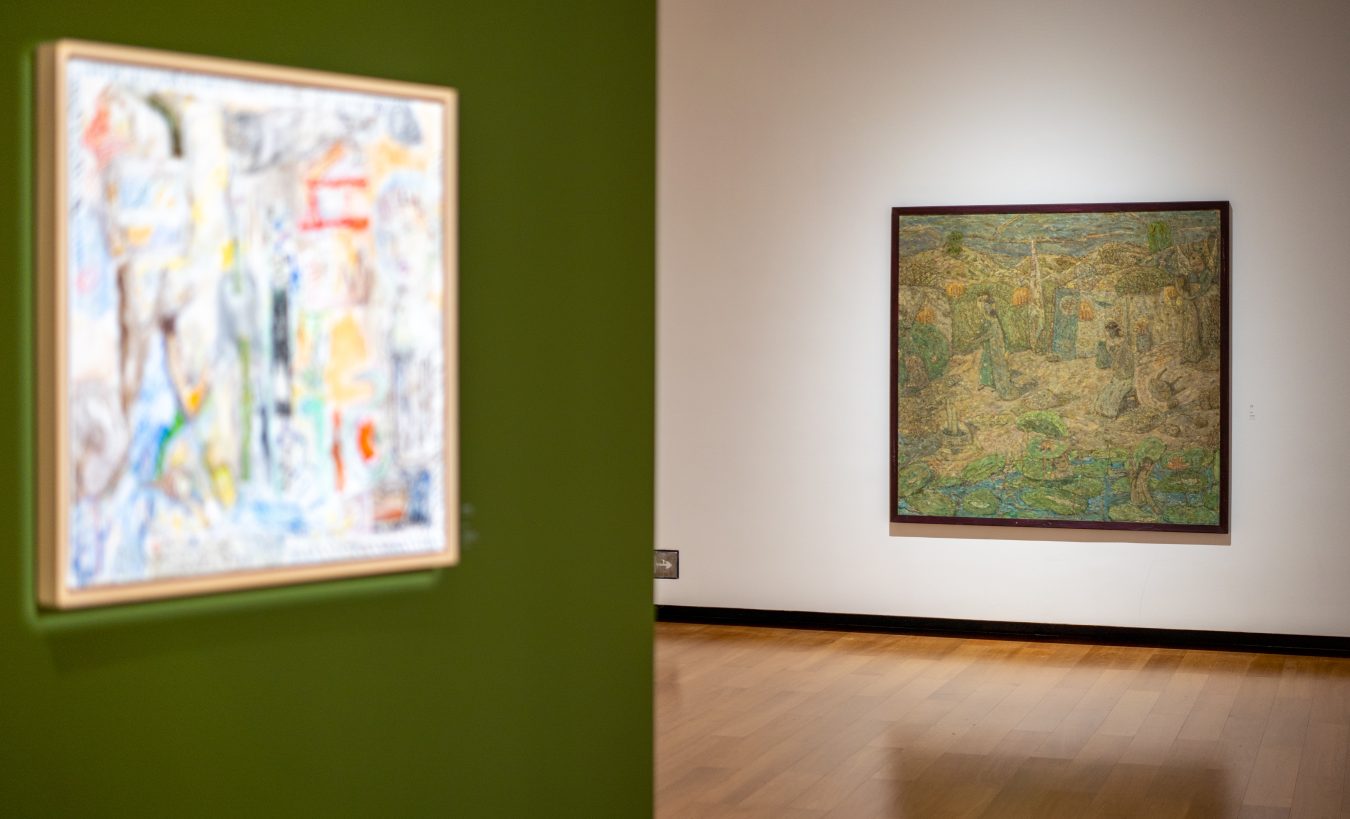
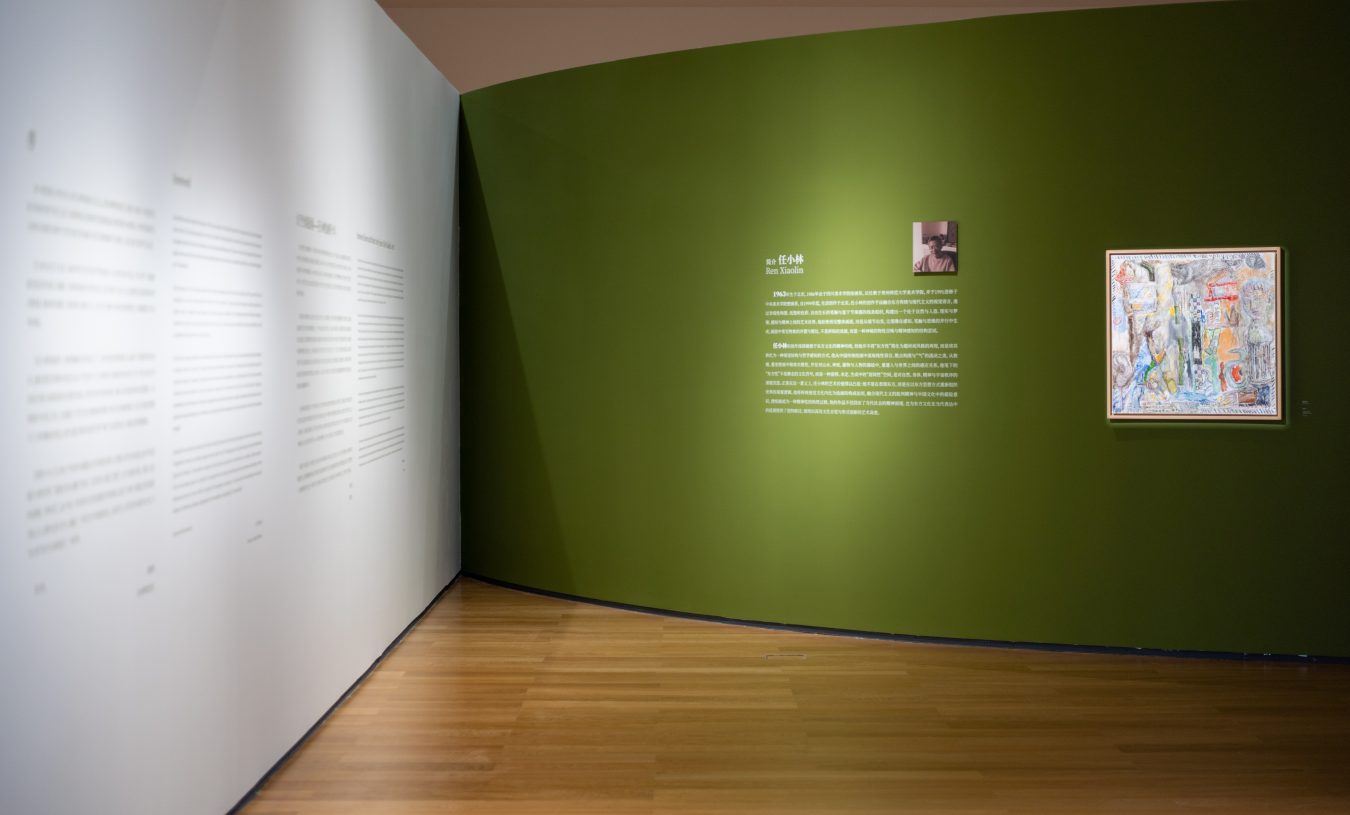
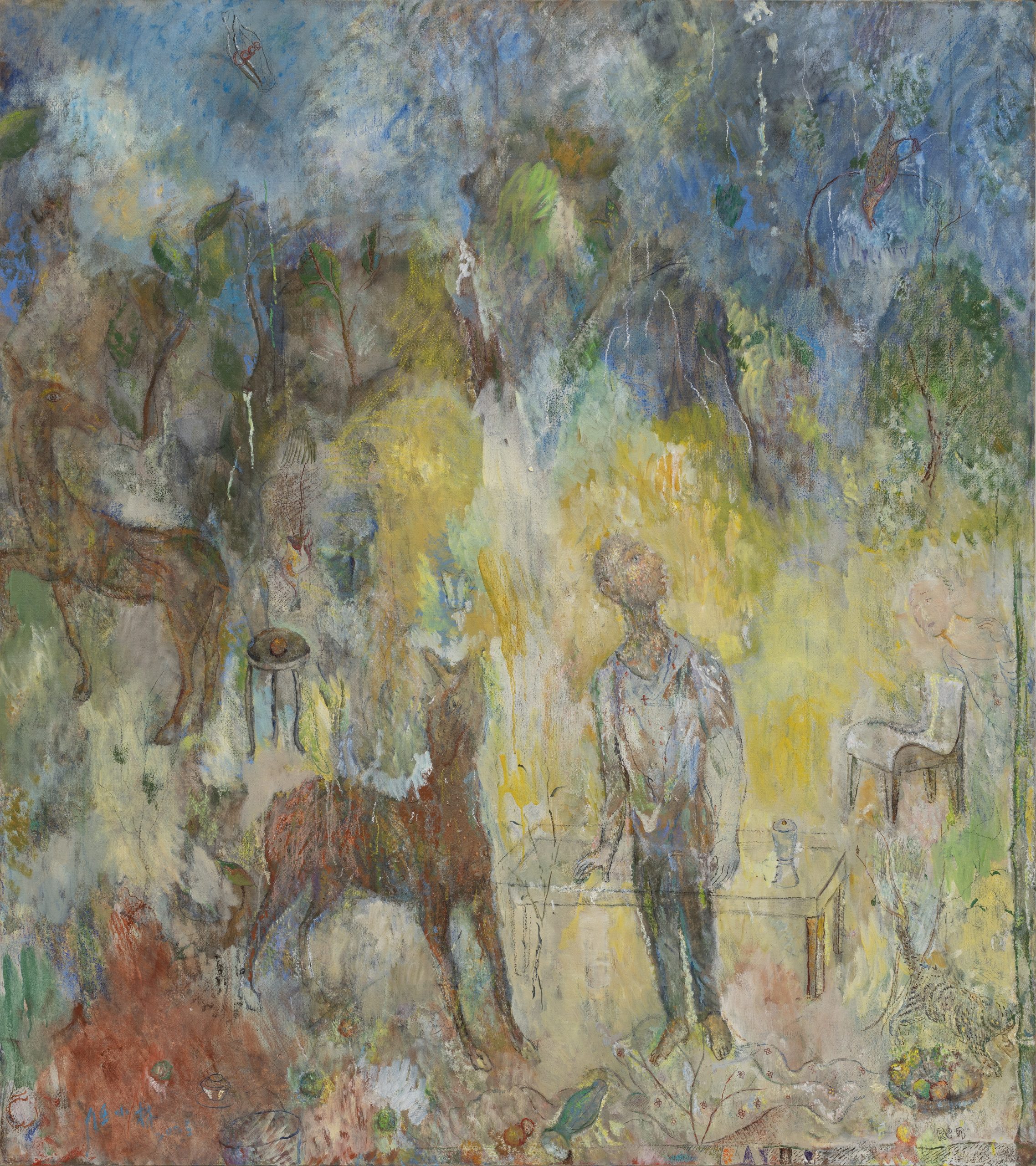
Ren Xiaolin
2025
Oil on canvas
180×160cm
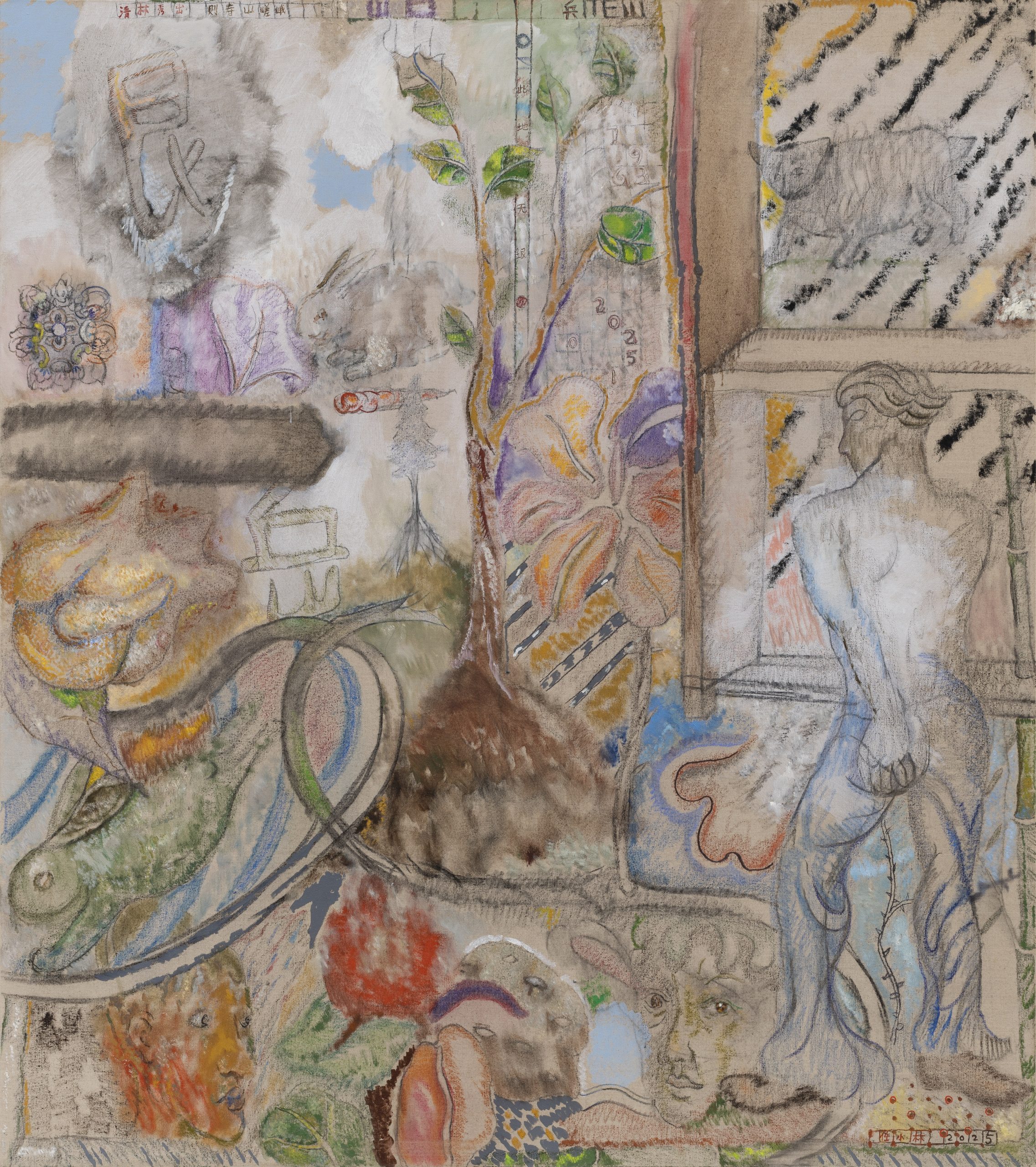
Ren Xiaolin
2025
Oil on canvas
180×160cm
Between Heaven and Water: A Painting Life of Four Decades
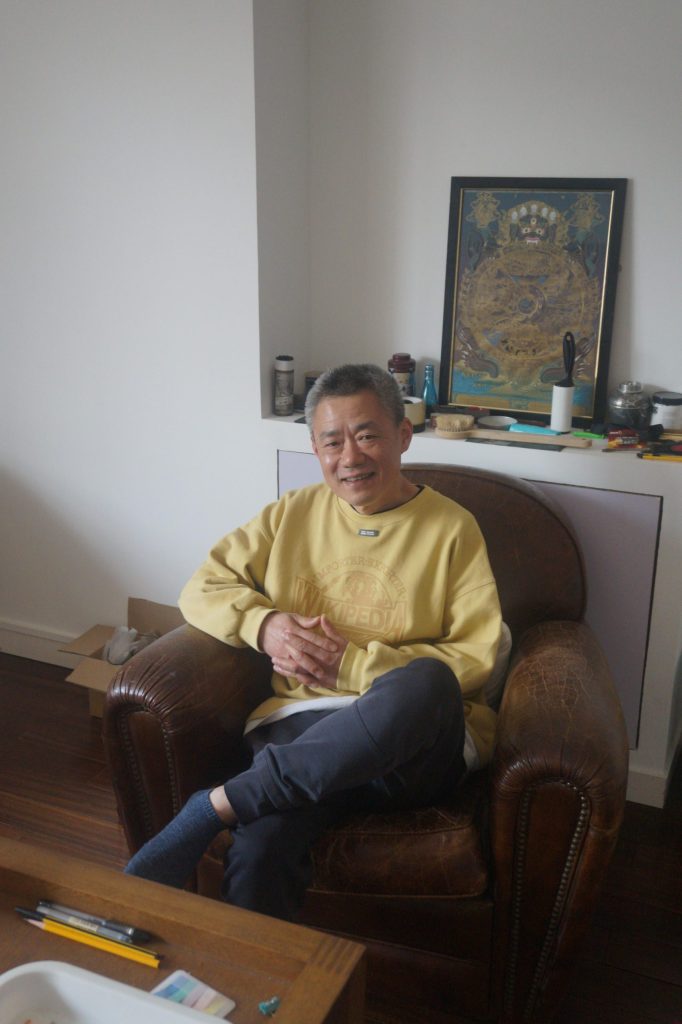
Ren Xiaolin’s artistic career spans four decades, tracing a prolonged journey from bodily experience to spiritual imagery. Born in a military family and raised in the damp, chilly natural environment and folk ambiance of southwestern China, he developed an early appreciation for the primal and transcendent aspects of life. After graduating from the Painting Department of the Sichuan Fine Arts Institute in 1986, he taught in the Art Department of Guizhou Normal University and furthered his studies in the Mural Painting Department of the Central Academy of Fine Arts in 1991. Since settling in Beijing in 1999, Ren Xiaolin has consistently used painting to respond to the spiritual fluctuations of both the individual and the era. As a “non-mainstream” artist in the “China/Avant-Garde Exhibition” of 1989, he has maintained an independent stance, operating outside the dominant narratives of Chinese contemporary art history. Through his personalized visual language, he has embarked on a persistent exploration of existence, perception, and faith.
His early works were influenced by a combination of traditional Chinese literati painting, folk art, and modernism,with the sculptural quality and flattened tension in the depiction of figures and spaces revealing his acute grasp of the interplay between pictorial atmosphere, form, and color. By the mid-1990s, he had turned his gaze from the West back to the East, drawing inspiration from the formal experiments of Cézanne, Klimt, Manet, and Turner in terms of free composition and color techniques. At the same time, he incorporated classical imagery from Dunhuang murals, tomb chamber paintings, folk woodblock prints, and erotic paintings, juxtaposing sensuality and divinity, indulgence and restraint within his compositions. This created a stark and introspective spiritual landscape. For him, this phase marked a transition from “formal experimentation” to “cultural consciousness”. Entering the 21st century, Ren Xiaolin’s artistic practice became increasingly introspective. His 2006 “Illusory Dreams” series, using Dream of the Red Chamber as a medium, explored the boundaries between youth, desire, and disillusionment. Subsequently, he shifted his focus toward the mystique of everyday life, employing desaturated colors, open narratives, and rhythmic lines to create spaces where tranquility and illusion coexist. The impermanence of life—the loss of loved ones and family members, the relocation of his studio—imbued his compositions with greater clarity and restraint, revealing a transcendence from personal experience toward universal spirituality.
Ren Xiaolin’s pictorial language merges the inner spirit of Eastern tradition with modernist sensibilities. He rejects premeditated overall composition, instead starting from details and allowing brushstrokes, perception, and thought to emerge naturally throughout the creative process. The frequent dislocations and juxtapositions in his works are not mere formal play, but rather structural attempts at material invocation and spiritual resonance. In his artistic world, heaven, earth, humanity, and divinity merge into one, with painting becoming a medium to reconstruct the resonant relationships between people and the world, reality and dreams, nature and spirit. The “Eastern essence” he portrays is not a static symbol, but a shifting, indeterminate, emergent “in-between” space—neither purely spiritual nor solely material, but rather a field of process where the two reflect each other.
Over the course of four decades of artistic practice, Ren Xiaolin’s work can be distilled into four enduring threads: the spiritualization of the body, the fusion of Western modernism and Eastern calligraphic sensibility, the primal sensibility rooted in Southwestern Chinese experience, and the pursuit of Buddhist and Daoist spirituality. These intertwined threads form his unique artistic cosmos, allowing painting to reclaim its weight of thought and belief while responding to the fragmentation and return of the human spirit amid the crisis of modernity. Ren Xiaolin’s art, like the fluid spaces he depicts, exists in the liminal realm between light and shadow, at the confluence of the material and the divine—where art becomes vivid testimony of existence.