

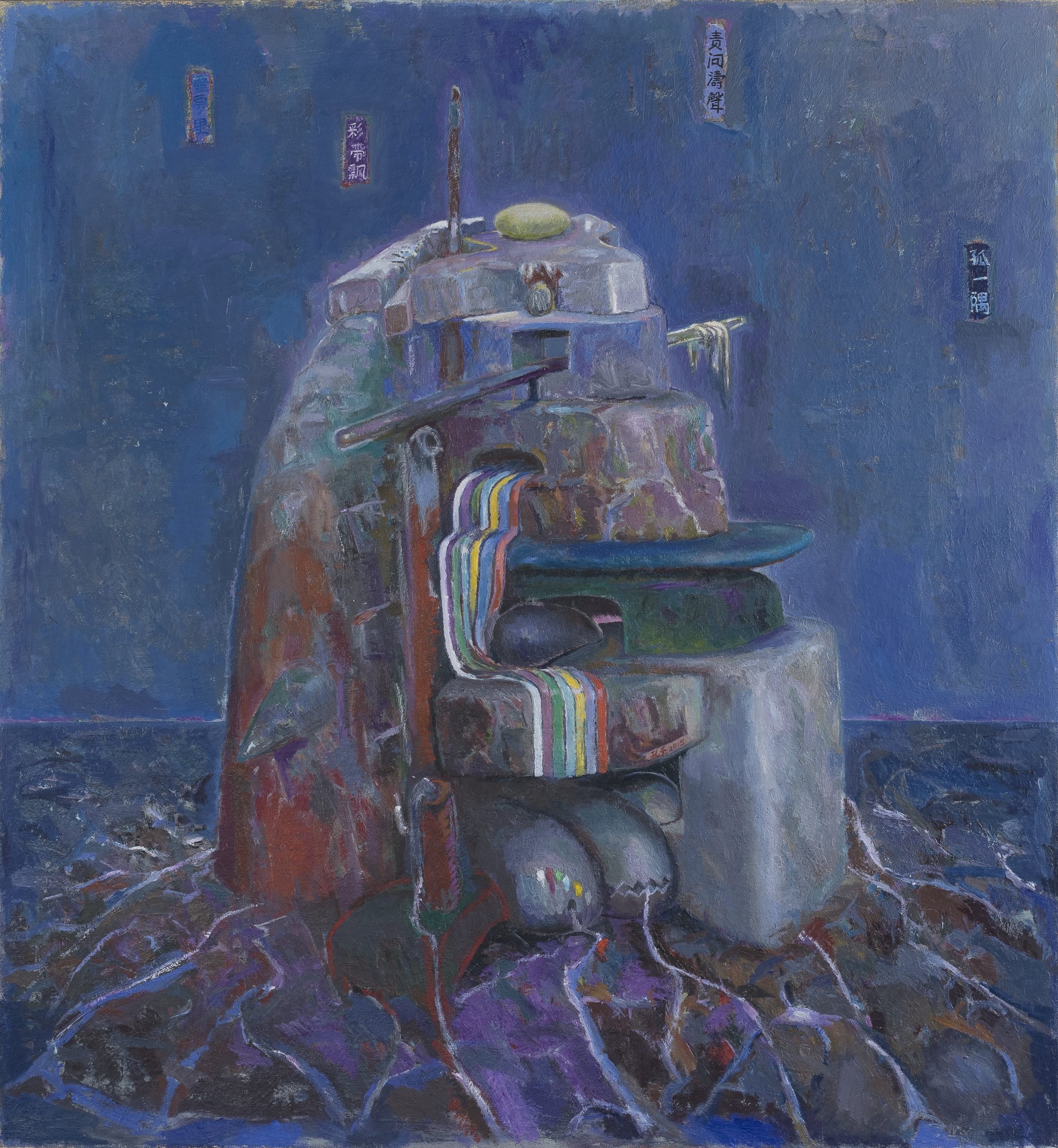
Kong Qian
2015
Oil on canvas
200×186cm
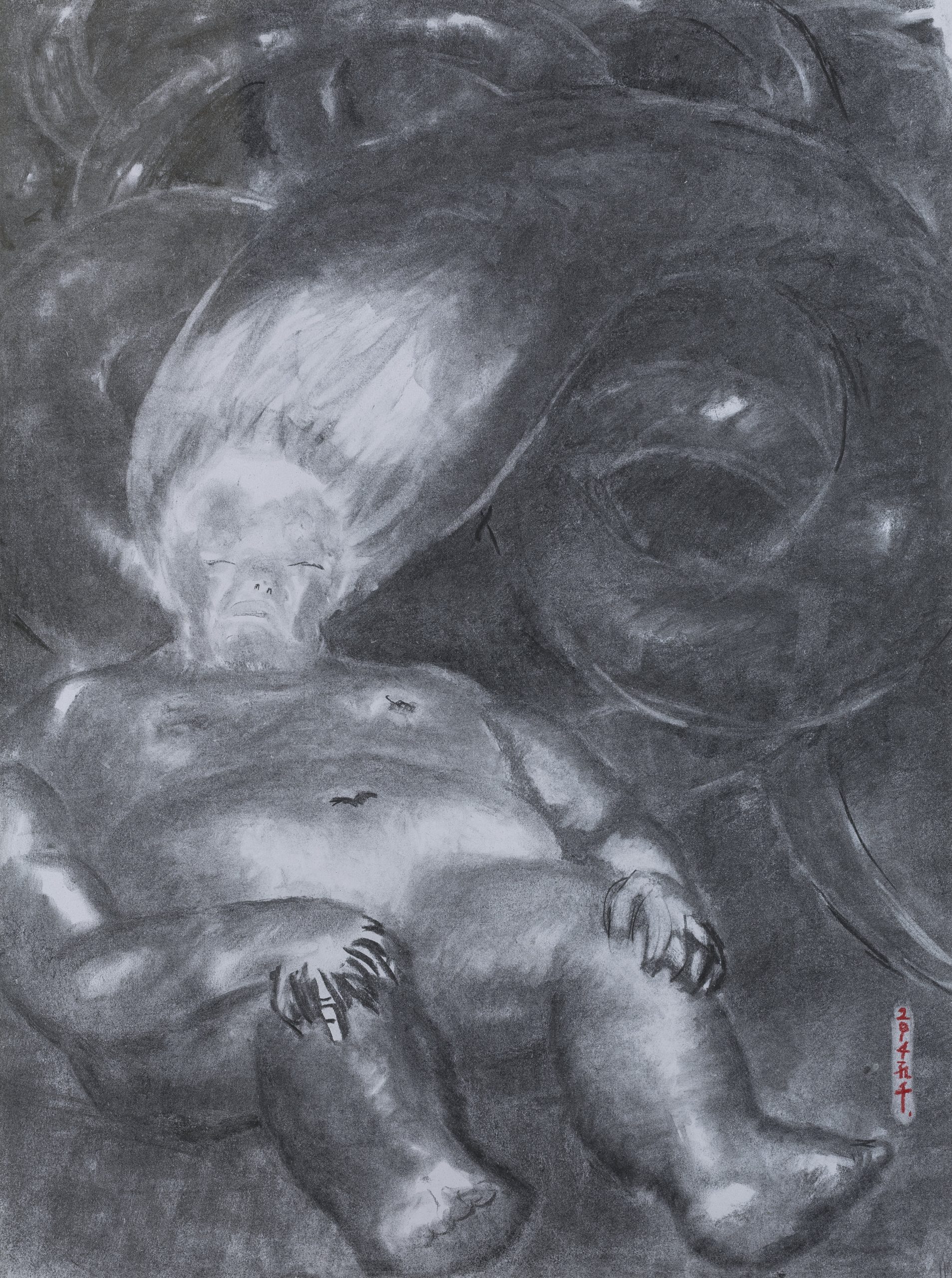
Kong Qian
2014
Sketch on paper
59.5×44.5cm
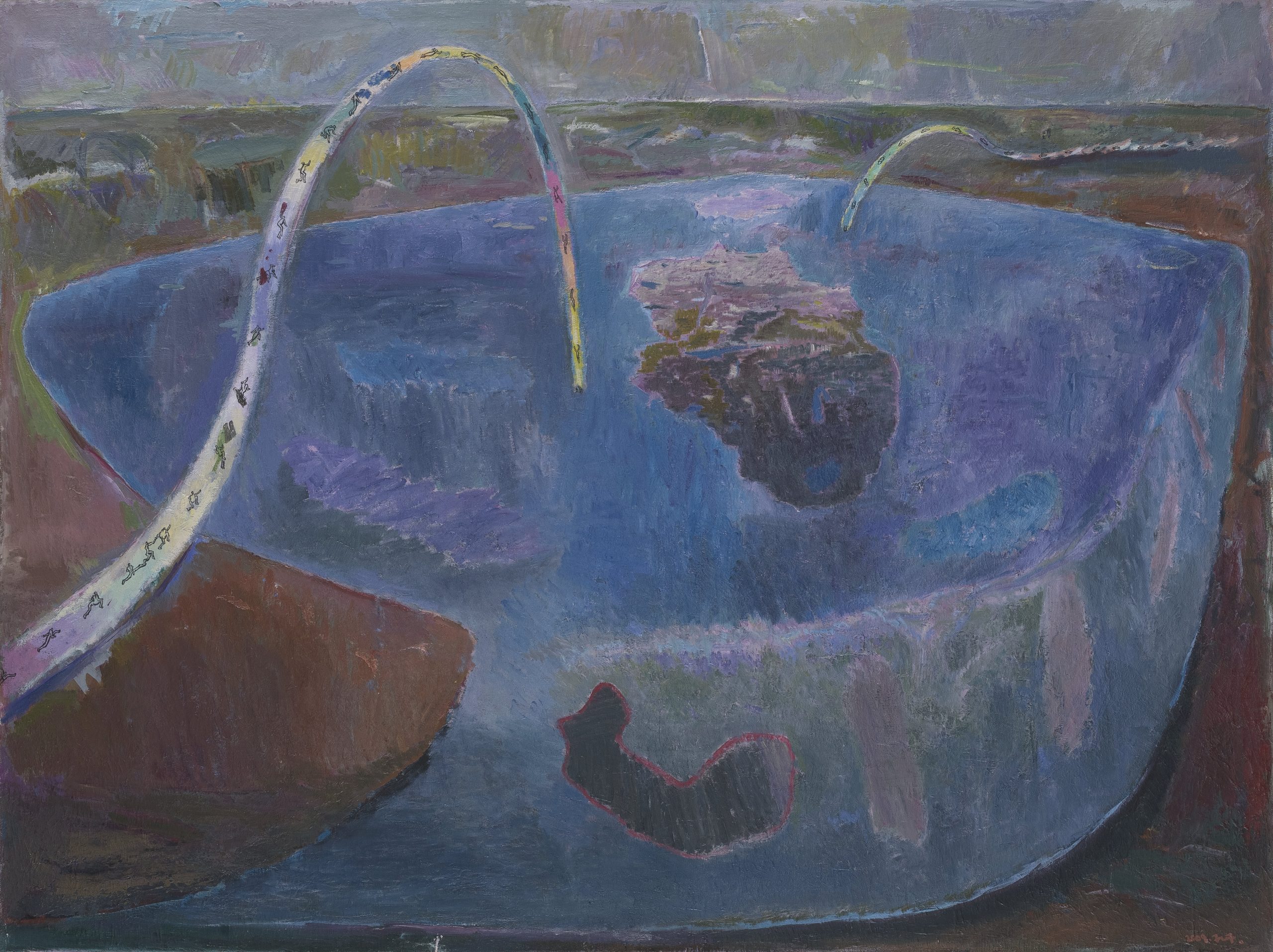
Kong Qian
2009
Oil on canvas
162×216cm
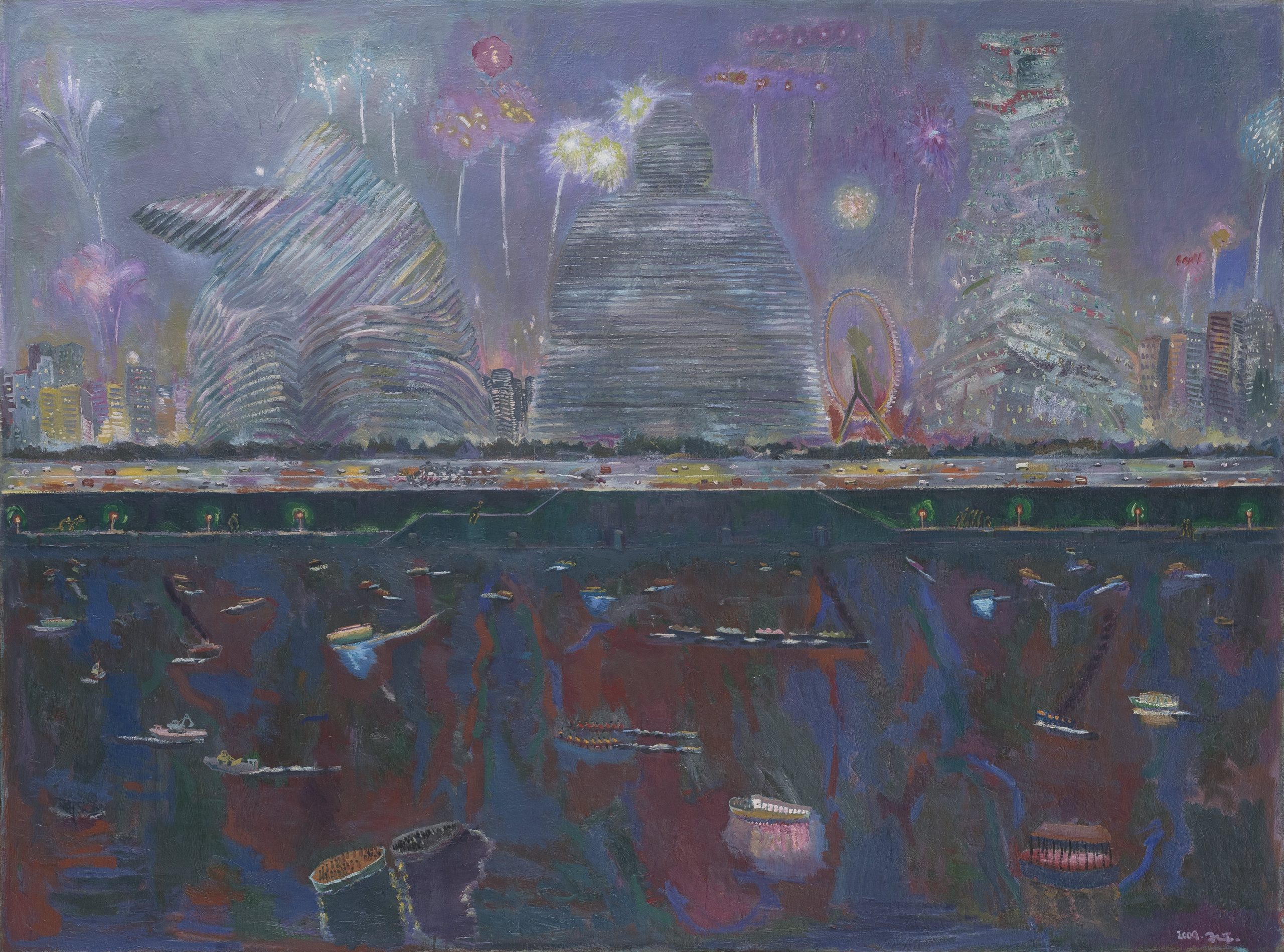
Kong Qian
2009
Oil on canvas
162×216cm
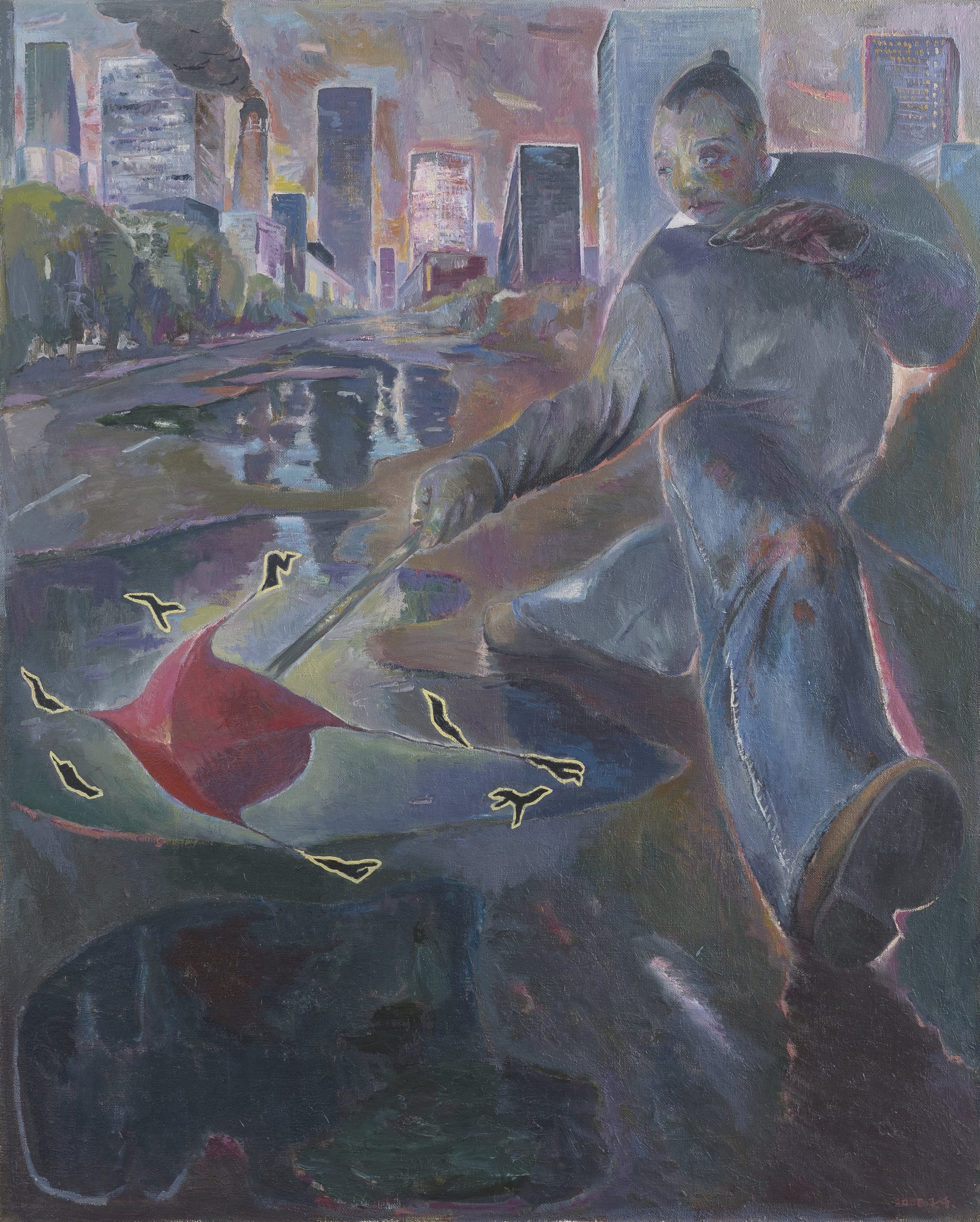
Kong Qian
2008
Oil on canvas
193×155cm
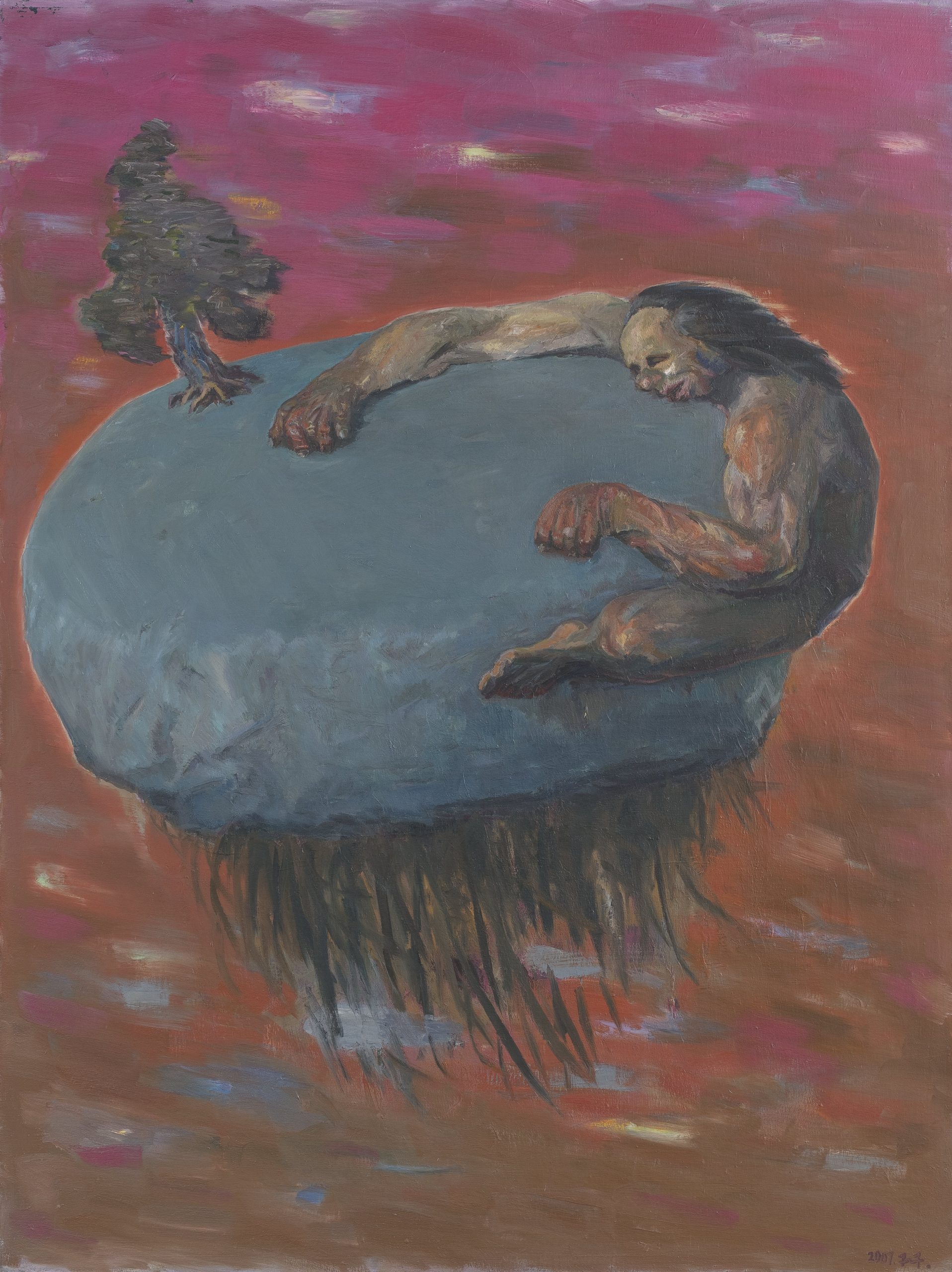
Kong Qian
2007
Oil on canvas
200×150cm
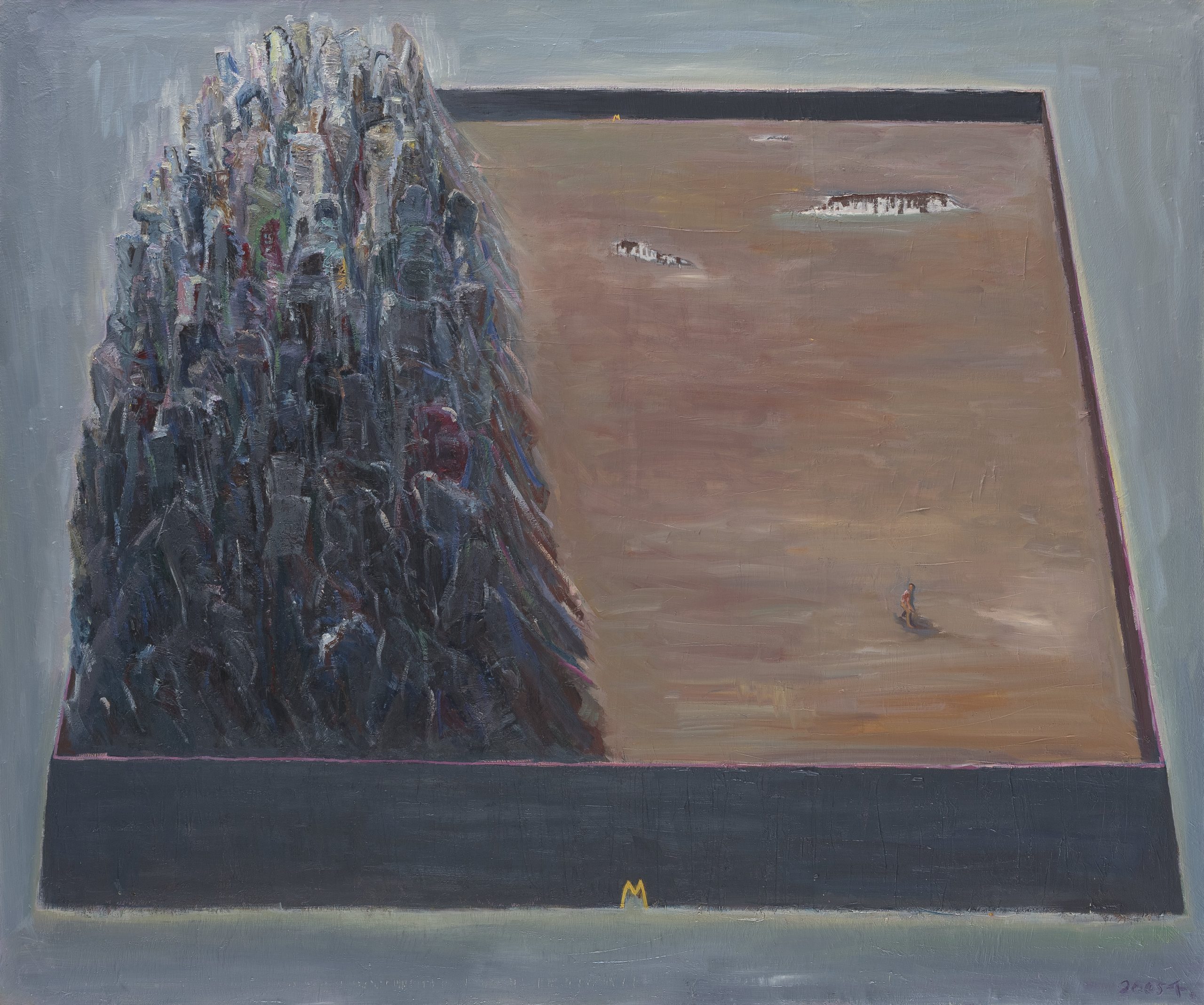
Kong Qian
2005
Oil on canvas
150×180cm
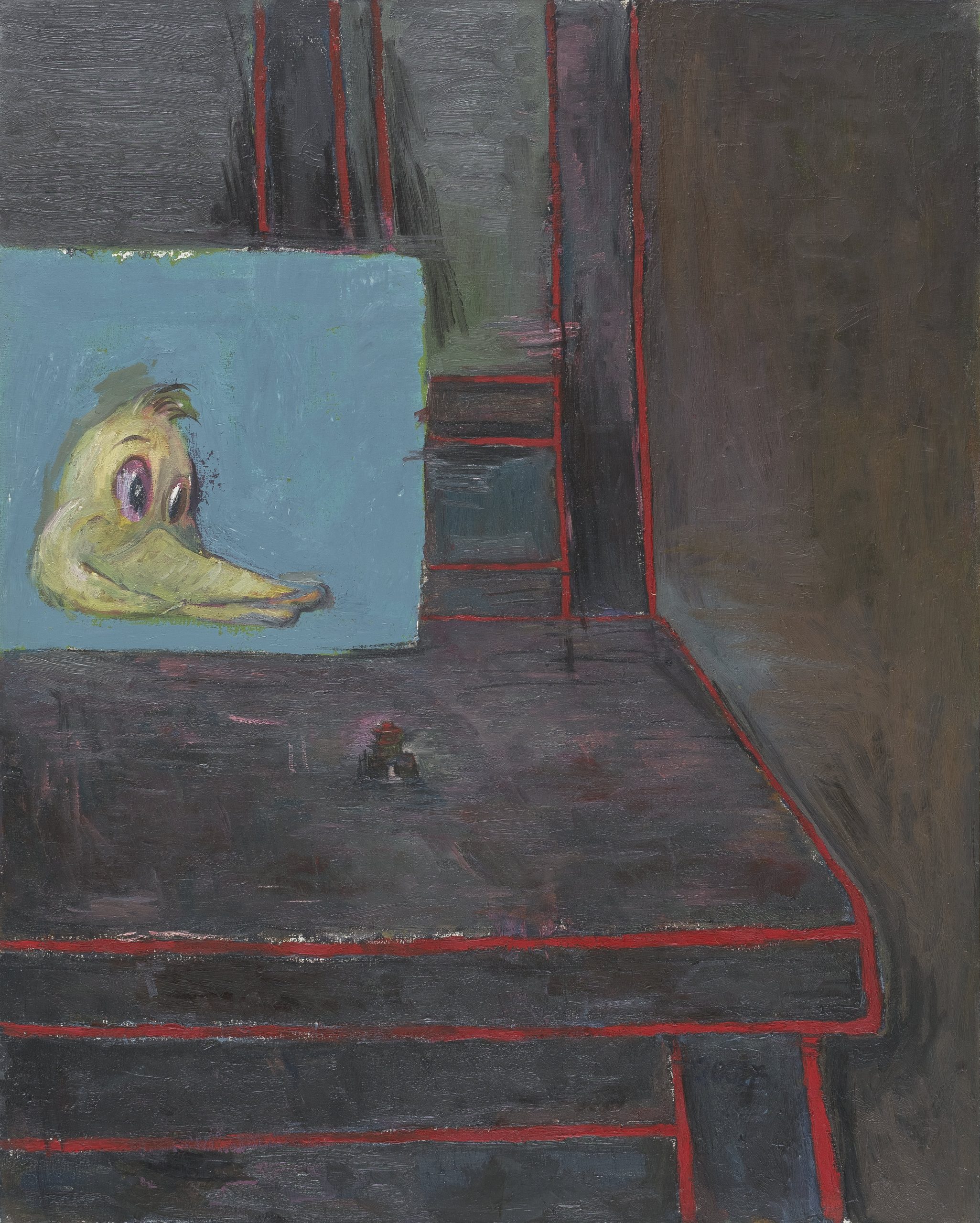
Kong Qian
2003
Oil on canvas
100×80cm
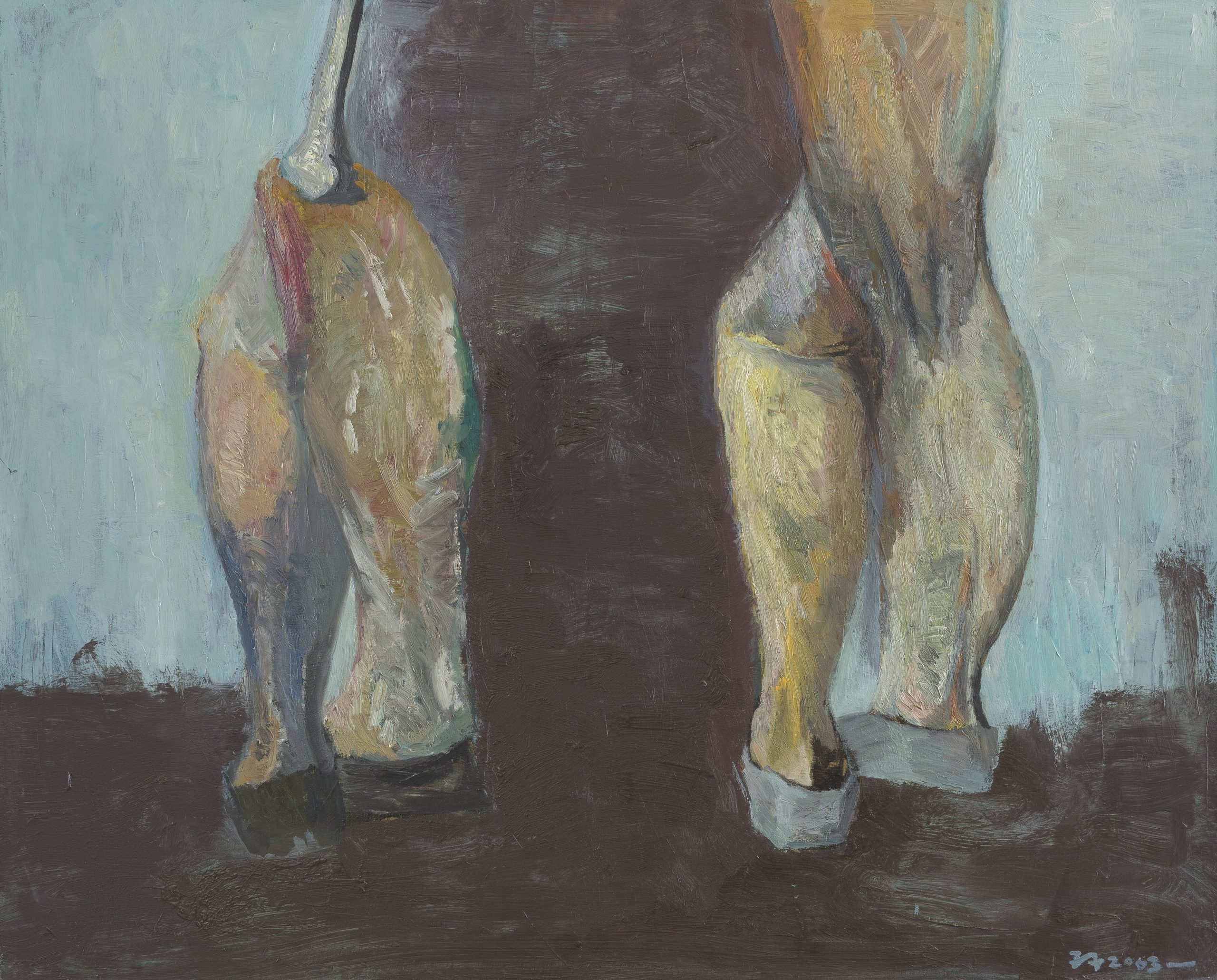
Kong Qian
2003
Oil on canvas
80×100cm
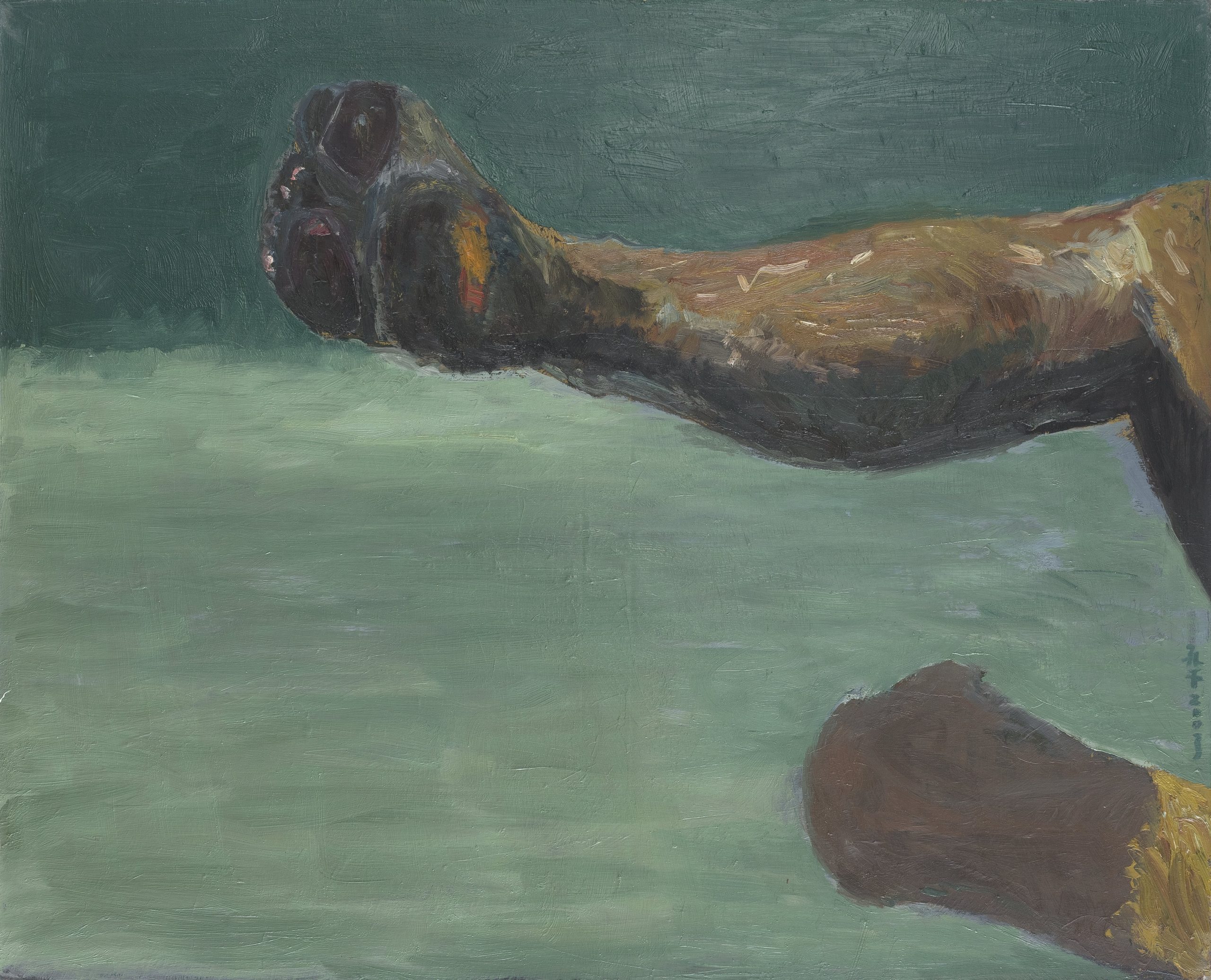
Kong Qian
2003
Oil on canvas
80×100cm
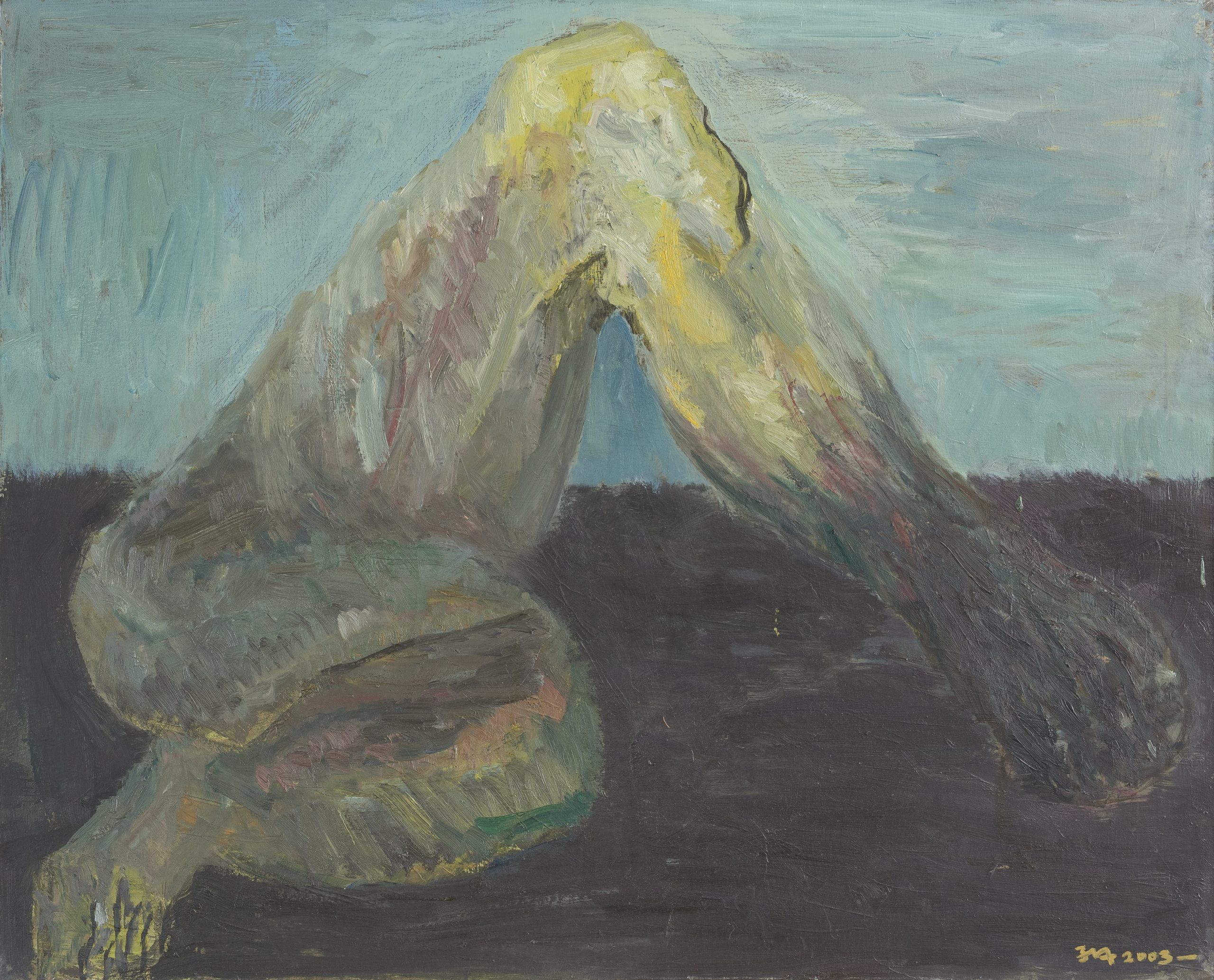
Kong Qian
2003
Oil on canvas
80×100cm
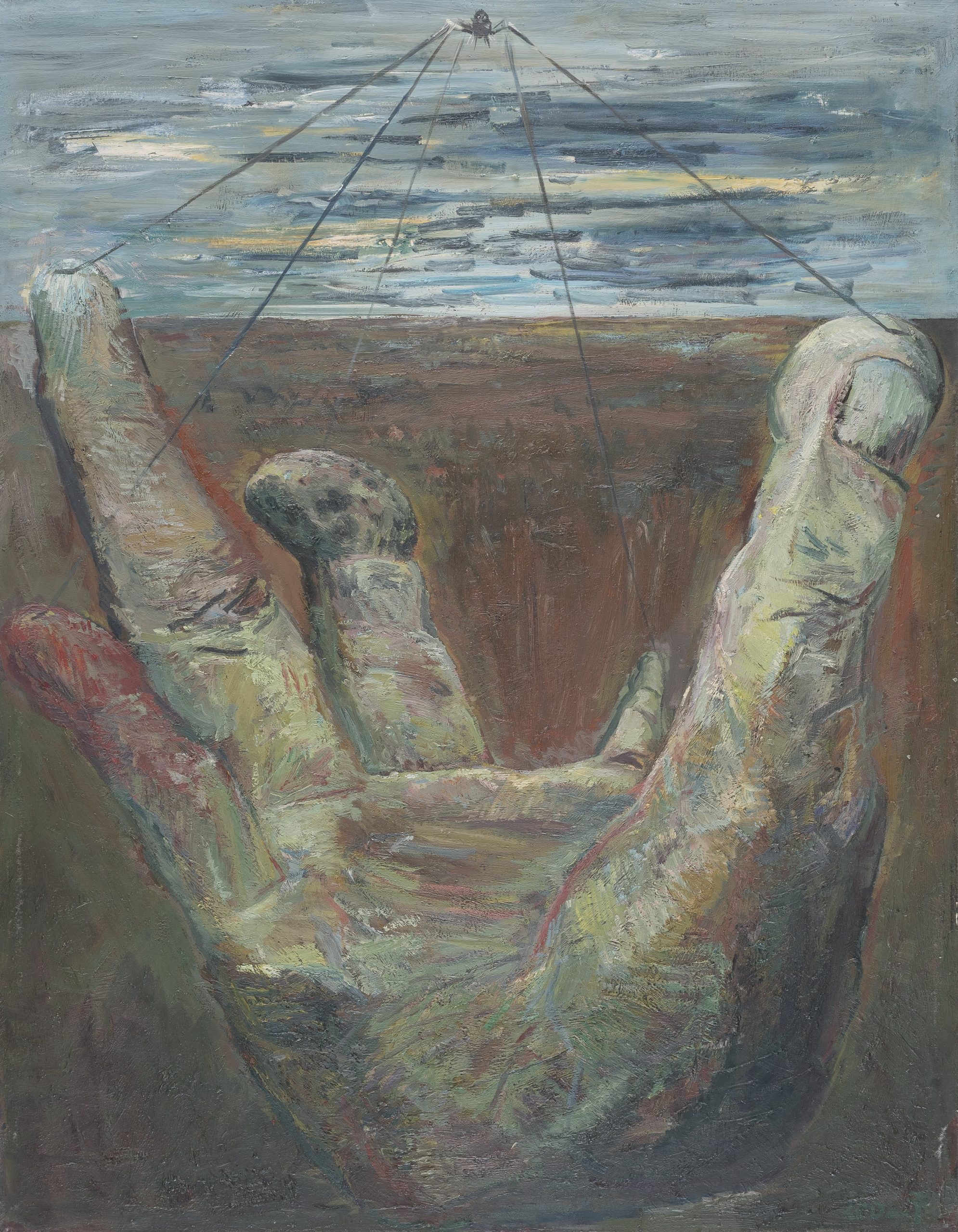
Kong Qian
2002
Oil on canvas
146×114cm
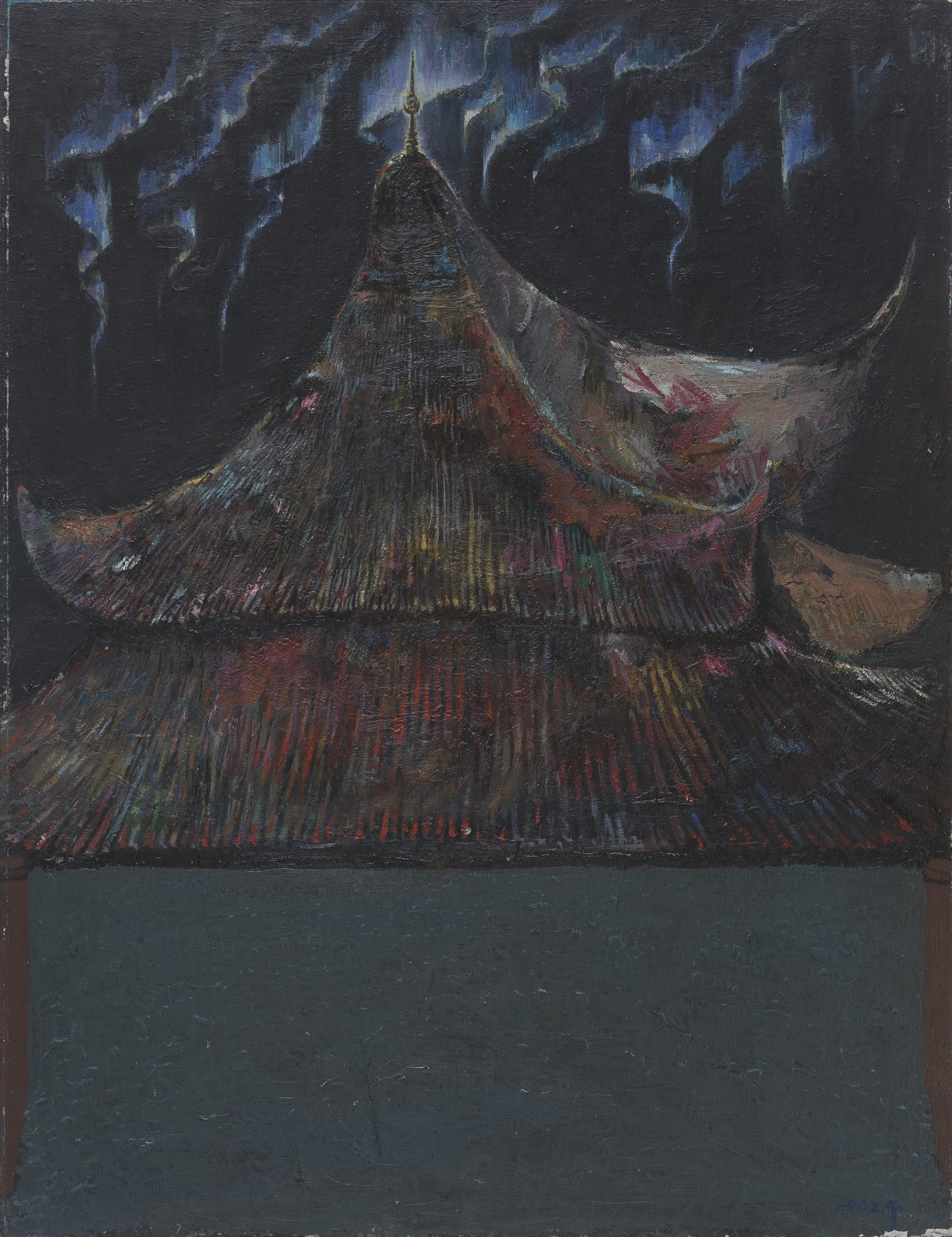
Kong Qian
2002
Oil on canvas
146×114cm
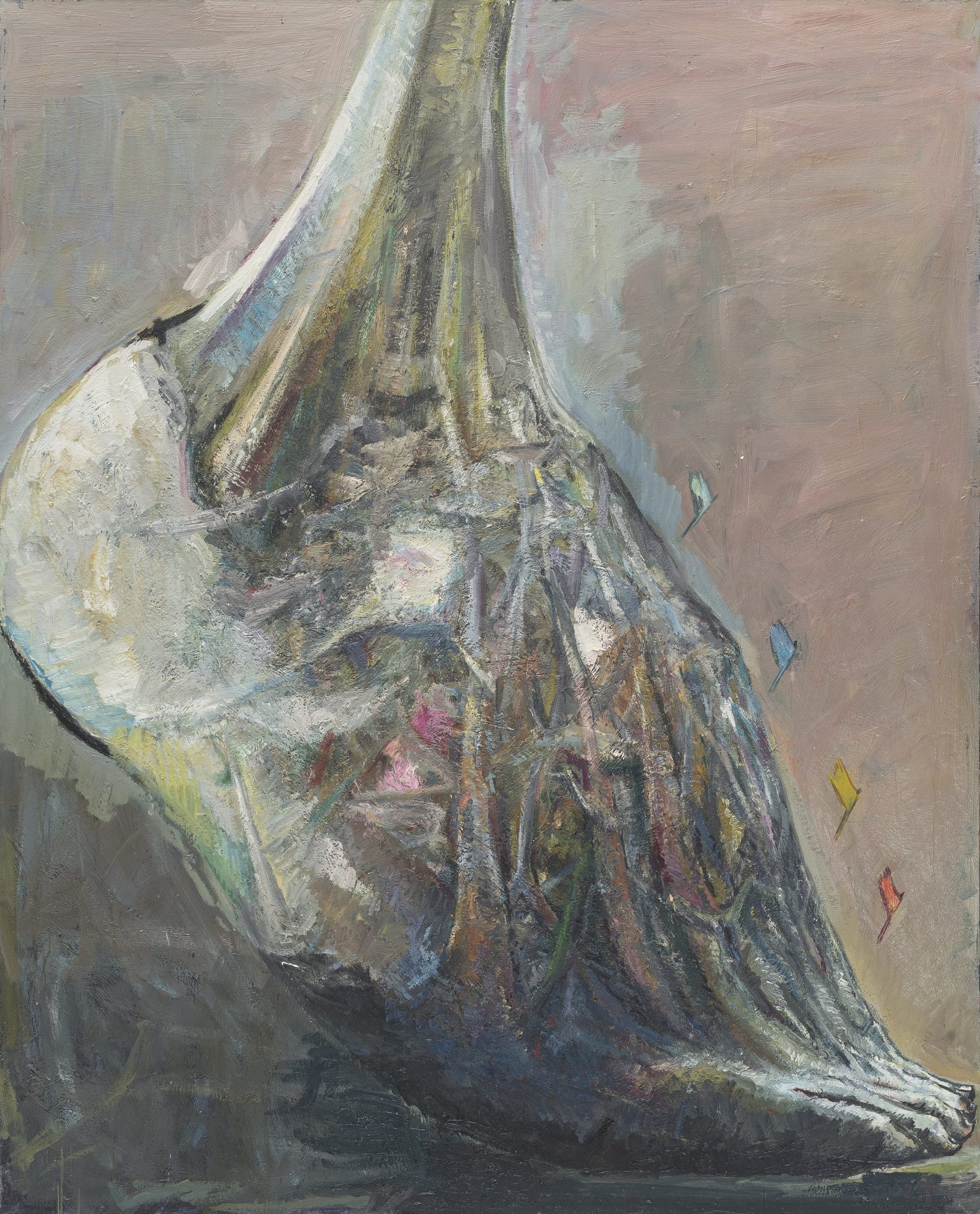
Kong Qian
2002
Oil on canvas
146×114cm
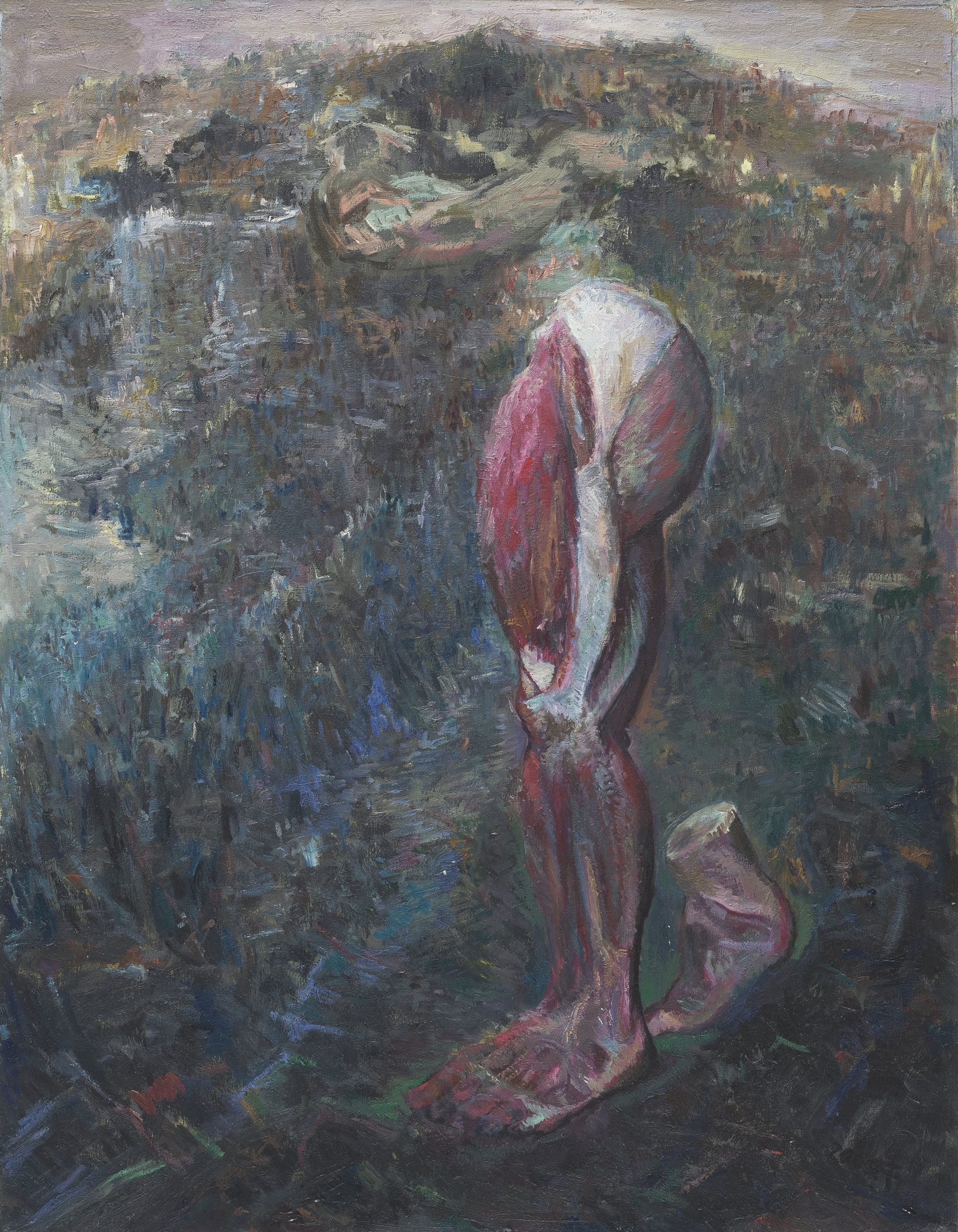
Kong Qian
2001
Oil on canvas
120×93cm
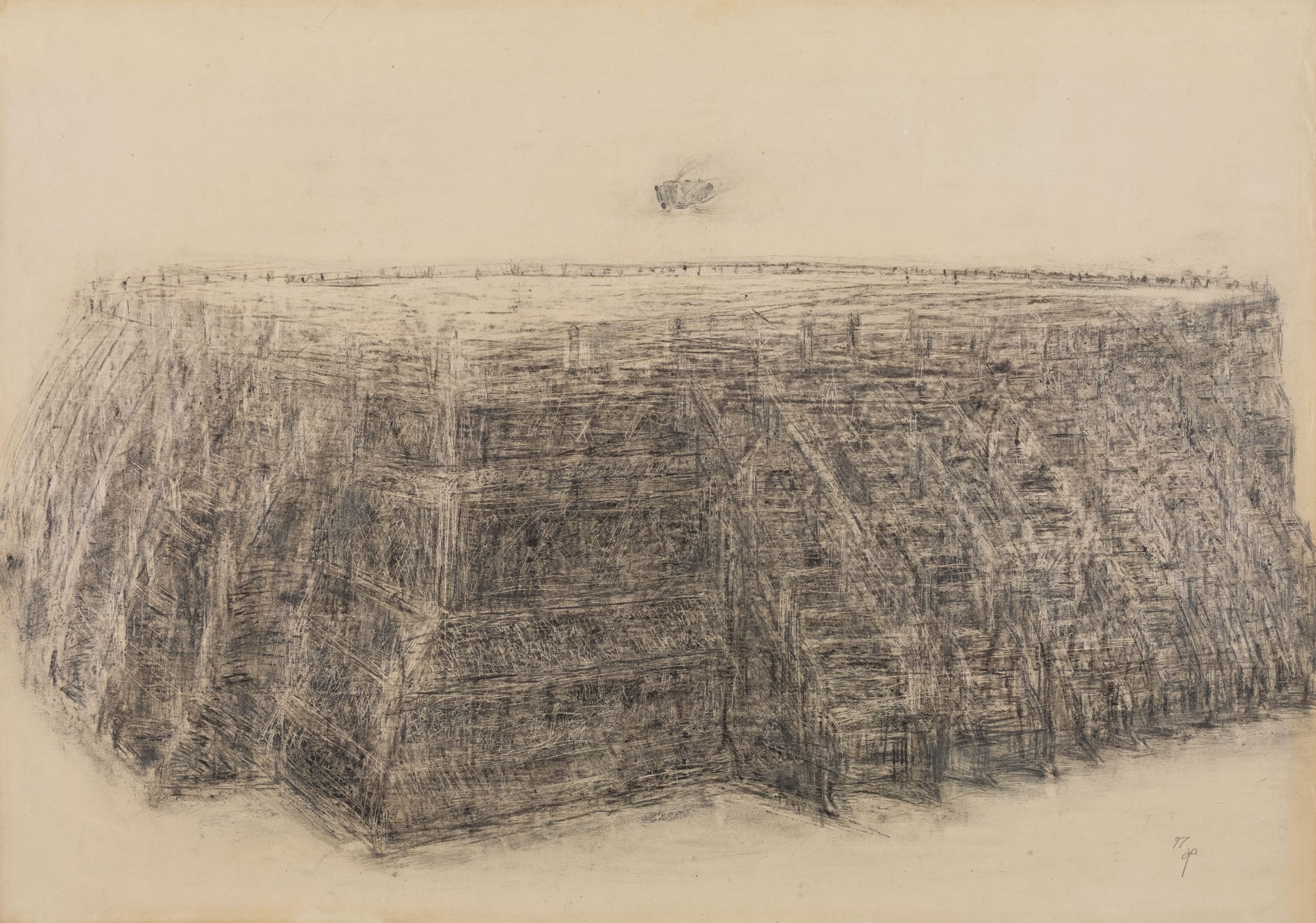
Kong Qian
1997
Sketch on paper
44.2×61.6cm
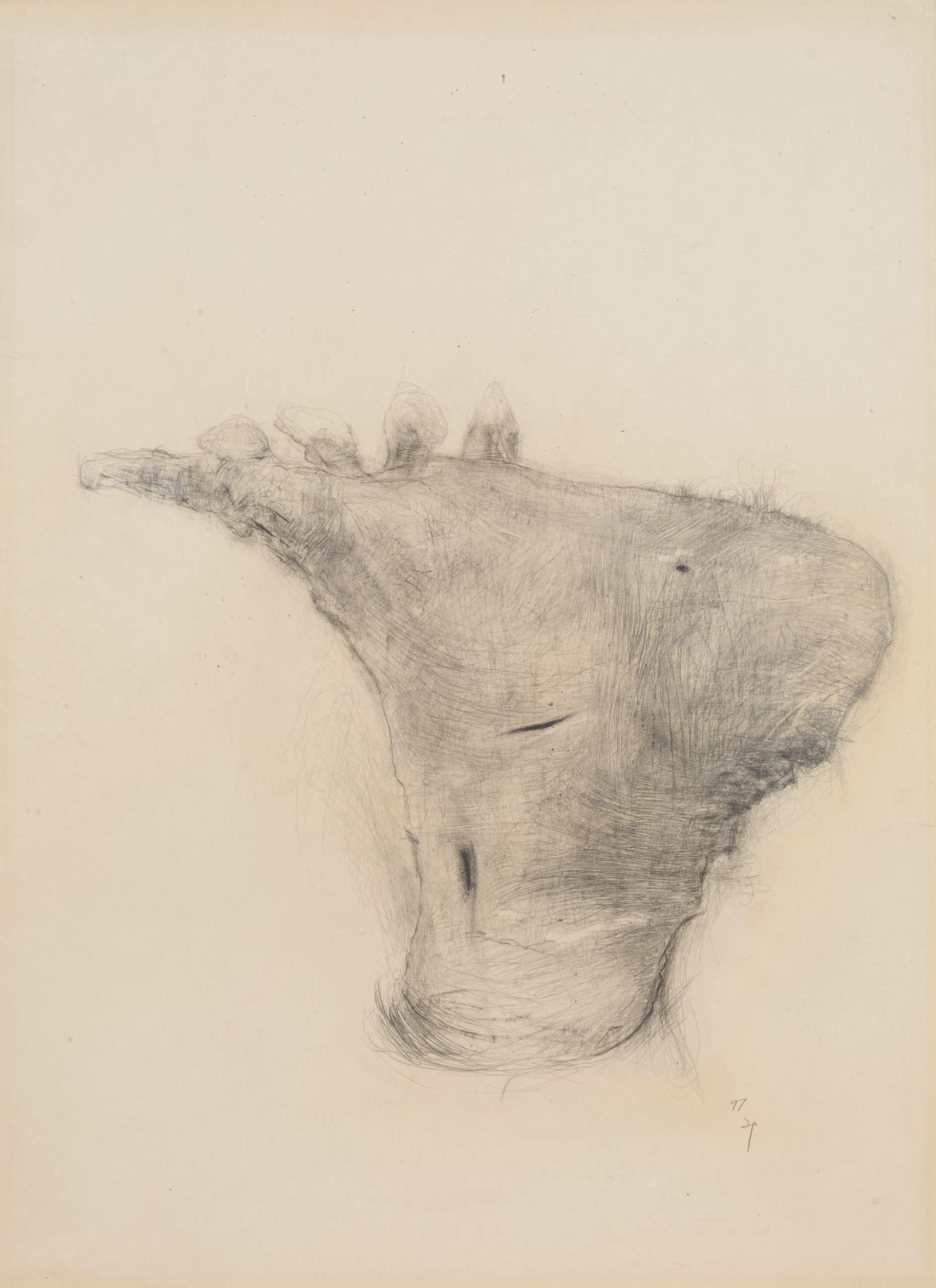
Kong Qian
1997
Sketch on paper
61.6×44.1cm
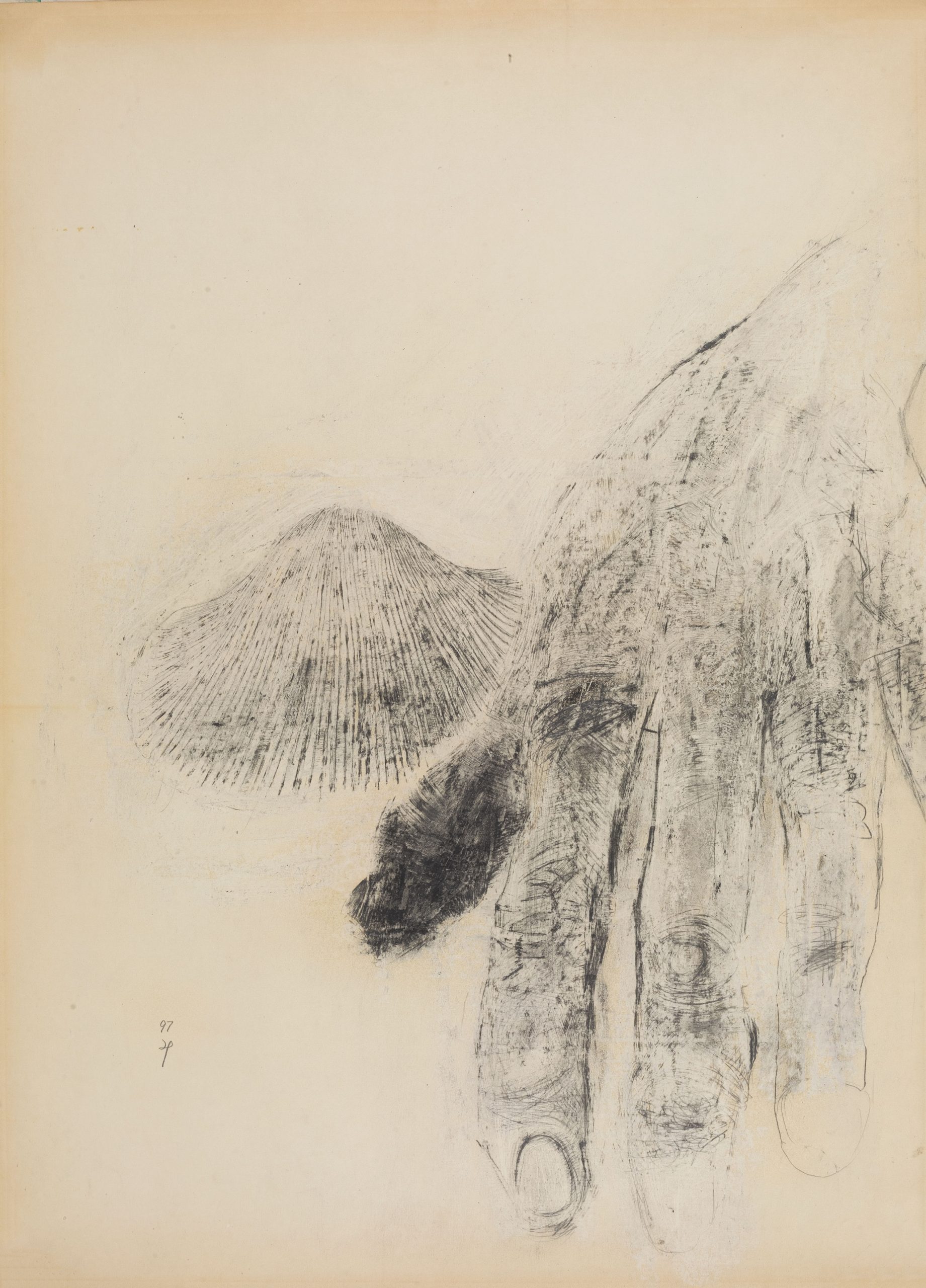
Kong Qian
1997
Sketch on paper
61.4×44.3cm
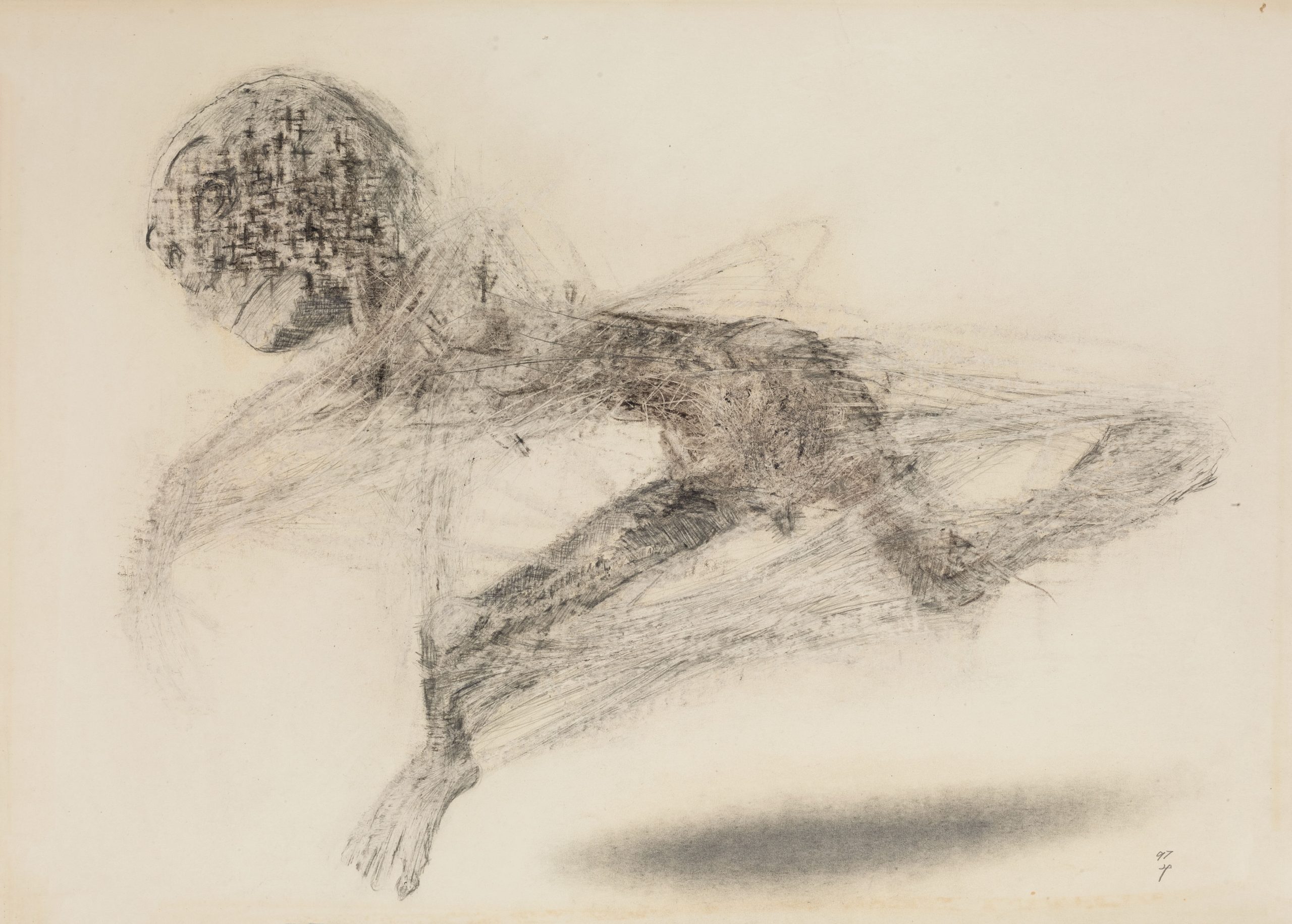
Kong Qian
1997
Sketch on paper
44.2×61.6cm
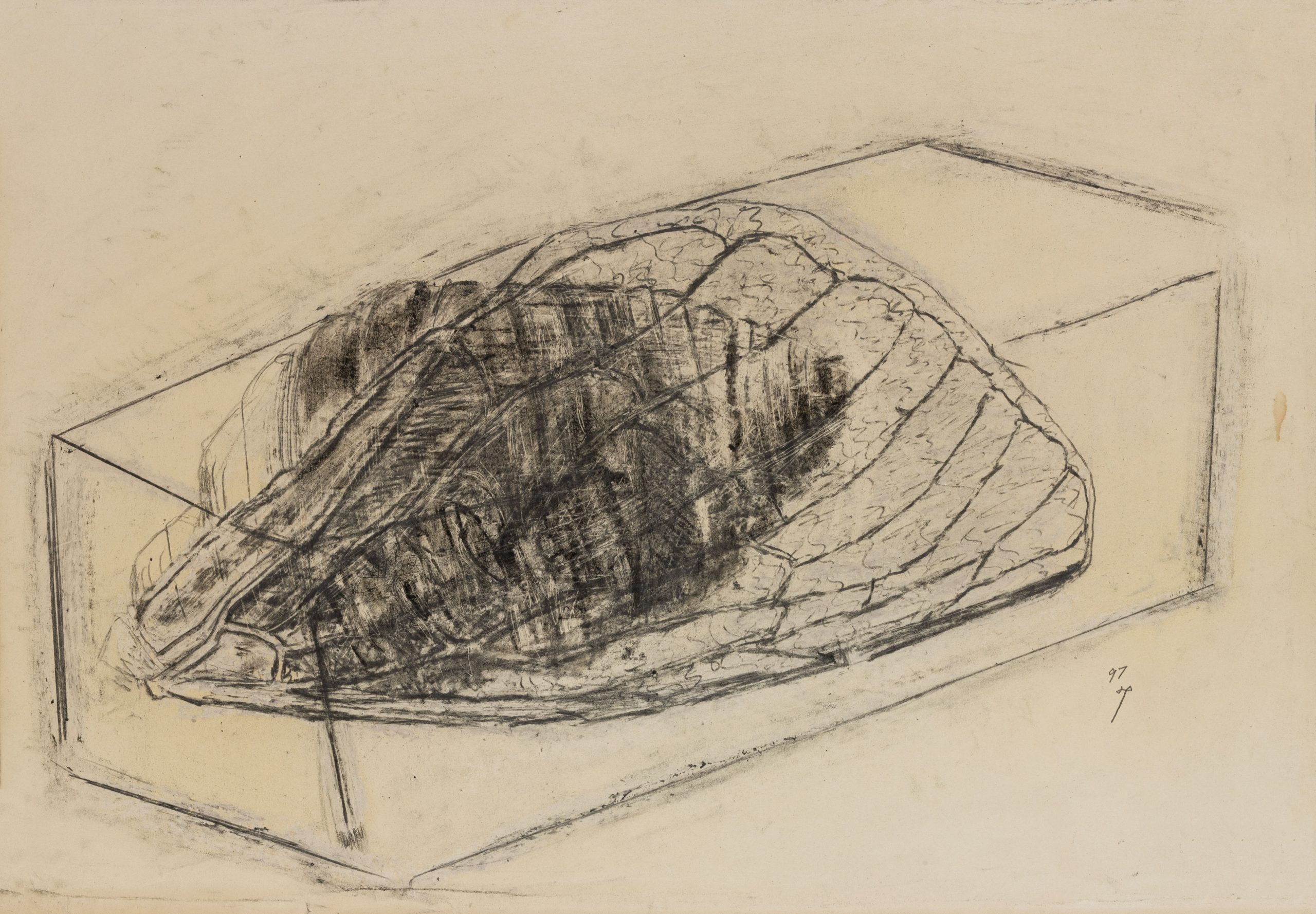
Kong Qian
1997
Sketch on paper
61×44cm
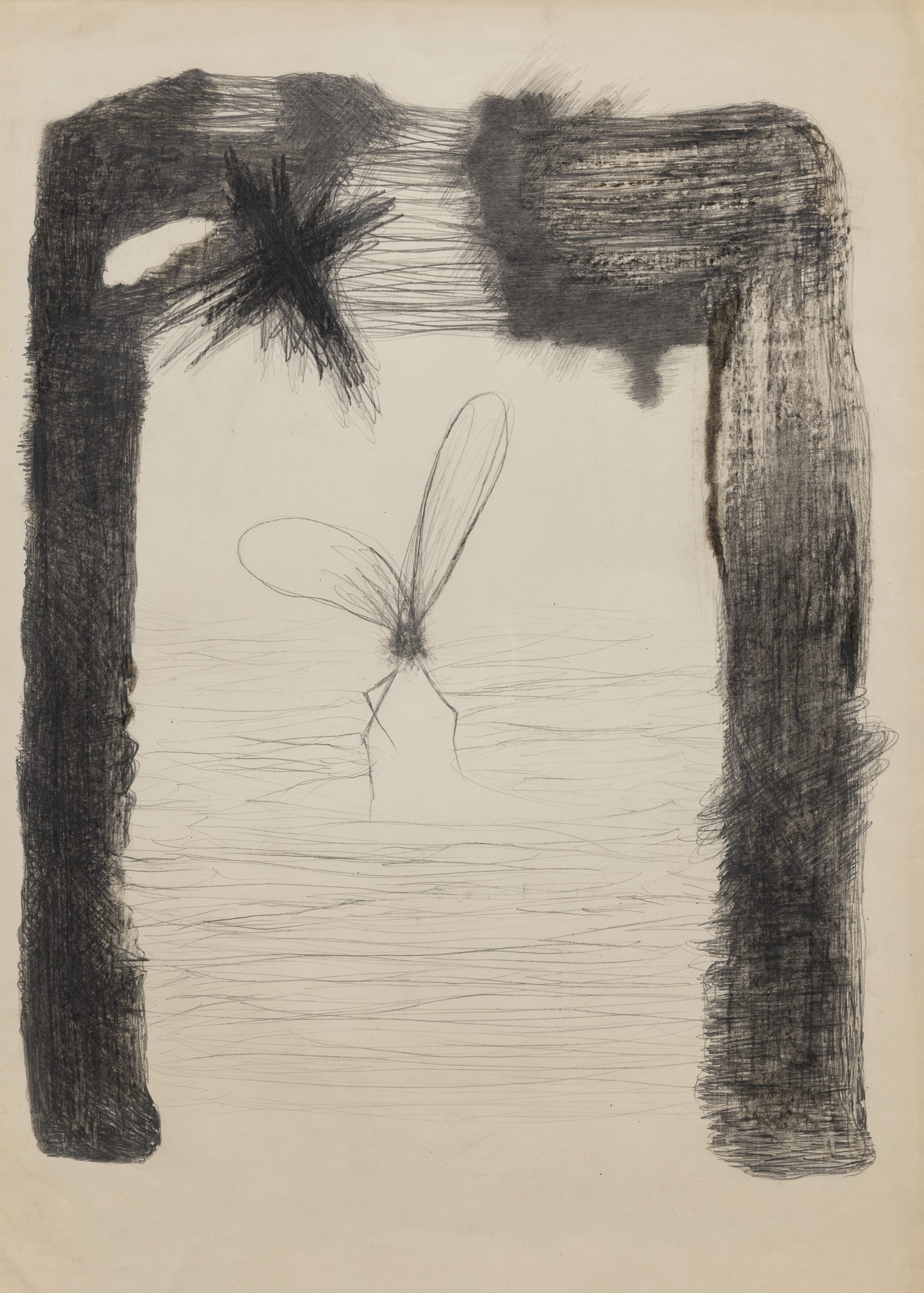
Kong Qian
1997
Sketch on paper
61×44cm
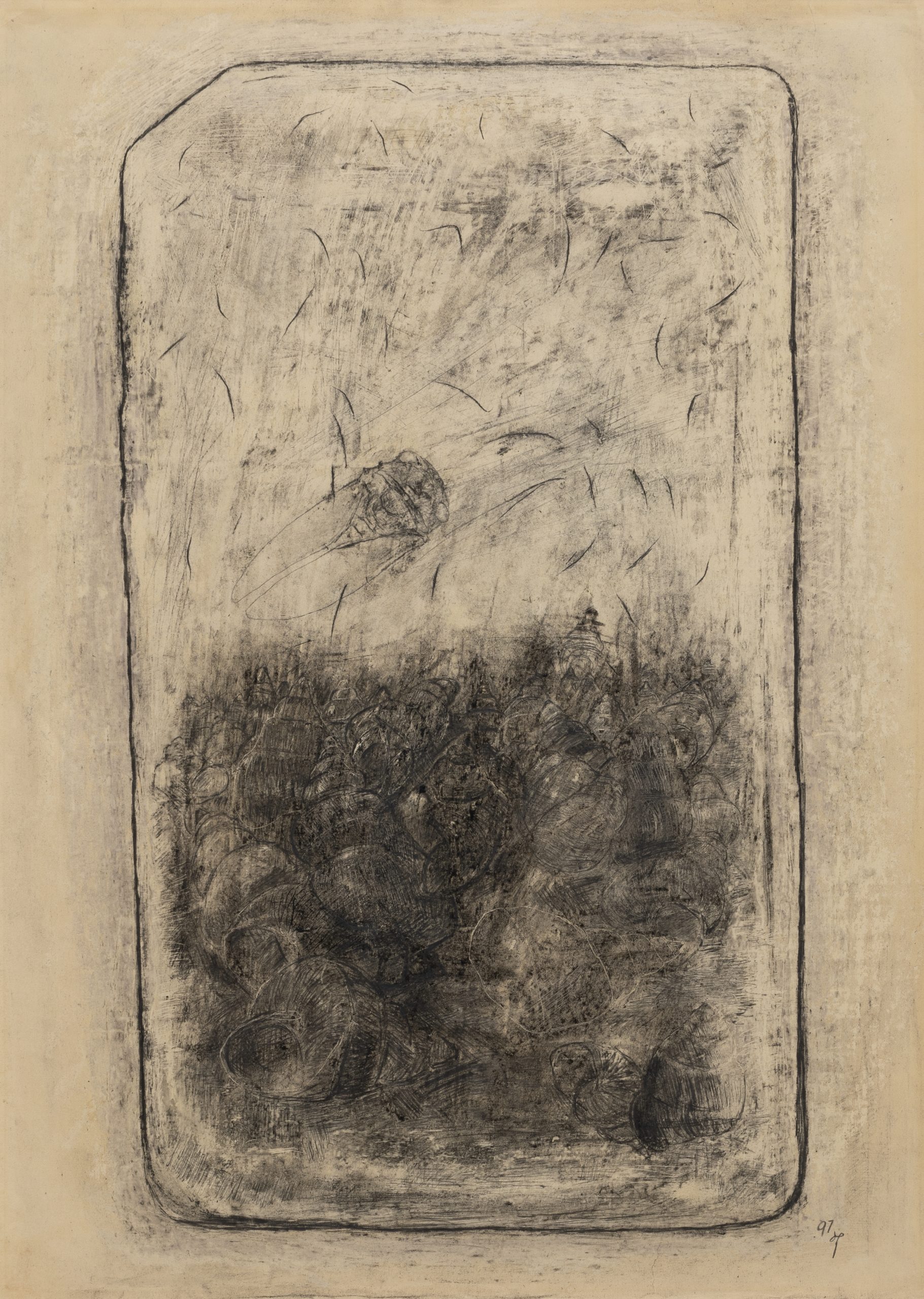
Kong Qian
1997
Sketch on paper
61×44cm
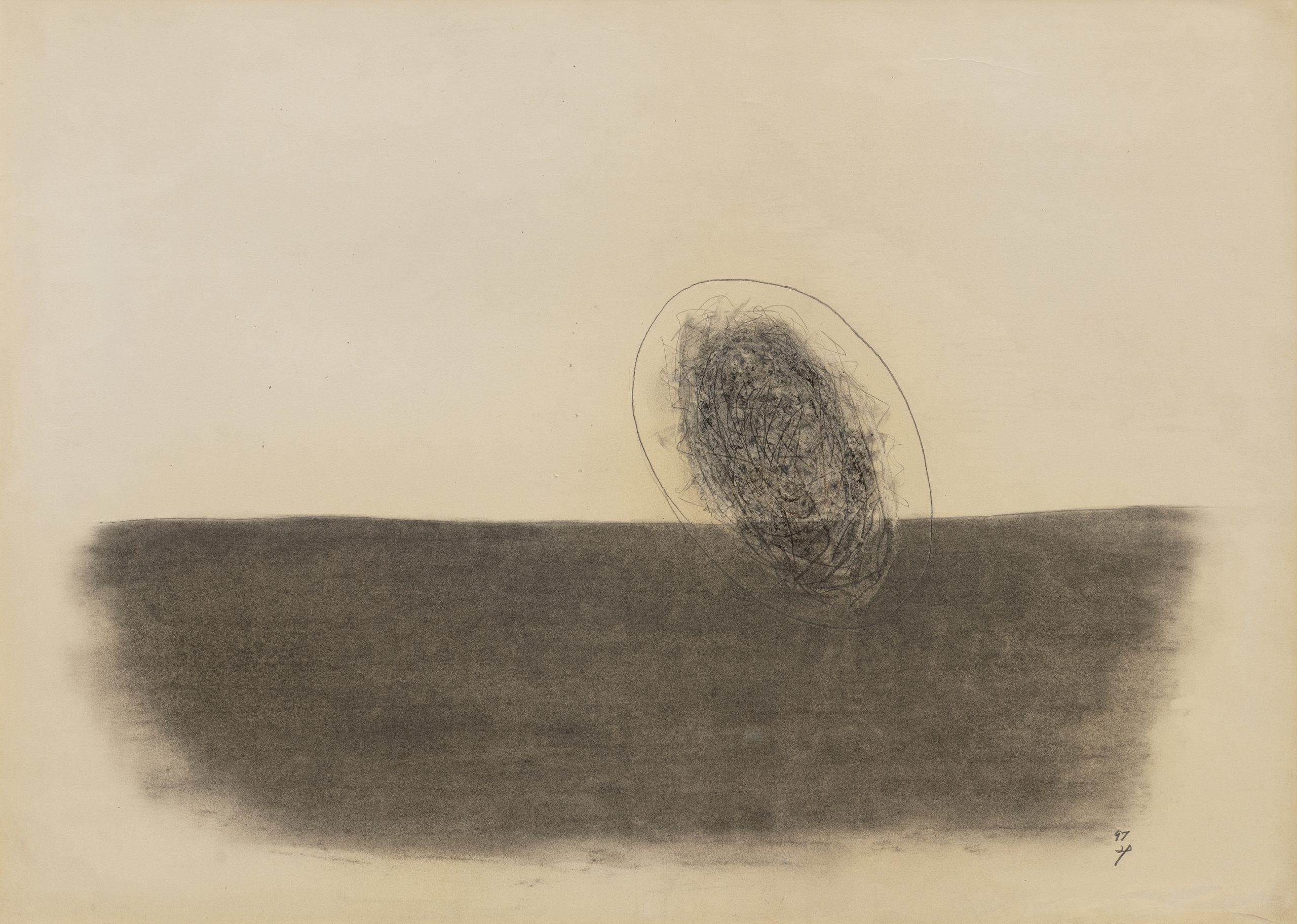
Kong Qian
1997
Sketch on paper
44×61cm
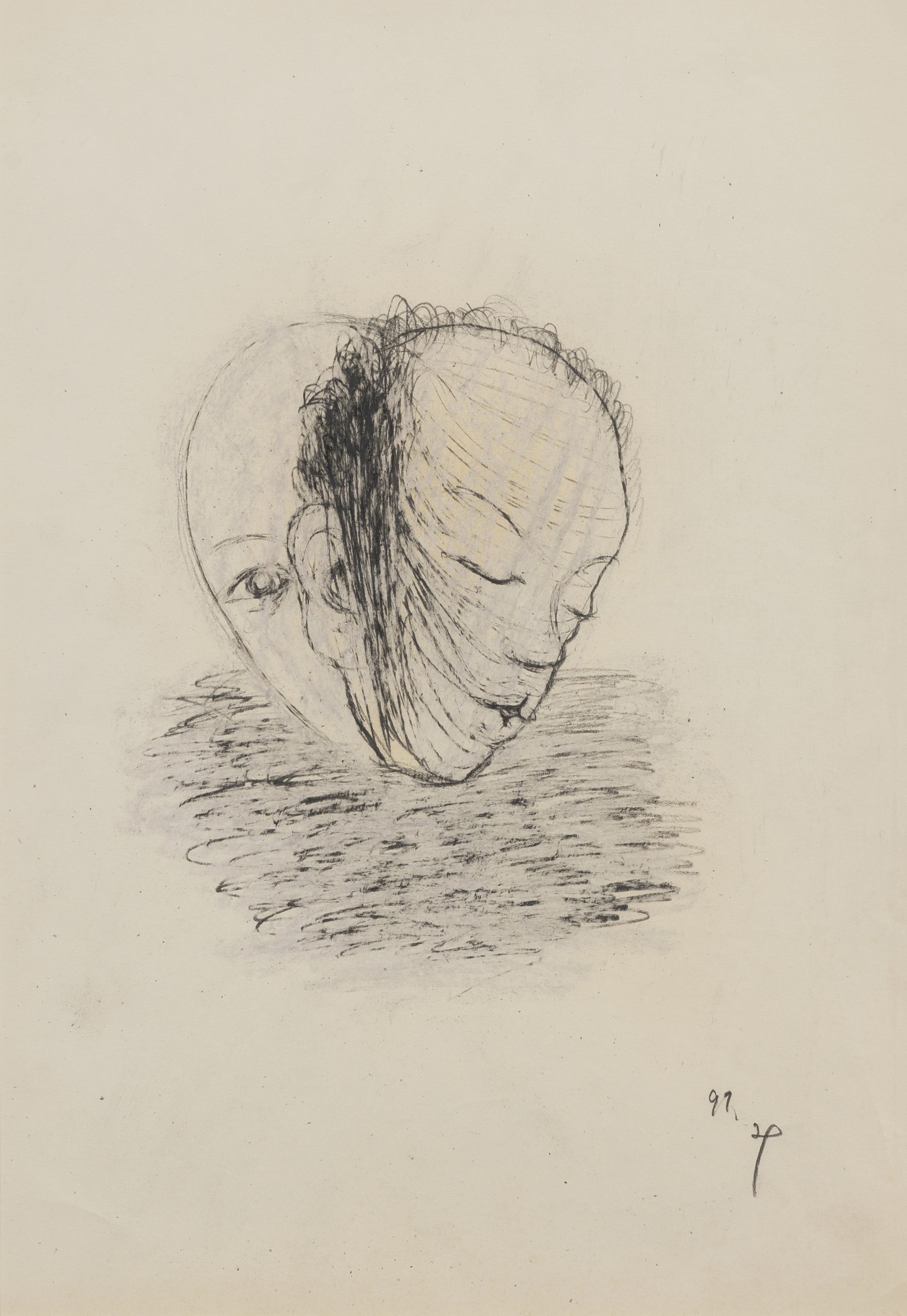
Kong Qian
1997
Sketch on paper
44×30.5cm
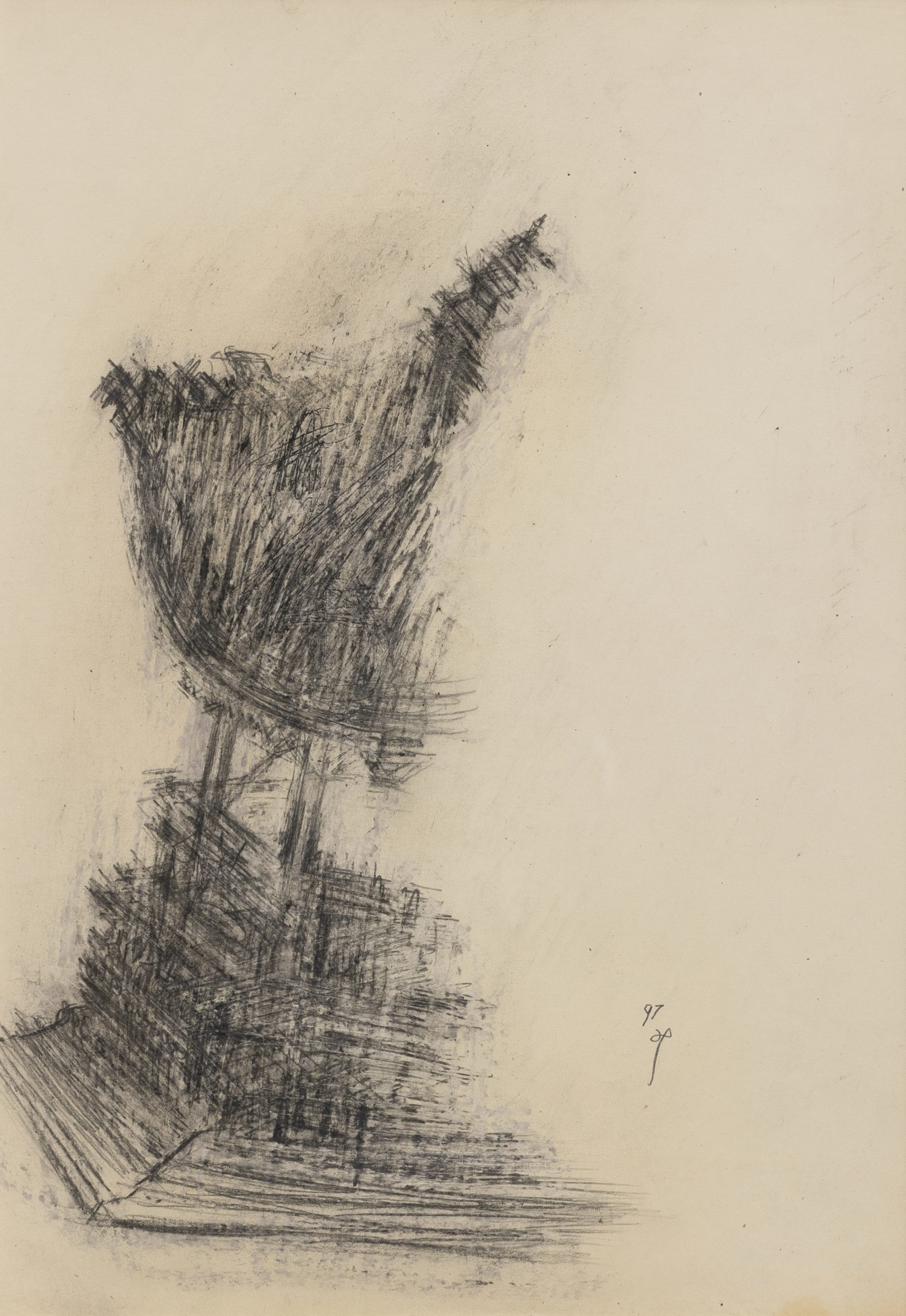
Kong Qian
1997
Sketch on paper
44×30.5cm
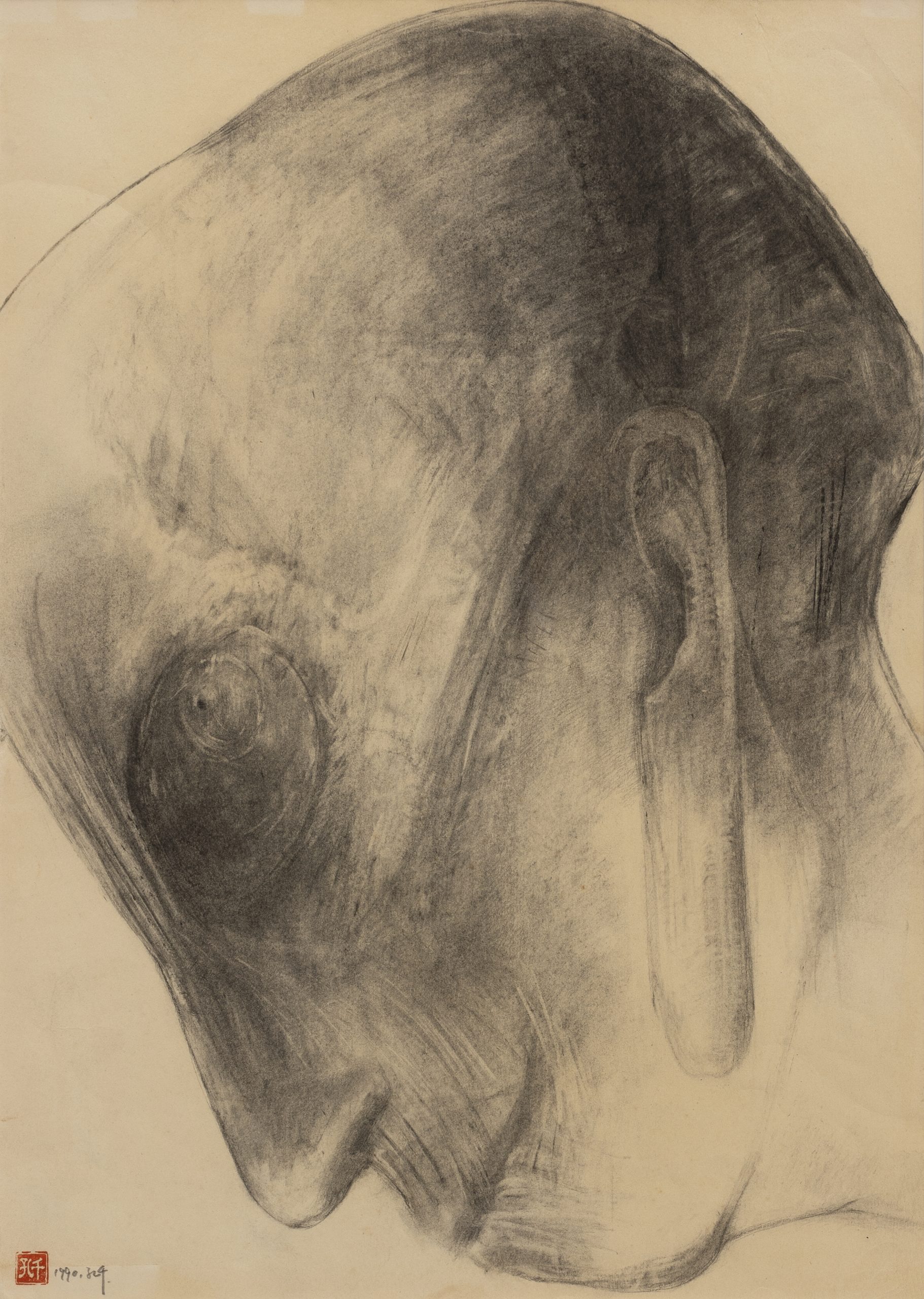
Kong Qian
1997
Sketch on paper
54.5×39cm
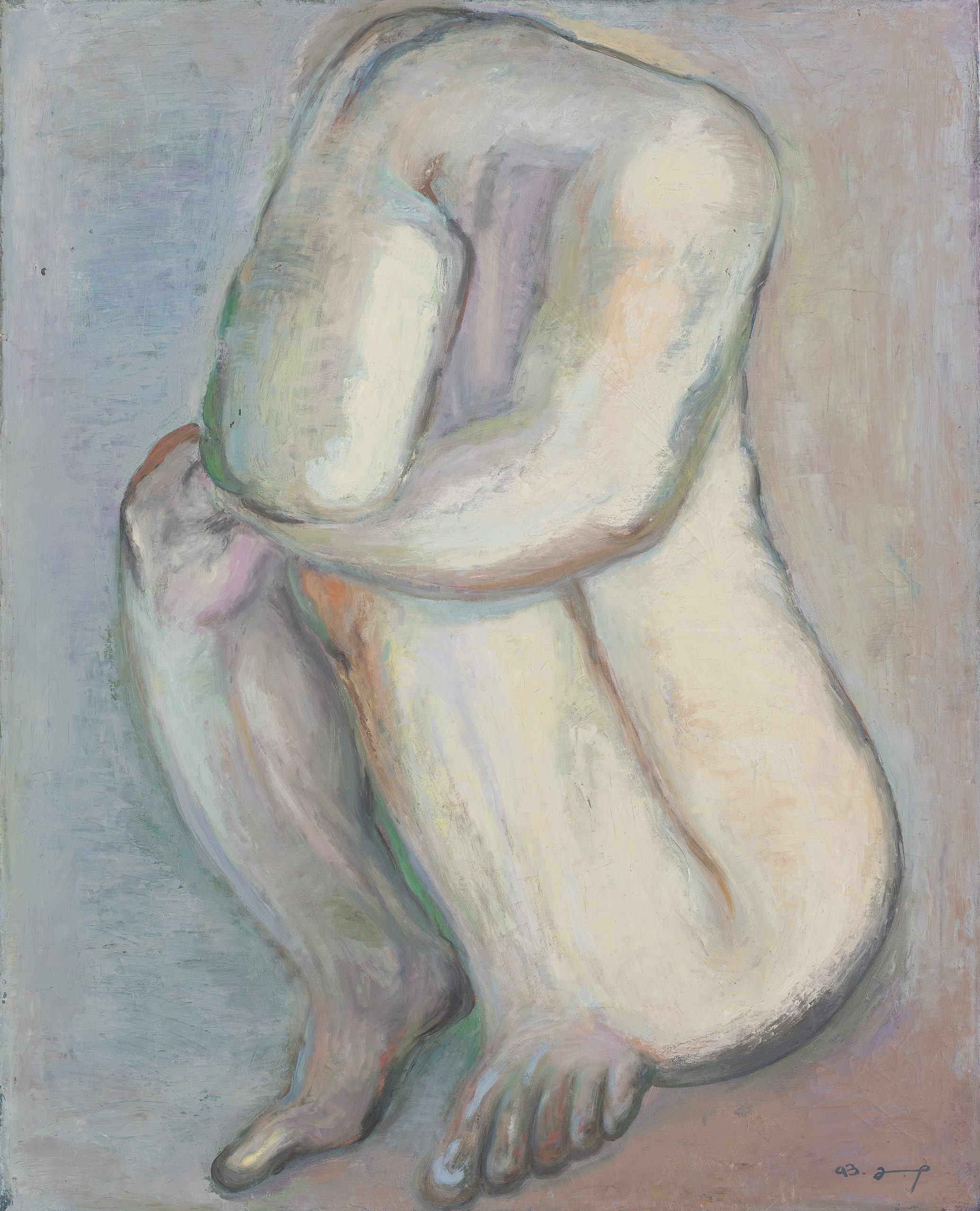
Kong Qian
1993
Oil on canvas
100×80cm
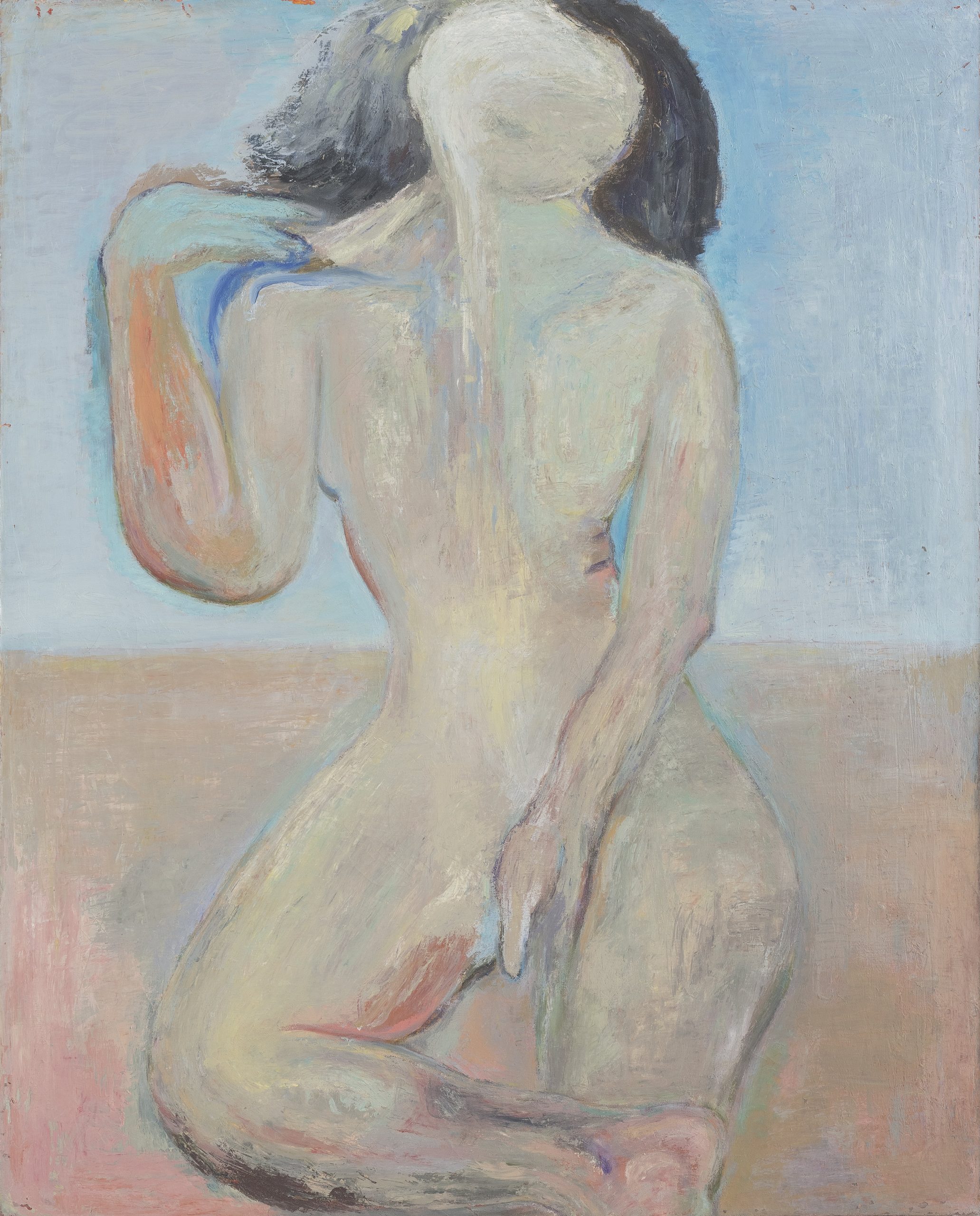
Kong Qian
1993
Oil on canvas
100×80cm
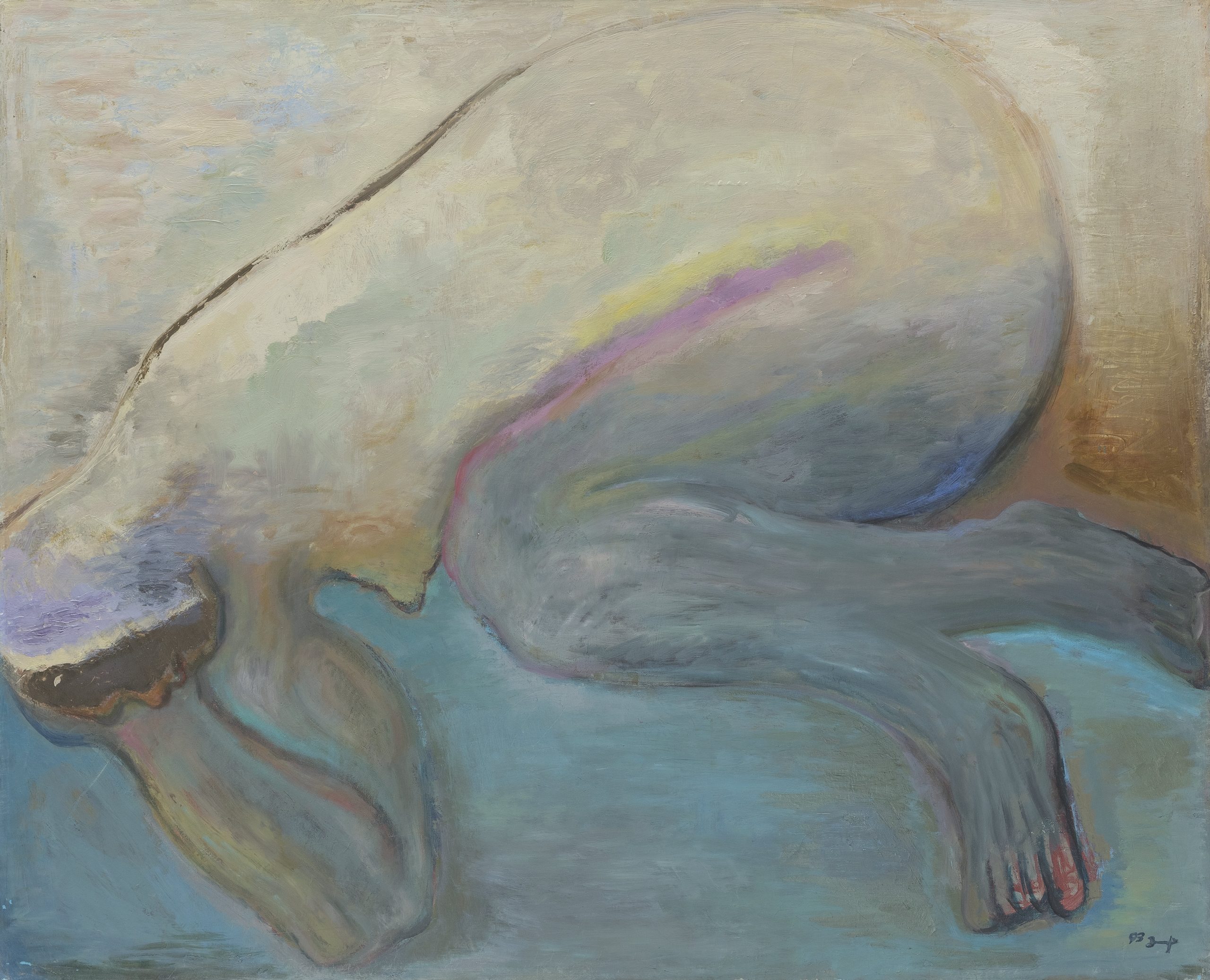
Kong Qian
1993
Oil on canvas
80×100cm
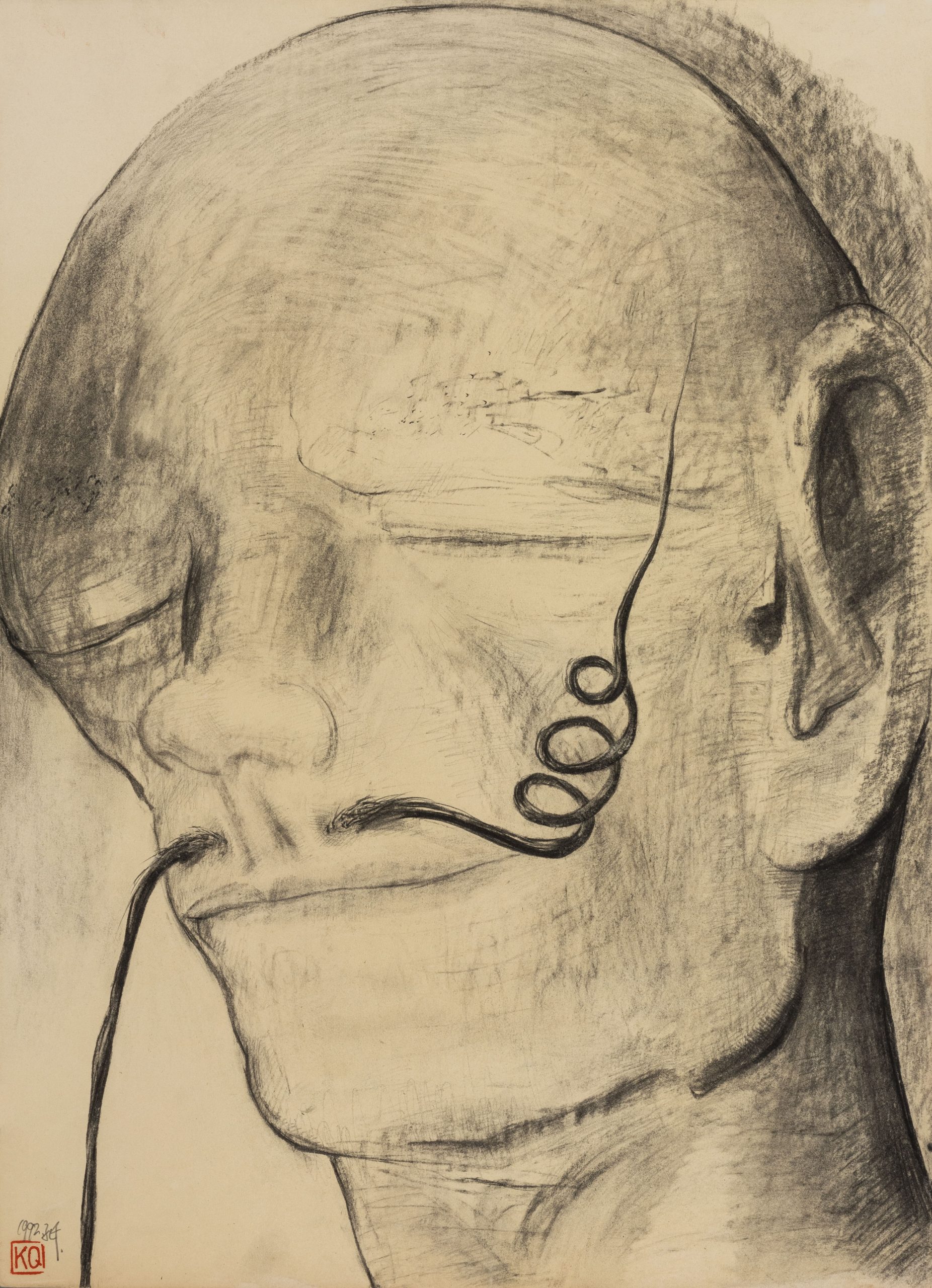
Kong Qian
1992
Sketch on paper
54.5×39cm
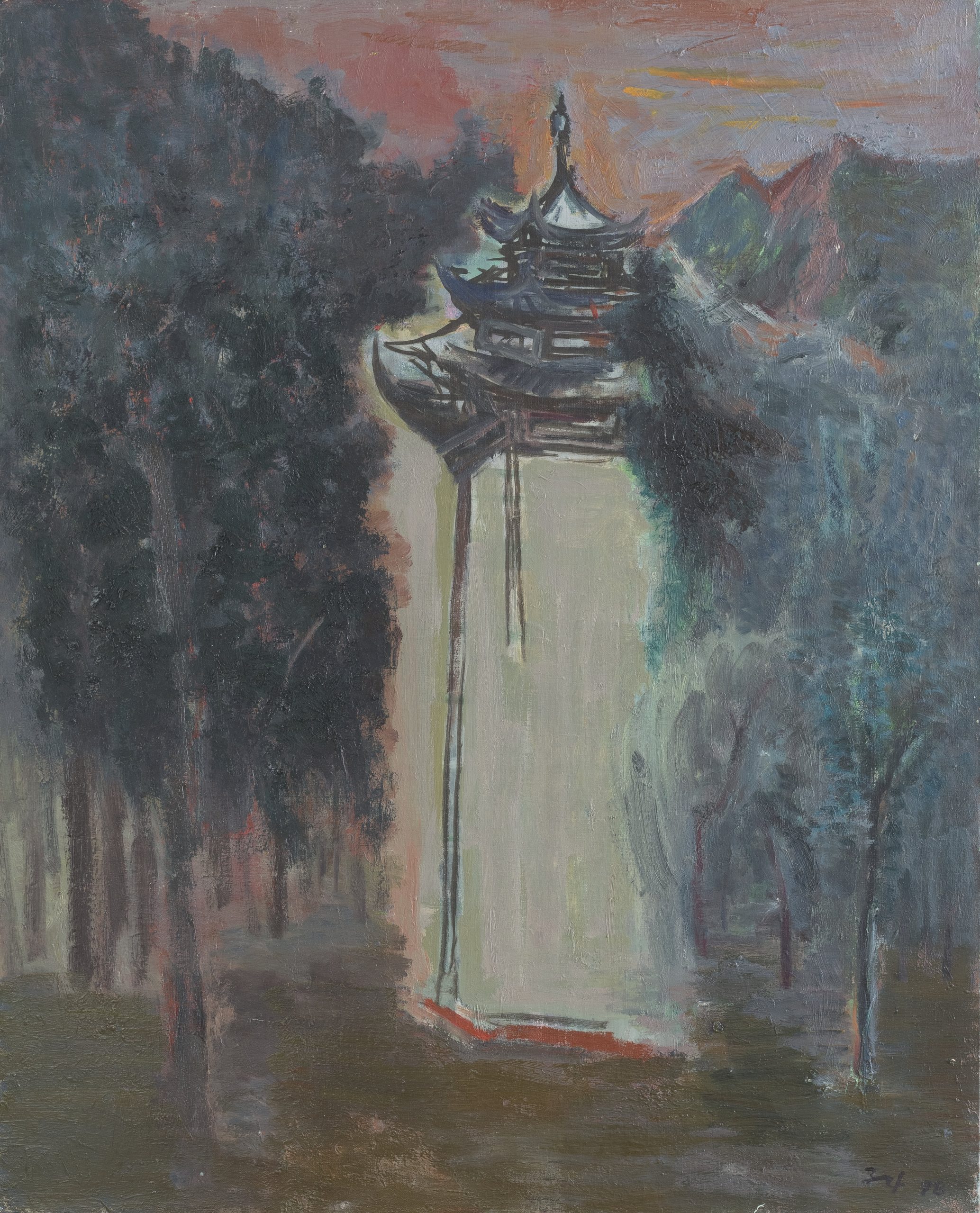
Kong Qian
1990
Oil on canvas
91×73cm
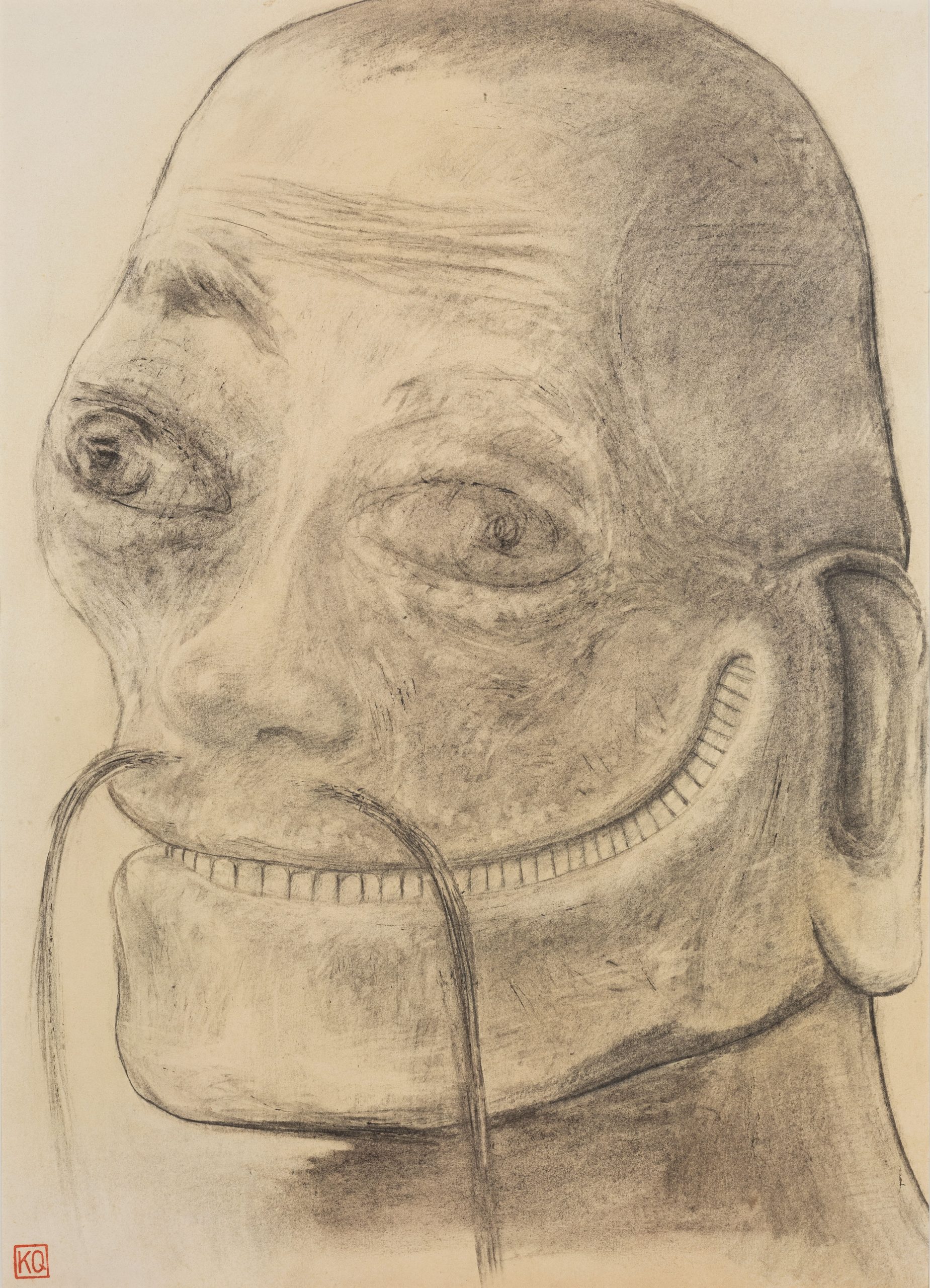
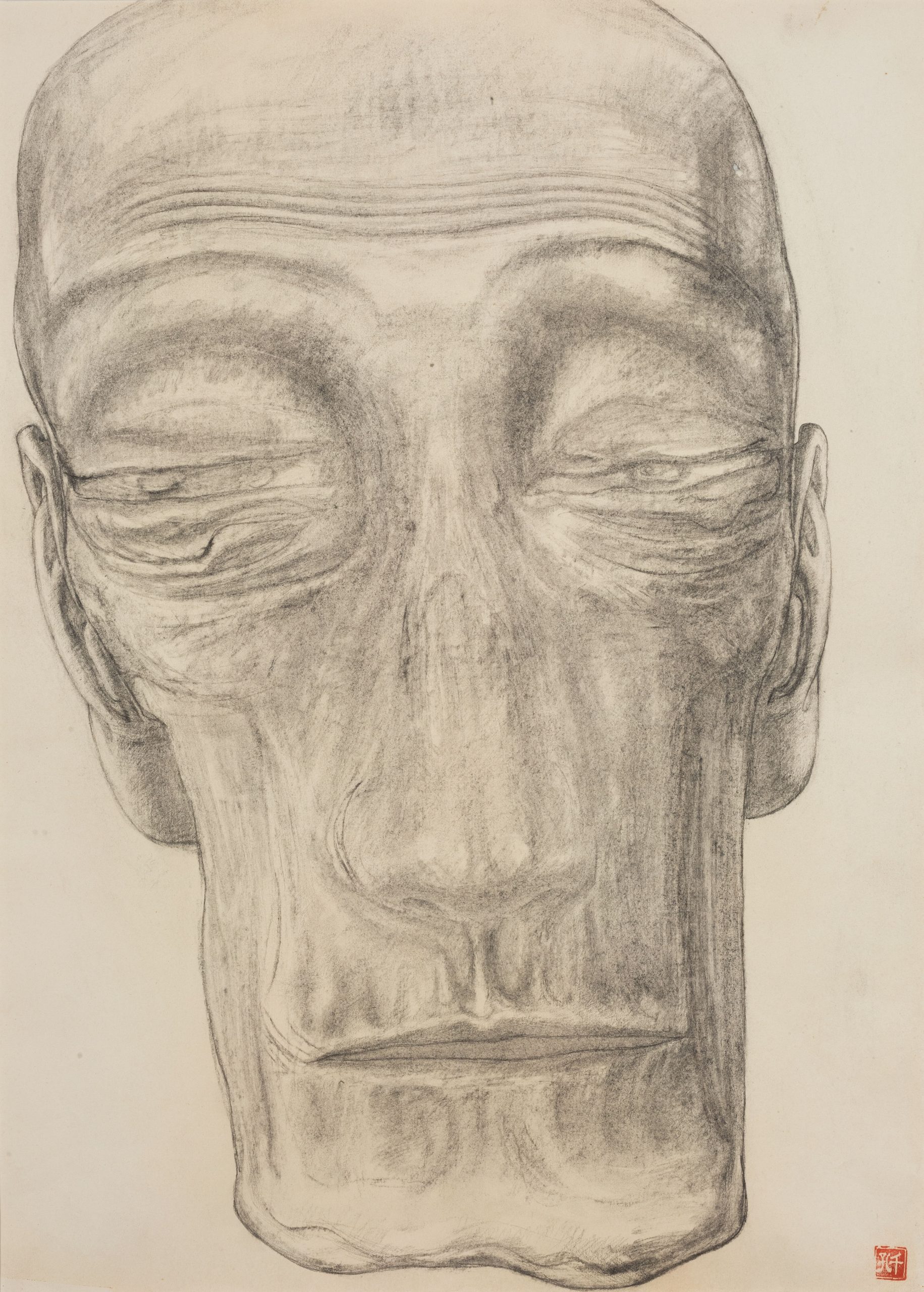
Kong Qian
1990
Sketch on paper
54.5×39cm
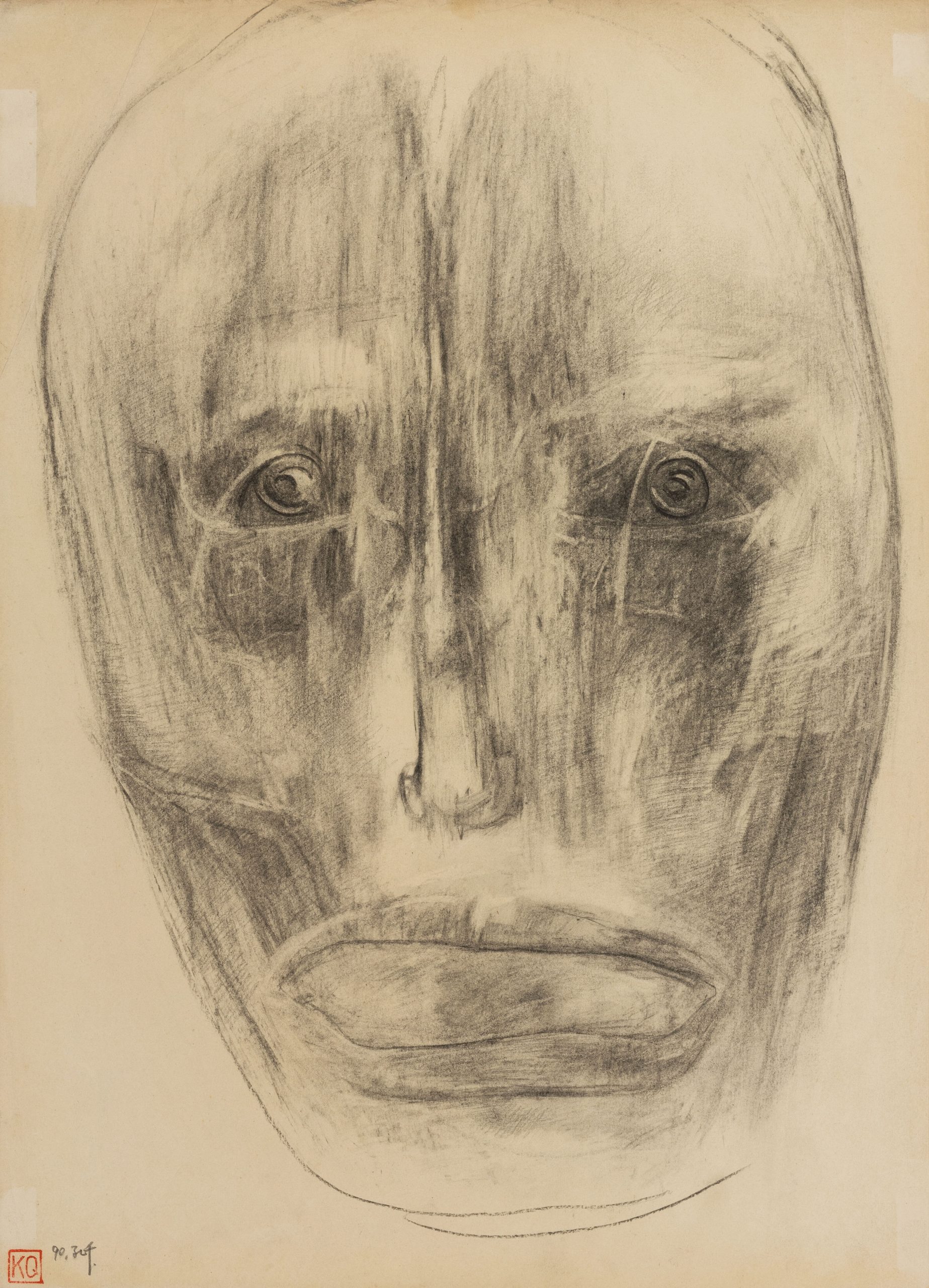
Kong Qian
1990
Sketch on paper
54.5×39cm
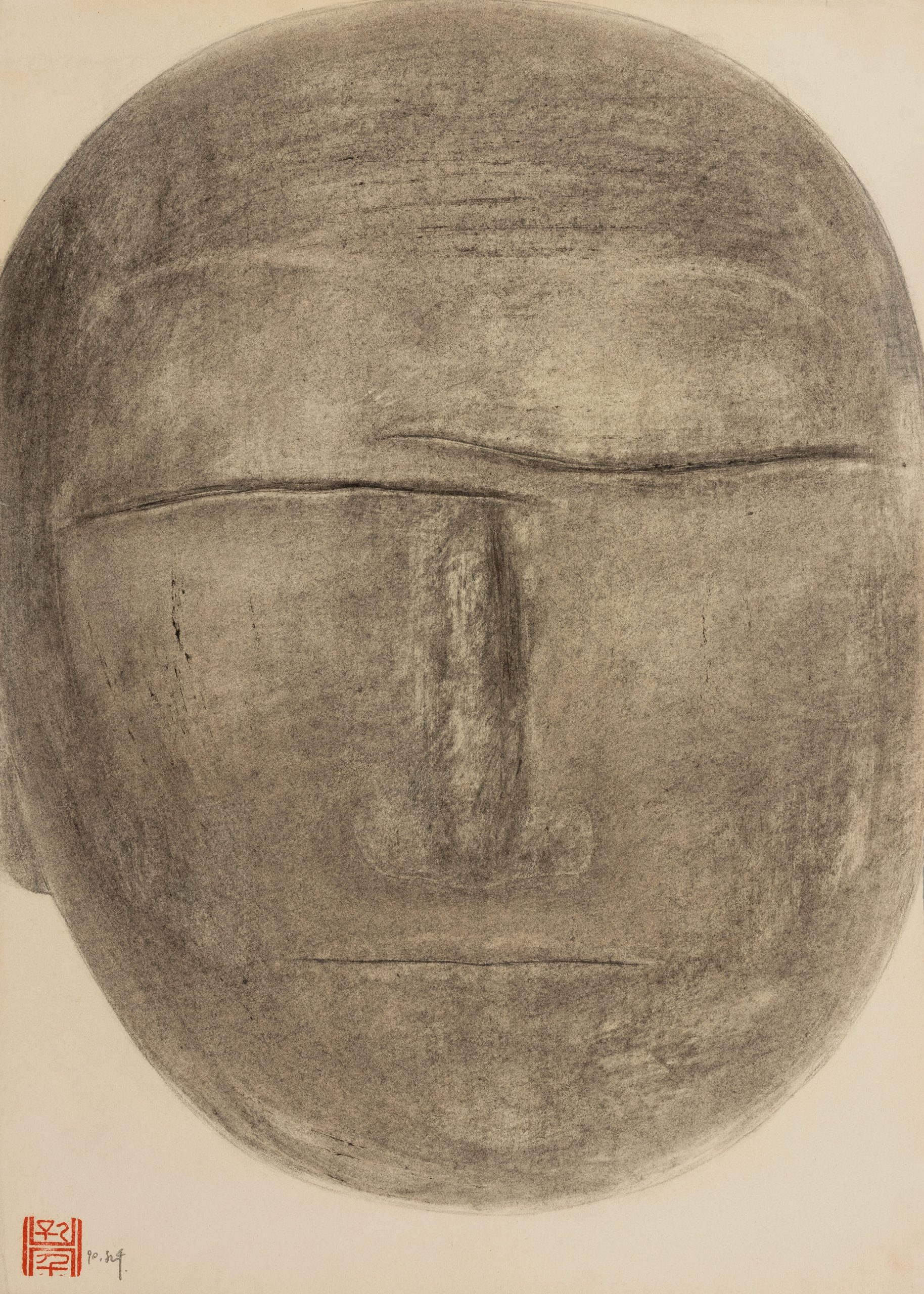
Kong Qian
1990
Sketch on paper
54.5×39cm
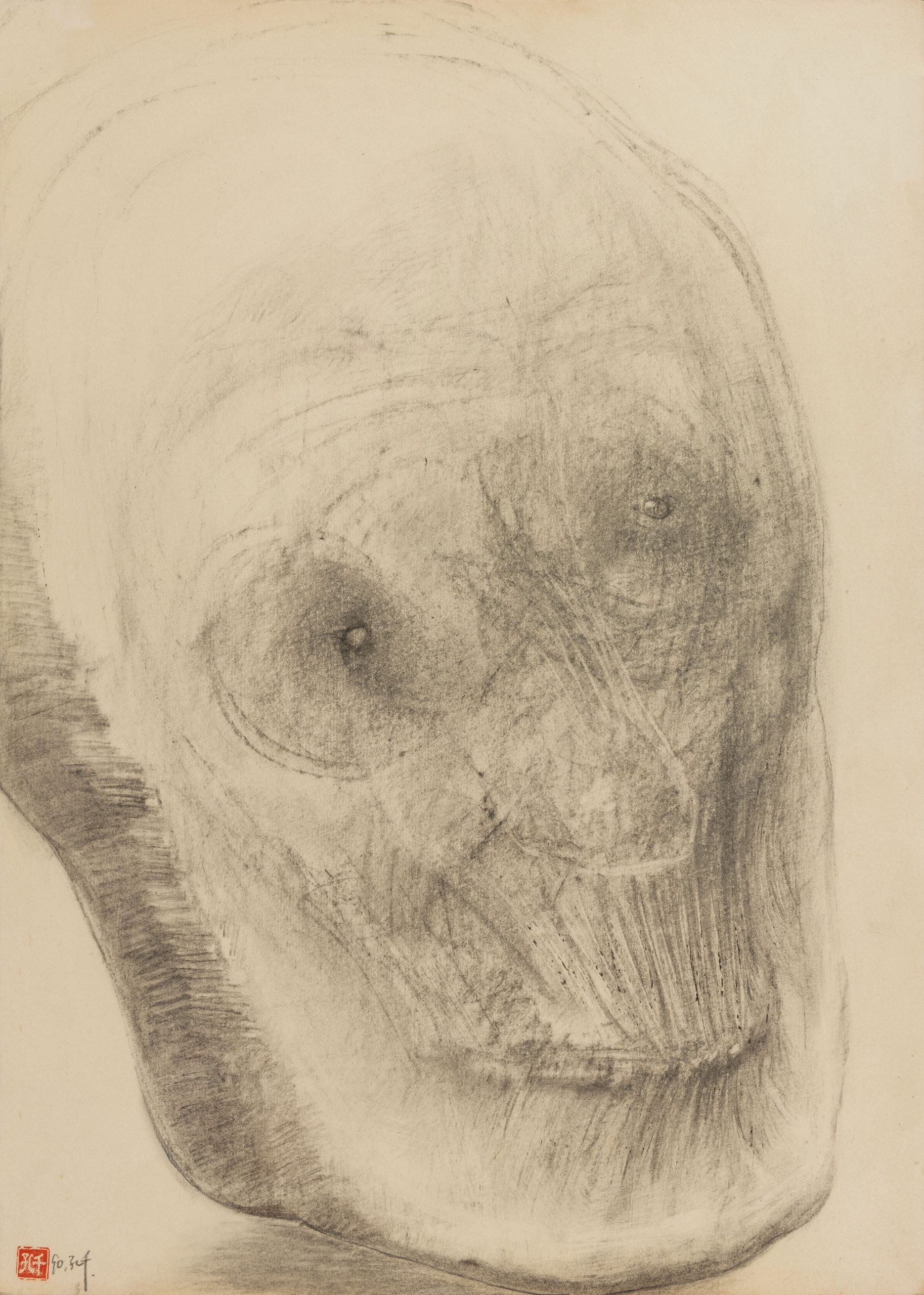
Kong Qian
1990
Sketch on paper
54.5×39cm
Kong Qian
1990
Sketch on paper
54.5×39cm
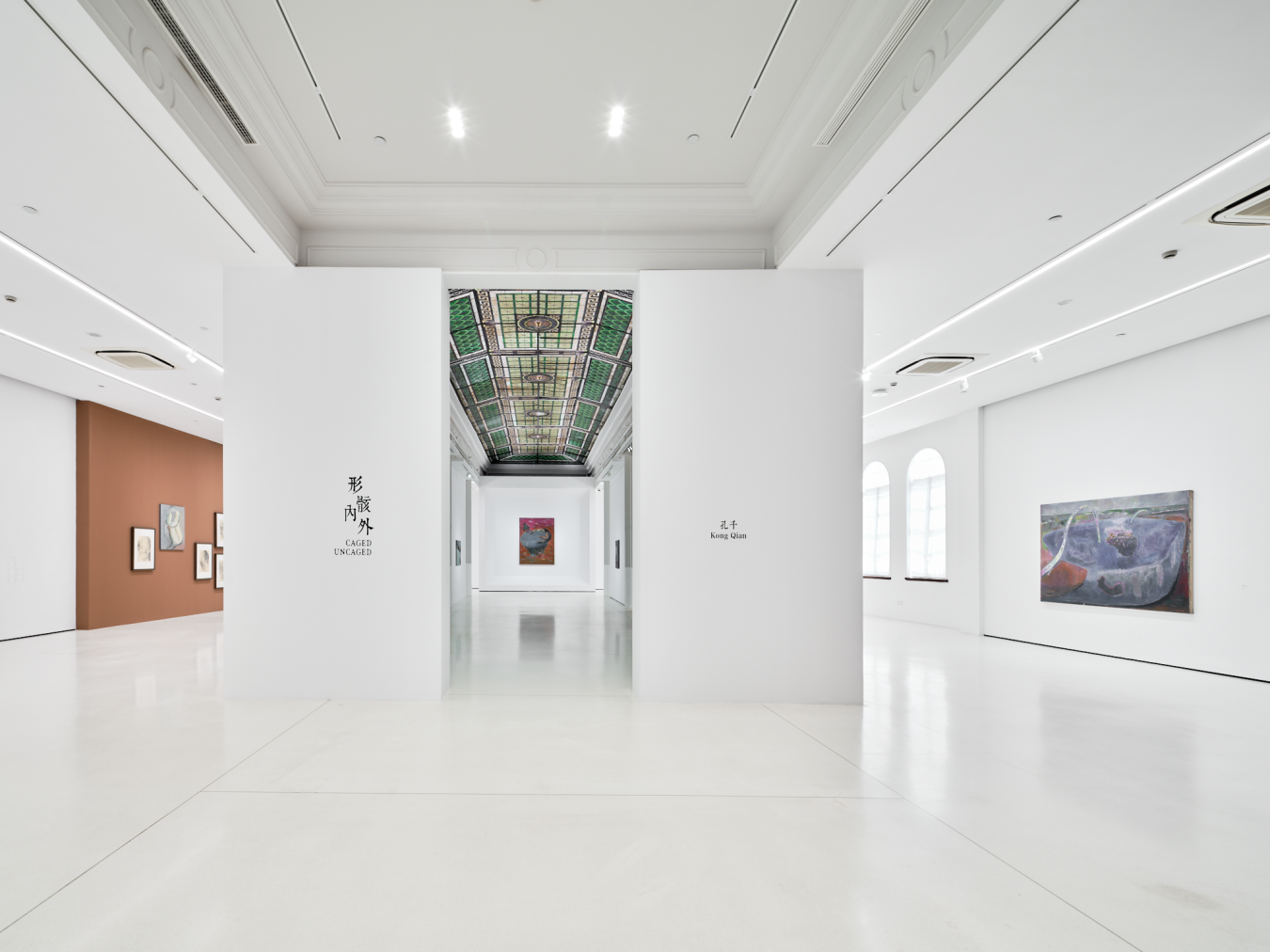
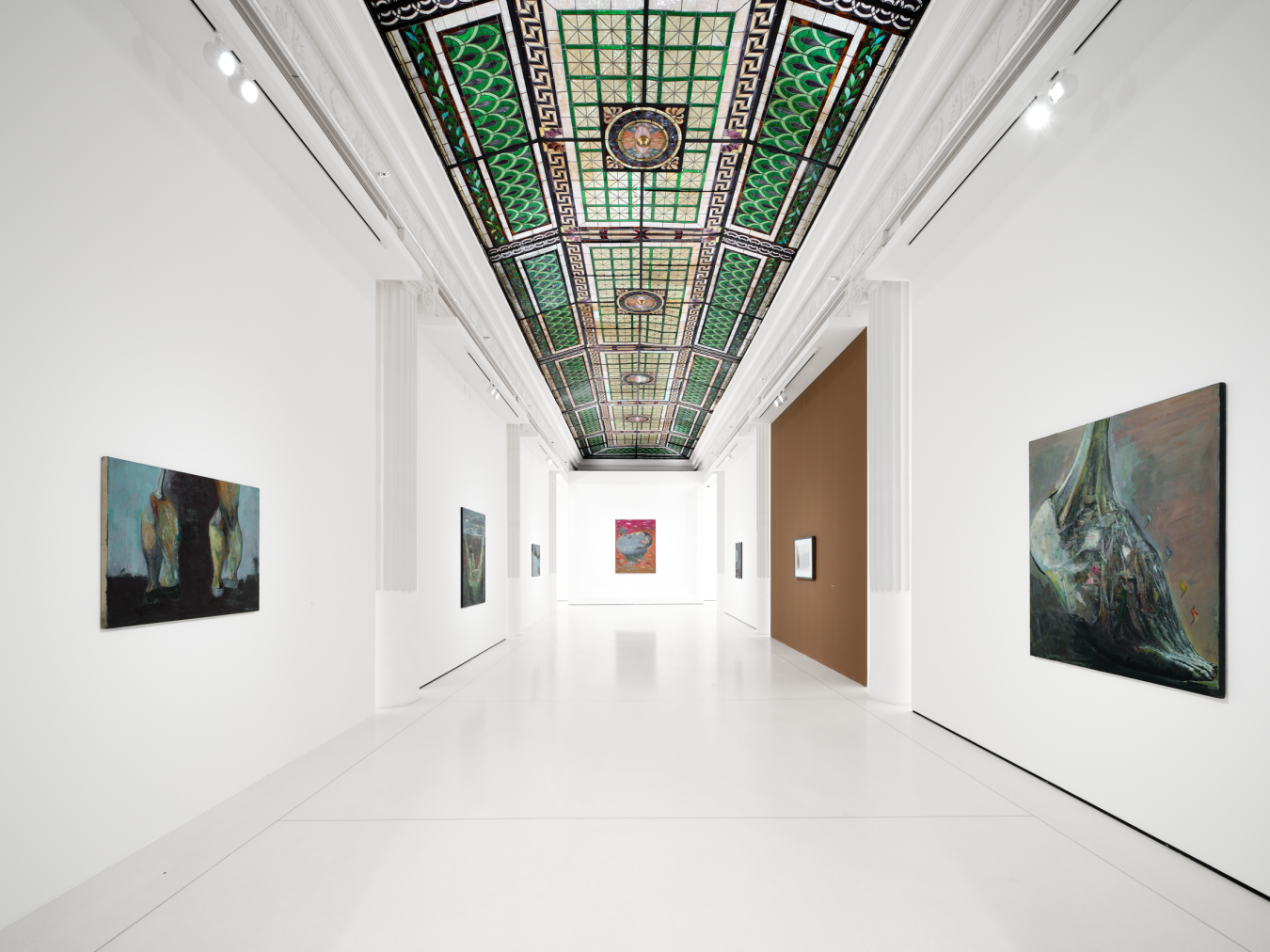
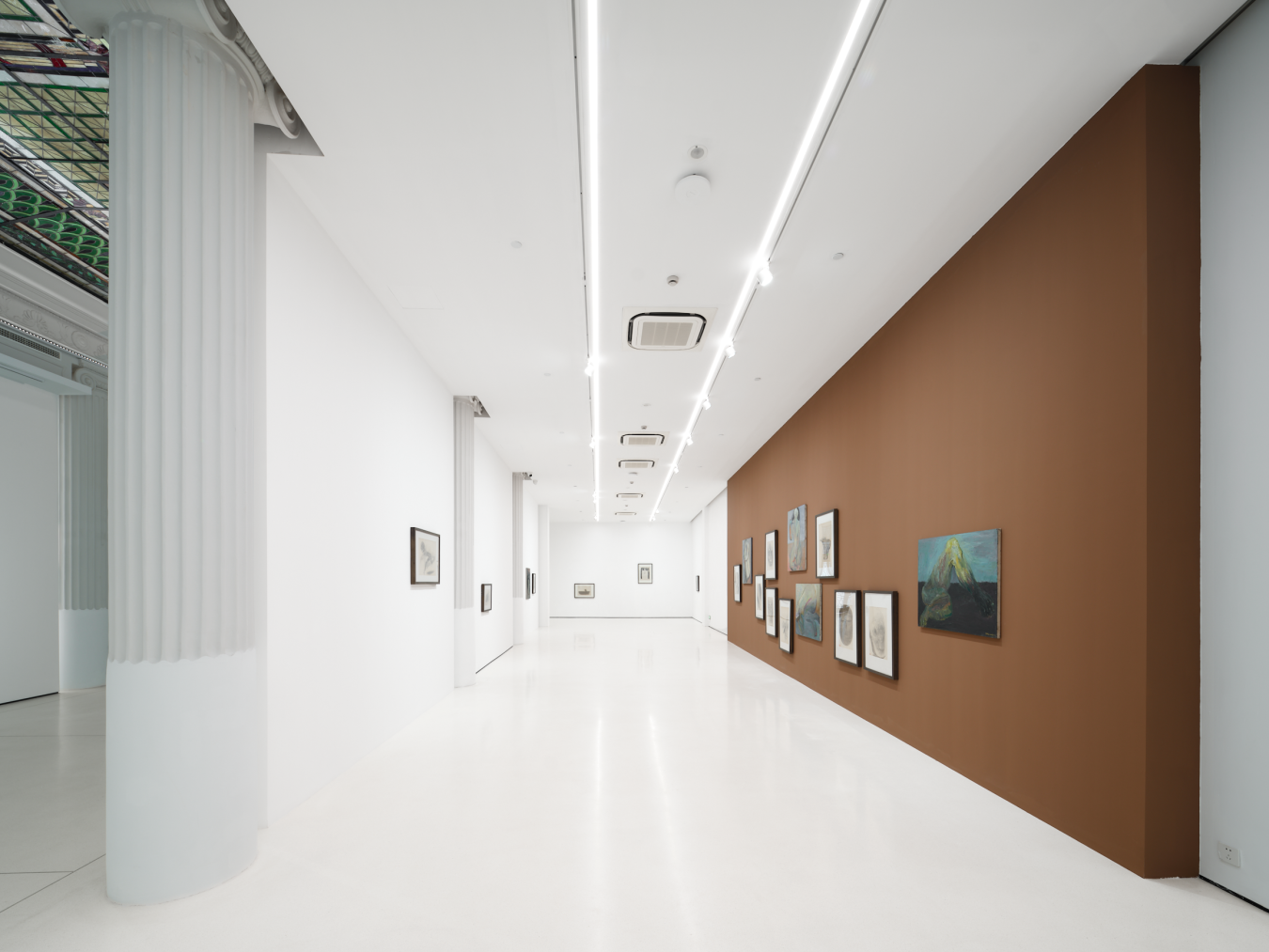
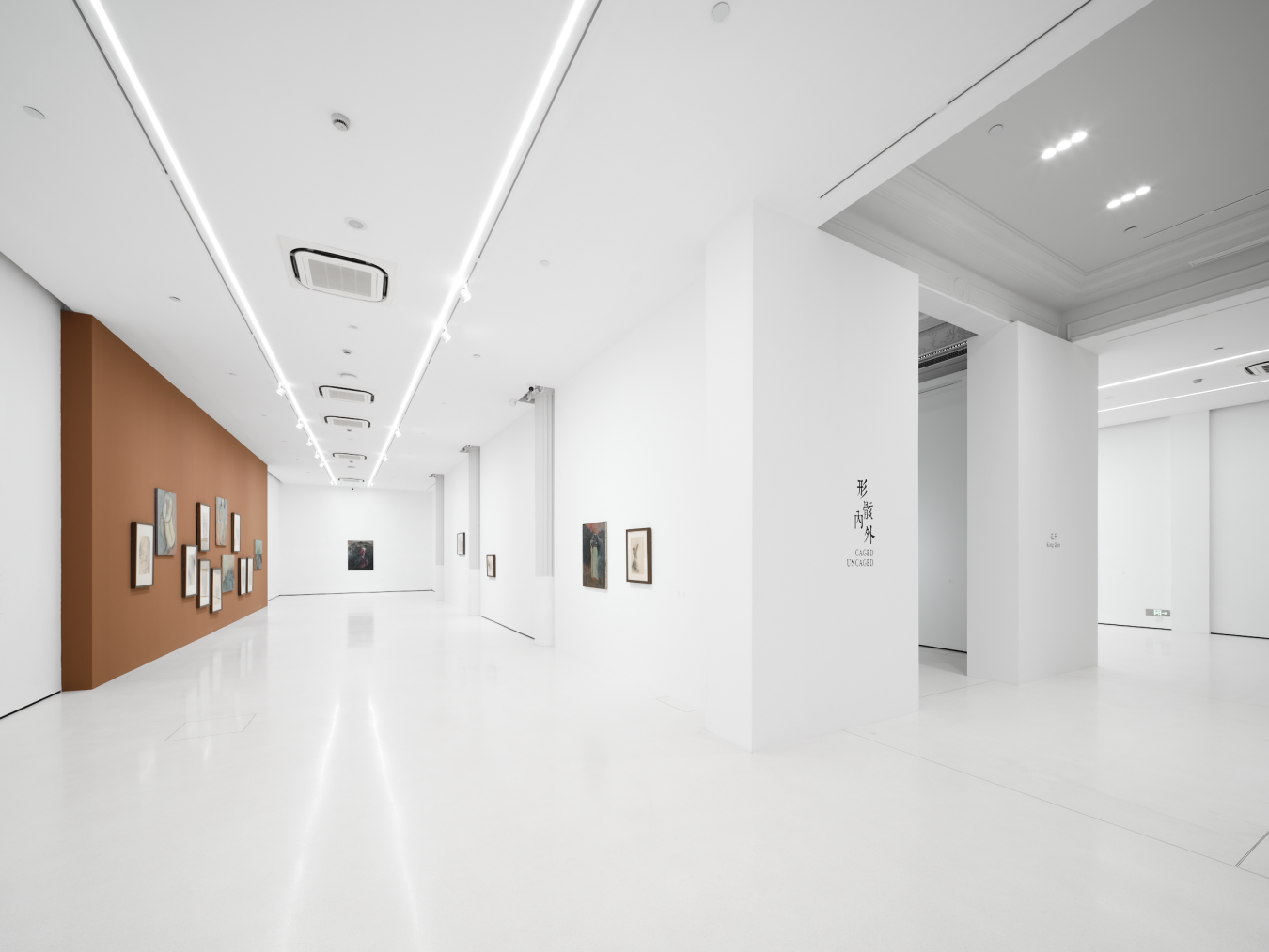
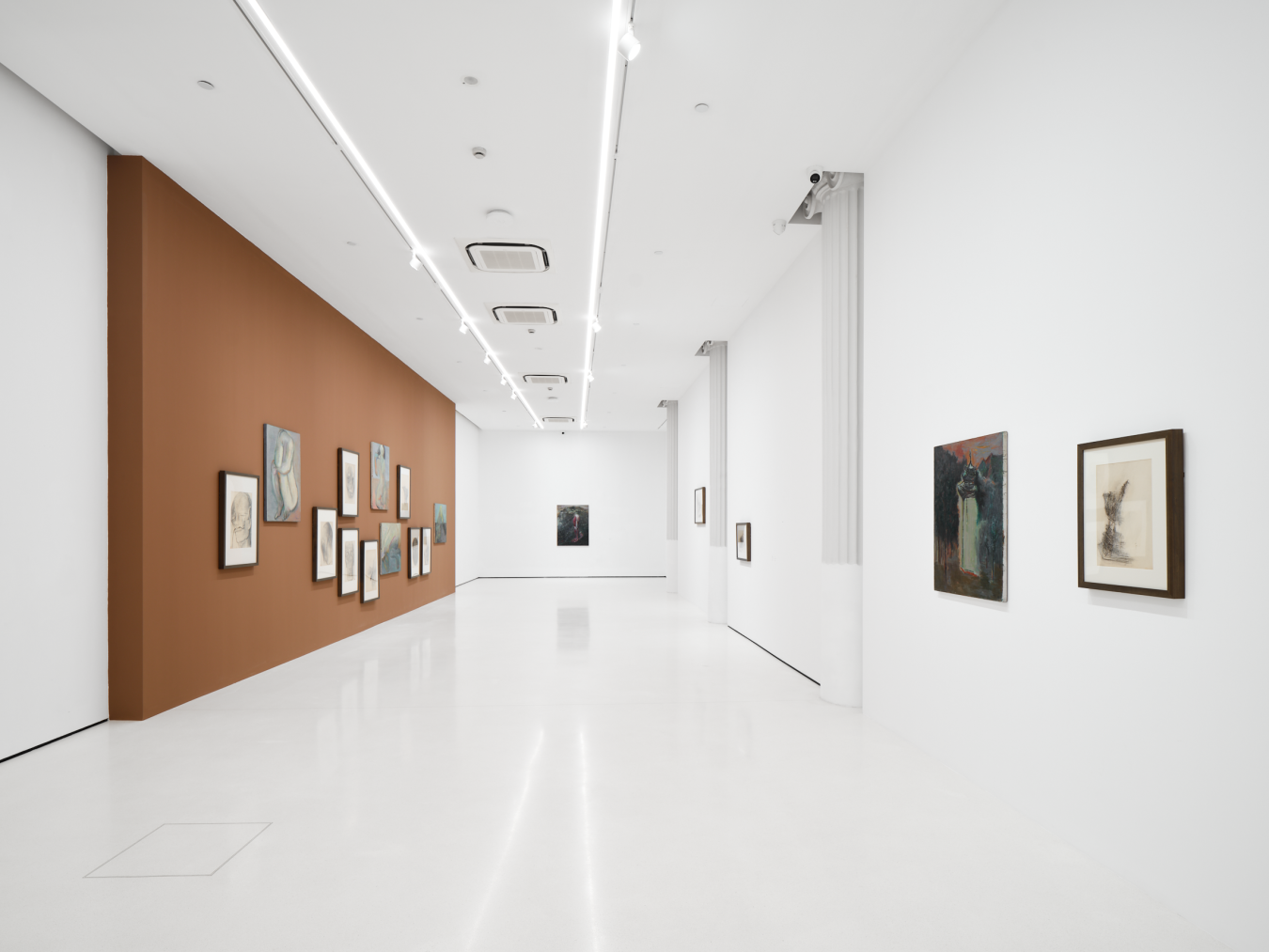
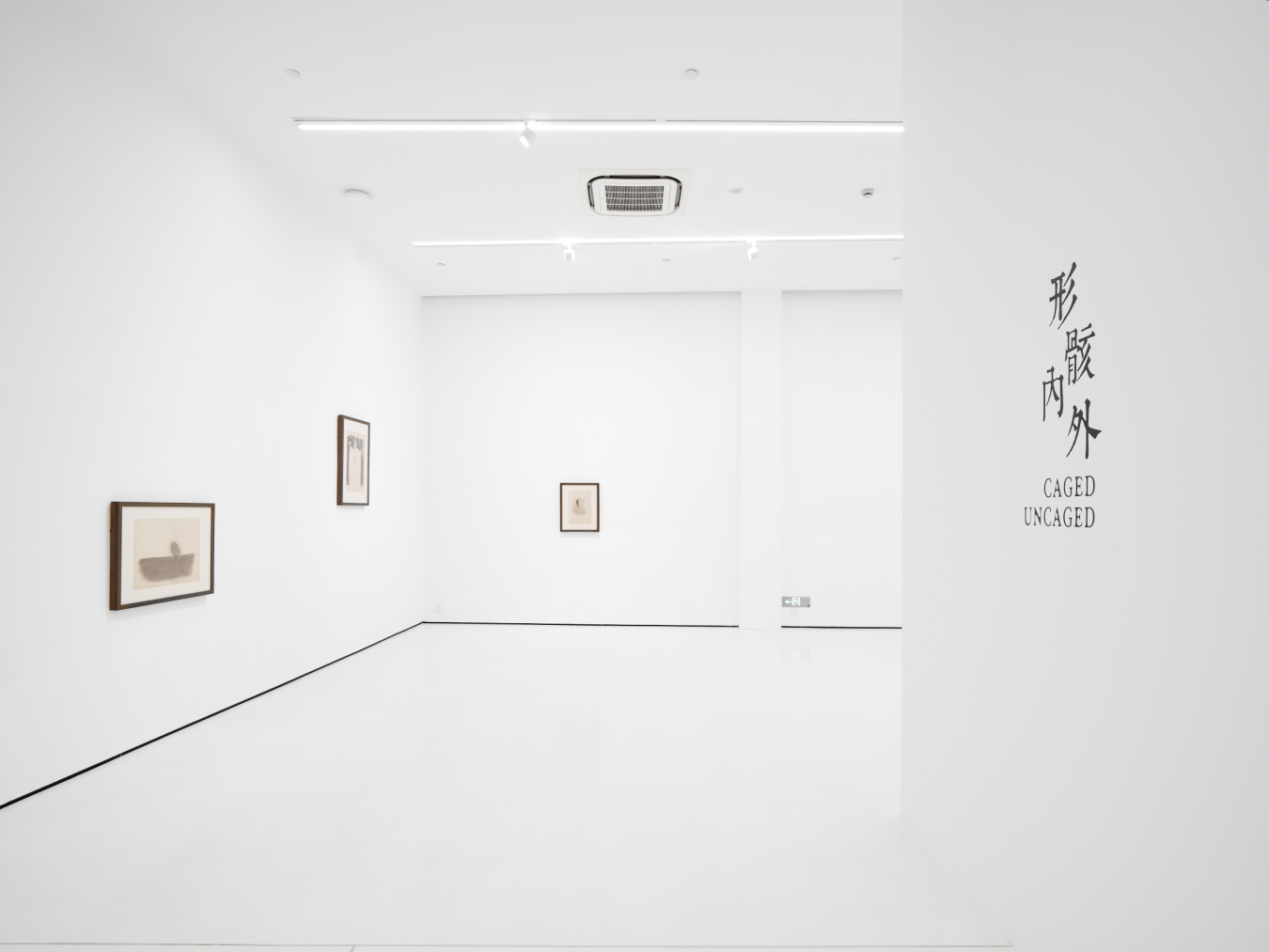
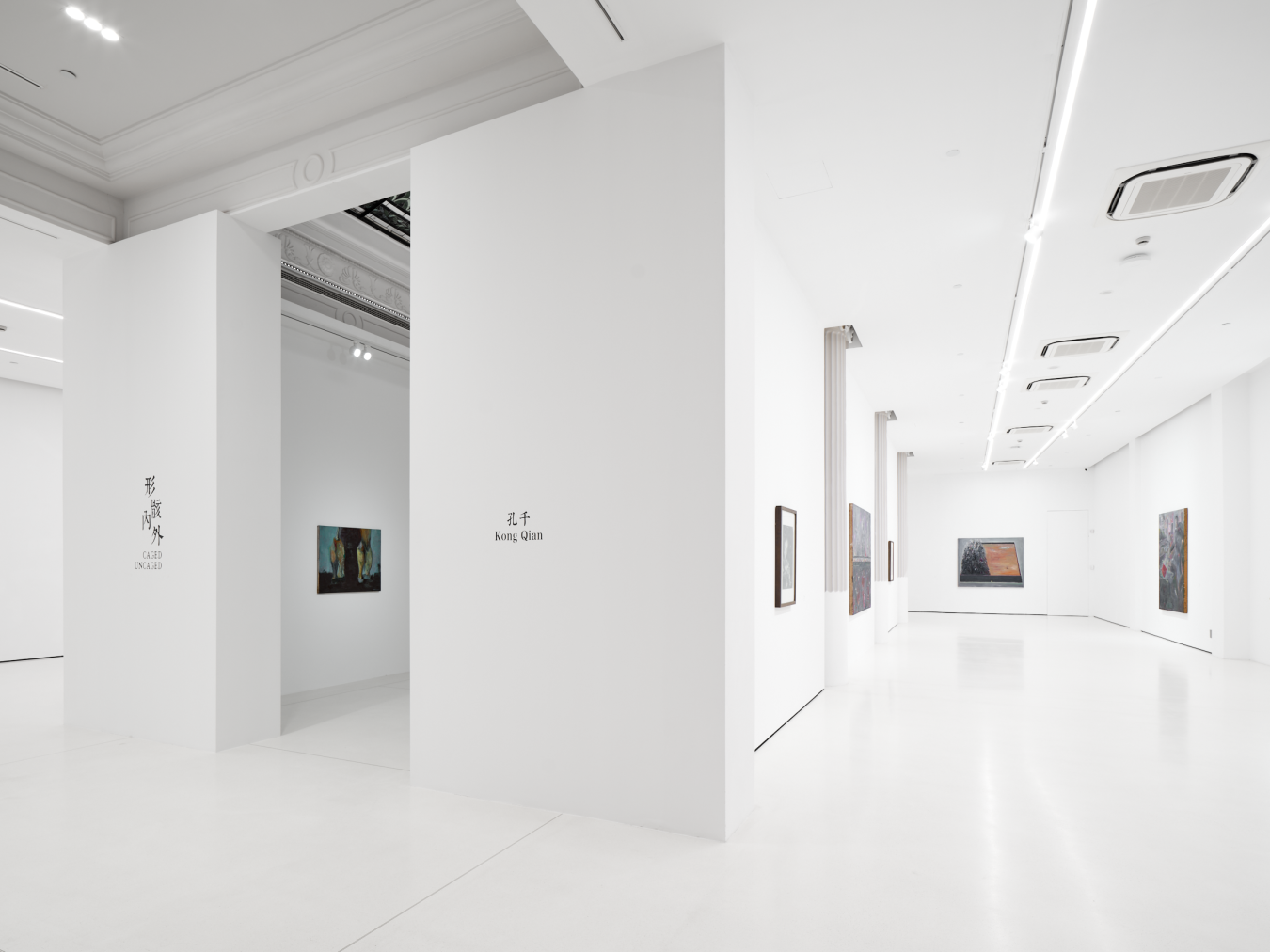
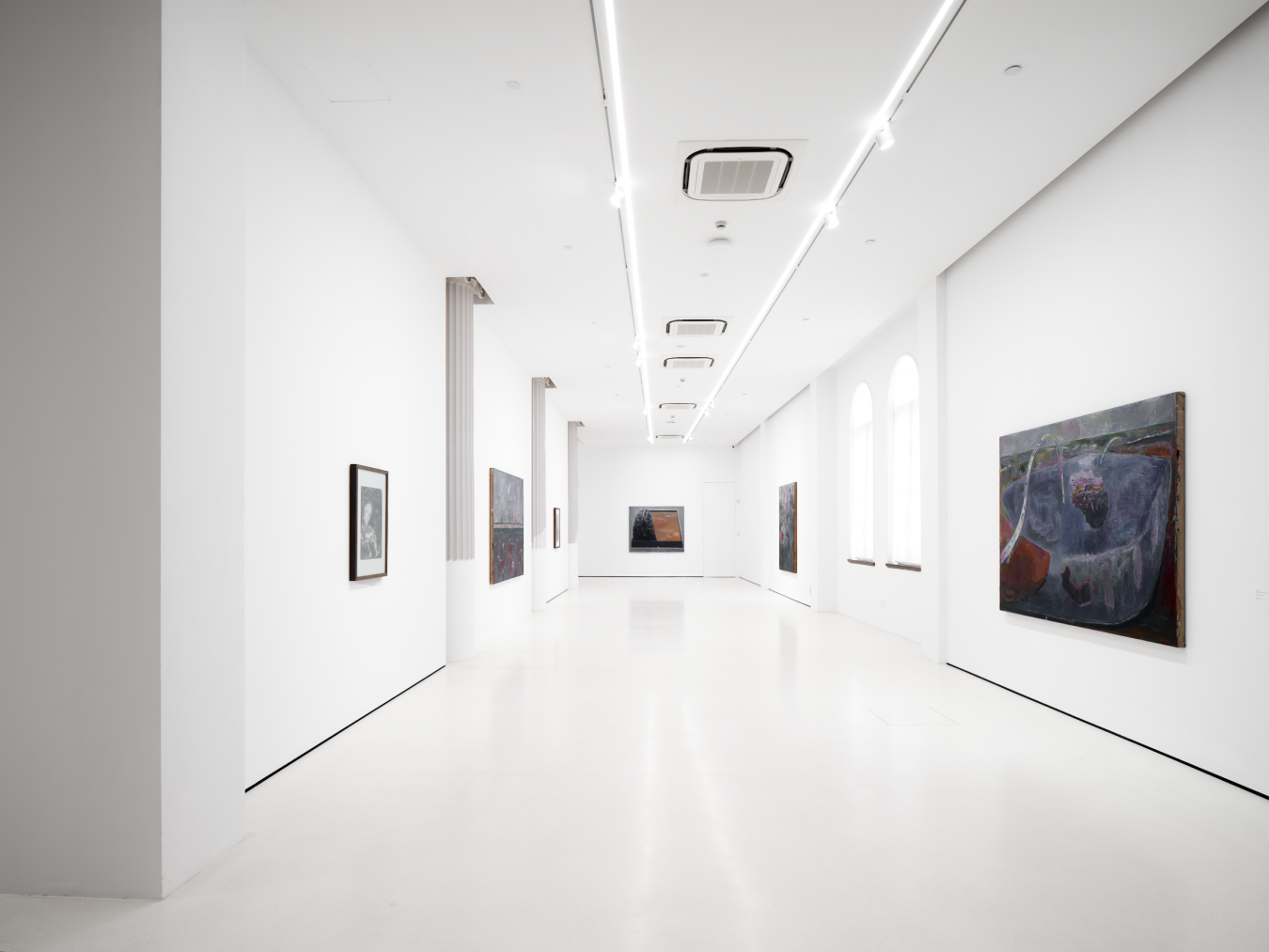
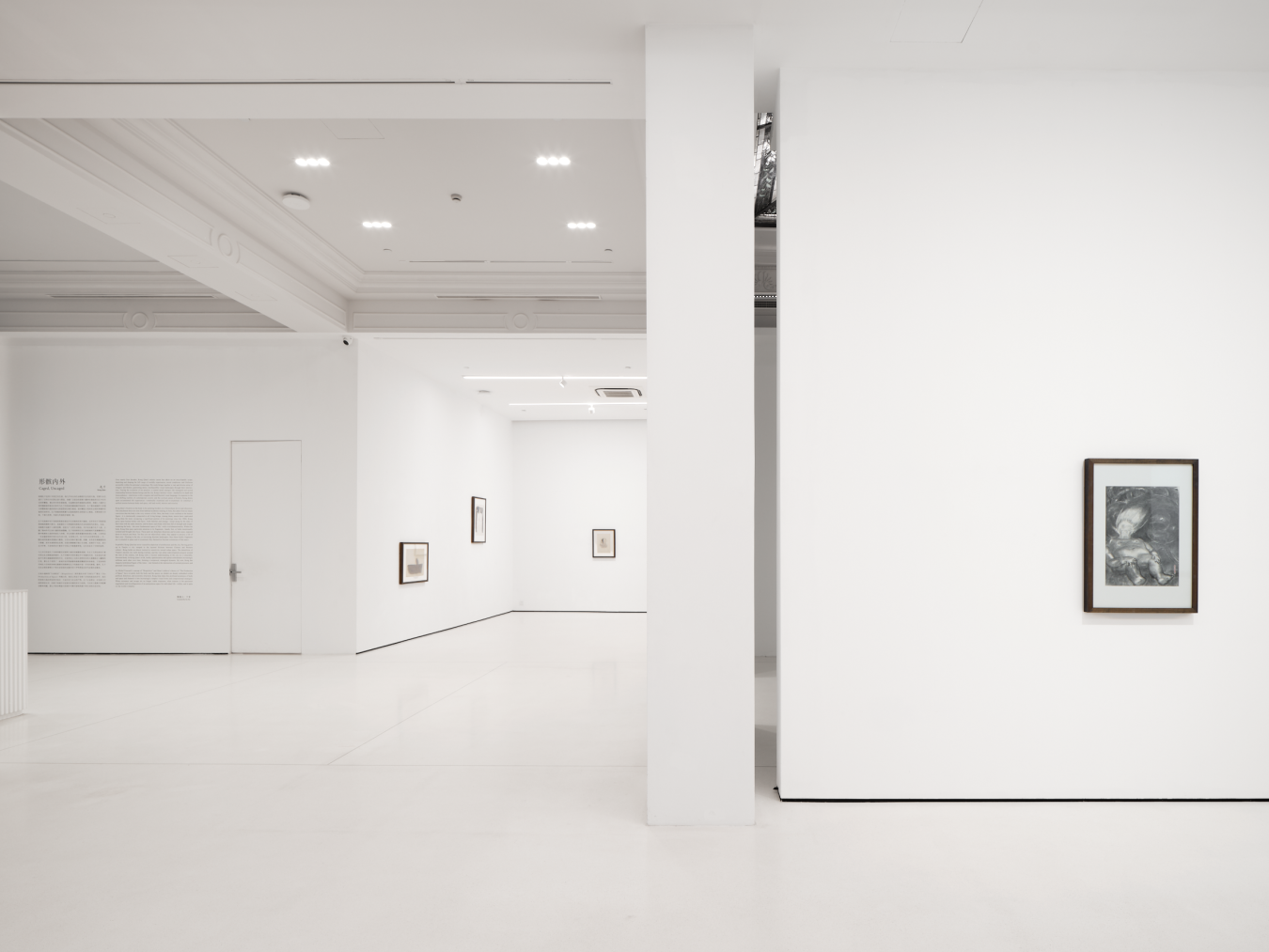
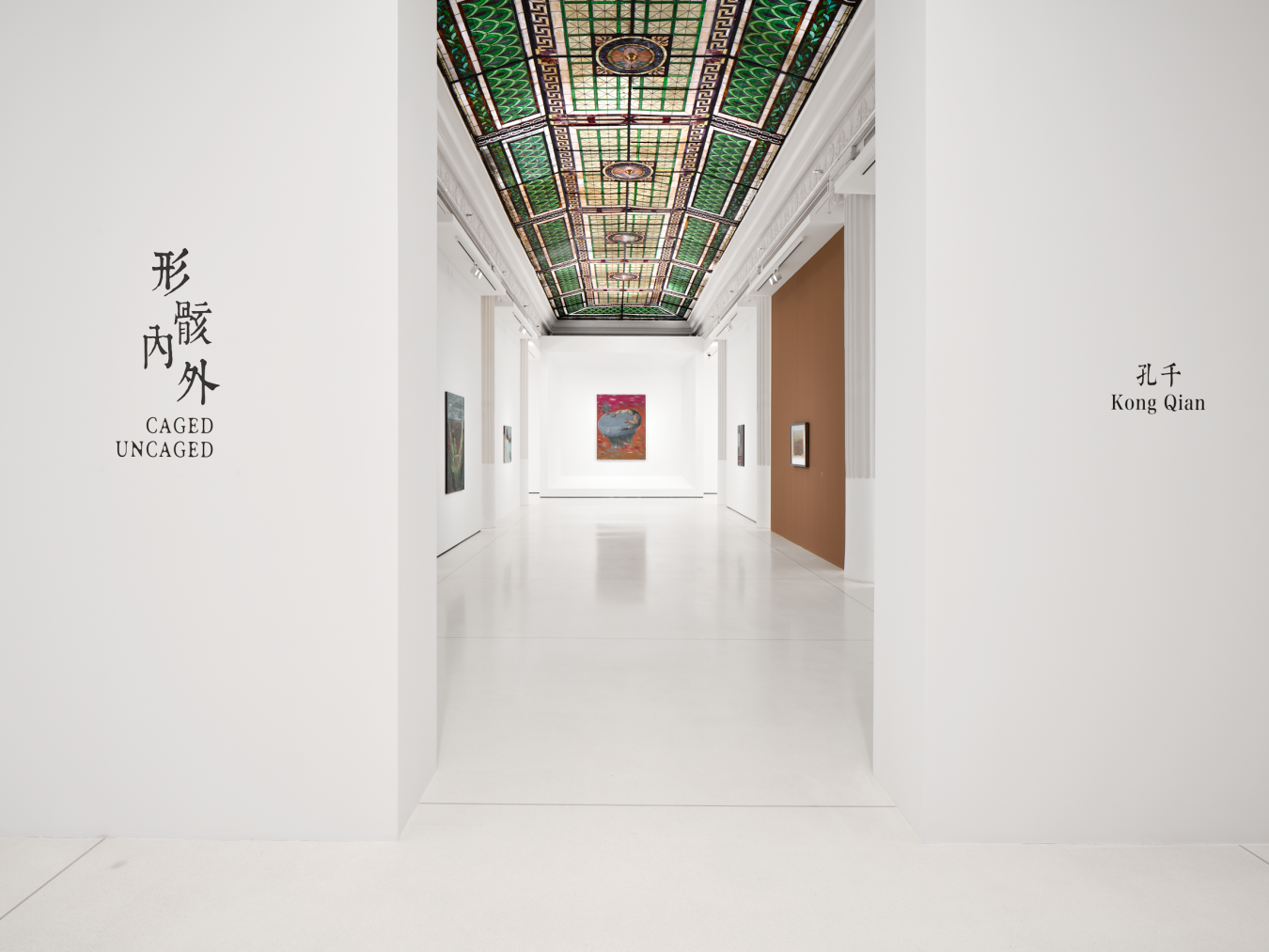
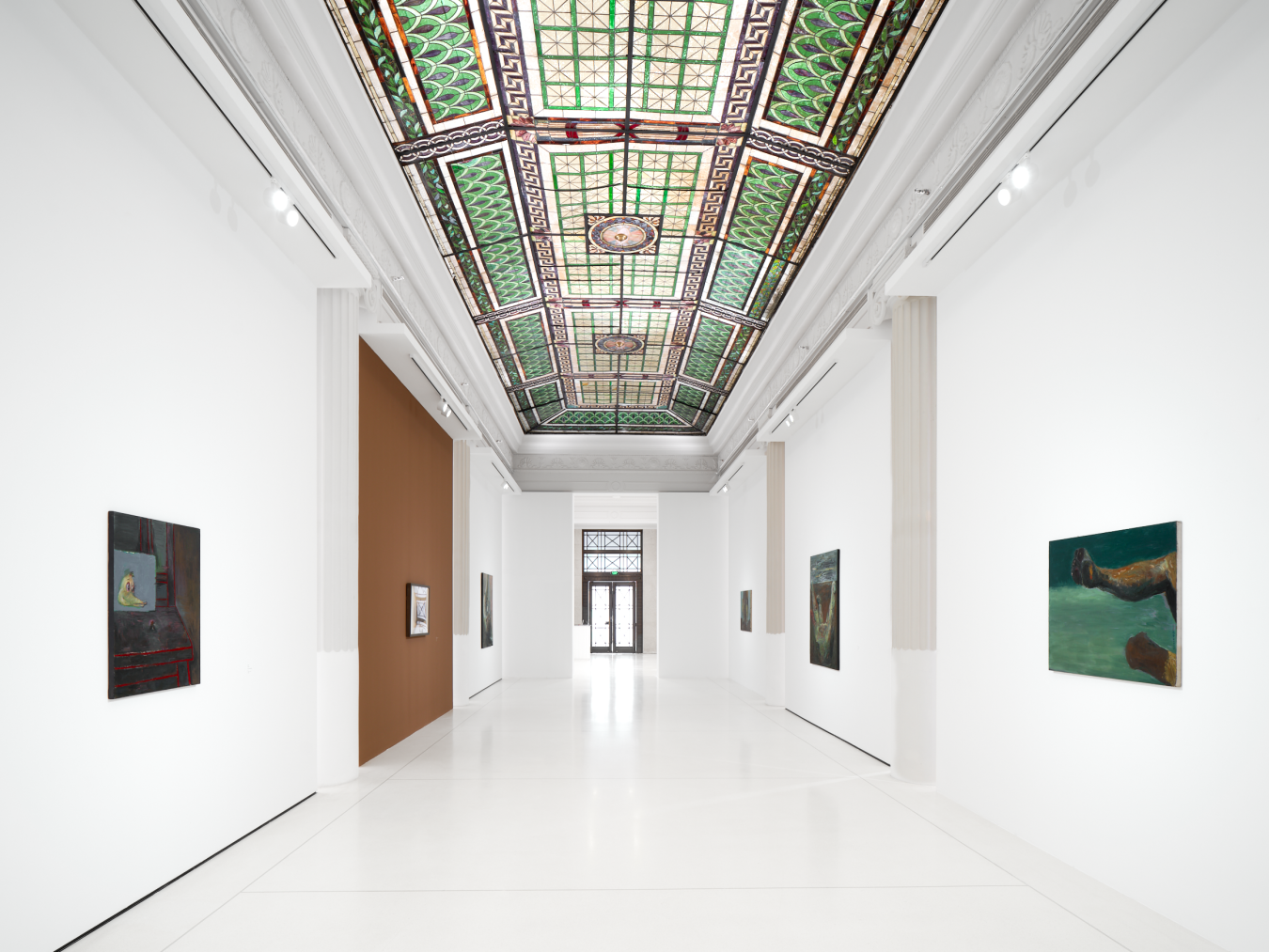
Hive Center for Contemporary Art is honored to announce the opening of artist Kong Qian’s latest solo exhibition, Caged, Uncaged, on August 9, 2025, at Hive | Shanghai. This marks Kong’s fifth solo exhibition with Hive—following Off Time: Thirty Years of Paintings by Kong Qian (1983–2016) (2016), Jinmen in Evolution: Kong Qian Solo Exhibition (2017), A Vision of the Times: Kong Qian’s World of Sketch: (1973–2019) (2019), and Kong Qian: Outrageous Comedy of Humanity (2024)—and his first-ever solo exhibition in Shanghai. Featuring a selection of important drawings and oil paintings spanning from the 1990s to the present, the exhibition distills the artist’s longstanding exploration of the structural and intertwined relationship between the body and urban space. Curated by Yu Fei, the exhibition will run through September 16.
Over nearly four decades, Kong Qian’s artistic career has taken on an encyclopedic scope, depicting and shaping the full range of worldly experiences, social conditions, and lifeforms accessible within his personal cosmology. His work brings together a vast and diverse array of imagery and themes, generating dense, inexhaustible visual landscapes through their intersection. Tracing the evolution of his practice, a central motif emerges: the entangled and nested relationship between human beings and the city. Kong’s holistic vision—marked by its depth and transcendence—intertwines with a singular and multifaceted visual language. In response to the ever-shifting realities of contemporary society and the cyclical nature of history, Kong draws upon accumulated life experiences—continually examined and re-examined—to construct a unified tension between body and space, self and world, interior and exterior.
Being and Border
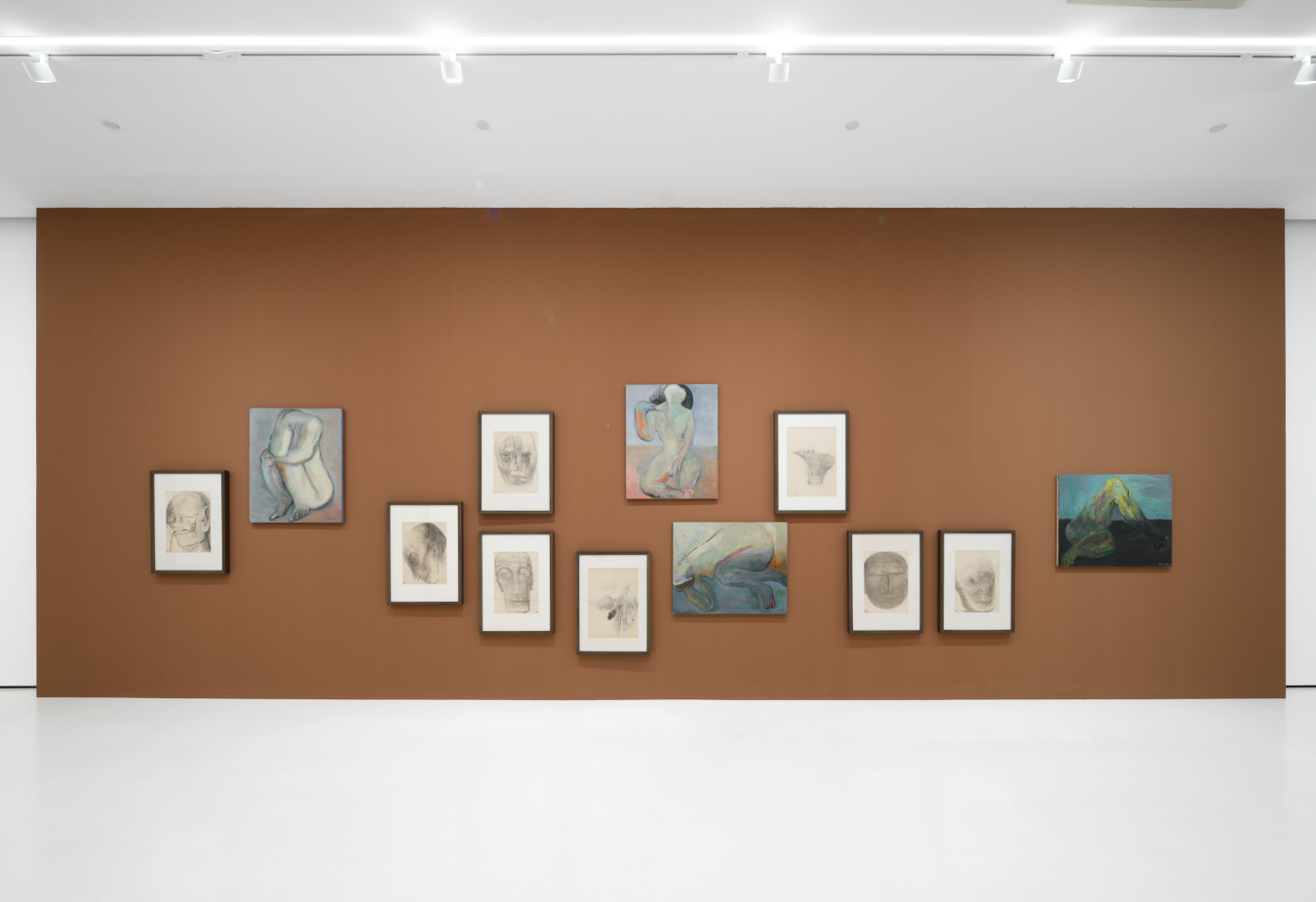
Kong Qian’s fixation on the body in his painting borders on a Nietzschean fervor and obsession. This attachment does not stem from habitual academic training in form, but rather from an innate conviction that the body is the very essence of life. Here, the body is not confined to the human figure—it is intrinsically connected to all living beings. Among them, insects have captivated Kong Qian the most, occupying a significant portion of his paintings since the 1990s. In Snail, Cicada, Ice, for example, Kong depicts a scene where a snail and a cicada are seemingly frozen in place, immobilized by an invisible natural law. It is precisely these fleeting creatures that first awakened Kong’s sense of vitality and sparked his primal urge to paint.
Kong gazes upon human bodies and faces—both familiar and strange—swept along by the tides of their time with the same intensity. Whether in the Figure series, featuring anonymous figures lying face-down or asleep, or in the Portraits series, with their bizarre, exaggerated expressions, Kong draws each body with lines full of strength and weight, rendering the body—the most fundamental space of life—with vivid dimensionality. These drawings and oil paintings go far beyond mere studies from life. Rooted in daily observation, they are distilled through Kong Qian’s unique sensitivity into a vision of life that transcends surface reality—capturing both its interior and exterior.
Severed Limbs, Shattered Walls
Within the body, Kong Qian pays particular attention to its fragments—hands, feet, or limbs intentionally isolated and brought into focus. These parts are detached, dissected, and in some cases, exposed down to muscle and bone. Yet they are not objectified; rather, they appear to possess a life of their own—floating in the sky, or traversing desolate landscapes. Once these bodily fragments are re-situated in space and re-examined, they themselves become extensions of that space. In Hand and Foot, the limbs are magnified to the very edges of the canvas. Their grotesque distortions and exaggerated scales render these once-familiar body parts uncanny: the hand transforms into a cage-like prison, while the foot expands and fractures into rough, mountainous structures—barriers that seem impossible to cross. From these ruptures of the body, an alienated spatial order quietly begins to unfold.
In parallel, Kong Qian has never ceased his depiction of architecture and the city. Having grown up in Tianjin—a city steeped in the layered frictions between Chinese and Western culture—Kong holds an almost instinctive sensitivity toward urban space. His early work experience at the Tianjin University School of Architecture in the 1980s, and his later teaching at the Tianjin Academy of Fine Arts, where he led students in plein air sketching across the city, further deepened his direct engagement with the built environment. The demolition of Tianjin’s ancient city walls during wartime, and the vast urban redevelopment projects around the turn of the century, left Kong with a visceral understanding of the city as a vulnerable, fractured body. The city becomes the embodiment of a collective corporeal will—constantly shaped and reshaped—yet simultaneously exerting influence on every individual dwelling within it. The fates of these two bodies, these two spaces, have long been tightly intertwined. In City, a lone and diminutive figure struggles to find refuge in an immense, unbalanced urban sprawl. And in The Flying Stone, a naked body clings to a colossal boulder—uprooted and adrift like a solitary island—tossed about helplessly in the chaotic whirlwind of an era beyond comprehension or control.
Composite Bodies
“Perhaps all that remains of the world is a wasteland piled high with refuse—and the Khan’s aerial garden. It is our eyelids that separate them, though we cannot tell which lies outside and which within”¡ . Through the voice of Marco Polo, Italo Calvino speaks of a world suspended between illusion and reality. But it is not just the city that eludes clear perception—lurking within are hidden currents of desire and power, which together distort both the body and the space it inhabits. In Baihe River’s Evening, Tianjin becomes a microcosm of China’s plunge into consumerism in the post-millennium era. The city’s newly built structures, gleaming and surreal in the refracted glow of the urban night, undergo a constant process of distortion and transformation. In Kong Qian’s work, bodily spatialization and spatial embodiment increasingly infiltrate each other over time, forming a reciprocal, entangled dynamic. In Island, for instance, we can no longer clearly define the spatial logic at play: fleshy, biological forms meld with geometric architecture, establishing a precarious harmony through mutual invasion and interlocking. By now, Kong has shaped a hybridized figure of the times—one formed at the intersection of societal pressures and personal consciousness.
As Michel Foucault’s concept of “Biopolitics” and Henri Lefebvre’s theory of “The Production of Space” have revealed, both the body and the spaces we inhabit are deeply embedded within political, historical, and economic structures. Kong Qian takes this profound awareness of body and space and channels it into increasingly complex visual forms and compositional strategies. When resistance and escape are no longer viable responses, what remains is the persistent negotiation and reconfiguration of an autonomous space for individual life—within, and in spite of, the world it inhabits.
¡. Italo Calvino, Invisible Cities, Yilin Press, 2012